Mount Fuji E-Bike Tour: Explore Nature and History
Active
2h
For a full refund, cancel at least 24 hours before the scheduled departure time.
Instant confirmation
Mobile or paper ticket accepted
About this experience
Just an hour from Tokyo Station by bullet train!
Mount Fuji Geology & History E-Bike Tour
Departing from: Shin-Fuji Station
☞ Tour Highlights
・Explore the geological wonders of Mount Fuji, shaped by plate tectonics over thousands of years
・Gain insights into past earthquakes, volcanic activity, and disaster preparedness from local guides
・Visit sacred shrines, historic landmarks, and crystal-clear spring waters that tell the story of the region
※Visibility of Mt. Fuji is not guaranteed due to weather conditions.
☞ Tour Details
・Duration: 3 hours
・Meeting point: Shin-Fuji Station South Gate
・Departure Times: Morning: 9:30 AM, Afternoon: 1:15 PM
・Convenience: Return to Tokyo the same day!
Don’t miss this unique opportunity to discover the hidden geological and historical wonders of Mount Fuji.
Reserve your spot now and embark on a journey through time, nature, and culture!
Available options
Mount Fuji E-Bike Tour: Explore Nature and History
What's included
Insurance: The insurance fee will be covered by the operator.
Rental Helmet
Guide
Rental electric assisted bike (Miyata Ridge Runner)
Detailed itinerary
1
You'll start at Shin-Fuji Station.
2
This park has a tsunami evacuation tower. It is 15 meters high and can accommodate up to 120 people. In the event of an earthquake, a tsunami over 10 meters high is expected to follow.
3
During the Muromachi to Edo periods,(around the 1300s to the 1800s) the number of Shugendō practitioners who trained on Mount Fuji increased significantly. These practitioners purified their bodies and minds by bathing in the waters of the Suzukawa coast. They would then leave a sacred stone at the Fujizuka Hill and pray for a safe ascent of Mount Fuji.
4
Beautiful Tagonoura Sand Dunes. This coast consists of an arc-shaped sand dune formed by the accumulation of sediment from the Fuji River on the steep slopes created by lava flows from Mount Fuji. The Tagonoura Sand Dunes, stretching approximately 22 kilometers east to west from the left bank of the Fuji River to the mouth of the Kano River, are about 200 to 800 meters wide and have an elevation of 5 to 10 meters
5
The anchor and log book of the Geratic, located within the grounds of Ryenji Temple. The Geratic was a cargo ship from Jakarta that encountered Typhoon 20 in 1979 and was shipwrecked, washing ashore on Kashiwabara Beach, where two crew members lost their lives. The ship's hull remained upright on the sandy beach without tipping over, which became a major story at the time and attracted many spectators.
6
Mount Fuji is not only a volcano but also a mountain of water, storing a significant amount of water. The people living around Mount Fuji have utilized this water for their daily lives and the development of industries.
It is said that the amount of rain and snow falling on Mount Fuji totals approximately 2.1 billion tons per year, with around 1.8 billion tons of this water being stored annually. This water seeps into the mountain, flowing underground, and eventually emerges as spring water on the surface of the foothills after several decades. The amount of groundwater stored in Mount Fuji is estimated to be enough for about two years' worth of use for the people living in Japan.
7
You can enjoy a magnificent view of Mount Fuji from this bridge. Please note that participants will have to go down 50 steps at the bridge.
8
Return to the starting point.
What's not included
Please bring your own refreshments
Available languages
Guide guide
JA
EN
Reviews breakdown
Tripadvisor
5.0
1 reviews
5★
1
4★
0
3★
0
2★
0
1★
0
Important information
Public transportation options are available nearby
Not recommended for travelers with spinal injuries
Not recommended for pregnant travelers
Not recommended for travelers with poor cardiovascular health
Suitable for all physical fitness levels
During the tour, there is a staircase with 50 steps at Fujisan Yumeno Ohashi. Therefore, it is not wheelchair accessible.
This tour is not wheelchair accessible.
Total tour duration includes time from the start, through each segment of the tour, and back.
Meeting point
Meeting Point: Meet at the south exit of Shin-Fuji Station.
Look for our guide holding a [NINOMARU Guided Cycling Tour] sign.
☆It is Shin-Fuji Station on the bullet train (Shinkansen) line. Please make sure not to confuse it with other stations.
About Mount Fuji
Mount Fuji is Japan's highest and most iconic mountain, revered in Shinto tradition and a UNESCO World Heritage Site. It offers breathtaking landscapes, cultural significance, and unforgettable hiking experiences.
Top Attractions
Fuji Subaru Line 5th Station
The most popular starting point for climbing Mount Fuji, offering stunning views and amenities.
Adventure
Full day for climbing
Free to access, parking fees apply
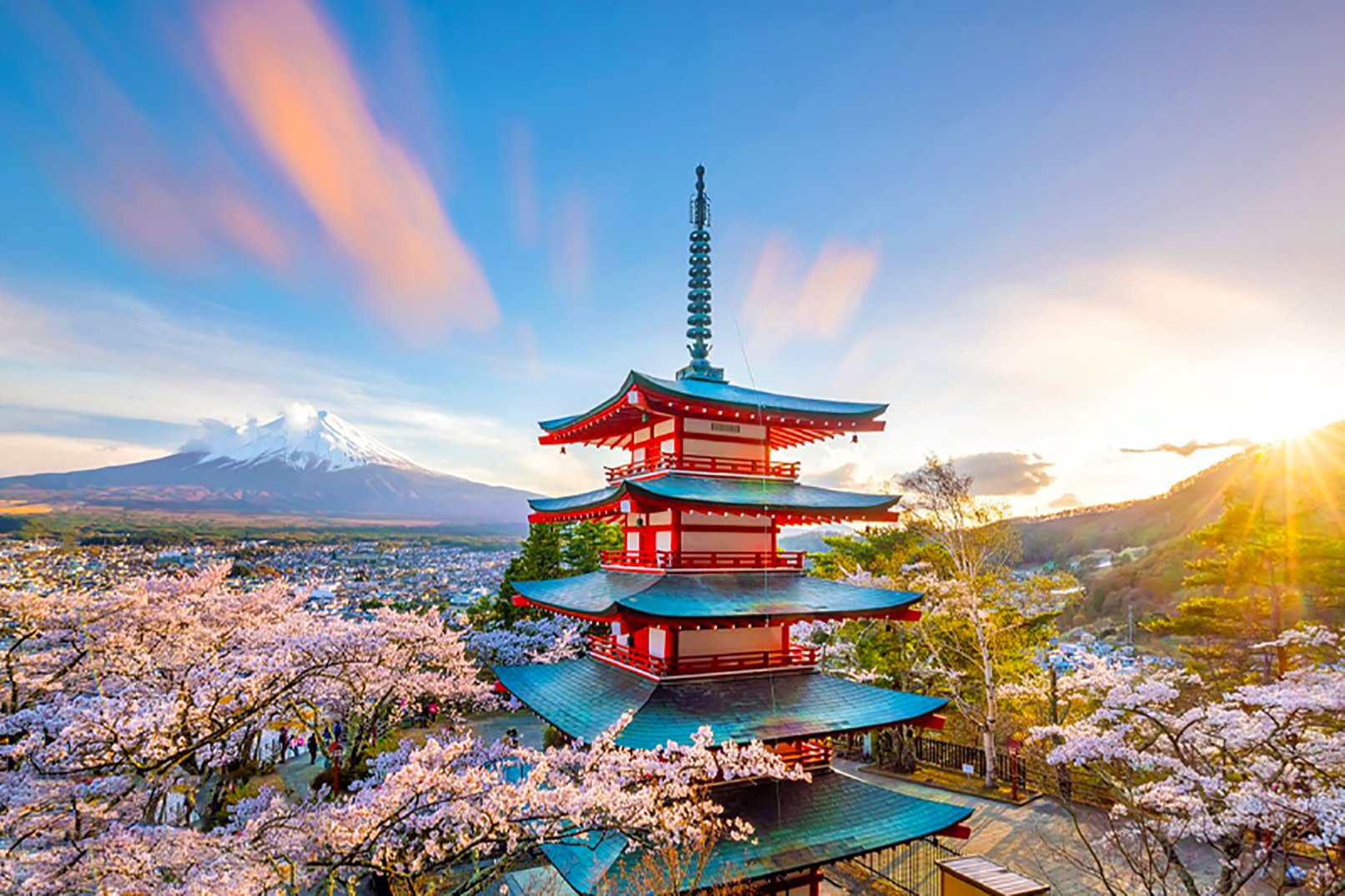
Chureito Pagoda
A famous five-story pagoda offering one of the most iconic views of Mount Fuji.
Historical
1-2 hours
Free
Fuji-Q Highland
A popular amusement park with thrilling rides and attractions, including roller coasters with views of Mount Fuji.
Entertainment
Full day
¥4,000 to ¥6,000 (approx. $30 to $50) for entry and rides
Lake Kawaguchiko
One of the Fuji Five Lakes, offering beautiful views of Mount Fuji and various recreational activities.
Nature
Half day to full day
Free to explore, fees for activities
Must-Try Local Dishes
Hoto Noodles
A hearty noodle dish with flat udon noodles, vegetables, and miso broth, often served in a hot pot.
Dinner
Contains gluten and soy.
Fuji Asari (Clams)
Freshwater clams from the Fuji Five Lakes, often grilled or steamed and served with soy sauce.
Appetizer
Seafood, gluten-free if sauce is not added.
Yoshida Soba
Cold buckwheat noodles served with a dipping sauce, a specialty of the Yoshida area.
Lunch/Dinner
Gluten-free if made with 100% buckwheat flour.
Fuji Q Highland's Takoyaki
Octopus-filled dough balls, a popular street food item at the amusement park.
Snack
Contains wheat and seafood.
Popular Activities
Climbing Mount Fuji
Hiking around the Fuji Five Lakes
Paragliding
Onsen (hot spring) bathing
Boat tours on Lake Kawaguchiko
Picnicking with views of Mount Fuji
Visiting Shinto shrines and temples
Exploring traditional shopping streets
Best Time to Visit
July to August (climbing season)
This is the official climbing season with clear trails and mountain huts open. Expect crowded conditions.
10°C to 20°C (50°F to 68°F)
50°F to 68°F
Practical Information
Language
- Official: Japanese
- Widely spoken: English (limited)
- English: Limited
Currency
Japanese Yen (JPY)
Time Zone
GMT+9
Electricity
100VV, 50/60HzHz
Safety Information
Overall Safety Rating: Generally safe
Mount Fuji and its surrounding areas are generally safe for travelers, with low crime rates. However, always be aware of your surroundings and take precautions.
Important Precautions:
- • Be cautious of your belongings in crowded areas.
- • Use reputable tour operators and services.
- • Check the weather and trail conditions before hiking or climbing.
Getting there
By air
- Shizuoka Airport • 50 km (31 miles) from the base of Mount Fuji
- Narita International Airport • 180 km (112 miles) from the base of Mount Fuji
By train
Fuji Subaru Line 5th Station, Kawaguchiko Station
By bus
Shizuoka, Kawaguchiko, Fuji-Q Highland
Getting around
Public transport
Convenient and frequent service, but can be crowded during peak season.
Taxis
Available • Apps: JapanTaxi, DiDi
Rentals
Car, Bike, Scooter
Neighborhoods
Fuji Subaru Line 5th Station
Kawaguchiko
Fujiyoshida
Day trips
Hakone
50 km (31 miles) • Full day
A hot spring resort town known for its scenic beauty, onsen (hot springs), and views of Mount Fuji.
Yokai Street (Yokai Dori) in Fujikawaguchiko
5 km (3 miles) • Half day
A quirky street filled with shops and restaurants themed around yokai (Japanese supernatural creatures).
Gotemba Premium Outlets
30 km (19 miles) • Half day
A large outlet mall with a variety of international and Japanese brands, offering discounts on fashion, accessories, and more.
Festivals
Fuji Shibazakura Festival • April to May
Fujiyoshida Fire Festival • August 26-27
Kawaguchiko Winter Festival • February
Pro tips
- Start your climb of Mount Fuji early in the morning to avoid crowds and enjoy cooler temperatures.
- Visit the Chureito Pagoda during sunrise or sunset for the best photographs of Mount Fuji.
- Try local specialties such as hoto noodles and Fuji Asari (clams) for an authentic culinary experience.
- Pack layers of clothing for climbing Mount Fuji, as temperatures can vary significantly with elevation.
- Respect the mountain and follow the principles of 'Leave No Trace' to help preserve its natural beauty.
From $25
per person
Price varies by option
Secure booking
Free cancellation available
Instant confirmation


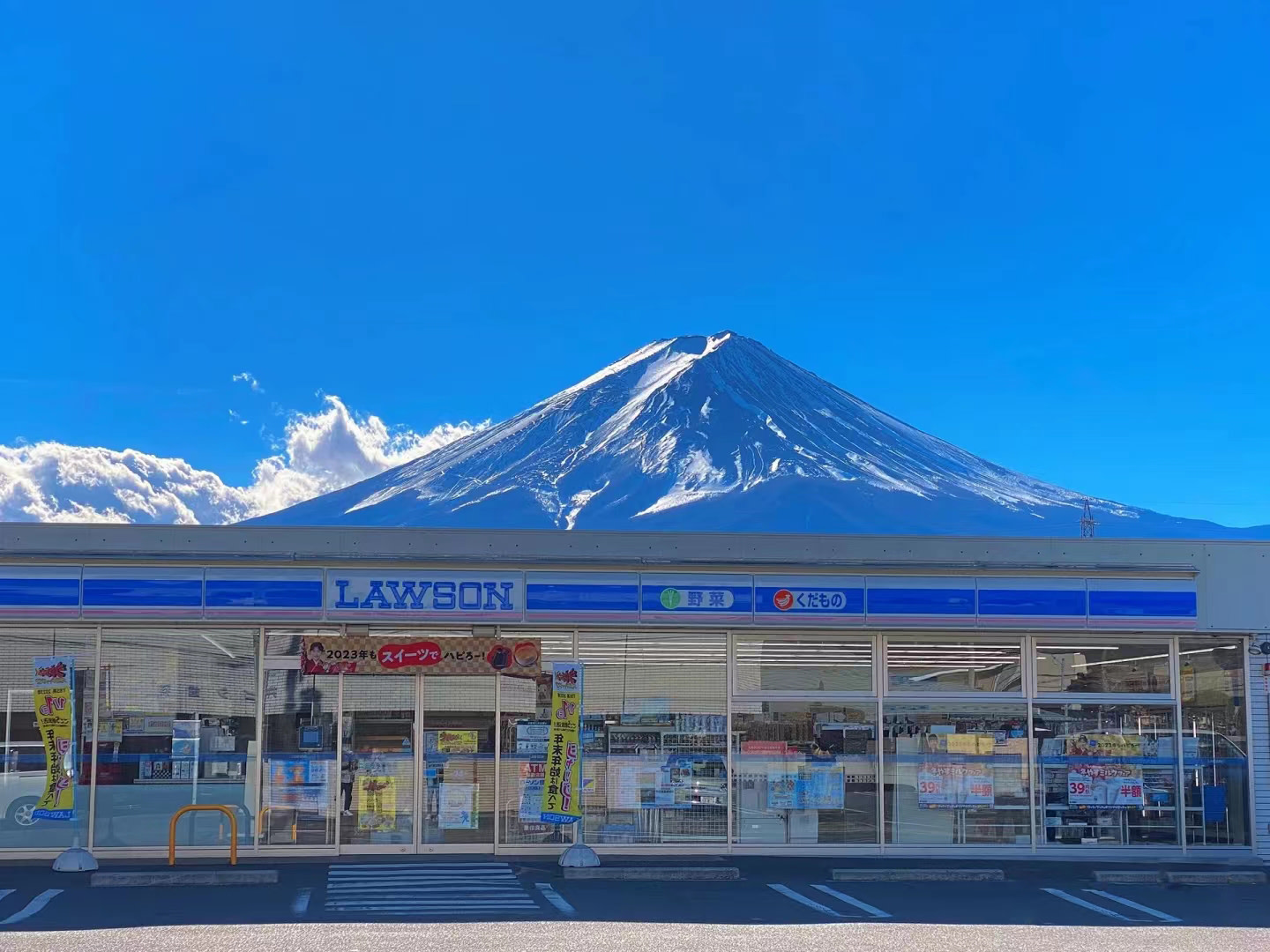
![[One-Day Tour Exploring the Magnificent Views of Mount Fuji] Arakurayama Sengen Park & Lake Kawaguchi Oishi Park & Oshino Hakkai & Instagram-Famous Lawson & Nikawa Tokeiten (Departure from Tokyo)](https://res.klook.com/image/upload/activities/iuqnww3unmcff9wf1zvx.jpg)
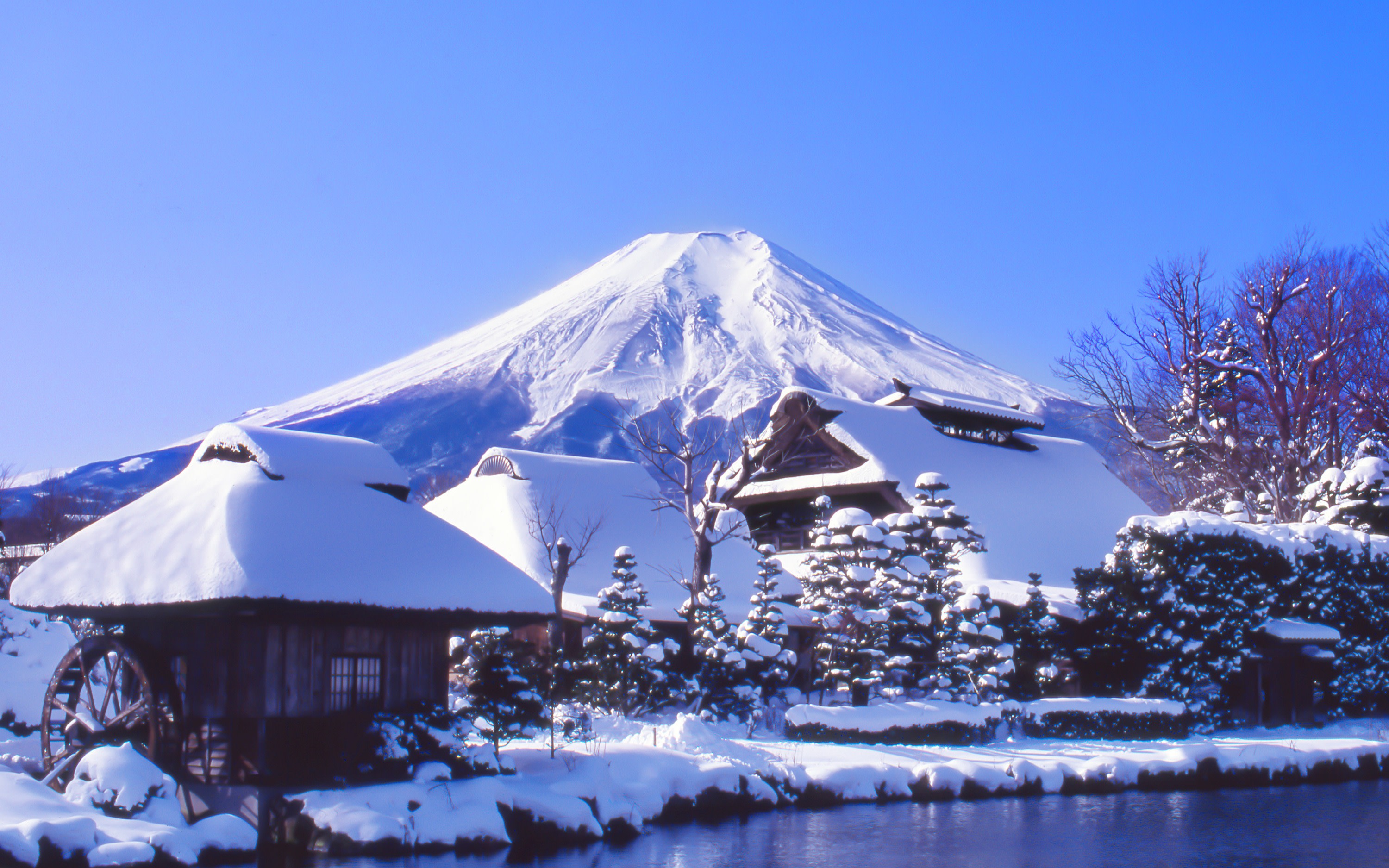
![[Limited Time Special Offer] Mount Fuji Popular Scenic Spot Check-in Day Trip | Departure from Tokyo](https://res.klook.com/image/upload/activities/tyffdzy6b9g2rsxmdx5m.jpg)
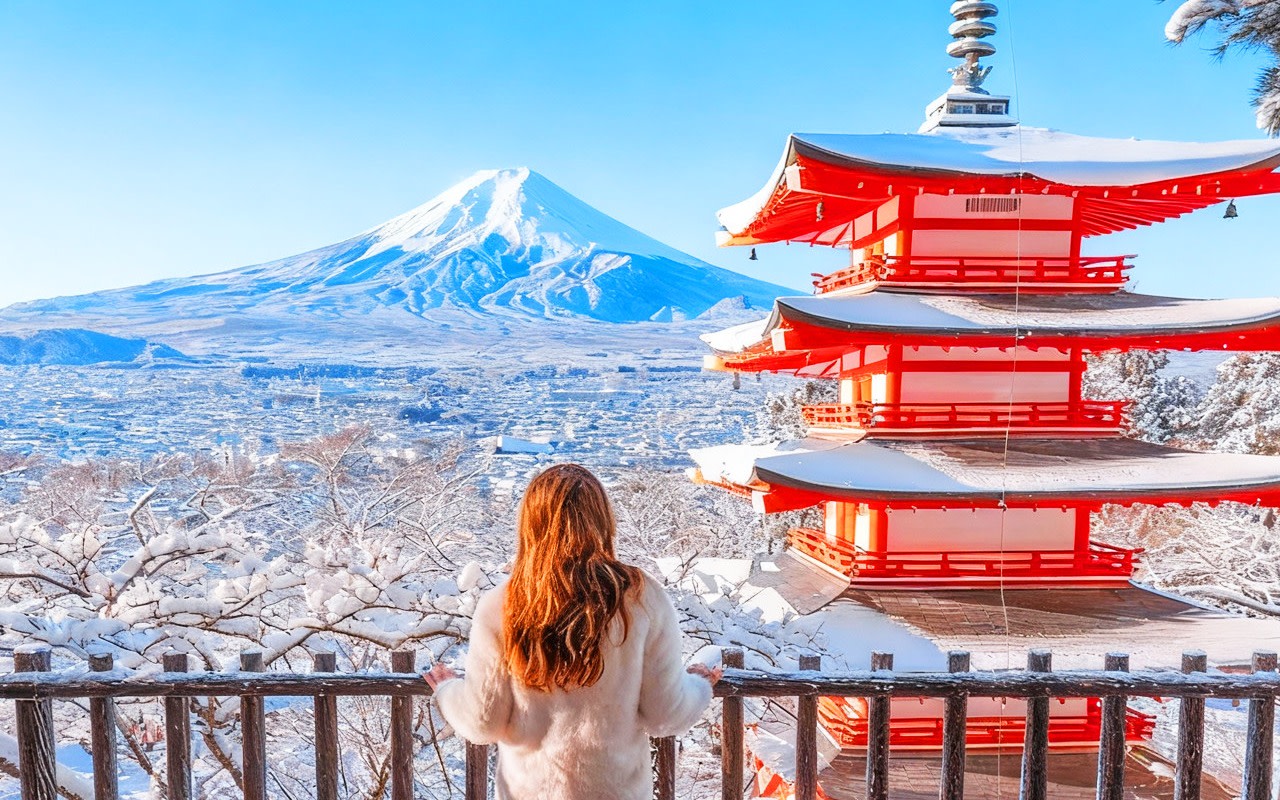
![[Popular Mt. Fuji Instagram Spots] Mt. Fuji Famous Park & Hikawa Clock Shop & Lawson Convenience Store & Oshino Hakkai & Oishi Park Day Trip (Departing from Tokyo Station or Shinjuku Station)](https://res.klook.com/image/upload/activities/uqvzyqlrsga4chzhg0qe.jpg)
![[Mount Fuji & Hakone] Lake Ashi Torii Gate & Hakone Shrine & Hakone Pirate Ship & Hakone Ropeway & Owakudani & Lake Yamanaka & Oshino Hakkai Day Trip | Ropeway Ticket Included | Departure from Tokyo](https://res.klook.com/image/upload/activities/z0pgbdeyzw3p0rfq8v2n.jpg)
![[Mt. Fuji Sightseeing Cable Car Day Trip with Lunch Option] Lawson Convenience Store & Kawaguchiko Matcha Experience & Kawaguchiko Panorama Ropeway & Oshino Hakkai (From Tokyo)](https://res.klook.com/image/upload/activities/al0hrjujvrimzxcidlyf.jpg)