Rome in a Flash: Luxury Cabriolet Tour with Italian Delights
Active
1h
For a full refund, cancel at least 24 hours before the scheduled departure time.
Instant confirmation
Mobile or paper ticket accepted
About this experience
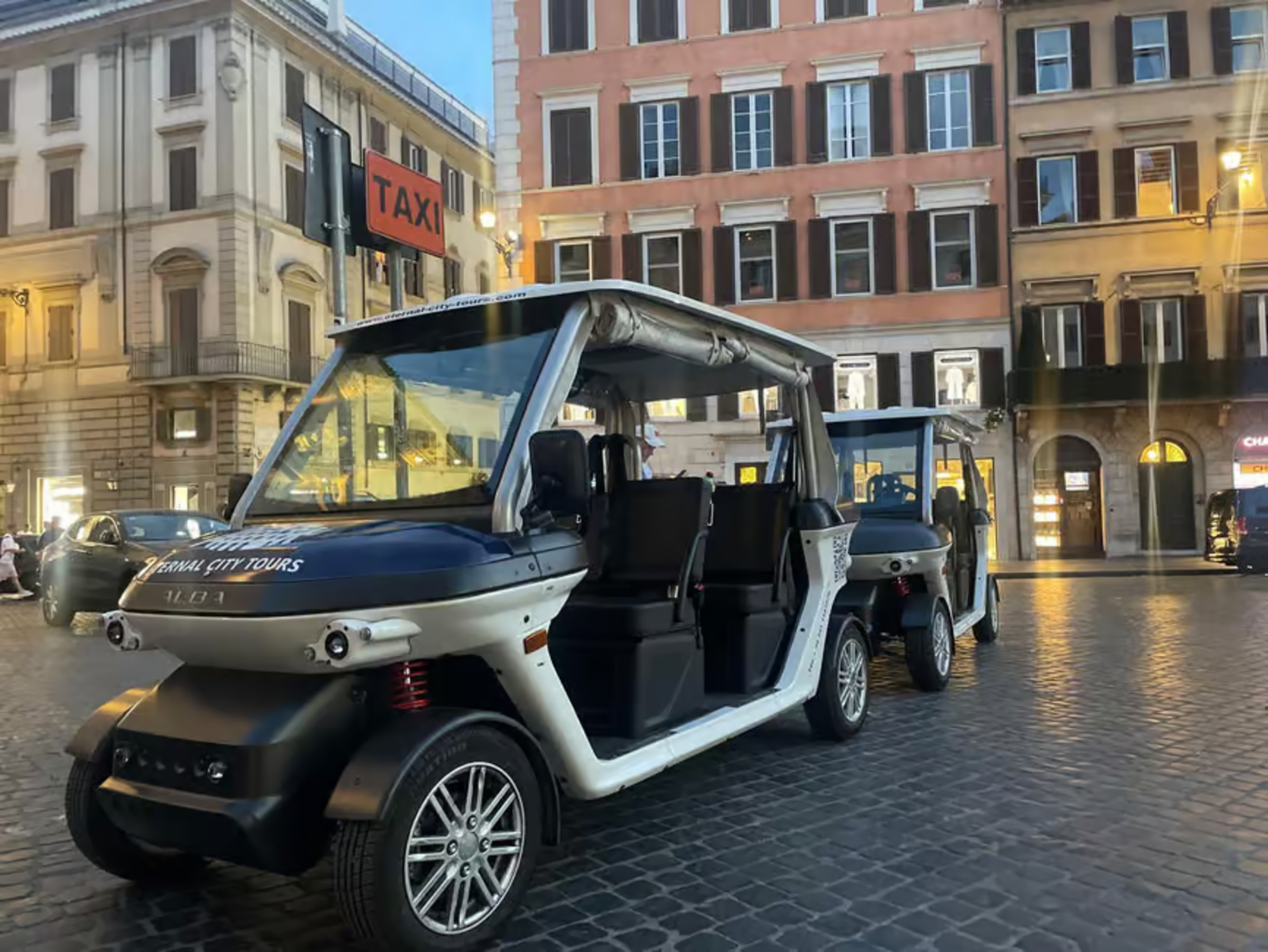
Discover Rome in a flash with an exclusive private tour aboard a luxury convertible! In just 90 minutes, let yourself be conquered by the timeless charm of the Eternal City, walking its most iconic and surprising streets in style. An intense and emotional experience, perfect for those who want to capture the essence of Rome in an instant.
Marvel at iconic places and hidden corners, accompanied by a selected soundtrack to enhance every moment of your journey.
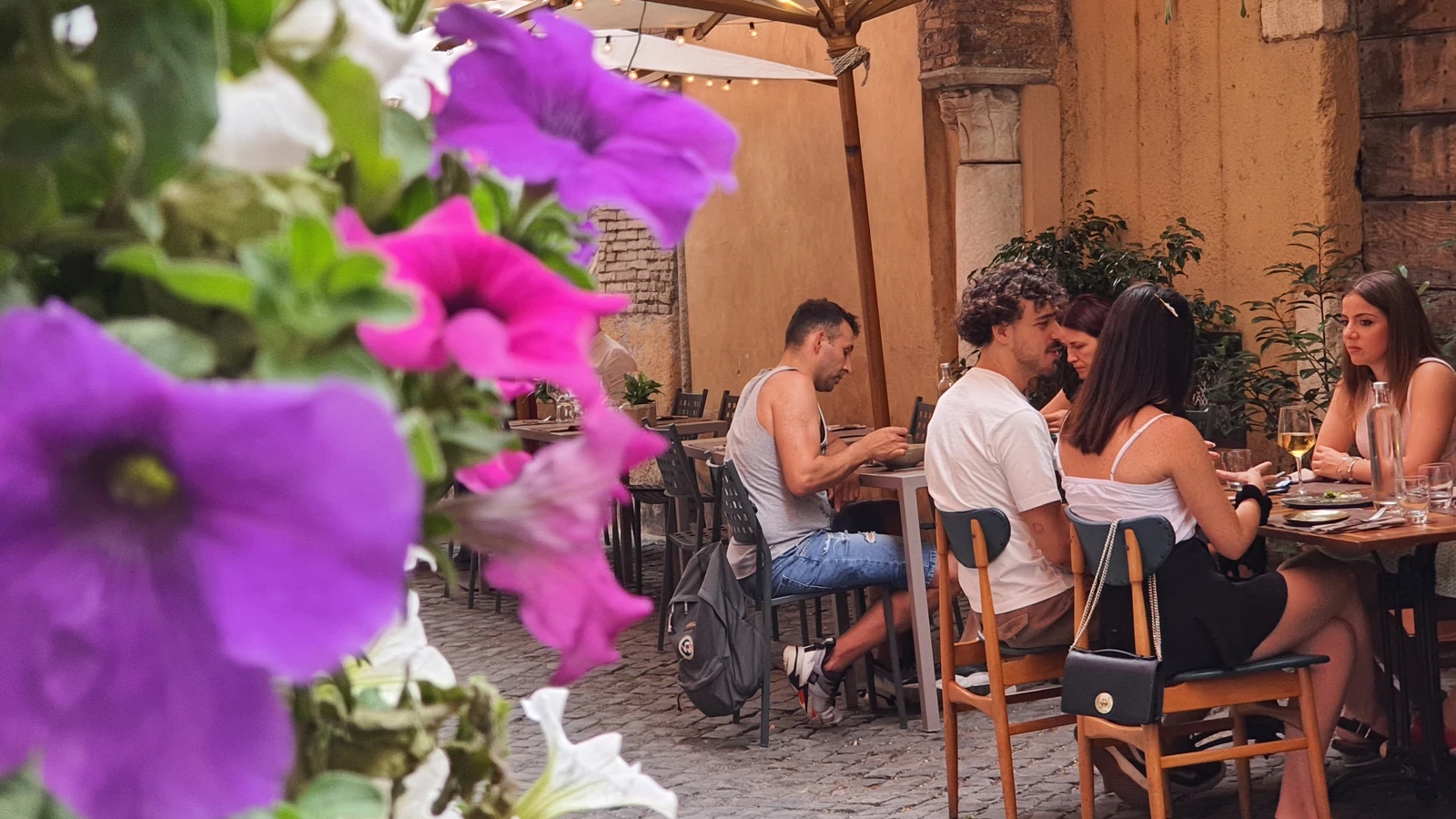
To make the experience even more authentic, a small tasting of a local delicacy is included, to be enjoyed while experiencing the rhythm and elegance of the most beautiful city in the world.
Available options
Rome in a Flash: Luxury Cabriolet Tour with Italian Delights
What's included
Private transportation
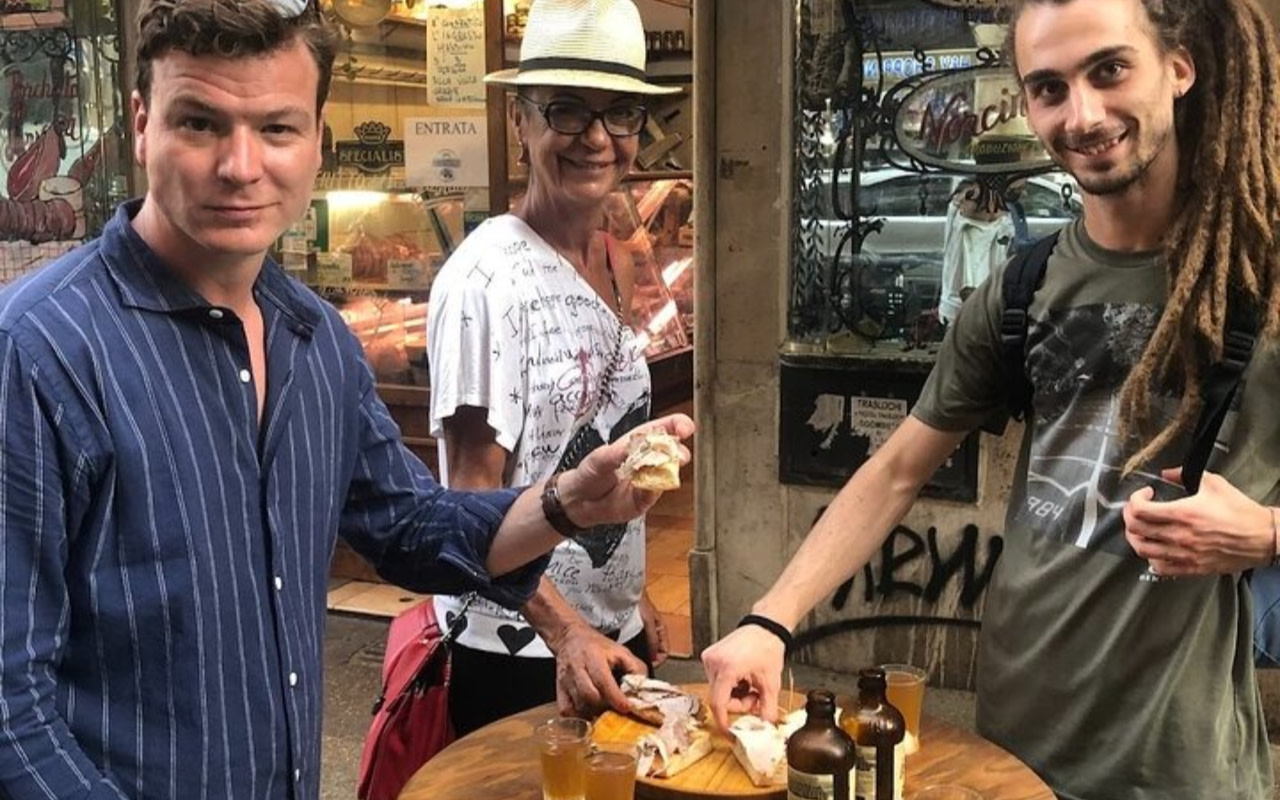
Included in the tour is a tasting of authentic Roman food, in places hidden from tourists. A unique experience to discover the real local cuisine!
Detailed itinerary
1
Stop 1
The Basilica of Santa Maria degli Angeli e dei Martiri is located in Piazza della Repubblica and was built in 1561 to a design by Michelangelo Buonarroti inside the Baths of Diocletian. The church is famous for its grandiose Renaissance architecture, the use of Roman ruins and the sundial designed by Giovanni Domenico Cassini.
2
Stop 2
The Baths of Diocletian are one of the largest and most majestic thermal buildings in ancient Rome, built between 298 and 306 AD.C. by Emperor Diocletian. They occupied a large area in the Viminale district and could accommodate up to 3,000 people. In addition to the traditional spa rooms, they also included gyms, libraries and gardens. Today, part of the baths houses the National Roman Museum, while another section is used by the Basilica of Santa Maria degli Angeli. The ruins of the baths are still an important testimony of Roman engineering.
3
The Basilica of Santa Maria Maggiore is one of the four papal basilicas in Rome and one of the most important churches in the city. It is located on Piazza di Santa Maria Maggiore and is dedicated to the Virgin Mary. It was built in the 5th century, during the pontificate of Pope Sixtus III, and is famous for its architectural splendor, combining elements of the Late Antiquity and Baroque. The church is famous for its mosaics, especially those of the fifth century that decorate the apse, and for the majestic Sistine Chapel, which houses the relics of the Madonna della Neve.
4
Stop 4
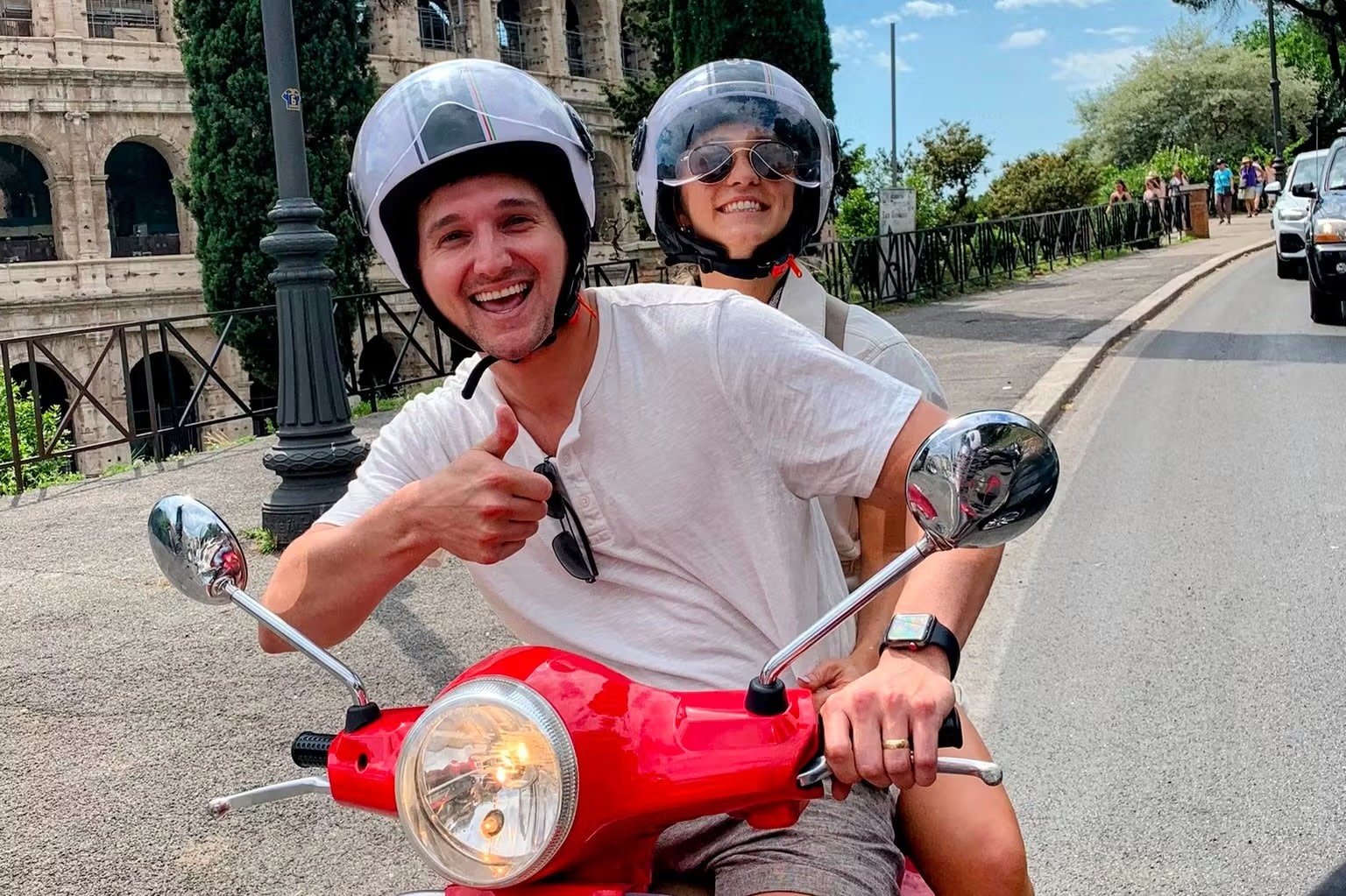
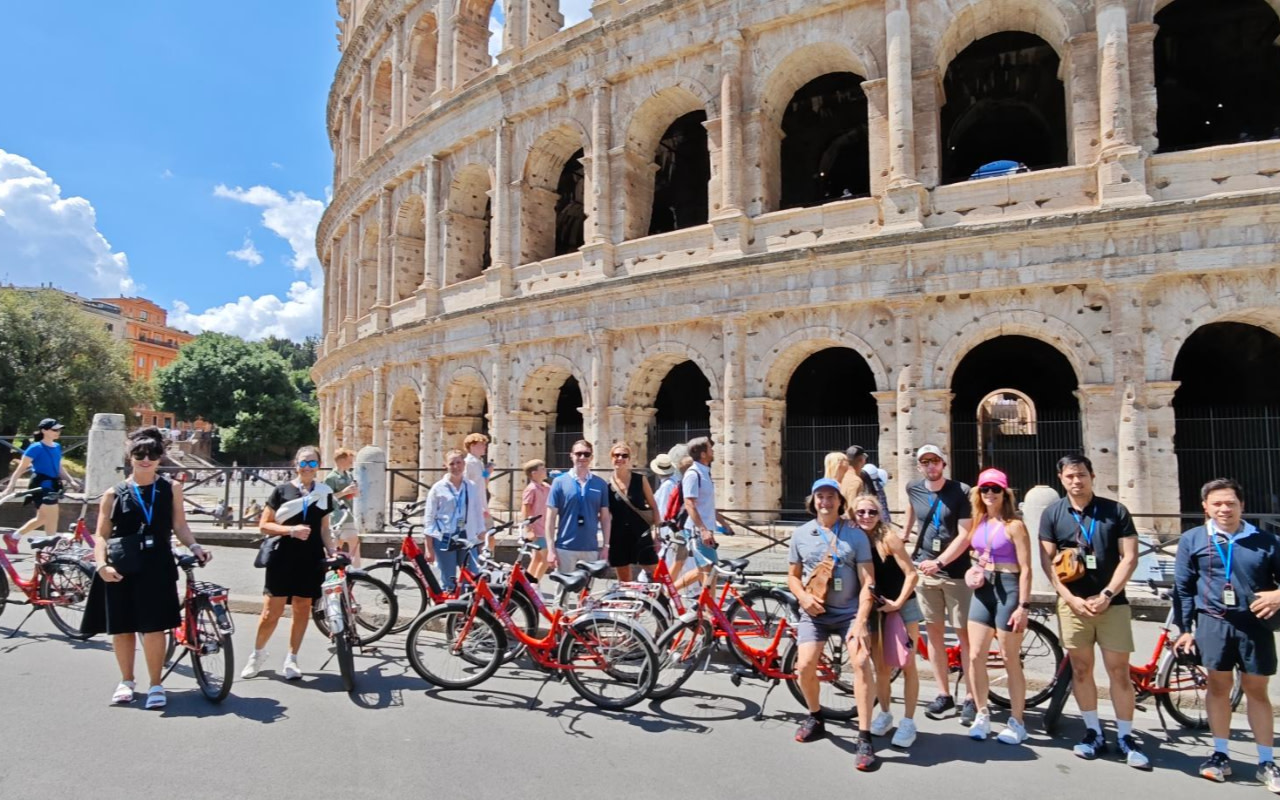
The Colosseum is one of the most iconic monuments in Rome and one of the Seven Wonders of the World. Built between 70 and 80 AD.C. under the emperors Vespasian and Titus, is a Roman amphitheater that could accommodate up to 50,000 spectators. It was used for gladiator fights, public performances and other events. The Colosseum, symbol of the greatness of the Roman Empire, is still an important tourist attraction and an emblem of the history and culture of Rome.
5
Stop 5
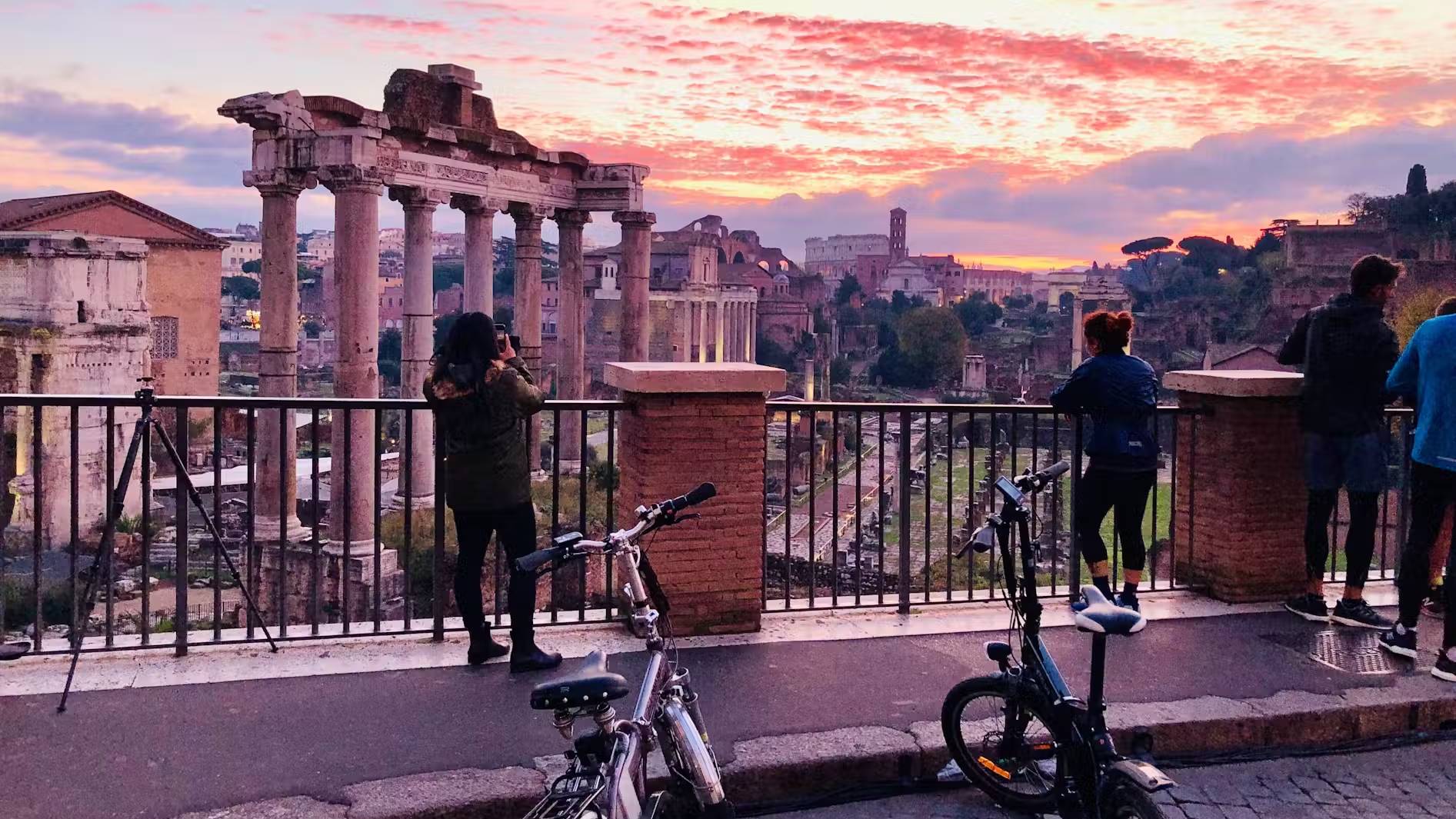
The Palatine Hill is one of the seven hills of Rome and an archaeological site of great historical importance. It is famous for being the original heart of the city, where according to legend, Romulus founded Rome in 753 BC.C. On the Palatine Hill are the remains of ancient imperial residences, such as the Palace of Domitian and the House of Livia, as well as the Circus Maximus, used for chariot races. The hill also offers a panoramic view of the city and is one of the most impressive places to understand the history and development of ancient Rome.
6
Stop 6
Circus Maximus is an ancient Roman stadium located between the Palatine Hill and the Aventine Hill. Built in the 6th century BC.C., was the largest and most important racecourse in ancient Rome, able to accommodate up to 250,000 spectators. Mainly used for chariot racing, the Circus Maximus also hosted other public events, such as games and competitions. Today, although the structure is largely in ruins, the site remains a symbol of the grandeur of Roman architecture and is used for cultural events and performances.
7
The Aventine is one of the seven hills of Rome, located south of the Tiber River. It is a quiet and green residential area, famous for its gardens and spectacular views of the city. The Aventine is also rich in history, with significant sites such as the Basilica of Santa Sabina, an example of early Christian architecture, and the Orange Garden, which offers panoramic views of Rome. It is also home to foreign embassies and numerous public parks.
8
stop in one of the most suggestive gardens of Rome to take unforgettable photos
9
Stop 9
Testaccio is a district of Rome located south of the historic center, known for its history, culture and lively nightlife. The district takes its name from Monte Testaccio, an artificial hill formed by thousands of Roman amphorae used to transport olive oil. Today, Testaccio is famous for its traditional restaurants, typical markets and trendy clubs. It is also an important area for contemporary culture, with museums such as the Macro Museum and a dynamic music scene.
10
Stop 10
The Cestia Pyramid is an ancient Roman monument located in the Ostiense district of Rome. It dates back to 12 a.C. and is one of the most famous pyramids outside Egypt. It was built as a tomb for the Roman magistrate Gaius Cestius, who wanted to be buried in a monument that recalled the Egyptian pyramids, a symbol of power and durability. The pyramid has a structure about 36 meters high and is made of brick covered with marble slabs. This monument is unique in Rome, where the Roman architectural context rarely included Egyptian-inspired elements.
11
Stop 11
Maritozzaro is a famous place in Rome, located in the Testaccio district, specialized in the preparation of maritozzo, a traditional Roman dessert. The maritozzo is a soft sandwich, generally stuffed with whipped cream, which is an icon of Roman pastry, especially during breakfast. Maritozzaro is known for the quality of its Maritozzi, made with fresh and artisan ingredients, and has become a reference point for lovers of Roman gastronomy.
12
Stop 12
The Baths of Caracalla are one of the largest and most majestic thermal complexes in ancient Rome, located in the city center. Built between 212 and 217 AD.C. from the emperor Caracalla, the baths could accommodate up to 1,600 people and represented a place of recreation, socialization and well-being. In addition to traditional thermal baths, the complex included gyms, libraries, gardens and performance spaces. Today, the ruins of the Baths of Caracalla are one of the most visited tourist attractions in Rome, offering a fascinating testimony to Roman engineering and everyday life at the time.
13
Monti is one of the most characteristic historical districts of Rome, located in the city center, between Termini Station and the Colosseum. It is known for its narrow streets, picturesque squares and lively atmosphere, mixing history, culture and a strong local identity. The neighborhood is full of restaurants, cafes, boutiques and craft shops, and is often less touristy than other popular areas of the capital, while maintaining authentic charm. Among the places of interest in Monti are the Basilica of Santa Maria Maggiore, the Forum of Trajan, and the Piazza della Madonna dei Monti, a meeting point for many Romans.
14
Porta San Paolo is one of the most famous and imposing gates of the Aurelian walls of Rome, located in the Ostiense district. Built in the third century AD.C. during the empire of Aurelian, the gate served as the main access to the city for those coming from the south. She is also known for her role during World War II, when she became a symbol of Roman resistance. Next to it is the Non-Catholic Cemetery and the Museum of the Walls, which tells the story of Roman fortifications. The gate is a well-preserved example of Roman military architecture.
What's not included
Gratuities
Soda/Pop
Available languages
Guide guide
EN
IT
ES
Reviews breakdown
Viator
5.0
1 reviews
5★
1
4★
0
3★
0
2★
0
1★
0
Important information
Specialized infant seats are available
Service animals allowed
Public transportation options are available nearby
Infants and small children can ride in a pram or stroller
Suitable for all physical fitness levels
Meeting point
The meeting point is located in Piazza della Repubblica, precisely in front of Caffè Piccarozzi.
About Rome
Rome, the capital of Italy, is a city of ancient ruins, artistic masterpieces, and vibrant culture. Known as the Eternal City, it is a living museum where every corner tells a story of its rich history spanning over 2,500 years.
Top Attractions
Colosseum
The Colosseum is an iconic symbol of Rome and one of the most famous ancient amphitheaters in the world. It was used for gladiatorial contests and public spectacles.
Historical
1-2 hours
€16 (combined ticket with Roman Forum and Palatine Hill)
Vatican City
Vatican City is an independent city-state enclaved within Rome. It is the spiritual and administrative center of the Roman Catholic Church.
Religious
Half day
€17 (Vatican Museums and Sistine Chapel), Free (St. Peter's Basilica)
Roman Forum
The Roman Forum was the political, commercial, and legal hub of the Roman Republic and Empire. It is a sprawling ruin of temples, basilicas, and arches.
Historical
1-2 hours
€16 (combined ticket with Colosseum and Palatine Hill)
Pantheon
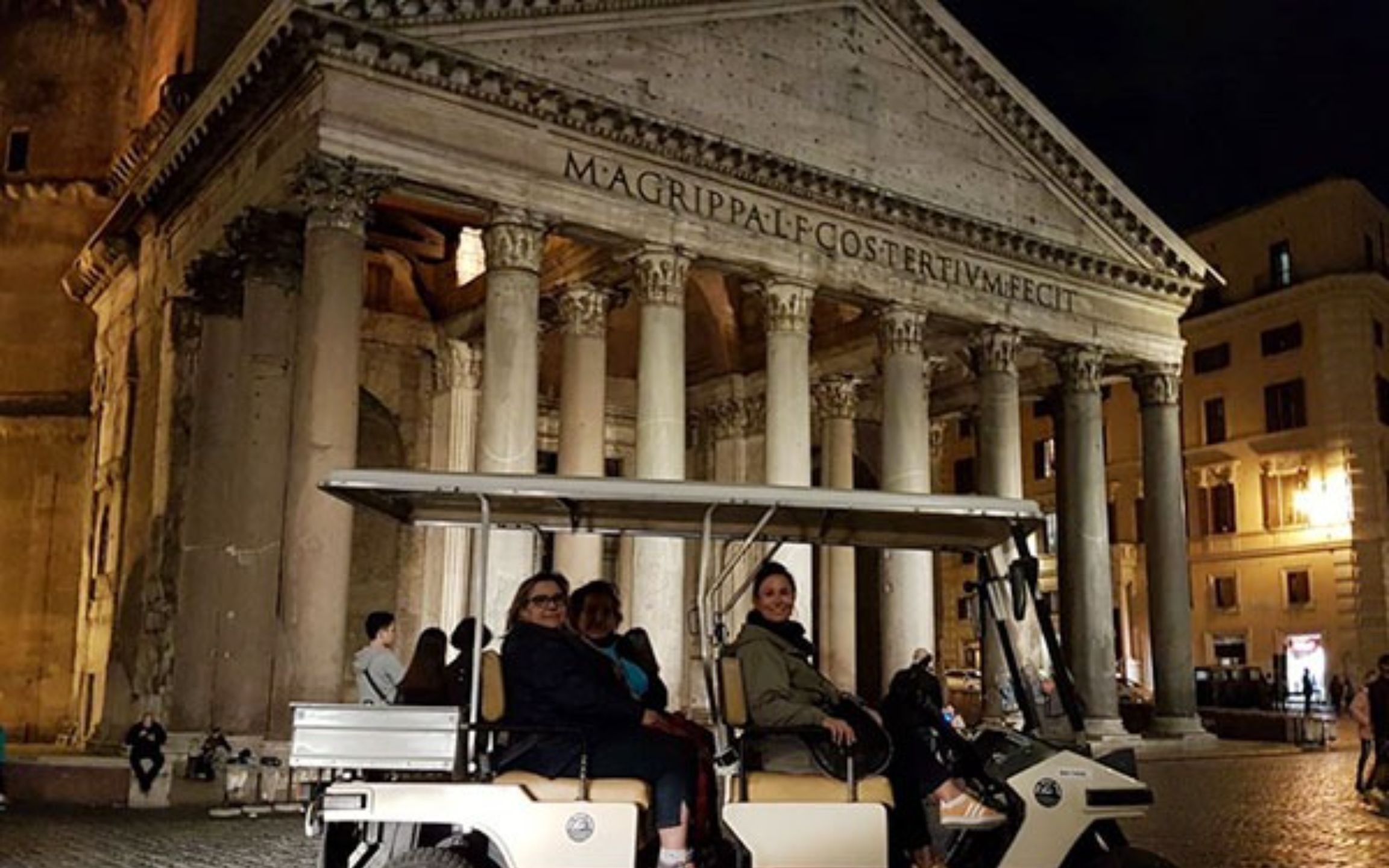
The Pantheon is a former Roman temple, now a church, known for its large dome and oculus. It is one of the best-preserved ancient buildings in Rome.
Historical
30 minutes to 1 hour
Free
Trevi Fountain
The Trevi Fountain is a Baroque masterpiece and the largest fountain in Rome. It is a popular spot for visitors to throw coins and make wishes.
Architecture
15-30 minutes
Free
Must-Try Local Dishes
Cacio e Pepe
A simple yet delicious pasta dish made with Pecorino Romano cheese and black pepper.
Pasta
Vegetarian
Carbonara
A rich pasta dish made with eggs, Pecorino Romano, guanciale (cured pork cheek), and black pepper.
Pasta
Contains pork and eggs
Supplì
Fried rice balls filled with mozzarella and tomato sauce.
Snack
Vegetarian (some variations may contain meat)
Carciofi alla Romana
Artichokes braised with garlic, mint, and olive oil.
Vegetable
Vegetarian
Popular Activities
Hiking in the Appian Way Regional Park
Biking along the Tiber River
Rock climbing in the nearby mountains
Picnicking in Villa Borghese Gardens
Boating on Lake Albano
Enjoying a spa day at a luxury hotel
Visiting the Vatican Museums
Attending an opera at the Teatro dell'Opera di Roma
Best Time to Visit
April to June, September to October
Spring and fall offer pleasant weather and fewer crowds compared to the summer peak. Ideal for sightseeing and outdoor activities.
15-30°C
59-86°F
Practical Information
Language
- Official: Italian
- Widely spoken: English, Spanish, French
- English: Moderately spoken
Currency
Euro (EUR)
Time Zone
GMT+1 (CET), GMT+2 (CEST during daylight saving time)
Electricity
230VV, 50HzHz
Safety Information
Overall Safety Rating: Generally safe
Rome is generally safe for tourists, but pickpocketing and scams can be a problem in crowded areas. Be aware of your surroundings and take precautions to protect your belongings.
Important Precautions:
- • Keep valuables secure and out of sight
- • Use official taxis or ride-sharing services
- • Be cautious of strangers approaching you with petitions or bracelets
Getting there
By air
- Leonardo da Vinci International Airport • 35 km from city center
- Ciampino Airport • 15 km from city center
By train
Roma Termini, Roma Tiburtina
By bus
Tiburtina Bus Station, Roma Termini
Getting around
Public transport
The metro system is efficient and covers major tourist areas. It operates from 5:30 AM to 11:30 PM.
Taxis
Available • Apps: Uber, FreeNow
Rentals
Car, Bike, Scooter
Neighborhoods
Trastevere
Monti
Prancipio
Testaccio
Day trips
Ostia Antica
30 km from Rome • Half day
An ancient Roman port city with well-preserved ruins, including a theater, baths, and mosaics. It offers a glimpse into daily life in ancient Rome.
Tivoli
30 km from Rome • Full day
A picturesque town known for its stunning villas and gardens, including the famous Villa d'Este with its elaborate fountains and gardens.
Orvieto
120 km from Rome • Full day
A charming hilltop town known for its stunning cathedral, underground caves, and local wine. It offers a mix of history, culture, and scenic views.
Festivals
Natale di Roma • April 21
Festa de' Noantri • July
Rome Film Festival • October
Pro tips
- Visit major attractions early in the morning or late in the afternoon to avoid crowds
- Use public transport or walk instead of taking taxis to save money and experience the city like a local
- Try local specialties and ask for recommendations from locals and restaurant staff
- Dress modestly when visiting religious sites and be respectful of local customs and traditions
- Be aware of pickpockets and scams, especially in crowded areas and tourist hotspots
From $25
per person
Price varies by option
Secure booking
Free cancellation available
Instant confirmation