Rio de Janeiro City Tour for One Day
Active
8h
For a full refund, cancel at least 24 hours before the scheduled departure time.
Instant confirmation
Mobile or paper ticket accepted
About this experience
Experience the best of the "Marvelous City", with its stunning landscapes and unique geography that combines breathtaking natural beauty. Rio de Janeiro enchants everyone who visits it.
Embark on a full-day tour and explore all of Rio's must-see attractions in one day. Visit the majestic statue of Christ the Redeemer at the top of Corcovado, the iconic Sugarloaf Mountain, the vibrant Escadaria Selarón, the legendary Maracanã stadium, the Sambadrome and the impressive Metropolitan Cathedral. To top it off, enjoy a delicious lunch at a rodizio steakhouse.
The city perfectly harmonizes the lush Tijuca Forest with its beautiful beaches and lagoons. The people of Rio, welcoming and full of life, make the experience even more pleasant, making Rio de Janeiro one of the most sought after destinations in the world.
Come live this unforgettable experience with us!
Available options
Rio de Janeiro City Tour for One Day
Pickup included
What's included
Sugarloaf Mountain Ticket
Guaranteed to not face queues
Lunch
Air-conditioned vehicle
Christ the Redeemer ticket
Rio De Janeiro Presbyterian Cathedral Ticket
Detailed itinerary
1
Stop 1
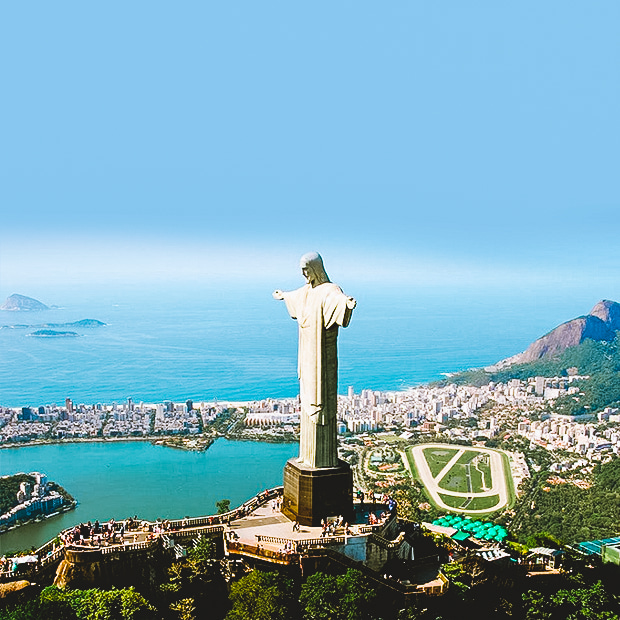
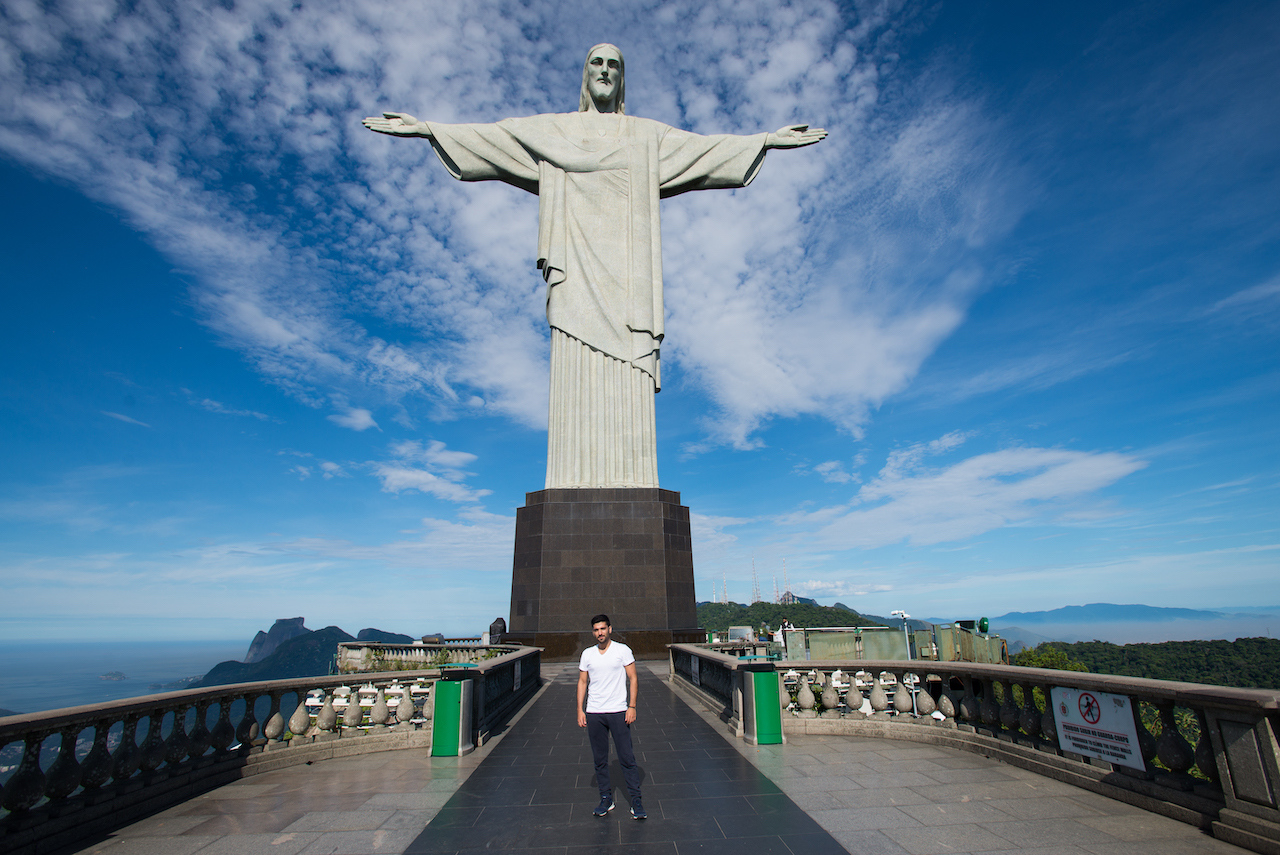
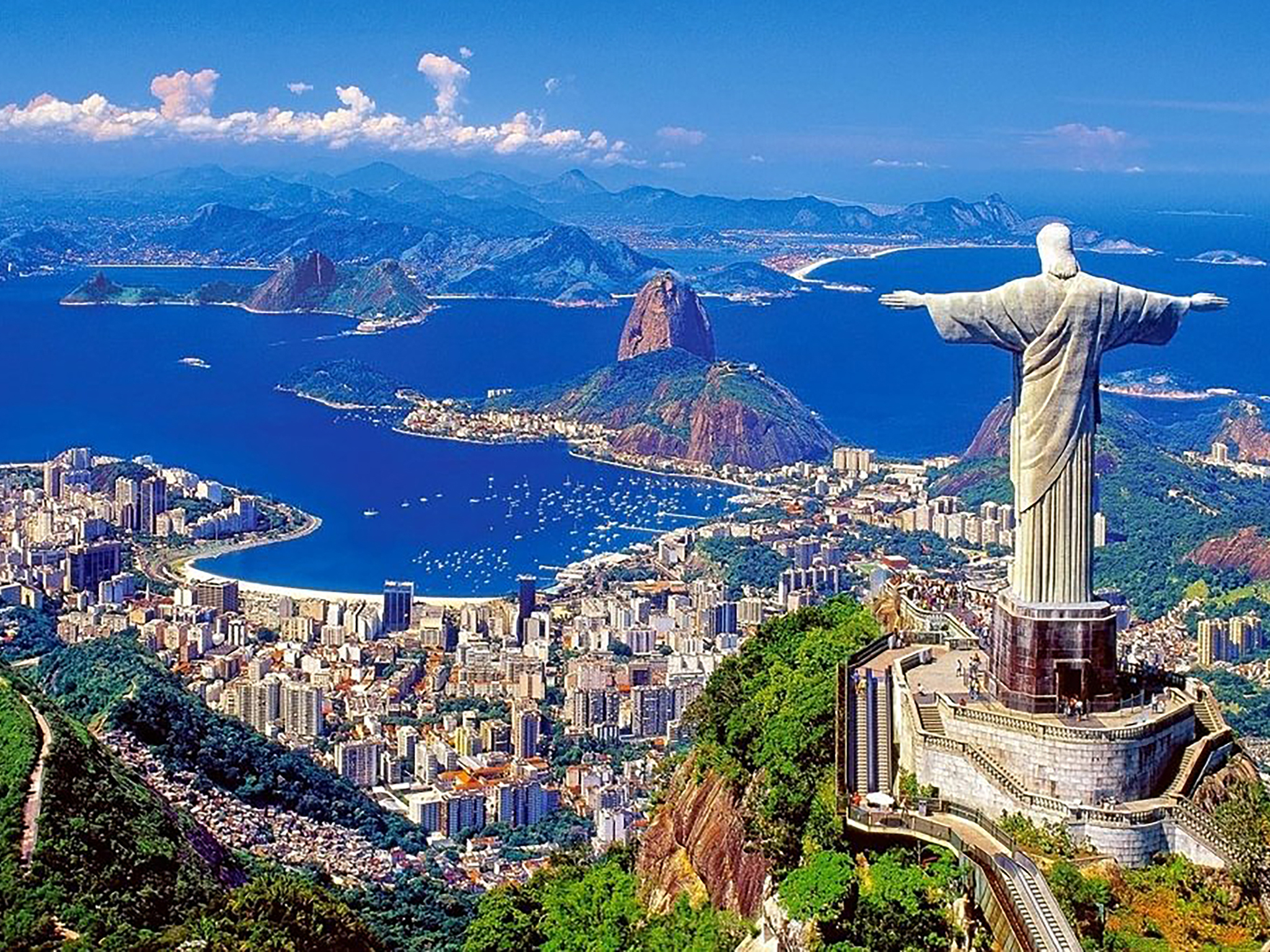
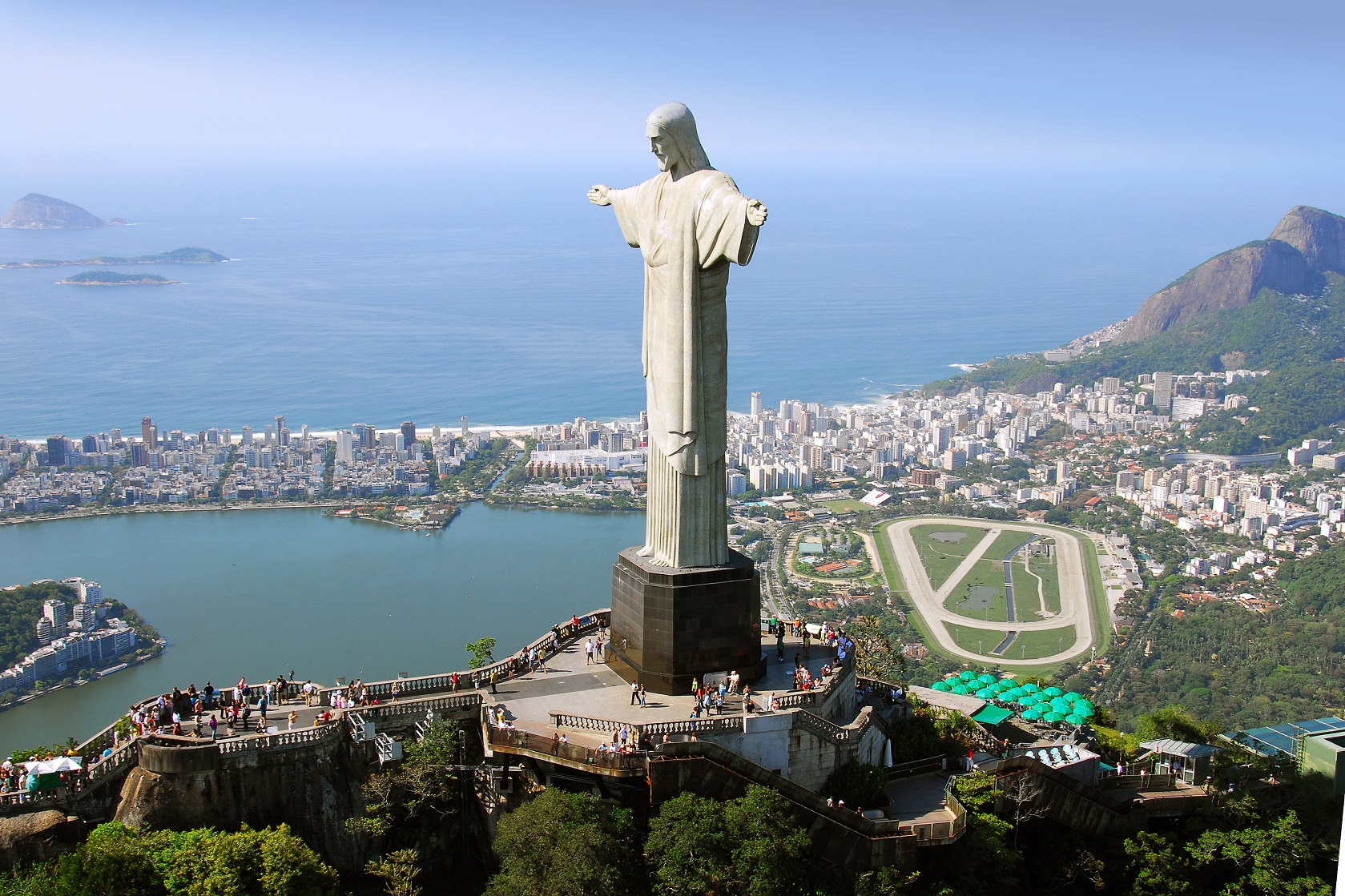
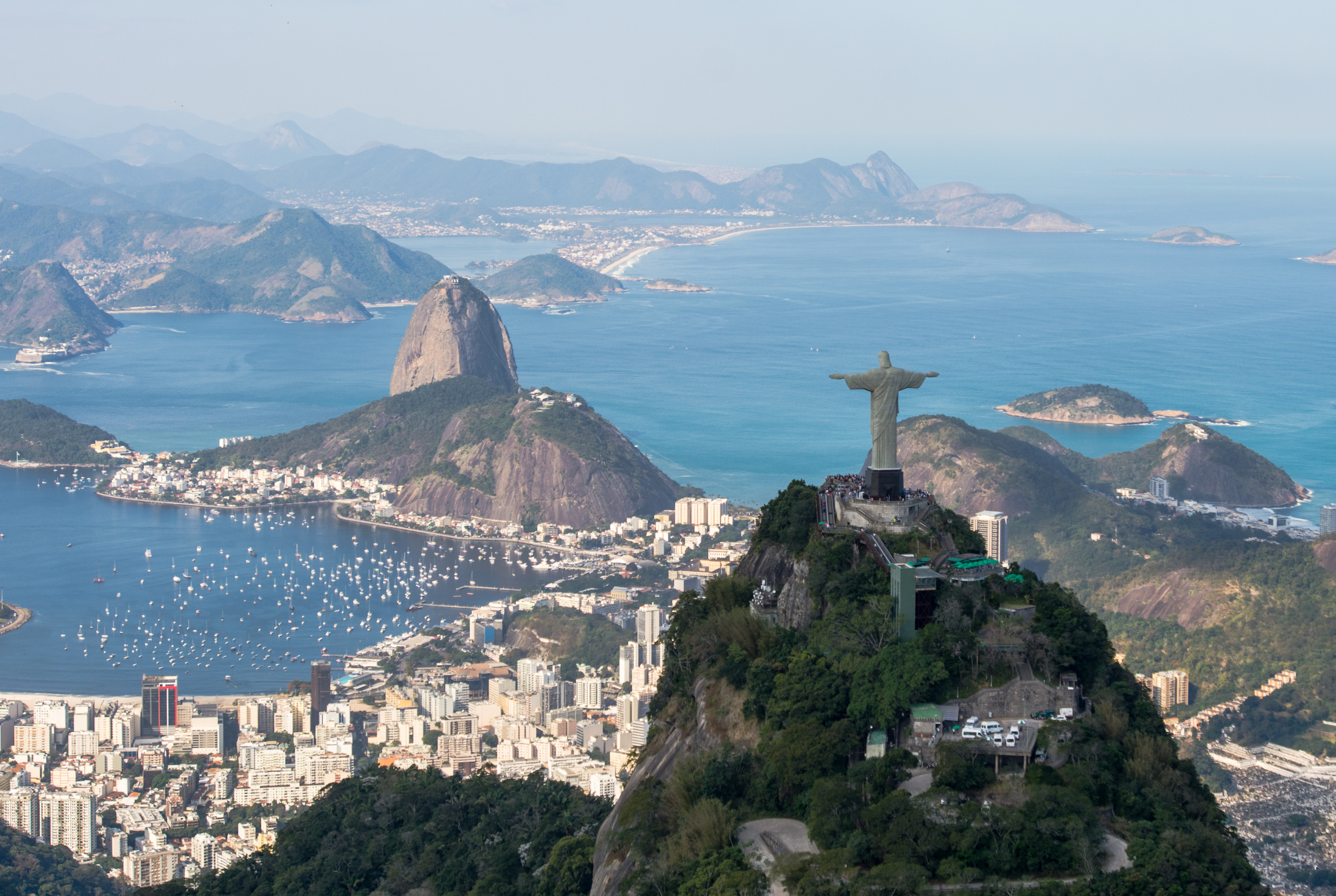
Corcovado is one of the most iconic mountains in Rio de Janeiro, Brazil. At 710 meters high, it is famous worldwide for the statue of Christ the Redeemer, which stands at its top. Inaugurated in 1931, the 30-meter-high statue is a symbol of Christianity and one of the country's main tourist attractions, attracting millions of visitors annually.
Corcovado is located in Tijuca National Park, a vast area of tropical forest that offers trails, panoramic views of the city and rich biodiversity. The climb to Corcovado can be done by train, car or trails, providing an unforgettable experience of contact with nature and spectacular views of Guanabara Bay, Sugarloaf Mountain and the beaches of Rio de Janeiro.
The combination of natural beauty and the majestic presence of Christ the Redeemer makes Corcovado a symbol not only of the city of Rio de Janeiro, but also of Brazil, representing peace, welcome and spirituality.
2
Sugarloaf Mountain is one of Rio de Janeiro's most famous landmarks and one of the most visited tourist attractions in Brazil. This granite rock formation rises 396 meters above sea level and is located at the entrance to Guanabara Bay. Its name derives from its similarity to the refined sugar molds used in the colonial period.
The climb to Pão de Açúcar is made by a famous cable car, which offers a stunning view of the city in two stages: first to Morro da Urca and then to the top of Pão de Açúcar. From there, visitors are treated to spectacular panoramas of Rio de Janeiro, including Copacabana Beach, Corcovado with the statue of Christ the Redeemer, the city center and the vast expanse of the Atlantic Ocean.
In addition to the incredible views, Sugarloaf Mountain is surrounded by rich vegetation and offers opportunities for hiking and climbing. It is a symbol of Rio de Janeiro's natural beauty and an unmissable experience for anyone visiting the city.
3
Maracanã Stadium, officially called Estádio Jornalista Mário Filho, is one of the most iconic and historic football stadiums in the world, located in Rio de Janeiro, Brazil. Opened in 1950 for the World Cup, Maracanã has been the stage for countless memorable sporting events, including World Cup finals, Olympic Games, and many Brazilian football classics.
With a capacity for around 78,000 spectators, Maracanã is the largest stadium in Brazil and one of the largest in South America. Its imposing architecture and vibrant atmosphere during games make it a true temple of football. In addition to games, the stadium is also used for major shows and cultural events, consolidating its role as an important meeting point in the cultural and sporting life of Rio de Janeiro.
Maracanã is a symbol of Brazilians' love for football and represents a rich history of sporting passion, drama and celebration.
4
Stop 4
Escadaria Selarón is a vibrant and iconic work of public art located in the Lapa and Santa Teresa neighborhoods of Rio de Janeiro, Brazil. Created by Chilean artist Jorge Selarón, the staircase is made up of 215 steps covered with more than 2,000 colorful tiles, from more than 60 countries around the world.
Begun in 1990 as Selarón's personal project, the staircase quickly became a symbol of creativity and cultural diversity. Each tile was carefully chosen and installed by the artist himself, who continued to add new elements until his death in 2013. The staircase is dedicated to the Brazilian people and reflects Selarón's passion for Brazil, with many tiles depicting elements of Brazilian culture and history .
5
The Metropolitan Cathedral of São Sebastião, located in the center of Rio de Janeiro, is one of the most impressive and emblematic buildings in the city. Opened in 1976, its modern and unique architecture, designed by architect Edgar de Oliveira da Fonseca, stands out for its conical shape that resembles a Mayan pyramid, symbolizing its proximity to the sky.
At 96 meters high and with a capacity for 20,000 people standing up, the cathedral has four immense stained glass windows that stretch from floor to ceiling, flooding the interior with colorful light and creating a spiritual and contemplative environment. In the center of the ceiling, a large circular stained glass window provides additional natural lighting.
The Metropolitan Cathedral is dedicated to Saint Sebastian, patron saint of Rio de Janeiro, and is an important religious, cultural and tourist center. In addition to its religious celebrations, the space hosts events and concerts, reinforcing its role as a meeting point in the city's life.
6
Stop 6
The Arcos da Lapa, also known as the Carioca Aqueduct, are one of the most famous historical and architectural landmarks in Rio de Janeiro. Built in the 18th century, the arches initially served as an aqueduct to transport water from the Carioca River to the city center, playing a crucial role in the water supply of the then colonial capital.
The structure has 42 Roman-style arches, stretching 270 meters in length and reaching 17.6 meters in height. In 1896, Arcos da Lapa was converted into a viaduct for the electric tram that connects the city center to the Santa Teresa neighborhood, a function it still performs today, adding a picturesque touch to the place.
Located in the heart of the bohemian neighborhood of Lapa, the arches are surrounded by a vibrant nightlife, with bars, restaurants and concert venues that make the area a cultural and entertainment meeting point.
7
Stop 7
The Sambódromo Marquês de Sapucaí, officially called Passarela do Samba Darcy Ribeiro, is one of the main cultural landmarks in Rio de Janeiro, Brazil. Opened in 1984 and designed by renowned architect Oscar Niemeyer, the Sambadrome was specially designed to host samba school parades during Carnival, the largest and most famous carnival celebration in the world.
With a capacity for around 90,000 spectators, the Sambadrome stretches for 700 meters, forming a catwalk where samba schools parade with their vibrant costumes, impressive floats and infectious rhythms. During Carnival, the avenue transforms into a spectacle of colors, music and dance, attracting visitors from all over the world.
In addition to Carnival, the Sambadrome is also used for other cultural and musical events throughout the year, consolidating itself as an important space for entertainment and celebration in the city.
What's not included
Drinks and dessert
Available languages
Guide guide
DE
PT
EN
IT
FR
ES
Reviews breakdown
Viator
1.0
1 reviews
5★
0
4★
0
3★
0
2★
0
1★
1
Tripadvisor
5.0
33 reviews
5★
32
4★
1
3★
0
2★
0
1★
0
Important information
Public transportation options are available nearby
Infants are required to sit on an adult’s lap
Suitable for all physical fitness levels
Pick-ups in Barra da Tijuca and Recreio are not included.
We operate the tour, rain or shine. The day of the tour is chosen by the customer, therefore no refunds will be generated for bad weather. We will operate the tour rain or shine.
The time indicated at the time of booking is only indicative. The day before the tour, we will contact you via WhatsApp or via the booking platform to confirm the exact time of pickup.
On days with a higher flow of tourists or in the presence of especially heavy traffic conditions, we can adopt the use of specific meeting points for picking up customers. This choice is made to ensure a more efficient organization of the tour, reducing the waiting times and inconveniences caused by traffic. Therefore, we invite our customers to read this note carefully to be informed and prepared.
Meeting point
Our guide will be in uniform, and will look for you by your full name.
About Rio de Janeiro
Rio de Janeiro, known as the 'Marvelous City,' is famous for its natural settings, Carnival, samba, bossa nova, and Balneario beaches such as Copacabana and Ipanema. It's a vibrant city with a rich cultural heritage and stunning landscapes, including the iconic Christ the Redeemer statue and Sugarloaf Mountain.
Top Attractions
Christ the Redeemer
One of the New Seven Wonders of the World, this iconic statue offers breathtaking views of Rio de Janeiro.
Historical/Religious
2-3 hours
R$84 (including train ticket)
Sugarloaf Mountain
A famous peak offering stunning views of Rio de Janeiro and its beaches.
Nature
2-3 hours
R$88 (round-trip cable car)
Copacabana Beach
One of the most famous beaches in the world, known for its vibrant atmosphere and beautiful sunsets.
Beach
Half day or full day
Free
Tijuca National Park
The world's largest urban forest, offering hiking trails, waterfalls, and diverse wildlife.
Nature
Half day or full day
Free (some attractions may have fees)
Santa Teresa
A historic and bohemian neighborhood known for its cobblestone streets, art galleries, and scenic views.
Cultural
Half day
Free to explore
Must-Try Local Dishes
Feijoada
A hearty stew made with black beans and various cuts of pork, often served with rice, collard greens, and orange slices.
Dinner
Contains pork, not suitable for vegetarians or vegans.
Pão de Queijo
Cheese bread made with tapioca flour, giving it a unique texture and flavor.
Snack
Vegetarian, but contains dairy.
Moqueca
A traditional fish stew cooked in coconut milk and dendê oil, with various seafood and vegetables.
Dinner
Can be made vegetarian or vegan with vegetable broth and tofu.
Açaí
A thick, creamy fruit pulp from the açaí palm, often served with granola and condensed milk.
Dessert/Drink
Can be made vegan with plant-based milk.
Popular Activities
Hiking in Tijuca National Park
Surfing in Arpoador
Paragliding in Pedra Bonita
Beach lounging in Ipanema
Spa treatments in Copacabana
Yoga in Botafogo
Visiting museums in Centro
Attending a samba show
Best Time to Visit
December to March
This is the peak tourist season with warm weather and the famous Carnival in February/March. Expect crowded beaches and higher prices.
25-30°C
77-86°F
Practical Information
Language
- Official: Portuguese
- Widely spoken: English (limited)
- English: Limited
Currency
Brazilian Real (BRL)
Time Zone
GMT-3 (Brasília Time)
Electricity
110V/220VV, 60HzHz
Safety Information
Overall Safety Rating: Exercise caution
Rio de Janeiro is generally safe for tourists, but petty crime and violence can occur. Exercise caution, especially in less touristy areas and at night.
Important Precautions:
- • Avoid walking alone at night in unsafe areas
- • Use common sense and stay alert to your surroundings
- • Keep valuables secure and out of sight
Getting there
By air
- Rio de Janeiro-Galeão International Airport • 20 km (12 miles) from city center
- Santos Dumont Airport • 12 km (7.5 miles) from city center
By train
Central do Brasil
By bus
Rodoviária Novo Rio, Terminal Rodoviário da Gavea
Getting around
Public transport
Efficient and air-conditioned, the metro is a great way to avoid traffic.
Taxis
Available • Apps: Uber, 99 Taxis
Rentals
Car, Bike, Scooter
Neighborhoods
Copacabana
Ipanema
Santa Teresa
Lapa
Botafogo
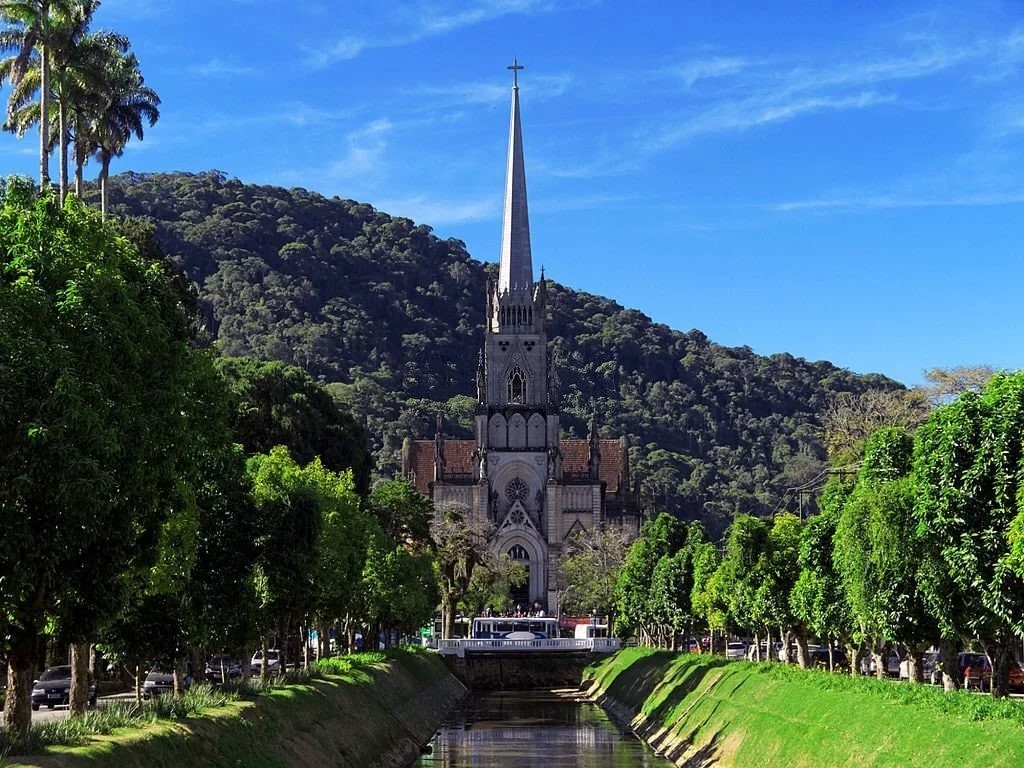
Day trips
Petrópolis
65 km (40 miles) • Full day
A charming colonial town in the mountains, known for its historic architecture and cool climate.
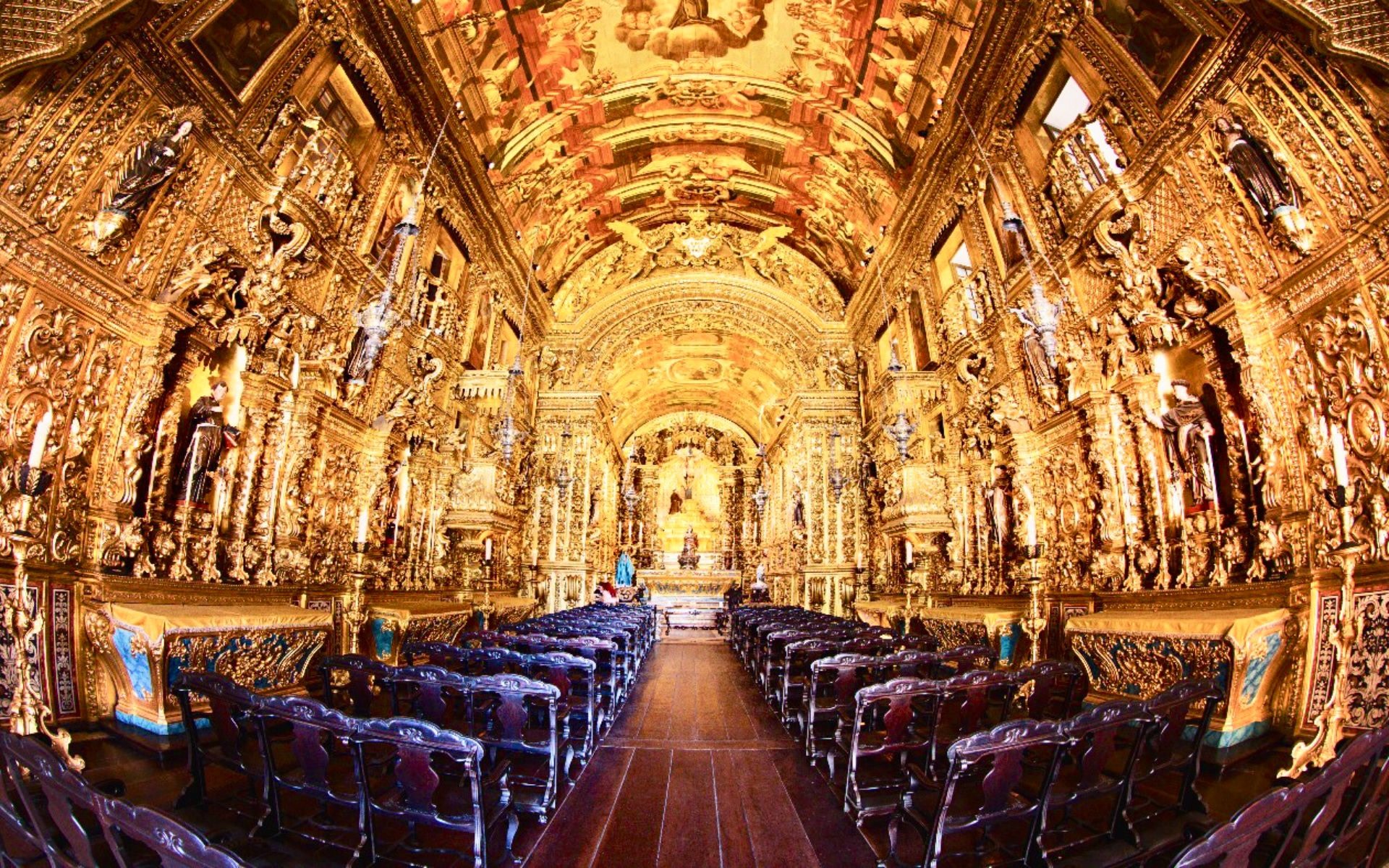
Paraty
170 km (105 miles) • Full day or overnight
A historic coastal town with cobblestone streets, colonial architecture, and beautiful beaches.
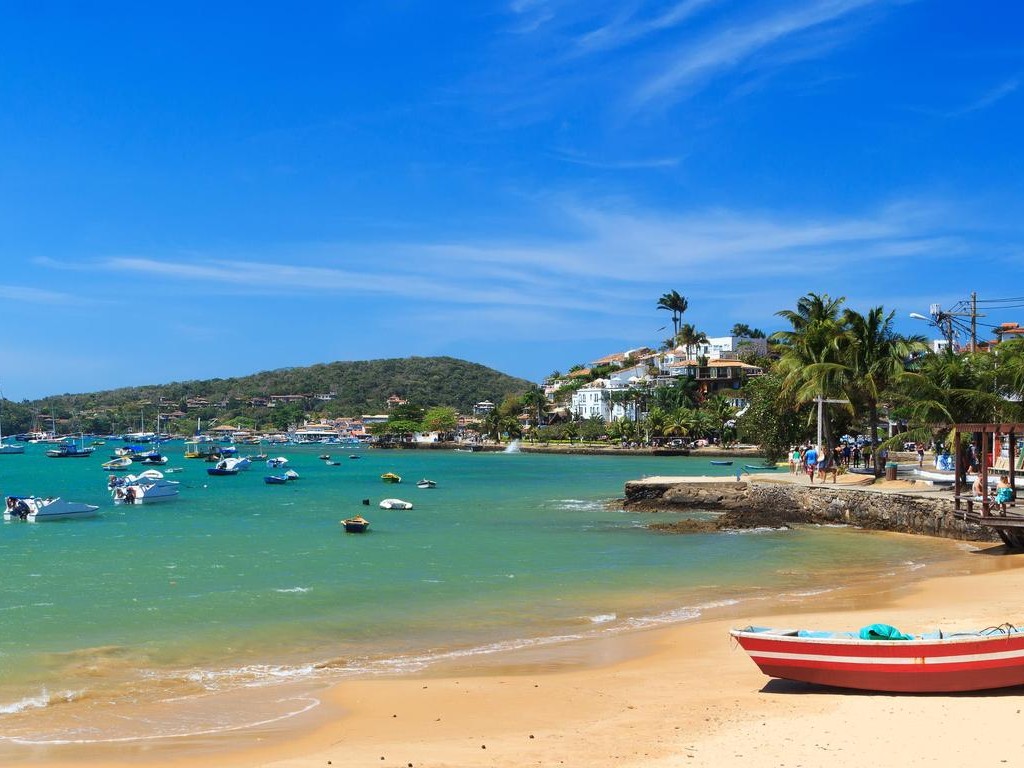
Búzios
170 km (105 miles) • Full day or overnight
A picturesque beach town known for its stunning beaches, clear waters, and vibrant nightlife.
Festivals
Carnival • February/March (dates vary)
Rio Carnival Samba Parade • February/March (dates vary)
New Year's Eve (Réveillon) • December 31
Pro tips
- Visit Christ the Redeemer early in the morning to avoid crowds and enjoy the best views
- Take a helicopter tour for a unique perspective of the city
- Explore the less touristy neighborhoods like Santa Teresa and Botafogo for a more authentic experience
- Try local street food like pão de queijo and coxinha for a taste of Brazilian flavors
- Learn some basic Portuguese phrases to enhance your interactions with locals
From $25
per person
Price varies by option
Secure booking
Free cancellation available
Instant confirmation