Vienna Festive Fairytale Trail Self Guided Holiday Magic Walk
Active
1h
For a full refund, cancel at least 24 hours before the scheduled departure time.
Instant confirmation
Mobile or paper ticket accepted
About this experience
Experience Vienna’s heritage through a premium, self-guided framework that transforms a simple walk into a story-driven journey. This audio tour-crafted by a traveler who knows how to separate signal from noise elevates your exploration with rich storytelling and intuitive, seamless technology.
Choose this experience if you want more than sightseeing—if you want something that truly moves the needle:
Exclusive Content
Discover 12 thoughtfully curated sightseeing stops, each delivered through high-fidelity narration designed to inform, inspire, and engage.
Robust Audio Experience
Enjoy approximately 60 minutes of polished, high-impact audio narration, carefully structured to heighten atmosphere and bring the city’s past to life.
Optimized Navigation
Follow a streamlined interactive map that guides you effortlessly from point to point, removing friction and letting you focus fully on the experience.
Available options
Vienna Festive Fairytale Trail Self Guided Holiday Magic Walk
What's included
Unlimited use for the duration of your stay
Top sights, historic events & famous people
Web app with map
1 step access: Link to easily activate and access your audio guide
Detailed itinerary
1
The Opera House originally sat one meter lower than the surrounding streets, earning it the nickname "the sunken treasure." Viennese critics were harsh, calling it "boxy" and comparing it to a "museum in a box." This criticism had a profound effect on its architects, one of whom, Eduard van der Nüll, tragically took his own life. Neither he nor his colleague, August Sicard von Sicardsburg, lived to see the inaugural performance attended by Emperor Franz Joseph and Empress Elisabeth, affectionately known as Sisi.
2
Just a few steps away is the legendary Hotel Sacher, founded in the 1870s by Eduard Sacher. His wife, Anna Sacher, known for her ever-present cigars, managed the hotel through World War II. Originally, only noble aristocrats could stay here, excluding wealthy traders like John D. Rockefeller. However, the hotel made exceptions for gentlemen accompanied by "lady friends," as this area was famously frequented by high-end courtesans.
3
Stop 3
Pass by
As we walk along Operngasse, take in the vibrant atmosphere of the street, often filled with musicians and performers. Nearby, the famous Wuerstel Stand Bitzinger offers a traditional Austrian snack – the Käsekrainer, a cheese-filled sausage. The local government even debated banning it for health reasons, but fortunately, it remains a beloved indulgence.
4
Stop 4
Step into the Raeapteek, one of Europe's oldest continuously running pharmacies, located right in the heart of Tallinn. Operating since the 15th century, this pharmacy blends a rich history with a curious collection of medieval remedies and modern medicines. It's a captivating mix of a museum and a working pharmacy where history meets healing.
5
Crossing the street, we enter the sculpture garden, a somber memorial against war and fascism. The ground beneath us once housed the Jockey Club of Vienna, where 200 people perished in a collapsed basement during WWII bombings. Their bodies were never recovered, and this garden honors their memory.
6
The Imperial Crypt houses the bodies of Habsburg royals. A tradition during their funerals involved the Chamberlain knocking thrice on the crypt door and stating the deceased’s titles, only to be denied entry until he declared, "A poor sinner, a son of God, seeks entry." The most recent burial was in 2011, for Archduke Otto von Habsburg, who renounced his claim to the throne in 1961 to promote democracy.
7
The Donner Fountain, named after its creator Georg Raphael Donner, represents the Danube River and its tributaries. During Maria Theresa’s reign, the statues were removed for being too scantily clad, but they were later restored. The current statues are replicas, with the originals displayed in the Lower Belvedere Palace.
8
Stop 8
Pass by
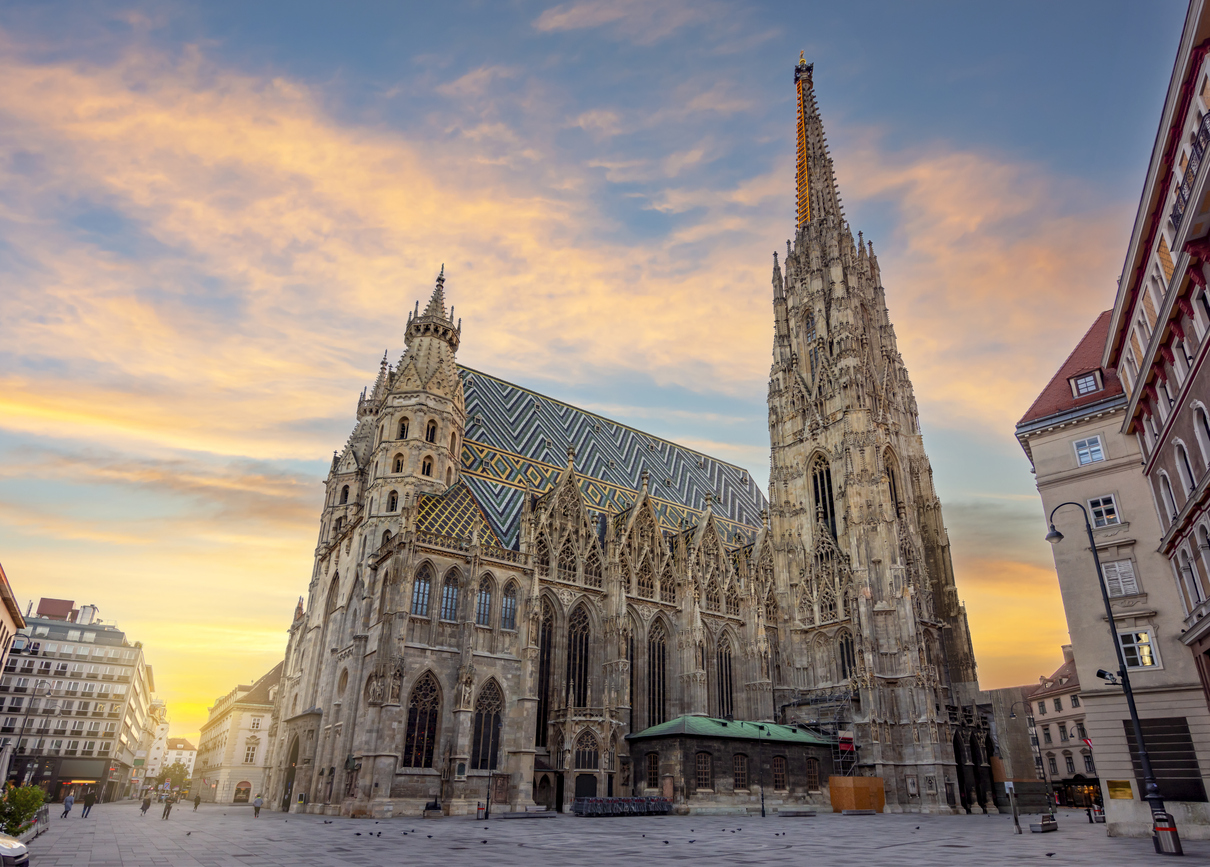
Turning onto Kärntner Straße, we head towards the iconic St. Stephen’s Cathedral, a masterpiece of Gothic architecture. The cathedral’s construction began in 1137, with significant additions made over centuries. The South Tower, at 443 feet, served as a lookout during the Turkish sieges of 1529 and 1683. You can still see Turkish cannonballs embedded in its walls.
9
Stop 9
Pass by
Our final stop is the Plague Column, erected in gratitude for the end of the 1679 plague. This Baroque monument stands as a testament to the city's resilience and faith during one of its darkest times.
The Plague Column, or Pestsäule, was commissioned by Emperor Leopold I in 1679, during one of the deadliest plague outbreaks in Vienna's history. The column was completed in 1693 and is considered one of the most important Baroque monuments in the city. It stands as a symbol of hope, faith, and the triumph of life over death.
10
Stop 10
St. Peter's Church, or Peterskirche, is one of Vienna's most iconic Baroque churches. Its origins date back to the early Middle Ages, but the current structure was built in the early 18th century, inspired by the grandeur of St. Peter's Basilica in Rome. The church's ornate facade and richly decorated interior make it a masterpiece of Baroque architecture.
What's not included
Physical in-person guide
Hotel pickup and drop-off
Entry tickets
Food, drink, fees
Smartphone & headphones (bring your own)
Available languages
Audio guide
EN
Written guide
EN
Important information
Not recommended for pregnant travelers
Service animals allowed
Public transportation options are available nearby
Infants and small children can ride in a pram or stroller
Transportation options are wheelchair accessible
Wheelchair accessible
Suitable for all physical fitness levels
Meeting point
Step into a festive wonderland in Vienna and explore the city at your own pace with this Self-Guided Audio Tour. Start near the Vienna State Opera on Opernring 28 and let immersive narration guide you through Vienna’s imperial past
About Vienna
Vienna, the capital of Austria, is renowned for its rich imperial history, vibrant arts scene, and stunning architecture. Known as the 'City of Music', it has been home to legendary composers like Mozart, Beethoven, and Strauss. The city's elegant cafes, grand palaces, and world-class museums make it a cultural treasure trove.
Top Attractions
Schönbrunn Palace
A former imperial summer residence, Schönbrunn Palace is a stunning example of Baroque architecture. The palace and its gardens are a UNESCO World Heritage site.
Historical/Architecture
2-3 hours
€18 for Imperial Tour, €24 for Grand Tour
St. Stephen's Cathedral
A masterpiece of Gothic architecture, St. Stephen's Cathedral is a symbol of Vienna. The cathedral's multi-colored tile roof is iconic.
Religious/Architecture
1-2 hours
Free entry, €6 for tower climb, €7 for treasury
Belvedere Palace
A historic building complex with two Baroque palaces, the Belvedere houses the largest collection of Gustav Klimt paintings, including 'The Kiss'.
Historical/Art/Museum
2-3 hours
€16 for Upper Belvedere, €14 for Lower Belvedere
Vienna State Opera
One of the world's leading opera houses, the Vienna State Opera offers performances of opera, ballet, and concerts.
Cultural/Entertainment
2-4 hours (performance length)
€10-200 depending on performance and seat
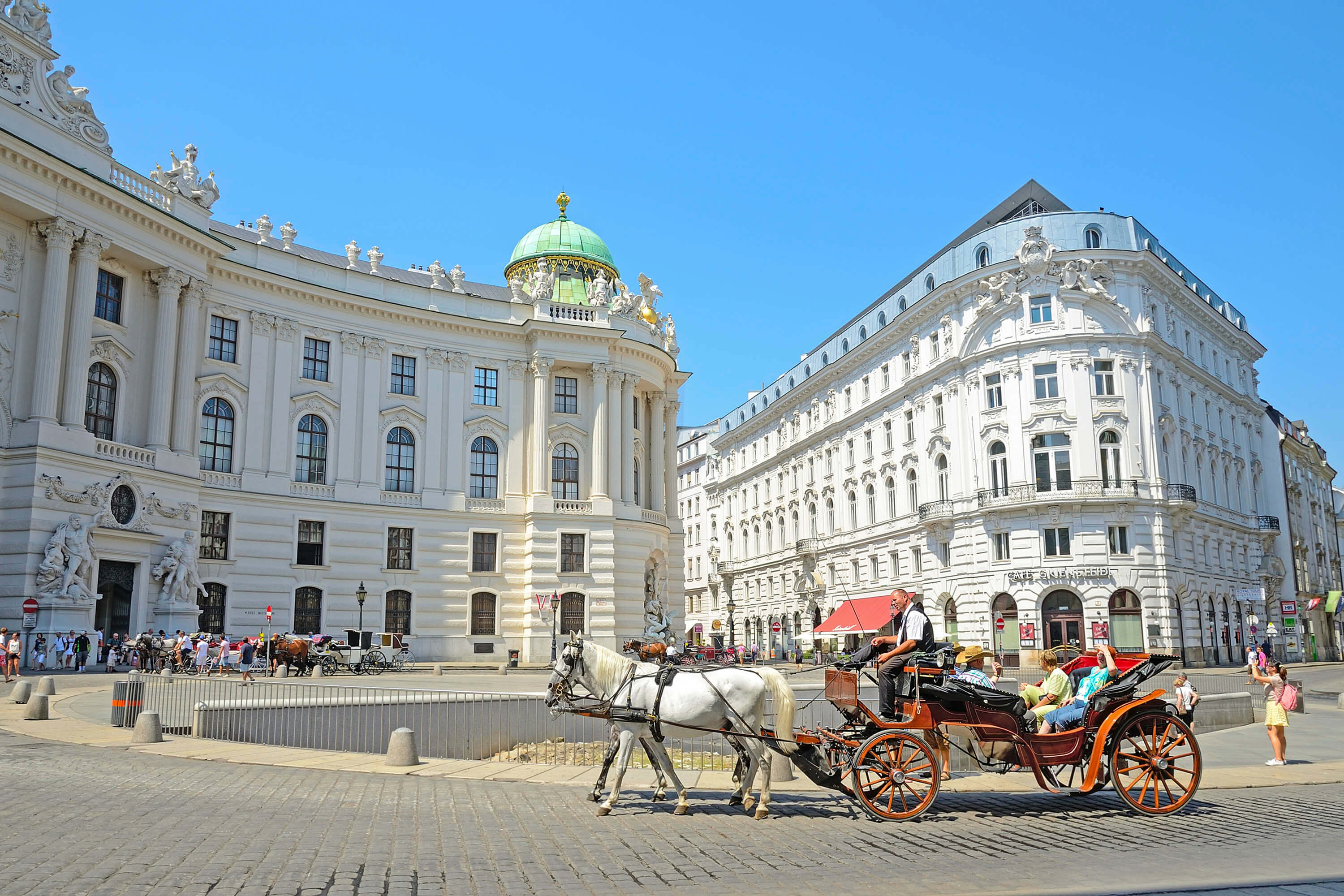
Hofburg Palace
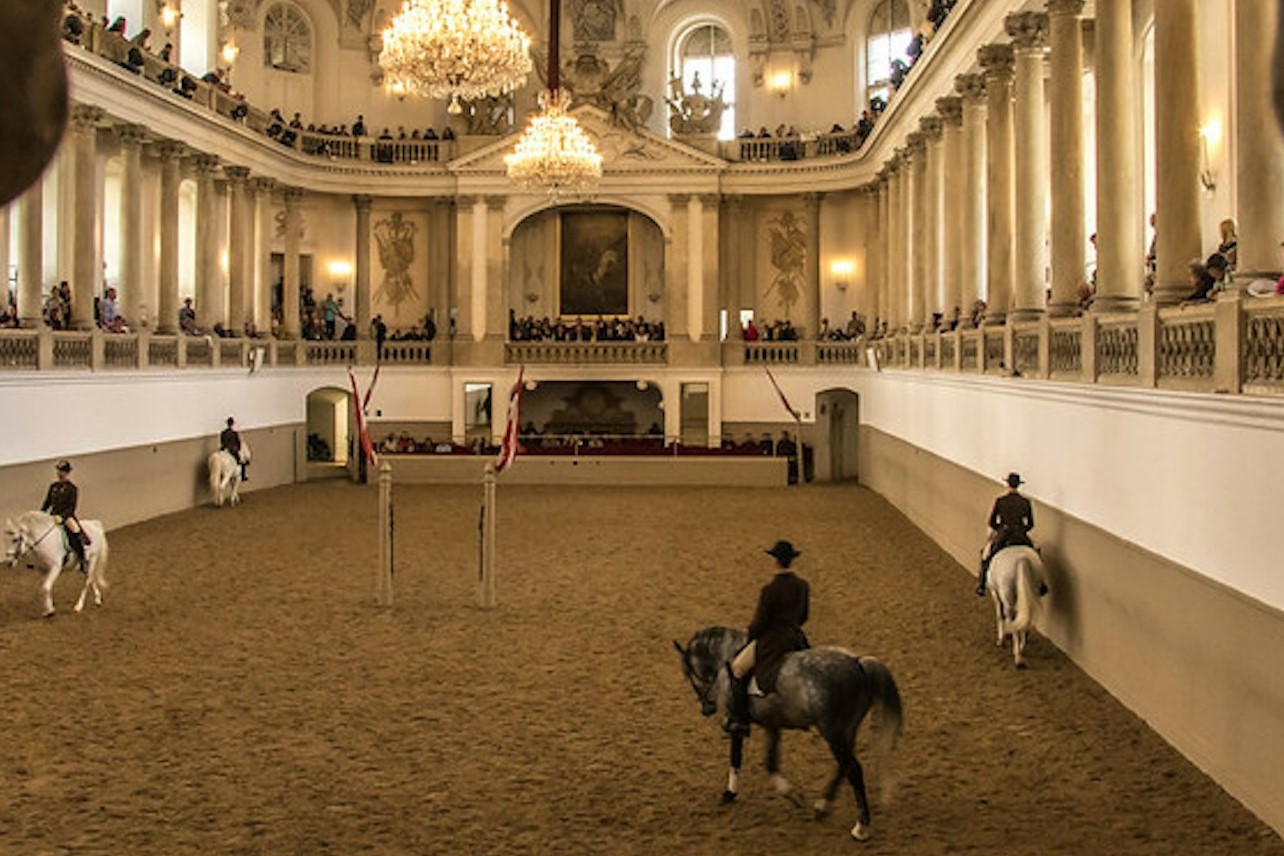
The former imperial palace, Hofburg Palace is now home to several museums, the Austrian National Library, and the Spanish Riding School.
Historical/Museum
2-3 hours
€14 for Sisi Museum and Imperial Apartments, €20 for Silver Collection
Must-Try Local Dishes
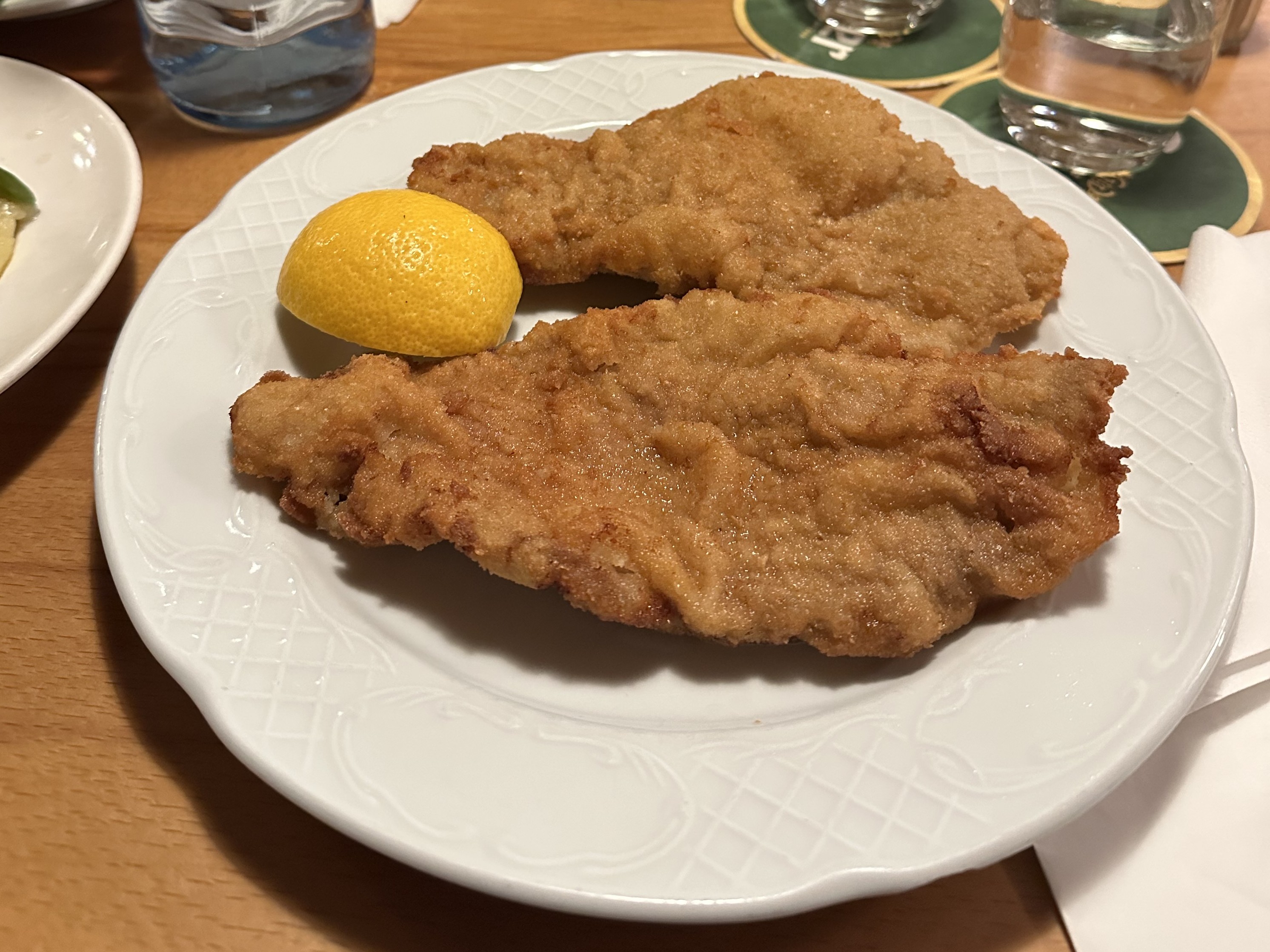
Wiener Schnitzel
A thin, breaded, and fried veal cutlet, traditionally served with lemon and potato salad or dumplings.
Dinner
Contains gluten and dairy
Tafelspitz
Boiled beef, usually served with root vegetables, apple sauce, and horseradish.
Dinner
Gluten-free, dairy-free
Sachertorte
A famous chocolate cake with a thin layer of apricot jam, covered in dark chocolate glaze.
Dessert
Contains gluten and dairy
Apfelstrudel
A thin pastry filled with spiced apples, raisins, and sugar, often served with vanilla sauce or ice cream.
Dessert
Contains gluten
Popular Activities
Hiking in the Vienna Woods
Cycling along the Danube
Kayaking on the Danube
Coffee house hopping
Spa day at a luxury hotel
Strolling through Schönbrunn Palace Gardens
Visiting museums and galleries
Attending opera or concert performances
Best Time to Visit
May to September
This is the best time to visit Vienna for pleasant weather and outdoor activities. The city hosts numerous festivals and cultural events during these months.
15°C to 30°C
59°F to 86°F
Practical Information
Language
- Official: German
- Widely spoken: English, Austro-Bavarian dialect
- English: Widely spoken in tourist areas, moderately spoken elsewhere
Currency
Euro (EUR)
Time Zone
GMT+1 (CET), GMT+2 (CEST during daylight saving time)
Electricity
230VV, 50HzHz
Safety Information
Overall Safety Rating: Generally safe
Vienna is a safe city with low crime rates. However, as with any major city, petty crime and pickpocketing can occur in tourist areas.
Important Precautions:
- • Keep valuables secure and out of sight
- • Use licensed taxis or ride-sharing apps
- • Be cautious of strangers offering help or services
Getting there
By air
- Vienna International Airport • 18 km from city center
By train
Vienna Hauptbahnhof (Main Station), Vienna Westbahnhof
By bus
Vienna International Bus Terminal, Erdberg Bus Station
Getting around
Public transport
Vienna's metro system is efficient and user-friendly, with four lines (U1, U2, U3, U4).
Taxis
Available • Apps: Bolt, FreeNow
Rentals
Car, Bike, Scooter
Neighborhoods
Innere Stadt
Leopoldstadt
Wieden
Hietzing
Day trips
Bratislava
80 km (50 miles) • Full day
The capital of Slovakia, Bratislava is a charming city with a rich history, beautiful architecture, and a vibrant cultural scene.
Salzburg
300 km (186 miles) • Full day or overnight
The birthplace of Mozart, Salzburg is a beautiful city with a rich musical heritage, stunning architecture, and scenic surroundings.
Hallstatt
200 km (124 miles) • Full day or overnight
A picturesque lakeside village in the Austrian Alps, Hallstatt is known for its stunning natural beauty and historic salt mines.
Festivals
Vienna Festival (Wiener Festwochen) • May to June
Vienna Opera Ball (Wiener Opernball) • Late February or early March
Vienna Christmas Markets (Wiener Christkindlmarkt) • Late November to December 26
Pro tips
- Visit major attractions early in the morning or late in the afternoon to avoid crowds
- Purchase a Vienna Pass for unlimited transport and attractions, saving time and money
- Explore the city's coffee house culture and try traditional pastries like Sachertorte and Apfelstrudel
- Take a day trip to nearby cities like Bratislava or Salzburg for a change of pace
- Use public transport or walk to explore the city, as driving can be challenging and expensive
From $25
per person
Price varies by option
Secure booking
Free cancellation available
Instant confirmation