Kibera Slum Private Tour
Active
4h - 5h
For a full refund, cancel at least 24 hours before the scheduled departure time.
Instant confirmation
Mobile or paper ticket accepted
About this experience
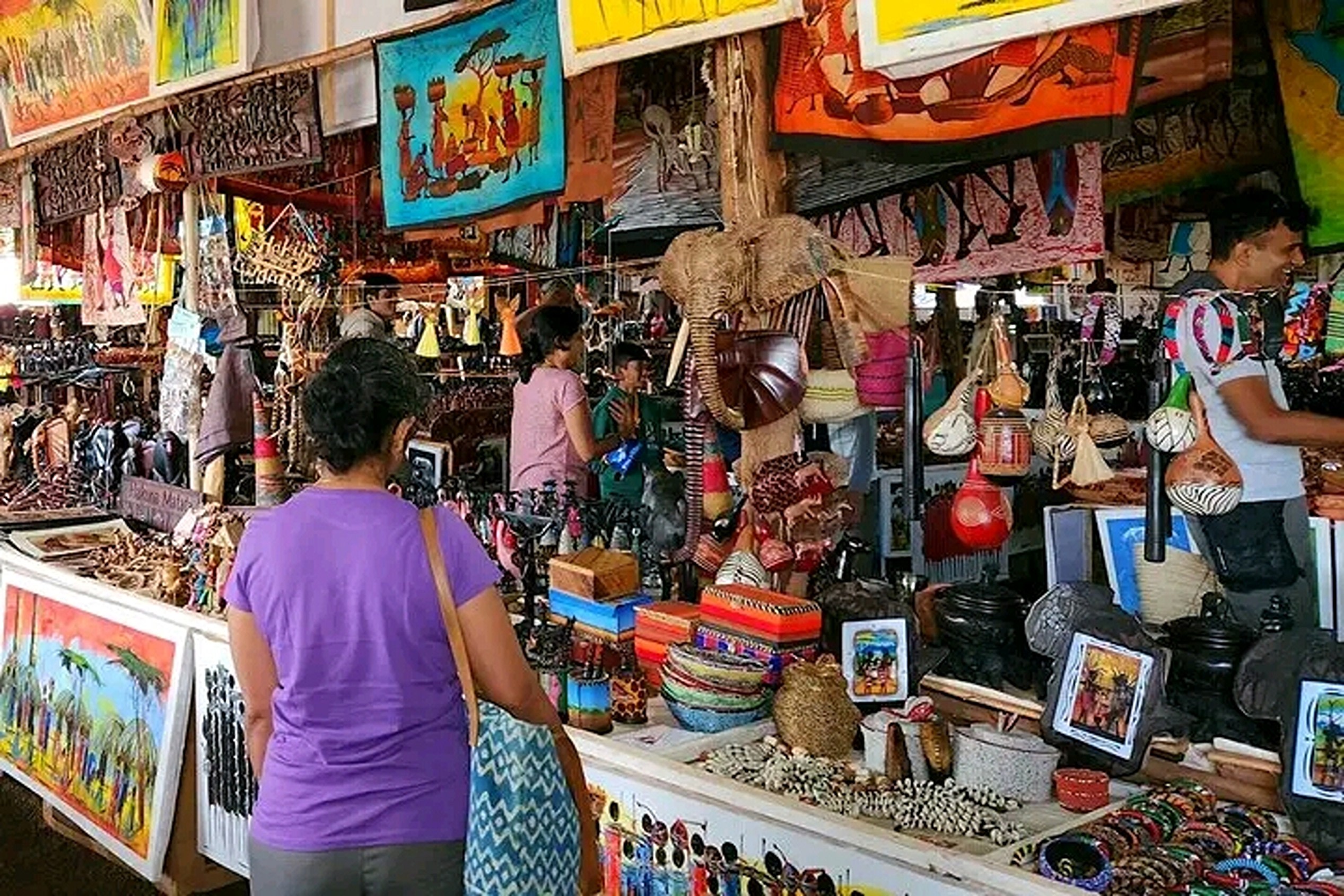
Start the tour with a walking visit of Toi market, Nairobi’s biggest second-hand market. This market lies just next to Kibera slum and many residents of the slum get their daily bread from running small businesses within it.
Visit Beads Making business. There, you will see the amazing beadwork and also, get a chance to buy some of the handmade jewelry as souvenirs.
Proceed to Victorious Bone Crafts Group that has made a major impact to the community and environment at large. The group collects trash, repurposes it and turns it into treasure. The group collects both old and fresh bones from butcheries, brass and horns and transforms them into bowls, trinkets and jewelry. Kibera residents are innovative and resilient people as seen from this endeavor.
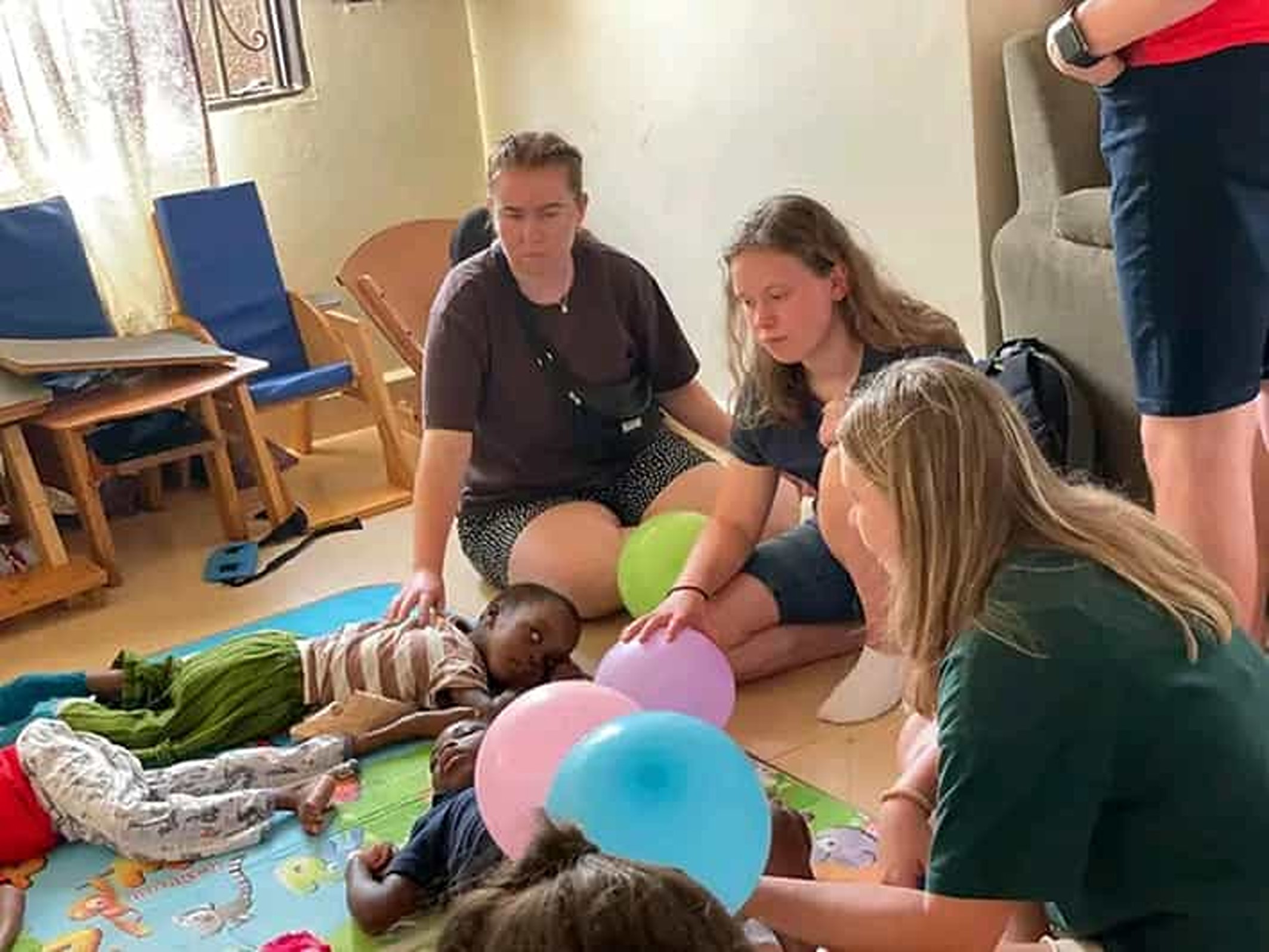
Later in the day, visit a typical Kibera house with the help of a guide. Through this, you will be able to interact one on one with the residents and get to know about their daily life experiences, and what life is like at the slum
Available options
Kibera Slum Private Tour
Pickup included
What's included
Drinking water
Guide and guard.
Transport.
Meet, Greet and Assist services.
Detailed itinerary
1
Stop 1
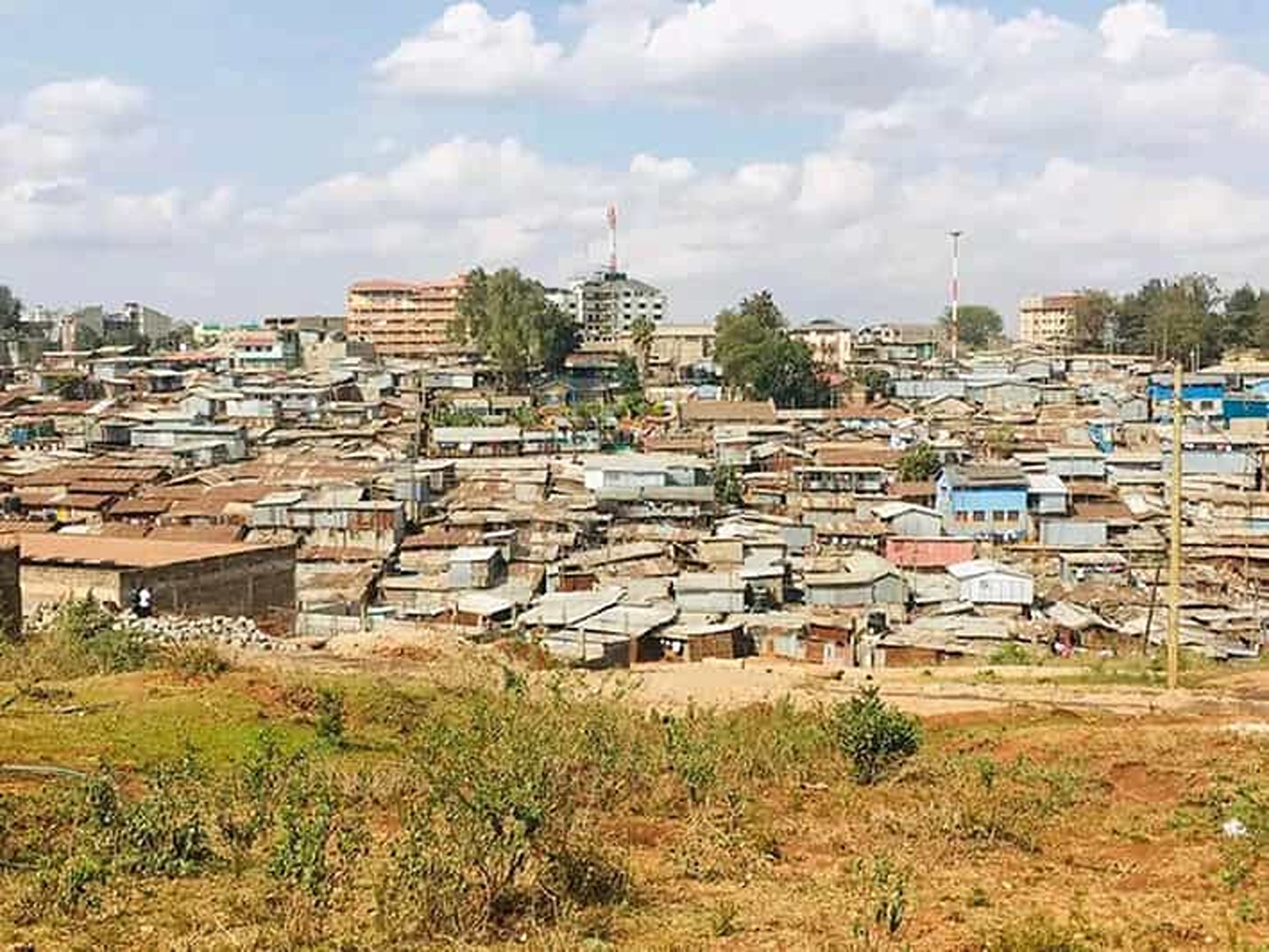
Journey with us and tour Kibera slum, the largest urban slum in Africa, with a growing population of 250,000 people. The slum was established in 1889 during the construction of the Ugandan Railway, where the laborers stayed. After the completion of the railway, the workers were forced to evict the place. In 1931, the people were allowed to live there since there were many emerging slums in Nairobi, and through this occurrence, the Kibera slum was born. Take this tour as a chance to give back to the locals, and also to see the resilience of the residents of one of the world’s biggest urban slums.
What's not included
Tips and donations to service providers (Highly Recommended)
Drinks and any other item not specified above.
Available languages
Guide guide
EN
ES
Important information
Public transportation options are available nearby
Suitable for all physical fitness levels
About Nairobi
Nairobi, the capital of Kenya, is a vibrant city known for its rich wildlife, cultural diversity, and modern urban landscape. It's the only city in the world with a national park within its boundaries, offering a unique blend of city life and nature.
Top Attractions
Nairobi National Park
This unique national park is located just a few kilometers from the city center and is home to a wide variety of wildlife, including lions, giraffes, and rhinos.
Nature
Half day to full day
KES 400-1000
Karen Blixen Museum
This museum is dedicated to the Danish author Karen Blixen, who lived in Kenya during the early 20th century. The museum is set in her former home and offers a glimpse into colonial life in Kenya.
Historical
2-3 hours
KES 500-1000
Bomas of Kenya
Bomas of Kenya is a cultural center that showcases the traditional music, dance, and acrobatics of Kenya's various ethnic groups. The center also features a museum and craft shops.
Cultural
2-3 hours
KES 500-1500
Must-Try Local Dishes
Nyama Choma
Grilled meat, typically goat or beef, seasoned with salt and sometimes spices. It's a popular dish often served with ugali and kachumbari.
Main Course
Contains meat
Ugali
A staple food made from maize flour, cooked with water to form a thick, dough-like consistency. It's often served with stews or nyama choma.
Side Dish
Vegetarian, Vegan
Sukuma Wiki
Collard greens cooked with onions, tomatoes, and sometimes other vegetables. It's a common side dish in Kenyan cuisine.
Side Dish
Vegetarian, Vegan
Popular Activities
Hiking
Safari
Wildlife viewing
Coffee tasting
Spas
Picnics
Museum visits
Cultural performances
Best Time to Visit
June to October
This is the dry season with plenty of sunshine, making it ideal for safaris and outdoor activities. The city is lively with various festivals and events.
18-28°C
64-82°F
Practical Information
Language
- Official: English, Swahili
- Widely spoken: English, Swahili
- English: Widely spoken
Currency
Kenyan Shilling (KES)
Time Zone
GMT+3
Electricity
240VV, 50HzHz
Safety Information
Overall Safety Rating: Exercise caution
Nairobi is generally safe for tourists, but petty crime and scams can occur, especially in crowded areas and at night. Be aware of your surroundings and take precautions to protect yourself and your belongings.
Important Precautions:
- • Keep valuables secure
- • Avoid walking alone at night
- • Be cautious when using ATMs
Getting there
By air
- Jomo Kenyatta International Airport • 15 km from city center
By train
Nairobi Railway Station
By bus
Nairobi Bus Station, Mombasa Road Bus Terminal
Getting around
Public transport
The NCBS is the main public transport system, with routes covering most of the city. Buses are affordable but can be crowded.
Taxis
Available • Apps: Uber, Bolt
Rentals
Car, Bike
Neighborhoods
CBD (Central Business District)
Westlands
Karen
Day trips
Lake Naivasha
90 km from Nairobi • Full day
Lake Naivasha is a beautiful freshwater lake surrounded by scenic landscapes and wildlife. It's a popular spot for boat rides, birdwatching, and visiting the nearby Hell's Gate National Park.
Mount Longonot
80 km from Nairobi • Full day
Mount Longonot is an extinct volcano with a challenging but rewarding hike to the summit. The hike offers stunning views of the surrounding landscapes and the crater lake.
Lake Nakuru National Park
160 km from Nairobi • Full day
Lake Nakuru National Park is known for its large population of flamingos and other wildlife, including rhinos, lions, and leopards. The park offers game drives and walking safaris.
Festivals
Nairobi International Trade Fair • July
Nairobi Film Festival • October
Kenyatta Day • June 1
Pro tips
- Visit the Nairobi National Park early in the morning or late in the afternoon for the best wildlife viewing
- Try local dishes like nyama choma, ugali, and sukuma wiki for an authentic culinary experience
- Use app-based taxi services like Uber or Bolt for safer and more convenient transportation
- Carry a reusable water bottle and avoid single-use plastics to minimize your environmental impact
- Learn a few basic Swahili phrases to enhance your interaction with locals and show respect for their culture
From $25
per person
Price varies by option
Secure booking
Free cancellation available
Instant confirmation