City Bike Tour in Alicante
Active
2h
For a full refund, cancel at least 24 hours before the scheduled departure time.
Instant confirmation
Mobile or paper ticket accepted
About this experience
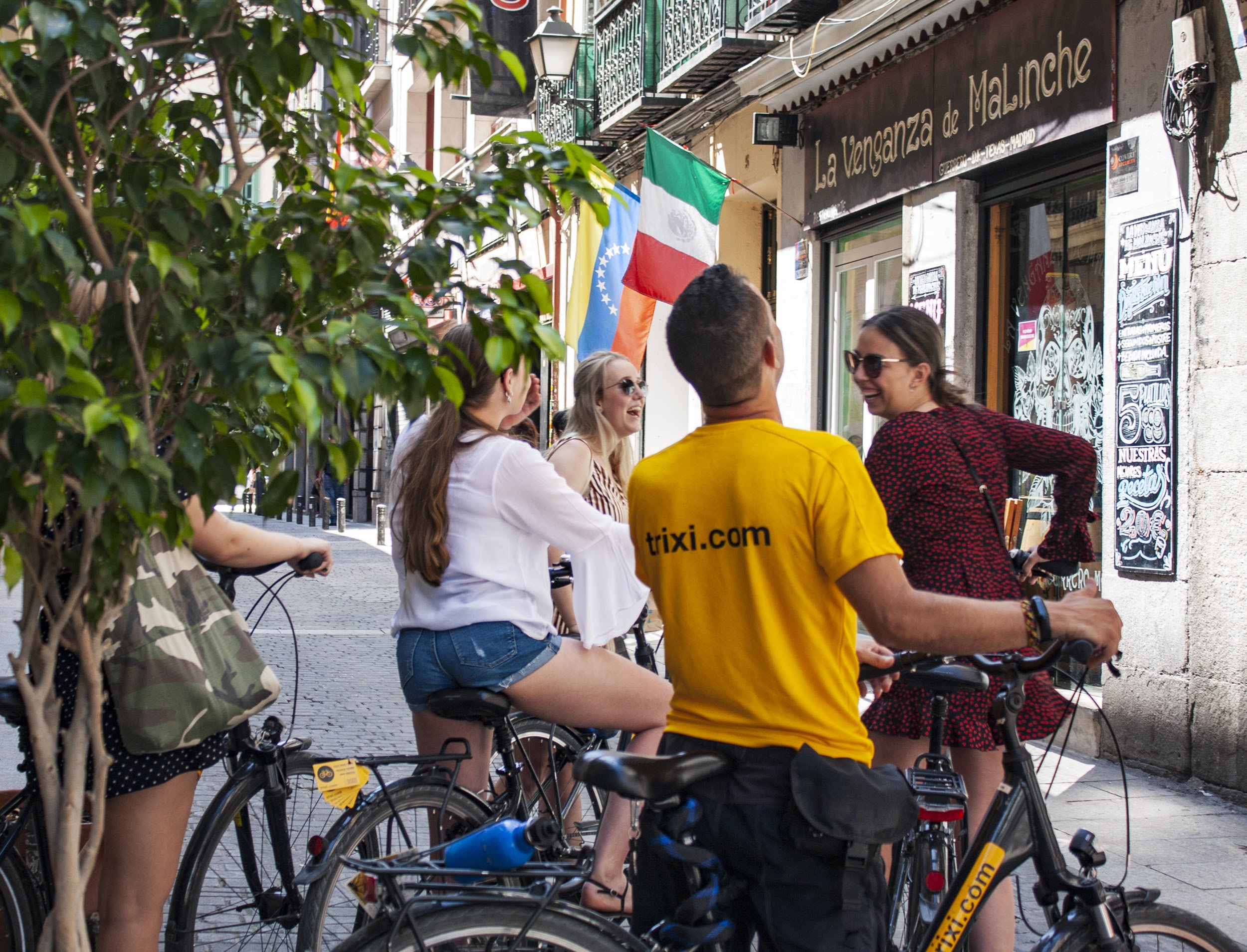
A memorable bike tour to enjoy the best sights Alicante has to offer. During this 2.5hr long bike tour you will be taken through the city's history, enabling you to immerse yourself in Alicante's rich history. Besides the famous highlights within the city centre, (Alicante's old town, Plaza de los Luceros and Mercado Central, to name some) the
tour will include stops along the Mediterranean. Points of interest will include (but not be limited to!) the port of Alicante, El Postiguet Beach and La Explanada (home of Casa Carbonell). A bottle of water per pax is included in the price.
Available options
City Bike Tour in Alicante
What's included
Bottled water
Use of bicycle
Coffee and/or Tea
Detailed itinerary
1
Alicante's old central food market (still active today) is a building of eclectic style, with ornaments of Valencian modernism, from the beginning of the 20th century.
2
Stop 2
Municipal Palace of Alicante, is a baroque style building from the 18th century located in the Spanish city of Alicante. Located between the Town Hall and Santísima Faz squares, in the Santa Cruz neighborhood, it houses the headquarters of the Alicante City Council
3
Alicante's main The Teatro Principal is the most important theater building in the city. It was built between 1846 and 1847 and finance by local business people.
4
Stop 4
The declaration of the city of Alicante as a Public Port of the Mediterranean dates back to 1271. The port as a work of engineering, a stone breakwater that juts out into the sea, will not begin to be built until 1476. Historically, the port has played a decisive role in the trade of the city of Alicante.
5
Stop 5
The Explanada de España is one of the emblems of the city of Alicante and runs parallel to one of the port's docks. It is bordered on each side by rows of palm trees and the floor is decorated with 6,600,000 tricolor marble tiles that form a mosaic with a characteristic design that imitates the waves of the sea.
6
Alicante's main beach. Sprawling, urban sand beach for swimming & sunbathing with a bi-level promenade, palm trees & cafes.
7
Stop 7
This church was built between 1613 and 1662. It was designed between 1610 and 1615. It was constructed over an ancient mosque. The older cloister was built originally in the 15th century in Valencian Gothic style.
8
Gabriel Miró Square is a square located in the city of Alicante (Spain). It is also popularly known as Post Office Square, in memory of the main offices of the State Postal and Telegraph Company that were located in the square.
Known since ancient times as Plaza de las Barcas, because boats could reach it. It was later called Plaza de Isabel II and finally baptized with its current name, in memory of the writer Gabriel Miró, illustrious son of the city.
9
Canalejas Park is the oldest park in the Spanish city of Alicante. It is located parallel to Loring Avenue and the marina, and is adjacent to the Esplanade de España.
It was designed in 1886
10
The Rambla de Méndez Núñez, is a central avenue that separates the neighborhoods of the Center and the Old Town. Until well into the 19th century, when the walls of Alicante were demolished, One of the defensive walls that were built during the 16th century ran along the current route of the street. After the demolition of the walls in 1820, the street was built using the rubble to fill the ravine.
11
Stop 11
Often called El Barrio, the Old Town’s hillside Santa Creu area is known for its vibrant nightlife, with cocktail and tapas bars on winding streets. Landmark buildings include the blue-domed, 17th-century Co-Cathedral of St. Nicholas and the stately Town Hall, flanked by ruined medieval walls.
What's not included
Snacks
Available languages
Guide guide
EN
NL
ES
Reviews breakdown
Viator
4.7
11 reviews
5★
9
4★
1
3★
1
2★
0
1★
0
Tripadvisor
4.0
5 reviews
5★
3
4★
1
3★
0
2★
0
1★
1
Important information
Public transportation options are available nearby
Specialized infant seats are available
Not recommended for travelers with poor cardiovascular health
Suitable for all physical fitness levels
About Alicante
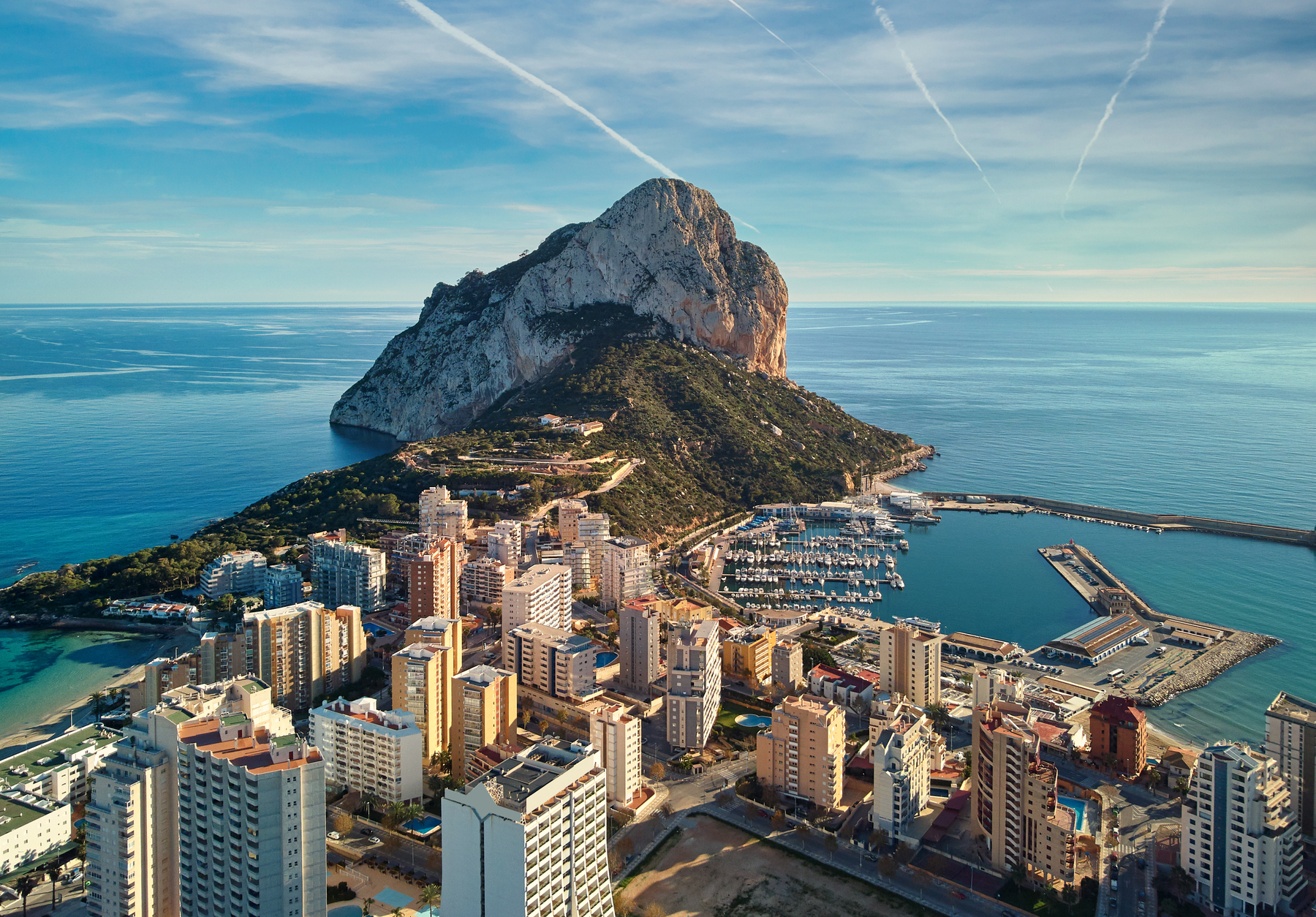
Alicante is a vibrant coastal city in Spain known for its stunning Mediterranean beaches, historic landmarks, and lively cultural scene. The city offers a blend of modern amenities and traditional charm, making it a popular destination for travelers seeking both relaxation and adventure.
Top Attractions
Castle of Santa Bárbara
This impressive fortress offers panoramic views of Alicante and the Mediterranean Sea. It dates back to the 9th century and is a must-visit for history and architecture enthusiasts.
Historical/Architecture
2-3 hours
Free
Postiguet Beach
A popular urban beach with golden sand and clear blue waters. It's perfect for swimming, sunbathing, and water sports.
Beach
Half-day to full day
Free
Explanada de España
A beautiful palm-lined promenade along the waterfront, featuring a distinctive tiled pavement and stunning views of the Mediterranean Sea.
Architecture/Landscape
1-2 hours
Free
Museo de Arte Contemporáneo de Alicante (MACA)
A modern art museum showcasing contemporary Spanish and international art. It's a great place to appreciate the city's cultural scene.
Museum
1-2 hours
Free
Tabarca Island
A small island off the coast of Alicante, known for its crystal-clear waters, pristine beaches, and rich marine life. It's a popular spot for diving and snorkeling.
Nature/Adventure
Full day
Boat trip and activities vary in price
Must-Try Local Dishes
Paella
A traditional Spanish rice dish cooked with saffron, vegetables, and various meats or seafood.
Main course
Can be made vegetarian or vegan.
Turrón
A traditional Spanish sweet made from honey, sugar, and almonds.
Dessert
Contains nuts.
Horchata
A refreshing drink made from tiger nuts, water, and sugar.
Drink
Vegan and gluten-free.
Marineras
A type of seafood dish typically made with mussels, clams, and other shellfish cooked in a white wine sauce.
Tapas
Contains shellfish.
Popular Activities
Hiking
Diving
Snorkeling
Water sports
Beach activities
Spa treatments
Sunbathing
Strolling along the promenade
Best Time to Visit
June to September
This is the peak tourist season with warm weather and long sunny days. The beaches are crowded, and the city hosts various festivals and events.
25°C to 35°C
77°F to 95°F
Practical Information
Language
- Official: Spanish
- Widely spoken: English, Valencian
- English: Moderately spoken
Currency
Euro (EUR)
Time Zone
GMT+1 (Central European Time, CET)
Electricity
230VV, 50HzHz
Safety Information
Overall Safety Rating: Generally safe
Alicante is generally a safe city for travelers, with low crime rates and a welcoming atmosphere. However, as with any destination, it's important to be aware of your surroundings and take precautions to protect yourself and your belongings.
Important Precautions:
- • Be aware of your surroundings, especially in crowded areas.
- • Keep your belongings secure and out of sight.
- • Use licensed taxis or ride-sharing services.
Getting there
By air
- Alicante-Elche Airport • 10 km from city center
By train
Alicante-Terminal Station
By bus
Alicante Bus Station
Getting around
Public transport
The tram system is efficient and user-friendly, connecting major attractions and neighborhoods.
Taxis
Available • Apps: Cabify, Uber
Rentals
Car, Bike, Scooter
Neighborhoods
El Centro
Santa Cruz
Playa de San Juan
Albufereta
Day trips
Benidorm
45 km • Full day
A popular resort town known for its beaches, nightlife, and theme parks. It's a great destination for families and groups of friends.
Guadalest Valley
50 km • Full day
A scenic valley with a historic village, castle, and stunning views of the surrounding mountains and reservoirs. It's a great destination for history and nature enthusiasts.
Altea
30 km • Half day to full day
A charming coastal town known for its whitewashed houses, narrow streets, and beautiful beaches. It's a great destination for relaxation and cultural exploration.
Festivals
Hogueras de San Juan • June 19-24
Feria de Alicante • June 4-13
Nit de l'Albà • August 15
Pro tips
- Visit the Castle of Santa Bárbara for the best views of the city and sea.
- Try traditional paella at a local restaurant for an authentic taste of Alicante.
- Explore the narrow streets of the old town for unique shops, cafes, and historic sites.
- Take a day trip to Tabarca Island for a taste of the Mediterranean's pristine beauty.
- Enjoy the lively atmosphere of the city's festivals and events, such as the Hogueras de San Juan.
From $25
per person
Price varies by option
Secure booking
Free cancellation available
Instant confirmation