Guided Tour in Albania, History, Heritage, Art, Culinary, Etc
Active
3d
For a full refund, cancel at least 24 hours before the scheduled departure time.
Instant confirmation
Mobile or paper ticket accepted
About this experience
Taking a tour in Tirana means, Dashuri - Mikpritje - Besë (Love - Hospitality - Faith). Take tours in the capital of the country of eagles, where some of the most significant moments in Albanian history took place precisely in the places that will be in the program.
I specify some places: 1. Eth'hem Bey Mosque is a historical mosque and a cultural monument in the center of Tirana, whose construction was started by Sulejman Pasha's great-grandson, Molla Bey i Petrela around 1793 and completed by his son, Haxhi Et'hem Bey in (1822/1823).The mosque is located in the center of Tirana, in Skenderbe square. 2. The building of the National Bank of Albania was established on September 2, 1925. The building of the Bank of Albania was completed in 1936. Its architectural style belongs to the "Rationalism" current, which flourished in the first half of the 20th century in Europe. The building project was created by the well-known Italian architect of the time, Vitorio Marpurgo. The National Museum 1981 :)
Available options
Guided Tour in Albania, History, Heritage, Art, Culinary, Etc
What's included
Bottled water
Detailed itinerary
1
Being the central square of the capital it is also the meeting point with travellers. From here, the tour begins, with explanations for the specific place, including the destinations that are included.
For example, the tour includes the Central Bulevard, where some of the symbolic and also historical buildings are located. I'll point out 2 of them:
The central office of the National Bank in Albania was in Durres, opened on 29 November 1925. On 30 October 1938 its new headquarters was inaugurated in Skanderbeg square in Tirana between 1930 and 1936 by the Italian architect Vittorio Ballio Morpurgo, who had also designed the others. The Tirana headquarters took over the central Albanian functions.
The Hotel <> was one of the first and most luxurious hotels in the city of Tirana. The building is located on the left side of the "Dëshmorët e Kombit" avenue, the main promenade of the capital. Designed by the most famous architects of the time, Gherardo Bosio by Gio Ponti has long been the most modern hotel in the Balkans.
2
Stop 2
Pass by
Xhamia e Et'hem Beut (the Mosque of Et'hem Bey) is The construction was begun in 1789 by the Albanian noble Et'hem bey Mollaj and completed in 1823 by his son, Haxhi Et'hem Bey, descendant of Sulejman Bargjini.
The mosque gained importance after the construction of the nearby Scanderbeg square, in the period of the Italian protectorate after Albania's independence from the Ottoman Empire. The frescoes on the outside of the building, more precisely in the portico, contain particularities: trees, waterfalls and bridges are drawn there, motifs that are rarely seen in Islamic architecture, precisely because they were frescoed by non-Muslim workers, by Venetians. Closed during the communist dictatorship, on 18 January 1991 10,000 people, despite the opposition of the authorities, decided to enter to pray and the police did not intervene. The event was of great importance.
Tours inside the mosque take place daily, although not during prayer times.
3
"Bunk'Art 2" near the Ministry of the Interior in Tirana consists of 40 rooms, presenting the history from 1912 to 1991 through facts obtained from the State Archives and the Ministry of the Interior. is a one-of-a-kind museum located in the heart of the city of Tirana, Albania. This structure, originally an underground bunker built during the communist period, was conceived as a fallout shelter during the communist regime of Enver Hoxha. The journey through Bunk'Art 2 is an exciting journey through the thematic rooms, each of which represents a chapter of Albanian history. From the testimonies of former political prisoners to images and period objects. Documentaries, video testimonies and interactive exhibitions tell the story of the communist period, highlighting the challenges and experiences lived by the population. After the walking tour of the historic center of Tirana you can conclude with this museum in the center. :)
4
BERAT! The city is 2,500 years old!
The city of overlapping windows.
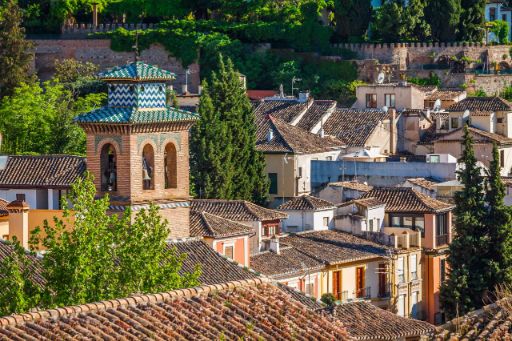
Berat is famous for its unique architecture, which reflects centuries of cultural influences. The historic heart of the city is divided into three main parts: Kala, the upper city dominated by Berat Castle; Mangalem, the lower city along the banks of the Osum River; and Gorica, the area located across the river. The houses of Kala are characterized by their bay windows, authentic works of art that offer spectacular panoramic views of the city and the valley below. The cobbled streets and winding alleys add a touch of mystery to this enchanting city.
5
HKODRA! Scutari is one of the oldest European cities and among the largest in Albania, an important economic and cultural center of the country. Counting numerous prominent personalities who have written the history of the language and arts of Albania, it is considered the cultural cradle of the Albanian nation[ and for this reason it is also defined as the "Florence of the Balkans".
It was founded by the Illyrians in the 4th century BC. in the hills around Rozafa Castle. Since ancient times it has been a crossroads of important trade routes of the Balkan peninsula, so for a long time it was the center of the Illyrian state. Having a comfortable economic position, Romans, Byzantines, Slavs, Venetians and Turkish-Ottomans came to Scutari. In 1858 - developing almost simultaneously with world photography - a photographic studio, called Marubi, was established, where the first photograph of the entire Western Balkan area was printed.
So, do you want to know these places? Come and...
Available languages
Guide guide
EN
IT
ES
Important information
Not recommended for travelers with spinal injuries
Not recommended for pregnant travelers
Not recommended for travelers with poor cardiovascular health
Suitable for all physical fitness levels
Meeting point
Scanderbeg Square is the central square of the capital. All meetings take place in their own square. :)
About Tirana
Tirana, Albania's vibrant capital, is a city where Ottoman, Italian, and communist influences blend to create a unique urban tapestry. Known for its colorful buildings, lively cafes, and rich history, Tirana offers a dynamic mix of old and new that captivates visitors.
Top Attractions
Bunk'Art 2
A Cold War-era bunker turned museum, Bunk'Art 2 offers a fascinating look into Albania's communist past. The museum features exhibits on the history of communism, the secret police, and the Cold War.
Historical
1-2 hours
€5
Blloku
Blloku is Tirana's most vibrant district, known for its lively nightlife, restaurants, and cafes. Once the exclusive residential area of communist leaders, it has transformed into the city's entertainment hub.
Entertainment
Evening or full day
Free to explore, varies by venue
Dajti National Park
Dajti National Park offers stunning views of Tirana and the surrounding mountains. Visitors can hike, enjoy nature, or take the cable car for panoramic views.
Nature
Half day or full day
€5 for cable car, free for hiking
Must-Try Local Dishes
Tavë Kosi
A traditional Albanian dish made with baked lamb and rice, topped with a yogurt and egg sauce.
Main Dish
Contains dairy and meat
Byrek
A savory pastry filled with cheese, spinach, or meat, baked until golden and flaky.
Snack
Vegetarian options available
Fërgesë
A hearty dish made with peppers, tomatoes, onions, and cheese, often served with bread.
Main Dish
Vegetarian
Popular Activities
Hiking in Dajti National Park
Mountain biking in the surrounding hills
Paragliding near Tirana
Visiting Blloku for cafes and people-watching
Enjoying a spa day at a local wellness center
Relaxing at a traditional hammam (Turkish bath)
Exploring Bunk'Art 2 and other museums
Attending a performance at the National Opera and Ballet Theatre
Best Time to Visit
April to June, September to October
Spring and fall offer the best weather for exploring Tirana, with comfortable temperatures and fewer tourists. The city is in full bloom during spring, while autumn provides a warm, pleasant climate.
15°C to 30°C
59°F to 86°F
Practical Information
Language
- Official: Albanian
- Widely spoken: English, Italian
- English: Moderately spoken in tourist areas, limited elsewhere
Currency
Albanian Lek (ALL)
Time Zone
CET (GMT+1), CST (GMT+2) during daylight saving time
Electricity
220VV, 50HzHz
Safety Information
Overall Safety Rating: Generally safe
Tirana is generally safe for travelers, with low crime rates and a welcoming atmosphere. However, petty crime and pickpocketing can occur in crowded areas and tourist spots.
Important Precautions:
- • Be cautious with valuables, especially in crowded areas and on public transport.
- • Use reputable taxi services or ride-sharing apps to avoid overcharging.
- • Be aware of your surroundings, especially at night, and stick to well-lit and populated areas.
Getting there
By air
- Tirana International Airport Nënë Tereza • 20 km from city center
By bus
Tirana Bus Station
Getting around
Public transport
Buses are the primary mode of public transport in Tirana. The system is affordable and covers most major areas, though it can be crowded during peak hours.
Taxis
Available • Apps: TaksiTirana, Uber
Rentals
Car, Bike, Scooter
Neighborhoods
Blloku
Pazari i Ri
Kamza
Day trips
Berat
120 km from Tirana • Full day
Berat, known as the 'Town of a Thousand Windows,' is a UNESCO World Heritage site with a rich history and stunning architecture. Visitors can explore Ottoman-era houses, churches, and the Berat Castle.
Durrës
35 km from Tirana • Half day or full day
Durrës is Albania's largest beach resort, offering a mix of relaxation and history. Visitors can enjoy the beach, explore the Roman amphitheater, and visit the Archaeological Museum.
Krujë
30 km from Tirana • Half day or full day
Krujë is a historic town known for its medieval castle, bazaar, and the Ethnographic Museum. It's a popular day trip from Tirana, offering a glimpse into Albania's medieval past.
Festivals
Tirana International Film Festival • November
Tirana Jazz Festival • November
Tirana Summer Festival • July to August
Pro tips
- Visit Bunk'Art 2 for a fascinating look into Albania's communist past.
- Explore the vibrant Blloku district for nightlife, dining, and shopping.
- Take a day trip to Berat or Durrës for a mix of history, culture, and beach relaxation.
- Try local dishes like Tavë Kosi and Byrek at traditional restaurants and cafes.
- Use public transport or rent a bike to get around the city and reduce your carbon footprint.
From $25
per person
Price varies by option
Secure booking
Free cancellation available
Instant confirmation