Thermopylae Battlefield Private Half Day Tour from Athens
Active
5h - 6h
For a full refund, cancel at least 24 hours before the scheduled departure time.
Instant confirmation
Mobile or paper ticket accepted
About this experience
Thermopylae is about 2 hours from Athens. You deserve to visit this historical place with our team as we provide experienced drivers who will explain historical facts of the Battle of Thermopylae (the history of the famous battle in 480 BC). This private transfer from Athens in our equipped air-conditioned vehicle will allow you to enjoy your journey to your final destination and learn about history.Step back in time at some of Greece’s premium ancient sites without the hassle of arranging transport with this private day trip. Enjoy hotel pickup in Athens and focus on the views as your professional driver takes on the traffic. Explore the battlefield and museum at Thermopylae before a lunch break at a traditional Greek taverna (own expense).Take in the treasures at Thermopylae as a historical trip and learn the history about ancient Sparta, the glorious 300 warriors of King Leonidas.
Available options
Thermopylae Battlefield Private Half Day Tour from Athens
Pickup included
What's included
Private transportation
Hotel/Airbnb/Port/Cruises Terminal pick up and drop off
Transportation with Minibus/MiniVan/Suv/Sedan (it depends on the number of participants)
Professional drivers with deep knowledge of history (not licensed to accompany you in any site)
WiFi on board
Bottled water
Snacks
All Fees and Taxes
Air-conditioned vehicle
Airport Pick up & Drop off (Extra charge)
Detailed itinerary
1
Leonidas was a king of the Greek city-state of Sparta, and the 17th of the Agiad line, a dynasty which claimed descent from the mythological demigod Heracles and Cadmus. Leonidas was son of King Anaxandridas II. He succeeded his half-brother King Cleomenes I to the throne in 489 BC.
Leonidas had a notable participation in the Second Persian War, where he led the allied Greek forces to a last stand at the Battle of Thermopylae (480 BC) while attempting to defend the pass from the invading Persian army; he died at the battle and entered myth as the leader of the 300 Spartans. While the Greeks lost this battle, they were able to expel the Persian invaders in the following year.
2
Next to the monument of Leonidas, in the historic Thermopylae, lies the innovative museum of the Lamia Municipality, dedicated to the 480 BC battle that changed the course of Greek history. A scientific project of the Foundation of the Hellenic World, the Centre of Historical Information of Thermopylae opened its doors to the public in 2010. The building, in the shape of an ancient spearhead turned to the north as if facing the invaders, is characterized by its ergonomic design that applies to the most up-to-date museological purposes and features glass panels that allow in plenty of natural light. The Centre represents history as an interactive narrative and discourse: In its three exhibition halls -named Leonidas, Dienekes and Thermopylae- multimedia applications offer visitors a virtual trip to the time and battlefields of the Persian Wars, as recounted by the ancient historian Herodotus, while the very battle of Thermopylae comes alive in a digital 3D movie.
3
The Battle of Thermopylae war conducted in 480BC among the Greeks and the Persians the same time the Naval Battle of Artemision took place. In the beginning of September the Persian Army led my Xerxis reaches the passageways of Thermopylae. The Greeks have chosen this strategic spot to face the Persian attack. Xerxis has commanded Leonides, the leader of the Greek Army to surrender his armory but he replied 'Come and Get them'. Two consecutive days the Greeks fought heroically. The third day Efialtes betrays the Greeks, showing the Persians the passageway so as to get to the back side of the Greeks. So, the Persian Army surrounds the Greeks. Leonides remains in the site of the battle along with 300 Spartans, 700 Thespieis and 400 Thivaious, loyal to his homeland laws. He fall dead from Persian arrows.
4
Kamena Vourla is a seaside town near Athens. Its lush green landscape and beautiful beaches will enchant you. You will also find several restaurants and cafes there.
5
The Baths of Thermopylae are located 15 km. from the city of Lamia. The area is known from the Battle of Thermopylae between the Greeks and the Persians in 480 BC. Next to the road is the statue of Leonidas and the sacred hill, where Leonidas fell fighting with the 300 Spartans and the 700 Thespians. According to mythology, Hephaestus, at the request of the goddess Athena, created the springs so that Hercules could wash and regain his strength after his labors.
What's not included
The guide driver is not a licensed tour guide to accompany you at any site/museum.
Available languages
Guide guide
EN
Written guide
EN
Reviews breakdown
Viator
4.5
2 reviews
5★
1
4★
1
3★
0
2★
0
1★
0
Tripadvisor
4.7
7 reviews
5★
6
4★
0
3★
1
2★
0
1★
0
Important information
Infants and small children can ride in a pram or stroller
Service animals allowed
Public transportation options are available nearby
Specialized infant seats are available
Not recommended for pregnant travelers
Suitable for all physical fitness levels
The driving travel from Athens to Thermopylae is 2 hours
About Athens
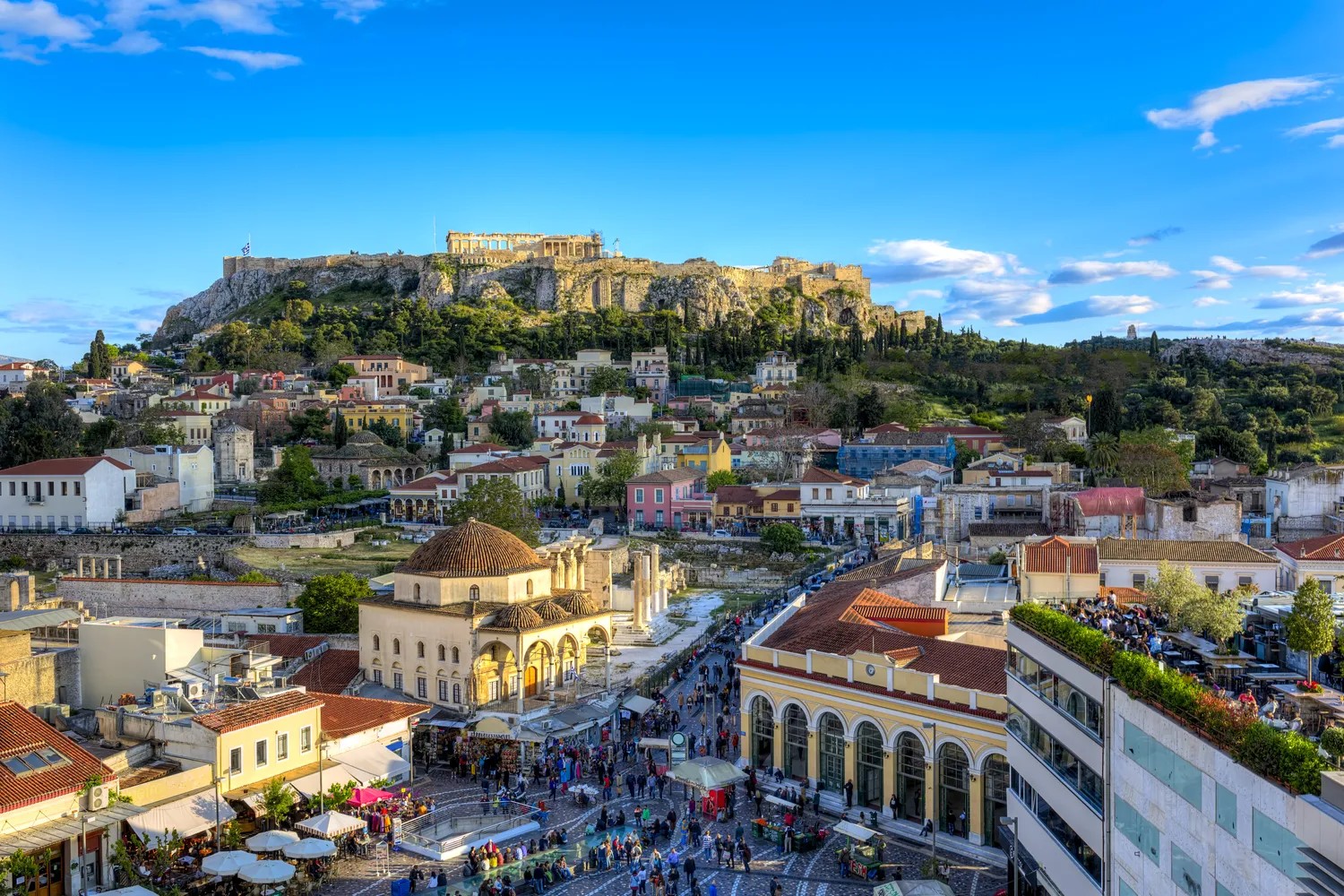
Athens, the capital of Greece, is a city rich in history and culture, often considered the cradle of Western civilization. It is home to iconic ancient landmarks, vibrant neighborhoods, and a thriving modern scene.
Top Attractions
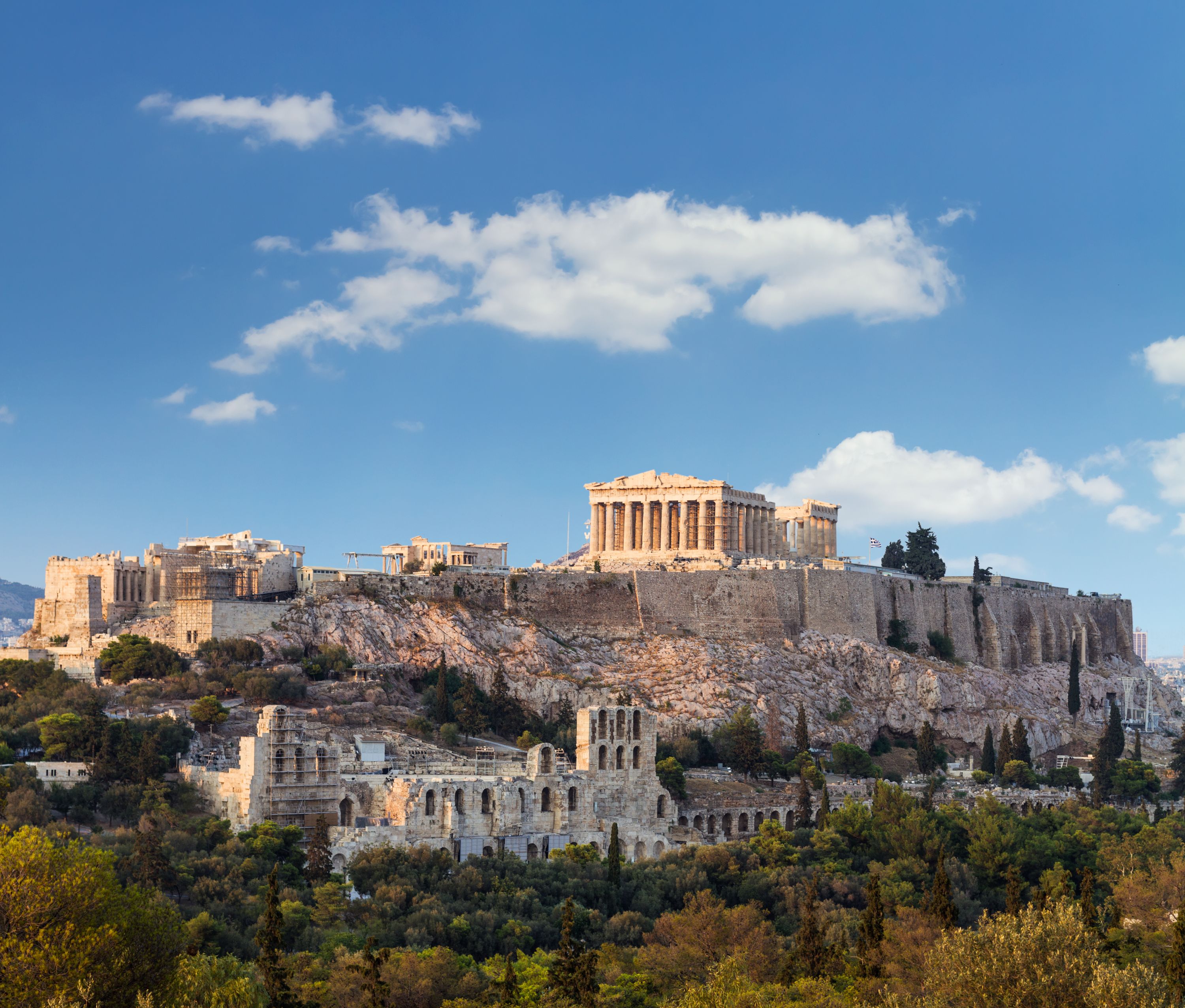
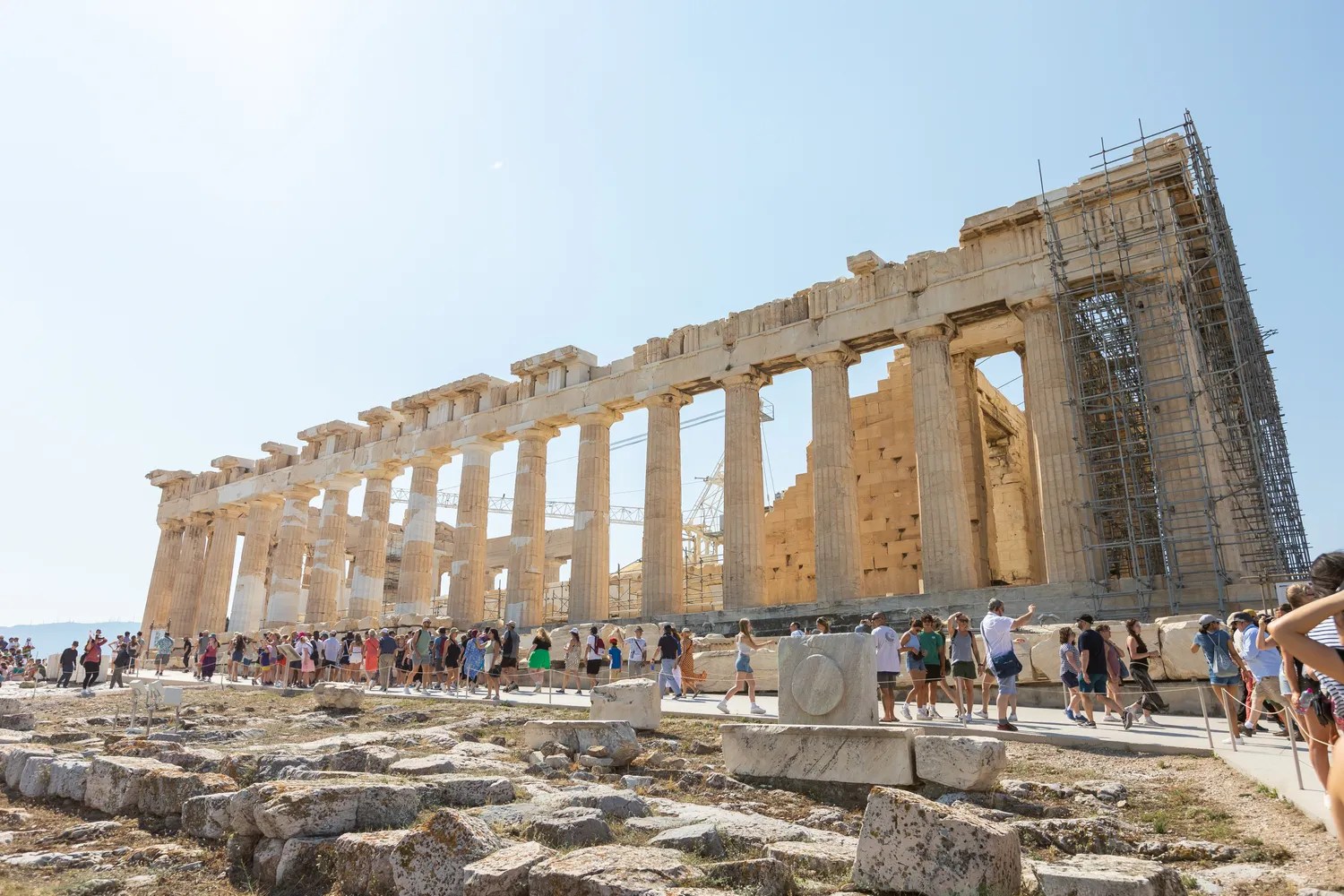
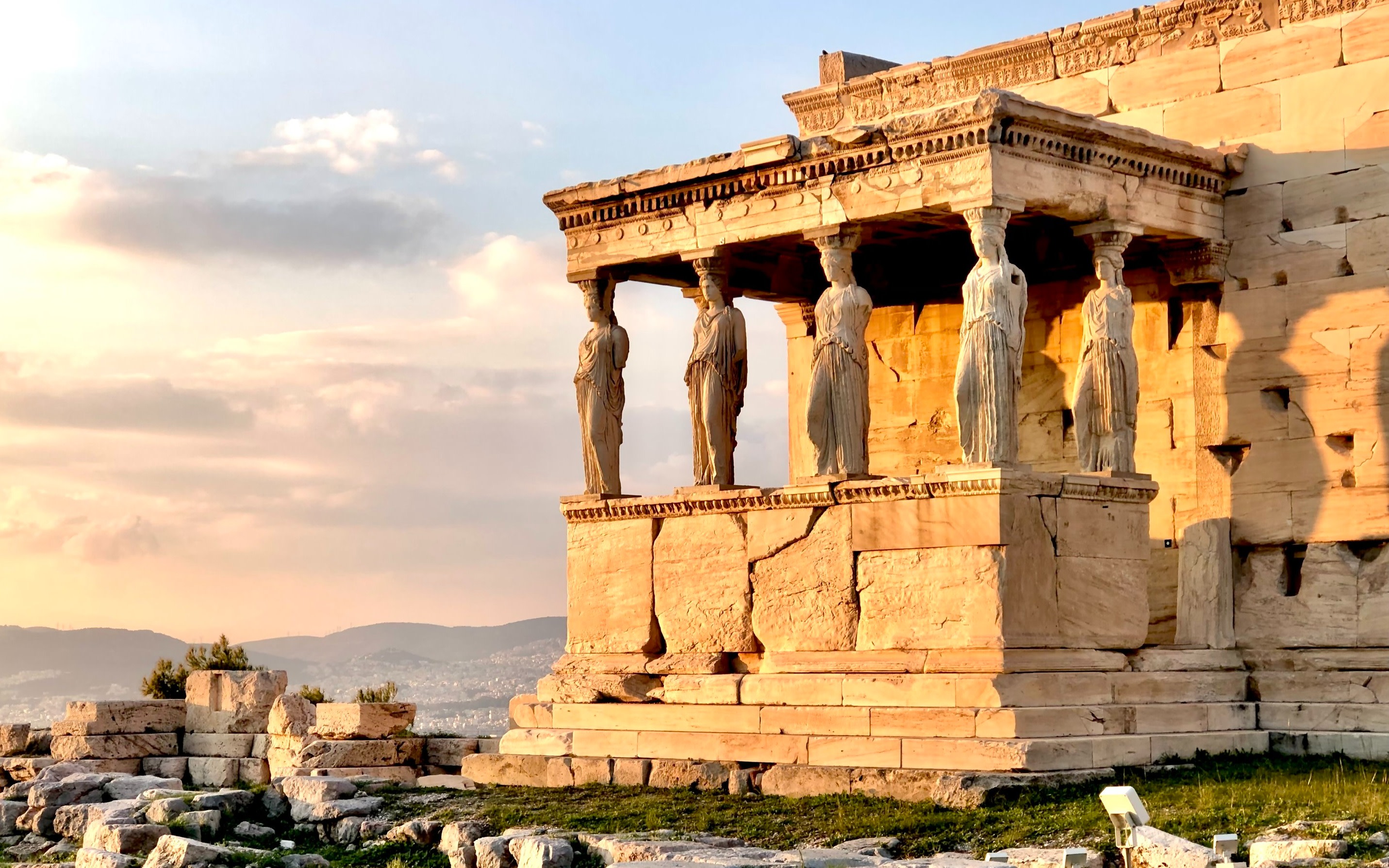
Acropolis of Athens
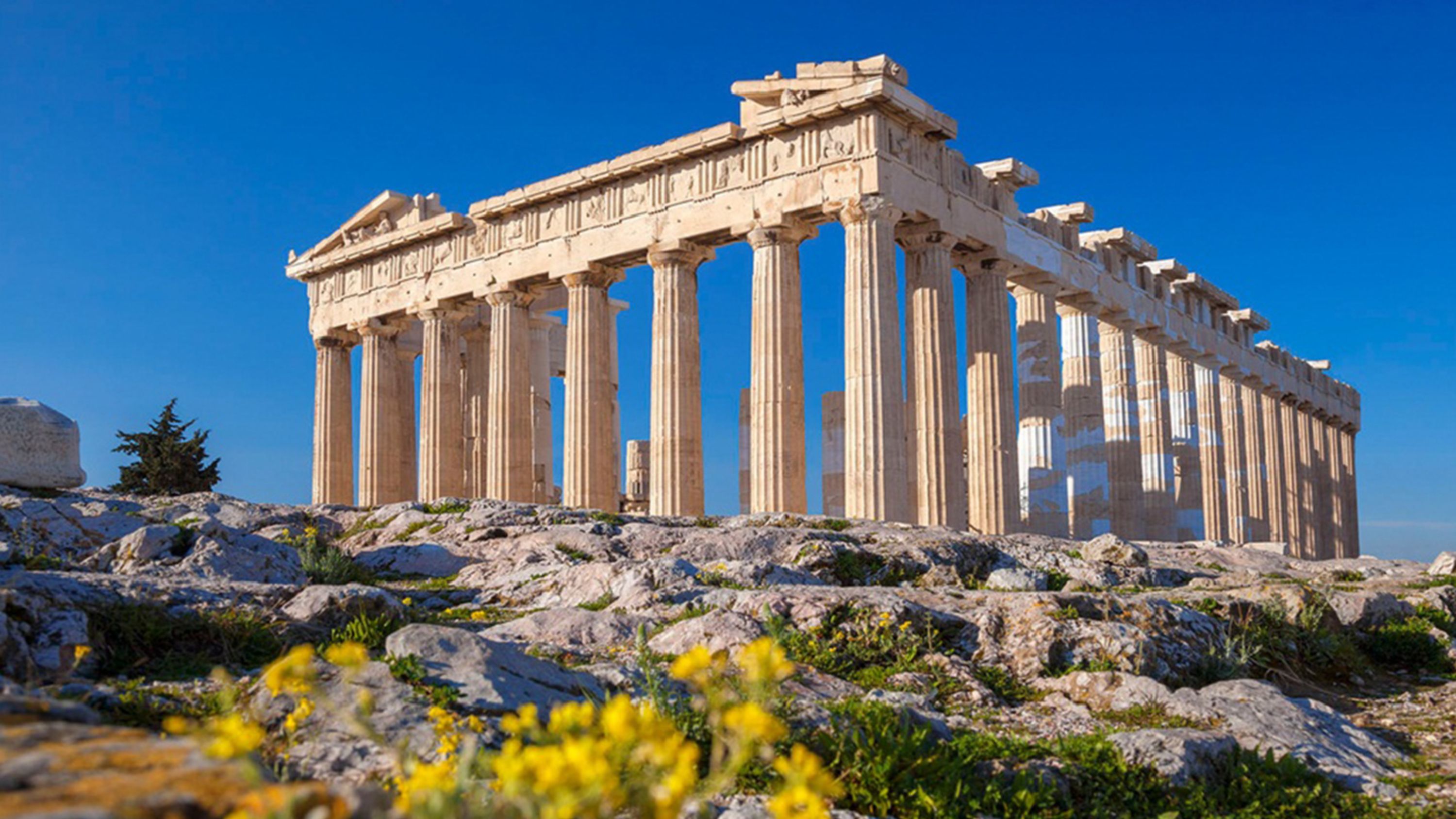
The Acropolis is the most iconic landmark in Athens, featuring ancient ruins and temples, including the Parthenon.
Historical
2-3 hours
€20 (combined ticket for multiple sites)
Ancient Agora of Athens
The heart of ancient Athens, featuring the Temple of Hephaestus and the Stoa of Attalos.
Historical
1-2 hours
€8 (included in the combined ticket)
Plaka
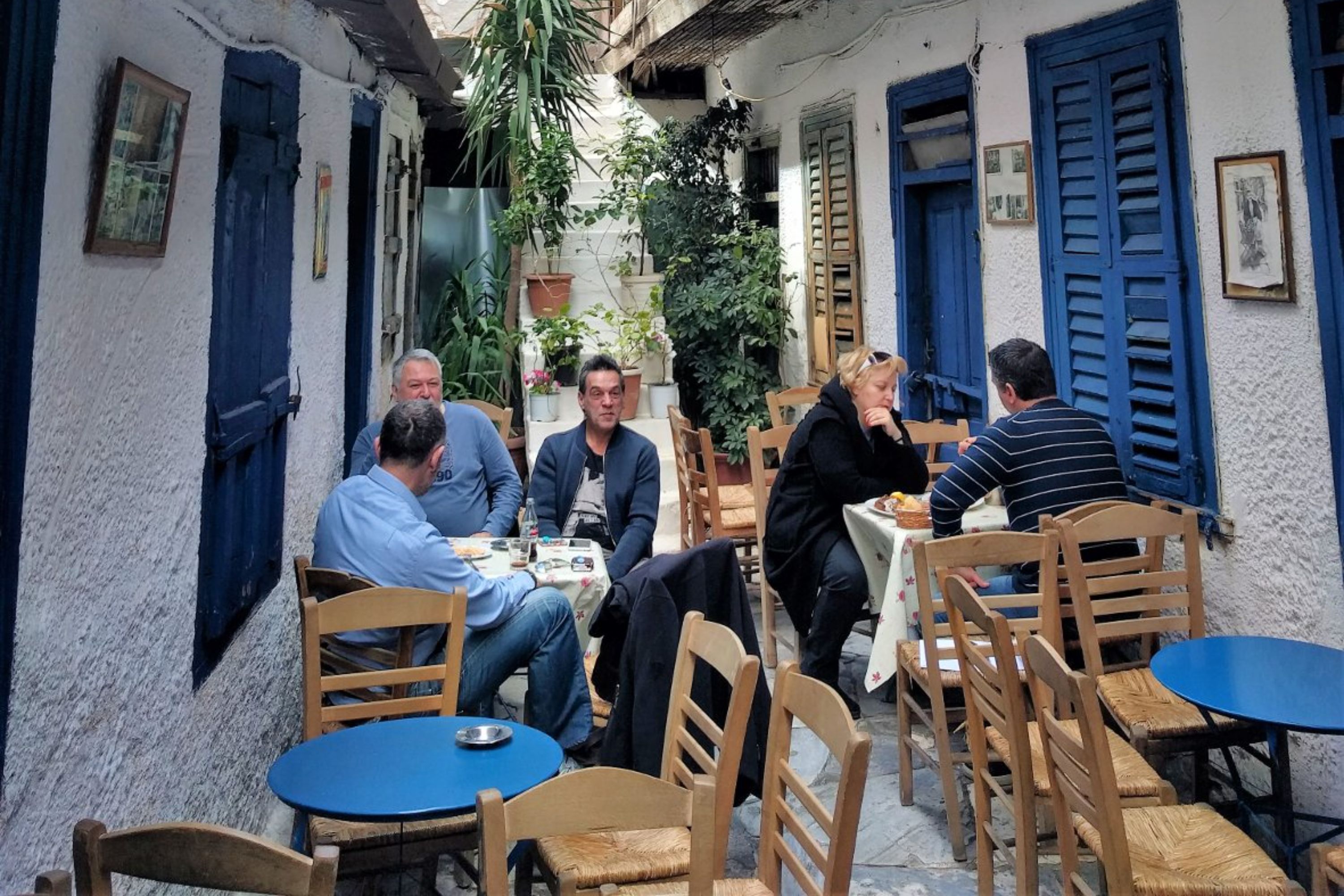
A charming, historic neighborhood with narrow streets, neoclassical houses, and vibrant nightlife.
Cultural
2-3 hours
Free to explore
Acropolis Museum
A modern museum showcasing artifacts from the Acropolis and its surroundings.
Museum
1-2 hours
€10
Temple of Olympian Zeus
An ancient temple dedicated to Zeus, once the largest temple in Greece.
Historical
30 minutes to 1 hour
€6 (included in the combined ticket)
Must-Try Local Dishes
Moussaka
A baked dish with layers of eggplant, minced meat, and béchamel sauce.
Dinner
Vegetarian versions available
Souvlaki
Grilled meat skewers, often served with pita bread and tzatziki.
Snack
Can be made with chicken, pork, or vegetarian options
Tzatziki
A yogurt-based dip with cucumber, garlic, and herbs.
Snack
Vegetarian and vegan options available
Baklava
A sweet pastry made with layers of filo, nuts, and honey syrup.
Dessert
Vegetarian
Popular Activities
Hiking in the mountains
Rock climbing
Scuba diving
Beach visits
Spa treatments
Café hopping
Museum visits
Theater performances
Best Time to Visit
April to June, September to October
The best time to visit Athens is during the spring and autumn months when the weather is pleasant and the tourist crowds are smaller.
18°C to 32°C
64°F to 90°F
Practical Information
Language
- Official: Greek
- Widely spoken: English, French, German
- English: Moderately spoken
Currency
Euro (EUR)
Time Zone
GMT+2 (EET)
Electricity
230VV, 50HzHz
Safety Information
Overall Safety Rating: Generally safe
Athens is generally safe for travelers, but petty crime and pickpocketing can occur in tourist areas. Be cautious with your belongings and avoid poorly lit areas at night.
Important Precautions:
- • Keep valuables secure
- • Use licensed taxis or ride-sharing apps
- • Be cautious with ATMs and credit cards
Getting there
By air
- Eleftherios Venizelos International Airport • 30 km from city center
By train
Athens Central Railway Station
By bus
KTEL Bus Station
Getting around
Public transport
Clean, efficient, and air-conditioned. Easy to navigate with clear signage in English.
Taxis
Available • Apps: Beat, Uber
Rentals
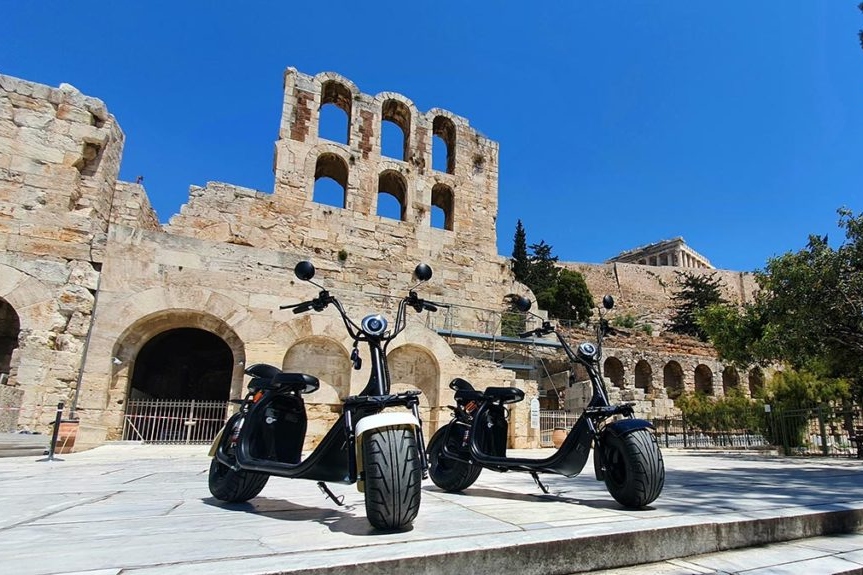
Car, Bike, Scooter
Neighborhoods
Plaka
Monastiraki
Psiri
Koukaki
Kolonaki
Day trips
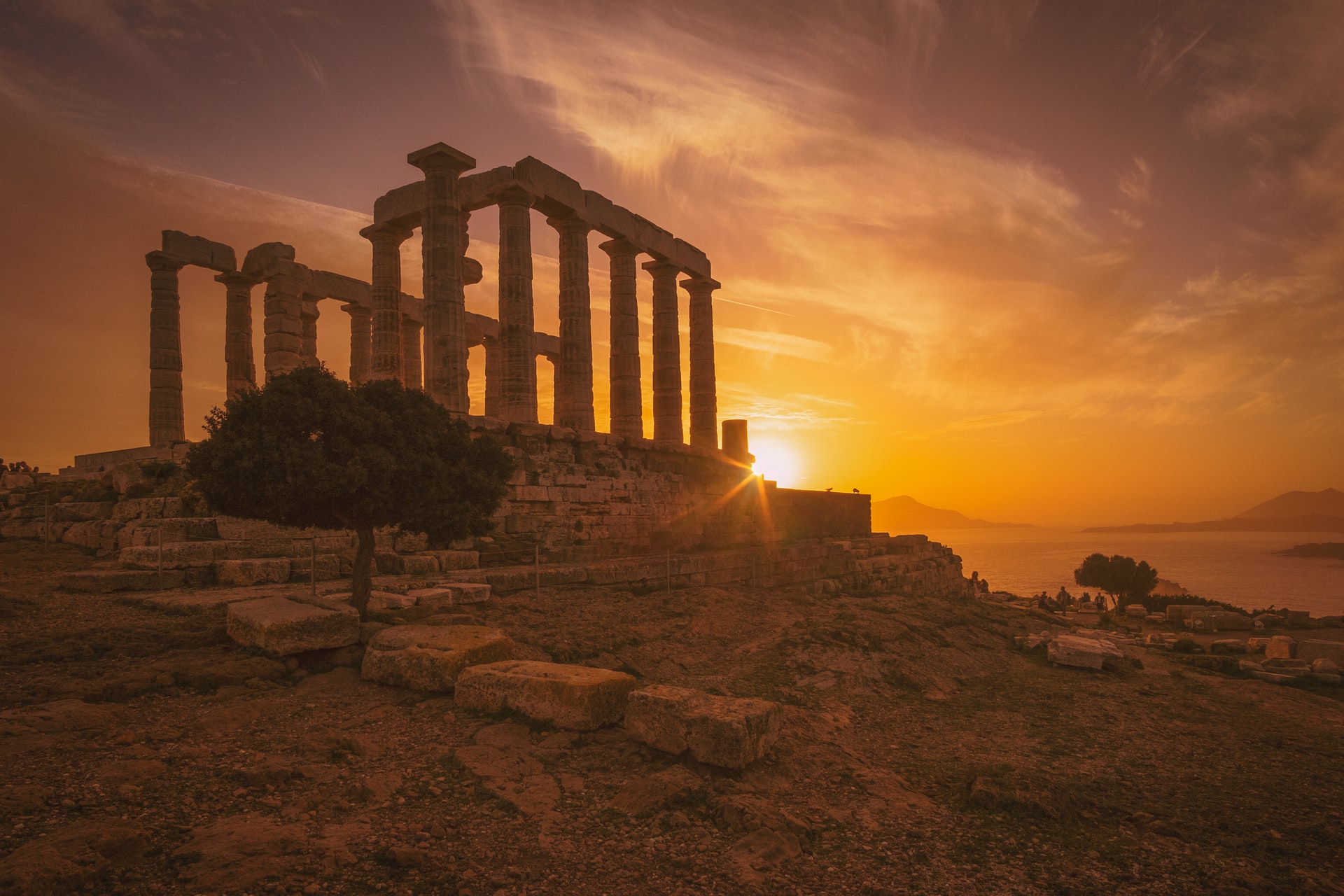
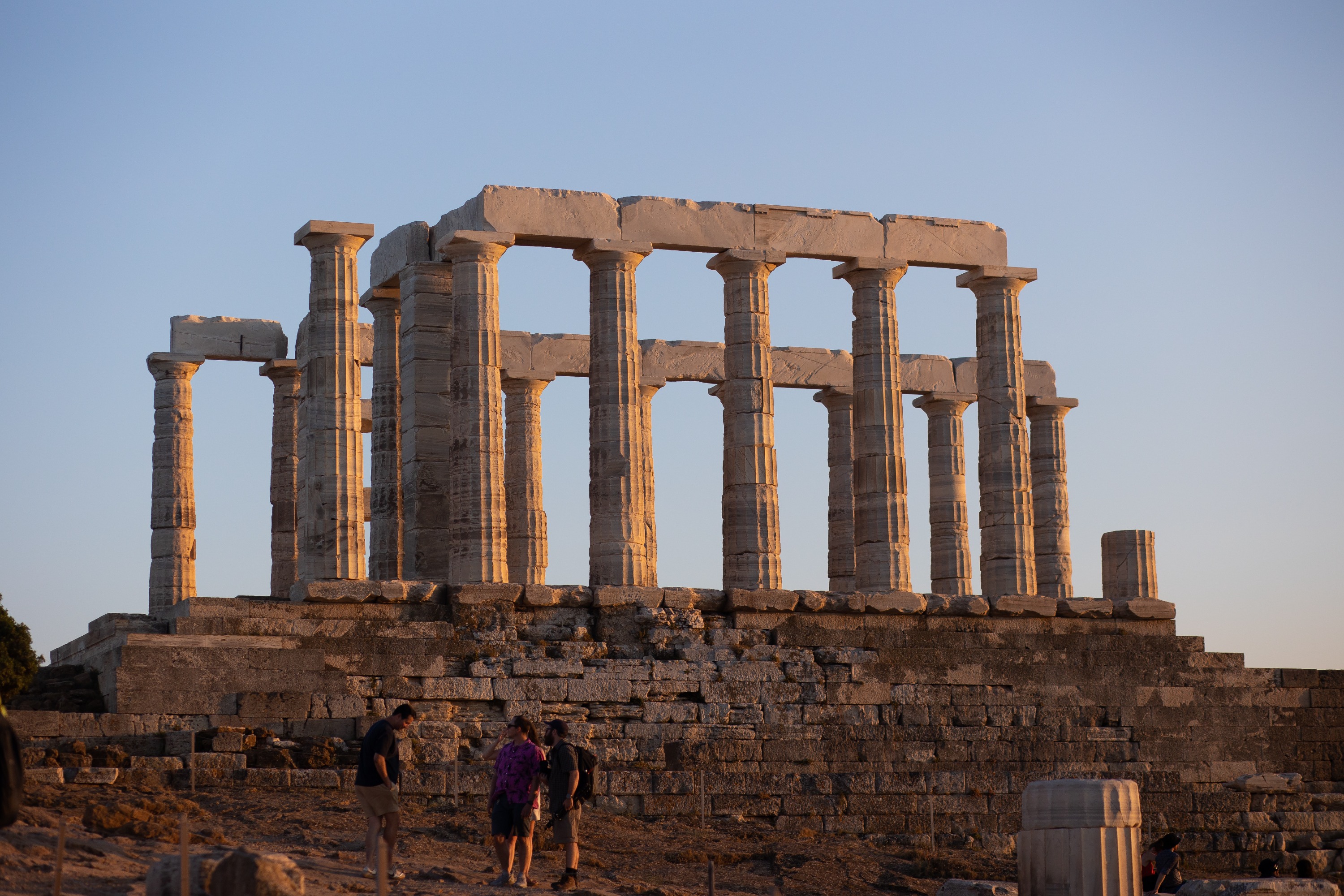
Cape Sounion
65 km from Athens • Half day to full day
A scenic coastal area featuring the Temple of Poseidon with stunning views of the Aegean Sea.
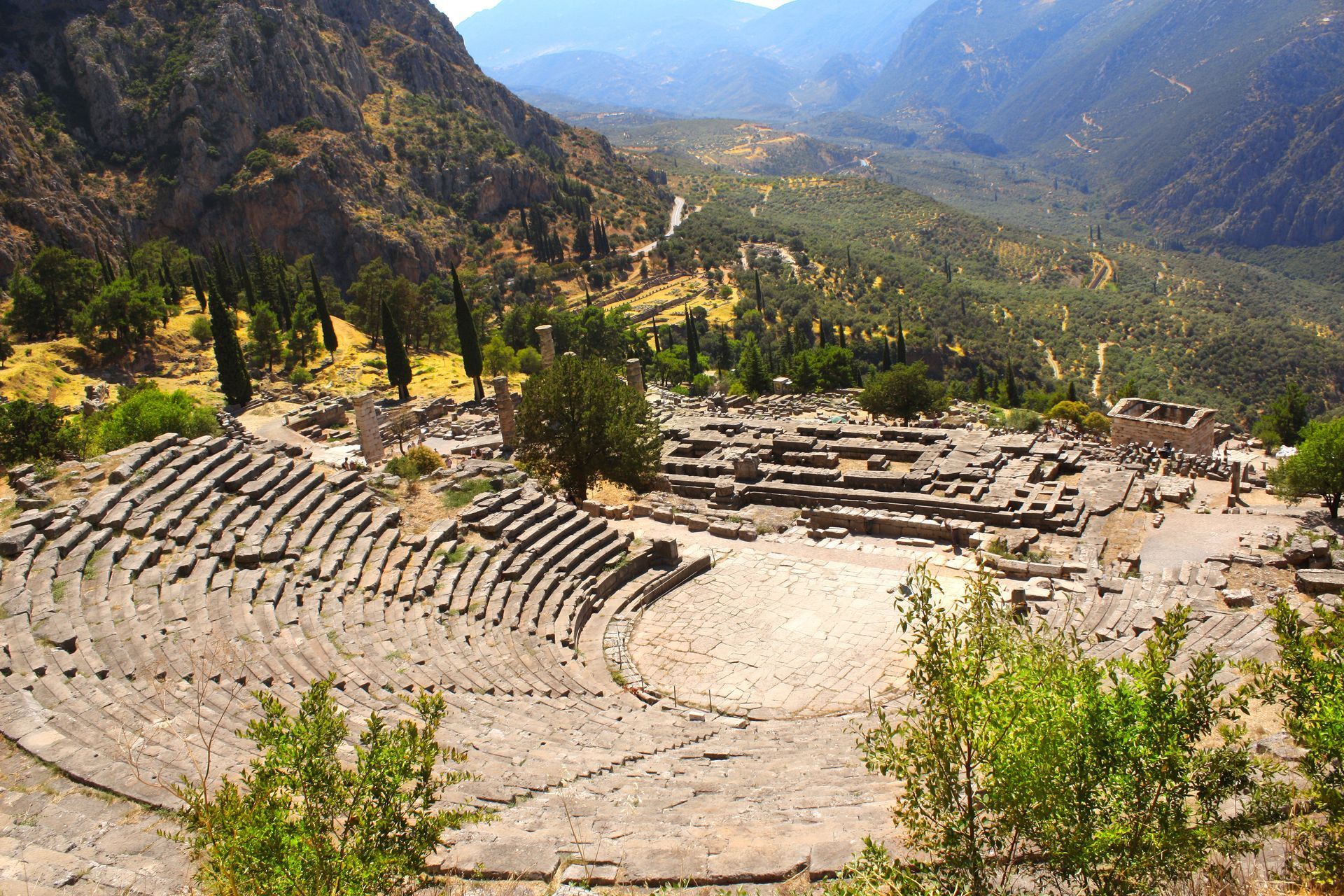
Delphi
180 km from Athens • Full day
An ancient archaeological site and home to the famous Oracle of Delphi.
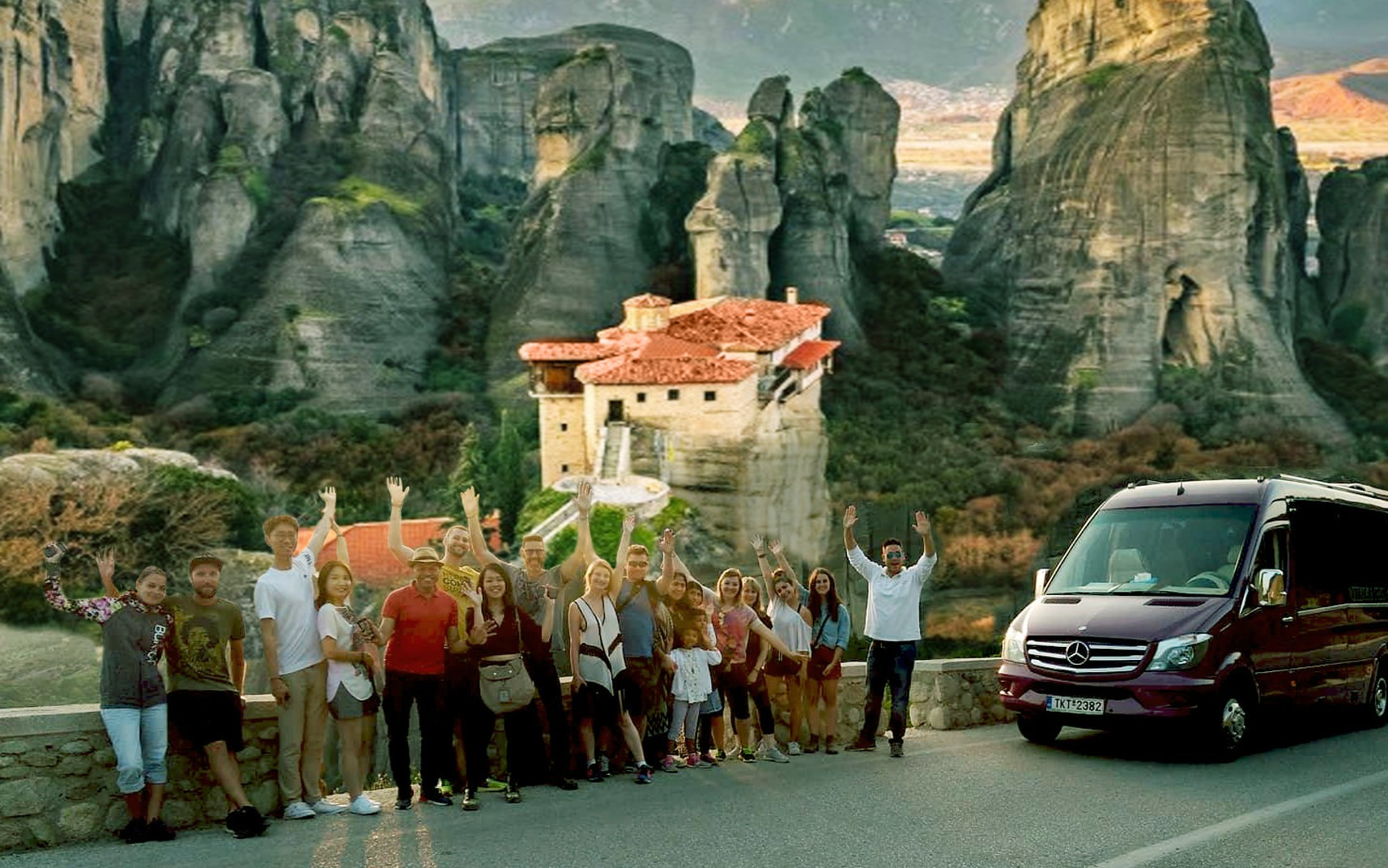
Meteora
350 km from Athens • Overnight
A unique landscape featuring rock formations and medieval monasteries perched atop cliffs.
Festivals
Athens Festival • May to October
Athens Epidaurus Festival • June to August
Athens International Film Festival • October
Pro tips
- Visit major attractions early in the morning or late in the afternoon to avoid crowds and heat
- Use the metro for easy and efficient travel around the city
- Explore local neighborhoods for an authentic Greek experience
- Try local street food for a quick and delicious meal
- Learn a few basic Greek phrases to enhance your experience and connect with locals
From $25
per person
Price varies by option
Secure booking
Free cancellation available
Instant confirmation