Private Tour of Florence in the Footsteps of Galileo
Active
1h
For a full refund, cancel at least 24 hours before the scheduled departure time.
Instant confirmation
Mobile or paper ticket accepted
About this experience
This is not the usual sightseeing tour in the busy centre: it is a private and exclusive tour aboard a stylish and comfortable Alba DA 6 seater electric golf cart. Far from the busy UNESCO roads, you will discover the panoramic Florence of the hills, among romantic gardens, historic villas and spectacular views. You will follow in the footsteps of Galileo Galilei, visiting from outside the places where he lived and worked, listening to stories that combine science, art and everyday life. Each stop is designed to give you unforgettable photos and exclusive moments of storytelling. It is the ideal experience for those looking for something unique: combining nature, culture and views in a silent, sustainable and away from the crowds tour.
Available options
Private Tour of Florence on the Hills – In the Footsteps of Galileo
What's included
Private transportation
Photo stops at the panoramic points
Detailed itinerary
1
Our adventure begins at Porta Romana, one of the majestic fourteenth-century gates that still mark the entrance to Florence. Merchants, travellers and pilgrims from DA Siena and DA Roma used to pass through here. It is the ideal point to open a journey that does not go into the crowded heart of the city, but takes the opposite direction: towards the hills. Porta Romana is a symbol of passage, yesterday as now : then from the outside world to the city, today from the center to the nature that surrounds it. DA here we start to discover views, gardens and places of Galileo Galilei, the man who changed the way we look at the sky.
2
Our journey begins along Viale dei Colli, the great nineteenth-century boulevard designed DA Giuseppe Poggi when Florence became the capital of Italy. With its harmonious curves and tree-lined avenues, it was intended as an elegant outdoor lounge for carriages and scenic walks. Even today it offers enchanting views of the city from above. Along the avenue opens the Bobolino Garden, a small romantic jewel full of paths, fountains and staircases, created as an “introduction” to the most famous Boboli. In this suggestive place you can breathe nineteenth-century Florence, but it is also an opportunity to remember the young Galileo, who already as a boy observed nature with curiosity to draw insights and experiments. Here, between landscapes and gardens, art and science begin to intertwine in our journey.
3
Going up we arrive at Pian dei Giullari, a hilltop village whose name recalls the medieval jesters who performed here. In the middle of noble villas stands Villa Il Gioiello, home of Galileo Galilei for the last ten years of his life. Condemned by the Inquisition, he spent his house arrest here, blind and guarded, but still full of ideas. In these rooms he wrote the Discourses and mathematical proofs around two new sciences, the basis of modern physics. It is a place that conveys emotion: despite its limitations, Galileo never gave up investigating the cosmos, leaving an eternal legacy.
4
Not far DA Il Gioiello is the Convent of San Matteo, where Galileo's daughters lived. The most beloved, Sister Maria Celeste, maintained an intense exchange of letters with him. His letters show a different Galileo: not the rebel scientist, but a frail, loving and grateful father. She comforted him with sweet words, small gifts, health remedies. When he died young, in 1634, Galileo was destroyed. This place, while seen from the outside, is fundamental: here the human and private side of the great scientist is told.
5
Next to Il Gioiello, on the same hills, stands the Astrophysical Observatory of Arcetri, founded in the nineteenth century and now the headquarters of INAF. It is a symbol of continuity: from the rudimentary lens of Galileo’s telescope, which opened up to humanity the vision of Jupiter’s moons and sunspots, to modern instruments that today peer into galaxies and black holes. Arcetri is a place where past and future meet : the memory of the father of modern science lives alongside the most advanced research. A stage that links tradition and innovation, showing Florence as the eternal city of knowledge.
6
Our last stop is Poggio Imperiale, a splendid Villa that was a Medici residence and then a Grand Ducal. Imposing and monumental, it dominates Florence from above, offering an extraordinary panorama. Today it houses an international school, but retains all the charm of the past. It is the perfect place to close the story: Galileo was protected by the Medici, court scientist and pride of Tuscany, but he did not escape condemnation. Florence was the scene of his victories and difficulties. DA here, with the city lying below us, we can understand how art, power and science have always coexisted, creating the magic of Florence.
What's not included
Gratuities
Available languages
Audio guide
DE
EN
IT
FR
ES
Guide guide
EN
IT
FR
ES
Important information
Infants and small children can ride in a pram or stroller
Service animals allowed
Public transportation options are available nearby
Infants are required to sit on an adult’s lap
Suitable for all physical fitness levels
Meeting point
You will easily recognize the large medieval stone gate at the south entrance of the city.
Your Guide will be waiting for you right there with an Alba 6-seater electric golf cart and a sign with the tour name.
Please arrive at least 10 minutes before departure.
About Florence
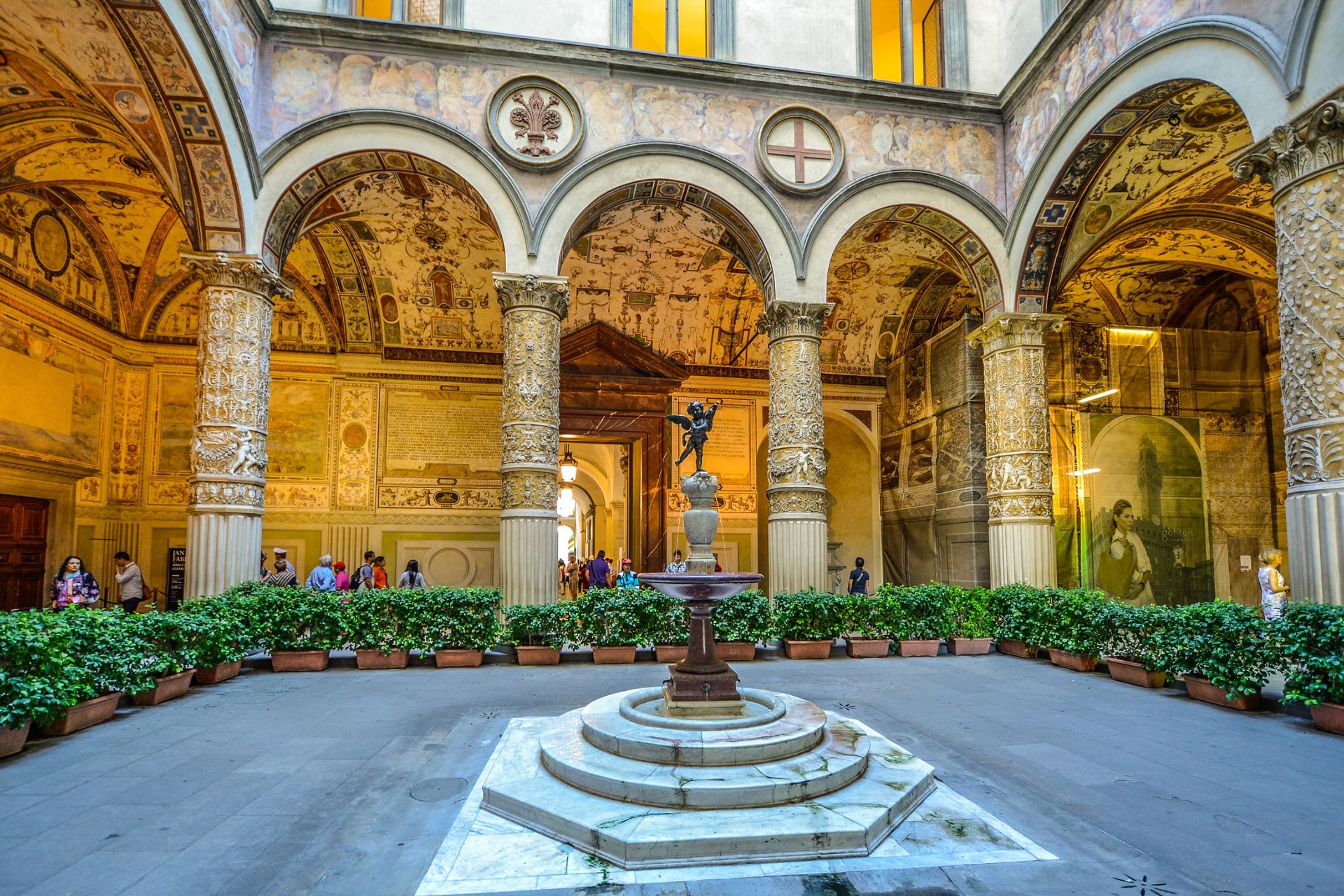
Florence, the capital of Italy's Tuscany region, is a treasure trove of art, architecture, and history. Known as the birthplace of the Renaissance, it's home to iconic masterpieces, stunning cathedrals, and a rich cultural heritage that continues to captivate visitors from around the world.
Top Attractions
Duomo
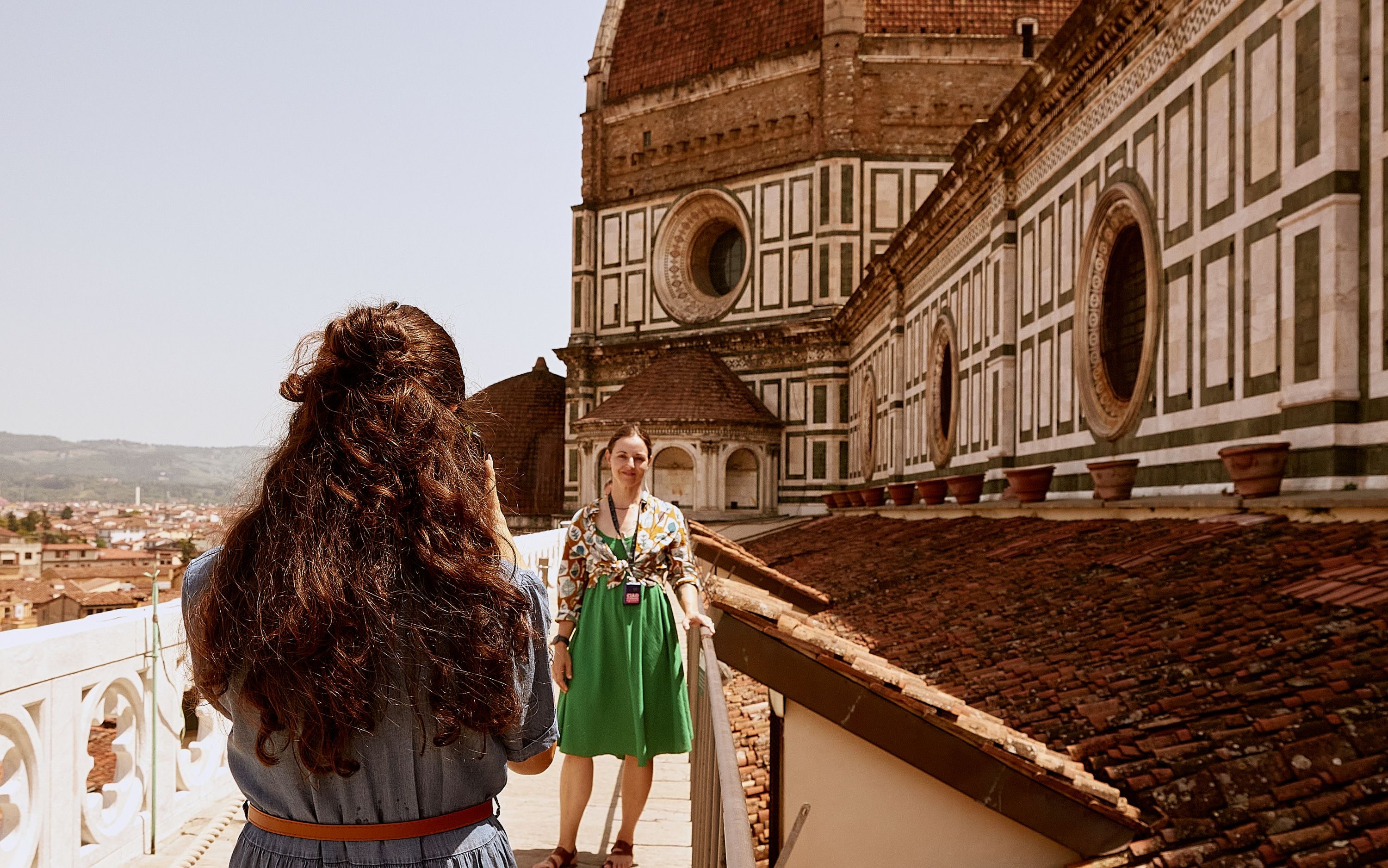
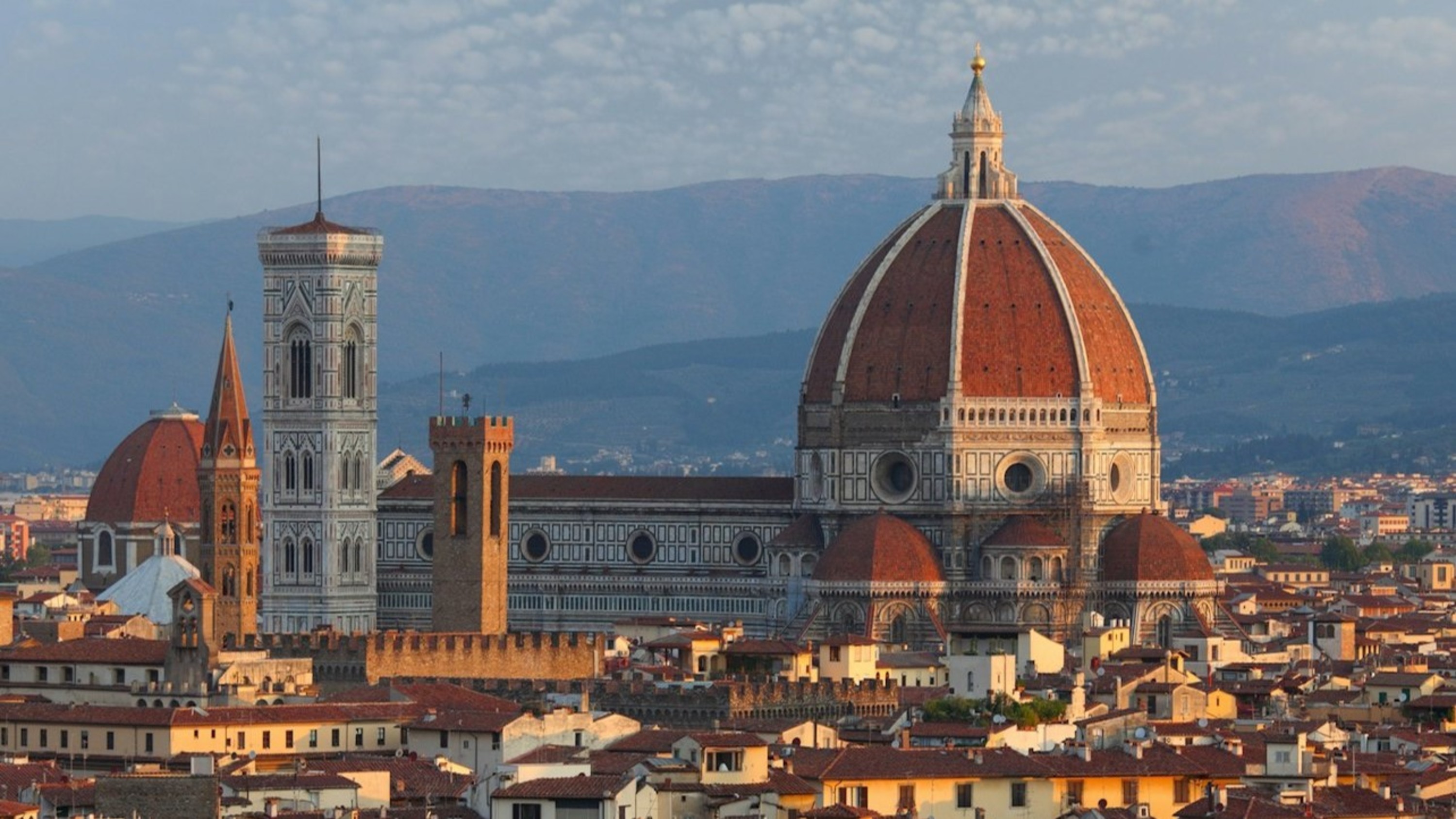
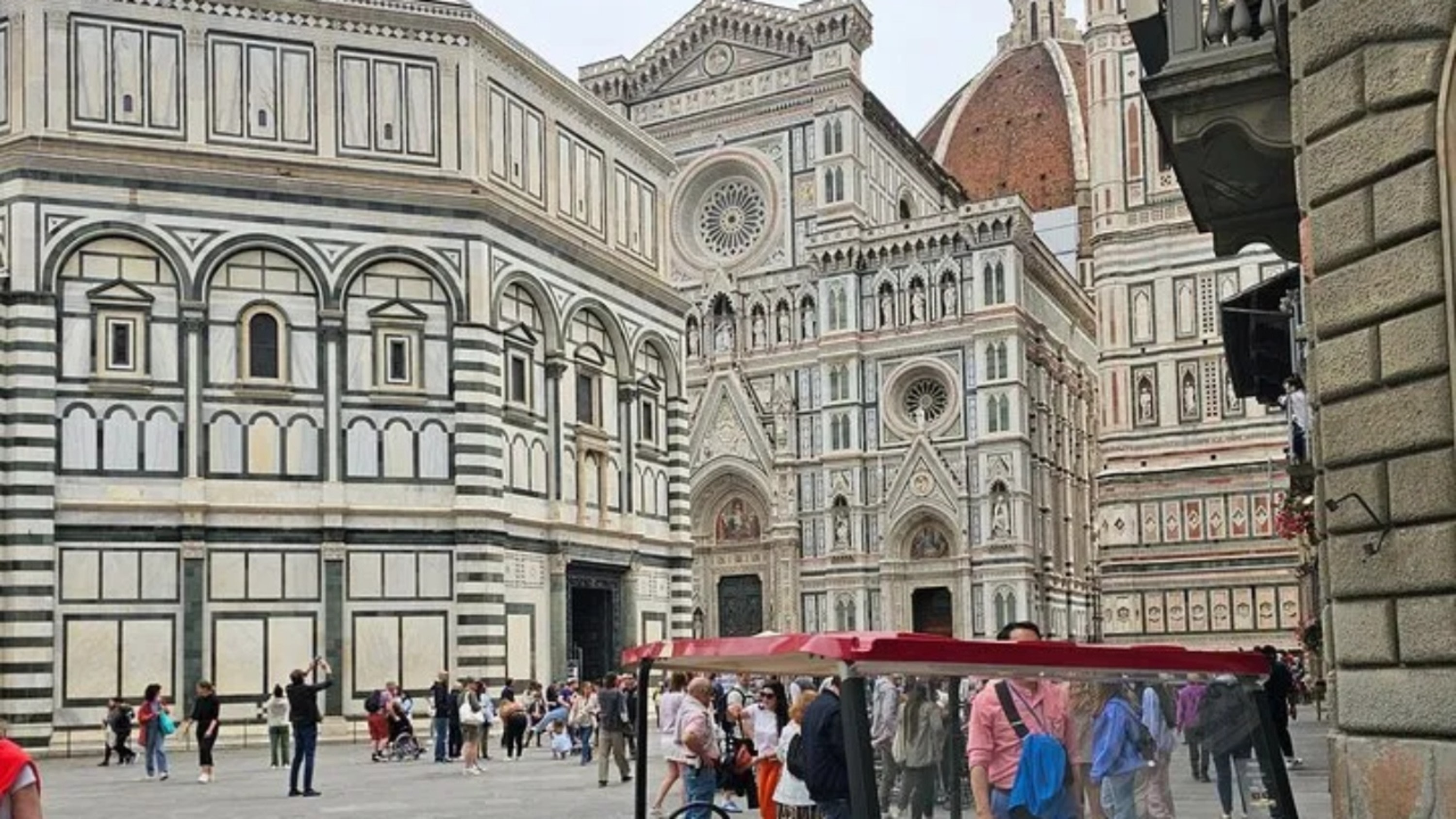
The Florence Cathedral, known as the Duomo, is a masterpiece of Renaissance architecture. Its iconic dome, designed by Brunelleschi, offers panoramic views of the city.
Architecture/Religious
2-3 hours
Free to enter the cathedral, €18 for the climb to the dome
Uffizi Gallery
One of the world's most famous art museums, the Uffizi Gallery houses works by Botticelli, Michelangelo, and Leonardo da Vinci.
Museum/Art
2-3 hours
€20
Ponte Vecchio
A medieval stone bridge famous for its jewelry shops. It's one of the most iconic landmarks in Florence.
Architecture
30 minutes to 1 hour
Free
Piazzale Michelangelo
A panoramic terrace offering breathtaking views of Florence. It's a perfect spot for sunset and photography.
Scenic Viewpoint
1-2 hours
Free
Accademia Gallery
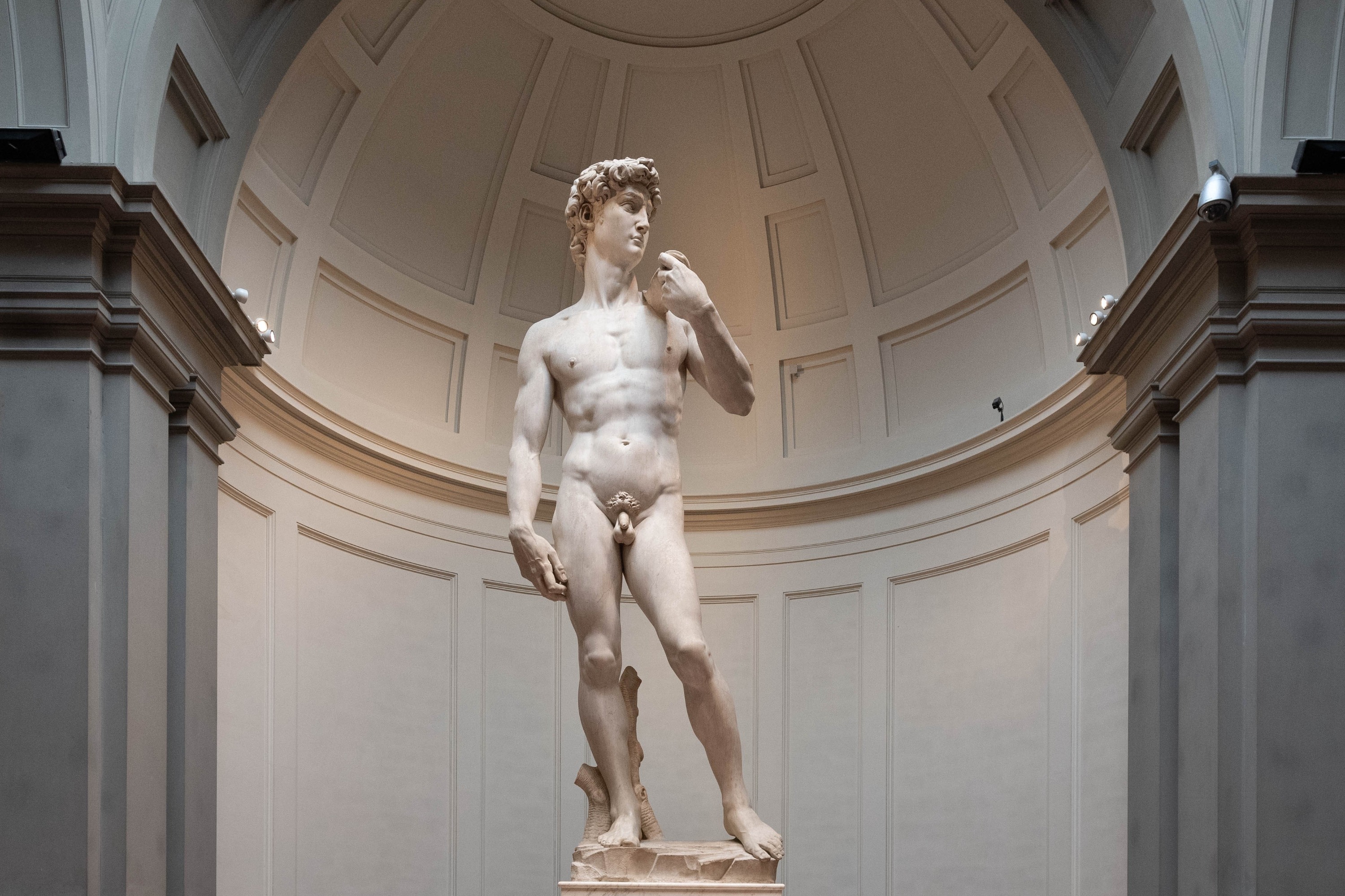
Home to Michelangelo's famous statue of David, the Accademia Gallery is a must-visit for art lovers.
Museum/Art
1-2 hours
€16
Must-Try Local Dishes
Bistecca alla Fiorentina
A thick-cut, grilled T-bone steak, seasoned simply with salt and pepper. It's a must-try for meat lovers.
Dinner
Contains beef, not suitable for vegetarians or vegans
Ribollita
A hearty vegetable and bread soup, traditionally made with leftover bread and vegetables. It's a classic Florentine dish.
Lunch/Dinner
Vegetarian, can be made vegan
Lampredotto
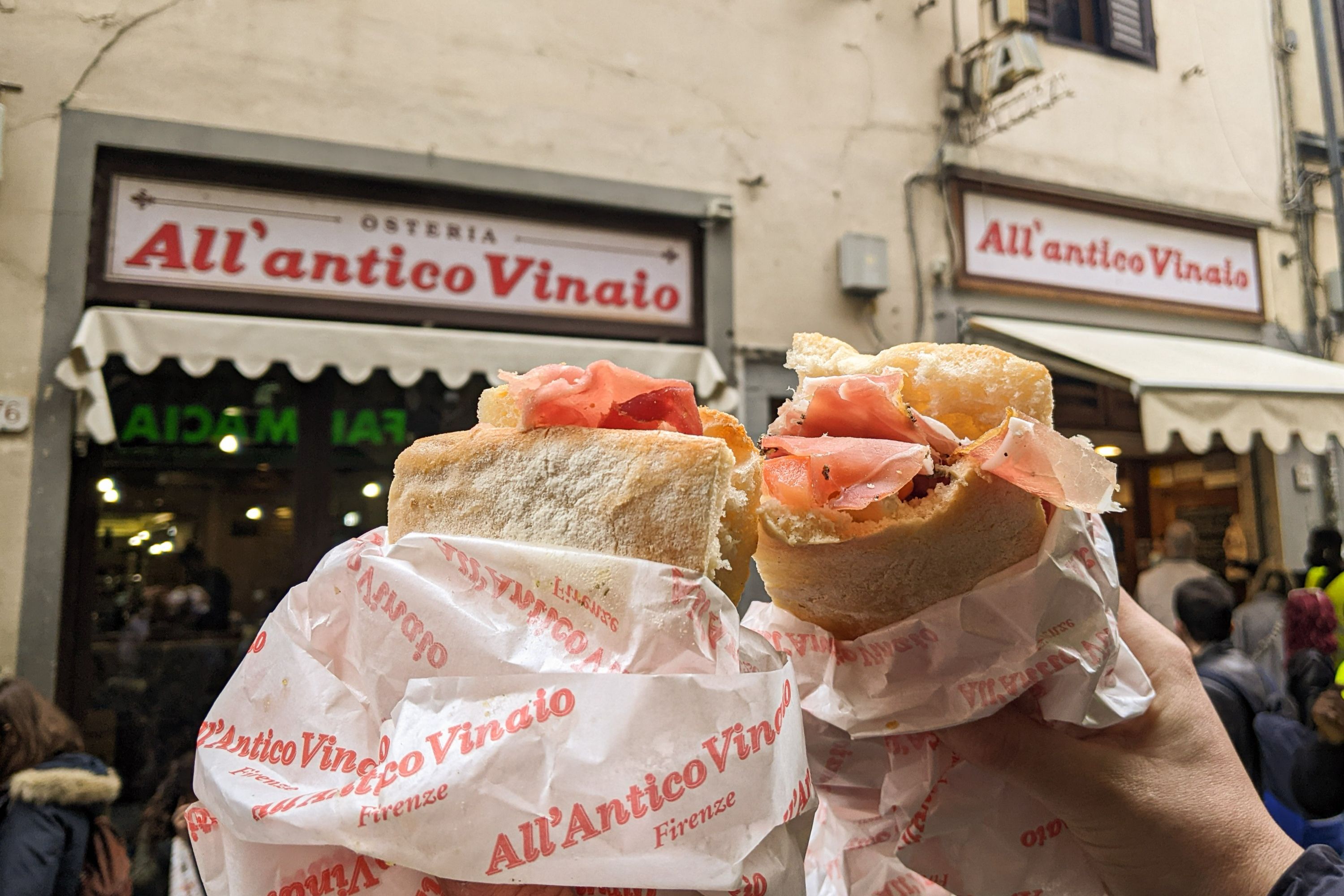
A Florentine street food made from the fourth and final stomach of a cow. It's typically served in a sandwich.
Lunch
Contains beef, not suitable for vegetarians or vegans
Cantucci
Almond biscotti traditionally served with Vin Santo, a sweet Tuscan wine. They are crunchy and perfect for dipping.
Dessert
Contains almonds, can be made gluten-free
Popular Activities
Hiking in the Tuscan countryside
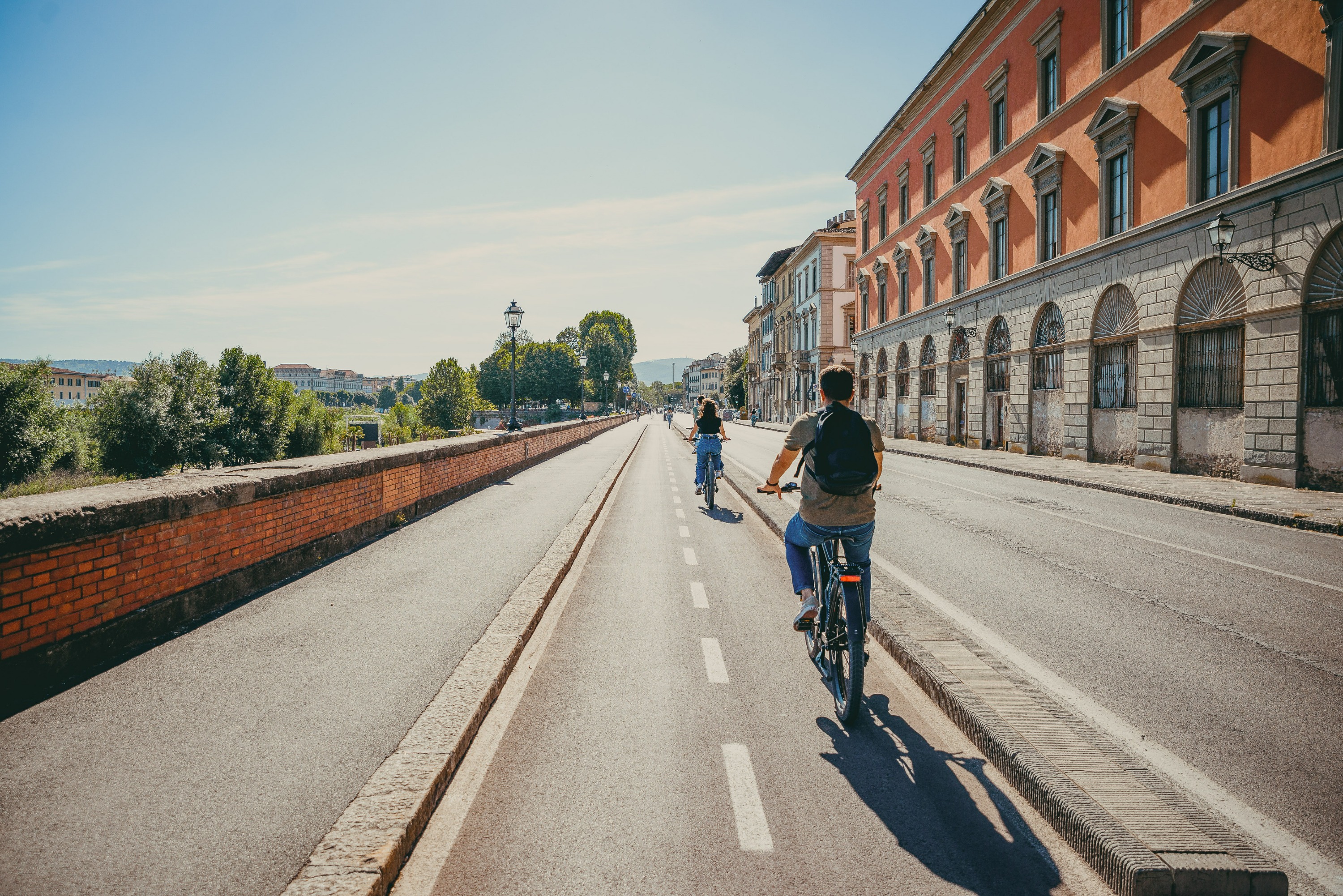
Cycling tours
Hot air balloon rides
Wine tasting tours
Spa day at a luxury hotel
Strolling through the gardens of Villa medici
Visiting museums and art galleries
Attending opera or concerts
Best Time to Visit
April to June, September to October
These months offer pleasant weather and fewer crowds compared to the summer peak. Ideal for sightseeing and outdoor activities.
15-28°C
59-82°F
Practical Information
Language
- Official: Italian
- Widely spoken: English, French, Spanish
- English: Moderately spoken
Currency
Euro (EUR)
Time Zone
GMT+1 (CET), GMT+2 (CEST during daylight saving time)
Electricity
230VV, 50HzHz
Safety Information
Overall Safety Rating: Generally safe
Florence is generally safe for tourists, but pickpocketing and petty theft can occur, especially in crowded areas. Be aware of your surroundings and take precautions to protect your belongings.
Important Precautions:
- • Keep valuables secure and out of sight
- • Be cautious of your surroundings, especially in crowded areas
- • Use licensed taxis or ride-sharing apps
Getting there
By air
- Florence Airport • 5 km from city center
- Pisa International Airport • 85 km from city center
By train
Santa Maria Novella Station
By bus
Villa Costanza Bus Station, Florence Airport Bus Terminal
Getting around
Public transport
The bus network covers the entire city and is the primary mode of public transport. Buses are frequent and reliable.
Taxis
Available • Apps: MyTaxi, FreeNow
Rentals
Car, Bike, Scooter
Neighborhoods
Santa Maria Novella
Oltrarno
San Lorenzo
Santa Croce
Day trips
Siena
70 km from Florence • Half day to full day
A medieval city known for its stunning Piazza del Campo and the Palio, a traditional horse race held twice a year.
Pisa
85 km from Florence • Half day
Home to the iconic Leaning Tower of Pisa, this city offers a mix of historic sites and scenic views.
Chianti Wine Region
30-50 km from Florence • Full day
A picturesque wine region known for its rolling hills, vineyards, and charming villages.
Festivals
Festa di San Giovanni • June 24
Calcio Storico Fiorentino • June (dates vary)
Firenze dei Fiori • April to June
Pro tips
- Visit major attractions early in the morning or late in the afternoon to avoid crowds
- Book tickets for popular attractions in advance to save time and avoid long queues
- Explore the city's hidden gems, such as the Oltrarno neighborhood and the secret passages of the Palazzo Vecchio
- Try local specialties like Bistecca alla Fiorentina, Ribollita, and Lampredotto
- Learn a few basic Italian phrases to enhance your experience and connect with locals
From $25
per person
Price varies by option
Secure booking
Free cancellation available
Instant confirmation