Jeju West Small Group Tour with Lunch and Tangerine Picking
Active
8h - 9h
For a full refund, cancel at least 24 hours before the scheduled departure time.
Instant confirmation
Mobile or paper ticket accepted
About this experience
Maximize time in the western region of Jeju Island with a full-day small-group tour limited to 15 travelers. Get picked up at your hotel or a meeting place in Jeju City downtown and set out on an all-inclusive sightseeing tour. The tour includes several top landmarks including Yongmeori(Head Dragon) Coast, Sanbangsan Mountain and O’sulloc Tea Museum. In addition, have good time picking Jeju tangerines at a farm.
Highlights
- Small Group up to 15 travelers
- Pickup at your hotel offered
- Government Licensed Tour Guide
- All-inclusive (Vehicle, Guide, Admission tickets, Lunch)
- Tangerine Picking Experience
Available options
Jeju West Small Group Tour with Lunch and Tangerine Picking
Pickup included
What's included
All Fees and Taxes
All-inclusive (Vehicle, Admission Tickets, Lunch)
Tangerine Picking Experience
Lunch
Government-Licensed Tour Guide
Air-conditioned vehicle
Pickup at your hotel offered
Detailed itinerary
1
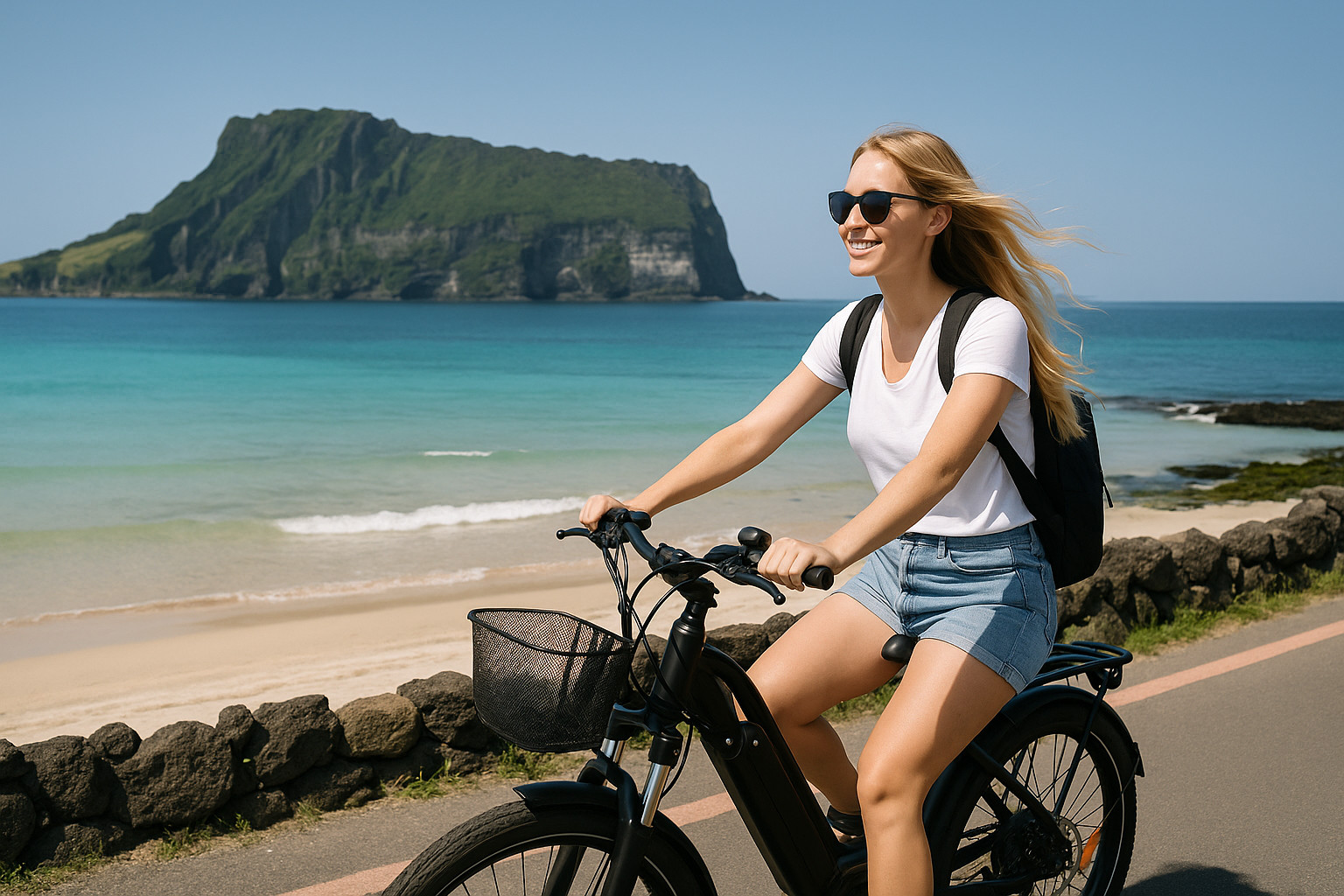
Yongmeori Beach, also known as Dragon Head Coast, is a stunning natural attraction. It is famous for its unique rock formations, cliffs, and coastal scenery that resemble the head of a dragon plunging into the sea. Visitors to Yongmeori Coast can enjoy breathtaking views of the rugged coastline, turquoise waters, and volcanic rock formations that have been shaped by the forces of nature over time. The area is popular for hiking, photography, and exploring the coastal landscape. It is recommended to visit during low tide to fully appreciate the beauty of Yongmeori Coast and its dramatic geological features.
(This Coast is closed during high tide, high winds, high waves, and any adverse weather conditions.)
2
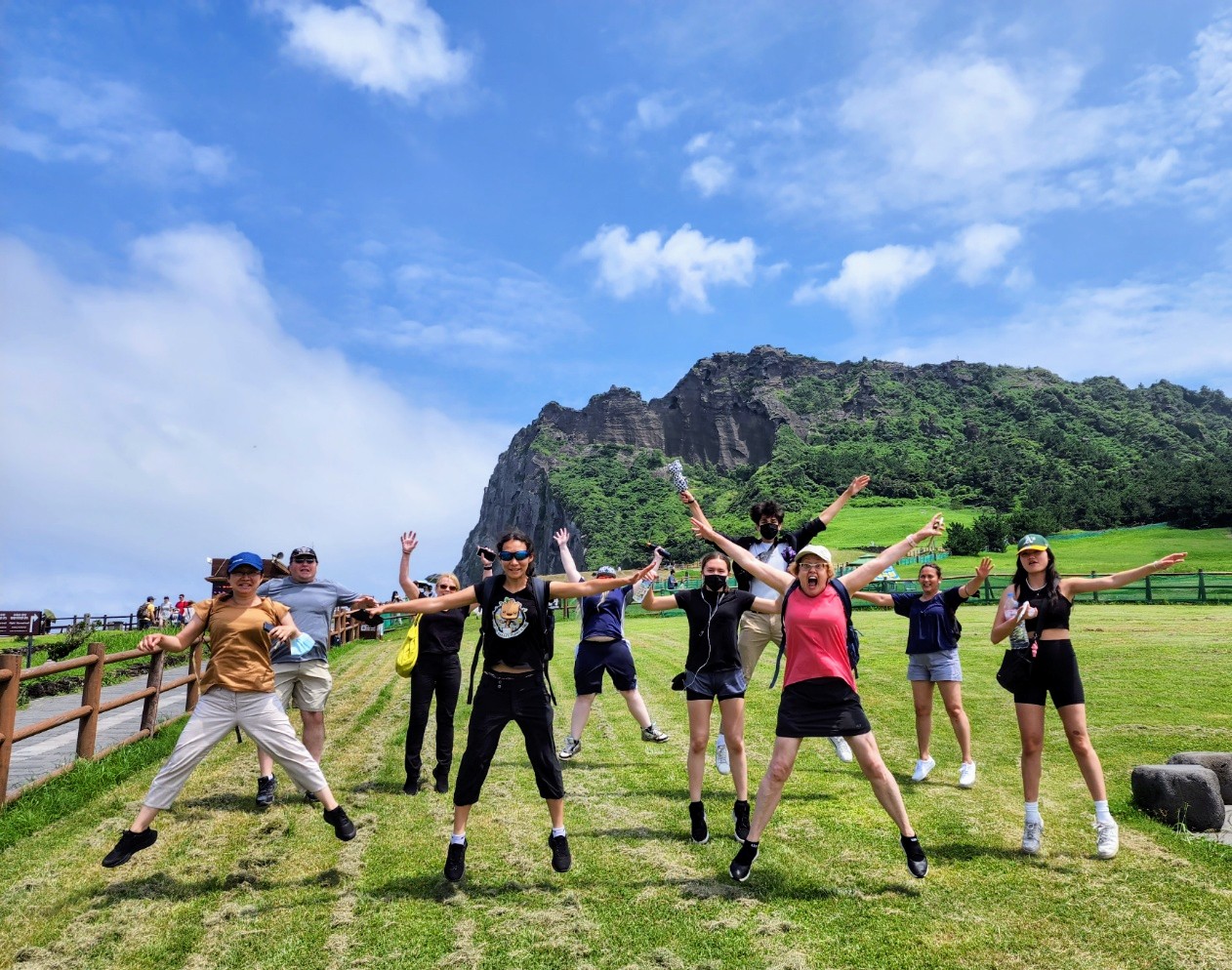
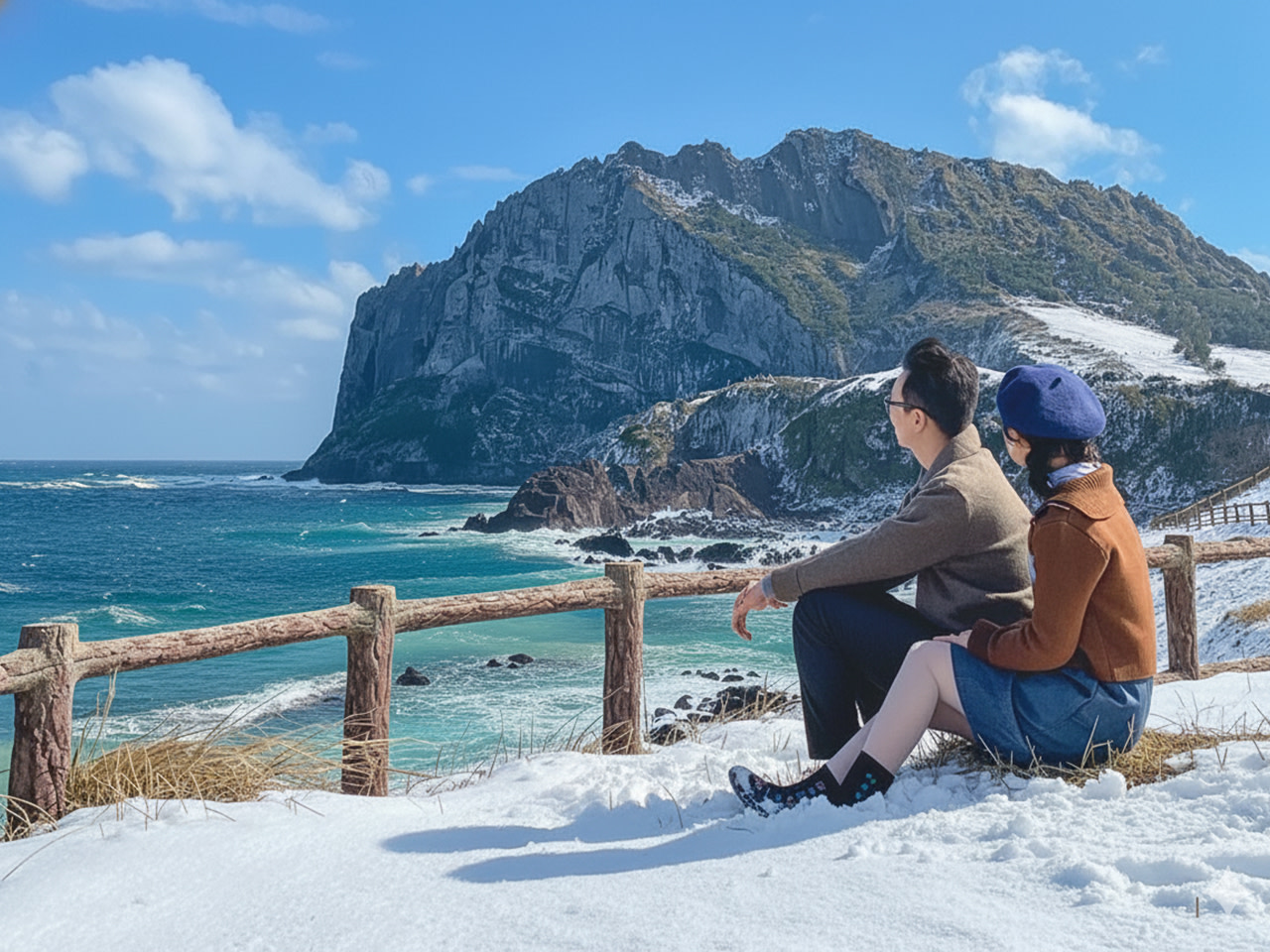
Sanbangsan Mountain is the result of violent volcanic activity some 700,000 to 800,000 years ago and is in fact a huge body of lava. As the name suggests, a “sanbang,” literally meaning “a cave inside a mountain,” is located about 150m above sea level. In the cave, a Budhist temple named Sangbangsa Temple is located. The cliffs on the southern side of the lava dome are marked with a rich variety of curious formations such as weathering pits and talus scree slopes, some of which are as high as 200 meters.
3
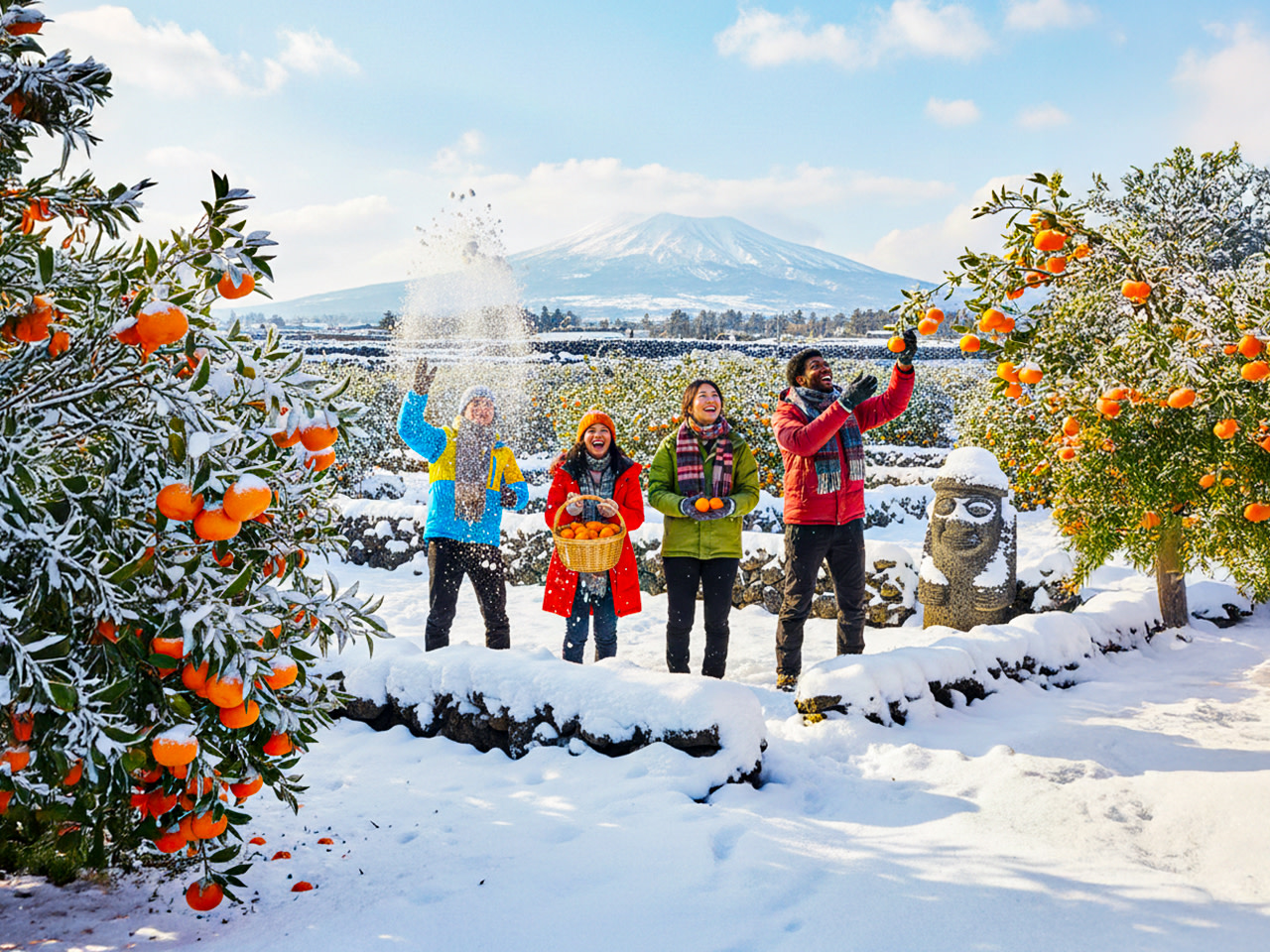
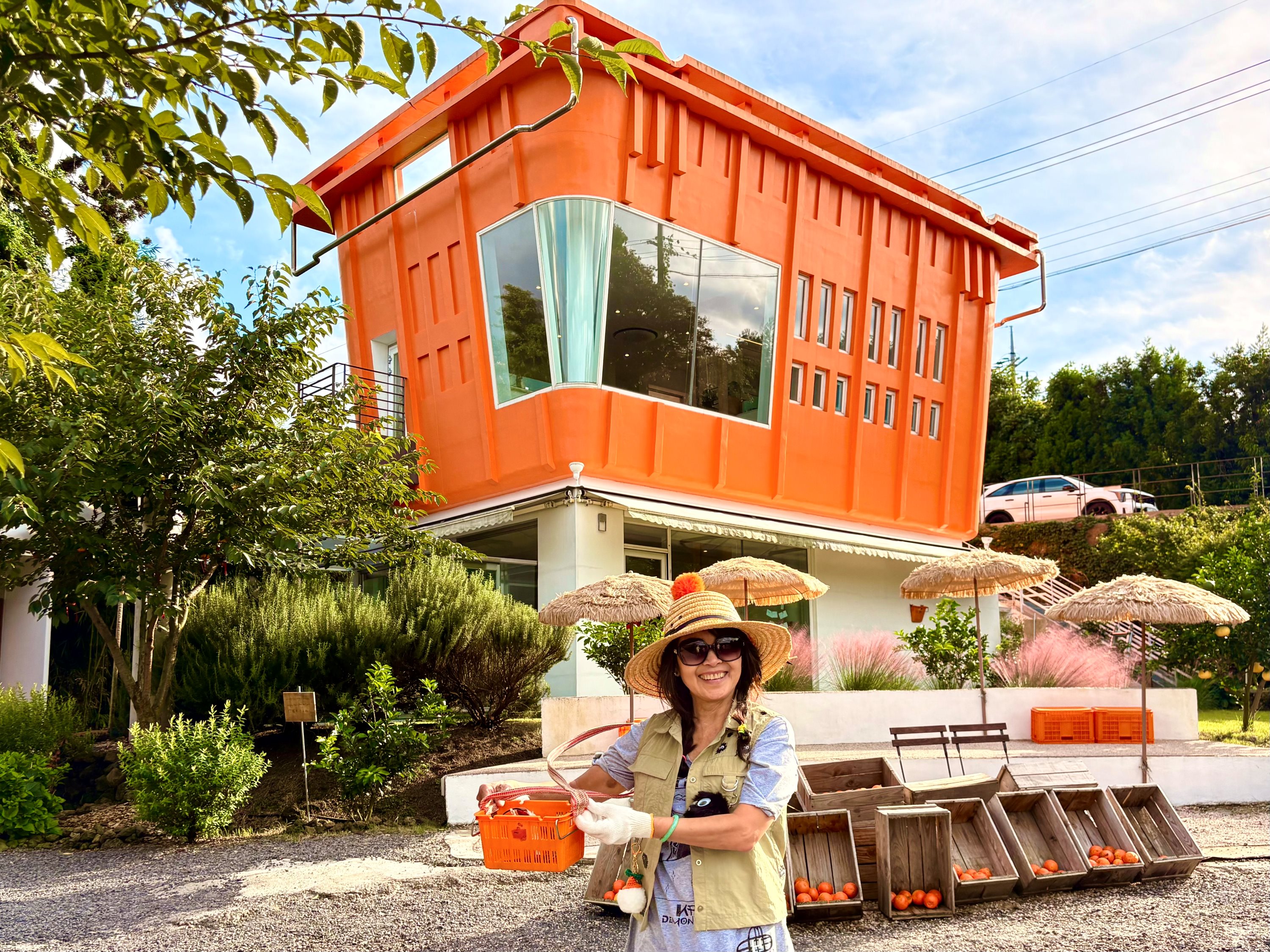
At a tangerine farm you can step into rows of tangerine trees laden with fruits, green or yellow, and enjoy picking tangerines. Jeju Island is home to a variety of tangerines and tangerine farming is among main industries for Jeju Island. When tangerines get ripe, all of Jeju Island is colored yellow except in city centers. Harvest season is from about October to February. You can also get fabulous pictures of you while picking tangerines at the farm.
4
O’sulloc Tea Museum is a popular tourist spot. There are lush green tea fields where visitors can take leisurely walks and enjoy the serene natural beauty of the countryside. The tea plantations provide a picturesque backdrop for learning about the cultivation and harvesting of tea leaves. The museum includes two cafes where visitors can enjoy a wide range of teas, beverages, desserts, and snacks. A tea shop is also available on-site, allowing visitors to purchase various teas and tea-related products to take home as souvenirs. Visitors can find Innisfree Jeju House which is one of Korea’s most popular skincare brands.
5
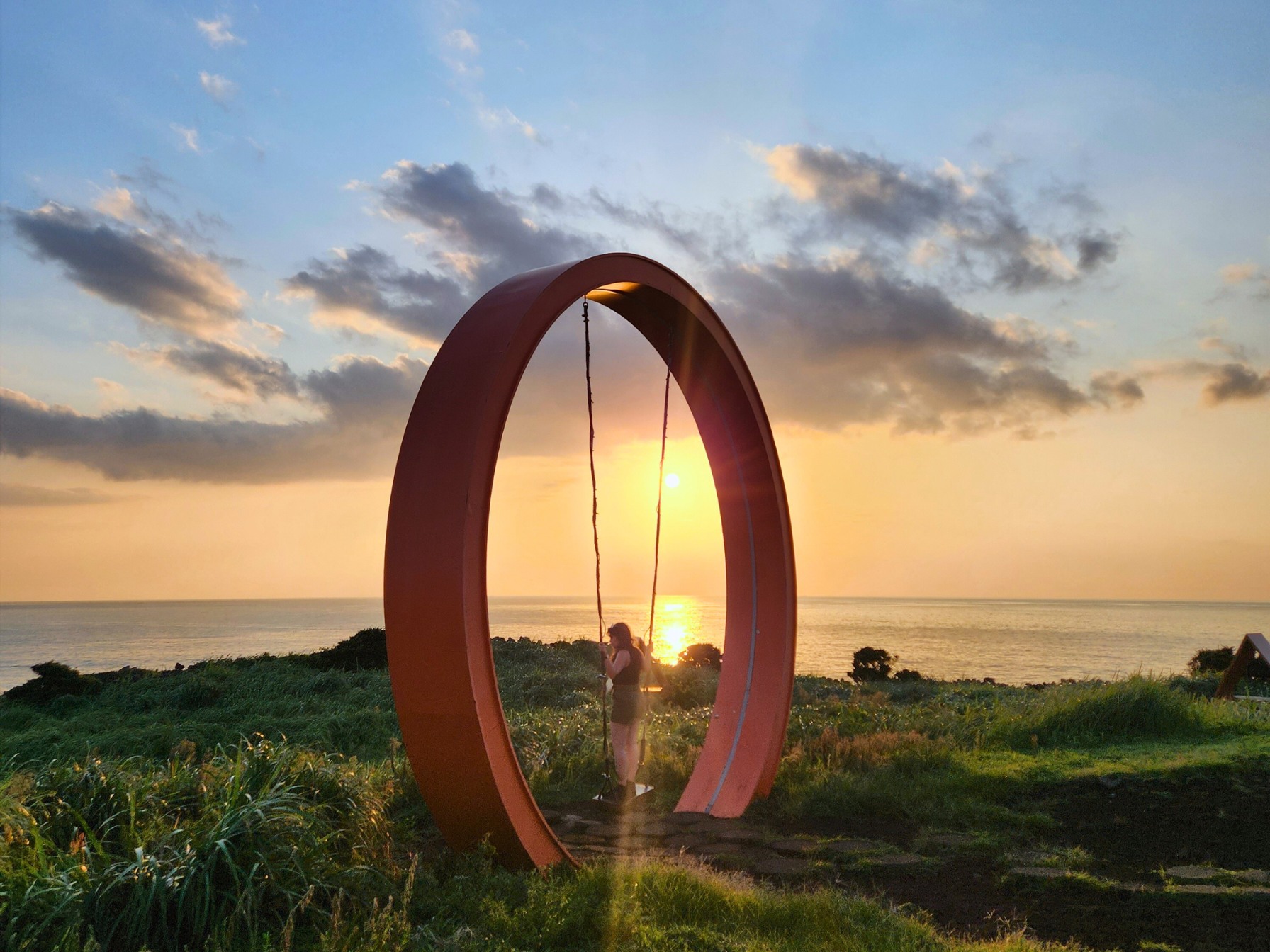
Sinchang Windmill Coastal Road, which continues along the western tip of Jeju Island, presents a view of windmills lined up along the road from an offshore wind farm. The view of white windmills and emerald-colored sea along the winding coastline offer a pleasant fall scenery. There are many other things that unfold before one's eyes while looking out upon the blue sea, like Chagwido Island afar. The road is well-known for its beautiful sunset so it is a great place to take pictures and watch the setting sun. Along the coastal road is a trail named Eco Experience. It features a Kelp grouper statue, Wondam Experience Site and a rest area where visitors can take selfies with many different backdrops.
6
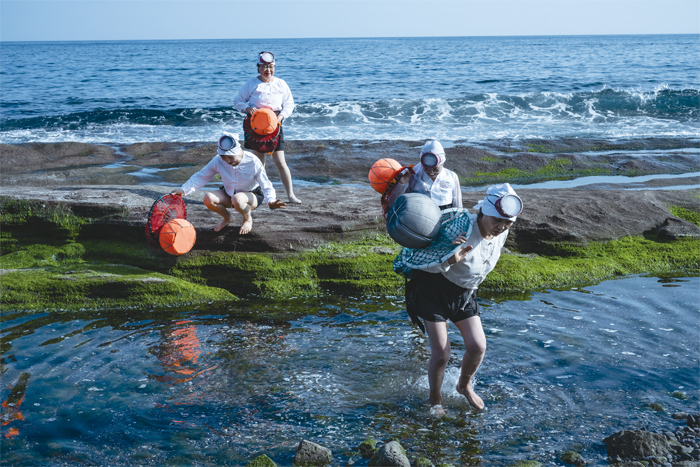
Geumneung Stone Park near the beach contains dozens of stone sculptures by an enthusiastic artist. While many of the sculptures are traditional dol-harubang, many others represent various different symbols of Korean and Oriental religion, folklore, and society. This park is filled with stone statues created over the course of 40 years which depict all sorts of interesting and quaint scenes of Jeju life. As you explore the different themes and creations around the park, take note of the remarkable individuality and emotion on the faces of many of these works of art. You will be treated to variations on well-known Jeju statues like the dol-hareubang grandfather stone statues and the haenyeo diving women, to images of Buddhist monks, teachers, villagers, children and even farm animals carved out of the island’s basalt stone.
7
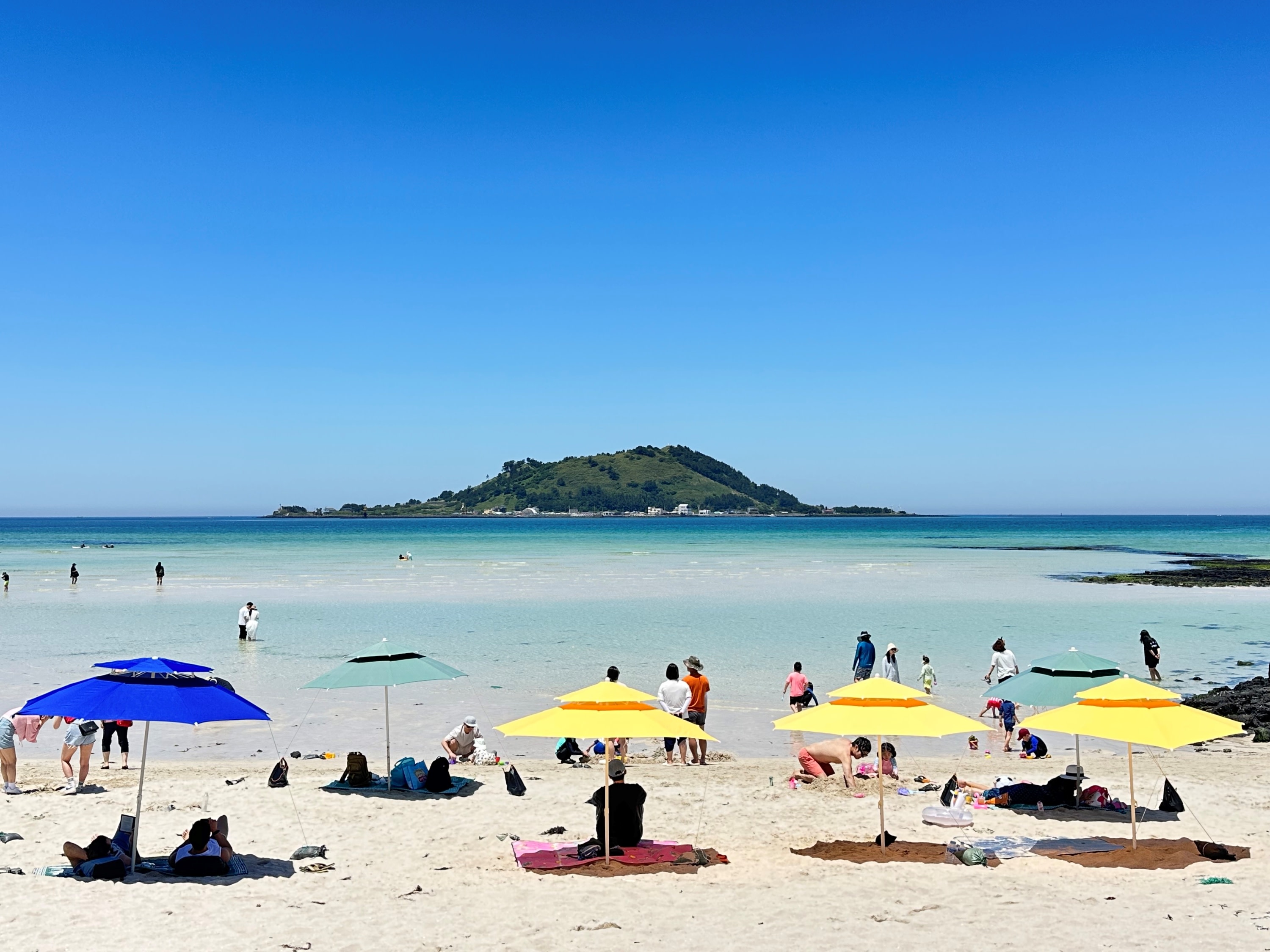
Hyeopjae Beach is featured by clear waters and white sands. This long and beautiful shoreline offers a mesmerizing view of low-tide, with Biyangdo Island floating in the distance. The blue translucent water creates the illusion that one might even reach the island on foot.
8
Handam Coastal Trail is spread out along the coastline from Aewol-ri Village, which is at the northwestern edge of Jejudo Island, to Gwakji Gwamul Beach. Along the coast there is a popular walking trail, a seaside popular destination.
(Note: Remaining time of the tour duration is for the lunch and travel between places.)
What's not included
Personal Travel Insurance
Gratuities(optional)
Available languages
Guide guide
EN
Important information
Infants and small children can ride in a pram or stroller
Public transportation options are available nearby
Infants are required to sit on an adult’s lap
Not recommended for travelers with spinal injuries
Not recommended for pregnant travelers
Not recommended for travelers with poor cardiovascular health
Suitable for all physical fitness levels
If the cost of tangerine picking experience is over 7 usd, you can be asked to pay some additional cost of 5-7 usd. It is because the cost of tangerine picking experience may vary depending on farms and the crop conditions.
The tour can be cancelled if there are less than 3 travelers.
About Seogwipo
Seogwipo is a vibrant city on the southern coast of Jeju Island, known for its stunning natural landscapes, including waterfalls, beaches, and volcanic formations. It offers a mix of outdoor adventures, cultural experiences, and relaxation opportunities, making it a perfect destination for nature lovers and those seeking a peaceful retreat.
Top Attractions
Oedolgae Rock
A striking volcanic rock formation rising from the sea, offering breathtaking views and a unique geological feature.
Nature
1-2 hours
Free
Jeongbang Waterfall
One of the few waterfalls in the world that falls directly into the ocean, Jeongbang Waterfall is a stunning natural attraction.
Nature
1-2 hours
Free
Seogwipo Olle Market
A lively market offering a variety of local foods, crafts, and souvenirs, perfect for experiencing the local culture.
Market
1-2 hours
Budget to Moderate
Must-Try Local Dishes
Black Pork
A local delicacy made from black-haired pigs raised on Jeju Island, known for its tender and flavorful meat.
Main Dish
Not vegetarian
Haenyeo Dolsot Bibimbap
A traditional bibimbap (mixed rice bowl) featuring seafood, vegetables, and a fried egg, served in a hot stone pot.
Main Dish
Contains seafood and egg
Hallabong
A sweet and juicy variety of tangerine unique to Jeju Island.
Fruit
Vegan-friendly
Popular Activities
Hiking
Scuba diving
Paragliding
Beach activities
Spa treatments
Coffee shop hopping
Visiting temples
Exploring markets
Best Time to Visit
April to June, September to November
This is the best time to visit Seogwipo due to the comfortable temperatures and lower humidity. The city is less crowded, and the weather is ideal for outdoor activities and exploring nature.
15-25°C
59-77°F
Practical Information
Language
- Official: Korean
- Widely spoken: English (limited)
- English: Limited
Currency
South Korean Won (KRW)
Time Zone
GMT+9
Electricity
220VV, 60HzHz
Safety Information
Overall Safety Rating: Very safe
Seogwipo is generally very safe, with low crime rates. However, travelers should always take basic precautions to ensure a safe and enjoyable trip.
Important Precautions:
- • Keep valuables secure
- • Be cautious when using ATMs (prefer those located inside banks or shopping centers)
- • Avoid walking alone in isolated areas at night
Getting there
By air
- Jeju International Airport • 40 km from Seogwipo
By bus
Jeju Intercity Bus Terminal
Getting around
Public transport
Buses are the primary mode of public transport in Seogwipo. They are affordable and cover most areas of the city and island.
Taxis
Available • Apps: KakaoTaxi, T-Money
Rentals
Car, Bike, Scooter
Neighborhoods
Dongmun Market Area
Seogwipo KAL Hotel Area
Day trips
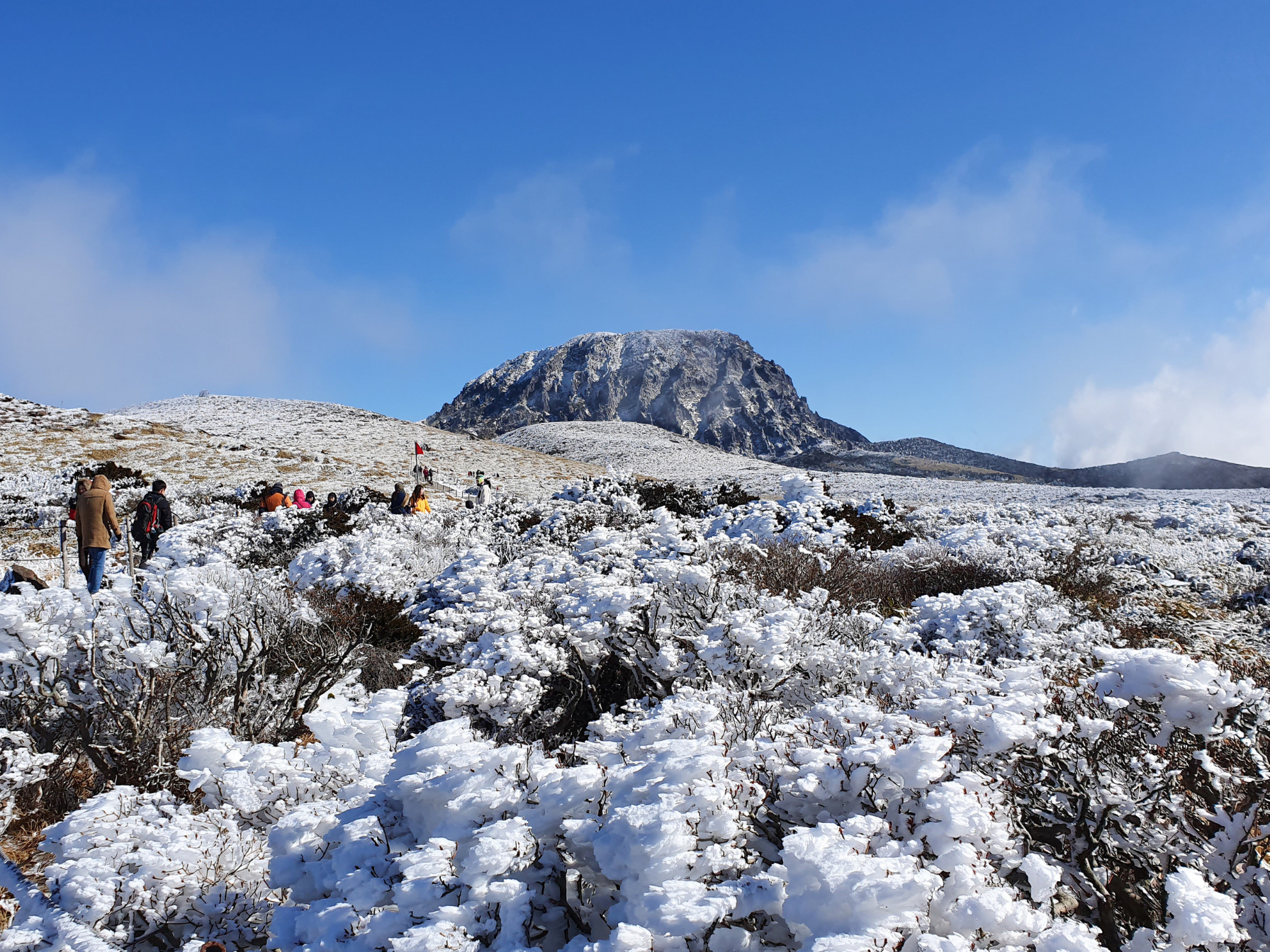
Halla Mountain
30 km from Seogwipo • Full day
Halla Mountain is the highest peak in South Korea, offering stunning views and a variety of hiking trails for all skill levels.
Udo Island
30 km from Seogwipo • Full day
Udo Island is a small, picturesque island known for its beautiful beaches, scenic trails, and fresh seafood.
Festivals
Jeju Fire Festival • March (specific dates vary)
Seogwipo Maze Festival • July (specific dates vary)
Pro tips
- Visit Oedolgae Rock at sunset for the most breathtaking views.
- Try black pork, a local delicacy unique to Jeju Island.
- Explore the Jeju Olle Trail for a scenic and sustainable hiking experience.
- Visit Seogwipo Olle Market for a taste of local culture and cuisine.
- Rent a car to explore the island at your own pace and discover hidden gems.
From $25
per person
Price varies by option
Secure booking
Free cancellation available
Instant confirmation