Private Guided Taxi Tour of East Jeju Island
Active
8h
For a full refund, cancel at least 24 hours before the scheduled departure time.
Instant confirmation
Mobile or paper ticket accepted
About this experience
You will experience Jeju's culture of stones when you visit Jeju Stone Culture Park. Jeju Island is a volcanic island formed by volcanic explosions and lava flows. In the Seongeup Folk Village you can experience unique culture of Jeju Island. Seongsan Sunrise Peak is a UNESCO-designated World Natural Heritage and its shape is really unique. Also you will have an opportunity to watch women divers' performance and see them dive into the sea. The culture of women divers is inscribed as a UNESCO Intangible Cultural Heritage of Humanity. This tour must be the highlight of your visit to Jeju Island.
Available options
Regular Taxi Tour
regular taxi<br/>Pickup included
Jumbo Taxi Tour
jumbo/large taxi<br/>Pickup included
Mini-bus Tour
mini-bus(Solati/County)<br/>Pickup included
What's included
Driver speaks Korean (may speak simple English phrases)
An English-speaking staff will cordinate if needed
Air-conditioned vehicle
Fuel & parking fees included
pick-up & drop-off at your hotel in downtown Jeju City
40 to 60 minute lunch break
Detailed itinerary
1
Jeju Stone Park was inspired by Jeju's culture and applications of stones. The main theme focuses on the foundation and identity of Jeju Island, based on the myth of Seolmundae Halmang (Grandmother Seolmundae), who created Jeju Island and the stones of Obaek Janggun (Five Hundred Generals). The park serves as a historical and cultural space where collected stones respresent Jeju's foundation and culture.
2
Seongeup Folk Village, located at the foot of Mt. Halla on Jeju Island, is a small town that holds a vast amount of culture.
Cultural properties in the folk village have been handed down from generation to generation and include treasures such as residential houses, Confucian shrines and schools, ancient government offices, stone statues, large millstones (pulled by horses or ox), fortress ruins, and stone monuments.
The Seongeup Folk Village shows the unique culture of Jeju Island: the black lava rock walls, the straight but curvy alleys to block the wind, and the stone grandfather statues (Harubang).
3
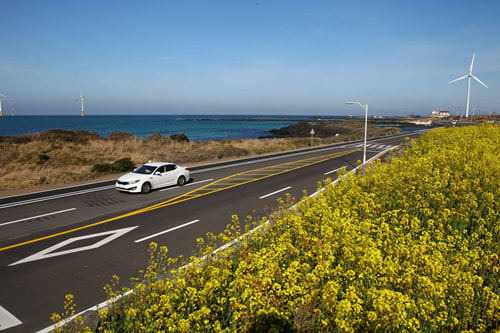
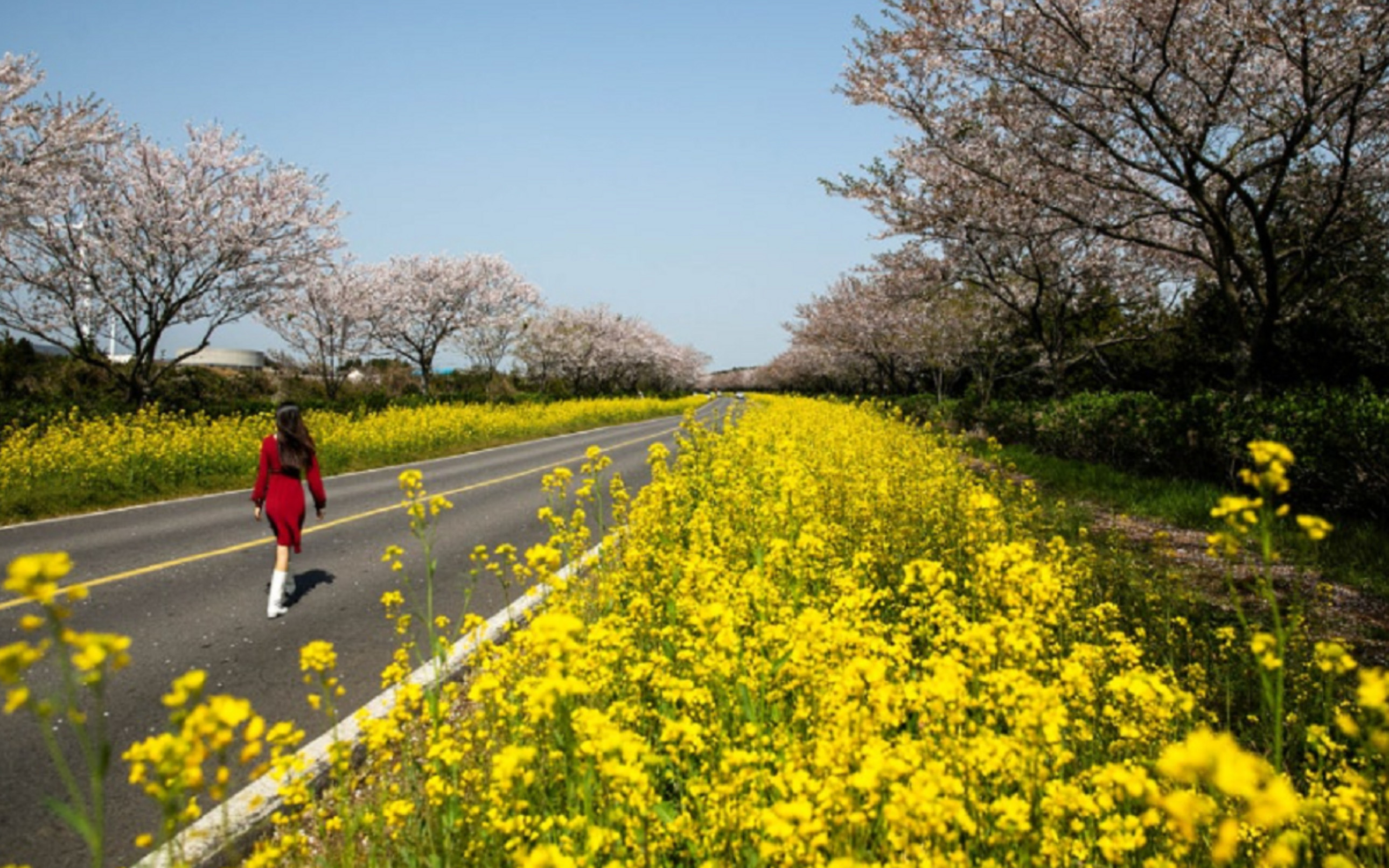
Seopjikoji is a scenic cape which is known for its beautiful coastal views, rugged cliffs, and lush greenery. It offers panoramic views of the sea and surrounding landscape, making it a popular spot for visitors to enjoy nature and take in the picturesque scenery. The cape is also famous for its fields of canola flowers that bloom in the spring, adding to the charm of the area.
4
Stop 4
[Seongsan Sunrise Peak,] also known as Seongsan Ilchulbong, is a UNESCO World Heritage site. It is a volcanic tuff cone formed by hydrovolcanic eruptions upon a shallow seabed about 5,000 years ago. Although the peak rises 182 meters above sea level, it offers stunning panoramic views of the surrounding landscape, including the ocean and nearby islands. The crater is a popular spot for tourists and hikers, especially during sunrise when the view is particularly breathtaking.
(*Women Divers' Show is performed every day at 2:00 p.m.)
5
The Jeju Haenyeo Museum was built to help re-evaluate haenyeo culture in Jeju and record, preserve and provide education about their significant contributions, socially, economically and historically. On display are informative exhibits with information regarding the local environment, fishing villages, folk culture, and fisheries industry, with the unique haenyeo culture at the center of it all.
Jeju Island's haenyeo diving women were the main breadwinners in the local economy through diving and farming. In doing so they contributed greatly to the development of Jeju Island. They are a symbol of industry and toughness, but it is also true that they have generally been undervalued in society.
6
〔Saryeoni Forest Path〕 is a favorite place in Jeju for those looking to have a tranquil and relaxing walk. The path cuts through the dense Japanese cedar forest growing between Mulchat Oreum and Saryeoni Oreum. While the vast majority of the trees growing here are Japanese cedar, visitors can also see Japanese oak, birch, snowbell trees, and cypress trees along this 550-meter-long trail. The forest trail is known as one of Jeju's top 31 hidden attractions, and is well-known as being very well protected. It is very popular among tourists who enjoy hiking.
7
Woljeongri Beach is where you can see the beautiful emerald sea and white sandy beach spreading out like a picture. Woljeong literally means (even) “the moon stays” fasinated by its beauty. Close your eyes and imagine the bright moon shines above the beautiful sea at night. As more and more travelers visited the beach to appreciate its beauty, many restaurants, cafes, and lodging facilities started to form along the shoreline. The beach is also a popular location for a variety of water sports such as surfing, snorkeling, and kayaking.
What's not included
Admission fees to be paid by guests
Pick-up & drop-off outside downtown Jeju City additional cost
Gratuities
For every 30 minutes of overtime charge
Available languages
Guide guide
KO
Important information
Infants and small children can ride in a pram or stroller
Infants are required to sit on an adult’s lap
Not recommended for travelers with spinal injuries
Not recommended for pregnant travelers
Not recommended for travelers with poor cardiovascular health
Suitable for all physical fitness levels
About Seogwipo
Seogwipo is a vibrant city on the southern coast of Jeju Island, known for its stunning natural landscapes, including waterfalls, beaches, and volcanic formations. It offers a mix of outdoor adventures, cultural experiences, and relaxation opportunities, making it a perfect destination for nature lovers and those seeking a peaceful retreat.
Top Attractions
Oedolgae Rock
A striking volcanic rock formation rising from the sea, offering breathtaking views and a unique geological feature.
Nature
1-2 hours
Free
Jeongbang Waterfall
One of the few waterfalls in the world that falls directly into the ocean, Jeongbang Waterfall is a stunning natural attraction.
Nature
1-2 hours
Free
Seogwipo Olle Market
A lively market offering a variety of local foods, crafts, and souvenirs, perfect for experiencing the local culture.
Market
1-2 hours
Budget to Moderate
Must-Try Local Dishes
Black Pork
A local delicacy made from black-haired pigs raised on Jeju Island, known for its tender and flavorful meat.
Main Dish
Not vegetarian
Haenyeo Dolsot Bibimbap
A traditional bibimbap (mixed rice bowl) featuring seafood, vegetables, and a fried egg, served in a hot stone pot.
Main Dish
Contains seafood and egg
Hallabong
A sweet and juicy variety of tangerine unique to Jeju Island.
Fruit
Vegan-friendly
Popular Activities
Hiking
Scuba diving
Paragliding
Beach activities
Spa treatments
Coffee shop hopping
Visiting temples
Exploring markets
Best Time to Visit
April to June, September to November
This is the best time to visit Seogwipo due to the comfortable temperatures and lower humidity. The city is less crowded, and the weather is ideal for outdoor activities and exploring nature.
15-25°C
59-77°F
Practical Information
Language
- Official: Korean
- Widely spoken: English (limited)
- English: Limited
Currency
South Korean Won (KRW)
Time Zone
GMT+9
Electricity
220VV, 60HzHz
Safety Information
Overall Safety Rating: Very safe
Seogwipo is generally very safe, with low crime rates. However, travelers should always take basic precautions to ensure a safe and enjoyable trip.
Important Precautions:
- • Keep valuables secure
- • Be cautious when using ATMs (prefer those located inside banks or shopping centers)
- • Avoid walking alone in isolated areas at night
Getting there
By air
- Jeju International Airport • 40 km from Seogwipo
By bus
Jeju Intercity Bus Terminal
Getting around
Public transport
Buses are the primary mode of public transport in Seogwipo. They are affordable and cover most areas of the city and island.
Taxis
Available • Apps: KakaoTaxi, T-Money
Rentals
Car, Bike, Scooter
Neighborhoods
Dongmun Market Area
Seogwipo KAL Hotel Area
Day trips
Halla Mountain
30 km from Seogwipo • Full day
Halla Mountain is the highest peak in South Korea, offering stunning views and a variety of hiking trails for all skill levels.
Udo Island
30 km from Seogwipo • Full day
Udo Island is a small, picturesque island known for its beautiful beaches, scenic trails, and fresh seafood.
Festivals
Jeju Fire Festival • March (specific dates vary)
Seogwipo Maze Festival • July (specific dates vary)
Pro tips
- Visit Oedolgae Rock at sunset for the most breathtaking views.
- Try black pork, a local delicacy unique to Jeju Island.
- Explore the Jeju Olle Trail for a scenic and sustainable hiking experience.
- Visit Seogwipo Olle Market for a taste of local culture and cuisine.
- Rent a car to explore the island at your own pace and discover hidden gems.
From $25
per person
Price varies by option
Secure booking
Free cancellation available
Instant confirmation