Kagoshima Highlights Private Tour, Sakurajima Volcano and more
Active
7h
All sales are final. No refund is available for cancellations.
Manual confirmation
Mobile or paper ticket accepted
About this experience
You can customize your tour by choosing where you want to go in 7 hours, or you can customize a 8-hour or 6-hour tour.
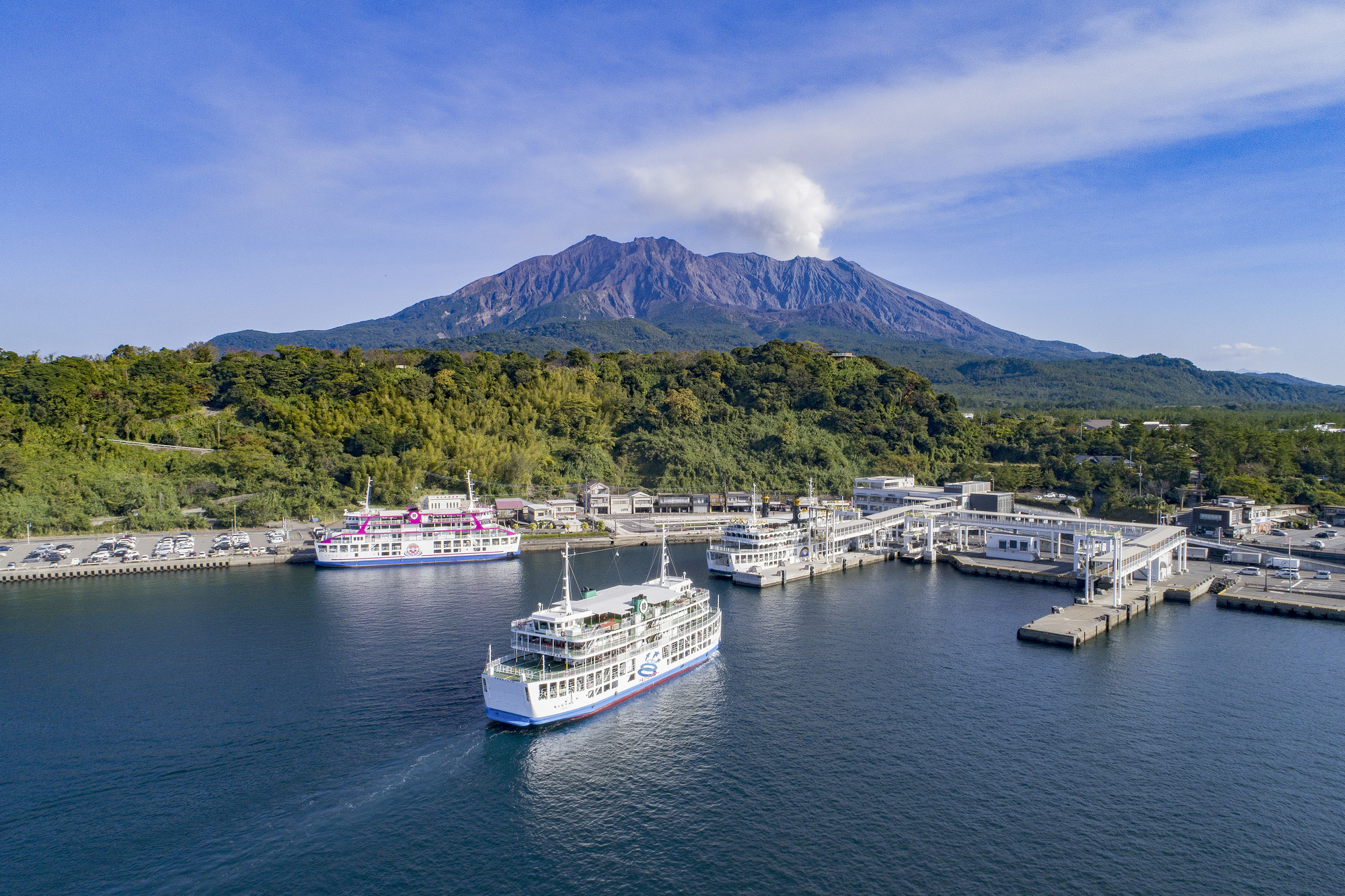
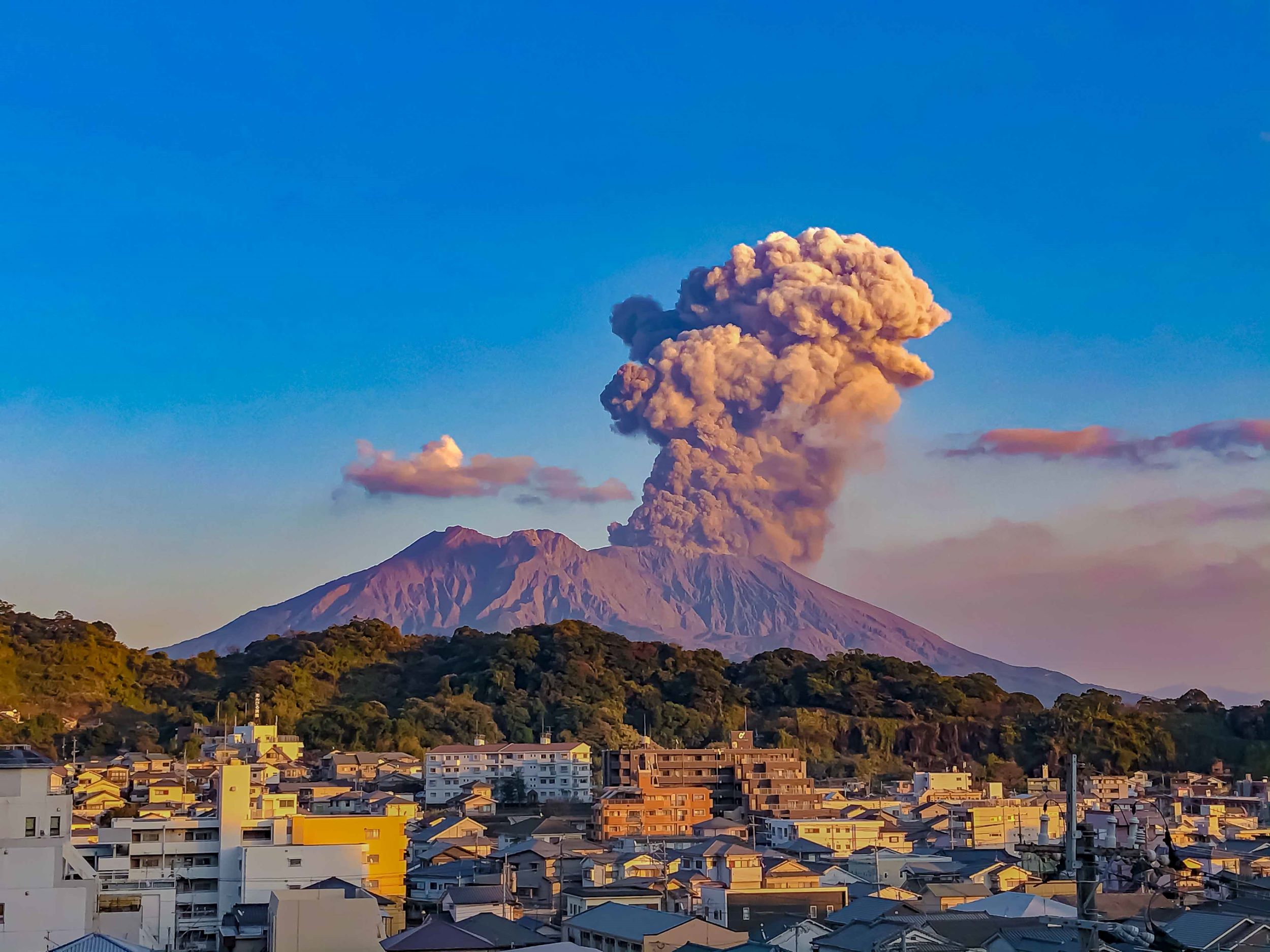
Sakurajima, a trapezoidal volcano towering over Kagoshima Bay is a real active volcano that erupts an average of 200 times a year. Feel the wonder of nature while soaking in Japan's longest 100-meter foot bath. Drive to the observatory, the highest point a person can reach and see the surface up close.
Enjoy Japan's best Wagyu beef yakiniku, black pork, ramen and more in Tenmonkan, the most lively shopping area
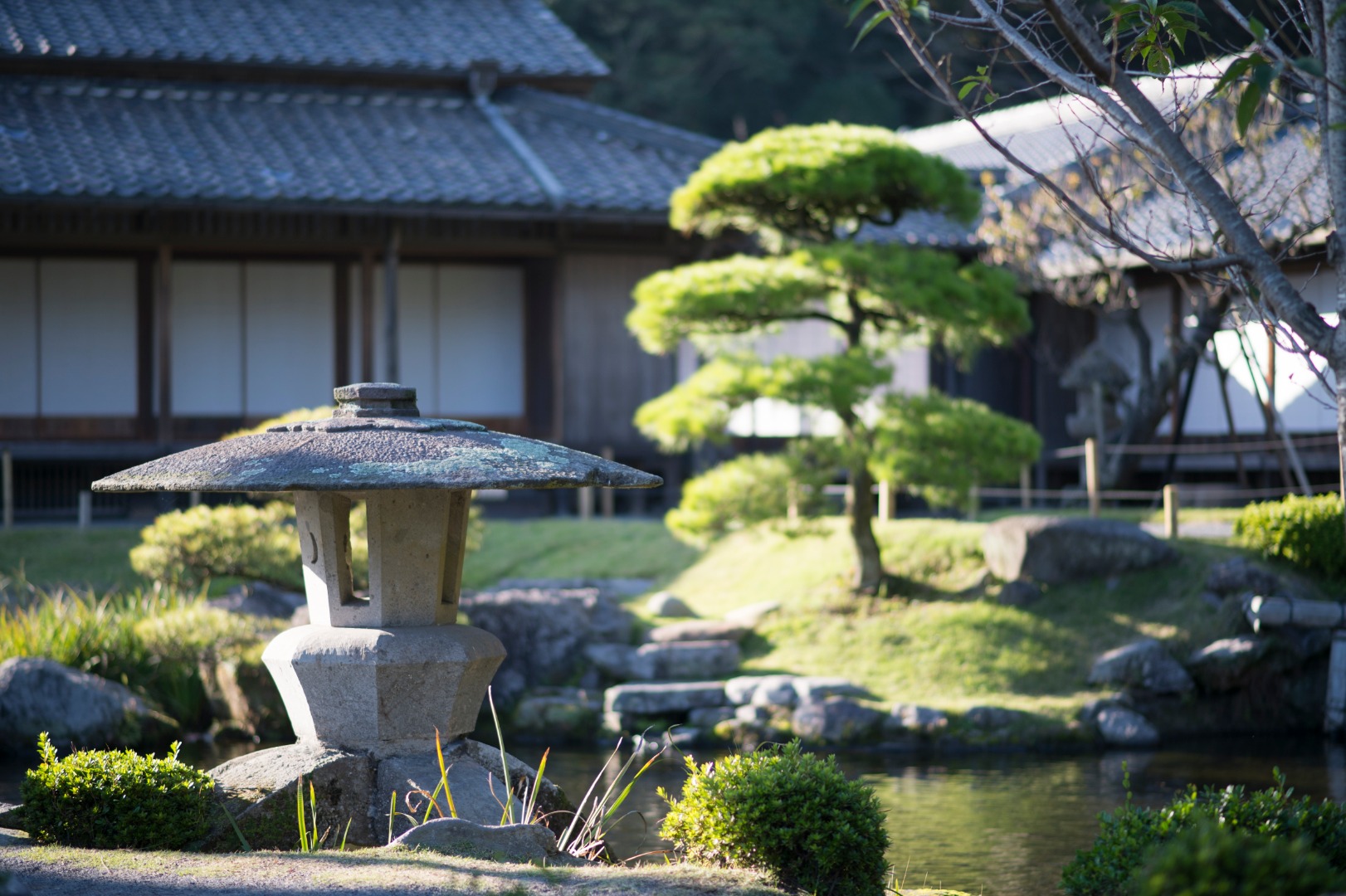
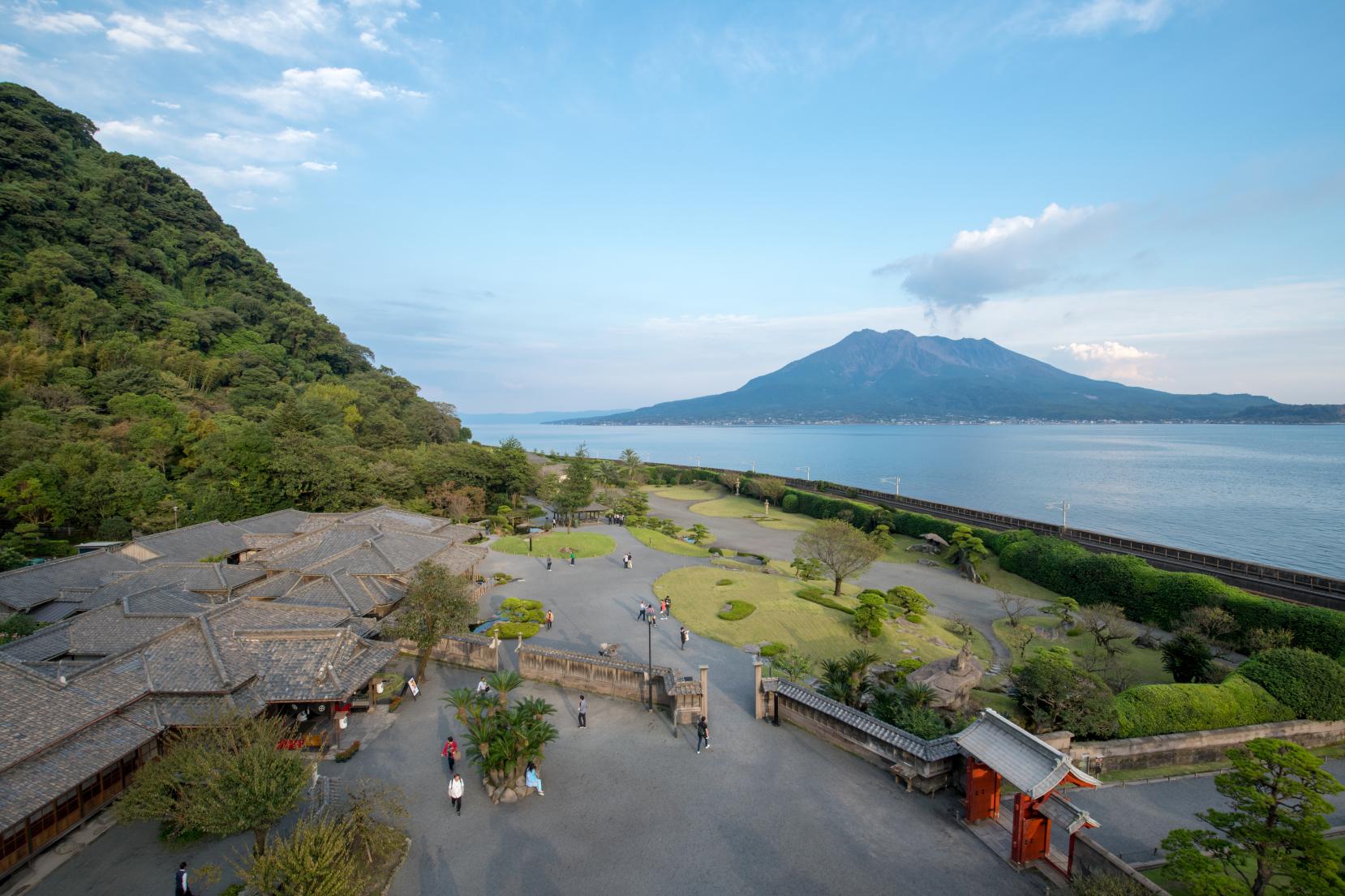
Sengan-en is a serene traditional garden of 12 acres built in 1658. A lord's villa has been loved for generations. A world heritage site of modernization projects and a sophisticated crystal-cut glass factory
Whiskey Distilleries, Mars & Kanosuke. Japan produces some of the best whiskey in the world. The deep aroma wafting from the barrels filled with whiskey
Chiran Peace Museum, samurai residence & garden
Natural Artisan Amber Rice Vinegar, Sandbath & more
Available options
Kagoshima Highlights Private Tour, Sakurajima Volcano and more
Pickup included
What's included
guide fee
Detailed itinerary
1
Watch 13 minutes Movie about the real volcanic acitivies on English subtitle, some pannels to explain the past explosive eruptions, vegetations after eruptions and the real life with the active volcano.
2
One of the largest footbaths in Japan with a length of 100 meters. It uses natural hot springs with a source temperature of 42 degrees that gush out from 1,000 meters underground. When you soak in the reddish-brown footbath, your body will be warmed up and relaxed. Take a break while looking out at Kagoshima Bay spreading out in front of you or Sakurajima towering behind you.
3
The roughly 3-meter (10-foot) torii gate of Kurokami Shrine was buried, with only its top beam still visible. Rather than excavate the gate, the village elder chose to leave it buried as a testament to the eruption's menace for future generations. Standing quietly next to the gate, as if nestling against it, is an old Japanese sea fig tree that miraculously survived the eruption.
4
A peaceful little port where you can see the changes in vegetation on lava from 1,300 years ago and 80 years ago.
5
This observation point is located on a small hill in the lava field that flowed out in the great explosion of 1946. It is located in the middle of the 1km-long lava promenade, and offers a view of the imposing, world-famous active volcano, Sakurajima, and Kinko Bay as if they were right in front of you. Sakurajima viewed from here has a different appearance than other points. With its steep triangular shape and the nearby crater of Minami-dake, which is currently active, on some days you can hear the rumbling sounds and explosions associated with eruptions, allowing you to experience a different side of Sakurajima.
6
Climb Sakurajima Volcano to its highest point, 373 meters above sea level, and enjoy views of the dynamic volcanic rock face and the peninsula on the other side across Kagoshima Bay.
7
Lunch at the attractive shopping area, Tenmonkan. You can choose anything you like, including Wagyu Beef, Black Pork, Ramen, etc.
8
In 1549, Spanish missionary Francis Xavier landed in Gion-no-su, Kagoshima. Xavier spent about a year in Kagoshima, introducing Christianity and other foreign cultures to Japan. Father Laguet, who created Japan's first French-Japanese dictionary during the Meiji period, built Xavier Church in honor of Xavier's achievements. It was burned down during World War II, but part of the old stone church and a bust of Xavier remain in Xavier Park. In 1949, to commemorate the 400th anniversary of Xavier's arrival in Japan, the church was rebuilt in modern Gothic style with a donation from the Pope, and in 1999, life-size statues of Xavier, Satsuma man Yajiro, and Bernardo were created by Morikazu Mizoguchi. To commemorate the 450th anniversary of Xavier's arrival, the Kagoshima Cathedral Xavier Memorial Church was newly built in 1999. The new cathedral is a three-story building made of reinforced concrete. The exterior is modeled after a trading ship from the Age of Discovery.
9
This shrine enshrines Shimazu Nariakira, the 28th head of the Shimazu clan. As the largest shrine in Kagoshima City, it is visited by many worshippers. In 1863, the emperor bestowed the divine title of "Lighting up the country" on Nariakira, and the following year, a shrine building was built on the site of Nansen-in Temple, and the shrine became Terukuni Shrine. The shrine building and treasures were burned down during the Satsuma rebellion, and although it was rebuilt in 1882, it was burned down again in war damage in 1945. It was rebuilt in 1958, and is now made of reinforced concrete. There is a museum with free admission, and a bronze statue of Nariakira on the grounds. The prefecture's largest summer festival, Rokugatsu-to, is held every year on July 15th and 16th, and the grounds are decorated with colorful lanterns, attracting many people. In addition, various events are held throughout the year, such as the "New Year's Good Luck First Market."
10
Saigo Takamori made the greatest contributions to the Meiji Restoration, including the bloodless surrender of Edo Castle and the establishment of the new Meiji government, but suddenly quit his job and returned to Kagoshima. He later fought against the new government forces in the Seinan War, was defeated, and committed suicide on Shiroyama. This statue was created to commemorate the 50th anniversary of his death by Kagoshima-born sculptor Ando Teru, who also created the Shibuya "Loyal Dog Hachiko," and was completed in 1937. It is an imposing 8m-tall monument of Saigo, dressed in the uniform of Japan's first army general, standing with his legs apart against the backdrop of Shiroyama. (Main body 5.76m, base 1.21m, artificial hill 7.27m) There is a photo spot across the road, where you can take photos with the statue of his beloved dog.
11
Kagoshima Castle was the residence of the Shimazu clan, whose construction began around 1601 by Iehisa, who would later become the 18th head of the Shimazu clan and their first feudal lord. It consists of a mountain castle at the rear and a residence at the foot of the mountain. In the center of the front of the residence is the imposing Goromon Gate. Goromon was destroyed by fire in 1873, but was restored in 2020 as the largest castle gate in Japan. Goromon and the stone walls are lit up in a way that changes according to the time and season. Hours: Sunset to 10:00 p.m. (daily)
12
This is the lodgings for British engineers who were invited by the 29th head of the Shimazu clan, Tadayoshi, when he built Japan's first Western-style spinning mill. The building is a mix of Japanese and Western architecture, with a colonial-style veranda and a design based on Japanese measurements, and is preserved as a valuable heritage that shows the progress of Western-style architecture at the end of the Edo period. In July 2015, it was registered as a World Heritage Site as one of the constituent assets of the "Meiji Industrial Revolution Heritage Sites: Iron and Steel, Shipbuilding, and Coal Mining." Many photographs and documents that tell the story of the time are on display inside the building. It is also close to Sengan-en and Shoko Shuseikan.
13
Stop 13
12 acres of calming traditional gardens built in 1658, 350 years ago. Discover peaceful ponds, bubbling streams, mysterious shrines, a bamboo grove, and a mountain hiking trail with a panoramic view of Kagoshima Bay and the volcano beyond. Visit the house lived in and loved by generations of the Shimadzu family, using flawless Yakushima cedar cut from trees over 1,000 years old, and features a fascinating mix of Japanese, Chinese, and Western influences. Also be amazed by the history of Japan's first feudal domain that strived for modernization and take a look at Kagoshima's sophisticated crystal cut glass craftsmanship. Admission is not included.
14
Stop 14
Former Shuseikan Machine Factory is a historic museum opened in 1923. The main building was built in 1865 as the "Shuseikan Machine Factory," for metal processing of ships and other items, and is the oldest existing Western-style factory building in Japan. In 2015, it was registered as a World Heritage Site as a component asset of the "Meiji Industrial Revolution Heritage Sites of Japan." It is also known as "Stone Home" that uses welded tuff formed by the volcanic ejecta instead of bricks. The museum introduces the history of the Shimazu clan and its modernization efforts, and houses and exhibits approximately 10,000 items, mainly documents handed down by the Shimazu clan, such as Satsuma Kiriko glass made in the Edo period, the oldest daguerreotype photograph taken by a Japanese person (a replica), and machinery from when the company was in operation as a factory.
15
Christal Satsuma cut glass factory started in 1851 and revived 100 year after the factory was closed in 1877. Cuts are made in thick layer of colored glass toreveal the clear glass below. The gentle gradation between the colored layer and the transparent glass below is called bokashi, and is the defining characteristic of Satsuma Kiriko.
What's not included
A 7-hour chartered taxi: average price is 34,000JPY for up to 3 people, 46,000JPY for up to 8 people
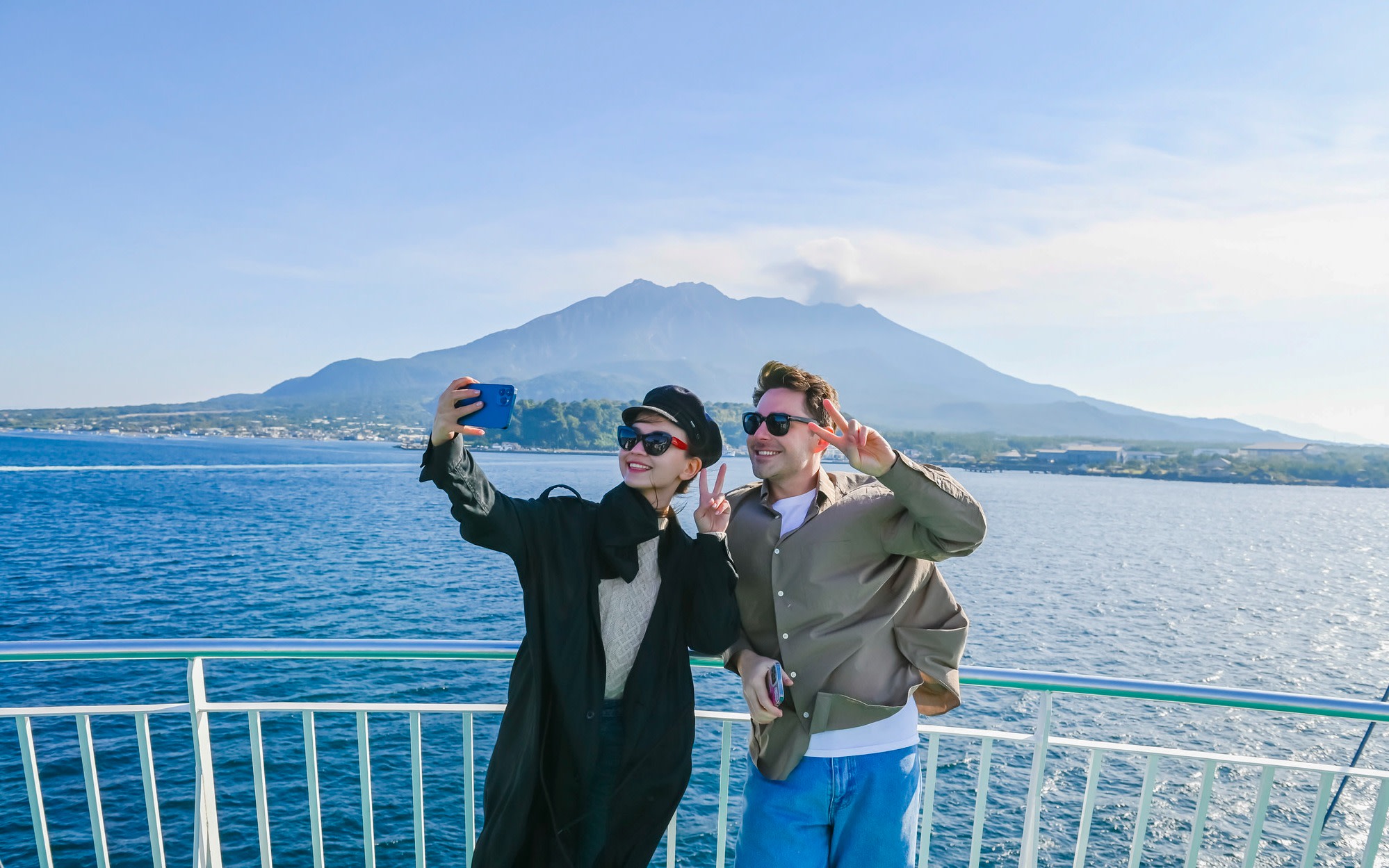
Round trip fare for Sakurajima ferry: 500JPY per person, and 4,700JPY for cars depending on the size
Sengan-en
(you & guide)
Available languages
Guide guide
JA
EN
Reviews breakdown
Viator
5.0
8 reviews
5★
8
4★
0
3★
0
2★
0
1★
0
Tripadvisor
5.0
11 reviews
5★
11
4★
0
3★
0
2★
0
1★
0
Important information
Wheelchair accessible
Infants are required to sit on an adult’s lap
Transportation options are wheelchair accessible
Suitable for all physical fitness levels
About Kagoshima
Kagoshima, located on the southern tip of Kyushu Island, is famous for its active volcano, Mount Sakurajima, and its rich history tied to the Satsuma samurai clan. The city offers a mix of natural beauty, historical sites, and unique local cuisine, making it a compelling destination for travelers seeking both adventure and cultural experiences.
Top Attractions
Sakurajima
An active volcano just off the coast of Kagoshima, known for its frequent eruptions and scenic views. Visitors can take a ferry to explore the island and its volcanic landscapes.
Nature/Adventure
Half day to full day
Free to explore, ferry tickets around ¥300-¥600 each way
Sengan-en
A beautiful Japanese garden with a rich history tied to the Satsuma samurai clan. The garden offers stunning views of Sakurajima and a glimpse into the life of the local feudal lords.
Historical/Garden
1-2 hours
¥600 for garden entry, additional fees for the museum and samurai residence
Tenmonkan
The bustling heart of Kagoshima, known for its shopping streets, local cuisine, and vibrant atmosphere. It's a great place to experience the local culture and try traditional Kagoshima dishes.
Cultural/Shopping
A few hours to a full day
Free to explore, costs vary depending on shopping and dining
Kagoshima Aquarium
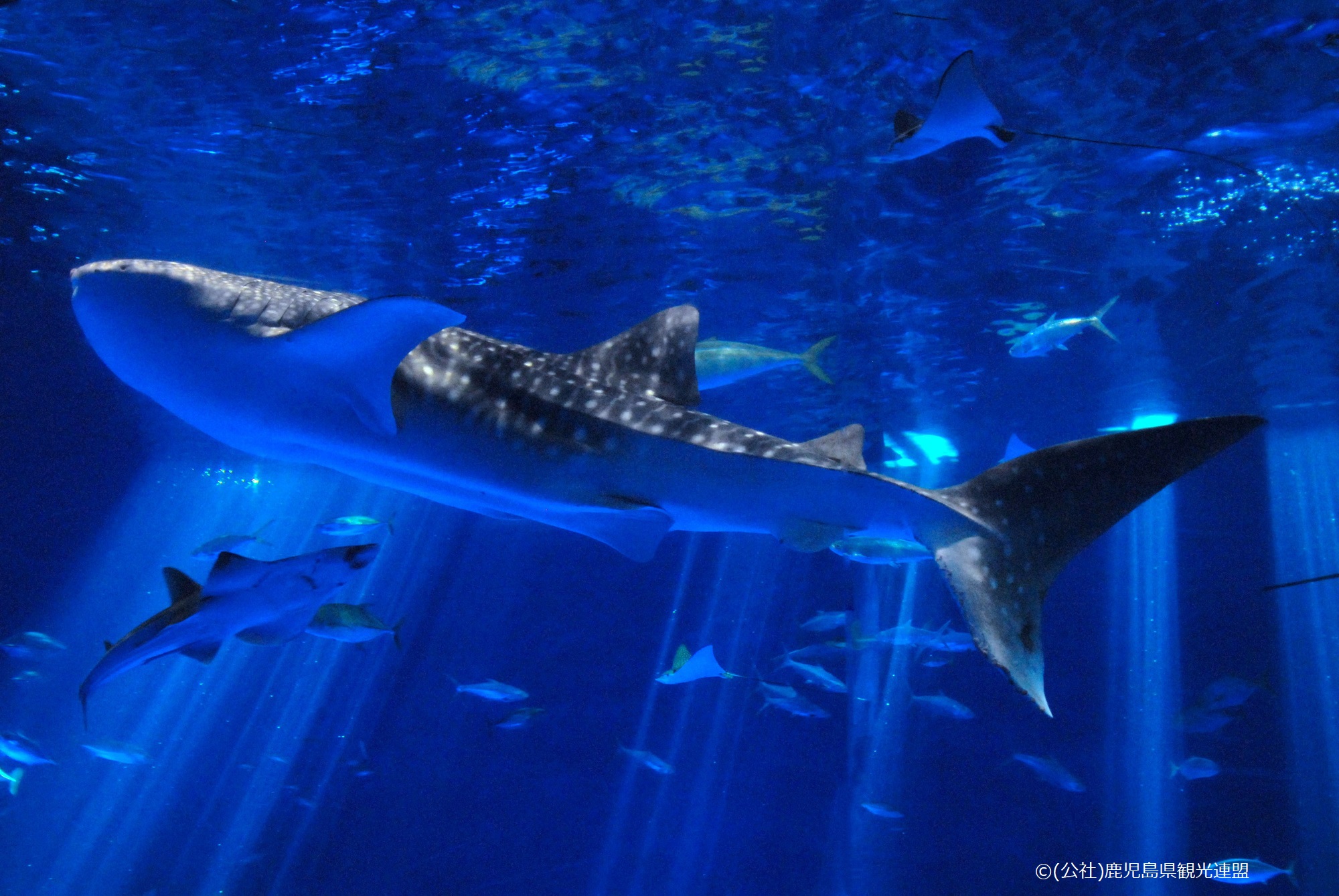
A modern aquarium showcasing the marine life of the Kagoshima region, including whale sharks, sea turtles, and various fish species. It's a great place for families and marine life enthusiasts.
Nature/Education
1-2 hours
¥1,800 for adults, ¥1,200 for children
Ishibashi Park
A scenic park with a historic stone bridge and beautiful views of Sakurajima. It's a great place for a peaceful walk and to enjoy the natural beauty of Kagoshima.
Nature/Historical
30 minutes to 1 hour
Free
Must-Try Local Dishes
Kagoshima Chicken
A local specialty made with tender chicken, often grilled or stewed with local ingredients. It's known for its rich, savory flavor and tender meat.
Main Dish
Contains meat, gluten (if served with sauce)
Satsuma-age
A type of fish cake made from ground fish and vegetables, deep-fried to a crispy texture. It's often served as a snack or in soups and salads.
Snack
Contains fish, gluten (if served with sauce)
Imo-jiru
A hearty soup made with sweet potatoes, vegetables, and sometimes meat or seafood. It's a popular dish in Kagoshima, especially during the colder months.
Soup
Vegetarian (if made without meat or seafood), gluten-free (if made with gluten-free ingredients)
Kurobuta Pork
A type of black pork known for its tender, flavorful meat. It's often served as grilled or braised dishes, and is a local delicacy in Kagoshima.
Main Dish
Contains meat, gluten (if served with sauce)
Popular Activities
Hiking in Sakurajima and Yaku Island
Volcano exploration
Waterfall viewing
Onsen (hot spring) bathing
Beach relaxation
Sand baths in Ibusuki
Visiting historic sites and museums
Samurai residence tours
Best Time to Visit
Spring (March to May) and Autumn (September to November)
These seasons offer pleasant weather with lower humidity and fewer rainfalls, ideal for outdoor activities and sightseeing.
15-25°C
59-77°F
Practical Information
Language
- Official: Japanese
- Widely spoken: English (limited)
- English: Limited
Currency
Japanese Yen (JPY)
Time Zone
JST (Japan Standard Time, UTC+9)
Electricity
100VV, 50/60HzHz
Safety Information
Overall Safety Rating: Generally safe
Kagoshima is generally a safe destination for travelers, with low crime rates and a welcoming atmosphere. However, as with any destination, it's important to be aware of your surroundings and take precautions to ensure a safe and enjoyable trip.
Important Precautions:
- • Be aware of your surroundings, especially in crowded areas.
- • Keep valuables secure and out of sight.
- • Use reputable tour operators and accommodation providers.
Getting there
By air
- Kagoshima Airport • 15 km from city center
By train
Kagoshima-Chuo Station
By bus
Kagoshima Chuo Station Bus Terminal, Tenmonkan Bus Terminal
Getting around
Public transport
The tram is an efficient and scenic way to get around the city. It has several lines connecting key areas.
Taxis
Available • Apps: JapanTaxi, Uber (limited availability)
Rentals
Car, Bike, Scooter
Neighborhoods
Tenmonkan
Dogo
Sakurajima
Day trips
Yaku Island
40 km from Kagoshima • Full day
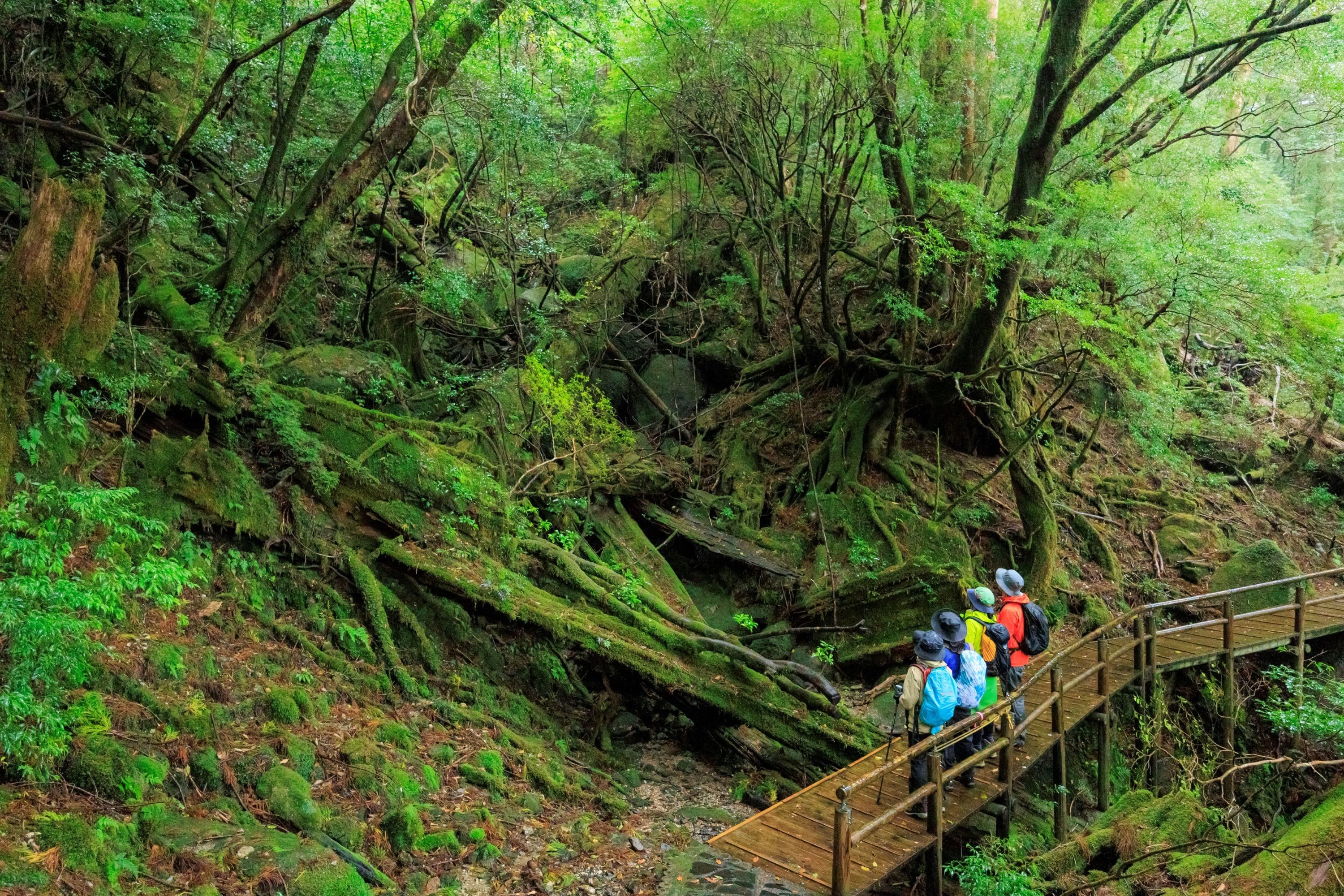
Yaku Island is known for its lush forests, waterfalls, and scenic hiking trails. It's a great destination for nature lovers and adventure seekers.
Ibusuki
50 km from Kagoshima • Half day to full day
Ibusuki is a coastal town known for its sand baths, hot springs, and scenic beaches. It's a great destination for relaxation and enjoying the natural beauty of the region.
Chiran
30 km from Kagoshima • Half day
Chiran is a historic town known for its well-preserved samurai residences and beautiful gardens. It's a great destination for history buffs and culture enthusiasts.
Festivals
Kagoshima Oshima-Osumi Festival • Early October
Kagoshima Summer Festival • Mid-August
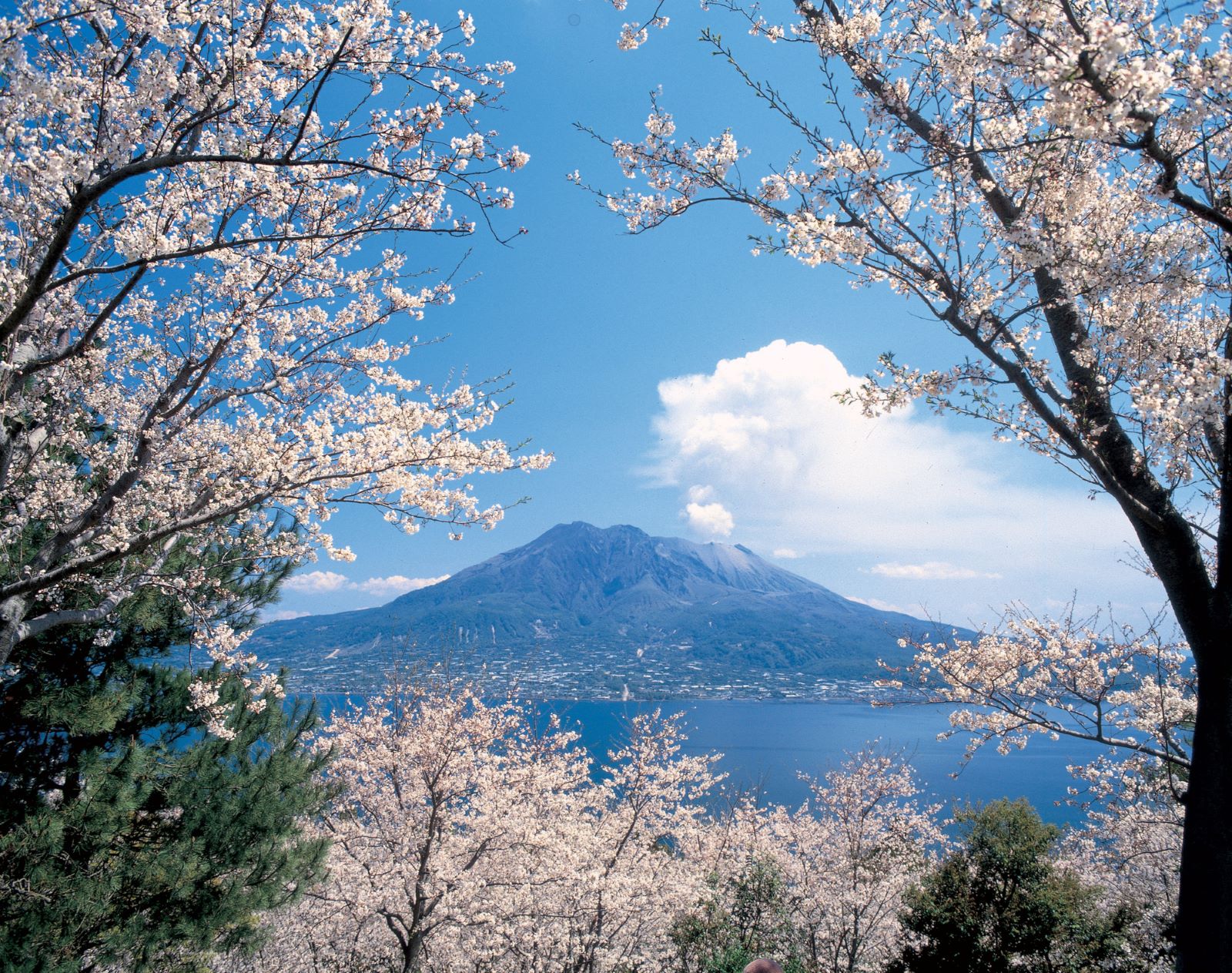
Kagoshima Cherry Blossom Festival • Late March to Early April
Pro tips
- Visit Sakurajima early in the morning or late in the afternoon to avoid crowds and enjoy cooler temperatures.
- Try Kagoshima's famous chicken dishes, such as Kagoshima Chicken Katsu or grilled chicken skewers, for a true local culinary experience.
- Explore the Tenmonkan district for a mix of shopping, dining, and cultural experiences, including traditional street food and local crafts.
- Take a ferry to Yaku Island for a day trip filled with hiking, waterfalls, and scenic views.
- Visit the Sengan-en garden for a glimpse into the region's history and a stunning view of Sakurajima.
From $25
per person
Price varies by option
Secure booking
Free cancellation available


![[Spectrum of the Seas, Caribbean] Cruise shore excursion day trip/Kagoshima Port/Sakurajima/Aquarium/Sengan-en/Tenmonkan Street/Seamless port transfer for shore excursions/Chinese-speaking tour guide](https://res.klook.com/image/upload/activities/eocxkmfk12leo2bj43x4.jpg)
![[Kyushu Pier Charter] Kagoshima/Miyazaki Pier Private Charter Day Tour | Customizable Itinerary](https://res.klook.com/image/upload/activities/jx6klzn76lcllthztftv.jpg)