DIY Seoul Private Tour: Select 4 places you want to go
Active
8h - 9h
For a full refund, cancel at least 24 hours before the scheduled departure time.
Instant confirmation
Mobile or paper ticket accepted
About this experience
This is Seoul ultimate tour covering 4 must-visit places in Seoul! Please choose 4 places in the list and inform us in advance. *Other places are available after consultation
[Hippest Road]
-Itaewon-dong
-Seongsudong Cafe Street
[Royal Palace]
-Gyeongbokgung Palace (Tue-Closed)
-Changdeokgung Palace (Mon-Closed)
-Changgyeonggung Palace (Mon-Closed)
[Frequently visited park by locals]
-Yeouido Hangang Park (*Other Han-river park can be replaced depending on your schedule)
-Seoul Forest
-Seoul Botanical Garden (Mon-Closed)
-Cheonggyecheon Stream
[Hanok Village]
-Bukchon Hanok Village
-Ikseon-dong Hanok Street
[Shopping]
-Insadong(Antique shop alley)
-Dongdaemun Design Plaza (DDP)
-Starfield COEX Mall
-The Hyundai Seoul
-Myeongdong Shopping Street
[Art Gallery Museum]
-Seoul Museum of Art(Monday x)
[Museum]
-National Folk Museum
-The War Memorial of Korea (Mon-Closed)
-National Museum of Korea
[Korea Buddhist Temple]
-Jogyesa
[Traditional Local Market]
-Gwangjang Market
Available options
DIY Seoul Private Tour: Select 4 places you want to go
Pickup included
What's included
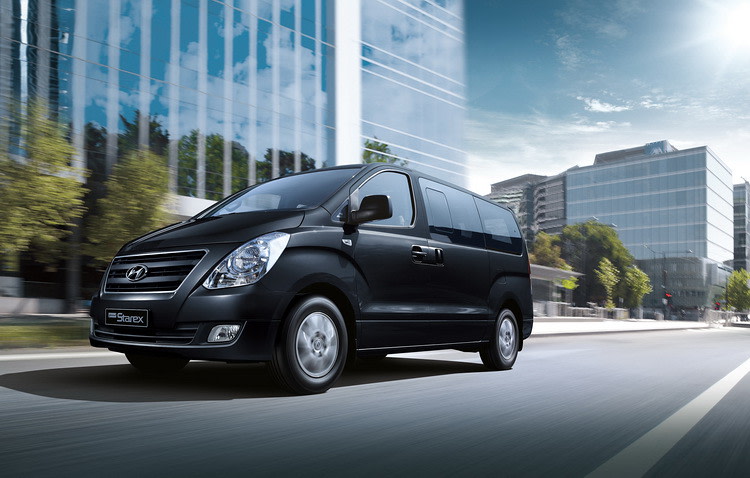
Private transportation
4 places for sightseeing
Admission Tickets as designated
Driving Tour Guide
Detailed itinerary
1
In Itaewon, will take you to 'Gyeongnidan-gil',Itaewon’s trendiest streets with all mixure of all different cultures from the globe. The area became home to many international residents early on influenced by the nearby US Army base. Gyeongnidan-gil began to grow in popularity as one of Seoul’s representative tourist attractions with its unique and exotic atmosphere lined with restaurants, cafes and ateliers.
2
Stop 2
The Sinsadong Garosu-gil is a popular, upscale street in Seoul. The street (also known as ‘artists' street’) has an eccentric flair thanks to its variety of charmingly decorated coffee shops, and designer stores.
3
Stop 3
Gyeongbok Royal Palace is main palace of Joseon Dynasty, located in the heart of Seoul. It's must-see place if you visit Korea. Meet the Gyeongbok Royal Grand palace meaning "Palace Greatly Blessed by Heaven."
4
Stop 4
Changdeokgung Palace was recognized as a World Cultural Heritage site by the UNESCO World Cultural Heritage Committee in December of 1997. The palace was the second royal villa built following the construction of Gyeongbokgung Palace in 1405. It was the principal palace for many kings of the Joseon dynasty, and is the most well-preserved of the five remaining royal Joseon palaces.
5
Changgyeonggung Palace was originally built as Suganggung Palace by the 4th ruler of the Joseon dynasty, King Sejong (r.1418-1450), for his retiring father, King Taejong. It often served as residential quarters for queens and concubines. During the reign of King Seongjong (r.1469-1494), the palace was renovated and renamed to Changgyeonggung Palace. It later became a park with a zoo and a botanical garden during Japanese colonial rule. The palace grounds remained this way until 1983 when restoration of its old grace was completed.
6
The park is one of the most frequently visited park next to Han-river. Situated in Yeouido, the heart of politics, media, banking and finance. The park hosts many exciting events, from the Yeouido Cherry Blossom Festival in spring
7
Stop 7
Located between Jungnangcheon Stream and Hangang River, Seoul Forest, which was opened in 2005, is one of the most loved park by citizen.
The park consists of four parts, Culture & Art Park, Educational Experience Park, Eco-forest Park, and Riverside Park along Hangang River.
8
Botanic Garden consists of outdoor Theme Gardens reproducing the Korean traditional garden with native plants, and Greenhouse exhibiting plants from 12 tropical and Mediterranean cities.
9
Stop 9
Cheonggyecheon Stream is an 11 km-long stream that runs through downtown Seoul. Created as part of an urban renewal project, Cheonggyecheon Stream is a restoration of the stream that was once there during the Joseon Dynasty (1392-1910).
10
Stop 10
Surrounded by Gyeongbokgung Palace, Changdeokgung Palace and Jongmyo Shrine, Bukchon Hanok Village is home to hundreds of traditional houses, called hanok, that date back to the Joseon dynasty. The name Bukchon, which literally translates to "northern village," came about as the neighborhood lies north of two significant Seoul landmarks, Cheonggyecheon Stream and Jongno.
11
This is the most hippest and trendiest area in Seoul. Ikseon-dong Hanok Village, first established in the 1920s, offers a unique mix of modern and traditional elements. The narrow alleyways are lined with uniquely decorated shops and cafes as they twist and turn. It’s no surprise that these alleyways are referred to as “photo zones” as the colorful shops make the perfect backdrop for photogenic moments. The shop signs and one-of-a-kind murals can also help you find you way within Ikseon-dong Hanok Village.
12
Stop 12
Within these alleys are galleries, traditional restaurants, teahouses, and cafes. The teahouses and restaurants are the perfect complement to the galleries. They are hidden deep within the twisting alleyways, making it feel like a treasure hunt. T
13
It holds various exhibitions, fashion shows, forums, conferences, and other domestic and international events. The building complex is divided into sections, which are named Allimteo, Beaumteo, Sallimteo, DDP Design Museum, Design Market & Eoullim Plaza, and Dongdaemun History & Culture Park. Designed by world-renowned architect Zaha Hadid, the building's exterior attracts the attention of many photographers with its delicate curves and bold shapes.
14
Stop 14
Starfield COEX Mall, located at the center of Seoul, leads in trend and culture. Combining fashion, food, culture and entertainment, the mall provides everything the visitors need. Also the Starfield Library is landmark in Seoul offering a space to rest and entertainment with books.
15
The Hyundai Seoul, opened in Yeouido on February 26.
The first floor, named “Exclusive Label,” has 30 global designer brands such as Gucci, Prada, Balenciaga, and more. On “Creative Ground” located on B2, there is an H&M brand shop called Arket, the first store to open in Asia. In addition, “Tasty Seoul” on B1 has approximately 90 famous food & beverage brands.
The Hyundai Seoul is based on the concept of an eco-friendly futuristic department store and has a larger resting area and path. “Sounds Forest” is an indoor rest area and is one-seventieth the size of Yeouido Park. Furthermore, there are multiple locations with natural sunlight gaining popularity as photo spots.
16
Stop 16
Myeong-dong is one of the primary shopping districts in Seoul. Many brand name shops and department stores line the streets and alleys. Common products for sale include clothes, shoes, and accessories.
17
SeMA is a 3-story building with six exhibition halls, a lecture hall for educational programs, and a library where art-related books, magazines, and visual reference materials are available to the public. In one of the exhibition halls is a permanent collection titled "The Soul of Chun Kyung Ja," an exhibition of the works of the famous Korean artist Chun Kyung Ja.
18
Stop 18
It was established on June 10, 1994 by the War Memorial Service Korea Society to commemorate the noble sacrifice of patriotic martyrs. The museum houses approximately 33,000 artifacts with about 10,000 on display at indoor and outdoor exhibitions. There are six separate indoor halls, including Expeditionary Forces Room, Patriotic Memorial Room, War History Room, 6·25 Korean War Room, Development Hall and Large Machinery Room.
19
Stop 19
The National Museum of Korea houses a vast collection of over 420,000 artifacts from ancient times to the modern era in a wide range of topics, including art and culture. The museum houses a Children's Museum, where visitors can learn more about the nation's history through educational programs and experiences.
20
Jogyesa Temple plays an important role in Korean Buddhism as the head temple of the Jogye order. The temple was built in the late 14th century during the Goryeo period but was completely destroyed in a fire. It was rebuilt with the effort of many respectful monks.
21
Stop 21
Bongeunsa Temple is located north of COEX in Gangnam area. It was constructed in the 10th year of Silla King Weongseong’s reign (794). In 1498, Queen Jeonghyeon refurbished Gyeonseongsa Temple and renamed it Bongeunsa Temple.
22
Gwangjang Market was the first permanent market in Korea and continues to thrive as a popular tourist destination today. It's now over 100 years old existing market still many locals and foreigners visit with must list. The most popular section of the market is the food street
23
Mangwon Market is located in Mapo-gu, Seoul. This is one of the most beloved traditional market by young locals with many fancy streets and delicious food alleys. This traditional market is home to many delicious restaurants and friendly vendors offering the freshest ingredients in a clean environment.
What's not included
Lunch
Personal Travel Insurance
Anything not mentioned in details
Available languages
Guide guide
EN
Reviews breakdown
Viator
5.0
15 reviews
5★
15
4★
0
3★
0
2★
0
1★
0
Tripadvisor
4.8
13 reviews
5★
12
4★
0
3★
0
2★
1
1★
0
Important information
Public transportation options are available nearby
Infants are required to sit on an adult’s lap
Not recommended for travelers with spinal injuries
Not recommended for pregnant travelers
Not recommended for travelers with poor cardiovascular health
Suitable for all physical fitness levels
Important notes
1.All the details including, times, duration, attractions are subject to change due to local traffic conditions(weather, traffic jam, any unexpected situations)
2. For pick up and drop off service, please let us know your hotel name and address when you book
About Seoul
Seoul, the capital of South Korea, is a dynamic metropolis where ancient palaces stand alongside futuristic skyscrapers. Known for its vibrant street life, cutting-edge technology, and rich cultural heritage, Seoul offers a unique blend of tradition and modernity that captivates every traveler.
Top Attractions
Gyeongbokgung Palace
The largest of the Five Grand Palaces built during the Joseon Dynasty, Gyeongbokgung is a must-visit for its historical significance and beautiful architecture.
Historical
2-3 hours
3,000 KRW (free for those wearing hanbok)
Bukchon Hanok Village
A traditional Korean village nestled between Gyeongbokgung Palace and Changdeokgung Palace, offering a glimpse into traditional Korean life.
Cultural
1-2 hours
Free (some cultural experiences may have fees)
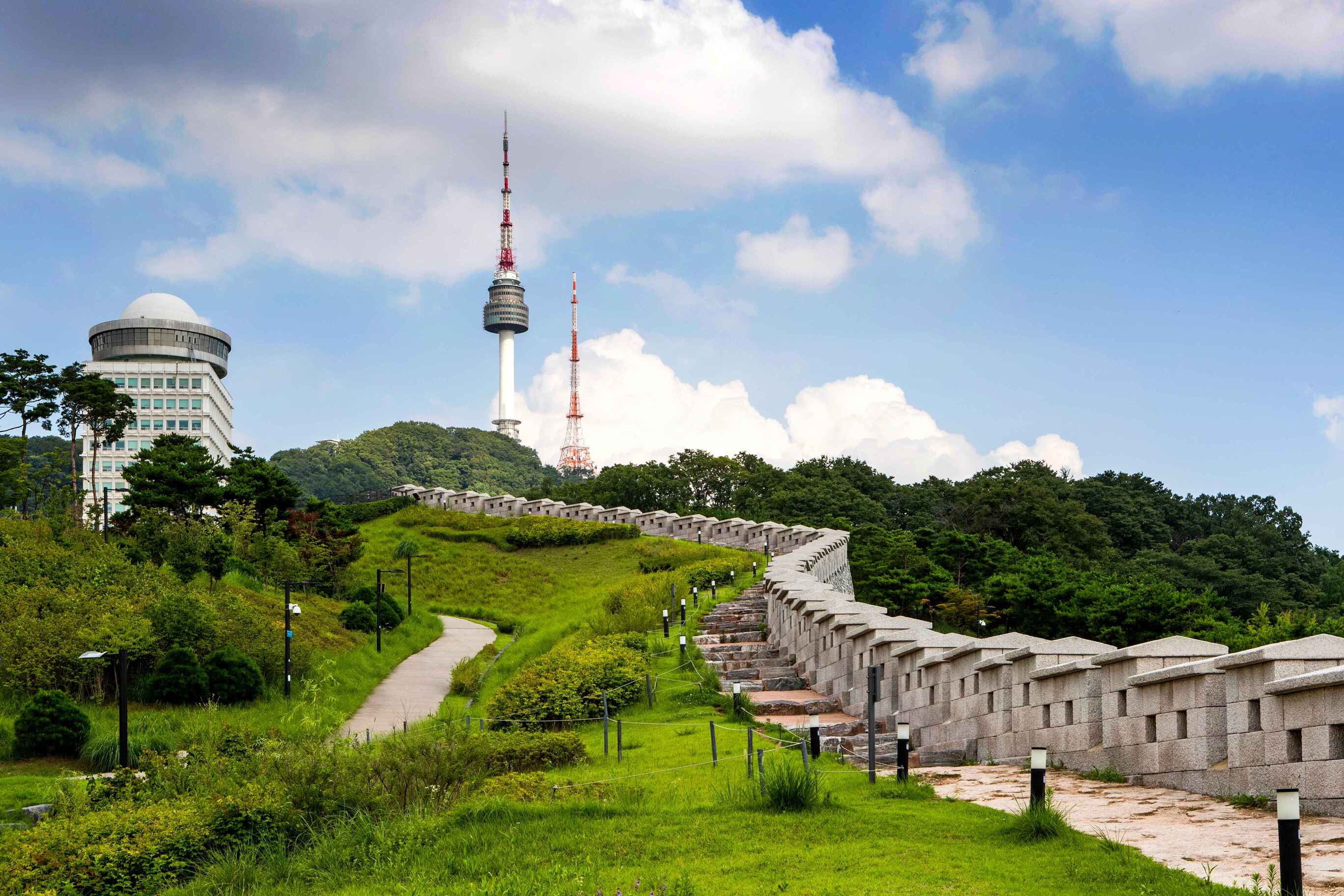
Namsan Seoul Tower
Located atop Namsan Mountain, this iconic tower offers panoramic views of Seoul and is a popular spot for couples to lock love locks.
Viewpoint
2-3 hours
10,000 KRW (observatory), 1,500 KRW (cable car)
Myeongdong
A bustling shopping district known for its street food, fashion, and beauty products, offering a vibrant and energetic atmosphere.
Shopping
Half-day
Varies widely, from budget to luxury
Hongdae
A lively and youthful neighborhood near Hongik University, famous for its nightlife, street performances, and trendy cafes.
Entertainment
Evening or night
Varies widely, from budget to upscale
Must-Try Local Dishes
Kimchi
Fermented spicy cabbage, a staple in Korean cuisine, often served with every meal.
Side dish
Vegetarian (check for seafood in some varieties)
Bibimbap
A mixed rice bowl with vegetables, meat, and gochujang (spicy paste), often served with a fried egg.
Main dish
Can be made vegetarian or vegan
Bulgogi
Marinated grilled beef, often served with rice and side dishes.
Main dish
Contains meat
Tteokbokki
Spicy stir-fried rice cakes, a popular street food often served with fish cakes and boiled eggs.
Snack
Vegetarian (check for seafood in some varieties)
Popular Activities
Hiking in Bukhansan National Park
Biking along the Han River
Water sports at Seokchon Lake
Visiting traditional tea houses
Enjoying a jjimjilbang (Korean spa) experience
Strolling through scenic gardens and parks
Participating in a traditional hanbok photo shoot
Attending a traditional Korean performance
Best Time to Visit
April to June, September to November
Spring and autumn offer comfortable temperatures and beautiful scenery, with cherry blossoms in spring and vibrant foliage in autumn. These are the busiest times with higher tourist volumes.
10°C to 25°C
50°F to 77°F
Practical Information
Language
- Official: Korean
- Widely spoken: English (in tourist areas and by younger generations)
- English: Moderately spoken in tourist areas, limited in other places
Currency
South Korean Won (KRW)
Time Zone
Korea Standard Time (KST, GMT+9)
Electricity
220VV, 60HzHz
Safety Information
Overall Safety Rating: Generally safe
Seoul is generally a safe city for travelers, with low crime rates and a strong police presence. However, as with any major city, it is important to be aware of your surroundings and take precautions to ensure a safe and enjoyable trip.
Important Precautions:
- • Be cautious of your surroundings and belongings, especially in crowded areas
- • Use reputable transportation services and avoid unlicensed taxis
- • Be wary of strangers offering help or assistance, as they may be trying to scam you
Getting there
By air
- Incheon International Airport • 52 km from city center
- Gimpo International Airport • 15 km from city center
By train
Seoul Station, Yongsan Station
By bus
Seoul Express Bus Terminal, Central City Bus Terminal, East Seoul Bus Terminal
Getting around
Public transport
The subway system is efficient, clean, and easy to navigate. It operates from 5:30 AM to 12:00 AM, with frequent trains.
Taxis
Available • Apps: KakaoTaxi, T-money
Rentals
Car, Bike, Scooter
Neighborhoods
Jongno
Gangnam
Hongdae
Itaewon
Insadong
Day trips
DMZ (Korean Demilitarized Zone)
50 km from Seoul • Half day to full day
A unique and fascinating day trip, the DMZ offers a glimpse into the history and current status of the Korean Peninsula, with tours visiting various historical sites and observation points.
Nami Island
56 km from Seoul • Half day to full day
A picturesque island known for its beautiful landscapes, walking trails, and filming locations for popular K-dramas like 'Winter Sonata'.
Suwon
30 km from Seoul • Full day
A historic city known for its well-preserved fortress, traditional markets, and cultural attractions, offering a mix of history, culture, and local cuisine.
Festivals
Seoul International Fireworks Festival • Mid-October (annual)
Seoul Lantern Festival • Late November to early December (annual)
Cherry Blossom Festival • Late March to early April (annual)
Pro tips
- Learn a few basic Korean phrases to enhance your experience and show respect for the local culture
- Use a T-money card for convenient and discounted public transportation
- Try street food and local specialties for an authentic and delicious culinary experience
- Visit popular attractions early in the morning or late in the afternoon to avoid crowds
- Explore Seoul's diverse neighborhoods and hidden gems for a more unique and immersive experience
From $25
per person
Price varies by option
Secure booking
Free cancellation available
Instant confirmation






![[Muslim friendly] Special Seoul/Nami Island/Shopping Day Tour](https://res.klook.com/image/upload/activities/fcbcwb3f9mv6igchdyh4.jpg)