Vienna Oldtown Tour
Active
45m
For a full refund, cancel at least 24 hours before the scheduled departure time.
Instant confirmation
Mobile or paper ticket accepted
About this experience
Libra tours Vienna offer a unique and unforgettable way to experience the city's rich history and stunning architecture. Here's what sets Us apart
Vintage charm: Travel in beautifully restored classic cars, evoking the elegance and glamour of Vienna's past.
Unparalleled views: Enjoy open-air sightseeing, providing unobstructed panoramic views of Vienna's iconic landmarks.
Personalized experience: Intimate tours with knowledgeable guides who share fascinating stories and insights into Vienna's history and culture.
Comfort and style: Relax in luxurious vintage vehicles, meticulously maintained for your comfort and safety.
Sustainable travel: Environmentally friendly tours that minimize their impact on Vienna's delicate ecosystem.
Libra tours Vienna offer an unparalleled journey through time, combining the charm of classic cars with the allure of Vienna's captivating history.
Available options
Vienna Oldtown Tour
What's included
Private transportation
Detailed itinerary
1
Stop 1
Pass by
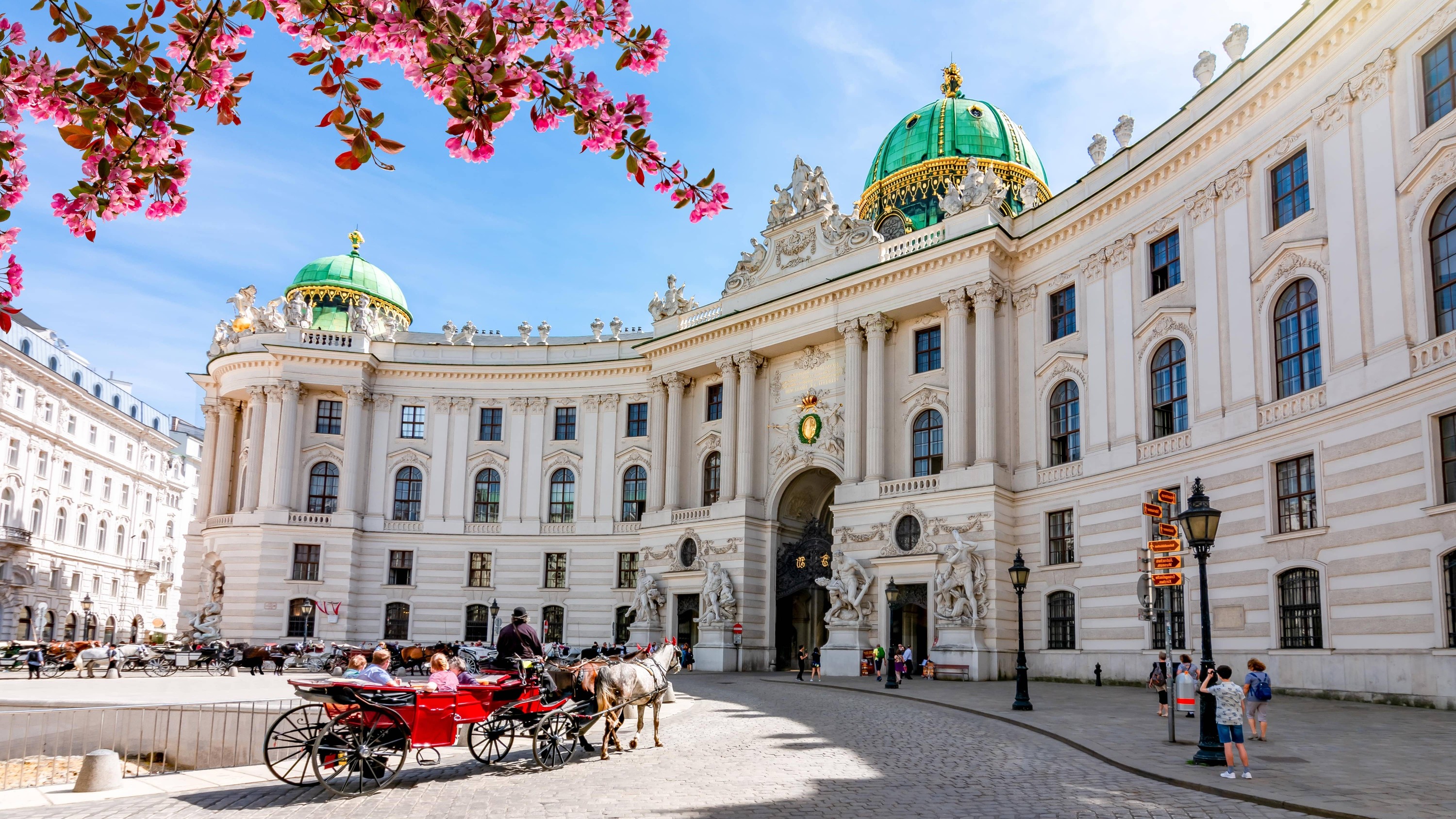
The Hofburg Palace is a former imperial palace in Vienna, Austria, built in the 13th century by Ottokar II of Bohemia. It served as the winter residence of the Habsburg dynasty and is now the official residence and workplace of the president of Austria. The palace is a complex of buildings, including the Imperial Apartments, the Sisi Museum, and the Imperial Treasury.
2
Stop 2
Pass by
National library located in Vienna, Austria. Is one of the oldest and largest libraries in the world. It is home to over 11 million books and manuscripts, including rare and valuable works from antiquity to the present day. The library also houses a number of special collections, such as the Papyrus Museum and the Globe Museum.
3
Stop 3
Pass by
The Organization for Security and Co-operation in Europe (OSCE) is the world's largest regional security organization, with 57 participating States from North America, Europe and Asia. The OSCE works to prevent conflict, promote human rights, democracy and the rule of law, and strengthen international cooperation. It was founded in 1975 as the Conference on Security and Co-operation in Europe (CSCE).
4
Stop 4
Pass by
Prince Eugene of Savoy (1663-1736) was a brilliant Austrian general and statesman, renowned for his military victories against the Ottoman Empire and France.
5
Stop 5
Pass by
The Archduke Karl - Equestrian Statue is a monument located in Heldenplatz, Vienna, Austria. It is a popular tourist attraction and is known for its beautiful design.
6
The World Museum Vienna (Weltmuseum Wien) houses a vast collection of artifacts from around the globe, showcasing diverse cultures and traditions. It offers insights into ethnography, art, and history, with exhibits spanning from ancient civilizations to contemporary societies. A fascinating exploration of human creativity and cultural exchange.
7
Stop 7
Pass by
Maria Theresa (1717-1780) was a powerful Habsburg ruler, Archduchess of Austria, and Queen of Hungary and Bohemia. She reigned from 1740-1780, navigating wars and implementing significant reforms to strengthen her vast empire.
8
Stop 8
Pass by
The Kunsthistorisches Museum (Museum of Art History) in Vienna, opened in 1891, houses the imperial art collection of the Habsburgs. It showcases European art from antiquity to the late 18th century.
9
Stop 9
Pass by
The Natural History Museum Vienna (Naturhistorisches Museum Wien) was founded in 1807 and opened in its current building in 1889. It houses vast collections of natural history, including dinosaur skeletons, minerals, and animal exhibits, showcasing Earth's history and biodiversity.
10
The MuseumQuartier Wien is a restored area of historic and modern buildings containing many of the city's finest museums. It opened to the public in 2001.
11
The Library of the Austrian Parliament, established in 1869, houses a significant collection of legal and historical texts. It supports parliamentary work and research, offering a valuable resource for members and staff within the Austrian Parliament building.
12
Stop 12
Pass by
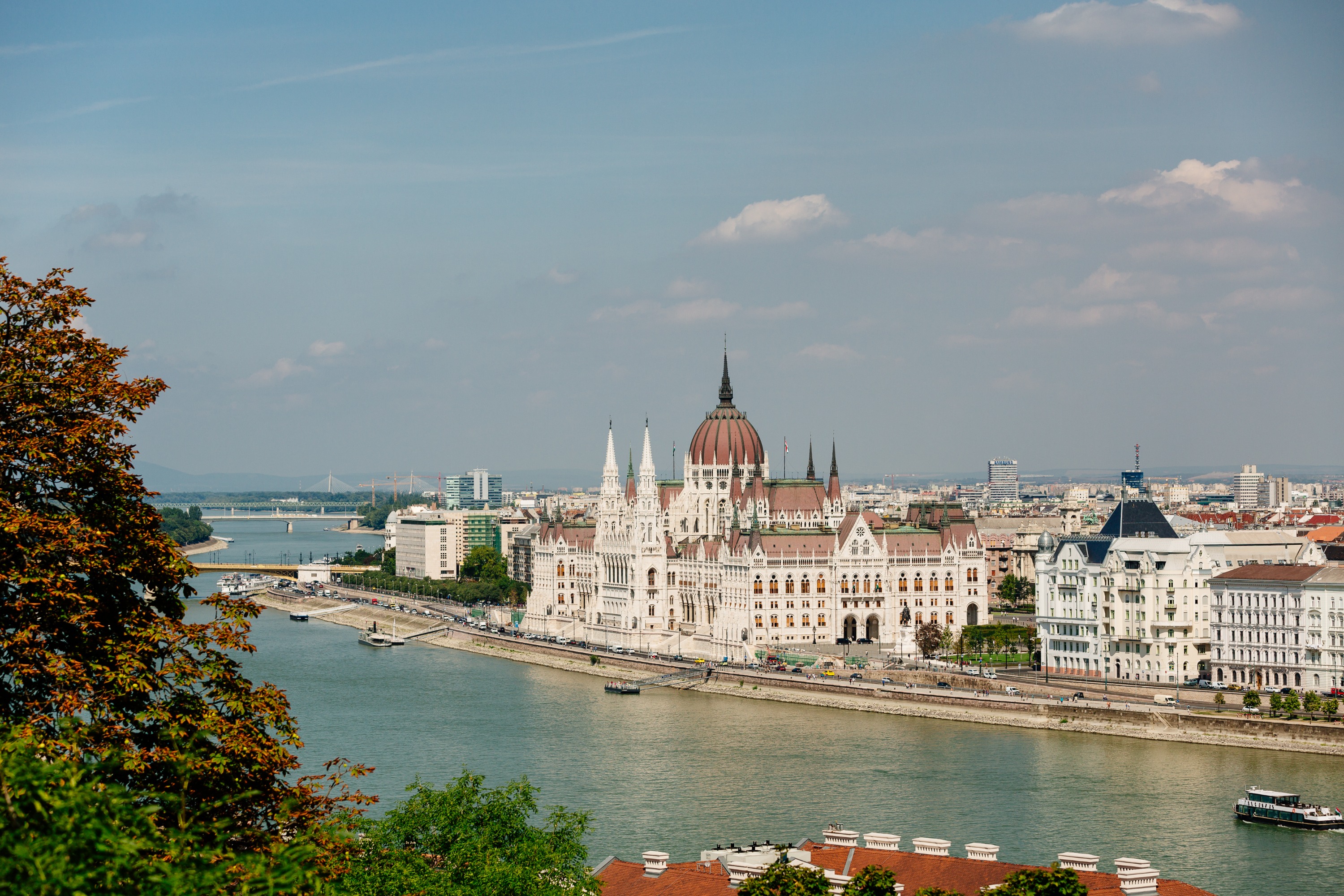
The Austrian Parliament Building, completed in 1883, is a grand structure on Vienna's Ringstraße. Designed in a Greek Revival style, it houses the National Council and Federal Council, the two chambers of the Austrian Parliament.
13
The Rose Garden is a beautiful public park in Vienna, Austria, known for its collection of over 300 different varieties of roses. It was created in 1903 and is a popular destination for tourists and locals alike.
14
Stop 14
Pass by
The Burgtheater, Austria's national theatre in Vienna, is a historic landmark renowned for its distinguished actors and classic productions. Established in 1741, it moved to its current location on the Ringstrasse in 1888. A symbol of Viennese culture, it continues to be a leading venue for German-language theatre.
15
Stop 15
Pass by
The Vienna City Hall, also known as the Rathaus, is a massive municipal building located in Vienna, Austria. It was built between 1872 and 1883 in a Neo-Gothic style.
Here are some more details about the Vienna City Hall:
• It is one of the largest municipal buildings in Europe, with a total floor area of over 200,000 square meters.
• It is home to the Vienna City Council, as well as the offices of the mayor and other city officials.
• It is a popular tourist attraction, and visitors can take tours of the building's interior.
• It is also a popular venue for concerts, conferences, and other events.
16
Stop 16
Pass by
The University of Vienna, founded in 1365, is one of the oldest and largest universities in Europe. It's a prestigious public research university with a rich history, offering a wide range of academic programs to a diverse student body.
17
Stop 17
Pass by
The Votive Church (Votivkirche) in Vienna, Austria, is a neo-Gothic masterpiece completed in 1879. Commissioned after a failed assassination attempt on Emperor Franz Joseph I, it stands as a symbol of thanksgiving and a prominent landmark, known for its intricate details and twin spires.
18
Stop 18
Pass by
The Sigmund Freud Museum in Vienna, located in his former residence, offers a glimpse into the life and work of the famed psychoanalyst. It showcases his personal belongings, original furniture, and explores the development of psychoanalysis. Freud lived and worked here from 1891 to 1938.
19
Am Hof is a historic square in Vienna, Austria, dating back to the Roman era. It was once the site of the Babenberg dukes' residence in the 12th century. Today, it's a vibrant space with the Baroque Kirche am Hof church, the Mariensäule (Marian Column), and various shops and restaurants.
20
The Scots Church (Schottenkirche) in Vienna, founded in the 12th century by Irish monks, is one of Vienna's oldest churches. While the original foundation dates back to around 1158, the current Baroque facade was completed much later. It's known for its rich history and beautiful architecture.
21
Stop 21
Pass by
Kunstforum Wien, established in 1989, is a renowned art museum in Vienna showcasing modern and contemporary art. It hosts temporary exhibitions of significant artists and movements, contributing to Vienna's vibrant art scene. It's known for its high-quality exhibitions and central location.
22
Palais Ferstel is a grand 19th-century mansion built between 1856 and 1860. It was designed by architect Heinrich Ferstel and is now used for events and a landmark cafe, once a hangout of Sigmund Freud & Trotsky.
Here are some snippets from user reviews about Palais Ferstel:
"Beautiful room and building, this venue offers an excellent dinner and music with classic dance."
23
Church Am Hof, located in Vienna's largest square, is a historic church with a Baroque facade and a Gothic interior. It was built in the 14th century and has served as a military church and the main church for the Croatian community in Vienna.
24
The Vienna Fire Service Museum, established in 1901 and located in the historic Central Fire Station, showcases the evolution of firefighting through a collection of historical equipment, uniforms, and documents.
25
Stop 25
Pass by
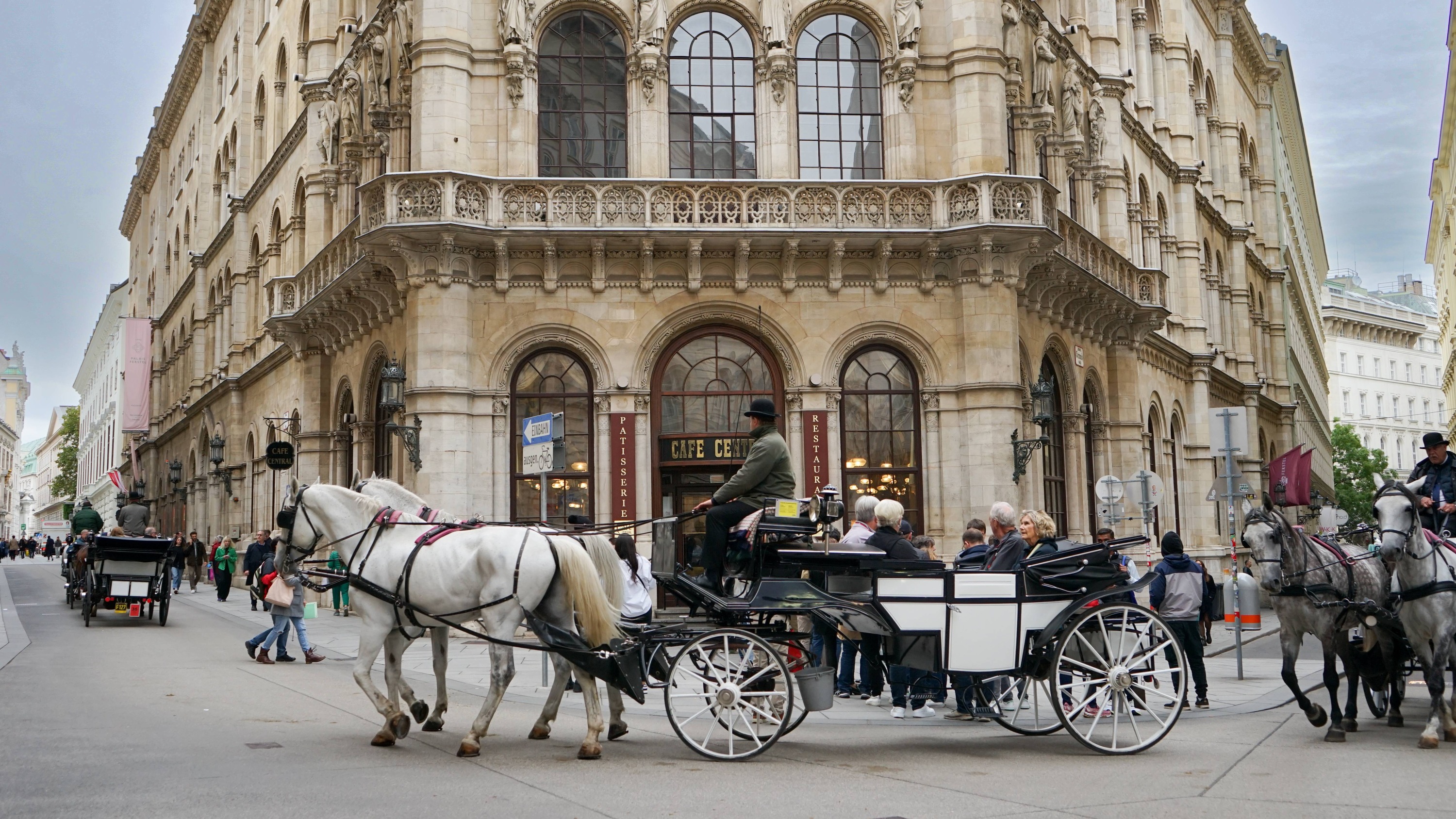
Café Central is a historic café in Vienna, Austria, established in 1876. It is known for its elegant interior, Viennese cuisine, and its association with famous historical figures such as Sigmund Freud and Leon Trotsky.
26
Stop 26
Pass by
The Federal Ministry of the Interior, established in 1848, is responsible for Austria's public safety, law enforcement, and various administrative matters. It oversees the police, manages citizenship and elections, and handles emergency services.
27
Stop 27
Pass by
The Federal Ministry of Education, Science and Research (BMBWF) is responsible for Austria's education system, from early childhood to higher education, and promotes scientific research and innovation. It supports universities and research institutions, fostering international cooperation in these fields.
28
The Wiener Minoritenkirche is a Gothic church in Vienna, Austria, built in the 13th century. It is known for its beautiful mosaic of Leonardo da Vinci's Last Supper. The church is also a popular tourist destination and is often included in Vienna city tours.
29
The Palais Daun-Kinsky is an early 18th-century Baroque palace located in Vienna, Austria. It is known for its ornate stucco work and beautiful paintings. The palace is currently used for private events.
30
The Federal Chancellery in Vienna, Austria, is the seat of the Austrian Federal Chancellor. The current building, a Baroque masterpiece, was completed in 1719. It has served as the center of Austrian political power since the First Austrian Republic in 1918.
31
Michaelerplatz, a historic square in Vienna, showcases a blend of architectural styles. The impressive Michaelertor gate (completed in 1893) leads into the Hofburg Palace complex. The square also features the Baroque St. Michael's Church (dating back to the 13th century) and the modernist Looshaus building (built in 1911).
32
Stop 32
Pass by
The Spanish Riding School in Vienna, established in 1572, showcases the Lipizzaner stallions' classical dressage. Performances in the Baroque Winter Riding School are a unique Viennese tradition.
33
The Austrian National Library, founded in the 14th century, is the largest library in Austria, housing millions of items. Located in Vienna, it boasts a stunning Baroque Hall and significant collections, including manuscripts, maps, and music.
34
Stop 34
Pass by
The Albertina, in Vienna, Austria, houses one of the world's largest print rooms. Founded in 1776, it boasts a vast collection of drawings, prints, photographs, and architectural works, from masters like Dürer to contemporary artists. It also features Habsburg staterooms and Modern art collections.
35
The Memorial Against Fascism, located in Vienna's Albertinaplatz, commemorates victims of Nazi terror. Created by Alfred Hrdlicka, it was unveiled in 1988, serving as a reminder of Austria's dark past and a call for peace
36
Stop 36
Pass by
The Vienna State Opera, opened in 1869, is a world-renowned opera house celebrated for its exquisite productions and rich history. It hosts over 50 operas and ballets each season, showcasing top international talent.
37
Stop 37
Pass by
Café Mozart, established in 1794, is a historic Viennese coffee house. It's known for its traditional Viennese cakes and dishes, including the popular apple strudel.
38
Stop 38
Pass by
The Hotel Sacher Wien is a luxury hotel located in Vienna, Austria. It was founded in 1876 by Eduard Sacher, the son of Franz Sacher, the inventor of the Sachertorte. The hotel is known for its elegant and historic atmosphere, as well as its world-famous Sachertorte.
39
Stop 39
Pass by
St. Stephen's Cathedral, Vienna's iconic Gothic cathedral, was primarily built between the 12th and 15th centuries, though its origins date back to the 12th century. Its towering spire and intricate details make it a symbol of the city.
40
Stop 40
Pass by
The Vienna Secession, formed in 1897, was an art movement where artists like Gustav Klimt broke away from traditional styles. Their iconic Secession Building, completed in 1898, became a symbol of this progressive movement, showcasing modern art and design.
41
Stop 41
Pass by
Founded in 1692, the Academy of Fine Arts Vienna is a renowned art school. It offers studies in fine arts, architecture, and art history. Many famous artists have studied there.
Adolf Hitler wanted to study at the Academy of Fine Arts Vienna, but he was rejected twice. He applied in 1907 and 1908, but his work was deemed insufficient. This rejection had a significant impact on Hitler's life and may have contributed to his later political career.
42
The Goethe Monument in Vienna honors Johann Wolfgang von Goethe (1749-1832), a literary giant. Created by Edmund Hellmer, it was unveiled in 1900. The seated bronze statue reflects Goethe's influence on German literature and thought
43
The Mozart Monument, unveiled in Vienna's Burggarten in 1896, honors Wolfgang Amadeus Mozart (1756-1791). This marble statue by Viktor Tilgner depicts the composer with a music stand, celebrating his genius and enduring legacy.
44
The Butterfly House in Vienna is a tropical oasis with hundreds of free-flying butterflies. It was established in 1998 and is located in the Hofburg Palace.
45
The Swiss Gate (Schweizertor) is a Renaissance-style gate built in 1552, forming part of the Hofburg Palace in Vienna. It's named after the Swiss Guards who once protected the palace and features the coat of arms of Emperor Ferdinand I.
Available languages
Audio guide
HI
AR
CMN
IT
FR
ES
Guide guide
DE
EN
Reviews breakdown
Viator
4.5
13 reviews
5★
9
4★
2
3★
2
2★
0
1★
0
Tripadvisor
4.9
14 reviews
5★
13
4★
0
3★
1
2★
0
1★
0
Important information
Wheelchair accessible
Service animals allowed
Public transportation options are available nearby
Infants are required to sit on an adult’s lap
Suitable for all physical fitness levels
Wheelchair access depending on size and weight. A standard foldable wheelchair is allow on all cars
Extra stool for Handicaps and elderly person
Meeting point
Go to the front of the ''Rose Garden'' Its opposite the Burgtheater. That our meeting point
Important notes
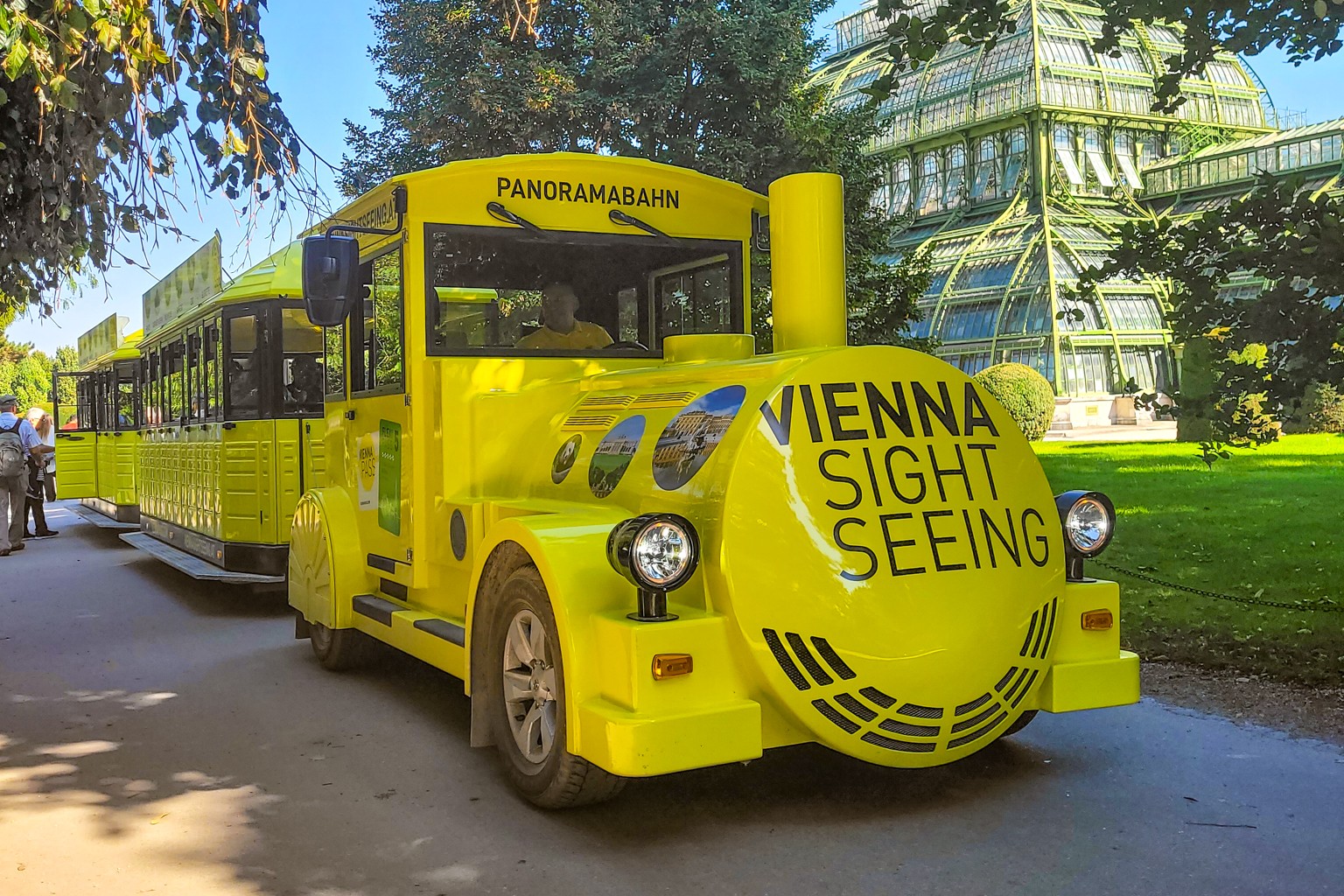
Look for any yellow e-Oldtimer car and present your ticket
About Vienna
Vienna, the capital of Austria, is renowned for its rich imperial history, vibrant arts scene, and stunning architecture. Known as the 'City of Music', it has been home to legendary composers like Mozart, Beethoven, and Strauss. The city's elegant cafes, grand palaces, and world-class museums make it a cultural treasure trove.
Top Attractions
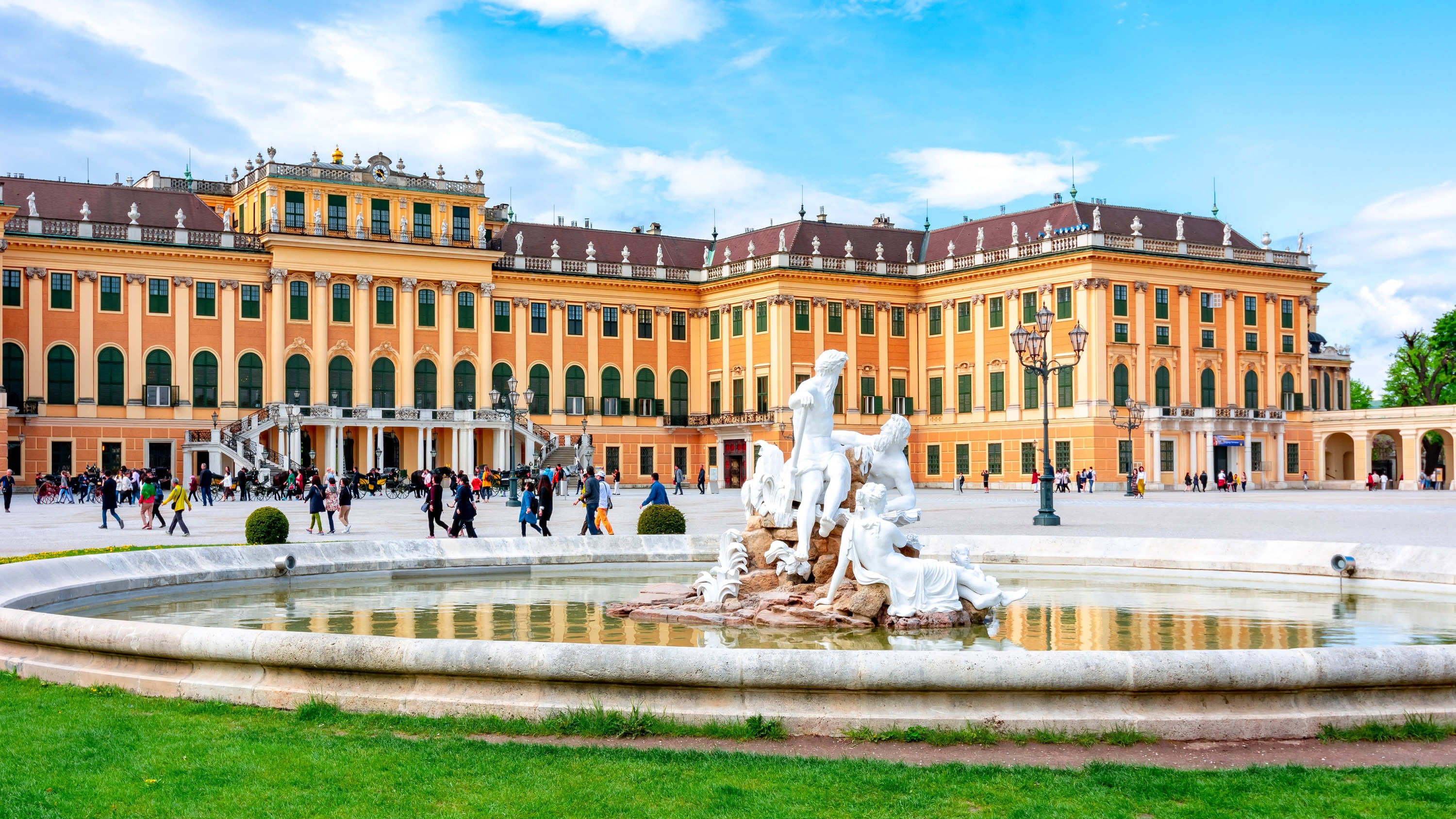
Schönbrunn Palace
A former imperial summer residence, Schönbrunn Palace is a stunning example of Baroque architecture. The palace and its gardens are a UNESCO World Heritage site.
Historical/Architecture
2-3 hours
€18 for Imperial Tour, €24 for Grand Tour
St. Stephen's Cathedral
A masterpiece of Gothic architecture, St. Stephen's Cathedral is a symbol of Vienna. The cathedral's multi-colored tile roof is iconic.
Religious/Architecture
1-2 hours
Free entry, €6 for tower climb, €7 for treasury
Belvedere Palace
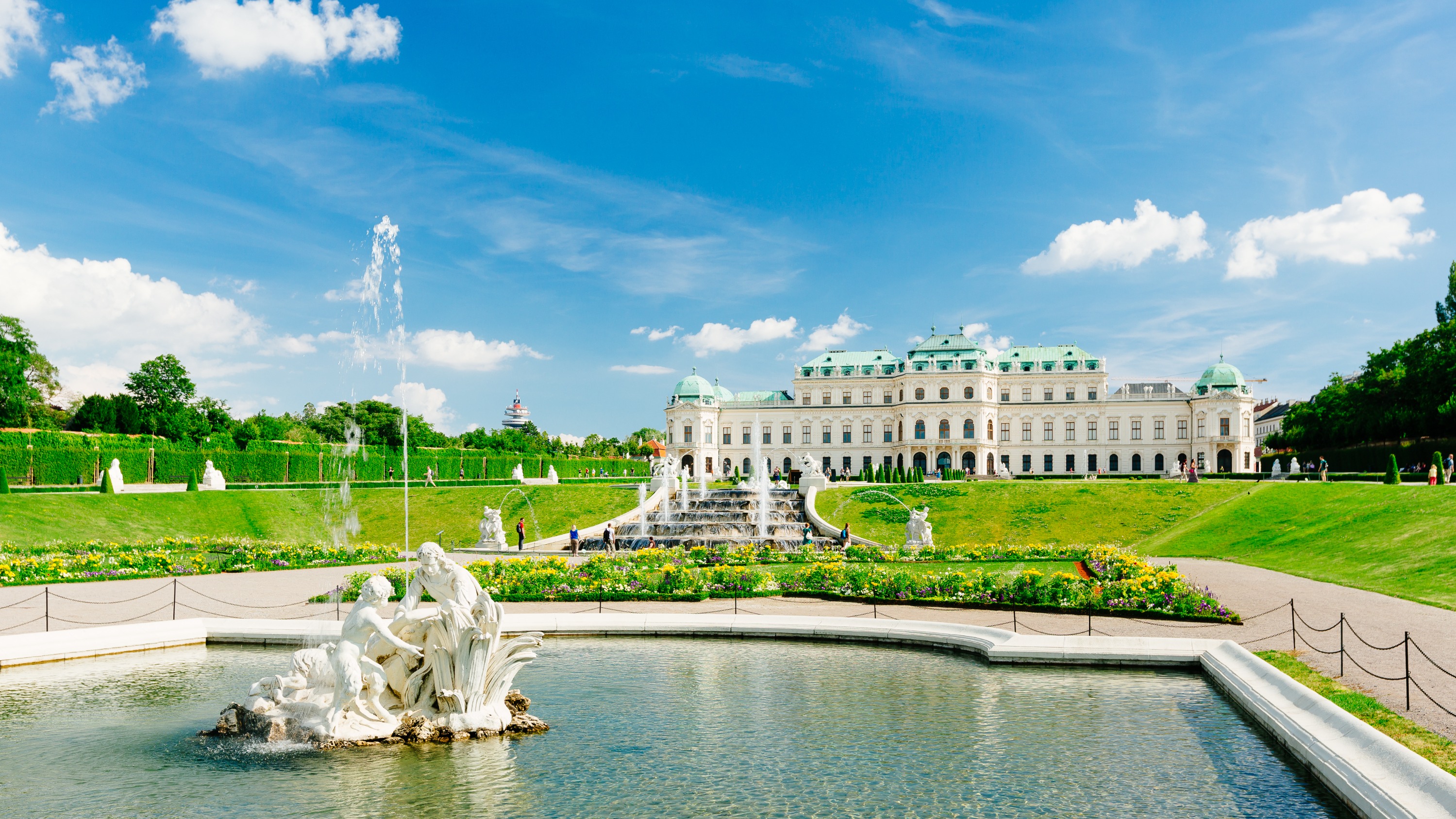
A historic building complex with two Baroque palaces, the Belvedere houses the largest collection of Gustav Klimt paintings, including 'The Kiss'.
Historical/Art/Museum
2-3 hours
€16 for Upper Belvedere, €14 for Lower Belvedere
Vienna State Opera
One of the world's leading opera houses, the Vienna State Opera offers performances of opera, ballet, and concerts.
Cultural/Entertainment
2-4 hours (performance length)
€10-200 depending on performance and seat
Hofburg Palace
The former imperial palace, Hofburg Palace is now home to several museums, the Austrian National Library, and the Spanish Riding School.
Historical/Museum
2-3 hours
€14 for Sisi Museum and Imperial Apartments, €20 for Silver Collection
Must-Try Local Dishes
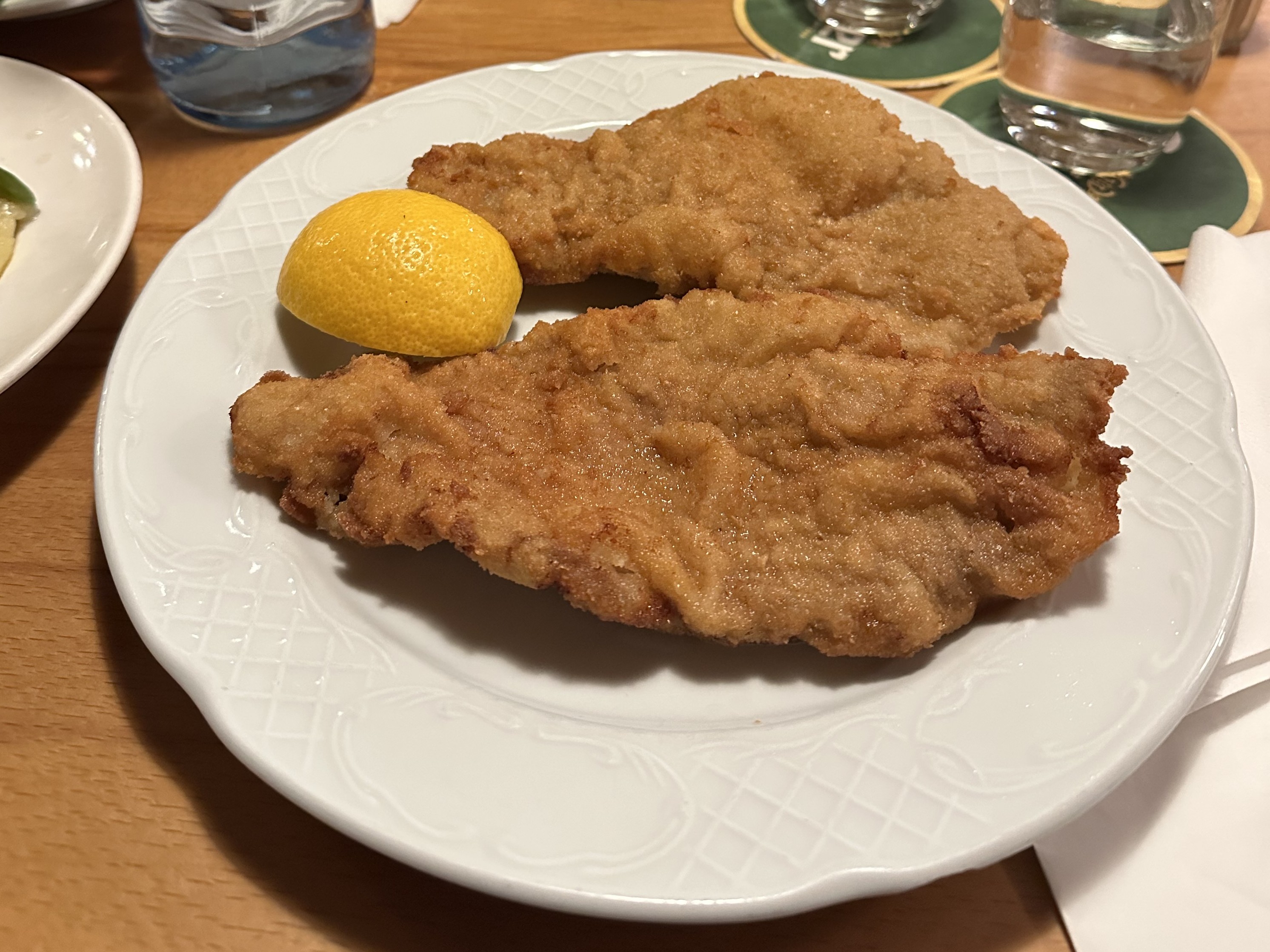
Wiener Schnitzel
A thin, breaded, and fried veal cutlet, traditionally served with lemon and potato salad or dumplings.
Dinner
Contains gluten and dairy
Tafelspitz
Boiled beef, usually served with root vegetables, apple sauce, and horseradish.
Dinner
Gluten-free, dairy-free
Sachertorte
A famous chocolate cake with a thin layer of apricot jam, covered in dark chocolate glaze.
Dessert
Contains gluten and dairy
Apfelstrudel
A thin pastry filled with spiced apples, raisins, and sugar, often served with vanilla sauce or ice cream.
Dessert
Contains gluten
Popular Activities
Hiking in the Vienna Woods
Cycling along the Danube
Kayaking on the Danube
Coffee house hopping
Spa day at a luxury hotel
Strolling through Schönbrunn Palace Gardens
Visiting museums and galleries
Attending opera or concert performances
Best Time to Visit
May to September
This is the best time to visit Vienna for pleasant weather and outdoor activities. The city hosts numerous festivals and cultural events during these months.
15°C to 30°C
59°F to 86°F
Practical Information
Language
- Official: German
- Widely spoken: English, Austro-Bavarian dialect
- English: Widely spoken in tourist areas, moderately spoken elsewhere
Currency
Euro (EUR)
Time Zone
GMT+1 (CET), GMT+2 (CEST during daylight saving time)
Electricity
230VV, 50HzHz
Safety Information
Overall Safety Rating: Generally safe
Vienna is a safe city with low crime rates. However, as with any major city, petty crime and pickpocketing can occur in tourist areas.
Important Precautions:
- • Keep valuables secure and out of sight
- • Use licensed taxis or ride-sharing apps
- • Be cautious of strangers offering help or services
Getting there
By air
- Vienna International Airport • 18 km from city center
By train
Vienna Hauptbahnhof (Main Station), Vienna Westbahnhof
By bus
Vienna International Bus Terminal, Erdberg Bus Station
Getting around
Public transport
Vienna's metro system is efficient and user-friendly, with four lines (U1, U2, U3, U4).
Taxis
Available • Apps: Bolt, FreeNow
Rentals
Car, Bike, Scooter
Neighborhoods
Innere Stadt
Leopoldstadt
Wieden
Hietzing
Day trips
Bratislava
80 km (50 miles) • Full day
The capital of Slovakia, Bratislava is a charming city with a rich history, beautiful architecture, and a vibrant cultural scene.
Salzburg
300 km (186 miles) • Full day or overnight
The birthplace of Mozart, Salzburg is a beautiful city with a rich musical heritage, stunning architecture, and scenic surroundings.
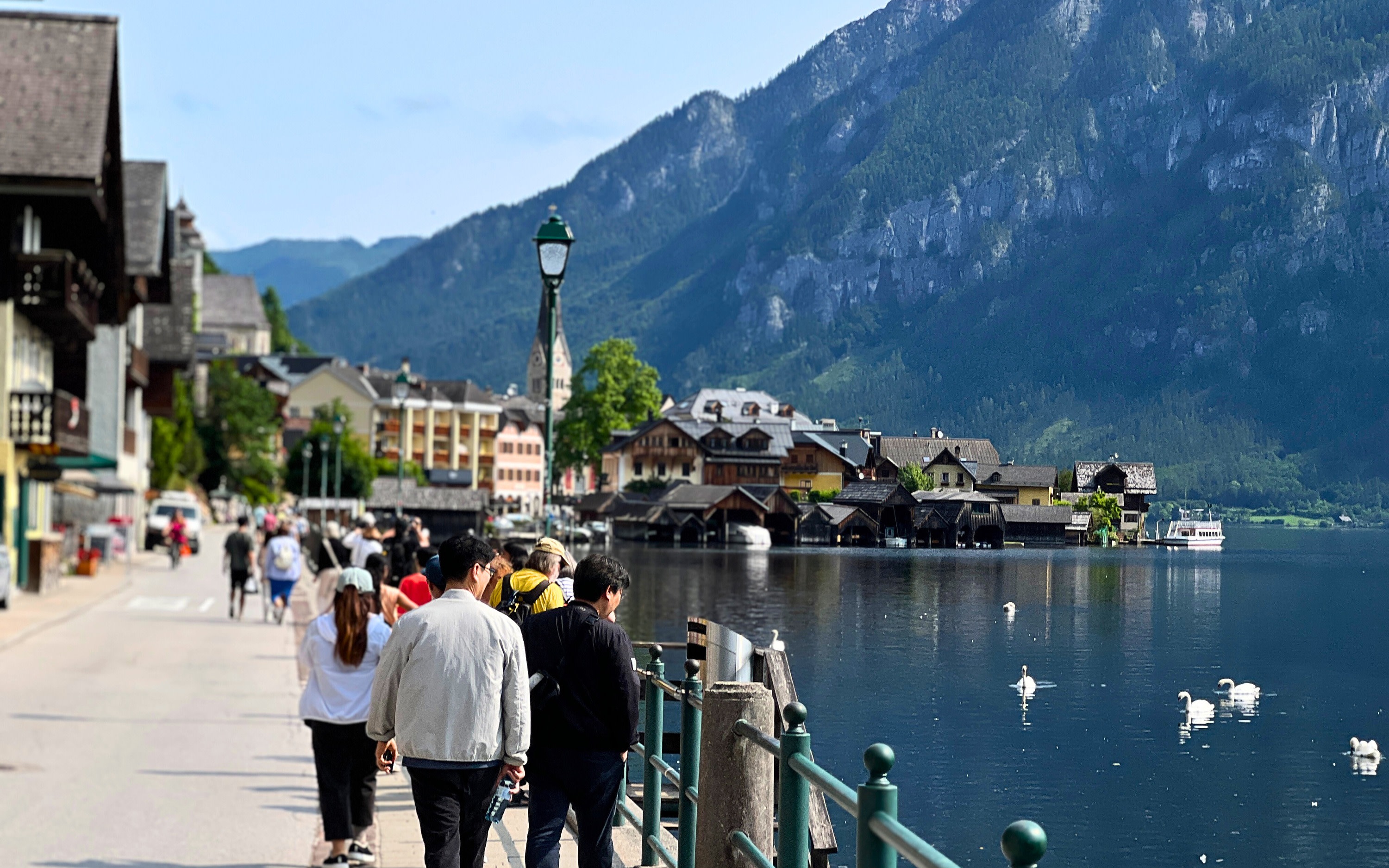
Hallstatt
200 km (124 miles) • Full day or overnight
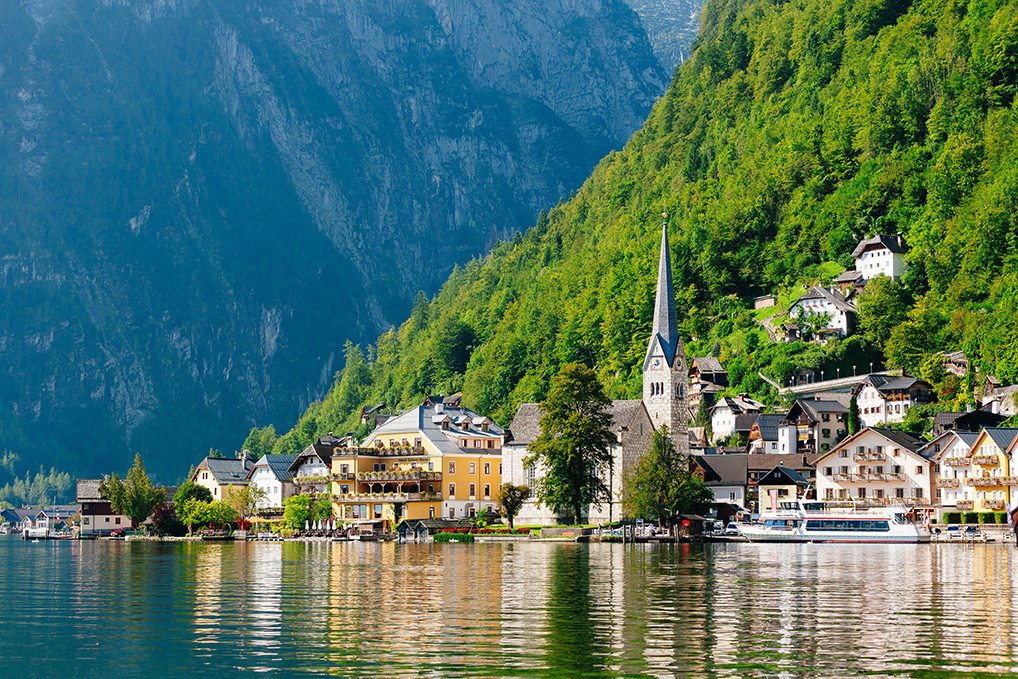
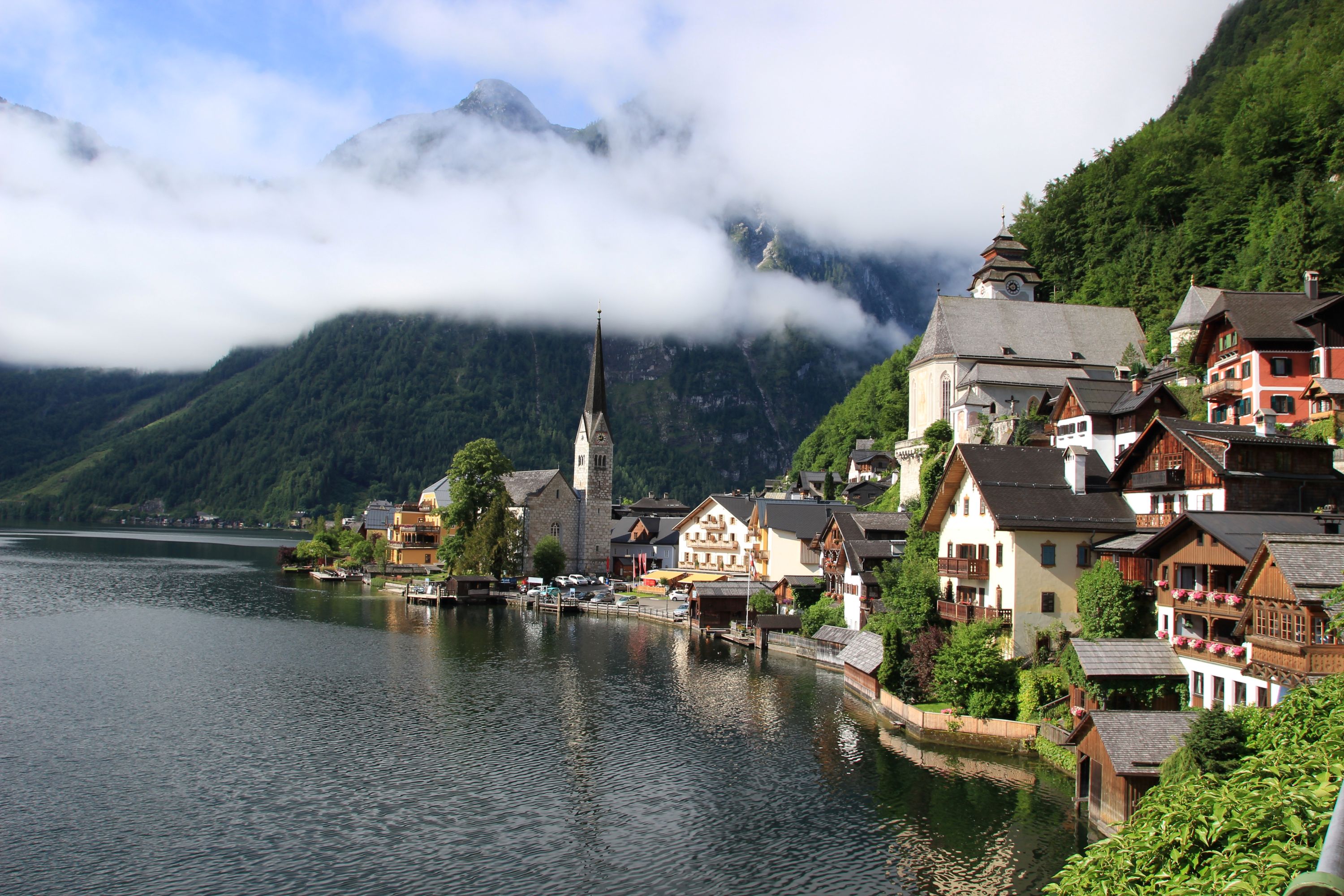
A picturesque lakeside village in the Austrian Alps, Hallstatt is known for its stunning natural beauty and historic salt mines.
Festivals
Vienna Festival (Wiener Festwochen) • May to June
Vienna Opera Ball (Wiener Opernball) • Late February or early March
Vienna Christmas Markets (Wiener Christkindlmarkt) • Late November to December 26
Pro tips
- Visit major attractions early in the morning or late in the afternoon to avoid crowds
- Purchase a Vienna Pass for unlimited transport and attractions, saving time and money
- Explore the city's coffee house culture and try traditional pastries like Sachertorte and Apfelstrudel
- Take a day trip to nearby cities like Bratislava or Salzburg for a change of pace
- Use public transport or walk to explore the city, as driving can be challenging and expensive
From $25
per person
Price varies by option
Secure booking
Free cancellation available
Instant confirmation