Rome Tiber River Ride and Top Food Tasting with Wine Pairing
Active
1h - 2h
For a full refund, cancel at least 24 hours before the scheduled departure time.
Instant_then_manual confirmation
Mobile or paper ticket accepted
About this experience
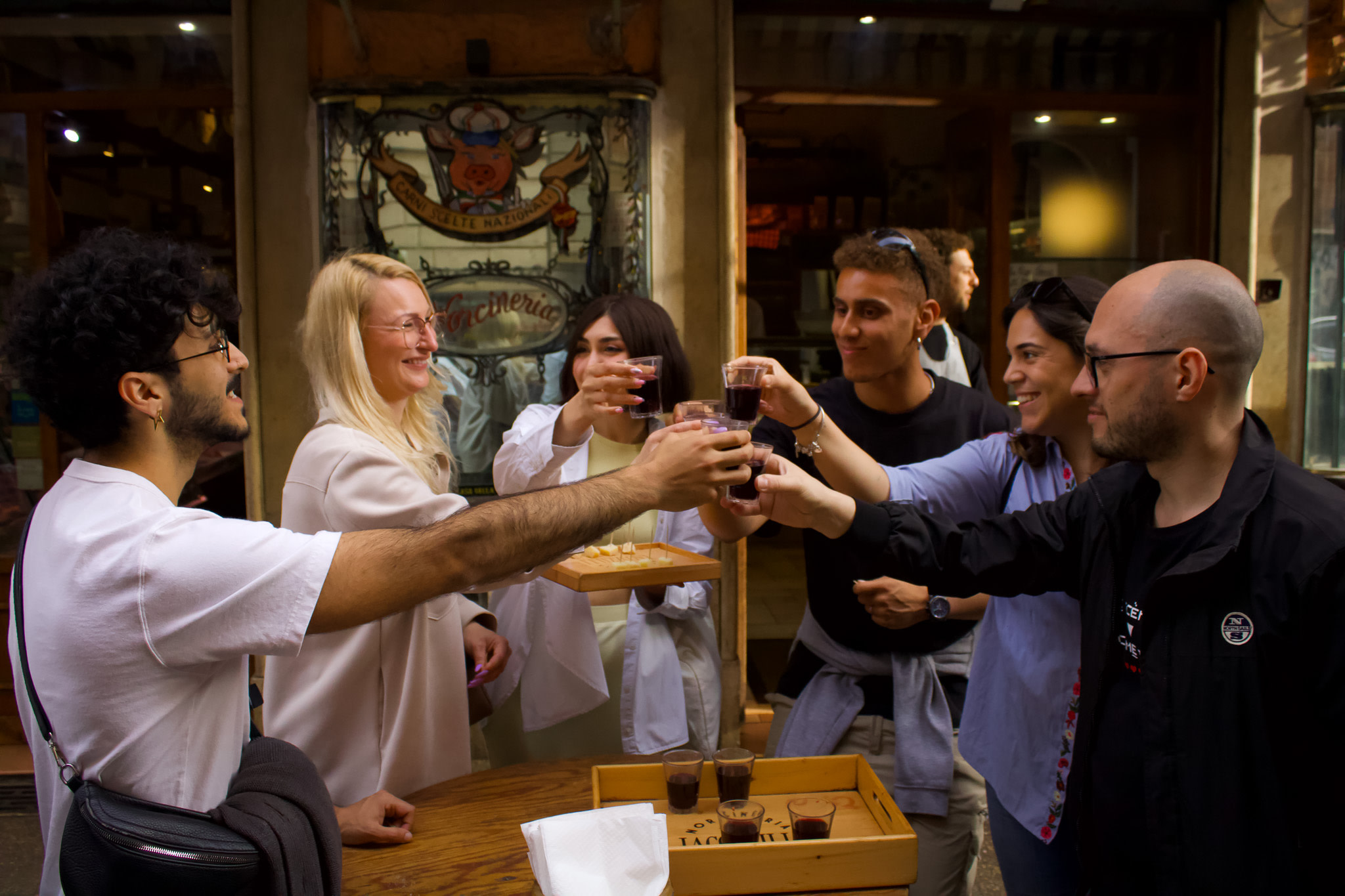
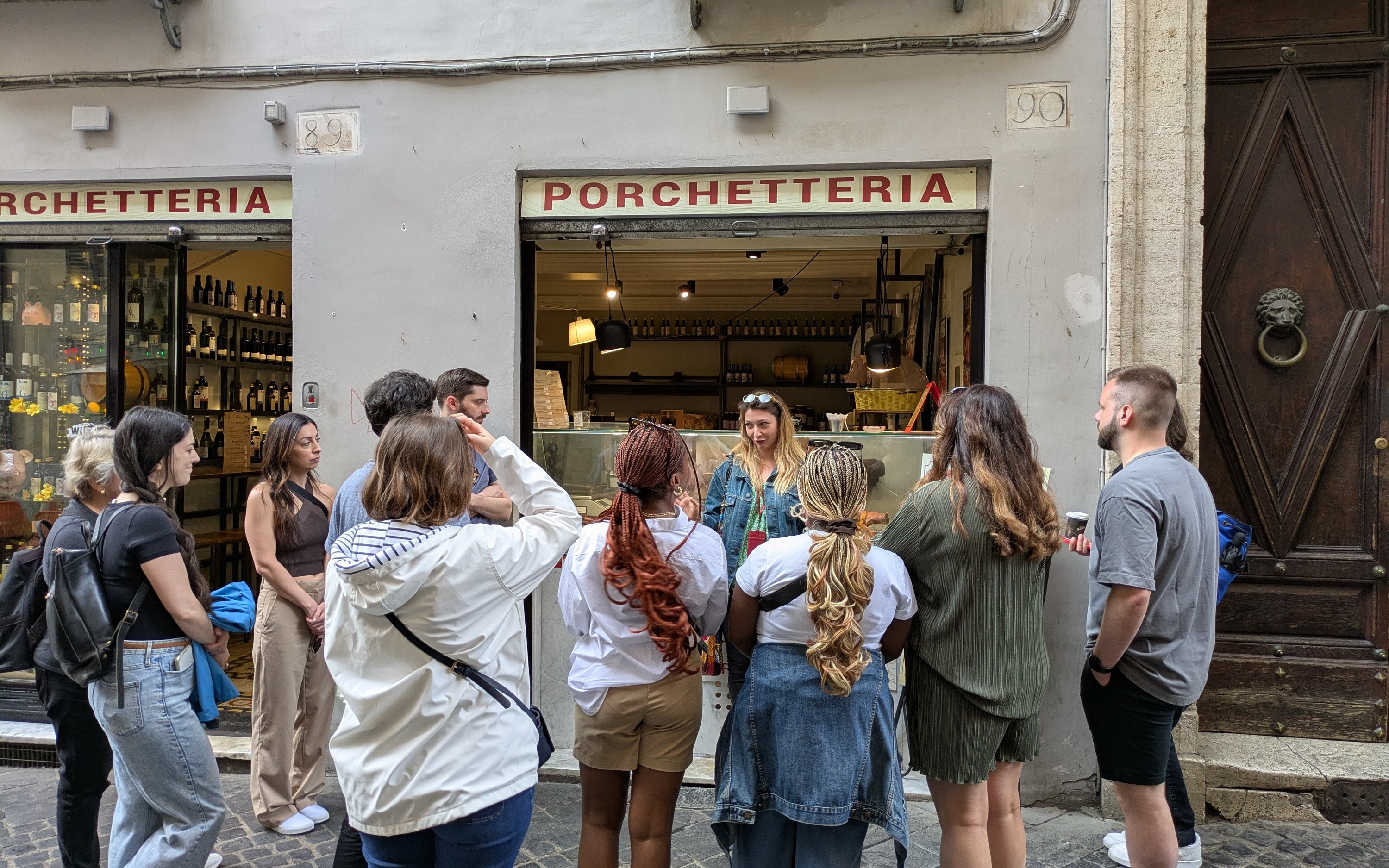
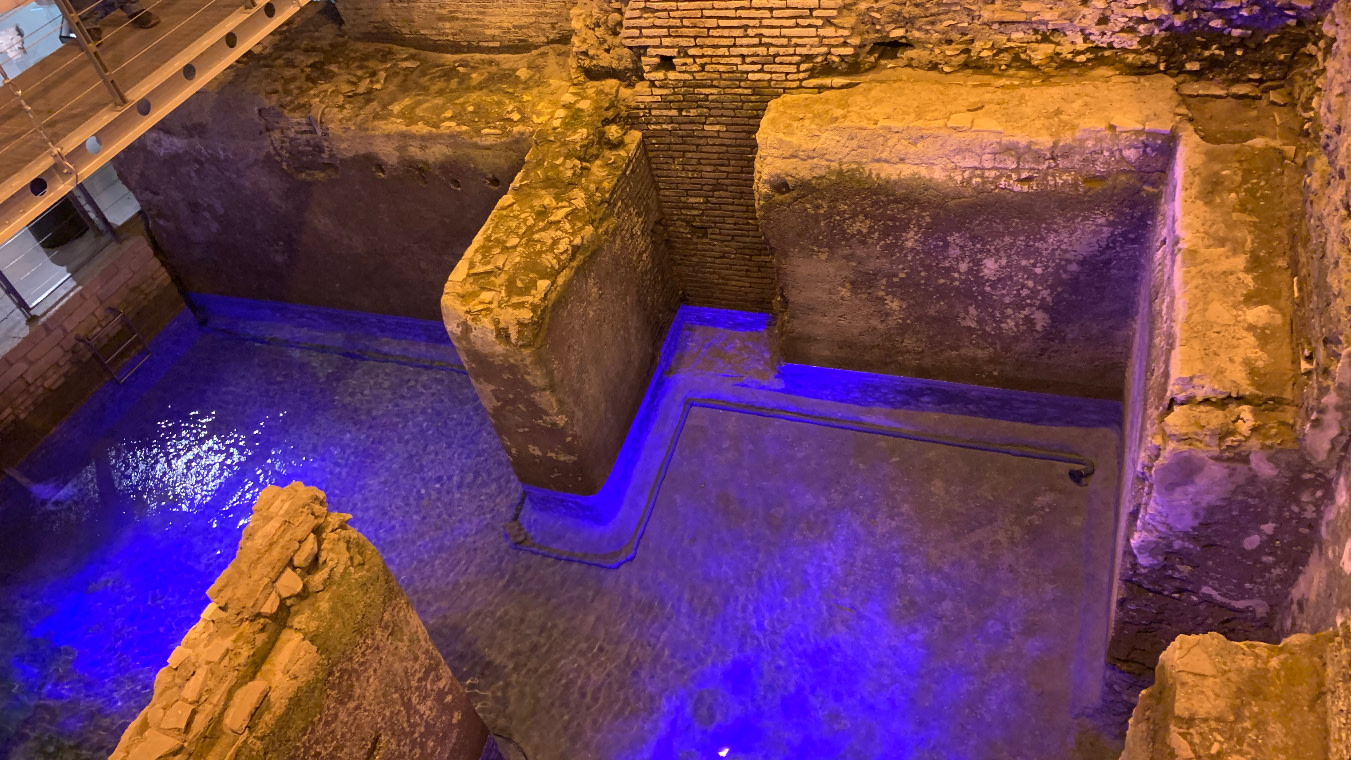
Rome Boat Tiber River Hop On Hop Off ride, including an Exclusive Food Tasting and wine pairing in a Roman cistern from the 1st century AD. Discover the most secret wine cellar in the heart of Trastevere, in an authentic Roman cistern from the 1st cent. AD. Enjoy some traditional Italian delicacies paired with a selection of excellent wines.
Take a Hop On Hop Off cruise on the Tiber River, and let yourself be cradled and experience a moment, immersing yourself in the tranquility that this place can give you. Once on board, head towards the Tiber Island from Castel Sant'Angelo. You will cross the historic center of Rome and admire some monuments and iconic places of the eternal city from a privileged and unique point of view. Once you reach Fabullus Winery, live and share an experience in which food and wine balance each other in a perfect combination of tastes.
The menu includes seasonal products all Slow Food* presidium certified by the DOC DOCG IGT, DOP, IGP, and STG brands.
Available options
Classic Food+Wine pairing ONLY
ONLY FOOD TASTING WITH WINE PAIRING AT FABULLUS WINE CELLAR Via dell'Arco di San Calisto, 20, NOT RIVER RIDE INCLUDED<br/>CLASSIC MENU+Wine pairing ONLY: This experience can last between 60 and 75 minutes. Only food tasting with wine pairing. NOT RIVER BOAT RIDE INCLUDED<br/>Duration: 1 hour: This experience can last between 60 and 75 minutes. Only food tasting with wine pairing. NOT RIVER BOAT RIDE INCLUDED<br/>Classic Food+Wine pairing ONLY: ONLY FOOD TASTING WITH WINE PAIRING AT FABULLUS WINE CELLAR Via dell'Arco di San Calisto, 20, NOT RIVER RIDE INCLUDED<br/>Classic Food+Wine pairing ONLY: ONLY FOOD TASTING WITH WINE PAIRING AT FABULLUS WINE CELLAR Via dell'Arco di San Calisto, 20, NOT RIVER RIDE INCLUDED<br/>Classic Food+Wine pairing ONLY: ONLY FOOD TASTING WITH WINE PAIRING AT FABULLUS WINE CELLAR Via dell'Arco di San Calisto, 20, NOT RIVER RIDE INCLUDED
DELUXE MENU FOOD+WINE ONLY
ONLY FOOD TASTING WITH WINE PAIRING AT FABULLUS WINE CELLAR Via dell'Arco di San Calisto, 20, NOT RIVER RIDE INCLUDED<br/>DELUXE MENU FOOD+WINE ONLY: THIS OPTION DOES NOT INCLUDE THE RIVER BOAT TICKET BUT ONLY THE FOOD-TASTING EXPERIENCE<br/>DELUXE MENU FOOD+WINE ONLY: ONLY FOOD TASTING WITH WINE PAIRING AT FABULLUS WINE CELLAR Via dell'Arco di San Calisto, 20, NOT RIVER RIDE INCLUDED<br/>Duration: 1 hour 15 minutes: This experience can last between 75 and 90 minutes. ONLY FOOD TASTING WITH WINE PAIRING, NOT RIVER RIDE INCLUDED<br/>DELUXE MENU TASTING: With this menu, you will enjoy a food tasting with 4 top-quality wines, "Riserva Special "+ prosecco. NOT RIVER RIDE INCLUDED<br/>DELUXE MENU FOOD+WINE ONLY: ONLY FOOD TASTING WITH WINE PAIRING AT FABULLUS WINE CELLAR Via dell'Arco di San Calisto, 20, NOT RIVER RIDE INCLUDED<br/>DELUXE MENU FOOD+WINE ONLY: ONLY FOOD TASTING WITH WINE PAIRING AT FABULLUS WINE CELLAR Via dell'Arco di San Calisto, 20, NOT RIVER RIDE INCLUDED
Rome Tiber River Cruise and Top Food Tasting with Wine Pairing
FOOD WINE TASTING + RIVER BOAT: WITH THIS OPTION IT'S INCLUDED A FOOD TASTING WITH WINE PAIRING + RIVER BOAT TICKETS<br/>Duration: 1 hour 15 minutes: THE DURATION MAY VARY BETWEEN 60/80 MINUTES<br/>FOOD/WINE TASTING: Prosecco, a selection of N. 4 Superior Wines N. 1 Prosecco, typical slow-food Italian cheeses, cured meat, and much more...<br/>STARTING TIME: The time chosen on these following times, 11:00/13:00/15:00/17:00, or 19:00 is the starting time for the Wine/Food experience<br/>River Boat Embarkation Point: Pier St. Angelo Bridge, Piazza di Ponte Sant'Angelo,
Food tasting at Fabullus Wine cellar Via dell'arco di San Calisto, 20
DELUXE TASTING + RIVER BOAT
DELUXE TASTING: With this option, the wines included in the Menu are Brunello di Montalcino, Amarone, Barolo, and Asprinio.<br/>SPECIAL RESERVE WINES: With this option, the wines included in the Menu are Brunello di Montalcino, Amarone, Barolo, and Asprinio.<br/>Duration: 2 hours 30 minutes: The duration may vary<br/>STARTING TIME: The time chosen on these following times, 11:00/13:00/15:00/17:00, or 19:00 is the starting time for the Wine/Food experience<br/>River Boat Embarkation Point: Pier St. Angelo Bridge, Piazza di Ponte Sant'Angelo,
Food tasting at Fabullus Wine cellar Via dell'arco di San Calisto, 20
What's included
24-Hour Ticket to the hop-on, hop-off Tiber River boat
Presentation and explanation by our expert staff
1 Glass of Prosecco, 4 Glasses (2 White & 2 Red) Superior Italian wines selected by our Expert staff
4 types of olive 3 qualities of bread Extra virgin olive oil Roman Pizza (Focaccia)
Water or soft drinks at Fabullus Wine Cellar
Honey and jams to pair with cheeses Ice Cream/Tiramisù (or other Italian Typical Dessert) & Coffee
Mortadella with pistachio, buffalo mozzarella, ricotta, fresh vegetables or in oil or vinegar, etc.)
3-course tasting (Selection of fresh and mature cheeses, various types of cured meats, ham)
Detailed itinerary
1
Stop 1
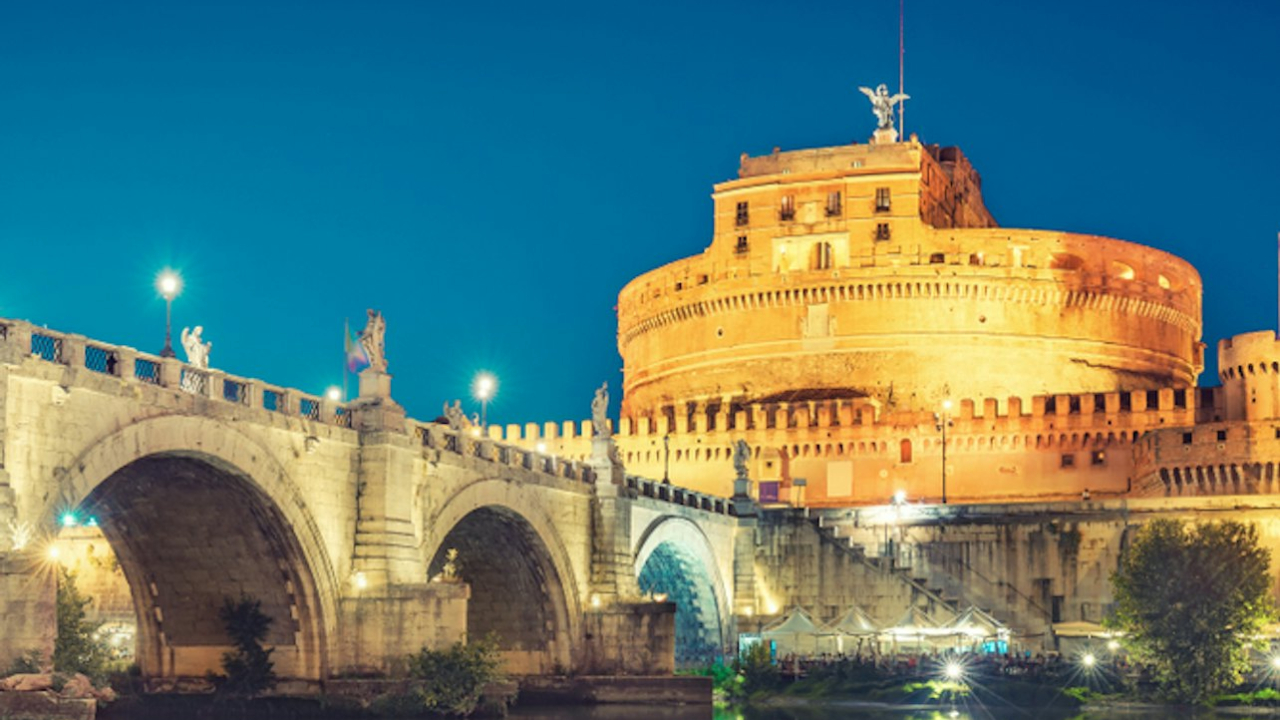
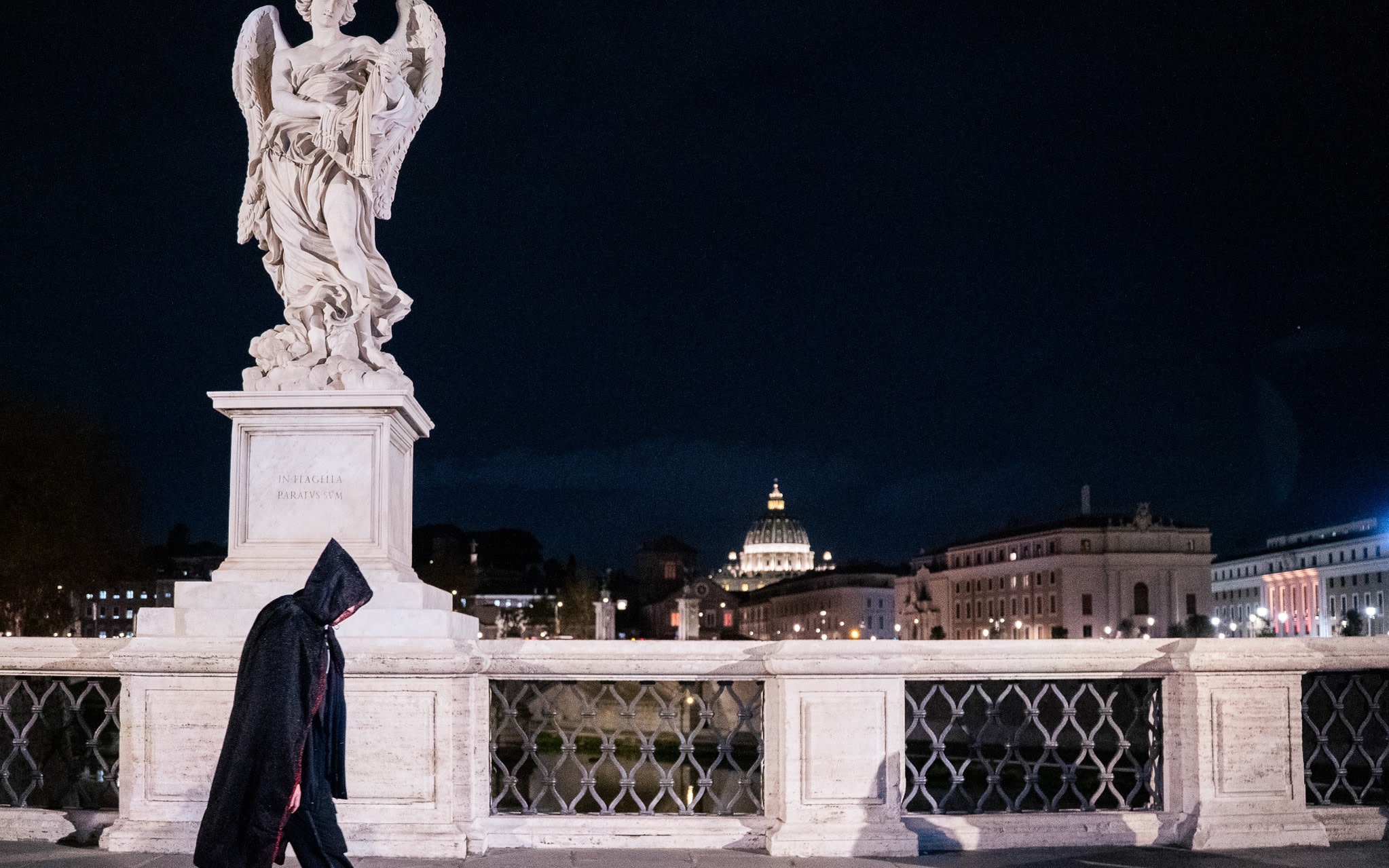
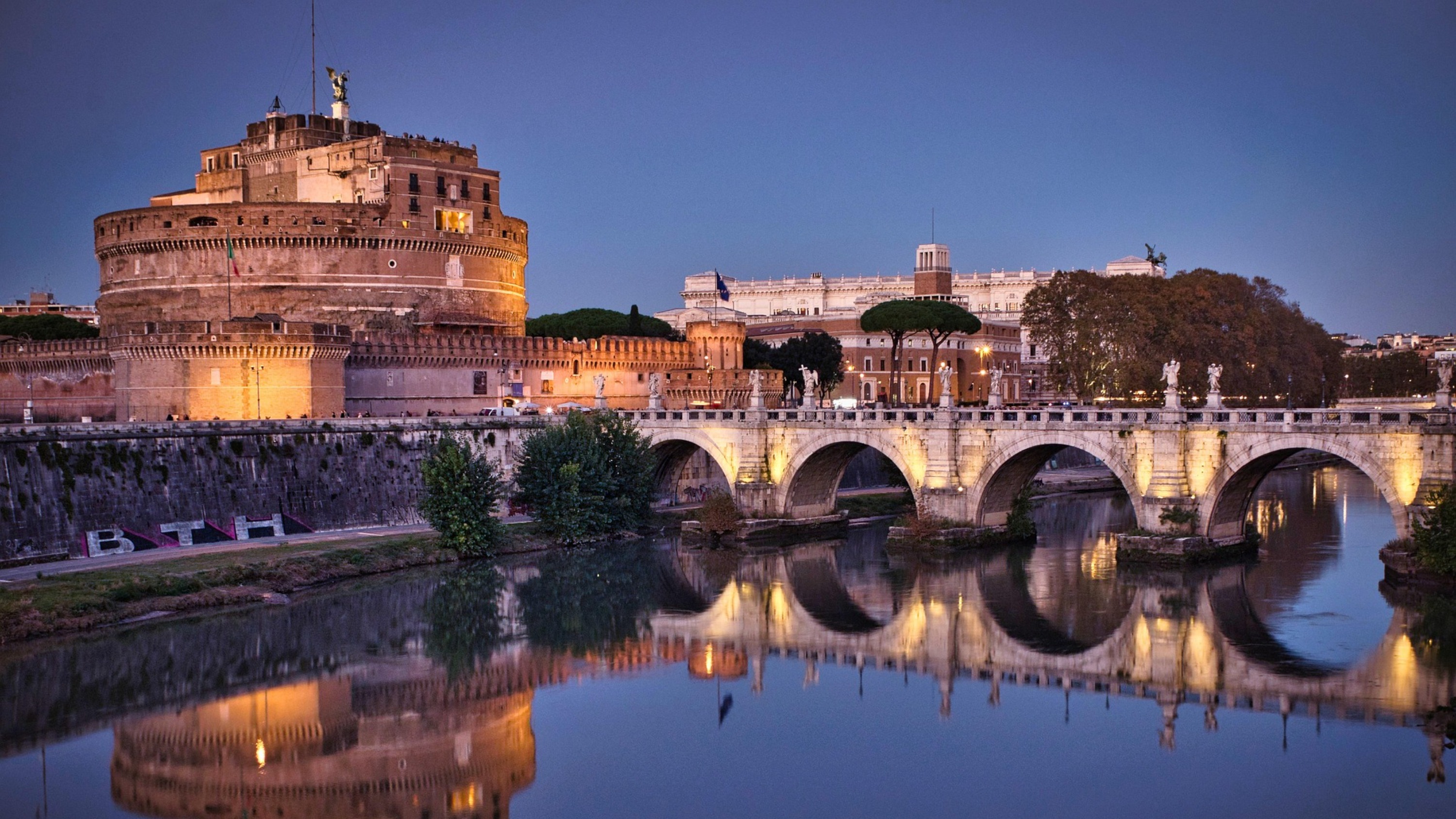
FIRST EMBARKATION POINT SUGGESTED ! Ponte Sant'Angelo, also known as Pons Aelius (Helios Bridge), Pons Hadriani (Hadrian's Bridge), or Castello Bridge, is a bridge that connects Piazza di Ponte Sant'Angelo to the Vatican Lungotevere in Rome, in the Ponte and Borgo districts.
It was built in Rome in 134 by the emperor Hadrian, designed by a certain Demetrianus, to connect his mausoleum to the left bank.
It was built in peperino and covered in travertine and had three arches, which were accessed via ramps from the shore. The ramps were in turn supported by three smaller arches on the left bank and two on the right bank, leading towards Hadrian's mausoleum, which were destroyed during the 1893 construction of the river banks and replaced by modern arches. The street level had high sidewalks on the sides equipped with travertine balustrades.
2
Stop 2
Tutto ha inizio nel 135 d.C. quando l'imperatore Adriano chiede all'architetto Demetriano di costruire un mausoleo funebre per sé e i suoi familiari, ispirandosi al modello del mausoleo di Augusto, ma con dimensioni gigantesche. I lavori durarono diversi anni e furono ultimati da Antonino Pio nel 139. Venne costruito di fronte al Campo Marzio, al quale fu unito da un ponte appositamente costruito, il Ponte Elio. Il mausoleo era composto da una base cubica, rivestita in marmo lunense, avente un fregio decorativo a teste di buoi (Bucrani) e lesene angolari. Nel fregio prospiciente il fiume si leggevano i nomi degli imperatori sepolti all'interno. Sempre su questo lato si presentava l'arco d'ingresso intitolato ad Adriano; il dromos (passaggio d'accesso) era interamente rivestito di marmo giallo antico.
3
Stop 3
Pass by
The Papal Basilica of Saint Peter in the Vatican, or simply Saint Peter's Basilica is a church of the Italian High Renaissance located in Vatican City. It was initially planned in the 15th century by Pope Nicholas V and then Pope Julius II to replace the ageing Old St. Peter's Basilica, which was built in the fourth century by Roman emperor Constantine the Great. Construction of the present basilica began on 18 April 1506 and was completed on 18 November 1626.
Designed principally by Donato Bramante, Michelangelo, and Carlo Maderno, with piazza and fittings by Gian Lorenzo Bernini, St. Peter's is one of the most renowned works of Italian Renaissance architecture and is the largest church in the world by interior measure. While it is neither the mother church of the Catholic Church nor the cathedral of the Diocese of Rome, St. Peter's is regarded as one of the holiest Catholic shrines. It has been described as "holding a unique position in the Christian world",and as "the greatest
4
Built to a design by the architect Ennio De Rossi in 1886, it was called the Vittorio Emanuele bridge when it had not yet been built[3]. The works were soon interrupted and resumed only in 1908 and inaugurated for the first time on 5 May 1911, on the occasion of the fiftieth anniversary of the Unification of Italy, then again on 28 April 1912, with the definitive installation of the travertine groups[4].
It has three arches for a length of 110 m and is decorated at the ends by high bases with winged Victories and, in correspondence with the central pylons, by symbolic sculptural groups, whose technical design was carried out by the Allegri company. The bronze Victories are the work of the sculptors Elmo Palazzi, Luigi Casadio, Amleto Cataldi and Francesco Pifferetti. The sculptural groups were created (and inaugurated) in travertine the following year by Giuseppe Romagnoli for La fidelity to the Statute (after the battle of Novara, 1849); Italo Griselli for Il Valore Militare (the ....
5
Ponte Principe Amedeo Savoia Aosta, also known as Principe bridge or PASA bridge from its acronym, is a bridge that connects the Lungotevere dei Sangallo to Piazza Della Rovere, in Rome, in the Ponte, Trastevere and Borgo districts.
6
Stop 6
Pass by
At the time of the foundation of Rome, the Trastevere area was a hostile land that belonged to the Etruscans of Veii (litus tuscus or ripa veiens), disputed with the newborn city because it was strategic for the control of the river, the ford of the Tiber island and the ancient river port. It was then connected with the rest of the city via the Sublicius pons, from which the Via Campana started towards the salt pans on the Tyrrhenian Sea and later the Via Aurelia towards the Etruscan cities.
In the Republican era it was populated by those workers whose activities were linked to the river, such as sailors and fishermen, together with oriental immigrants, mainly Jews and Syrians. For this reason, some temples of oriental cults arose in the area, including the so-called Syriac Sanctuary on the Janiculum.
The consideration of the area as part of the city begins with the emperor Augustus, who divided the territory of Rome into 14 regions; ....
7
Since the royal era, the area was consecrated to the god Mars, and used for military exercises. It is said that here, near the Palus Caprae, the first king of Rome, Romulus, was taken to heaven.[1] Tarquinius the Proud took it over and had it cultivated for wheat. According to a legend, during the revolt that caused the king's expulsion, the sheaves of that wheat were thrown into the river, giving rise to the Tiber Island. With the beginning of the Republican era, the Campus Martius returned to a public area and was reconsecrated to the god. It was the seat of the comitia centuriata, assemblies of the people in arms.
The southernmost part of the plain, starting from the slopes of the Capitoline Hill (where the remains of the Theater of Marcellus and the portico of Ottavia are currently visible) was distinct from the actual Campus Martius, with the toponym of Circo Flaminio. The area was crossed by the Via Flaminia, the urban part of which took the name of Via Lata (now Via del Corso.
8
Stop 8
Pass by
The Promenade of the Janiculum, from which you can enjoy one of the most evocative views of the historic center of Rome, is made up of two large avenues lined with plane trees, bordering the Villa Aurelia, which meet in Piazzale Garibaldi. They then continue along a single road that winds down towards the church of Sant'Onofrio, built to complete the Walk in 1939.
The area, theater of the heroic events of the fighters for the Roman Republic in 1849, was transformed in 1883 by the new Italian institutions into a public promenade and dedicated to the memory of the Defense of Rome.
At the edges of the avenues there are 84 busts of the illustrious Garibaldians who fought for the defense of Rome in 1849. Among the main monuments are the equestrian statue of Emilio Gallori dedicated to Giuseppe Garibaldi and the equestrian monument to Anita Garibaldi created by Mario Rutelli in 1930s and the lighthouse donated to the city by the Italians of Argentina on the occasion of the fiftieth ...
9
Stop 9
The bridge was built by Pope Sixtus IV between 1473 and 1479 to allow the crossing of the Tiber on the site of an older Roman bridge. It connects the two banks of the river between via del Pettinari and piazza Trilussa.
A first bridge was built by Agrippa, friend and son-in-law of the emperor Augustus before his death in 12 BC, probably to connect his properties on the opposite banks of the Tiber. The existence of this bridge is attested by the inscription on a stone of the magistrates who dealt with the river (curatores Tiberis) discovered in 1887, which speaks of works on the bridge at the time of Emperor Claudius. The bridge was initially identified with the remains of pylons visible in the river downstream of Ponte Sisto, which instead probably belong to a late fortification of the river.
10
The Pons Fabricius (Italian: Ponte Fabricio, "Fabrician Bridge") or Ponte dei Quattro Capi, is the oldest Roman bridge in Rome, Italy, still existing in its original state.[1] Built in 62 BC, it spans half of the Tiber River, from the Campus Martius on the east side to Tiber Island in the middle (the Pons Cestius is west of the island). Quattro Capi ("four heads") refers to the two marble pillars of the two-faced Janus herms on the parapet, which were moved here from the nearby Church of St Gregory (Monte Savello) in the 14th century.
According to Dio Cassius, the bridge was built in 62 BC, the year after Cicero was consulted, to replace an earlier wooden bridge destroyed by fire. It was commissioned by Lucius Fabricius, the curator of the roads and a member of the gens Fabricia of Rome. Completely intact from Roman antiquity, it has been in continuous use ever since.
11
The Pons Cestius (Latin for the "Cestian Bridge"; Italian: Ponte Cestio) is an ancient Roman bridge connecting the right bank of the Tiber with the west bank of Tiber Island in Rome, Italy. In Late Antiquity, the bridge was replaced and renamed the Pons Gratiani ("Bridge of Gratian"). It is also known as Ponte San Bartolomeo (Italian for "Bridge of St Bartholomew"). No more than one-third of the present stone bridge is of ancient material, as it was entirely rebuilt and extended in the 19th century after numerous earlier restorations.
The original bridge was built around the 1st century BC (sometime between 62 and 27 BC),[citation needed] after the Pons Fabricius, which connects the other side of the island to the river's left bank. The identity of the Cestius referred to in the bridge's name has yet to be discovered. He may have been responsible for building the bridge or for later restoring an existing one and may have been a member of the gens Cestia during the later Roman Republic.
12
Stop 12
RECOMMENDED DISEMBARKATION POINT TO REACH FABULLUS WINE CELLAR: TIBER ISLAND
Disembarking at this stop is ideal, as it places you just 500 meters from the Fabullus Wine Cellar in Trastevere — a short and pleasant walk through one of Rome’s most charming neighborhoods.
Tiber Island is the only natural island in the stretch of the Tiber River that runs through the city of Rome. Located at a southern bend of the river, it is easily recognizable by its distinctive boat-like shape.
Since ancient times, the island has been connected to both riverbanks by bridges. Due to its historical association with healing and medicine, it was once the site of the Temple of Asclepius, the Greek god of medicine. This legacy continues with the Fatebenefratelli Hospital, established in the 16th century, and the Church of San Bartolomeo all’Isola, built in the 10th century, both of which are still located on the island today.
13
Stop 13
DISCOVER THE MOST SECRET WINE CELLAR IN ROME “FABULLUS”
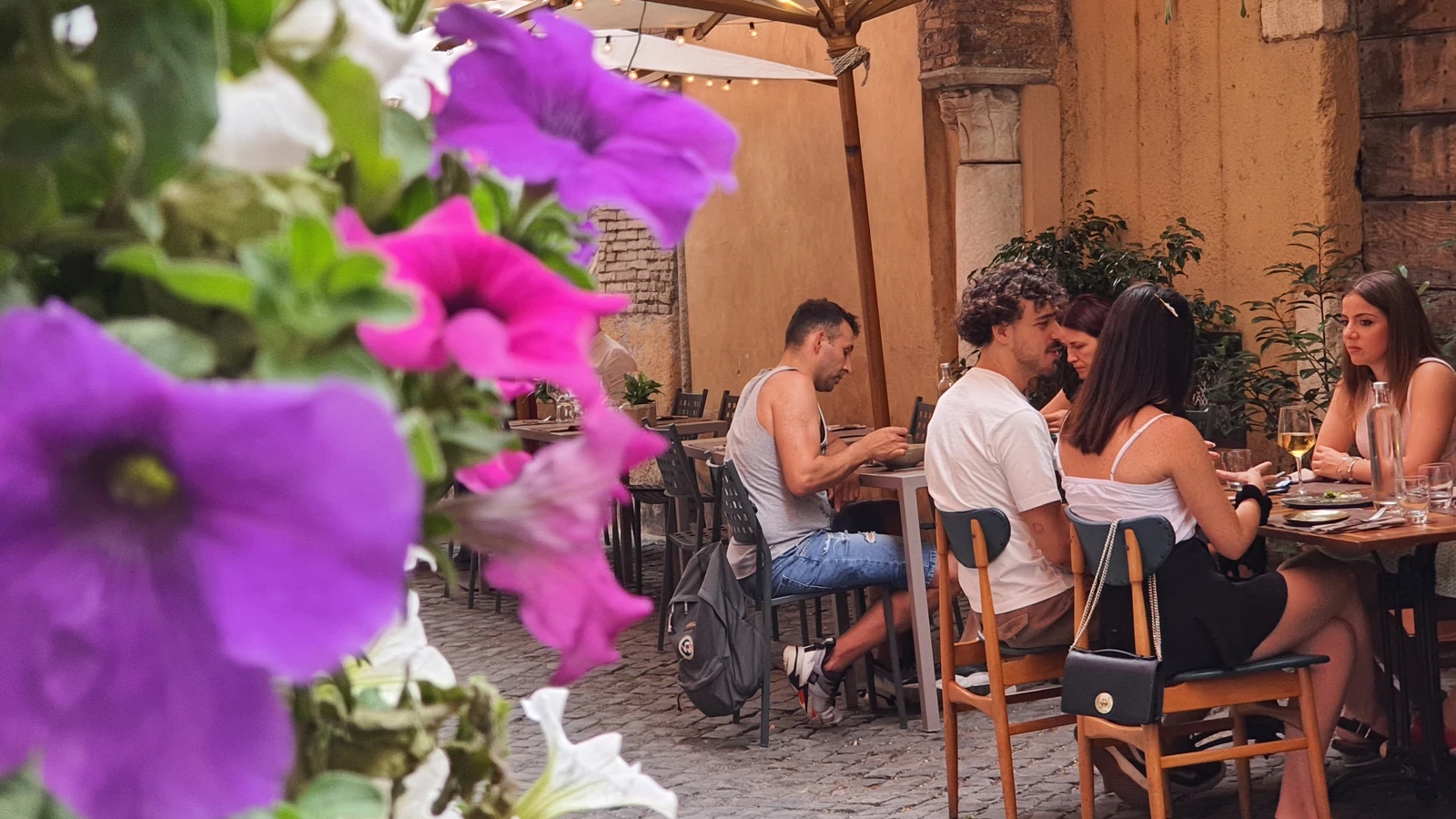
Rome Wine Tasting | Food Tasting with Wine Pairing in Rome. | In the heart of the most characteristic district of Rome, Trastevere, it is located in the basement of an 18th-century building, the Wine Cellar Fabullus, a Rome wine cellar. An authentic underground cellar, obtained from the careful and skillful recovery of a Roman cistern from the 1st century AD, furnished with antique objects and furniture that make this place unique.
“Life is too short to drink mediocre wines.”
Johann Wolfgang von Goethe
Original Roman marble, ancient artifacts, furniture, and things related to the production of wine decorate the walls and wooden shelves, which make this place welcoming and pleasant. Over the years, this wine cellar in Rome has become a place for tastings of excellent products for lovers of products with authentic taste and faithful to the ancient tradition of Italian food and wine culture.
What's not included
Gratuities, Tour Guide, Baby seats.
Hotels Pick Up & Drop Off
On the River boat not Tour guide service
Available languages
Written guide
DE
PT
FR
Guide guide
EN
IT
ES
Reviews breakdown
Viator
3.0
12 reviews
5★
3
4★
2
3★
2
2★
2
1★
3
Tripadvisor
4.5
19 reviews
5★
14
4★
2
3★
2
2★
1
1★
0
Important information
Public transportation options are available nearby
Travelers should have at least a moderate level of physical fitness
Any time not allocated in the itinerary will be spent moving between stops. We recommend that you read the information on your booking voucher carefully.
NOTE! The booked time refers to the start of the food and wine tasting at the Wine Cellar Fabullus, and NOT to the start of the cruise on the Tiber River.
The ride on the Tiber River is a hop on hop off service and the food tasting with wine pairing is held at the Fabullus Wine Cellar
When booking, it is mandatory to communicate any allergies or intolerances to food and drinks.
For the Food Tasting with Wine Pairing experience, it is suggested that you get off the boat at the pier of the Tiber Island, which is only 700 meters from the Wine Cellar.
The River Cruise Hop on Hop Off ticket is valid 24 hours from the first embarkation (Hop on, Hop Off). Cruises run every day between 10 a.m. and 6 p.m.
Your ticket is valid for 24 Hours for any departure from 4 stops: 1. Isola Tiberina: Lungotevere Degli Anguillara side 2. Angelo Bridge: Lungotevere Tor Di Nona side 3. Justice Palace: Lungotevere Marzio 4. Popolo Square: Lungotevere In Augusta
When booking, it is mandatory to communicate any allergies or intolerances to food and drinks.
Fabullus and the staff are not responsible for any reactions caused by allergies or intolerances to food and drinks if not communicated before the service.
Punctuality is required to fully enjoy the experience. For delays exceeding 20 minutes the tasting could be canceled.
When booking, it is mandatory to communicate a valid phone number to be contacted once you are in Italy
* This experience is **not suitable for children under 7, infants
We recommend embarking at St. Angelo Bridge** – Piazza di Ponte Sant'Angelo and disembarking at **Tiber Island Pier**, only 500 meters from the wine cellar.
Not recommended for Wheelchairs Users and people with Mobility impairments
Vegans Only on request if available | Not recommended for diabetics
This experience is **not suitable for children under 7, infants
Hotel Pick up and Drop off not included
Meeting point
NOTE!
The booked time refers to the start of the food/wine tasting at the Wine Cellar Fabullus, and NOT the start of the River Cruise.
Boarding at Ponte S. Angelo Pier at Piazza Ponte S. Angelo in front of Ponte S. Angelo.
Boats depart every 30 Min from 10 to 18. The ticket lasts 24 hours
Important notes
When booking this combined tour, please note that the **selected time refers only to the Food Tasting with Wine Pairing**, not the boat ride. Available time slots are: **11:00, 13:00, 15:00, 17:00, or 19:00**.
Guests must arrive **5–10 minutes before** the scheduled tasting. Late arrivals or no-shows may reschedule (subject to availability) by paying **50% of the activity cost** again. No refunds are provided in these cases.
The Food Tasting takes place at **Fabullus Wine Cellar**, Via dell'Arco di San Calisto, 20 – Rome.
**River Cruise Information**
The **24-hour Hop-On, Hop-Off River Cruise ticket** is valid from the first boarding and runs **daily from 10:00 AM to 6:00 PM**.
Boarding/disembarking points include:
* **Tiber Island** – Lungotevere degli Anguillara (closest to the wine cellar)
* **Angelo Bridge** – Lungotevere Tor di Nona (First Embarkation point suggested)
* **Justice Palace** – Lungotevere Marzio
* **Piazza del Popolo** – Lungotevere in Augusta
**Seasonal Notice:**
The boat service is **suspended from November 2 to March 30**. During this time, the food and wine tasting remains available, but the cruise is not included.
We recommend embarking at St. Angelo Bridge** – Piazza di Ponte Sant'Angelo and disembarking at **Tiber Island Pier**, only 500 meters from the wine cellar.
**Important Information**
* Changes are accepted **up to 24 hours** before the scheduled time. After that, no changes or refunds.
* The operator reserves the right to refuse service to intoxicated guests. No refund in such cases.
* It is **mandatory to inform us** of any food or drink allergies or intolerances when booking.
* Fabullus and its staff are **not responsible** for allergic reactions if no prior notice is given.
* This experience is **not suitable for children under 7, infants, vegans, or individuals with diabetes**.
About Rome
Rome, the capital of Italy, is a city of ancient ruins, artistic masterpieces, and vibrant culture. Known as the Eternal City, it is a living museum where every corner tells a story of its rich history spanning over 2,500 years.
Top Attractions
Colosseum
The Colosseum is an iconic symbol of Rome and one of the most famous ancient amphitheaters in the world. It was used for gladiatorial contests and public spectacles.
Historical
1-2 hours
€16 (combined ticket with Roman Forum and Palatine Hill)
Vatican City
Vatican City is an independent city-state enclaved within Rome. It is the spiritual and administrative center of the Roman Catholic Church.
Religious
Half day
€17 (Vatican Museums and Sistine Chapel), Free (St. Peter's Basilica)
Roman Forum
The Roman Forum was the political, commercial, and legal hub of the Roman Republic and Empire. It is a sprawling ruin of temples, basilicas, and arches.
Historical
1-2 hours
€16 (combined ticket with Colosseum and Palatine Hill)
Pantheon
The Pantheon is a former Roman temple, now a church, known for its large dome and oculus. It is one of the best-preserved ancient buildings in Rome.
Historical
30 minutes to 1 hour
Free
Trevi Fountain
The Trevi Fountain is a Baroque masterpiece and the largest fountain in Rome. It is a popular spot for visitors to throw coins and make wishes.
Architecture
15-30 minutes
Free
Must-Try Local Dishes
Cacio e Pepe
A simple yet delicious pasta dish made with Pecorino Romano cheese and black pepper.
Pasta
Vegetarian
Carbonara
A rich pasta dish made with eggs, Pecorino Romano, guanciale (cured pork cheek), and black pepper.
Pasta
Contains pork and eggs
Supplì
Fried rice balls filled with mozzarella and tomato sauce.
Snack
Vegetarian (some variations may contain meat)
Carciofi alla Romana
Artichokes braised with garlic, mint, and olive oil.
Vegetable
Vegetarian
Popular Activities
Hiking in the Appian Way Regional Park
Biking along the Tiber River
Rock climbing in the nearby mountains
Picnicking in Villa Borghese Gardens
Boating on Lake Albano
Enjoying a spa day at a luxury hotel
Visiting the Vatican Museums
Attending an opera at the Teatro dell'Opera di Roma
Best Time to Visit
April to June, September to October
Spring and fall offer pleasant weather and fewer crowds compared to the summer peak. Ideal for sightseeing and outdoor activities.
15-30°C
59-86°F
Practical Information
Language
- Official: Italian
- Widely spoken: English, Spanish, French
- English: Moderately spoken
Currency
Euro (EUR)
Time Zone
GMT+1 (CET), GMT+2 (CEST during daylight saving time)
Electricity
230VV, 50HzHz
Safety Information
Overall Safety Rating: Generally safe
Rome is generally safe for tourists, but pickpocketing and scams can be a problem in crowded areas. Be aware of your surroundings and take precautions to protect your belongings.
Important Precautions:
- • Keep valuables secure and out of sight
- • Use official taxis or ride-sharing services
- • Be cautious of strangers approaching you with petitions or bracelets
Getting there
By air
- Leonardo da Vinci International Airport • 35 km from city center
- Ciampino Airport • 15 km from city center
By train
Roma Termini, Roma Tiburtina
By bus
Tiburtina Bus Station, Roma Termini
Getting around
Public transport
The metro system is efficient and covers major tourist areas. It operates from 5:30 AM to 11:30 PM.
Taxis
Available • Apps: Uber, FreeNow
Rentals
Car, Bike, Scooter
Neighborhoods
Trastevere
Monti
Prancipio
Testaccio
Day trips
Ostia Antica
30 km from Rome • Half day
An ancient Roman port city with well-preserved ruins, including a theater, baths, and mosaics. It offers a glimpse into daily life in ancient Rome.
Tivoli
30 km from Rome • Full day
A picturesque town known for its stunning villas and gardens, including the famous Villa d'Este with its elaborate fountains and gardens.
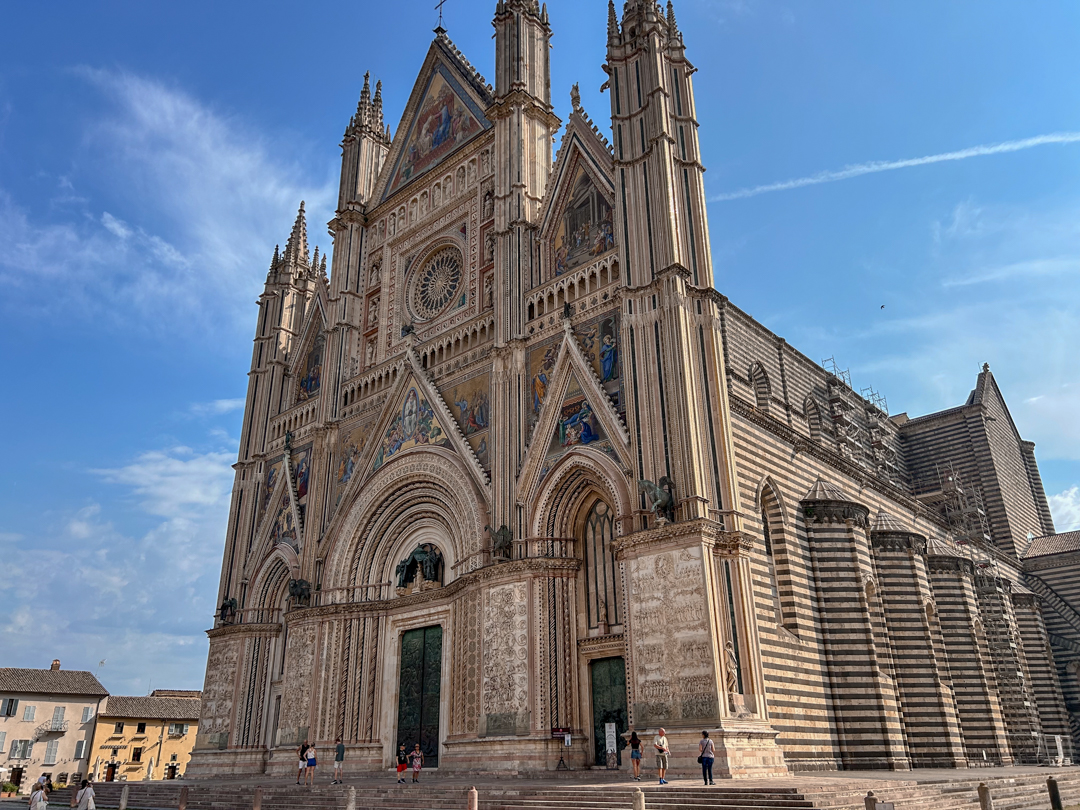
Orvieto
120 km from Rome • Full day
A charming hilltop town known for its stunning cathedral, underground caves, and local wine. It offers a mix of history, culture, and scenic views.
Festivals
Natale di Roma • April 21
Festa de' Noantri • July
Rome Film Festival • October
Pro tips
- Visit major attractions early in the morning or late in the afternoon to avoid crowds
- Use public transport or walk instead of taking taxis to save money and experience the city like a local
- Try local specialties and ask for recommendations from locals and restaurant staff
- Dress modestly when visiting religious sites and be respectful of local customs and traditions
- Be aware of pickpockets and scams, especially in crowded areas and tourist hotspots
From $25
per person
Price varies by option
Secure booking
Free cancellation available