

Bangkok City Sightseeing Tour with Grand Palace Private
Active
8h
For a full refund, cancel at least 24 hours before the scheduled departure time.
Instant confirmation
Mobile or paper ticket accepted
About this experience
Book this full day Bangkok city tour to enjoy Temple of the Golden Buddha (Wat Traimit), The Chinatown – Bangkok, Pak KhlongTalat (Flower Market), The Grand Palace, Temple of the Emerald Buddha (Wat Phra Kaew), Temple of Dawn (Wat Arun), Temple of the Reclining Buddha (Wat Pho) and much more.
Available options
Bangkok City Sightseeing Tour with Grand Palace Private
Pickup included
What's included
Hotel pickup and drop-off at Bangkok city area hotel
Professional guide
Lunch
Airbnb do not provide House name or number, we’re unable to pickup guests from Airbnb lodging.
Bottled water
All attractions entrance fees
Detailed itinerary
1
Stop 1
Pass by
Our English Speaking guide will meet you at your Bangkok City Area Hotel campaign at 09:00 am. Your first stop will be Temple of the Golden Buddha (Wat Traimit).
2
Stop 2
The Temple of Golden Buddha or Wat Traimit is located in the Yaowarat Road in Chinatown, Bangkok. The temple is largely unremarkable, like the thousands of other Buddhist Temples in the city - except for the fact that it houses the world’s largest gold image of Buddha.
The statue is made in the Sukhothai style of the 14th Century, although it could have been made after that period - the origins of the statue are still unknown. At some point in time, the statue was covered in stucco and plaster, so as to protect it from theft and the Burmese invasion. It worked, and the statue remained in Ayutthaya without attracting any attention. Later, when King Rama I shifted capitals to Bangkok, he ordered his men to bring back all the religious figurines and images from the destroyed city. And so it remained, for over a century and a half with nobody discovering its true worth under humble tin roofing. In 1954, when the statue was to be moved to a newly constructed viharn, it is said that the statue fell down, with the gold being revealed under the broken plaster. Its current housing, the large new building at Wat Traimit, was inaugurated on Valentine’s Day, 2010.
3
Stop 3
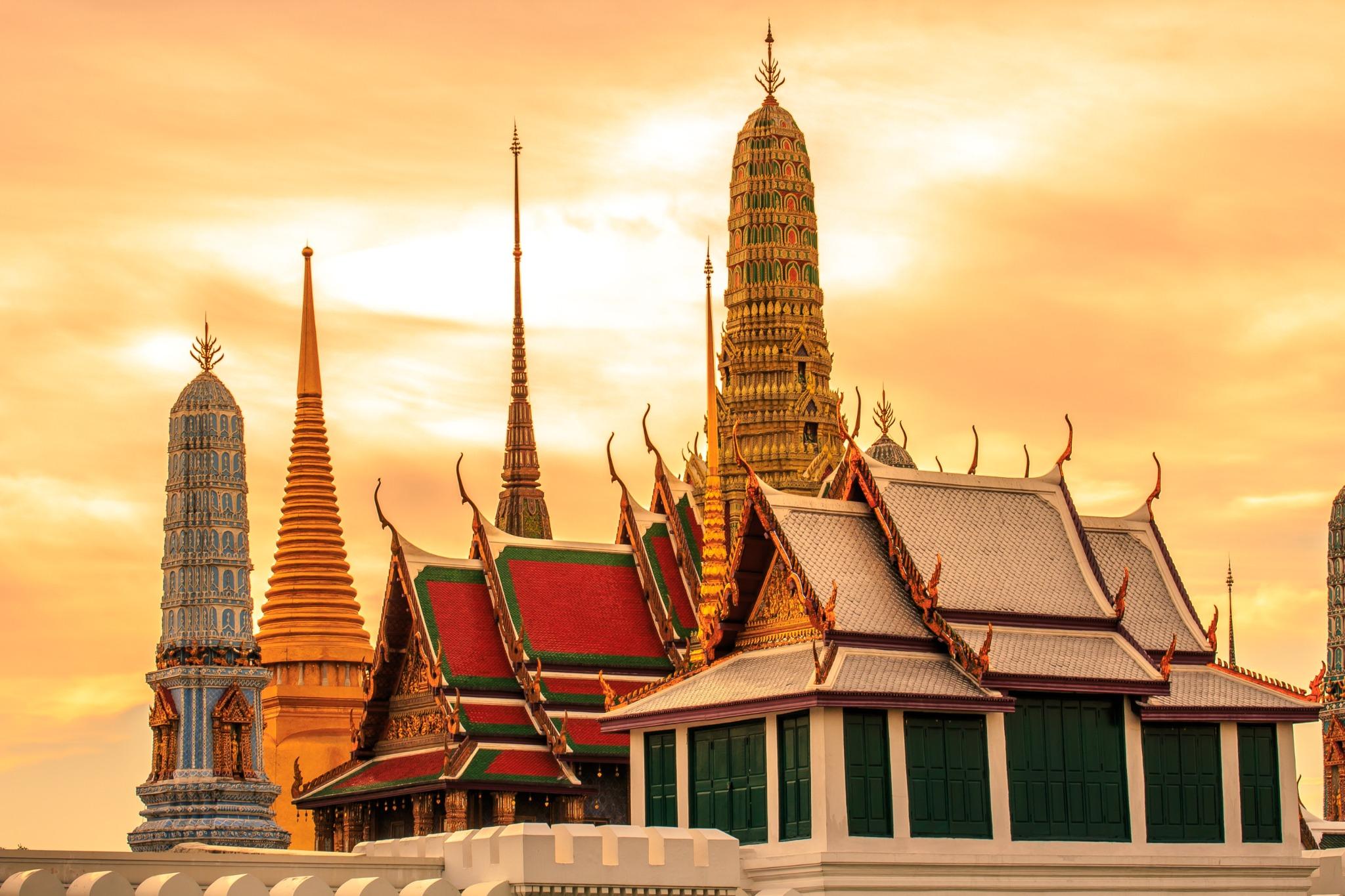
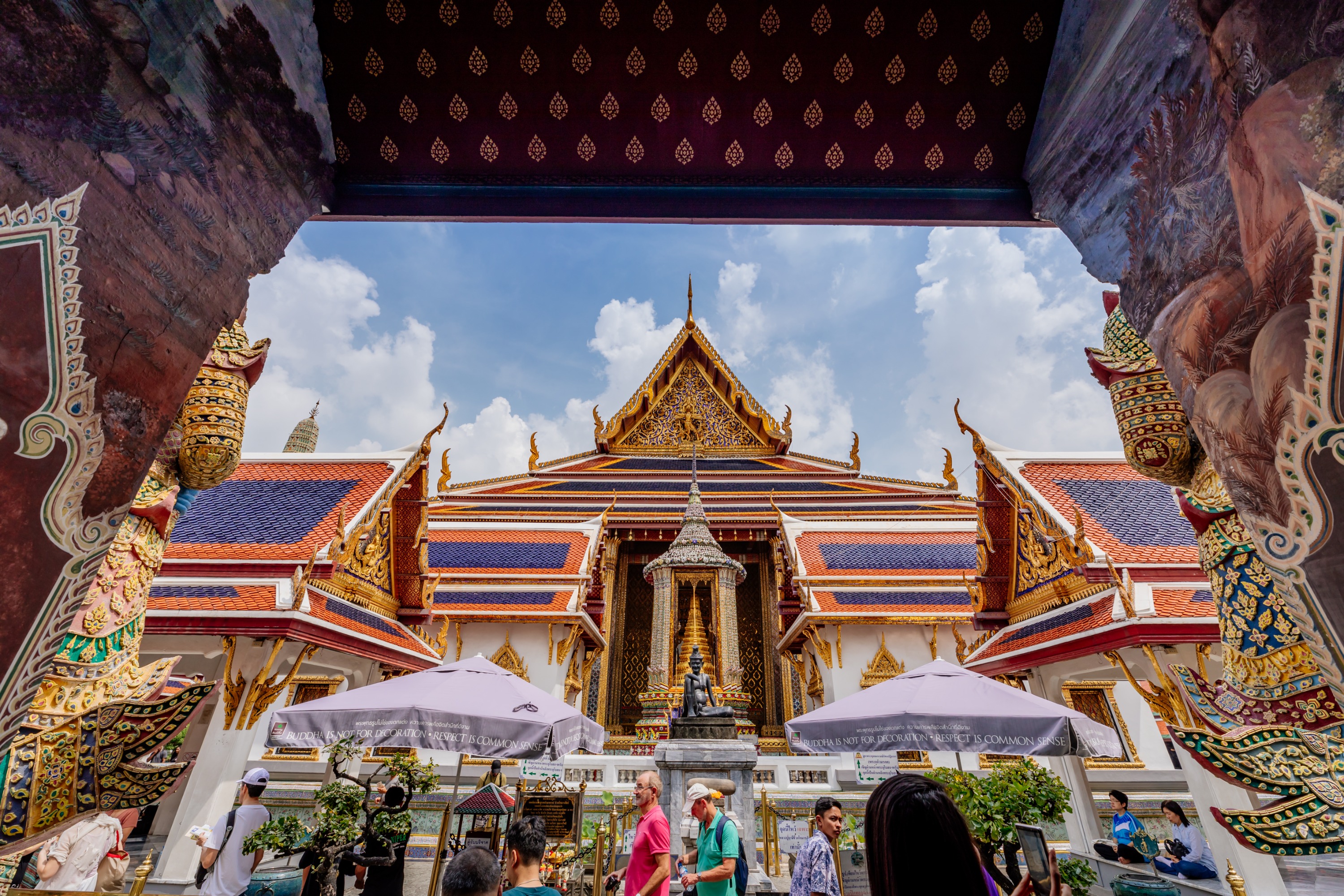
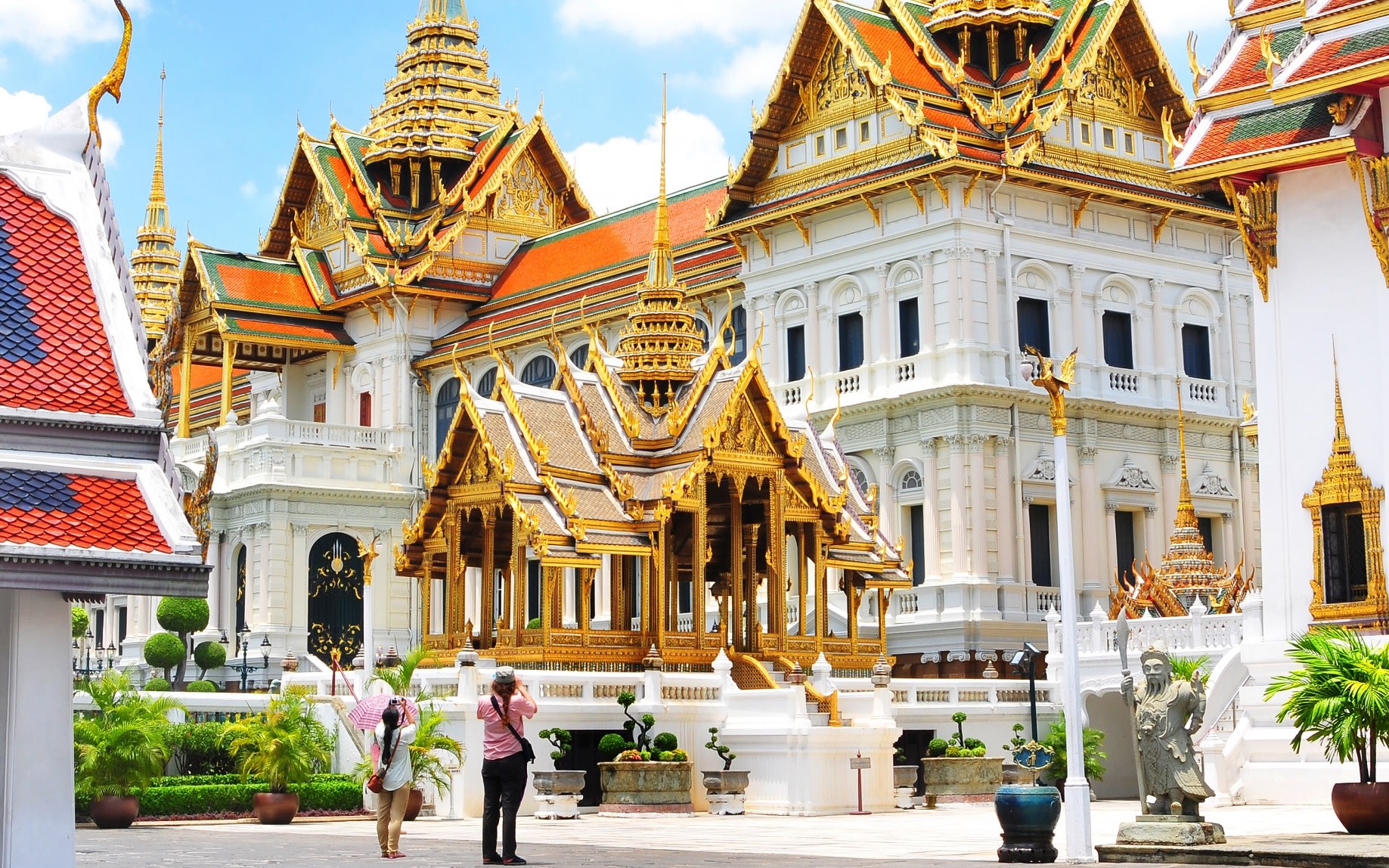
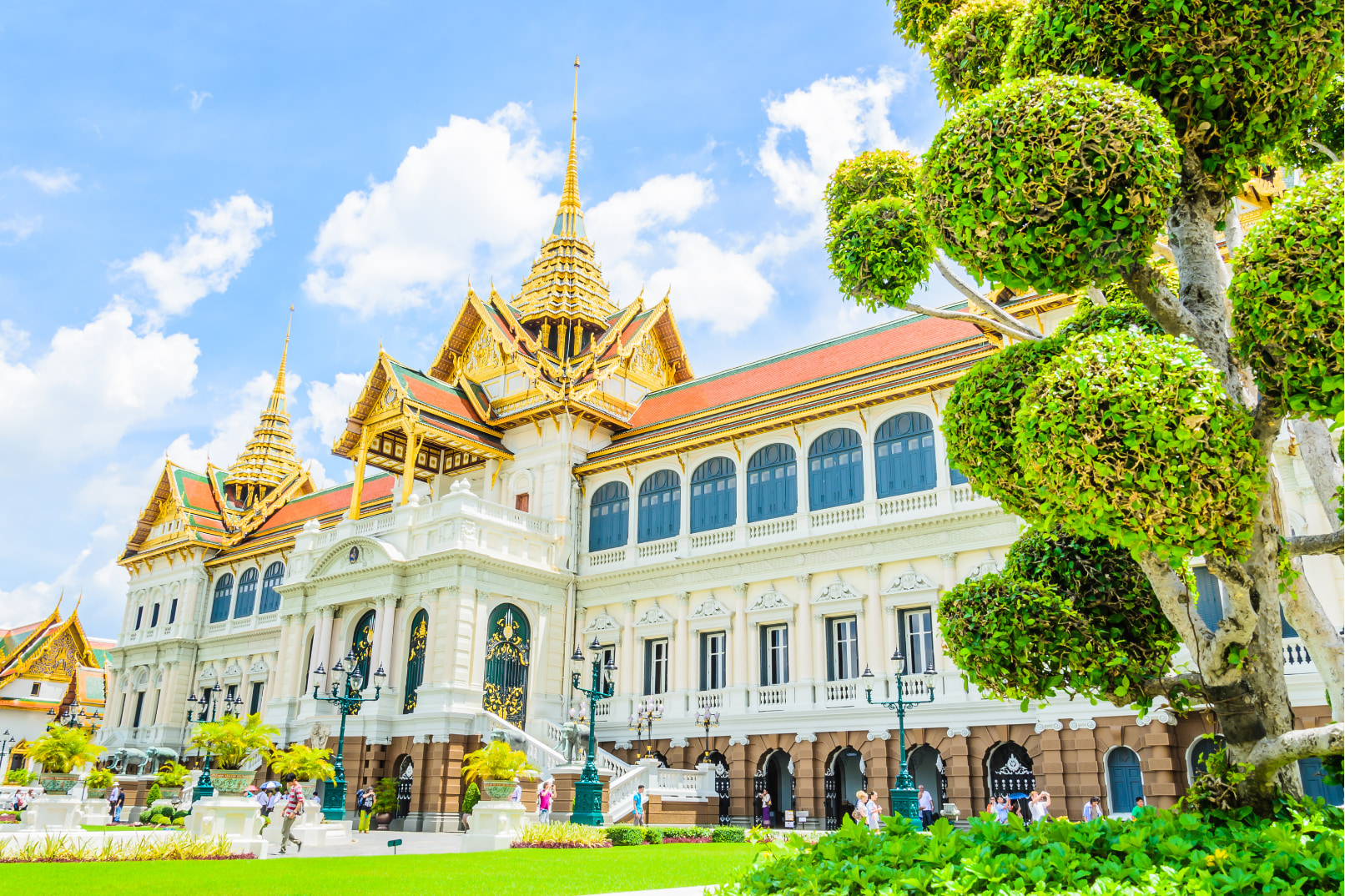
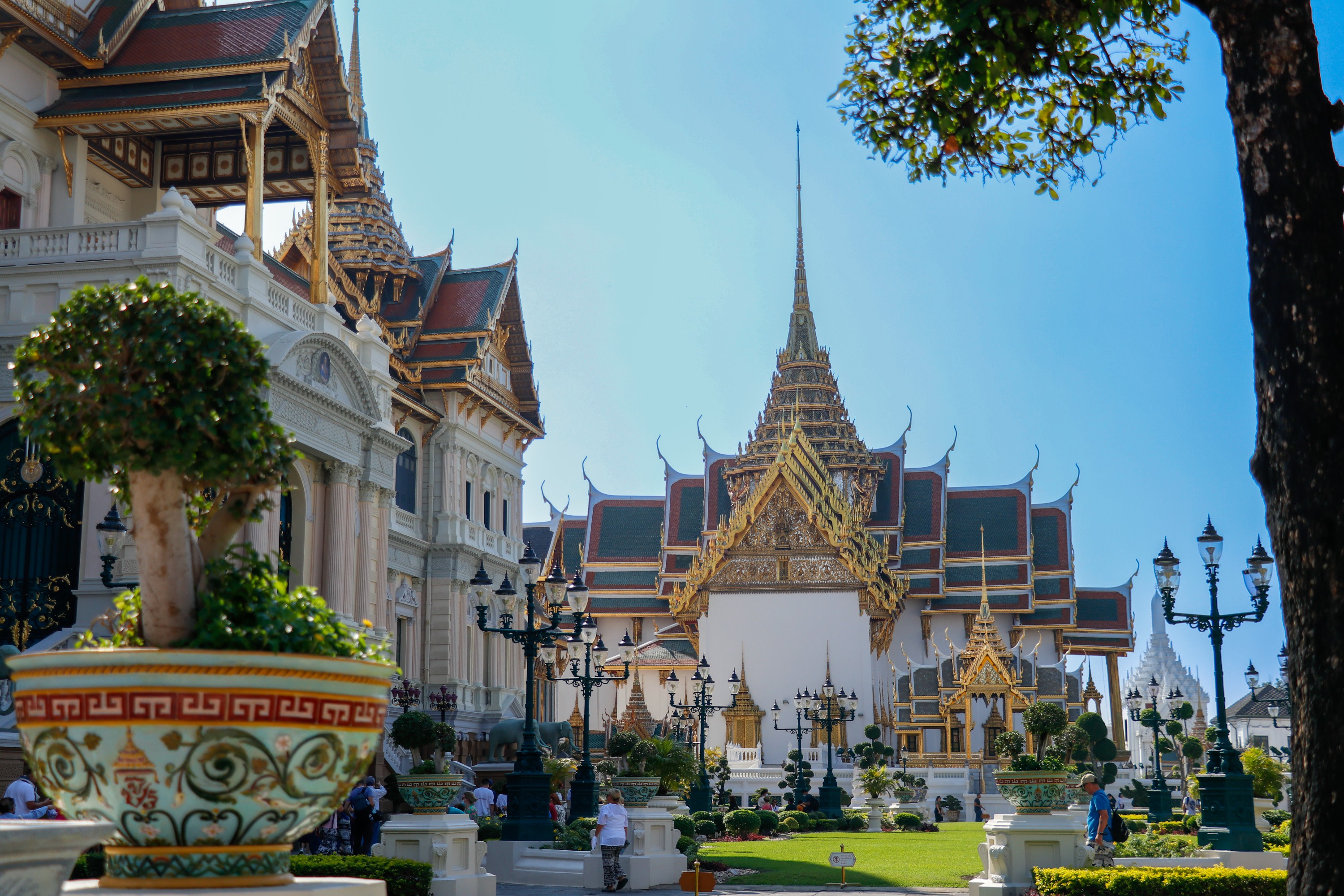
Bangkok's Grand Palace is the granddaddy of the many things to see in Thailand's capital city. The sprawling complex houses ornate structures that speak to the grandeur of Thai architectural tradition and history. Built in 1782, the palace was commissioned by then-king Rama I, who founded Thailand's Chakri Dynasty.
During the centuries since it was first built, the palace grounds have been well maintained with particular care being taken to preserve and restore the palace's extensive murals. It's worth the splurge to experience a piece of Thailand's royal history firsthand.
4
Stop 4
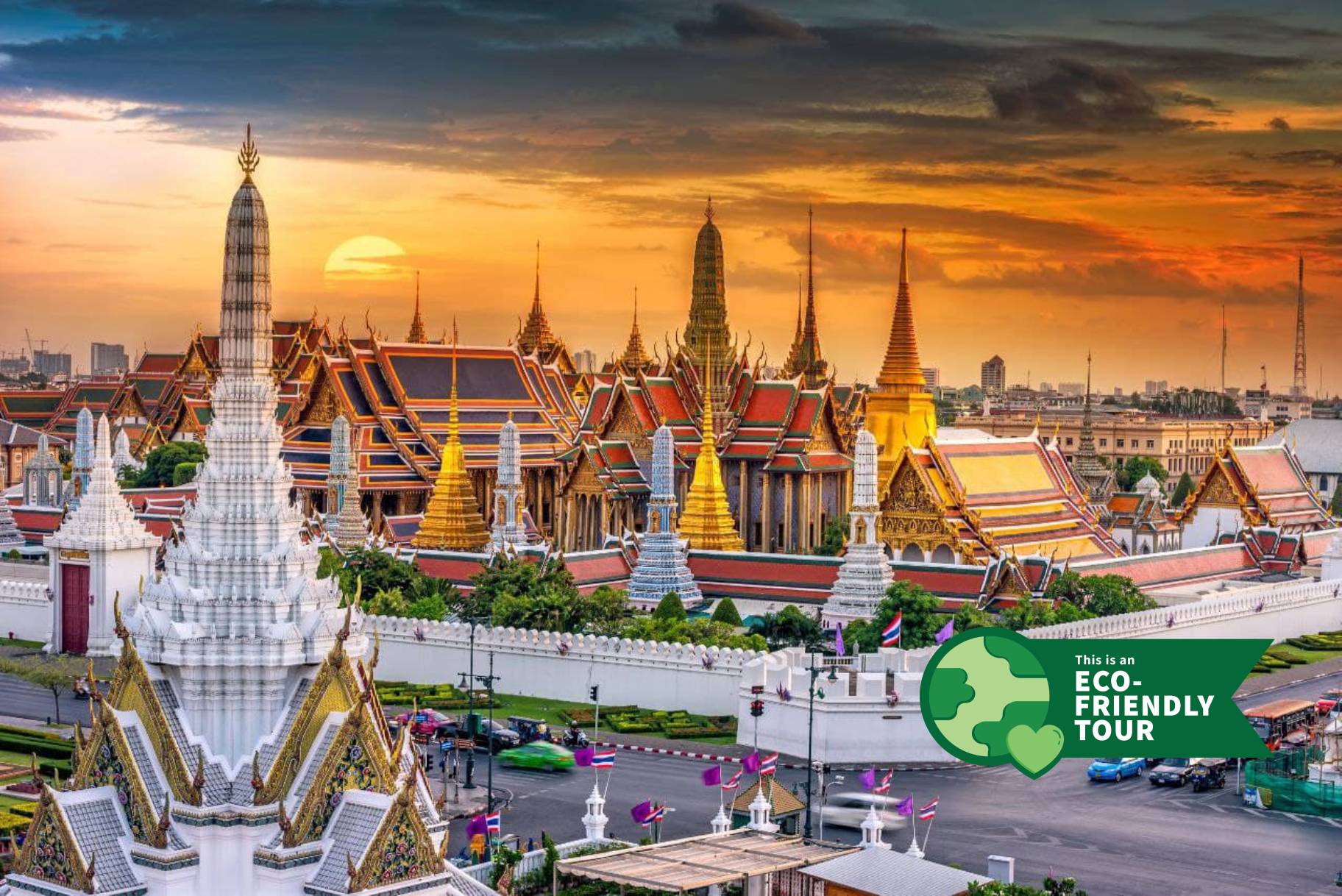
The Temple of the Emerald Buddha, Wat Phra Kaeo, is the most sacred structure in the Kingdom and the repository of the spirit for all the Thai people. The history of the Emerald Buddha itself dates back more than 600 years and also represents the struggle of the Thai people to maintain their independence from foreign aggressors.In the 18th century, world architecture had pretty much become European architecture. But there was a wonderful exception and that was the Wat Phra Kaew in Thailand. As an independent kingdom, called Siam back then, this nation combined traditional and foreign elements, creating a unique building of astonishing beauty. Let's find out more. The Wat Phra Kaew is a Buddhist temple located in the center of Bangkok, the capital of Thailand. It was built by the end of the 18th century, inside the grounds of the Royal Palace close to the banks of the Chao Phraya river and it consists of a series of structures, all enclosed by a perimeter wall.
5
Stop 5
Bangkok’s Chinatown is a popular tourist attraction and a food haven for new generation gourmands who flock here after sunset to explore the vibrant street-side cuisine. At day time, it’s no less busy, as hordes of shoppers descend upon this 1-km strip and adjacent Charoenkrung Road to get a day’s worth of staple, trade gold, or pay a visit to one of the Chinese temples.
6
Stop 6
Bangkok Flower Market (Pak Klong Talad) is the biggest wholesale and retail fresh flower market in Bangkok. The market has all kinds of popular flowers and flora-related items, including roses, forget me nots, orchids, lilies and more. Most of them sold in packs of 50 or 100 flowers in each, and prices are amazingly cheap. Part of the Old City, Bangkok Flower market is located on Chak Phet Road near Saphan Phut or the Memorial Bridge. Shops and vendors are housed inside two to three-storey shop-houses on both sides of the main road. The market lies just south of Wat Pho (Temple of the Reclining Buddha) and has access to a river pier, so it makes for a great one-day trip when combined with other historical attractions in the Old City.
7
Stop 7
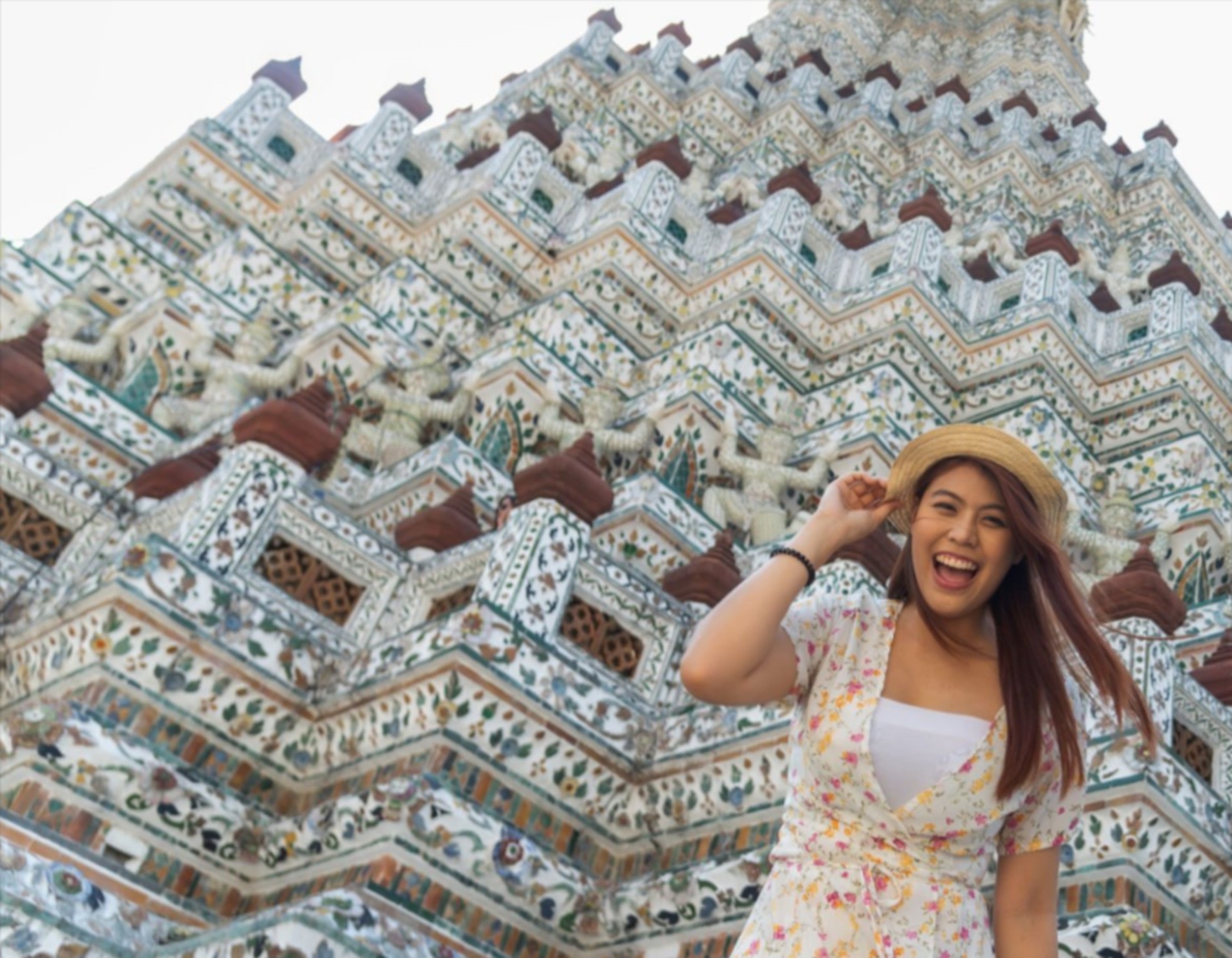
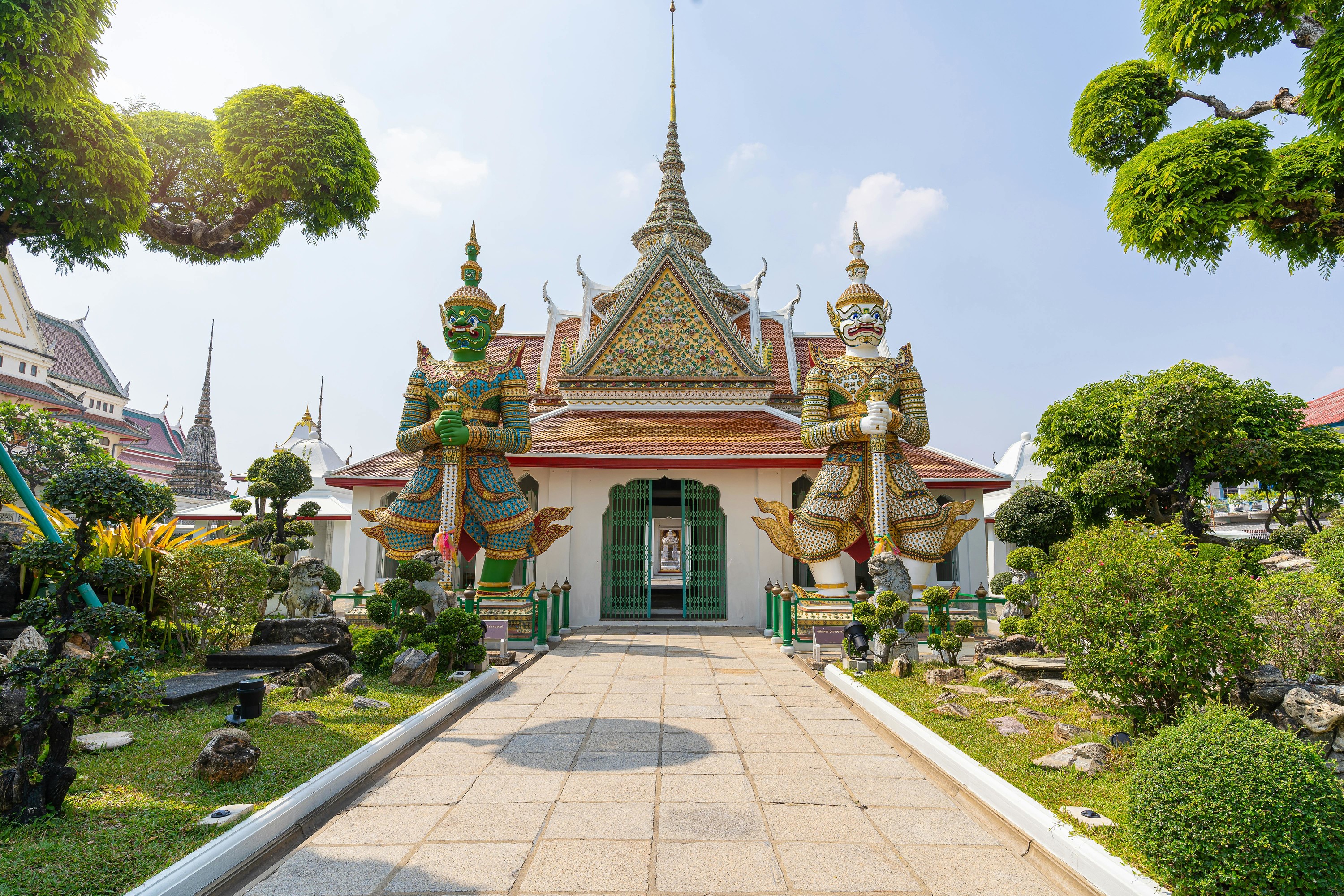
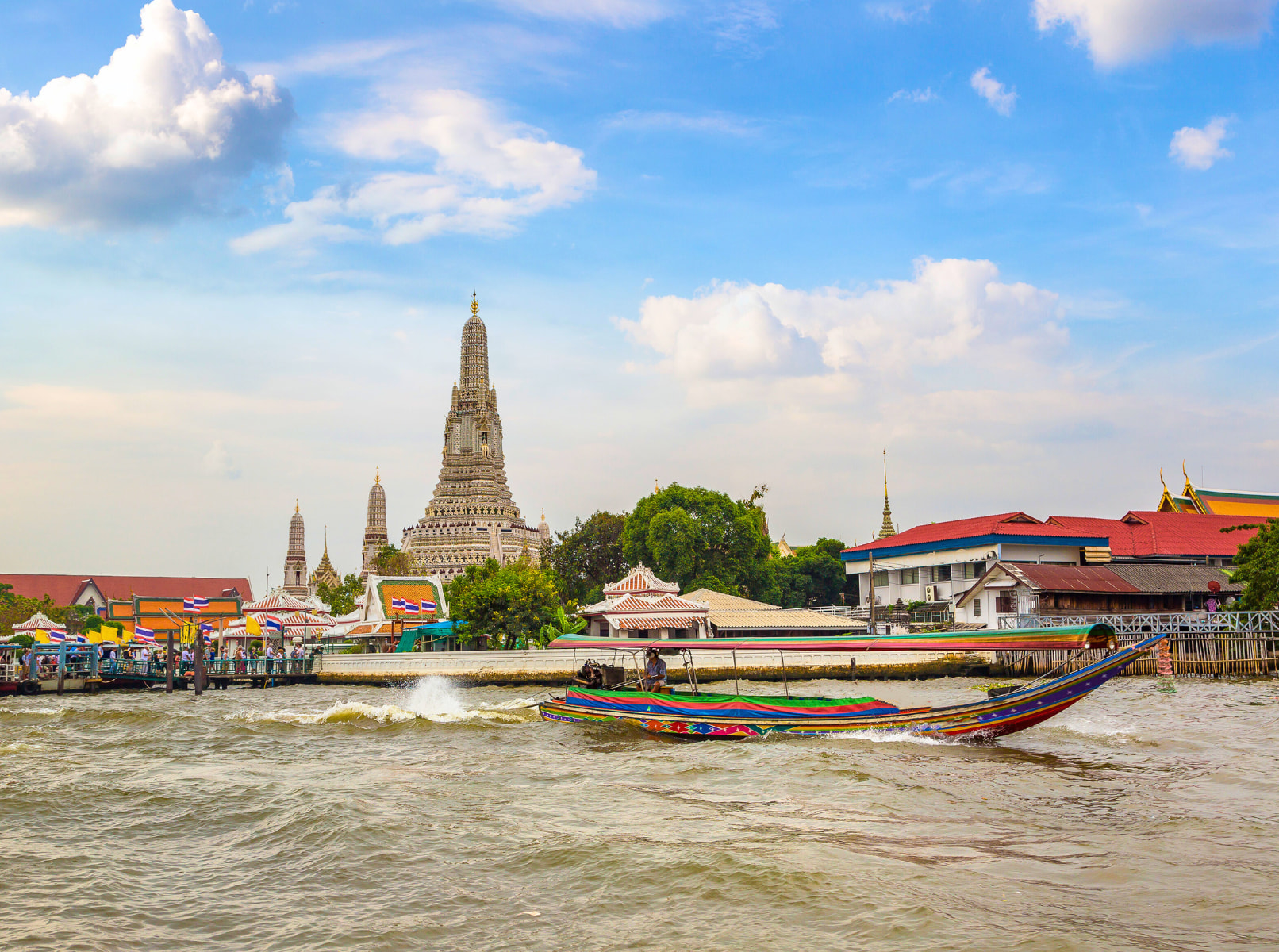
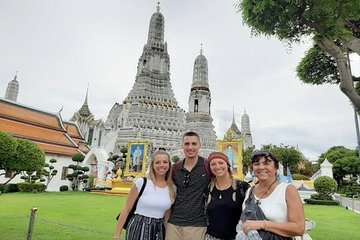
Wat Arun Ratchawararam, meaning Temple of Dawn, is also know locally as Wat Chaeng. The temple, which is named after the Indian God Aruna (God of Dawn) sits majestically on the Thonburi side (west bank) of the Chao Phraya River and is easily one of the most recognizable and memorable landmarks of Bangkok’s skyline. The most spectacular view of the glittering monument can be seen from the east side of the river at sunset as Wat Arun’s colorfully decorated spires sparkle radiantly over the water.Wat Arun was envisioned by King Taksin in 1768. It is believed that after fighting his way out of Ayutthaya, which was taken over by a Burmese army at the time, he arrived at this temple just as dawn was breaking.
8
Stop 8
The Wat Pho or “Temple of the Reclining Buddha” is one of Bangkok’s most attractive temples. It is a much visited temple complex due to its location immediately South of the Grand Palace and the huge Reclining Buddha image it houses.
The temple that is officially named Wat Phra Chetuphon Wimonmangkhalaram is one of the six temples in Thailand that are of the highest grade of the first class Royal temples.
At last, it's an ideal opportunity to return. Furthermore, drop off you at your Bangkok City Hotel around 5 pm.
What's not included
Alcoholic drinks (available to purchase)
Personal expenses
Any item not included in inclusions
Available languages
Guide guide
EN
Reviews breakdown
Viator
5.0
7 reviews
5★
7
4★
0
3★
0
2★
0
1★
0
Tripadvisor
4.8
19 reviews
5★
17
4★
1
3★
0
2★
1
1★
0
Important information
Infants are required to sit on an adult’s lap
Suitable for all physical fitness levels
About Bangkok
Bangkok, the vibrant capital of Thailand, is a dynamic blend of traditional culture and modern urban life. Known for its ornate temples, bustling street markets, and world-class street food, Bangkok offers a unique and unforgettable travel experience.
Top Attractions
Grand Palace
The Grand Palace is a complex of buildings that served as the royal residence from 1782 to 1925. It is a stunning example of Thai architecture and houses the Emerald Buddha.
Historical/Architecture
2-3 hours
500 THB
Wat Arun
Wat Arun, also known as the Temple of Dawn, is a stunning temple located on the west bank of the Chao Phraya River. It is famous for its beautiful porcelain decorations and the iconic prang (spire).
Religious/Architecture
1-2 hours
50 THB
Chatuchak Weekend Market
One of the world's largest markets, Chatuchak Weekend Market offers a vast array of goods, from clothing and accessories to food and antiques.
Shopping/Cultural
Half day to full day
Varies
Chao Phraya River
The Chao Phraya River is the lifeblood of Bangkok. Taking a boat tour along the river offers a unique perspective of the city and its many temples and palaces.
Nature/Scenic
1-3 hours
Varies
Chatuchak Park
Chatuchak Park is a large and lush urban park that offers a peaceful escape from the bustling city. It is home to a variety of plants, animals, and recreational facilities.
Nature/Relaxation
1-2 hours
Free
Must-Try Local Dishes
Pad Thai
Stir-fried rice noodles with eggs, tofu, shrimp, and a sweet and tangy sauce, garnished with crushed peanuts and lime.
Dinner
Can be made vegetarian or vegan.
Tom Yum Goong
A spicy and sour shrimp soup with lemongrass, kaffir lime leaves, galangal, and chili.
Dinner
Contains seafood.
Som Tum
A spicy green papaya salad made with shredded papaya, tomatoes, green beans, peanuts, and a tangy dressing.
Lunch/Snack
Can be made vegetarian or vegan.
Mango Sticky Rice
Sweet ripe mango served with sticky rice and coconut milk.
Dessert
Vegetarian.
Popular Activities
Hiking in Erawan National Park
Kayaking on the Chao Phraya River
ATV tours in Hin Lek Fai
Spa and massage treatments
Boat tours on the Chao Phraya River
Visiting temples and parks
Visiting temples and historical sites
Attending traditional Thai performances
Best Time to Visit
November to February
This is the most pleasant time to visit with cooler temperatures and lower humidity. It's peak tourist season with lively festivals and events.
22°C to 34°C
72°F to 93°F
Practical Information
Language
- Official: Thai
- Widely spoken: English, Chinese
- English: Moderately spoken in tourist areas, limited elsewhere
Currency
Thai Baht (THB)
Time Zone
GMT+7
Electricity
220VV, 50HzHz
Safety Information
Overall Safety Rating: Exercise caution
Bangkok is generally safe for tourists, but petty crime, scams, and traffic accidents can occur. Be cautious of your surroundings, especially in crowded areas and at night.
Important Precautions:
- • Be cautious of strangers approaching you with offers or requests.
- • Avoid unlicensed taxis and tuk-tuks.
- • Be wary of jet ski rentals and gem shops.
Getting there
By air
- Suvarnabhumi Airport • 30 km from city center
- Don Mueang International Airport • 20 km from city center
By train
Hua Lamphong Railway Station, Krung Thep Aphiwat Central Terminal
By bus
Mo Chit Bus Terminal, Ekamai Bus Terminal, Southern Bus Terminal (Sai Tai Mai)
Getting around
Public transport
Clean, efficient, and air-conditioned, the MRT is a convenient way to get around.
Taxis
Available • Apps: Grab, Bolt
Rentals
Car, Bike, Scooter
Neighborhoods
Khao San Road
Sukhumvit
Chinatown (Yaowarat)
Silom
Banglamphu
Day trips
Ayutthaya
80 km from Bangkok • Full day
Ayutthaya is a UNESCO World Heritage Site and the former capital of the Kingdom of Siam. It is known for its stunning temples and historical ruins.
Damnoen Saduak Floating Market
105 km from Bangkok • Half day to full day
Damnoen Saduak is one of the most famous floating markets in Thailand, offering a unique shopping and dining experience on the water.
Maeklong Railway Market
80 km from Bangkok • Half day to full day
Maeklong Railway Market is a unique market where vendors set up their stalls on the railway tracks, and a train passes through several times a day.
Festivals
Songkran • April 13-15
Loy Krathong • Full moon night in November
Vegetarian Festival • September/October (dates vary by year)
Pro tips
- Learn a few basic Thai phrases to enhance your experience and show respect for the local culture.
- Use the BTS Skytrain and MRT subway to avoid traffic and get around the city quickly and efficiently.
- Haggle and bargain when shopping at markets and street stalls, but do so politely and respectfully.
- Try street food, but choose stalls with high turnover and good hygiene practices.
- Dress modestly and respectfully, especially when visiting religious sites.
From $25
per person
Price varies by option
Secure booking
Free cancellation available
Instant confirmation