Bucovina Extra Day Monasteries Tour
Active
6h - 8h
For a full refund, cancel at least 24 hours before the scheduled departure time.
Manual confirmation
Mobile or paper ticket accepted
About this experience
We offer another relaxing day tour in Bucovina region start at 09:00am from Suceava city or Gura Humorului town and cover a 150km scenic round trip to discover more churches and monasteries UNESCO heritage built in medieval period like: DRAGOMIRNA, PATRAUTI, PUTNA, ARBORE and to admiring the beauty of landscape from Bucovina countryside.
We'll drive 30 minutes between sightseeing and to each stop you'll have about 45 minutes at your disposal to visit the monasteries guided by our English speaking guide or optional for non -speaking persons we'll offer the book-brochure in 10 language.
Optional upon request we'll stop to local restaurant with various traditional dishes.
Available options
Small Group - max. 7 persons
Small Group Tour<br/>Pickup included
Big Group - BUS Tour
BUS Shared Tour<br/>Pickup included
What's included
Private transportation
English speaking guide in-person, also he is the driver.
Air-conditioned vehicle
Parking Fees
Detailed itinerary
1
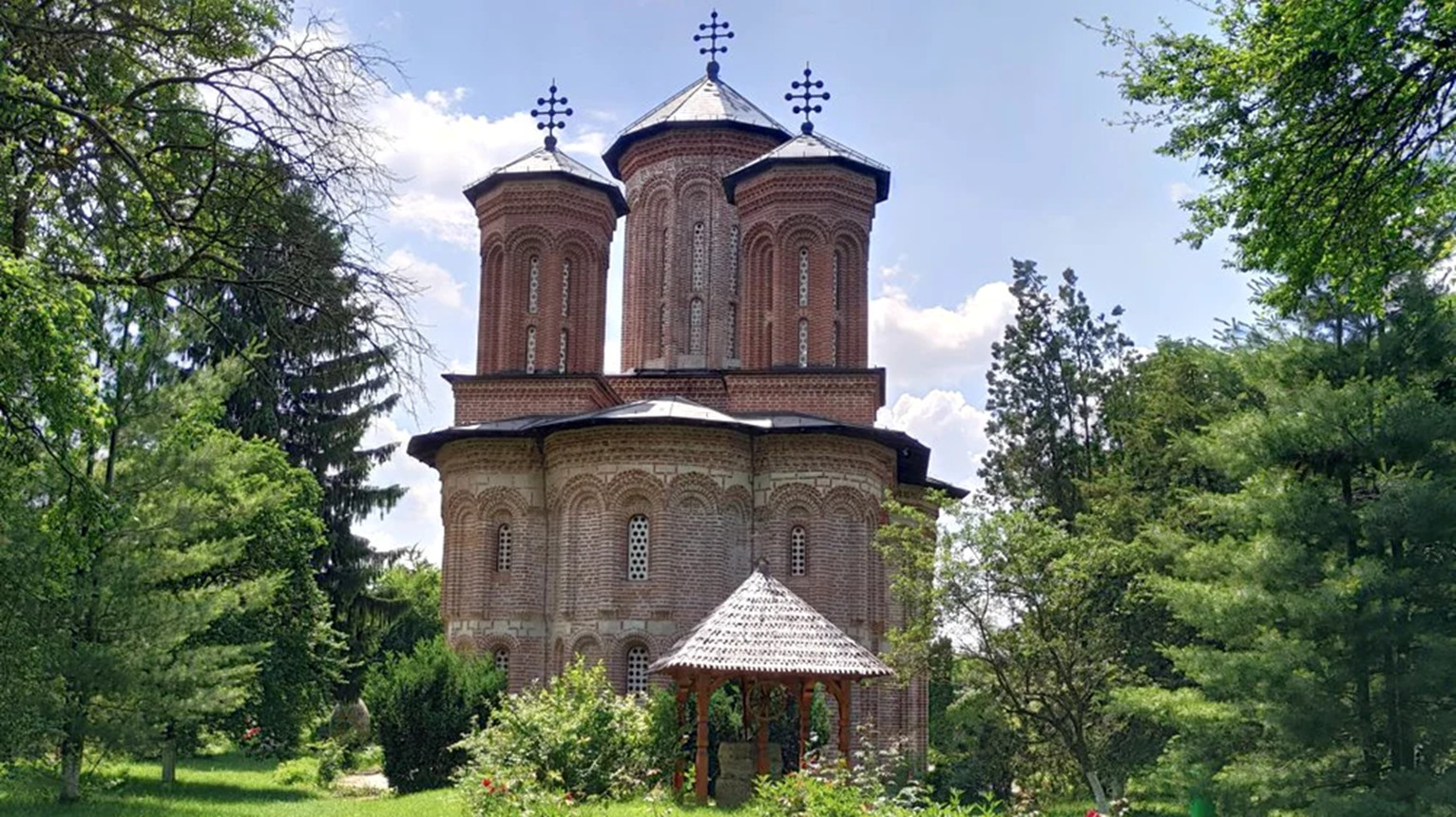
Dragomirna Monastery (1609) was built in a marvelous area, close to the forest, beyond the village of Mitocul Dragomirnei. Conceived to be tall (42m) - highest church in Moldavia and narrow (9,6m), with the polygonal apse from West, the church impresses by its monumental allure.
2
Patrauti Church -UNESCO- build by Stephan the Great in 1487 is the smallest of all them construction monastic, and the single one intended to be a monastery of éclairs, and one hearth for the soldiers wounded with the combat. Original interior painting, of a high artistic value, is done to notice by the scene "of the lamentation" (naos), the "Cavalcade of Holy Cross "(pronaos), expression of the feelings and the actions anti - Ottoman of the time. A round stone represents "the Table of Stephan the Great" and the bell from wooden tower "knows" to dissipate the clouds which bring hail.
3
The beginnings of Putna Monastery, the most important religious, cultural and artistic centre in medieval Moldavia, take us back to the year 1466 when, upon the initiative of Prince Stephen the Great (1457-1504), a church of impressive dimensions was built on a patch of forest cleared for the purpose. In the Putna monastery, is found the tomb of prince Stephen the Great and several of his family members.
His tomb became a place of pilgrimage. Nearby to monastery can see the Hermitage of Daniel who was the confessor of Stefan the Great.
4
The Arbore Church (1503) - UNESCO - has remarkable fresco exterior and interior paintings against a predominant green background. The green is in five shadows and 47 hues combined with red, blue, yellow, pink and ochre. The secret of combining colors was kept by Moldavian master painters to their grave, and is now lost in the mist of time.
However, scientists were able to identify thirty substances, including animal size, vinegar, egg, gall and honey. The two heavy slabs of stone preserved near the church since the time it was painted have fifteen small holes which used to serve as containers for the mixing of colors, thus providing the large display of shades used by Moldavian painters.
What's not included
10 Lei/RON per person for each monastery, ONLY CASH. Total charge 40 Lei per person, equivalent of
Available languages
Guide guide
EN
Reviews breakdown
Tripadvisor
5.0
3 reviews
5★
3
4★
0
3★
0
2★
0
1★
0
Important information
Public transportation options are available nearby
Specialized infant seats are available
Suitable for all physical fitness levels
About Romania
Romania is a country of stunning natural beauty, rich history, and vibrant culture. From the medieval fortresses of Transylvania to the bustling streets of Bucharest, Romania offers a unique blend of ancient traditions and modern life. It's a destination that promises adventure, relaxation, and a deep dive into Europe's lesser-known treasures.
Top Attractions
Bran Castle
Bran Castle, often associated with Dracula, is a medieval fortress perched on a cliff in Transylvania. It offers a glimpse into Romania's turbulent history and is surrounded by beautiful landscapes.
Historical/Architecture
2-3 hours
€8-10
Peleș Castle
Peleș Castle is a stunning Neo-Renaissance palace nestled in the Carpathian Mountains. It was the summer residence of Romania's royal family and features opulent interiors and beautiful gardens.
Historical/Architecture
3-4 hours
€5-7
Transfăgărășan Highway
This scenic mountain road is one of the most breathtaking drives in the world. It offers stunning views of the Făgărăș Mountains and is a paradise for road cyclists and motorcyclists.
Nature/Adventure
Half to full day
Free (toll for some sections)
Bucharest Old Town
The historic center of Bucharest is a vibrant area filled with cafes, restaurants, and nightlife. It's a great place to experience the city's lively atmosphere and admire its eclectic architecture.
Historical/Cultural
Half to full day
Free to explore (costs vary for attractions and dining)
Salina Turda
Salina Turda is an underground salt mine turned tourist attraction. It features a Ferris wheel, a boat lake, and various sports facilities, all set in a surreal, otherworldly environment.
Nature/Adventure
2-3 hours
€5-7
Must-Try Local Dishes
Sarmale
Cabbage rolls stuffed with a mixture of minced pork, rice, and spices, often served with polenta or mashed potatoes.
Main Dish
Contains pork, not vegetarian
Mămăligă
Polenta made from cornmeal, often served with cheese, sour cream, or as an accompaniment to meat dishes.
Side Dish
Vegetarian, can be vegan without dairy
Ciorbă
A sour soup made with various ingredients such as meat, vegetables, or fish, and flavored with vinegar, sour cream, or borș (fermented wheat bran).
Soup
Varies by type, can be vegetarian
Papanasi
Deep-fried doughnuts filled with sweet cheese, served with sour cream and jam.
Dessert
Contains dairy, not vegan
Popular Activities
Hiking
Caving
Mountain biking
Skiing
Rafting
Spa treatments
Wine tasting
Exploring historic sites
Best Time to Visit
June to August
This is the busiest time of year, with warm weather perfect for outdoor activities and festivals. However, it can be crowded, and prices are higher.
20°C to 30°C
68°F to 86°F
Practical Information
Language
- Official: Romanian
- Widely spoken: English, French, German, Hungarian, Italian
- English: Moderately spoken in cities, limited in rural areas
Currency
Romanian Leu (RON)
Time Zone
GMT+2 (EET), GMT+3 (EEST) during daylight saving time
Electricity
230VV, 50HzHz
Safety Information
Overall Safety Rating: Generally safe, but exercise caution in crowded areas and at night
Romania is generally safe for travelers, but petty crime, such as pickpocketing and bag snatching, can occur in crowded areas and on public transportation. Be cautious at night, especially in poorly lit or isolated areas. Avoid unlicensed taxis and be wary of strangers offering help or services.
Important Precautions:
- • Keep valuables secure and out of sight
- • Use licensed taxis or ride-sharing apps
- • Be cautious when using ATMs, especially at night
Getting there
By air
- Henri Coandă International Airport • 16.5 km from Bucharest
- Avram Iancu Cluj International Airport • 9.5 km from Cluj-Napoca
By train
Gara de Nord, Cluj-Napoca Railway Station
By bus
Bucharest North Bus Station, Cluj-Napoca Bus Station
Getting around
Public transport
Buses are the most common form of public transport in Romania. They are affordable and cover most areas, including rural regions.
Taxis
Available • Apps: Bolt, Uber
Rentals
Car, Bike, Scooter
Neighborhoods
Lipscani
Avenue of Victory
Cotroceni
Day trips
Brașov
160 km from Bucharest • Full day
Brașov is a beautiful medieval city in Transylvania, known for its well-preserved old town, historic sites, and stunning mountain scenery. It's a great destination for history buffs, culture lovers, and outdoor enthusiasts.
Sighișoara
280 km from Bucharest • Full day
Sighișoara is a beautifully preserved medieval citadel and UNESCO World Heritage site. It's known for its colorful houses, historic sites, and as the birthplace of Vlad the Impaler, the inspiration for Dracula.
Peștera Urșilor (Bears' Cave)
350 km from Bucharest • Half to full day
Peștera Urșilor is a stunning cave system with a variety of formations, including stalactites, stalagmites, and underground lakes. It's a great destination for nature lovers and adventure seekers.
Festivals
Neversea Music Festival • July
Sighișoara Medieval Festival • July
Christmas Markets • December
Pro tips
- Learn a few basic Romanian phrases to enhance your experience and connect with locals
- Explore beyond the tourist hotspots to discover hidden gems and authentic experiences
- Try local specialties and regional dishes for a true taste of Romania
- Visit during the shoulder seasons (April-May, September-October) for fewer crowds and pleasant weather
- Use public transportation, walk, or bike to get around cities and explore the countryside
From $25
per person
Price varies by option
Secure booking
Free cancellation available