Stonehenge and Bath Private Black Cab Tour with Hotel Pick Up
Active
10h
For a full refund, cancel at least 24 hours before the scheduled departure time.
Instant confirmation
Mobile or paper ticket accepted
About this experience
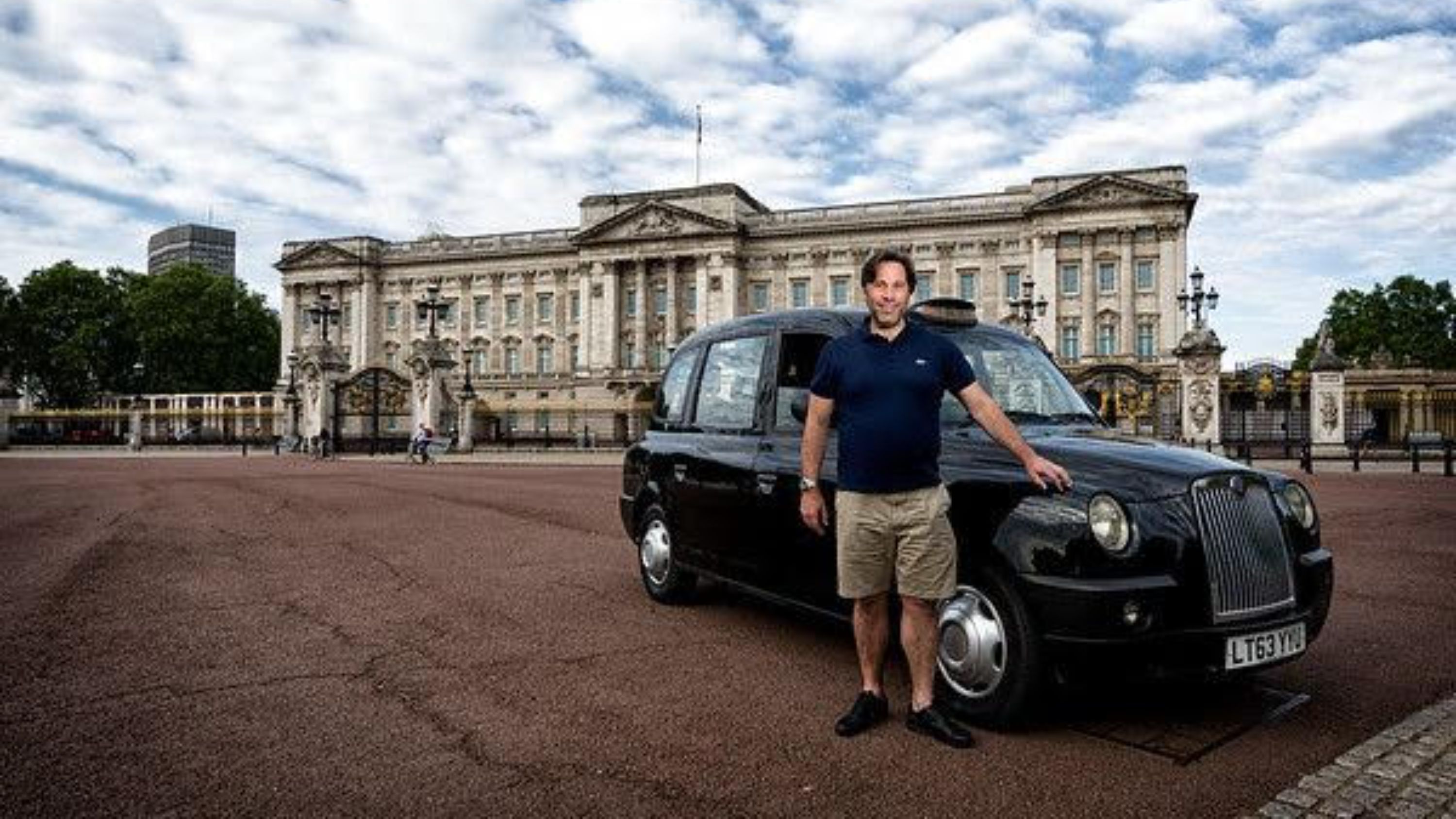
Experience the magic of England’s history on a Stonehenge and Bath Private Black Cab Tour with hotel pick-up. Travel in style and comfort in a traditional London black cab, fully wheelchair accessible and spacious enough for up to six passengers. Visit the mysterious Stonehenge, one of the world’s most famous prehistoric sites, and uncover its ancient secrets. Then, explore the elegant city of Bath, known for its stunning Georgian architecture and the iconic Roman Baths. Your knowledgeable driver-guide will share fascinating insights, ensuring a personalized experience. Enjoy an stress-free, accessible journey with plenty of time to explore these two UNESCO World Heritage Sites at your own pace.
This tour is wheelchair accessible and has seating for up to 6 passengers, it’s perfect for solo travellers, couples, families, or small groups.
Available options
Stonehenge & Bath Tour
Duration: 10 hours<br/>Pickup included
What's included
Private transportation
Private tour
Hotel pick up and drop off in central London
Private tour guide
Detailed itinerary
1
Stop 1
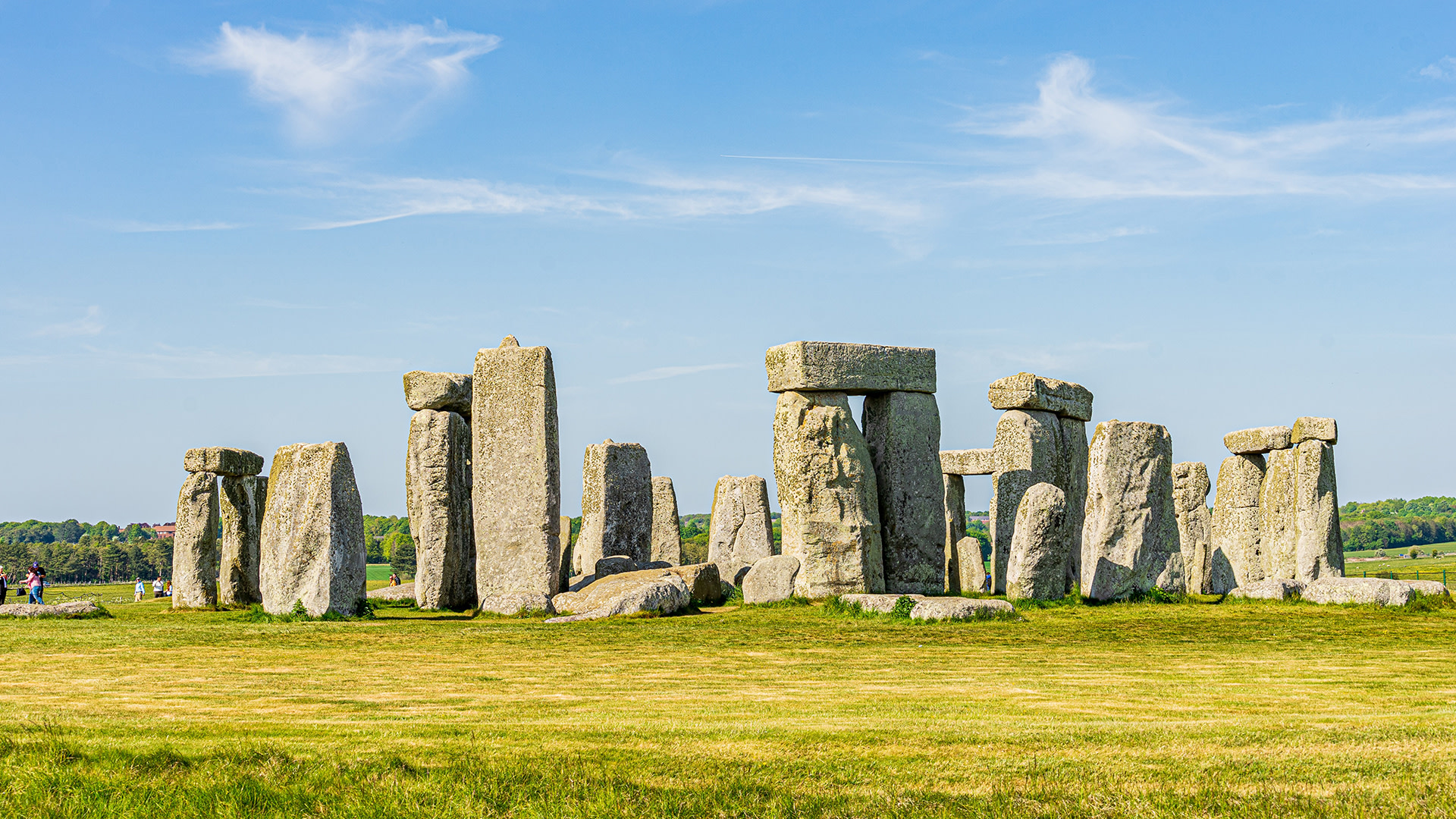
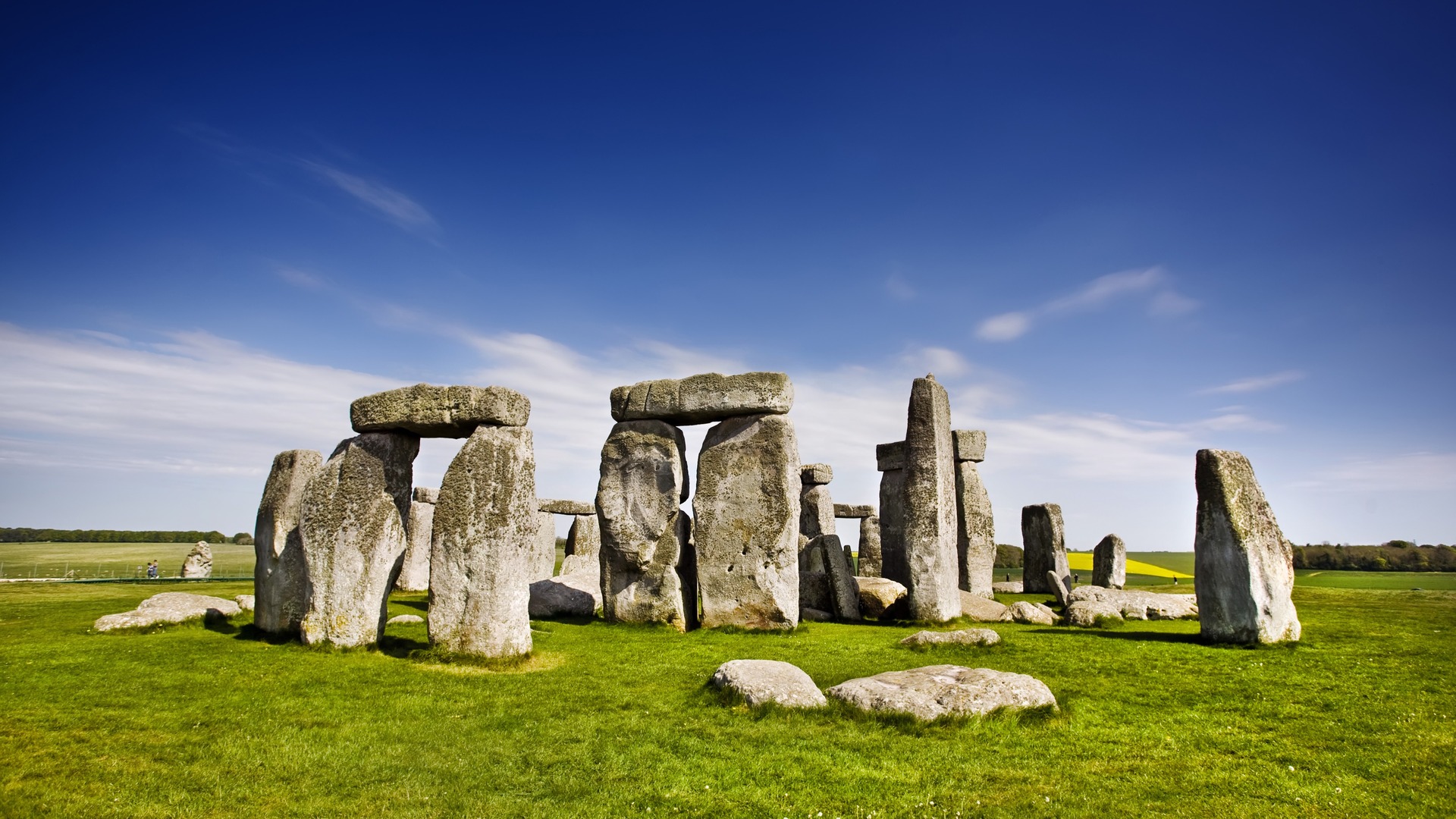
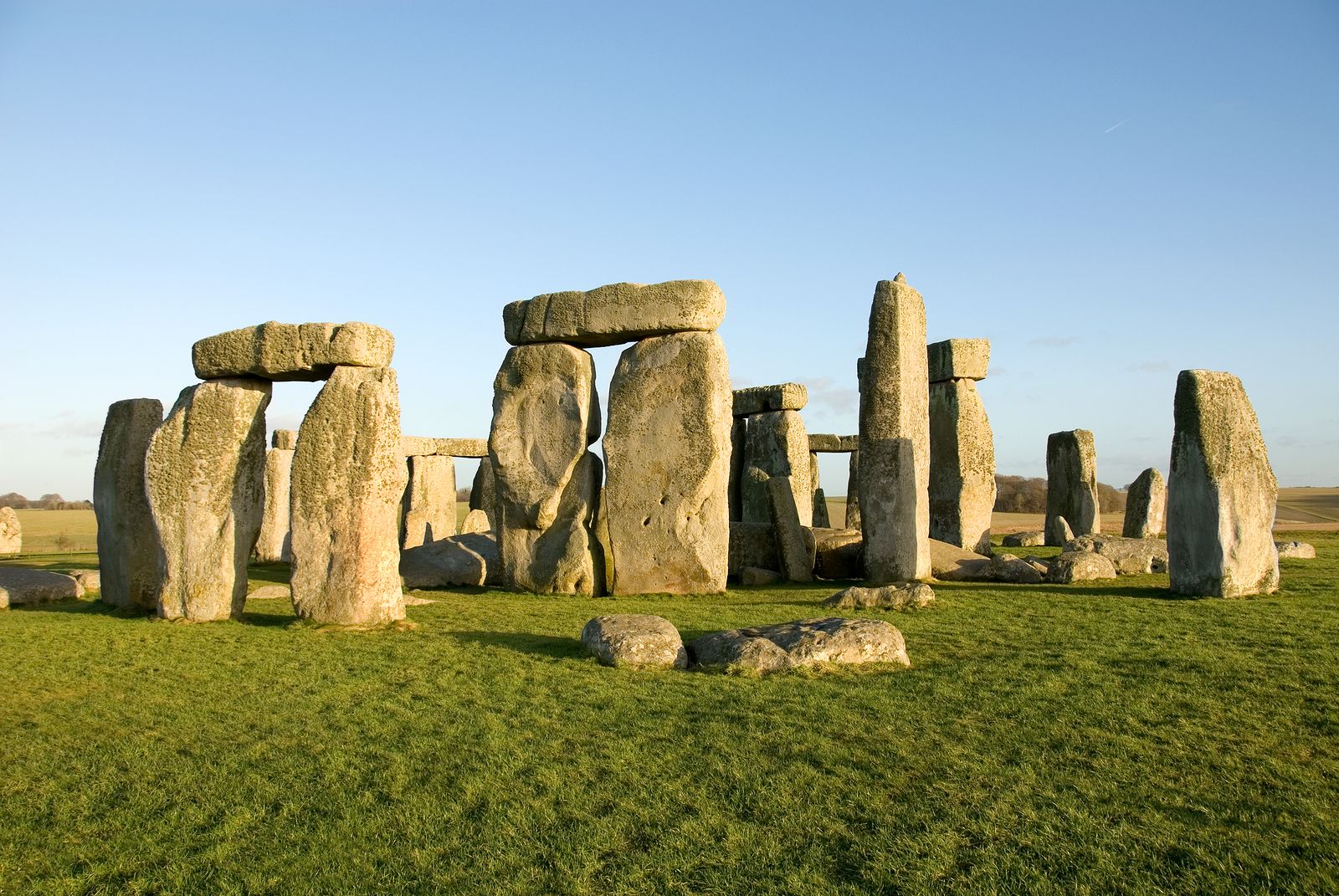
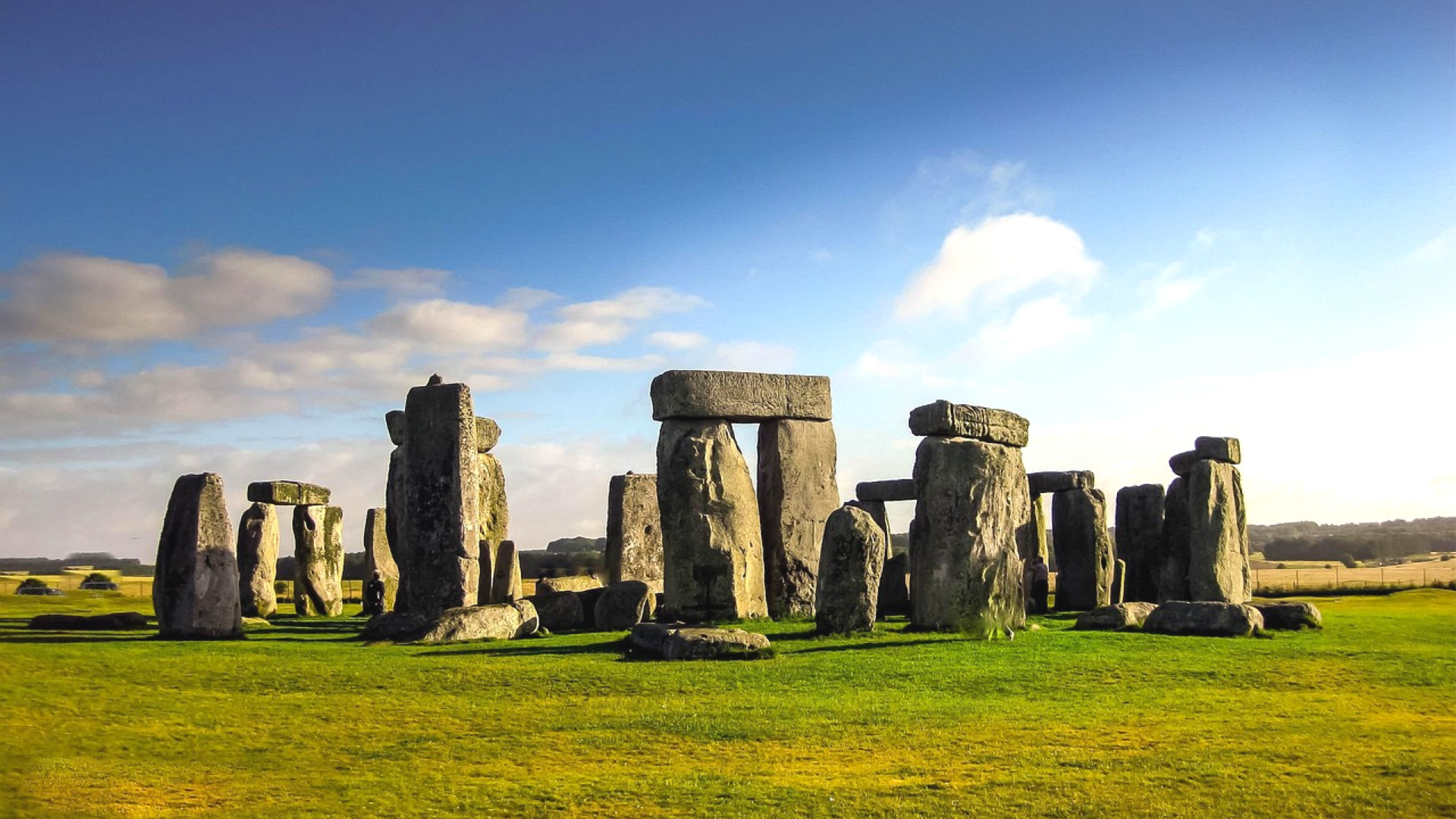
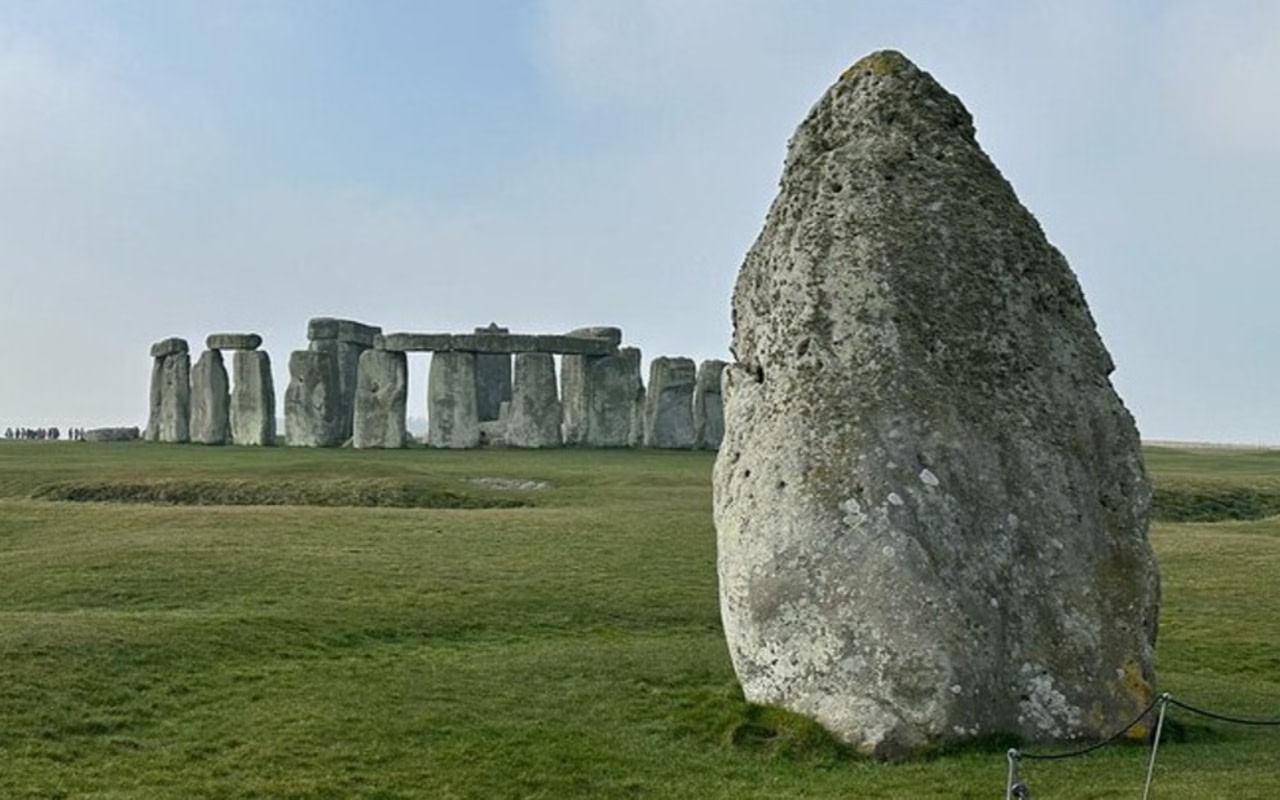
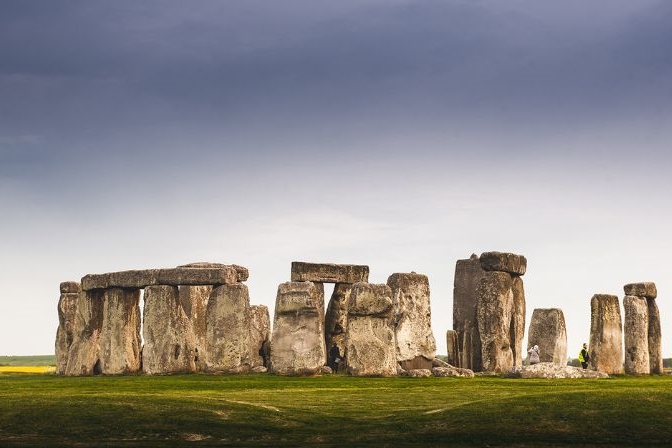
Stonehenge is one of the world’s most famous prehistoric monuments, located in Wiltshire, England. It consists of a ring of massive standing stones, some weighing up to 25 tons, arranged in a circular formation. Built in several stages between 3000 and 2000 BCE, its exact purpose remains a mystery, but historians believe it was used for ceremonial, religious, and astronomical purposes.
The site is aligned with the movements of the sun, particularly during the summer and winter solstices, suggesting it may have been an ancient calendar or a place of worship. Today, Stonehenge is a UNESCO World Heritage Site and a major tourist attraction, drawing visitors from around the world who are fascinated by its history and enduring mysteries.
2
Bath Abbey is a magnificent Gothic church in the heart of Bath, England, known for its stunning architecture, rich history, and spiritual significance. Originally founded in the 7th century, the current structure dates back to the late 15th and early 16th centuries, featuring breathtaking fan-vaulted ceilings, intricate stained glass windows, and soaring towers.
The abbey has played a central role in Bath’s religious life for over 1,000 years and was the site of the coronation of the first King of England, Edgar, in 973 AD. Today, visitors can explore its beautiful interior, climb the tower for panoramic views of Bath, or simply admire its grandeur as a key part of the city’s iconic skyline.
3
Stop 3
The Roman Baths in Bath, England, are one of the best-preserved ancient bathing complexes in the world. Built around 70 AD by the Romans, they were a center for bathing and socializing, using the city’s natural hot springs. The site includes the Great Bath, sacred spring, and remains of the original Roman temple dedicated to Sulis Minerva, a goddess worshipped by both Romans and Celts.
Visitors can explore the beautifully preserved ruins, see ancient artefacts, and learn about Roman life through interactive exhibits.
4
Beau Nash (1674–1761) was a famous dandy and socialite who played a key role in transforming Bath into a fashionable Georgian resort. As the city’s unofficial Master of Ceremonies, he set the rules for high society, organizing balls, enforcing dress codes, and ensuring Bath became a refined destination for Britain’s elite in the 18th century.
His influence helped shape Bath’s reputation as a hub for aristocrats and royalty, leading to the construction of its grand Georgian architecture, such as the Royal Crescent and Assembly Rooms. Today, you can learn more about him at the Museum of Bath Architecture or see his tomb in Bath Abbey.
5
The Hospital of St John the Baptist in Bath is one of England’s oldest almshouses, founded in 1174 to provide care for the poor, elderly, and sick. Located in the heart of the city near the Roman Baths, it was originally established by Bishop Reginald Fitzjocelin as a place of refuge for pilgrims and the needy.
Today, it continues to offer affordable housing for elderly residents while preserving its historic mission of charity. The hospital complex includes beautiful courtyards, medieval architecture, and a chapel, providing a glimpse into Bath’s long tradition of social care. Though not a traditional hospital, it remains a significant part of Bath’s history.
6
The Theatre Royal Bath is one of England’s oldest and most prestigious theatres, dating back to 1805. Located in the heart of Bath, it features a stunning Regency-era auditorium with ornate decorations, a grand chandelier, and a classic proscenium arch.
The theatre hosts a diverse program of plays, musicals, opera, ballet, and comedy, attracting both West End productions and world-class performers. It also includes the Ustinov Studio, known for innovative and intimate performances, and the Egg Theatre, dedicated to children’s productions.
With its rich history and vibrant atmosphere, the Theatre Royal Bath remains a cultural gem, offering an unforgettable experience for theatre lovers.
7
Pulteney Bridge is one of Bath’s most iconic landmarks, spanning the River Avon. Built in 1774 by architect Robert Adam, it is famous for being one of the only bridges in the world lined with shops on both sides, similar to Florence’s Ponte Vecchio.
Designed in an elegant Palladian style, the bridge was commissioned by William Pulteney to connect Bath with his planned new development, Bathwick. Today, it remains a picturesque spot, offering boutique shops, cafés, and stunning river views. The nearby Pulteney Weir and crescent-shaped cascade add to its beauty, making it one of the most photographed locations in Bath.
8
Stop 8
Royal Victoria Park in Bath is a beautiful 57-acre green space, opened in 1830 by the 11-year-old Princess Victoria, long before she became queen. Located just west of the Royal Crescent, it is one of Bath’s most popular parks, offering a mix of landscaped gardens, open meadows, and recreational facilities.
Visitors can enjoy the Botanical Gardens, the Great Dell Aerial Walkway, and a lake with ducks and swans. The park also features a children’s adventure playground, tennis courts, a golf course, and even a skateboard park. Whether for a picnic, a stroll, or simply relaxing, Royal Victoria Park is a peaceful retreat in the heart of Bath.
What's not included
Food and drink
Attraction tickets
Gratuities
Available languages
Guide guide
EN
Important information
Wheelchair accessible
Infants and small children can ride in a pram or stroller
Service animals allowed
Public transportation options are available nearby
Infants are required to sit on an adult’s lap
Transportation options are wheelchair accessible
All areas and surfaces are wheelchair accessible
Suitable for all physical fitness levels
About London
London, the capital of England and the United Kingdom, is a vibrant, multicultural metropolis known for its rich history, iconic landmarks, and dynamic cultural scene. From the ancient Tower of London to the modern Shard, the city offers a blend of the old and the new, making it a fascinating destination for travelers from around the world.
Top Attractions
Tower of London
A historic castle located on the north bank of the River Thames. It has served as a royal palace, prison, armory, and treasury. The Crown Jewels are also housed here.
Historical
2-3 hours
£28 (adult ticket)
Buckingham Palace
The official residence of the British monarch. Visitors can watch the Changing of the Guard ceremony and tour the State Rooms during the summer.
Historical
1-2 hours
£27.50 (adult ticket for State Rooms)
The British Museum
One of the world's largest and most comprehensive museums, housing a vast collection of artifacts from around the globe.
Museum
2-3 hours
Free (special exhibitions may have a charge)
The London Eye
A giant Ferris wheel on the South Bank of the River Thames, offering panoramic views of the city.
Entertainment
30 minutes
£27-£33 (adult ticket)
Westminster Abbey
A large, mainly Gothic abbey church just to the west of the Palace of Westminster. It is one of the most notable religious buildings in the UK and the traditional place of coronation and burial for English and, later, British monarchs.
Religious
1-2 hours
£27 (adult ticket)
Tower Bridge
An iconic symbol of London, this combined bascule and suspension bridge spans the River Thames. Visitors can explore the bridge's walkways and the Tower Bridge Exhibition.
Architecture
1-2 hours
£11 (adult ticket for the exhibition)
Must-Try Local Dishes
Fish and Chips
A classic British dish consisting of battered and fried fish, usually cod or haddock, served with thick-cut chips (fries).
Dinner
Contains gluten and fish
Full English Breakfast
A hearty breakfast consisting of eggs, bacon, sausages, baked beans, grilled tomatoes, mushrooms, black pudding, and toast.
Breakfast
Contains meat and gluten
Afternoon Tea
A quintessential British tradition involving a selection of finger sandwiches, scones with clotted cream and jam, and a variety of pastries, all served with tea.
Snack
Can be adapted for vegetarian, vegan, and gluten-free diets
Sunday Roast
A traditional British meal served on Sundays, featuring roasted meat (usually beef, lamb, or chicken), Yorkshire pudding, roast potatoes, vegetables, and gravy.
Dinner
Contains meat and gluten
Popular Activities
Rock climbing
Kayaking on the Thames
Cycling tours
Afternoon tea
Spas and wellness centers
Punting on the River Cam
Museum visits
Theater performances
Best Time to Visit
June to August
Summer is the peak tourist season in London, with long daylight hours and a variety of festivals and events. The weather is generally pleasant, though it can be unpredictable.
15°C to 25°C
59°F to 77°F
Practical Information
Language
- Official: English
- Widely spoken: English
- English: Widely spoken
Currency
British Pound (GBP)
Time Zone
GMT (UTC+0) or BST (UTC+1) during daylight saving time
Electricity
230VV, 50HzHz
Safety Information
Overall Safety Rating: Generally safe
London is generally safe for travelers, but like any major city, it's important to be aware of your surroundings and take precautions to protect yourself and your belongings.
Important Precautions:
- • Keep your belongings secure and be aware of your surroundings
- • Avoid carrying large amounts of cash
- • Use licensed taxis or ride-sharing services
Getting there
By air
- Heathrow Airport • 23 km from city center
- Gatwick Airport • 40 km from city center
By train
London Waterloo, London King's Cross
By bus
Victoria Coach Station, Earls Court, Farringdon
Getting around
Public transport
The Tube is the fastest and most efficient way to get around London. It operates from early morning until late at night and covers all major attractions.
Taxis
Available • Apps: Uber, Bolt
Rentals
Car, Bike, Scooter
Neighborhoods
Westminster
Camden Town
Soho
Notting Hill
Shoreditch
Greenwich
Day trips
Windsor Castle
34 km from London • Half day to full day
Windsor Castle is the oldest and largest occupied castle in the world, and it's one of the official residences of the British monarch.
Stonehenge
130 km from London • Full day
Stonehenge is a prehistoric monument consisting of a ring of standing stones, located in the English county of Wiltshire.
Brighton
80 km from London • Full day
Brighton is a vibrant coastal city known for its beaches, lively atmosphere, and eclectic mix of shops, restaurants, and attractions.
Festivals
Notting Hill Carnival • Last Sunday and Monday of August
London Film Festival • October
New Year's Eve Fireworks • December 31
Pro tips
- Use an Oyster card or contactless payment for cheaper and more convenient public transportation
- Book tickets in advance for popular attractions to skip the queue and save money
- Explore the city's neighborhoods and markets for a unique and authentic experience
- Try the local street food and international cuisine at markets like Borough Market and Camden Market
- Visit the city's parks and gardens for a peaceful escape from the bustling streets
From $25
per person
Price varies by option
Secure booking
Free cancellation available
Instant confirmation