Colombo City Tour by Tuk Tuk Morning and Evening
Active
3h
For a full refund, cancel at least 24 hours before the scheduled departure time.
Instant confirmation
Mobile or paper ticket accepted
About this experience
Discover the vibrant heart of Sri Lanka’s capital with our Colombo City Tour by Tuk Tuk. Immerse yourself in the rich tapestry of Colombo’s diverse culture, history, and architecture as you zip through its bustling streets aboard this iconic three-wheeled vehicle.
Our guided tour takes you on a captivating journey through the city’s landmarks, including the historic Independence Square, the bustling Pettah Market, and the serene Gangaramaya Temple. Marvel at the colonial-era architecture of the Old Parliament building and the picturesque Beira Lake, all while experiencing the lively energy of Colombo’s urban life.
With the personalized attention of our knowledgeable local guides, you’ll gain insights into the city’s past, present, and future. Enjoy the flexibility and agility of the Tuk Tuk, allowing you to navigate narrow lanes and discover hidden gems that larger vehicles might miss.
Available options
Colombo City Tour by Tuk Tuk Morning and Evening
Pickup included
What's included
Private Tuk Tuk with English Speaking Driver
Tea / Coffee
All Parking Charges
Wi-fi on board
Water bottle
Welcome Drink (King Coconut Water)
Umbrella
Detailed itinerary
1
Stop 1
Gangaramaya Vihara was founded in the late 19th century by Venerable Hikkaduwe Sri Sumangala Nayaka Thera, a highly respected Buddhist monk. The temple started as a small hermitage on the banks of the Beira Lake but gradually expanded over the years to become the sprawling complex it is today.
Gangaramaya Vihara is not only a place of worship but also a cultural center and learning institution. The temple complex is a harmonious blend of traditional Sri Lankan architecture and modern influences.
2
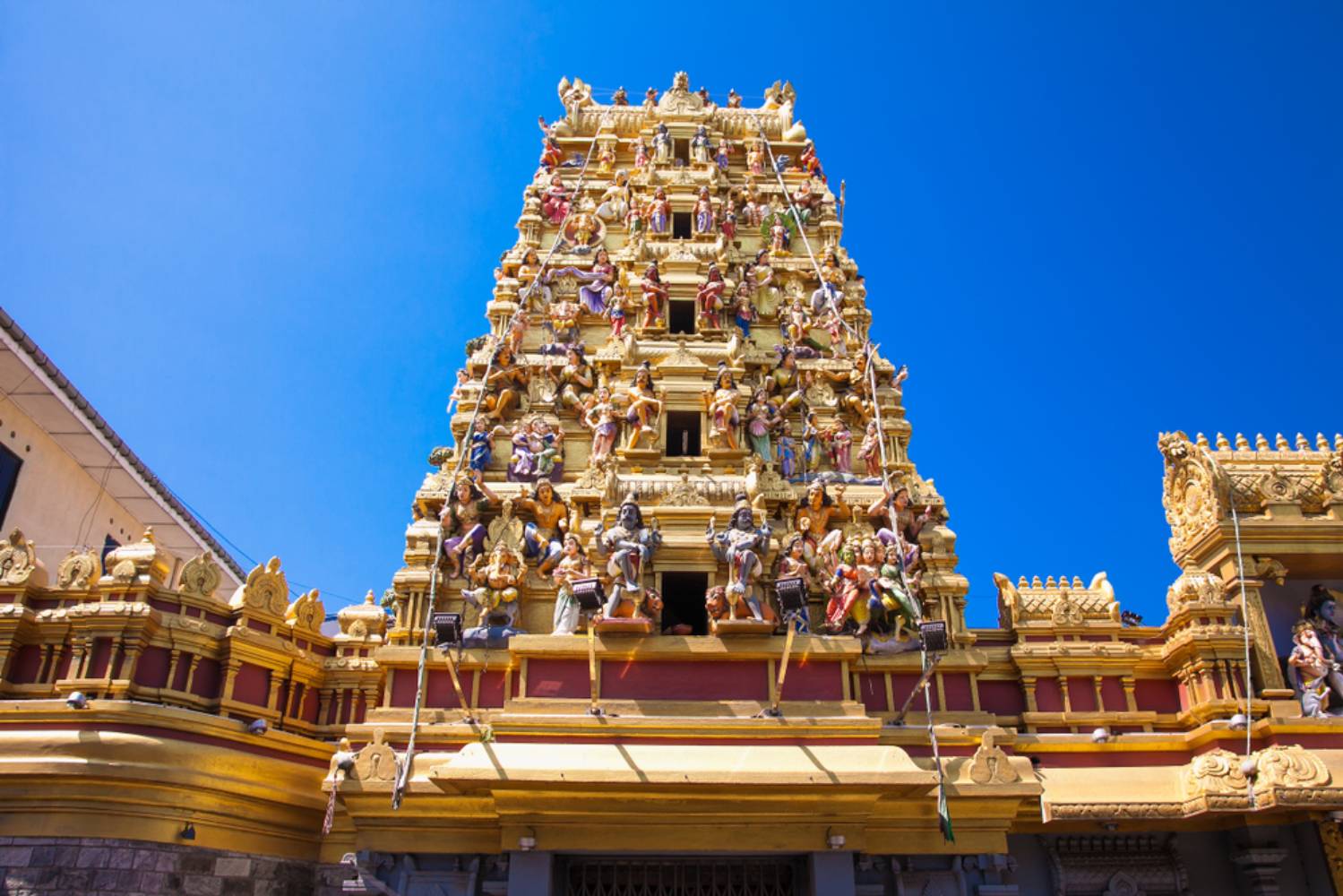
The Temple of Sri Kailawasanathan Swami Devasthanam Kovil, commonly referred to as the Kovil, is a significant Hindu temple located in Colombo, Sri Lanka. Its history dates back to the early 20th century when it was established by the Sri Lankan Tamil community, particularly those of South Indian origin who migrated to Sri Lanka.
The Kovil is dedicated to Lord Shiva, one of the principal deities in Hinduism. It serves as a place of worship and cultural significance for devotees who gather to offer prayers, perform rituals, and seek blessings.
3
The Red Mosque was built in the late 19th century, completed in 1909, during the British colonial period. It was commissioned by the local Muslim community, particularly the South Indian Muslim traders who settled in the area for business purposes.
The mosque is renowned for its striking red and white striped brickwork, which gives it its distinctive appearance and earned it the nickname "Red Mosque." Its architectural style is a blend of Indo-Islamic and Moorish influences, reflecting the cultural diversity and heritage of the region.
4
Stop 4
The Independence Memorial Hall is a grand structure built to commemorate Sri Lanka's independence from British colonial rule on February 4, 1948. Designed by architect Tom Neville Wynne-Jones, the monument blends traditional and modern architectural styles, featuring a prominent dome and open pavilions supported by columns.
The hall serves as a venue for national ceremonies, cultural events, and public gatherings, particularly during Independence Day celebrations. Surrounded by landscaped gardens, the monument offers a serene setting for reflection and remembrance, symbolizing the nation's unity, freedom, and aspirations for the future.
5
The Floating Market is a unique shopping and recreational complex located in Pettah, Colombo, Sri Lanka.
The Floating Market is a modern development situated along the banks of the historic Beira Lake in Pettah, one of Colombo's oldest and busiest commercial districts. It was opened to the public in 2014 as part of the government's efforts to revitalize the area and promote tourism.
6
The Lotus Tower, also known as Nelum Kuluna in Sinhala, is a prominent landmark and telecommunications tower located in Colombo, Sri Lanka.
The Lotus Tower is a symbol of technological advancement and architectural innovation in Sri Lanka. Standing at a height of approximately 350 meters (1,150 feet), it is the tallest structure in South Asia and the 11th tallest telecommunications tower in the world.
The design of the Lotus Tower is inspired by the lotus flower, a sacred symbol in Buddhist culture that represents purity, enlightenment, and prosperity. The tower features a sleek, tapering design with multiple levels and an observation deck near the top, offering panoramic views of Colombo and its surroundings.
7
Stop 7
Galle Face Green stretches for approximately 1.5 kilometers (0.93 miles) along the Indian Ocean, offering a picturesque waterfront setting in the heart of Colombo. The green expanse is a popular gathering place for locals and tourists alike, attracting visitors of all ages to enjoy leisure activities and scenic views.
The origins of Galle Face Green can be traced back to the Dutch colonial period in the 17th century when it served as a promenade for colonial residents. Over time, it evolved into a public park and recreational space, frequented by locals for picnics, family outings, and evening strolls.
8
Colombo Fort Old Lighthouse: The Colombo Fort Old Lighthouse, also known as the Colombo Light, is a historic lighthouse that once stood as a beacon of safety for ships navigating the waters off the coast of Colombo. It was originally constructed during the British colonial period in the 19th century to guide ships into the busy harbor of Colombo.
9
Clock Tower: Adjacent to the Colombo Fort Old Lighthouse stands the Clock Tower, another iconic landmark in Colombo. The Clock Tower was built in 1857 as a memorial to Queen Victoria's husband, Prince Albert, who had passed away the previous year.
10
This is a pure Ceylon tea factory outlet. You can taste and buy fresh Ceylon tea.
What's not included
Entrance fee to Gangaramaya (Vihara) Buddhist Temple $2
Entrance fee to Lotus Tower $20 per person
Available languages
Guide guide
AR
HI
EN
UR
TA
ML
Reviews breakdown
Viator
5.0
3 reviews
5★
3
4★
0
3★
0
2★
0
1★
0
Tripadvisor
5.0
3 reviews
5★
3
4★
0
3★
0
2★
0
1★
0
Important information
Infants and small children can ride in a pram or stroller
Public transportation options are available nearby
Infants are required to sit on an adult’s lap
Suitable for all physical fitness levels
About Colombo
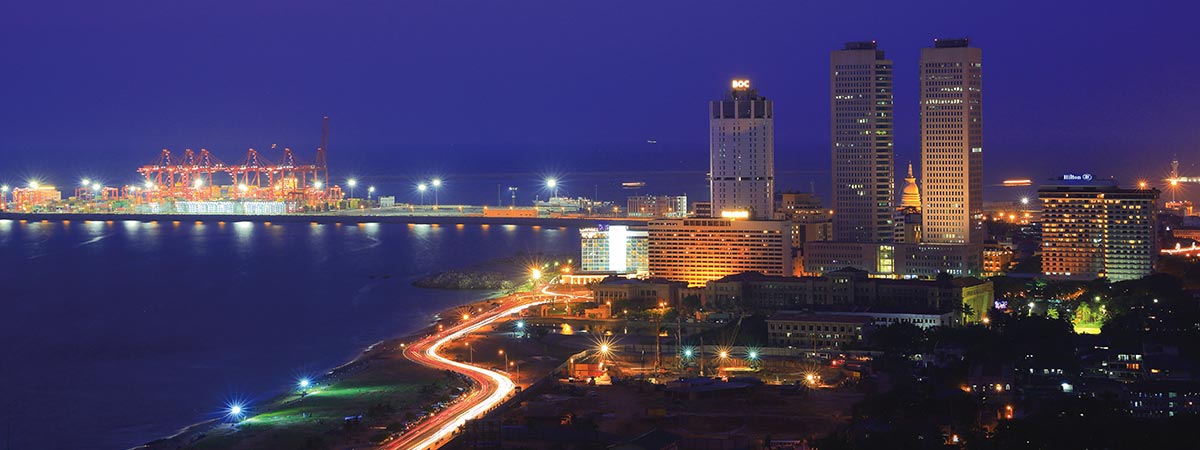
Colombo, Sri Lanka's bustling commercial capital, is a vibrant blend of modern life and colonial charm. With its diverse culture, rich history, and tropical beauty, the city offers everything from historic sites and religious landmarks to lively markets and beautiful beaches.
Top Attractions
Galle Face Green
A scenic promenade along the Indian Ocean, popular for kite flying, evening strolls, and street food.
Beach
1-2 hours
Free
National Museum of Colombo
Sri Lanka's largest museum, showcasing the country's rich history and cultural heritage.
Museum
2-3 hours
LKR 1,000 (foreigners)
Kelaniya Raja Maha Vihara
An ancient Buddhist temple with significant historical and religious importance.
Religious
1-2 hours
Free (donations welcome)
Beira Lake
A scenic lake in the heart of Colombo, offering boat rides and beautiful views.
Nature
1-2 hours
Free (boat rides may have a small fee)
Colombo Dutch Hospital Shopping Precinct
A historic building transformed into a vibrant shopping and dining destination.
Shopping
1-3 hours
Varies by shop
Must-Try Local Dishes
Rice and Curry
A traditional Sri Lankan meal consisting of rice served with a variety of curries made from vegetables, meat, or fish.
Main Dish
Vegetarian and non-vegetarian options available, may contain allergens like nuts and seafood.
Hoppers (Appa)
Bowl-shaped pancakes made from fermented rice flour and coconut milk, often served with an egg in the center.
Breakfast/Dinner
Vegetarian, can be made vegan without egg.
Kottu Roti
A popular street food made from chopped roti (flatbread) cooked with vegetables, meat, or fish, and spices.
Dinner/Snack
Vegetarian and non-vegetarian options available, may contain allergens like nuts and seafood.
Lamprais
A Dutch-influenced dish consisting of rice, meat, and vegetables cooked in banana leaves.
Main Dish
Non-vegetarian, may contain allergens like nuts and seafood.
Popular Activities
Hiking
Water sports
Wildlife safaris
Beach activities
Spa treatments
Yoga
Temple visits
Museum tours
Best Time to Visit
December to March
This period offers the best weather for visiting, with warm temperatures and less rainfall, making it ideal for exploring the city and its attractions.
28-32°C
82-90°F
Practical Information
Language
- Official: Sinhala, Tamil
- Widely spoken: English
- English: Widely spoken in tourist areas and by younger generations
Currency
Sri Lankan Rupee (LKR)
Time Zone
GMT+5:30
Electricity
230VV, 50HzHz
Safety Information
Overall Safety Rating: Generally safe, but exercise caution in crowded areas and at night
Colombo is generally safe for tourists, but petty crime and scams can occur, especially in crowded areas and tourist hotspots. Be cautious of pickpocketing, bag snatching, and overcharging by taxis and vendors.
Important Precautions:
- • Use reputable tour operators and guides
- • Agree on fares before using taxis or tuk-tuks
- • Keep valuables secure and out of sight
Getting there
By air
- Bandaranaike International Airport • 35 km south of Colombo
By train
Colombo Fort Station
By bus
Bastion Street Bus Terminal, Colombo Central Bus Stand
Getting around
Public transport
Buses are the most common and affordable way to get around, but they can be crowded and slow.
Taxis
Available • Apps: Uber, PickMe
Rentals
Car, Bike, Scooter
Neighborhoods
Colombo Fort
Cinnamon Gardens
Galle Face
Pettah
Day trips
Kandy
115 km • Full day
Kandy, the last capital of the ancient kings' era, is a UNESCO World Heritage Site known for its rich history, cultural landmarks, and scenic beauty.
Galle
120 km • Full day
Galle is a historic coastal city known for its UNESCO World Heritage-listed Dutch Fort, beautiful beaches, and rich cultural heritage.
Negombo
35 km • Half day
Negombo is a coastal town known for its beautiful beaches, historic sites, and vibrant fishing industry.
Festivals
Vesak • May (full moon day)
Esala Perahera • July or August (full moon day)
Christmas • December 25
Pro tips
- Use app-based taxi services like Uber or PickMe for reliable and transparent pricing
- Carry small denominations of cash for markets and street vendors, as change may be limited
- Bargain politely when shopping at markets and with street vendors, as prices are often negotiable
- Try local street food for an authentic and affordable culinary experience, but be cautious of food hygiene and choose busy stalls with high turnover
- Visit popular attractions early in the morning or late in the afternoon to avoid crowds and the heat
From $25
per person
Price varies by option
Secure booking
Free cancellation available
Instant confirmation