In the Footsteps of Frida Kahlo and Diego: Coyoacan and San Angel
Active
4h
For a full refund, cancel at least 24 hours before the scheduled departure time.
Instant_then_manual confirmation
Mobile or paper ticket accepted
About this experience
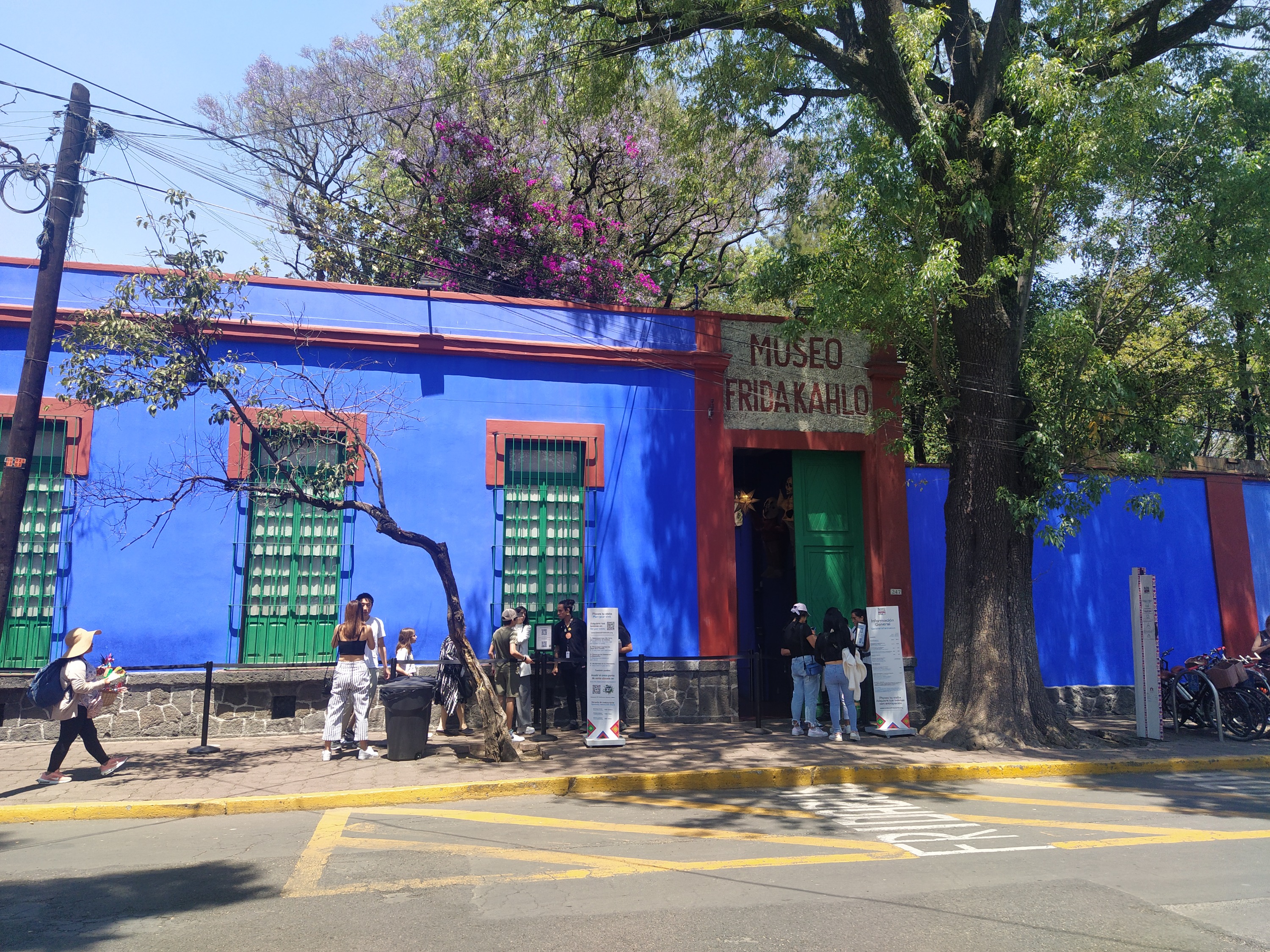
Wander along cobblestone streets lined with colorful colonial houses and soak in the vibrant cultural life that fills its plazas and parks. Observe the iconic Blue House, the former home of Frida Kahlo, and immerse yourself in her fascinating artistic legacy.
Let the aromas of street food tempt you as you explore traditional markets and savor authentic Mexican treats. Coyoacán is known as "Mexico’s Museum District", and for good reason—it boasts one of the highest concentrations of museums, galleries, and cultural landmarks in the country. Only a true local can share the real essence of Coyoacán: the meaning behind the colors of the houses, the lush vegetation, and how this once distant suburb evolved into a vibrant cultural hub like no other in the world.
To enrich your experience even more, we'll continue to the neighboring district of San Ángel, a historic gem that perfectly complements the artistic soul of Coyoacán. Known for its beautiful colonial architecture.
Available options
In the Footsteps of Frida Kahlo and Diego: Coyoacan and San Angel
What's included
This tour includes a scenic walk, fascinating historical and current insights — and most importantly, a whole lot of fun.
Snacks
Coffee and/or Tea
Detailed itinerary
1
Step into a green oasis in the heart of the city! Viveros de Coyoacán is not just a park—it's a vibrant urban forest and plant nursery with a legacy of conservation. Locals come here to jog, meditate, or simply enjoy nature’s calm. You'll stroll through paths lined with towering trees, hear the songs of native birds, and discover how Mexico City sustains its green lungs. It's the perfect place to connect with nature before diving into Coyoacán's and San Angel colorful culture.
2
This hidden gem feels like a step back in time. The Plaza de Santa Catarina is a peaceful, picturesque square with cobblestone paths, blooming bougainvilleas, and colonial charm. It’s surrounded by historic homes, a quaint chapel, and art studios that tell stories of the artists and intellectuals who once lived here. You’ll fall in love with its calm atmosphere and timeless beauty—a true secret spot of Coyoacán.
3
Walking down Avenida Francisco Sosa is like traveling through a living postcard of old Mexico. This cobblestone avenue is lined with colonial-era homes, hidden courtyards, and blooming jacaranda trees. It’s one of the oldest and most beautiful streets in the city, once used by indigenous people to reach the sacred waters of Coyoacán. Along the way, you’ll see charming cafes, artisan shops, and historical landmarks. Every step here tells a story—perfect for travelers who love photography, history, and local flavor.
4
Jardín Centenario is the social heart of Coyoacán. With its lively fountains, iconic coyote statue, and vibrant atmosphere, this plaza buzzes with life. Street performers, musicians, and artisans bring color and rhythm to the space, making it a favorite spot for locals and visitors alike. Sit on a bench with a coffee, enjoy people-watching, and feel the magic of a community deeply connected to art, culture, and tradition.
5
Stop 5
Standing tall with centuries of history, the San Juan Bautista Church is one of the oldest and most beautiful churches in Mexico City. Its baroque façade and peaceful interior are full of artistry and devotion. Inside, you’ll admire intricate woodwork, paintings, and a tranquil vibe that contrasts with the lively plazas outside. It's a spiritual and cultural landmark that has stood the test of time.
6
Stop 6
Ready to taste, smell, and see Mexico in all its glory? The Mercado de Coyoacán is a feast for the senses. From colorful piñatas and handmade crafts to tacos, tostadas, and the famous "quesadillas sin queso," this market is an essential Mexican experience. Locals shop here daily, and it’s the perfect place to try traditional street food, shop for souvenirs, and learn about Mexican flavors and traditions.
7
Stop 7
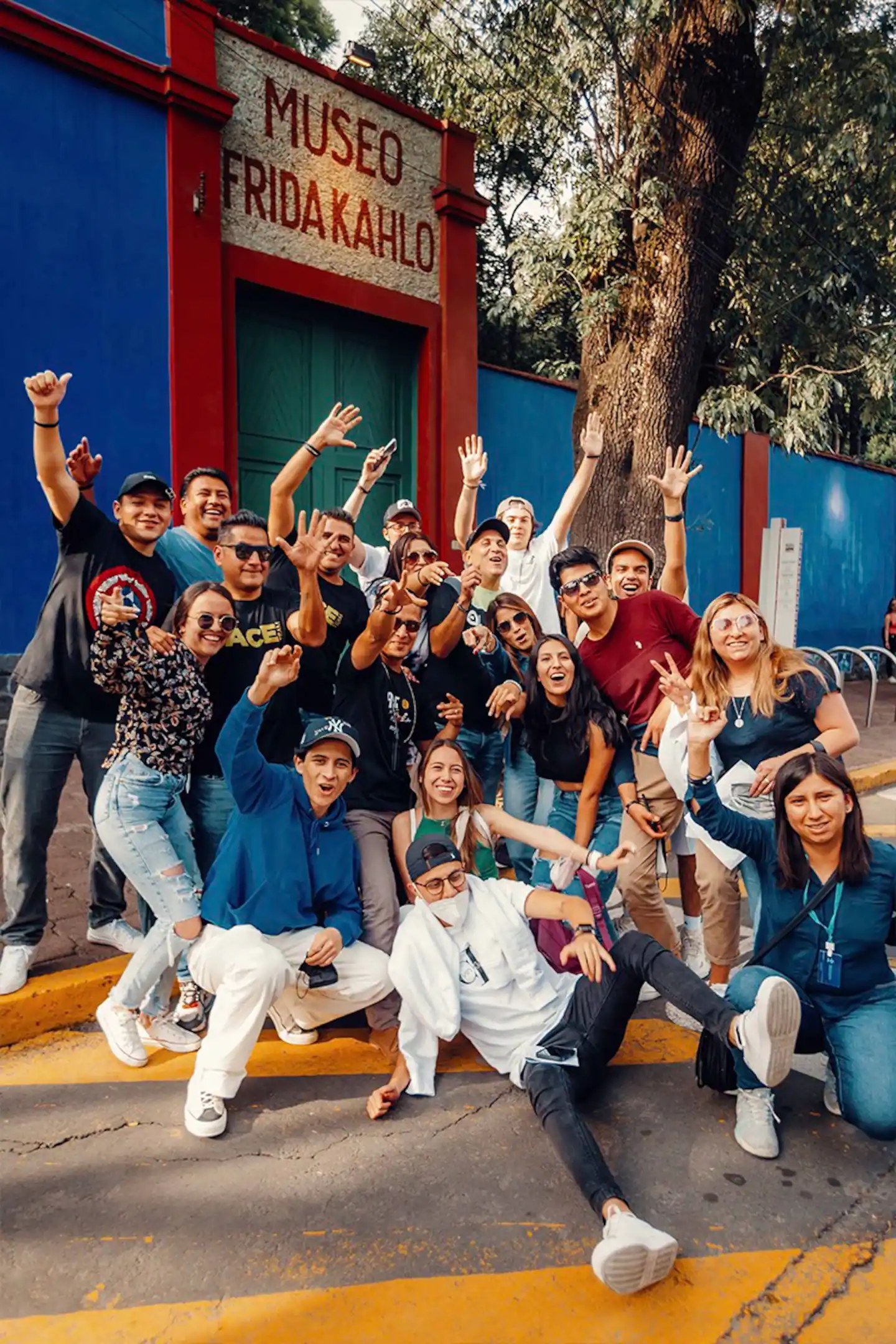
By passing around you can discover the life and legacy of one of the world’s most iconic artists. The Blue House, or Casa Azul, was Frida Kahlo’s home and is now a museum that preserves her vibrant world. We will talk about her artwork, and legacy. We will talk about her life with Diego Rivera, and about a lot of historic persons that were related with this iconic couple as Trotki, Tinna Modotti, etc.
8
Stop 8
Pass by
We will pass around and understand the world of revolution and exile at the Leon Trotsky House Museum. This modest yet powerful home was the final residence of the Russian revolutionary, who sought refuge in Mexico in the late 1930s. Preserved just as it was the day he was assassinated in 1940, the house offers an intimate look into his life in exile, his deep connection with Mexico, and his role in world history, and learn how Diego and Frida werre related to him
9
Stop 9
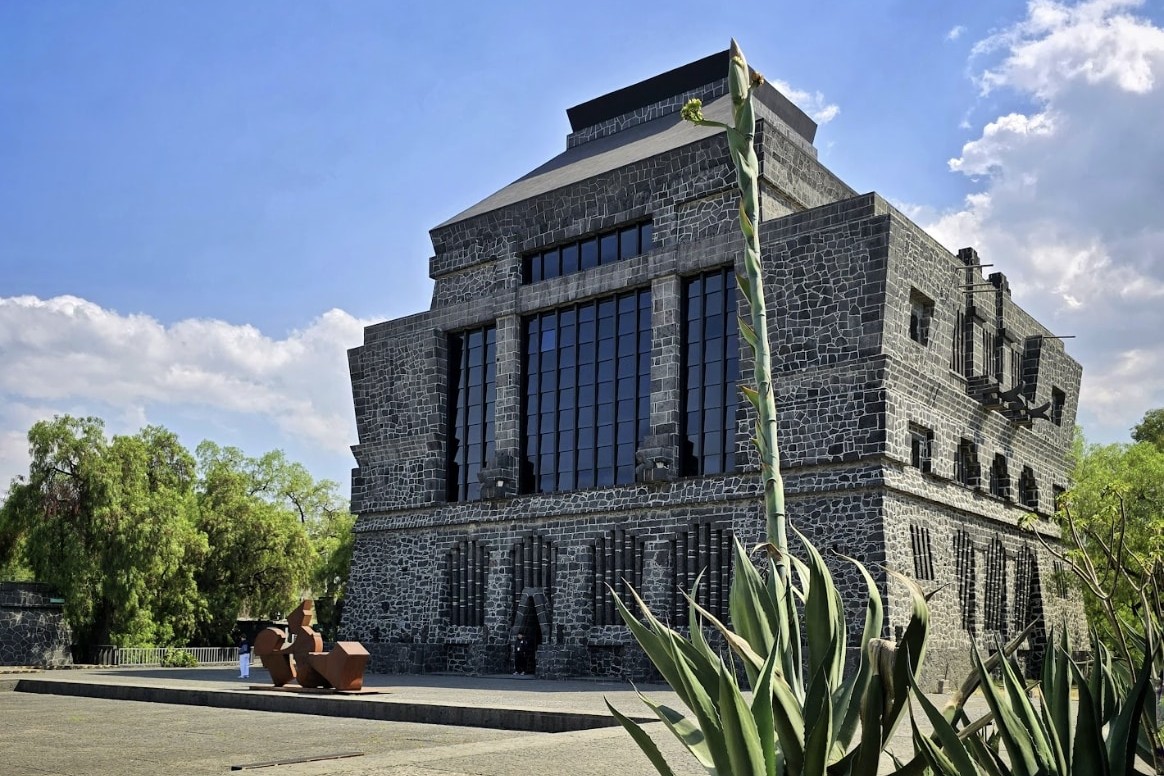
This modernist gem was designed by architect Juan O’Gorman for Frida Kahlo and Diego Rivera. The twin houses—connected by a bridge—reflect the lives of two powerful artists with very different styles. Rivera’s studio remains much as he left it, with towering canvases and murals. The house is a symbol of avant-garde design and personal expression. It’s a must-see for art lovers and architecture enthusiasts alike.
What's not included
Gratuities
Tickets to the Frida Kahlo Blue House and the Leon Trotsky House Museum are not included, as the tour is designed to visit them from the outside..
Available languages
Guide guide
PT
EN
IT
FR
ES
Reviews breakdown
Viator
4.3
3 reviews
5★
2
4★
0
3★
1
2★
0
1★
0
Tripadvisor
5.0
13 reviews
5★
13
4★
0
3★
0
2★
0
1★
0
Important information
Infants and small children can ride in a pram or stroller
Service animals allowed
Public transportation options are available nearby
Suitable for all physical fitness levels
Coyoacán is a very old neighborhood, and many sidewalks are uneven due to the cobblestone streets. We recommend wearing very comfortable shoes for walking
Meeting point
Please walk to Door Number 5
About Mexico City
Mexico City, the vibrant capital of Mexico, is a sprawling metropolis where ancient Aztec ruins coexist with modern skyscrapers. This cultural and historical hub offers a rich tapestry of experiences, from world-class museums and colonial architecture to bustling markets and delicious cuisine. The city's high-altitude location and diverse neighborhoods make it a unique destination for travelers.
Top Attractions
Zócalo
The main square of Mexico City, surrounded by historic buildings including the Metropolitan Cathedral and the National Palace. It's the heart of the city and a must-visit for its cultural and historical significance.
Historical
2-3 hours
Free (some attractions have entry fees)
Chapultepec Park
One of the largest urban parks in the world, featuring a lake, museums, and the famous Chapultepec Castle. It's a great place for outdoor activities and cultural experiences.
Nature
Half day to full day
Free (some attractions have entry fees)
Palacio de Bellas Artes
An iconic cultural landmark featuring stunning murals by famous Mexican artists like Diego Rivera and David Alfaro Siqueiros. The building itself is a masterpiece of art nouveau and neoclassical architecture.
Architecture
1-2 hours
MXN 75 (USD 3.75) for the museum
Teotihuacan
An ancient Mesoamerican city with the famous Pyramid of the Sun and Pyramid of the Moon. This UNESCO World Heritage site offers a fascinating glimpse into pre-Aztec civilizations.
Historical
Half day to full day
MXN 80 (USD 4) for the site, plus guide fees if applicable
Frida Kahlo Museum
The former home of Frida Kahlo, known as the Blue House, now a museum dedicated to her life and work. It offers a deep dive into the life of one of Mexico's most famous artists.
Museum
1-2 hours
MXN 250 (USD 12.50) for foreigners
Must-Try Local Dishes
Tacos al Pastor
Marinated pork cooked on a vertical spit and served on corn tortillas with pineapple and onions.
Street food
Contains meat, can be spicy
Mole
A rich, complex sauce made with chocolate, chili peppers, and spices, typically served with chicken or turkey.
Main course
Contains chocolate, can be spicy
Chiles en Nogada
Poblano chili peppers stuffed with picadillo (a mixture of meat, fruits, and spices) and topped with walnut sauce and pomegranate seeds, representing the colors of the Mexican flag.
Main course
Contains meat, nuts, and dairy
Tlayudas
A large, crispy tortilla topped with beans, cheese, meat, and salsa, often referred to as the 'Mexican pizza'.
Street food
Contains cheese and meat, can be spicy
Popular Activities
Hiking in the Sierra de Guadalupe
Climbing Nevado de Toluca
Paragliding in Valle de Bravo
Visiting Chapultepec Park
Relaxing in Jardín Borda
Enjoying a spa day in Polanco
Exploring the Historic Center
Visiting museums and galleries
Best Time to Visit
November to April
This is the dry season with pleasant weather, making it ideal for outdoor activities and sightseeing. The city hosts numerous festivals and events during this period.
15°C to 28°C (59°F to 82°F)
59°F to 82°F
Practical Information
Language
- Official: Spanish
- Widely spoken: English (in tourist areas)
- English: Moderately spoken in tourist areas, limited elsewhere
Currency
Mexican Peso (MXN)
Time Zone
GMT-6 (Central Standard Time)
Electricity
127VV, 60HzHz
Safety Information
Overall Safety Rating: Exercise caution
Mexico City is generally safe for tourists, but petty crime and scams can occur. Be aware of your surroundings, keep valuables secure, and avoid walking alone at night in unfamiliar areas.
Important Precautions:
- • Use official taxis or ride-sharing apps
- • Keep valuables secure and out of sight
- • Be cautious when using ATMs
Getting there
By air
- Mexico City International Airport • 8 km (5 miles) from city center
By train
Buenavista Station, Toluca Airport Station
By bus
Terminal de Autobuses de Paso de la Reforma, Terminal de Autobuses del Norte
Getting around
Public transport
The metro system is the most efficient way to get around the city, with 12 lines covering most neighborhoods. It can get crowded during peak hours.
Taxis
Available • Apps: Uber, Didi
Rentals
Car, Bike, Scooter
Neighborhoods
Historic Center
Roma
Condesa
Coyoacán
Polanco
Day trips
Puebla
130 km (81 miles) • Full day
A colonial city known for its well-preserved architecture, vibrant culture, and delicious cuisine. Puebla is a UNESCO World Heritage site and offers a rich history and unique charm.
Texcoco
50 km (31 miles) • Half day to full day
A town near Mexico City known for its beautiful gardens and historical sites. Texcoco is home to the ancient Aztec city of Texcoco and the beautiful Jardín Botánico de Texcoco.
Xochimilco
20 km (12 miles) • Half day
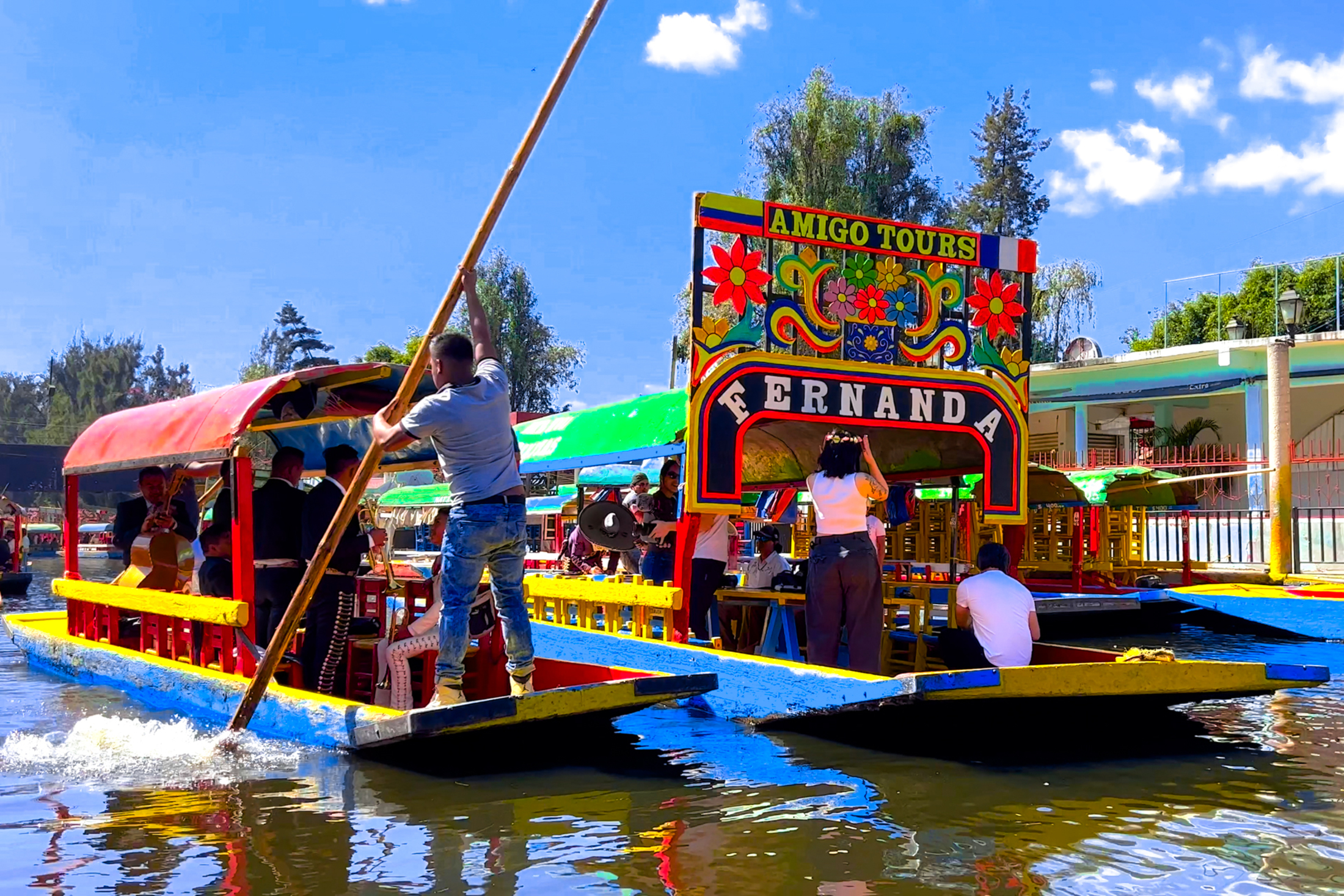
A unique neighborhood in Mexico City known for its canals and traditional trajinera boats. Xochimilco is a UNESCO World Heritage site and offers a unique and colorful experience.
Festivals
Día de los Muertos (Day of the Dead) • November 1-2
Festival Internacional de Cine de Morelia (Morelia International Film Festival) • October
Feria de las Flores (Flower Festival) • September
Pro tips
- Learn a few basic phrases in Spanish to enhance your experience and connect with locals
- Use the metro system to get around the city quickly and affordably
- Try street food from busy stalls with high turnover to ensure freshness and safety
- Visit museums and attractions on weekdays to avoid crowds and long lines
- Explore the city's neighborhoods on foot to discover hidden gems and local culture
From $25
per person
Price varies by option
Secure booking
Free cancellation available