Jebal Shams Grand Canyon Day Tours 8 hours
Active
8h
For a full refund, cancel at least 24 hours before the scheduled departure time.
Instant_then_manual confirmation
Mobile or paper ticket accepted
About this experience
Al Amirat, Bawshar, Al Seeb, Al Zubair Museum, Al Alam Palace, Jalali, Qurayyat ,The Modern Shopping Complex, Muttrah Souq (Al Dhalam), Sultan Palace, Sultan Qaboos Grand Mosque, Mirani
Available options
extra time in muscat city tour
Duration: 10 hours<br/>Pickup included
Muscat City Tour Full Day
Pickup included
What's included
Private tour
Professional guide
Round-trip private transfer
Hotel/Airport/Port pickup and drop-off
water &soft drink
Transport by private vehicle
Detailed itinerary
1
Stop 1
the Mosque of His Majesty Sultan Qaboos Bin Said“Take a look inside this great unique Islamic archeological building where your guide will point out the highlights of the Place and a historical background and some Islamic facts.
The mosque is built from 300,000 tonnes of Indian sandstone. The main musalla (prayer hall) is square (external dimensions 74.4 x 74.4 metres) with a central dome rising to a height of fifty meters above the floor.[3] The dome the main minaret (90 meters) and four flanking minarets (45.5 meters) are the mosque’s chief visual features. The main Muslim can hold over 6,500 worshippers, while the women’s can accommodate 750 worshipers. The outer paved ground can hold 8,000 worshipers and there is additional space available in the interior courtyard and the passageways, making a total capacity of up to 20,000 worshipers.
2
Stop 2
The locals know Souk. This souk is one of the oldest souks in the Arab World. there you can find various goods offered by merchants. you can see fish, frankincense, perfume oil, garments, daggers, gold, silver, spices, and Omani pots.
3
Stop 3
Al Dhalam (Darkness in Arabic) Souq is the local name for the Muttrah Souq. The Muttrah Souq is perhaps one of the oldest marketplaces in the Arab world. It is located adjacent to the harbor of Muscat harbor and has seen an immense trade in the age of sail, being strategically located on the way to India and China.[3] It has been named after darkness because of the crowded stalls and lanes where the sun's rays do not infiltrate during the day and the shoppers need lamps to know their destinations. The name of the market has been drawn specifically from the part that extends from Al Lawatiya Mosque to Khour Bimba where the place is really full of stores and stalls and the narrow area of lanes does not allow the sunlight to enter. The market was a source of supply for Omanis where they could buy their needs in the 1960s when life requirements were simpler than today. Most of the goods were imported, in addition to local products like textiles, fruit, vegetables, and dates.
4
Stop 4
The Al Alam Palace is the ceremonial palace of Sultan Qaboos of Oman located in Old Muscat, Oman.
"Al Alam" means "The Flag" in Arabic. The palace, one of six royal residences of the ruling monarch, Sultan Qaboos, has a history of over 200 years, built by Imam Sultan bin Ahmed the 7th direct grandfather of the current Sultan. The existing palace, which has a facade of gold and blue, was rebuilt as a royal residence in 1972.
The inner grounds of the palace remain off-limits but visitors are permitted to stop near the gates and take photographs.
Al Alam Palace is surrounded by the Mirani and Jalali Forts built in the 16th century by the Portuguese.
The Palace is used for official functions and receiving distinguished visitors and in January 2012, the Sultan received Queen Beatrix of the Netherlands at Al Alam Palace during her state visit to Oman.
5
Stop 5
In the 1552 Capture of Muscat, an Ottoman force consisting of 4 gallons, 25 galleys, and 850 troops attacked the city of Muscat. They captured the city and its fort. The recently built Fort Al-Mirani was besieged for 18 days with one piece of Ottoman artillery brought on top of a ridge. The Fort was captured and its fortifications destroyed
6
Stop 6
Al Jalali Fort, or Ash Sharqiya Fort, is a fort in the harbor of Old Muscat, Oman. The Fort was built by the Portuguese in the 1580s to protect the harbor after Muscat had twice been sacked by Ottoman forces. It fell to Omani forces in 1650. During the civil wars between 1718 and 1747, the fort was twice captured by Persians who had been invited to assist one of the rival Imams. The Fort was extensively rebuilt later.
At times, Al Jalali served as a refuge or a jail for a member of the royal family. For much of the 20th century it was used as Oman's main prison, but this function ended in the 1970s. Fort al-Jalali was restored in 1983 and converted into a private museum of Omani cultural history that is accessible only to dignitaries visiting the country. Exhibits include cannons, old muskets and matchlocks, maps, rugs, and other artifacts.
7
Stop 7
Bait Al Zubair is a museum, located near the Ministry of Information on Al Saidiya Street, Old Muscat, Oman.
The museum has an extensive collection of ancient weapons including Khanjar, household equipment, and costumes most of which derive from the owner's private collection. Outside the museum is a full-scale Omani village and souq.
8
Where you can Buy Souvenirs to your friends and Family
What's not included
Gratuities
lunch
Available languages
Guide guide
EN
Important information
Wheelchair accessible
Suitable for all physical fitness levels
A dress code is required to enter places of worship and selected museums. No shorts or sleeveless tops allowed. Knees and shoulders MUST be covered for both men and women. You may risk refused entry if you fail to comply with these dress requirements
Important notes
CONFIRMATION INFORMATION
Thank you for your request and for choosing our company to arrange your tours in Oman.
Kindly contact us by phone or email to inform us about your detailed pickup location.
Email: info@vacationpackagesoman.com
• A current valid passport is required on the day of travel
• Dress Code: visiting the grand mosque from inside require long covering clothes, no shorts for men, women should cover her hair in order to enter the mosque.
• If you will not be arriving at your destination within the specified reconfirmation period, please reconfirm with the local service provider prior to travel, or upon arrival at your destination. Please note that departure times and locations may vary slightly.
Times are subject to change due to local traffic conditions.
About Muscat
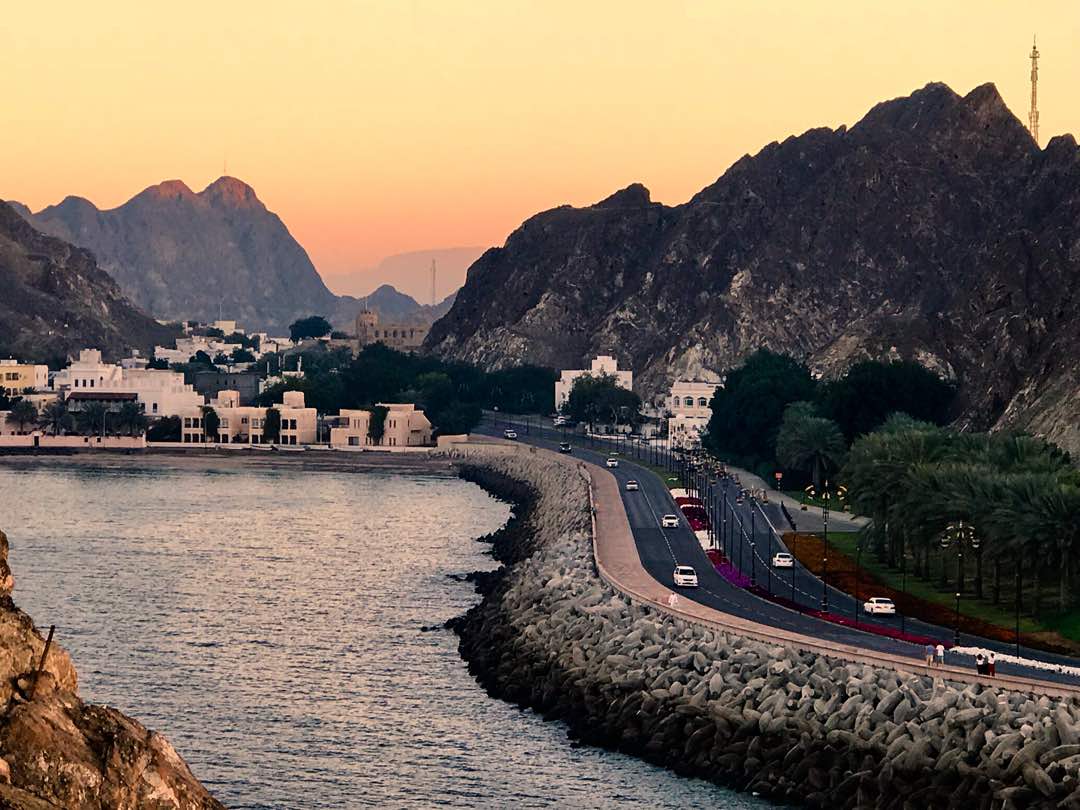
Muscat, the capital of Oman, is a beautiful coastal city known for its stunning architecture, rich history, and strategic location along the Gulf of Oman. With a unique blend of traditional Omani culture and modern development, Muscat offers visitors a mix of historic forts, luxurious resorts, and vibrant souks.
Top Attractions
Sultan Qaboos Grand Mosque
One of the most stunning landmarks in Muscat, this mosque is a masterpiece of Islamic architecture and a symbol of Omani heritage.
Religious/Architecture
1-2 hours
Free (guided tours may have a fee)
Mutrah Souq
A traditional market offering a variety of goods, including spices, textiles, and souvenirs. The souq is a great place to experience Omani culture and haggle for bargains.
Market/Cultural
1-2 hours
Free to enter, prices vary for goods
Royal Opera House Muscat
A world-class venue for opera, ballet, and other performing arts, offering a glimpse into the cultural richness of Oman.
Cultural/Entertainment
2-3 hours (depending on the performance)
Varies by event (moderate to expensive)
Must-Try Local Dishes
Shuwa
Slow-cooked lamb or goat marinated in spices and wrapped in banana leaves.
Dinner
Not vegetarian
Harees
A porridge-like dish made from wheat and meat, often served during Ramadan.
Dinner
Not vegetarian
Halwa
A sweet dessert made from sugar, ghee, and spices, often served with tea.
Dessert
Vegetarian
Popular Activities
Hiking in Wadi Shab
Dune bashing in the desert
Beach relaxation at Qurum Beach
Spa treatments at luxury resorts
Exploring Mutrah Souq
Visiting the Royal Opera House Muscat
Swimming in Bimmah Sinkhole
Boat tours in the Gulf of Oman
Best Time to Visit
November to March
The best time to visit Muscat is during the cooler months from November to March when the weather is pleasant and ideal for outdoor activities. This period also sees the highest number of tourists.
18°C to 30°C
64°F to 86°F
Practical Information
Language
- Official: Arabic
- Widely spoken: English, Urdu, Balochi
- English: Widely spoken in tourist areas
Currency
Omani Rial (OMR)
Time Zone
GMT+4
Electricity
240VV, 50HzHz
Safety Information
Overall Safety Rating: Generally safe
Muscat is generally safe for travelers, with low crime rates. However, it's always important to stay vigilant and follow local customs and laws.
Important Precautions:
- • Use licensed taxis or ride-hailing apps
- • Be cautious of strangers offering unsolicited help
- • Keep valuables secure
Getting there
By air
- Muscat International Airport • 30 km from city center
By bus
Muscat Central Bus Station
Getting around
Public transport
The bus service is affordable and connects key points in Muscat. However, it may not be as extensive as in other major cities.
Taxis
Available • Apps: Uber, Careem
Rentals
Car
Neighborhoods
Mutrah
Al Khuwair
Shati Al Qurum
Day trips
Nizwa
160 km from Muscat • Full day
Nizwa is a historic city known for its fort, souq, and traditional Omani architecture.
Wadi Shab
90 km from Muscat • Full day
Wadi Shab is a stunning natural area with waterfalls, pools, and hiking trails.
Bimmah Sinkhole
120 km from Muscat • Half day
A natural sinkhole with crystal-clear waters, perfect for swimming and photography.
Festivals
Muscat Festival • January to February
Eid al-Fitr • Varies (depends on the Islamic lunar calendar)
Pro tips
- Visit the Sultan Qaboos Grand Mosque early in the morning to avoid the heat and crowds
- Explore Mutrah Souq in the evening when it's cooler and more lively
- Try traditional Omani coffee and dates at a local café
- Book a guided tour for day trips to learn more about the history and culture
- Carry a reusable water bottle and stay hydrated, especially in the summer
From $25
per person
Price varies by option
Secure booking
Free cancellation available