Cruise Guests Layover Incheon Port Seoul Private Car Tour
Active
6h - 9h
For a full refund, cancel at least 24 hours before the scheduled departure time.
Instant confirmation
Mobile or paper ticket accepted
About this experience
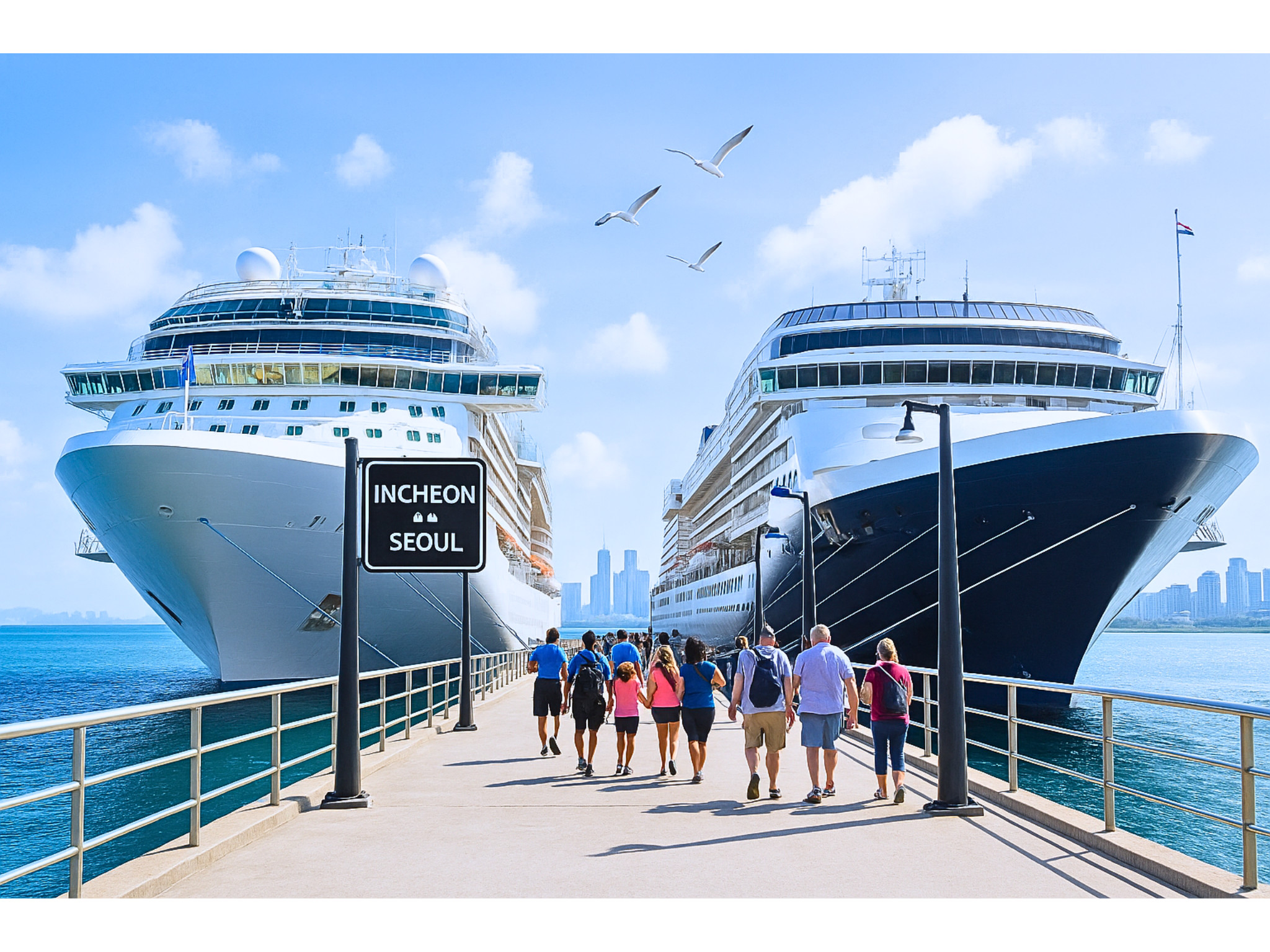
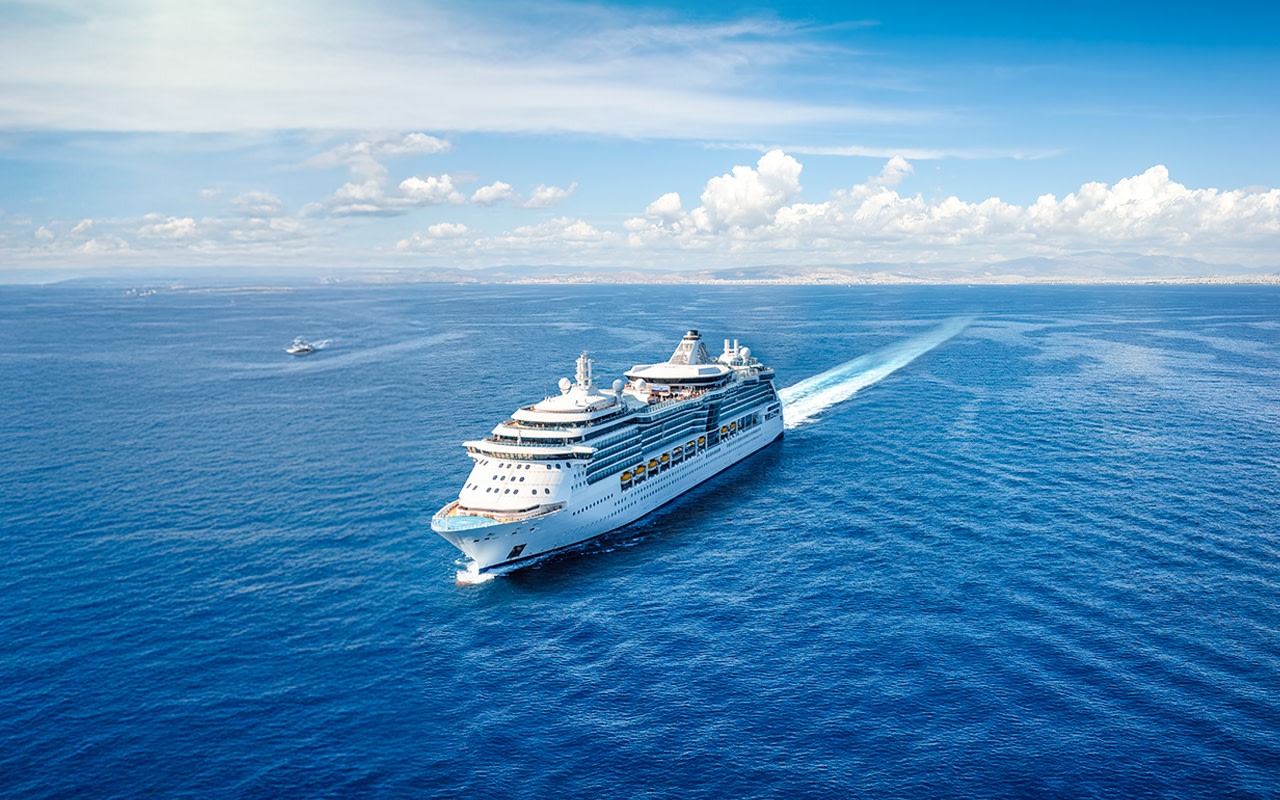
Enjoy a private car charter service designed for travelers arriving in Incheon (Seoul) via cruise ships. Schedule the tour according to the cruise ship's arrival and departure times and accommodate private groups of 1-6 people.
Unlike join-in tours, you don't have to travel with strangers or be disrupted by other travelers. Customize your itinerary and explore Seoul or Incheon's famous attractions at your own pace. Adjust the time spent at each attraction, making your travel experience more convenient and comfortable compared to join-in tours.
Since you need to customize your itinerary according to the cruise ship time, you can visit 3-4 tourist attractions.
Recommended Attractions:
Seoul - Gyeongbokgung Palace (guardian changing ceremony), Hanok Village, Starfield Library, Blue House, Namsan Tower, Lotte Tower, Banpo Hangang Park, Gwangjang Market
Incheon - Eurwangri Beach, Muido Entrance, Sinpo International Market, Hwapyeong-dong Naengmyeon Street, Incheon Station Chinatown,
Available options
Cruise Guests Layover Incheon Port Seoul Private Car Tour
What's included
Private transportation
You can end the tour at the last tourist attraction without returning to the cruise ship.
Pick-up and drop-off at the cruise ship port
Air-conditioned vehicle
Flexible itinerary based on your preferences
A professionally qualified tour guide
Detailed itinerary
1
Stop 1
Gyeongbokgung Palace retains the original Gyeonghoeru Pavilion, a prime example of Joseon architecture, and the Hyangwonjeong Pavilion and pond. The sculptures in the Geunjeongjeon Hall exemplify Joseon-era sculpture techniques. The west side of the area outside Heungnyemun Gate is occupied by the National Palace Museum of Korea, while the eastern side of Hyangwonjeong Pavilion within the Gyeongbokgung Palace is occupied by the National Folk Museum of Korea.
2
Stop 2
Deoksugung (Palace) was a private residence of the prince Weolsan's. The 9th king of Joseon dynasty Seongjong, built it for his elder brother Weolsangun. It then became the palace in 1593 when King Seonjo used it as his residence. Deoksugung is situated in the central part of the modern history in Korea. The palace is a blending of the western and eastern construction styles. Deoksugung is famous for the Jagyeokru(a water clock) and the changing of the commanders of the guards ceremony.
3
Stop 3
Surrounded by Gyeongbokgung Palace, Changdeokgung Palace and Jongmyo Shrine, Bukchon Hanok Village is home to hundreds of traditional houses, called hanok, that date back to the Joseon dynasty. The name Bukchon, which literally translates to "northern village," came about as the neighborhood lies north of two significant Seoul landmarks, Cheonggyecheon Stream and Jongno. Today, many of these hanoks operate as cultural centers, guesthouses, restaurants and tea houses, providing visitors with an opportunity to experience, learn and immerse themselves in traditional Korean culture. As Bukchon Hanok Village is an actual neighborhood with people's homes, visitors are advised to be respectful at all times while looking around.
4
Stop 4
The Gwangjang Market is the first local market of Korea and continues to thrive as a popular tourist destination today. The second floor of the market has all kinds of silk, satin, linen bed-sheet stores.
Gwangjang market is also famous for its food stalls. There are tens of food stalls in the middle of the marketplace and the most popular snacks include Bindaetteok(fried Korean pancakes) and Mayak Kimbab.
5
Stop 5
Namsan tower (=N seoul tower) is one of Seoul's most representative landmarks where tourists can enjoy beautiful view of the city covering all the way to gangnam, han river and beyond. Especially the red sunset and night view is wonderful.
I guess the best known site at the tower is the thousands of locks hung on the fence by visitors as proof their love or friendship. They wish unbreakable love or friendship and write their name on the padlock and hang on the fence.
So namsan tower is one of recommandable places where tourists can make good memories in Seoul.
What's not included
Lunch Fee (8$~50$)
Other personal expenses
Personal Insurance
5 more people and 5 more pieces of luggage (15,000 additional fee, luggage transportation fee)
Incheon Airport Pick up or drop-off surcharge (KRW 50,000)
9-hour tour After (₩40,000 per additional time / hour)
Available languages
Guide guide
CMN
EN
Reviews breakdown
Viator
5.0
9 reviews
5★
9
4★
0
3★
0
2★
0
1★
0
Tripadvisor
5.0
14 reviews
5★
14
4★
0
3★
0
2★
0
1★
0
Important information
Public transportation options are available nearby
Infants are required to sit on an adult’s lap
Suitable for all physical fitness levels
minimum and maximum age of travelers : 3~99
Meeting point
The cruise ship arrives at port and the meeting is held according to the time the customer disembarks.
About Incheon
Incheon is a vibrant port city in South Korea, known for its modern infrastructure, rich history, and diverse cultural attractions. It's a gateway to the country, home to Incheon International Airport, and offers a unique blend of traditional and contemporary experiences.
Top Attractions
Songdo Central Park
A beautiful urban park with a large artificial canal, walking paths, and scenic views. It's a great place for a relaxing stroll or a picnic.
Nature
1-2 hours
Free
Chinatown (Jinhae
One of the oldest Chinatowns in Korea, featuring a mix of traditional and modern Chinese culture. It's a great place to try authentic Chinese cuisine and explore unique shops.
Cultural
1-2 hours
Free to explore, varies for food and shopping
Incheon Grand Park
A large park with beautiful gardens, a zoo, and a lake. It's a great place for a family outing or a peaceful walk.
Nature
2-3 hours
Free (Zoo has an admission fee)
Wolmido Island
A small island with a rich history, featuring a theme park, a lighthouse, and beautiful ocean views. It's a great place for a day trip.
Historical
Half a day
Free (Theme park has an admission fee)
Incheon Chinatown
Incheon's Chinatown is one of the oldest and largest in Korea, offering a vibrant mix of Chinese culture, food, and history.
Cultural
1-2 hours
Free to explore, varies for food and shopping
Must-Try Local Dishes
Jinhae Chicken
A popular Korean-Chinese dish made with chicken, vegetables, and a spicy sauce. It's a must-try in Incheon's Chinatown.
Main Dish
Contains gluten and spicy ingredients
Wolmido Squid
Fresh squid dishes, including grilled squid and squid stir-fried with vegetables. A local specialty in Wolmido.
Seafood
Contains seafood
Songdo Seafood
Fresh seafood dishes, including fish, shrimp, and crab. Songdo is known for its high-quality seafood restaurants.
Seafood
Contains seafood
Popular Activities
Hiking in Incheon Grand Park
Cycling around Songdo Central Park
Exploring Wolmido Island
Strolling through Songdo Central Park
Visiting traditional tea houses
Enjoying a spa day
Exploring Incheon Chinatown
Visiting historic sites like Wolmido Lighthouse
Best Time to Visit
April to June, September to October
Spring and autumn offer comfortable temperatures and beautiful scenery. This is the best time for outdoor activities and sightseeing.
10°C to 25°C
50°F to 77°F
Practical Information
Language
- Official: Korean
- Widely spoken: English, Chinese, Japanese
- English: Moderately spoken in tourist areas, limited in other places
Currency
South Korean Won (KRW)
Time Zone
GMT+9
Electricity
220VV, 60HzHz
Safety Information
Overall Safety Rating: Generally safe
Incheon is generally a safe city with low crime rates. However, as with any destination, travelers should take common-sense precautions to ensure a safe and enjoyable trip.
Important Precautions:
- • Use licensed taxis or ride-hailing apps
- • Keep valuables secure and out of sight
- • Be cautious when using ATMs, especially at night
Getting there
By air
- Incheon International Airport • 70 km from central Incheon
By train
Incheon Station
By bus
Incheon Bus Terminal
Getting around
Public transport
The subway system is efficient, clean, and easy to navigate. Signs are in both Korean and English.
Taxis
Available • Apps: KakaoTaxi, Naver Map
Rentals
Car, Bike, Scooter
Neighborhoods
Songdo
Chinatown (Jinhae-gu)
Wolmido
Jung-gu
Day trips
Seoul
30 km • Half a day to full day
South Korea's capital city offers a mix of traditional and modern attractions, including historic palaces, vibrant markets, and cutting-edge technology.
Suwon
40 km • Half a day to full day
A historic city known for its well-preserved fortress and traditional architecture. It offers a glimpse into Korea's past.
DMZ (Demilitarized Zone)
50 km • Full day
A unique and historic site offering insights into the Korean War and the ongoing division of Korea. It's a sobering but educational experience.
Festivals
Incheon Pentaport Rock Festival • July
Incheon Chinatown Chinese New Year Festival • January or February (varies by year)
Incheon International Fireworks Festival • October
Pro tips
- Use a T-money card for convenient and discounted public transportation fares
- Download a subway map app, such as Naver Map or KakaoMap, for easy navigation
- Try local street food and specialty dishes, such as Jinhae Chicken and Wolmido Squid
- Visit popular attractions early in the morning or late in the afternoon to avoid crowds
- Use ride-hailing apps, such as KakaoTaxi or Naver Map, for convenient and reliable taxi services
From $25
per person
Price varies by option
Secure booking
Free cancellation available
Instant confirmation