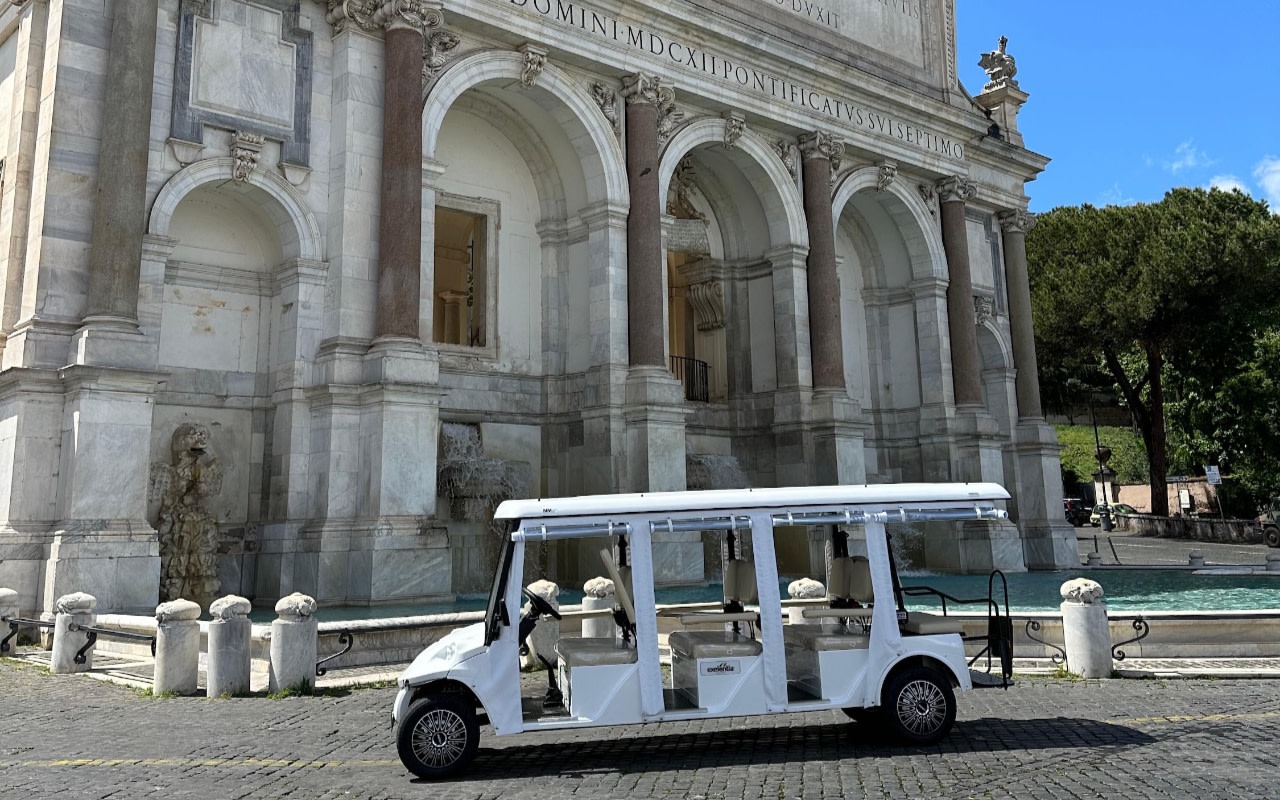
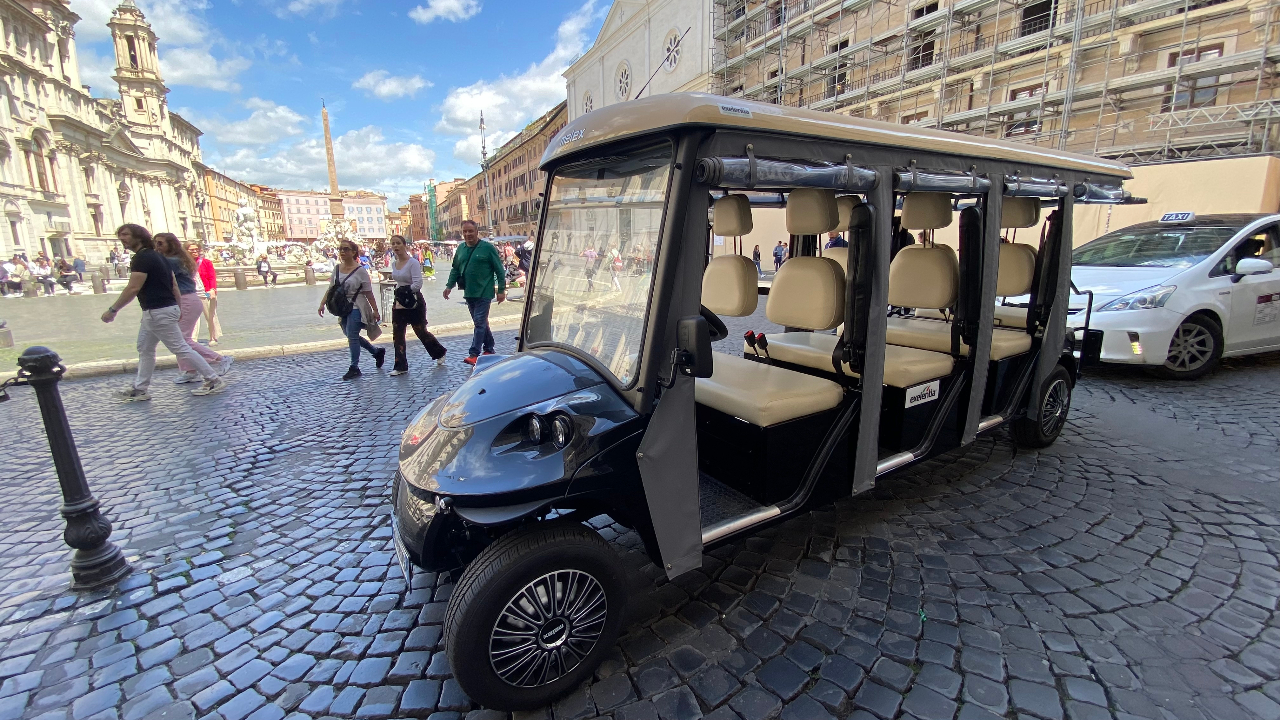
Rome Testaccio: Food and Wine Tastings by a Golf Cart
Active
3h
For a full refund, cancel at least 24 hours before the scheduled departure time.
Instant confirmation
Mobile or paper ticket accepted
About this experience
Experience Ancient Rome with an authentic Food Experience like never before!
Join our Rome Golf Cart Tour and travel through the Eternal City, where every corner reveals history, beauty, and culture. This is more than a simple sightseeing tour — it’s a curated journey through Rome’s most iconic views.
Your adventure leads to Testaccio, the heart of traditional Roman cuisine. Here stands Monte dei Cocci, a unique hill made from millions of ancient amphorae fragments dating back to the 1st–3rd centuries AD.
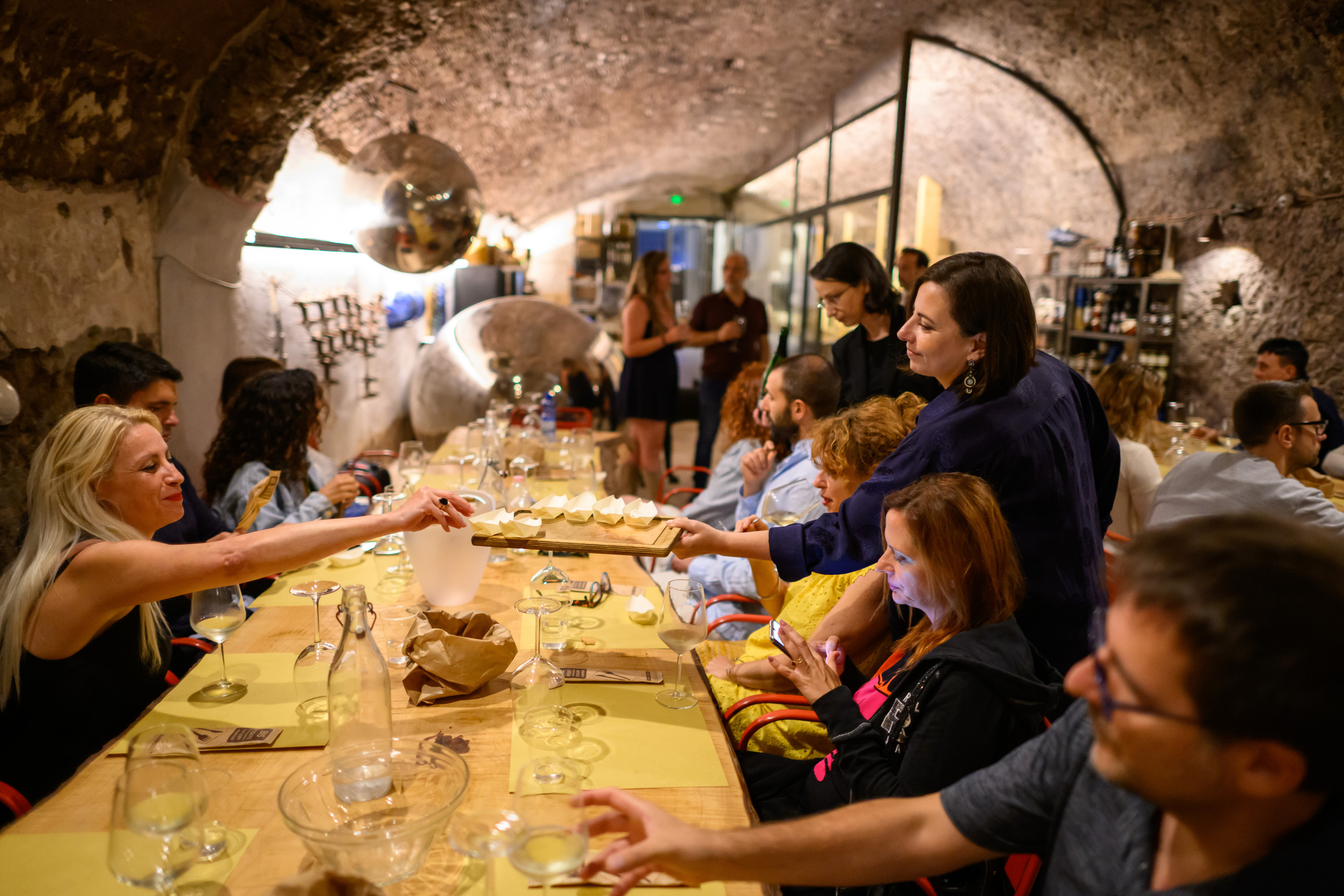
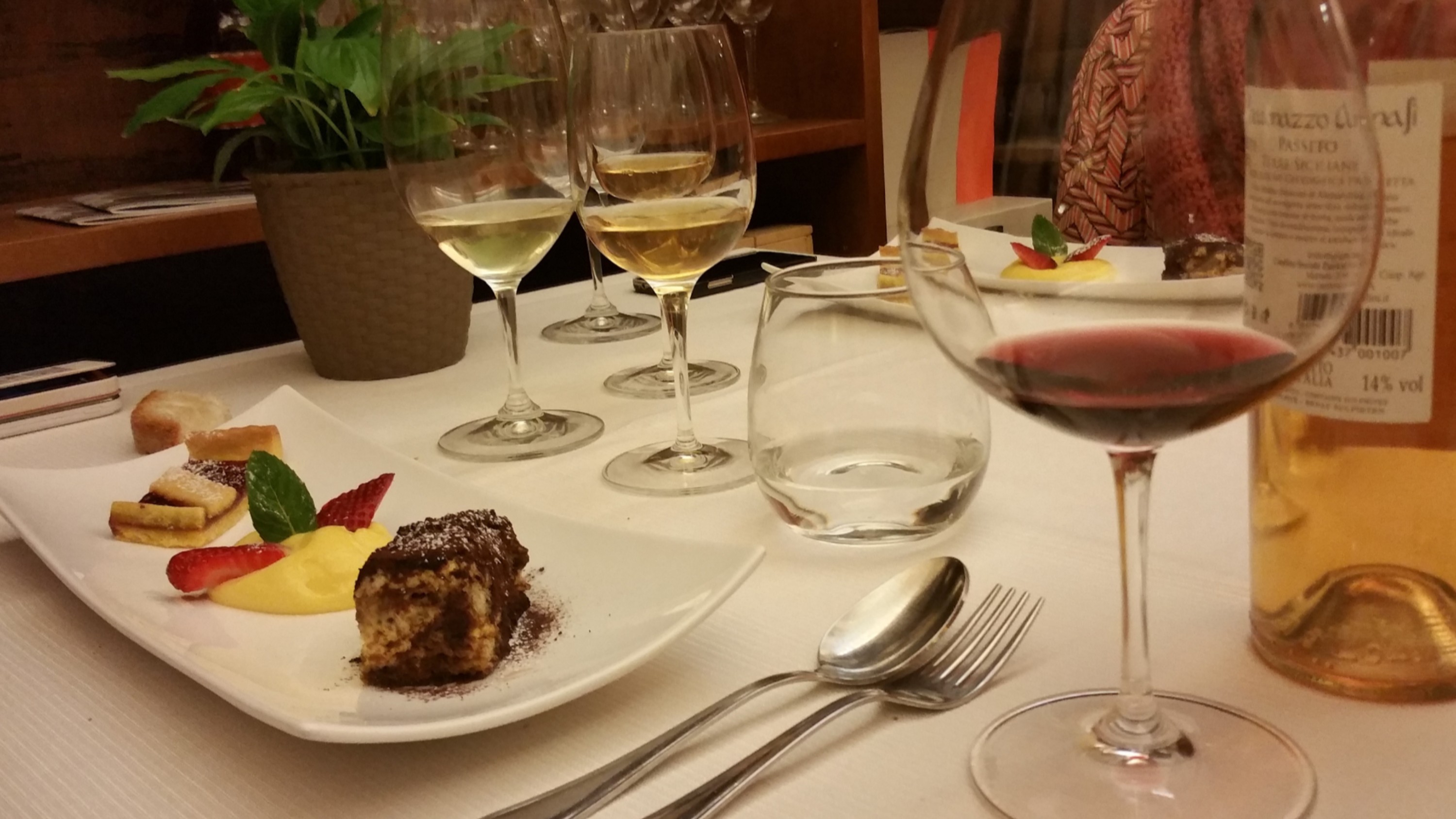
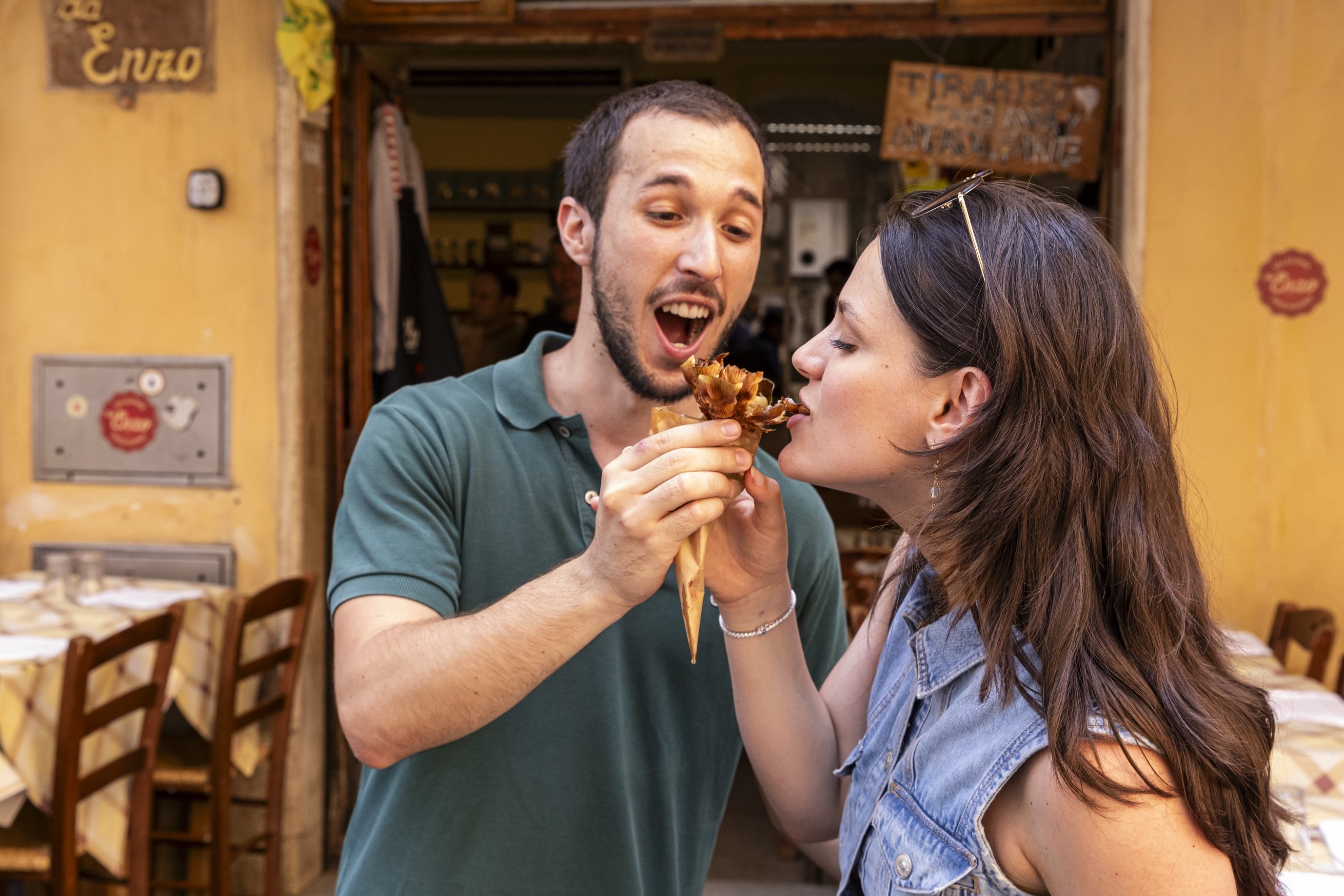
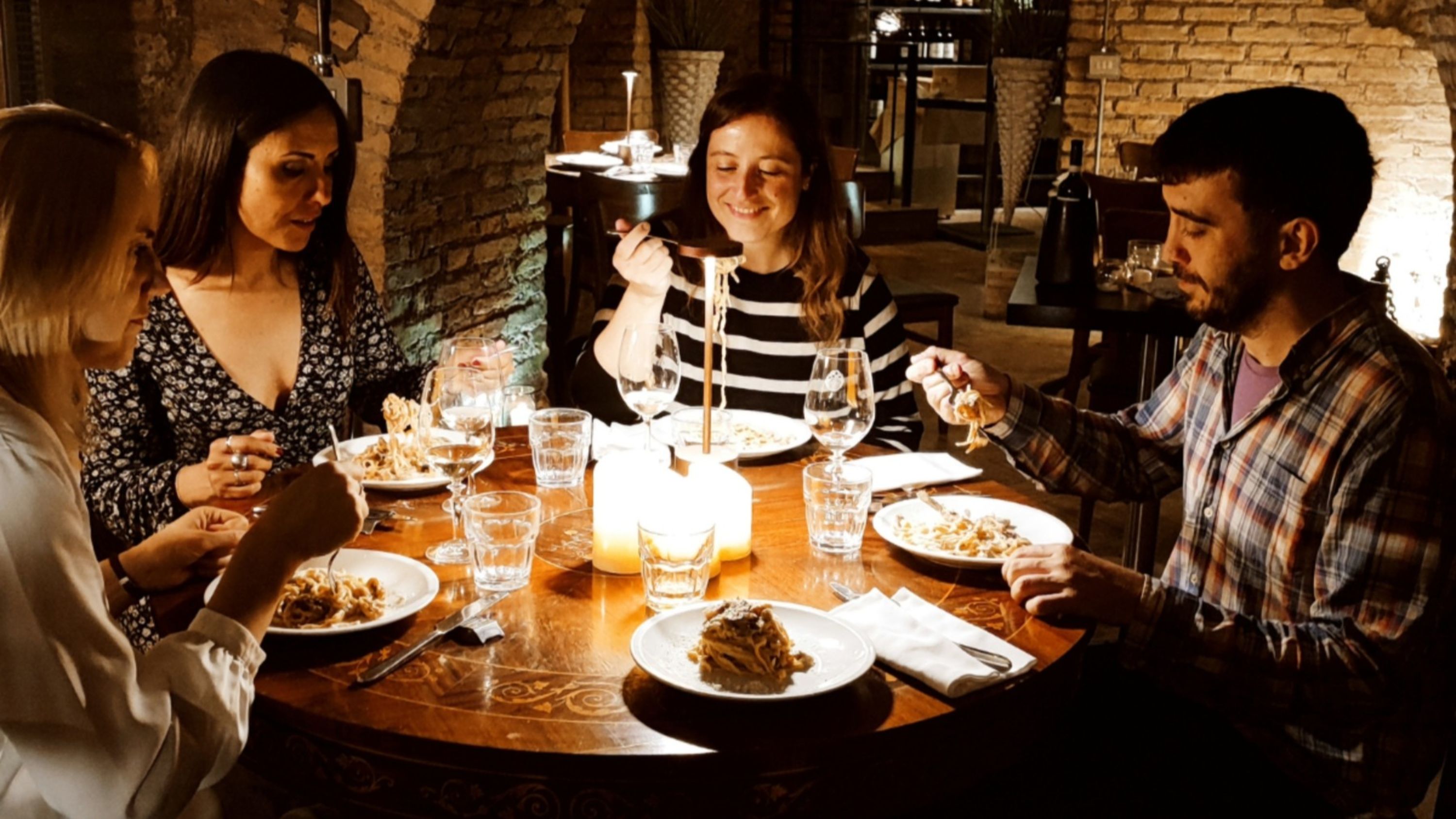
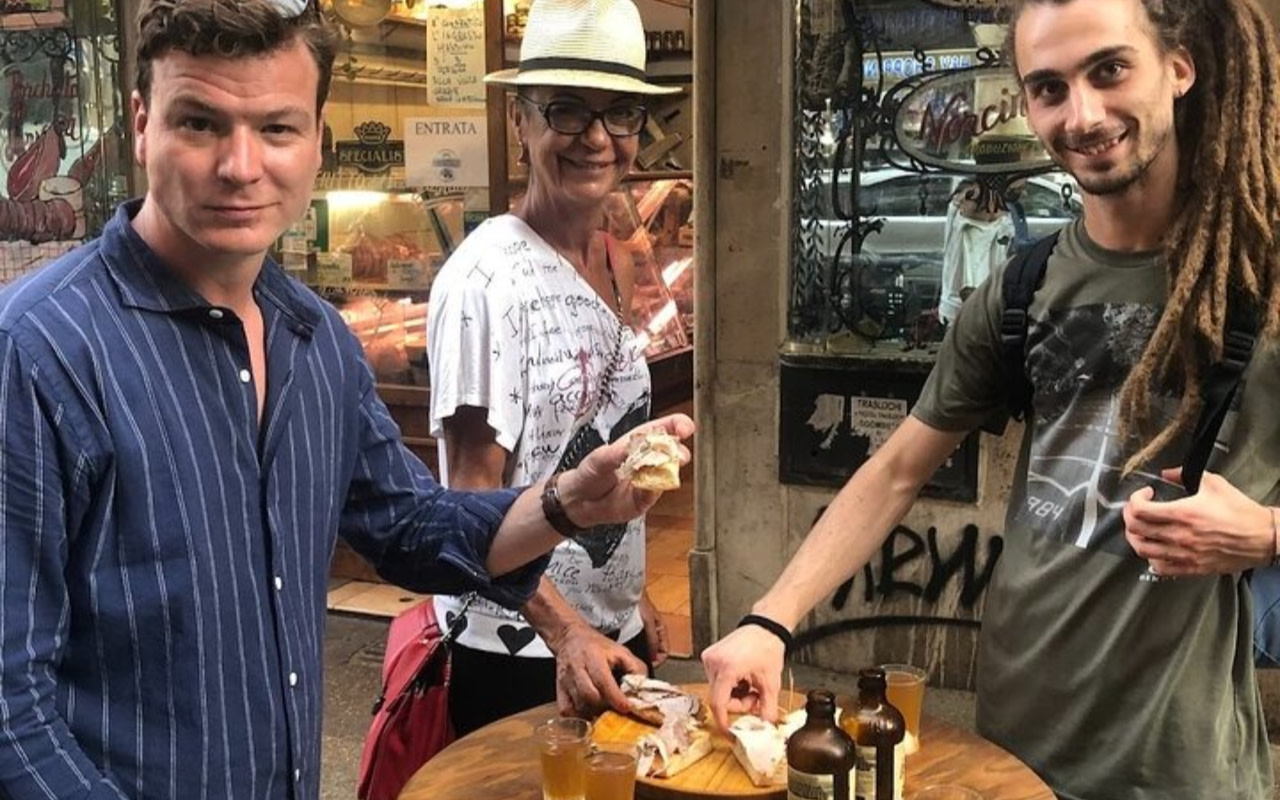
Enjoy a gourmet tasting in a selected restaurant: artisanal cheeses, premium cured meats, fresh Roman schiacciata, and an organic local wine. Each flavor reflects the elegance and passion of authentic Roman food.
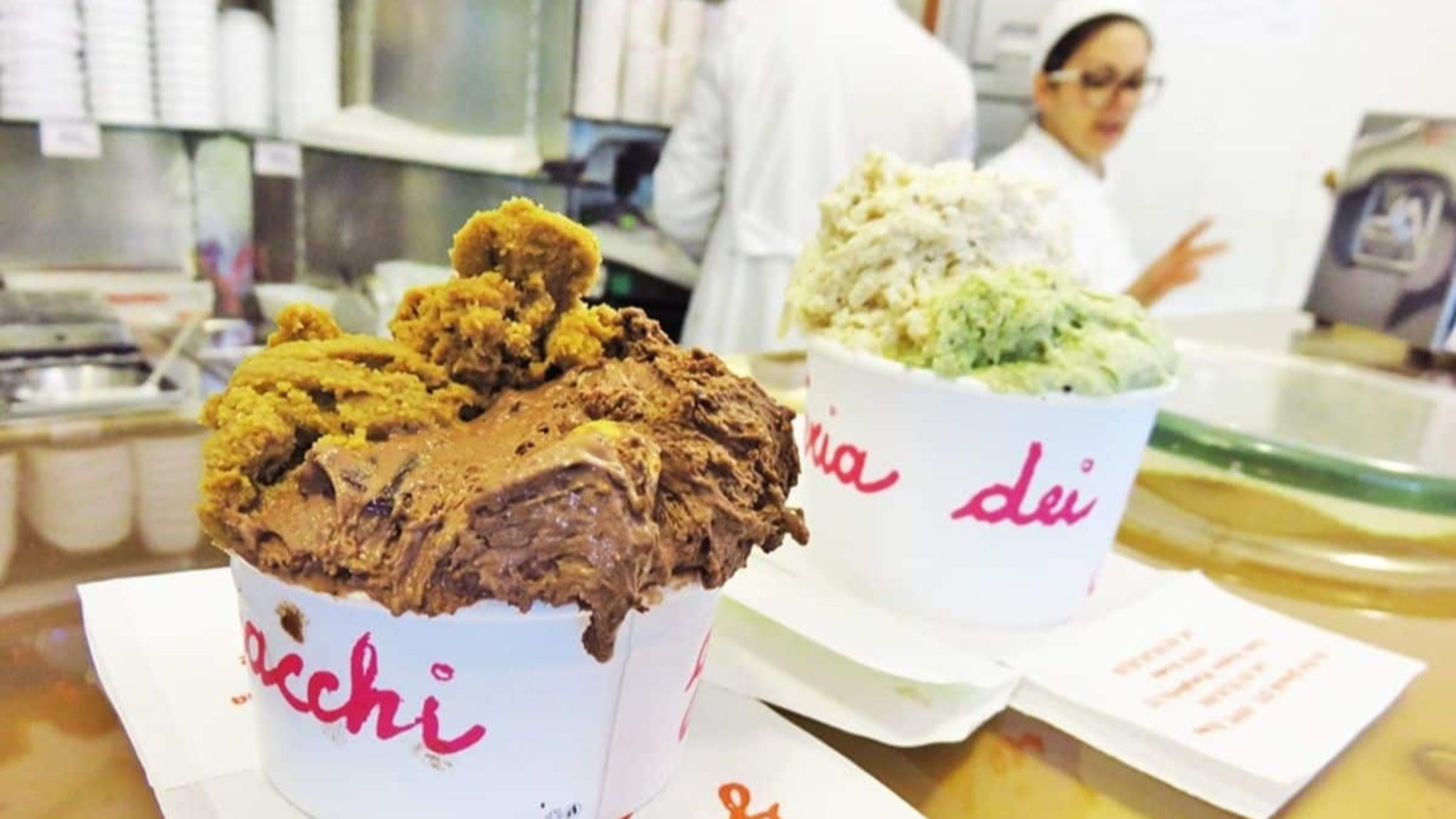
Finish with a creamy Italian gelato made with natural ingredients.
Why Choose This Tour?
– Discover Rome in style: luxury, flavor, history.
– Private expert guide.
– A unique blend of taste and culture.
Book now and live a true Rome food experience!
Available options
PRIVATE TOUR
PRIVATE-ONLY YOUR RESERVATION: By choosing the Private option, the Golf Cart will pick you up at your hotel or wherever you are staying (within the range)
Semi-Private Tour
What's included
Child car seats are included if required
WiFi on board
Wine, Cheese, Cured Meats and Roman Schiacciata
Detailed itinerary
1
Stop 1
Piazza Barberini is a Roman square located on the Quirinale Hill, famous for Bernini's Triton Fountain, which stands in its center. The square takes its name from Palazzo Barberini, which overlooks Via delle Quattro Fontane and houses the Galleria Nazionale d'Arte Antica. Important streets such as Via del Tritone, Via delle Quattro Fontane, and Via Veneto branch off from the square.
2
Stop 2
The Colosseum, also known as the Flavian Amphitheater, is the largest amphitheater in the world, built in Rome between 70 and 80 AD. It is an elliptical travertine structure, 188 meters long, 156 meters wide, and almost 50 meters high. It could accommodate between 50,000 and 75,000 spectators and was the stage for spectacles such as gladiatorial combats, wild animal hunts, and naval battles.
3
Stop 3
The Roman Forum was the heart of public life in ancient Rome, a political and social hub surrounded by temples, basilicas, and triumphal arches. The Palatine Hill, one of Rome's seven hills, is where, according to legend, the city was founded and was the residence of the patricians and later the imperial houses. The ruins of the Roman Forum and the Palatine Hill are now a single large archaeological site, a fascinating testimony to Roman history.
4
Stop 4
The Circus Maximus is an ancient Roman stadium, located in the valley between the Palatine and Aventine Hills, known for being the largest entertainment venue in antiquity. Built to host chariot races, naval battles, and other games, it had a capacity of approximately 250,000 spectators and was 600 meters long and 140 meters wide. Today, it is a large open-air archaeological site, accessible free of charge, where you can stroll and experience the shape of the ancient circus, with the addition of an interactive augmented reality experience to relive its history.
5
We'll taste excellent wine, cheeses, and cured meats in a typical Roman tavern, a "cave" beneath Monte dei Cocci, also known as Monte Testaccio. This is a man-made hill in Rome's Testaccio neighborhood, 54 meters high. It was formed between the 1st and 3rd centuries AD as a landfill for millions of fragments of Roman amphorae, mostly terracotta, used to transport goods such as oil. Once emptied at the nearby river port on the Tiber, these amphorae were broken into pieces and neatly stacked.
6
Stop 6
The Trevi Fountain is the largest fountain in Rome, famous for its late Baroque style and its central theme of the sea. This monumental work, 20 meters wide and 26 meters high, is nestled into one side of Palazzo Poli and represents a triumphal arch with cliffs, rocks, and sculptures that evoke the richness and power of water.
7
Stop 7
The Spanish Steps (Scalinata di Trinità dei Monti) are a famous Baroque staircase in Rome, designed by Francesco De Sanctis between 1723 and 1726, connecting the Piazza di Spagna with the church of Trinità dei Monti on the Pincian Hill. Characterized by a dramatic serpentine design, the structure consists of 136 travertine steps divided into 12 flights, punctuated by terraces and balustrades that create resting spots and invite visitors to enjoy the view. The work is a symbol of 18th-century majesty.
8
Stop 8
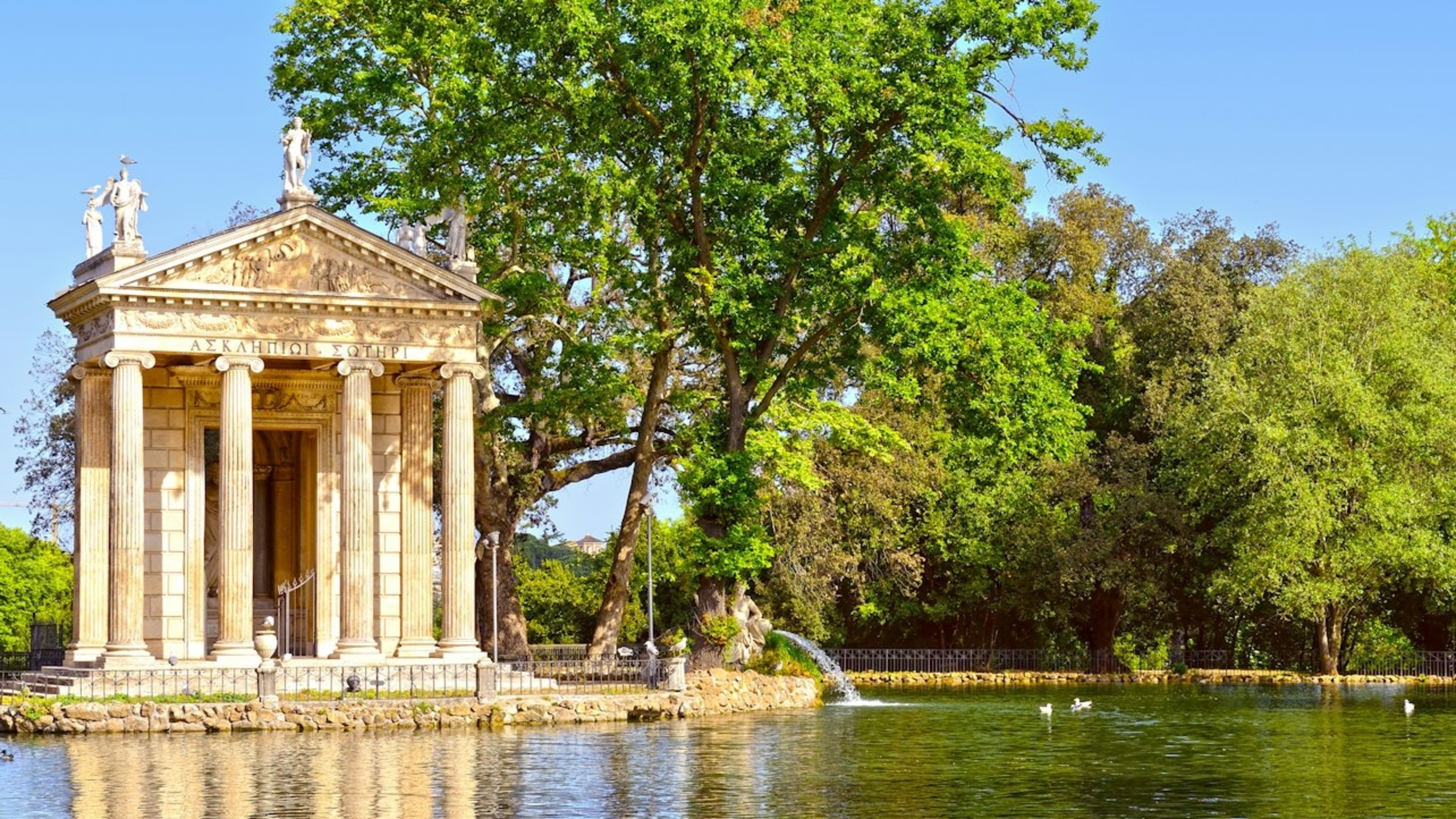
Villa Borghese is a vast public park in the heart of Rome, famous for its Italian and English gardens, fountains, lakes, and monuments. Built starting in 1606 for Cardinal Scipione Borghese, it offers a rich blend of nature and art, including the famous Borghese Gallery, the Bioparco, and the Pincio Terrace. It is a popular recreation and strolling spot for Romans and tourists, open year-round.
9
The Quirinale in Rome is the official residence of the President of the Italian Republic, located atop the Quirinale Hill. It is one of the largest palaces in Europe and the world, with a history dating back to 1583, when it was begun as a summer residence for the popes. It later became the residence of the kings of Italy, and since 1946, it has been the seat of the President of the Republic.
10
Stop 10
The Pantheon in Rome is an iconic circular building (rotonda) preceded by a monumental portico (pronaos) with eight Corinthian columns. Distinctive features include the enormous hemispherical coffered dome and the open oculus in the center, which lets in light and rain. Originally a temple dedicated to all the gods, the building was built by Agrippa and later rebuilt by Hadrian, and is now a consecrated church.
11
Piazza Colonna is a Roman square located on Via del Corso, named after the Column of Marcus Aurelius at its center, erected between 180 and 193 AD to celebrate his victories over the Germans and Sarmatians. The square is bordered by historic buildings such as Palazzo Chigi, seat of the Presidency of the Council of Ministers, and Palazzo Wedekind.
What's not included
Optional but appreciated
Travel costs to reach the meeting point are the responsibility of the customer
Available languages
Guide guide
PT
EN
IT
ES
Important information
Infants and small children can ride in a pram or stroller
Service animals allowed
Public transportation options are available nearby
Specialized infant seats are available
Not recommended for travelers with poor cardiovascular health
Suitable for all physical fitness levels
sconsigliato ai viaggiatori con allergie alimentari ai formaggi o salumi
Meeting point
B- You will find our staff at the Meeting point on Via Barberini next to the Sina Bernini Bristol Hotel, in front of the metro stop.
See on Google Maps https://maps.app.goo.gl/cFYYivh2mdK7HXhy6
⏰ Please arrive a few minutes early so we can start on time.
About Rome
Rome, the capital of Italy, is a city of ancient ruins, artistic masterpieces, and vibrant culture. Known as the Eternal City, it is a living museum where every corner tells a story of its rich history spanning over 2,500 years.
Top Attractions
Colosseum
The Colosseum is an iconic symbol of Rome and one of the most famous ancient amphitheaters in the world. It was used for gladiatorial contests and public spectacles.
Historical
1-2 hours
€16 (combined ticket with Roman Forum and Palatine Hill)
Vatican City
Vatican City is an independent city-state enclaved within Rome. It is the spiritual and administrative center of the Roman Catholic Church.
Religious
Half day
€17 (Vatican Museums and Sistine Chapel), Free (St. Peter's Basilica)
Roman Forum
The Roman Forum was the political, commercial, and legal hub of the Roman Republic and Empire. It is a sprawling ruin of temples, basilicas, and arches.
Historical
1-2 hours
€16 (combined ticket with Colosseum and Palatine Hill)
Pantheon
The Pantheon is a former Roman temple, now a church, known for its large dome and oculus. It is one of the best-preserved ancient buildings in Rome.
Historical
30 minutes to 1 hour
Free
Trevi Fountain
The Trevi Fountain is a Baroque masterpiece and the largest fountain in Rome. It is a popular spot for visitors to throw coins and make wishes.
Architecture
15-30 minutes
Free
Must-Try Local Dishes
Cacio e Pepe
A simple yet delicious pasta dish made with Pecorino Romano cheese and black pepper.
Pasta
Vegetarian
Carbonara
A rich pasta dish made with eggs, Pecorino Romano, guanciale (cured pork cheek), and black pepper.
Pasta
Contains pork and eggs
Supplì
Fried rice balls filled with mozzarella and tomato sauce.
Snack
Vegetarian (some variations may contain meat)
Carciofi alla Romana
Artichokes braised with garlic, mint, and olive oil.
Vegetable
Vegetarian
Popular Activities
Hiking in the Appian Way Regional Park
Biking along the Tiber River
Rock climbing in the nearby mountains
Picnicking in Villa Borghese Gardens
Boating on Lake Albano
Enjoying a spa day at a luxury hotel
Visiting the Vatican Museums
Attending an opera at the Teatro dell'Opera di Roma
Best Time to Visit
April to June, September to October
Spring and fall offer pleasant weather and fewer crowds compared to the summer peak. Ideal for sightseeing and outdoor activities.
15-30°C
59-86°F
Practical Information
Language
- Official: Italian
- Widely spoken: English, Spanish, French
- English: Moderately spoken
Currency
Euro (EUR)
Time Zone
GMT+1 (CET), GMT+2 (CEST during daylight saving time)
Electricity
230VV, 50HzHz
Safety Information
Overall Safety Rating: Generally safe
Rome is generally safe for tourists, but pickpocketing and scams can be a problem in crowded areas. Be aware of your surroundings and take precautions to protect your belongings.
Important Precautions:
- • Keep valuables secure and out of sight
- • Use official taxis or ride-sharing services
- • Be cautious of strangers approaching you with petitions or bracelets
Getting there
By air
- Leonardo da Vinci International Airport • 35 km from city center
- Ciampino Airport • 15 km from city center
By train
Roma Termini, Roma Tiburtina
By bus
Tiburtina Bus Station, Roma Termini
Getting around
Public transport
The metro system is efficient and covers major tourist areas. It operates from 5:30 AM to 11:30 PM.
Taxis
Available • Apps: Uber, FreeNow
Rentals
Car, Bike, Scooter
Neighborhoods
Trastevere
Monti
Prancipio
Testaccio
Day trips
Ostia Antica
30 km from Rome • Half day
An ancient Roman port city with well-preserved ruins, including a theater, baths, and mosaics. It offers a glimpse into daily life in ancient Rome.
Tivoli
30 km from Rome • Full day
A picturesque town known for its stunning villas and gardens, including the famous Villa d'Este with its elaborate fountains and gardens.
Orvieto
120 km from Rome • Full day
A charming hilltop town known for its stunning cathedral, underground caves, and local wine. It offers a mix of history, culture, and scenic views.
Festivals
Natale di Roma • April 21
Festa de' Noantri • July
Rome Film Festival • October
Pro tips
- Visit major attractions early in the morning or late in the afternoon to avoid crowds
- Use public transport or walk instead of taking taxis to save money and experience the city like a local
- Try local specialties and ask for recommendations from locals and restaurant staff
- Dress modestly when visiting religious sites and be respectful of local customs and traditions
- Be aware of pickpockets and scams, especially in crowded areas and tourist hotspots
From $25
per person
Price varies by option
Secure booking
Free cancellation available
Instant confirmation