Amritsar Full Day Sight Seeing Tour with Transportation
Active
8h - 9h
For a full refund, cancel at least 24 hours before the scheduled departure time.
Instant confirmation
Mobile or paper ticket accepted
About this experience
Highlights of this private Day Tour of Amritsar
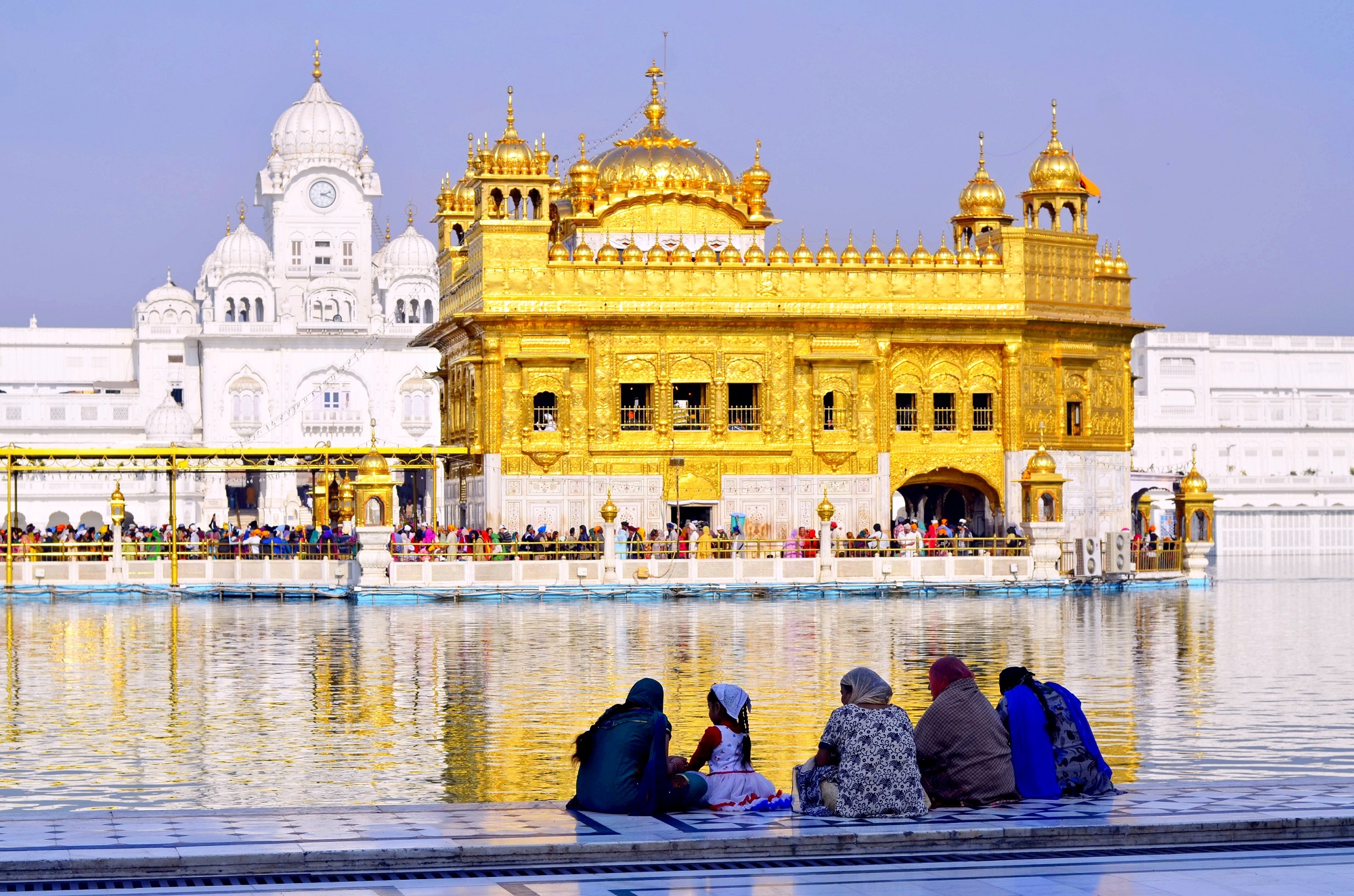
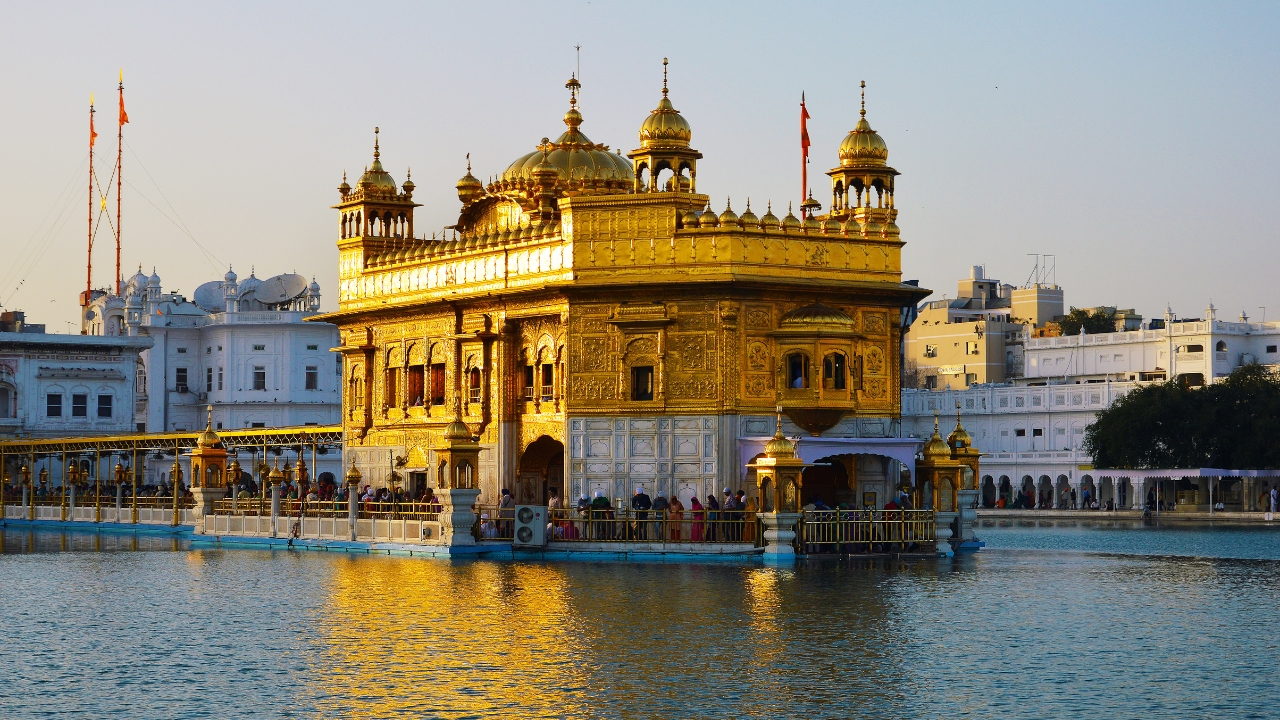
First Visit Golden Temple: The iconic Sikh shrine, marvel at its golden architecture, and experience the spiritual ambiance.
Second: Jallianwala Bagh: The memorial garden commemorating the tragic massacre of 1919.
After that Lunch/Shopping: Indulge in Amritsari delicacies like Kulcha, Chole Bhature, and Lassi, then Explore vibrant markets for Punjabi handicrafts and souvenirs.
Then visit Maharaja Ranjit Singh Panorama: Museum shows the history of the Sikh Empire under Maharaja Ranjit Singh.
Quicky Drive to Wagah Border for Flag lowering ceremony, daily military practice that the security forces of India (Border Security Force, BSF) and Pakistan (Pakistan Rangers) have jointly followed since 1959.
Drive back to city, Tour Ends.
Available options
Sedan Car
Water Bottle: 2 Small water bottle per person<br/>Honda Amaze / Swift Dzire<br/>Pickup included
Force Urbania
Pickup included
Tempo Traveller (Luxury PKN)
Water Bottle: 2 Small water bottle per person<br/>Force Traveller (11 Seater)<br/>Pickup included
Innova Crysta
Water Bottle: 2 Small water bottle per person<br/>Innova Crysta (6+1)<br/>Pickup included
What's included
Bottled water
Air-conditioned vehicle
Detailed itinerary
1
Stop 1
The Golden Temple, also known as Sri Harmandir Sahib or Darbar Sahib, is the holiest shrine in Sikhism. Located in Amritsar, Punjab, India, it is a symbol of Sikh faith, unity, and resilience. The temple's architecture is a blend of Hindu and Islamic styles, representing the inclusivity preached by Sikhism. Its dome is covered in gold, giving it the name "Golden Temple." The sacred scripture of Sikhism, the Guru Granth Sahib, is enshrined inside the temple. The complex includes a sarovar (sacred pool) known as the Amrit Sarovar, which pilgrims believe has healing properties. The Golden Temple attracts millions of visitors and pilgrims from around the world each year, making it one of the most visited religious sites globally.
2
Stop 2
Jallianwala Bagh is a historic public garden located in Amritsar, Punjab, India. It is infamous for the Jallianwala Bagh massacre that occurred on April 13, 1919, during the British colonial rule in India. On that day, British troops under the command of Colonel Reginald Dyer opened fire on a crowd of unarmed Indian civilians who had gathered in the garden for a peaceful protest against British policies. The massacre resulted in the deaths of hundreds of people and left many more injured. The incident had a profound impact on the Indian independence movement, fueling further resistance against British rule. Today, Jallianwala Bagh serves as a memorial to the victims of the massacre, reminding visitors of the struggles and sacrifices made during India's fight for freedom.
3
The Partition Museum in Amritsar is the world’s first museum dedicated to the stories of the 1947 Partition of India. Through personal letters, photographs, oral histories, belongings, and immersive exhibits, the museum preserves the memories of one of the largest human migrations in history. Located near Town Hall in the heritage area, it offers a moving, insightful experience that connects visitors to the human side of India’s past.
4
Durgiana Temple, also known as the Silver Temple, is a prominent Hindu shrine in Amritsar dedicated to Goddess Durga. Built in a style similar to the Golden Temple, it features a peaceful sacred lake, a gilded dome, and beautifully carved silver doors. Visitors can enjoy the calm atmosphere, daily aarti, and a glimpse into the city’s rich spiritual heritage.
5
Stop 5
The Wagah Border is a border crossing between India and Pakistan, located near the city of Amritsar in Punjab, India. It is famous for the daily Wagah border ceremony, a military spectacle and flag-lowering ceremony that takes place every evening before sunset. The ceremony involves elaborate marching and high-kicking maneuvers by border guards from both India's Border Security Force (BSF) and Pakistan's Pakistan Rangers, accompanied by patriotic songs and chants from the crowds on both sides of the border. The Wagah border ceremony is a symbol of the longstanding rivalry and tension between India and Pakistan, but it also serves as a tourist attraction, drawing visitors from around the world to witness the dramatic display of national pride and military tradition.
6
Khalsa College, established in 1892, is one of Amritsar’s most iconic heritage institutions, known for its stunning Indo-Saracenic architecture. Spread over a vast green campus, the college’s grand red-brick building with domes and archways offers a perfect blend of history, culture, and architectural beauty. It’s a popular spot for photography and a landmark that showcases Punjab’s rich educational and cultural legacy.
What's not included
Tour Guide will cost Extra Rs.2000
Airport Pickup/Drop will cost Rs,1500 extra
Reviews breakdown
Tripadvisor
5.0
19 reviews
5★
19
4★
0
3★
0
2★
0
1★
0
Important information
Wheelchair accessible
Infants and small children can ride in a pram or stroller
Public transportation options are available nearby
Infants are required to sit on an adult’s lap
Transportation options are wheelchair accessible
Suitable for all physical fitness levels
travelers will have 45 to 60 min for lunch.
About Amritsar
Amritsar is a vibrant city in the heart of Punjab, renowned for the Golden Temple, the most sacred site in Sikhism. It's a city where rich cultural heritage, spiritual significance, and warm hospitality converge, offering travelers a unique and memorable experience.
Top Attractions
Golden Temple
The most sacred site in Sikhism, the Golden Temple is a stunning architectural marvel with a golden dome that reflects beautifully on the surrounding water.
Religious
2-3 hours
Free
Jallianwala Bagh
A historic garden that commemorates the massacre of peaceful protesters by British troops in 1919. It's a poignant reminder of India's struggle for independence.
Historical
1-2 hours
Free
Wagah Border
The border between India and Pakistan is famous for its daily military ceremony, a display of patriotism and camaraderie.
Cultural
2-3 hours (including travel)
Free
Partition Museum
A museum dedicated to the partition of India and Pakistan, showcasing the stories and artifacts of this significant historical event.
Historical
1-2 hours
₹100
Must-Try Local Dishes
Butter Chicken
Creamy tomato-based curry with tender chicken pieces, cooked in a tandoor.
Dinner
Non-vegetarian
Sarson ka Saag and Makki di Roti
A traditional Punjabi dish of mustard greens cooked with spices, served with cornmeal flatbread.
Dinner
Vegetarian
Amritsari Kulcha
A type of leavened flatbread stuffed with spiced potatoes and sometimes paneer (cottage cheese).
Breakfast/Snack
Vegetarian
Popular Activities
Paragliding in Bir Billing (nearby)
Trekking in nearby hills
Visiting spas and wellness centers
Strolling in parks and gardens
Attending local festivals
Visiting museums and historical sites
Visiting during winter festivals like Lohri
Experiencing the Langar at the Golden Temple
Best Time to Visit
October to March
The weather is pleasant, making it ideal for sightseeing and outdoor activities. This period also includes major festivals like Diwali and Lohri.
15°C to 30°C
59°F to 86°F
Practical Information
Language
- Official: Punjabi
- Widely spoken: English, Hindi
- English: Moderately spoken
Currency
Indian Rupee (INR)
Time Zone
GMT+5:30
Electricity
230VV, 50HzHz
Safety Information
Overall Safety Rating: Generally safe
Amritsar is generally safe for travelers, but standard precautions should be taken to avoid scams and petty theft.
Important Precautions:
- • Use licensed taxis or app-based services
- • Keep valuables secure in crowded areas
- • Be cautious of strangers offering unsolicited help
Getting there
By air
- Sri Guru Ram Dass Jee International Airport • 11 km from city center
By train
Amritsar Junction
By bus
Inter-State Bus Terminal, Amritsar Bus Stand
Getting around
Public transport
Affordable and widely used, but can be crowded. AC and non-AC options available.
Taxis
Available • Apps: Uber, Ola
Rentals
Car, Bike, Scooter
Neighborhoods
Old City
Raja Sansi
Majitha
Day trips
Wagah Border
28 km • Half day
Experience the daily Beating Retreat Ceremony at the India-Pakistan border, a display of patriotism and camaraderie.
Harike Wetland
90 km • Full day
A beautiful wetland and bird sanctuary, perfect for nature lovers and birdwatchers.
Goindwal Sahib
36 km • Half day
A significant Sikh pilgrimage site, known for its historic gurdwara and holy baoli (stepwell).
Festivals
Baisakhi • April 13 or 14
Diwali • October or November (varies by lunar calendar)
Lohri • January 13
Pro tips
- Visit the Golden Temple early in the morning or late at night to avoid crowds
- Try the Langar (community kitchen) at the Golden Temple for a unique dining experience
- Carry small change for street vendors and local markets
- Use app-based taxis for transparency and safety
- Be cautious of scams and pickpocketing in crowded areas
From $25
per person
Price varies by option
Secure booking
Free cancellation available
Instant confirmation