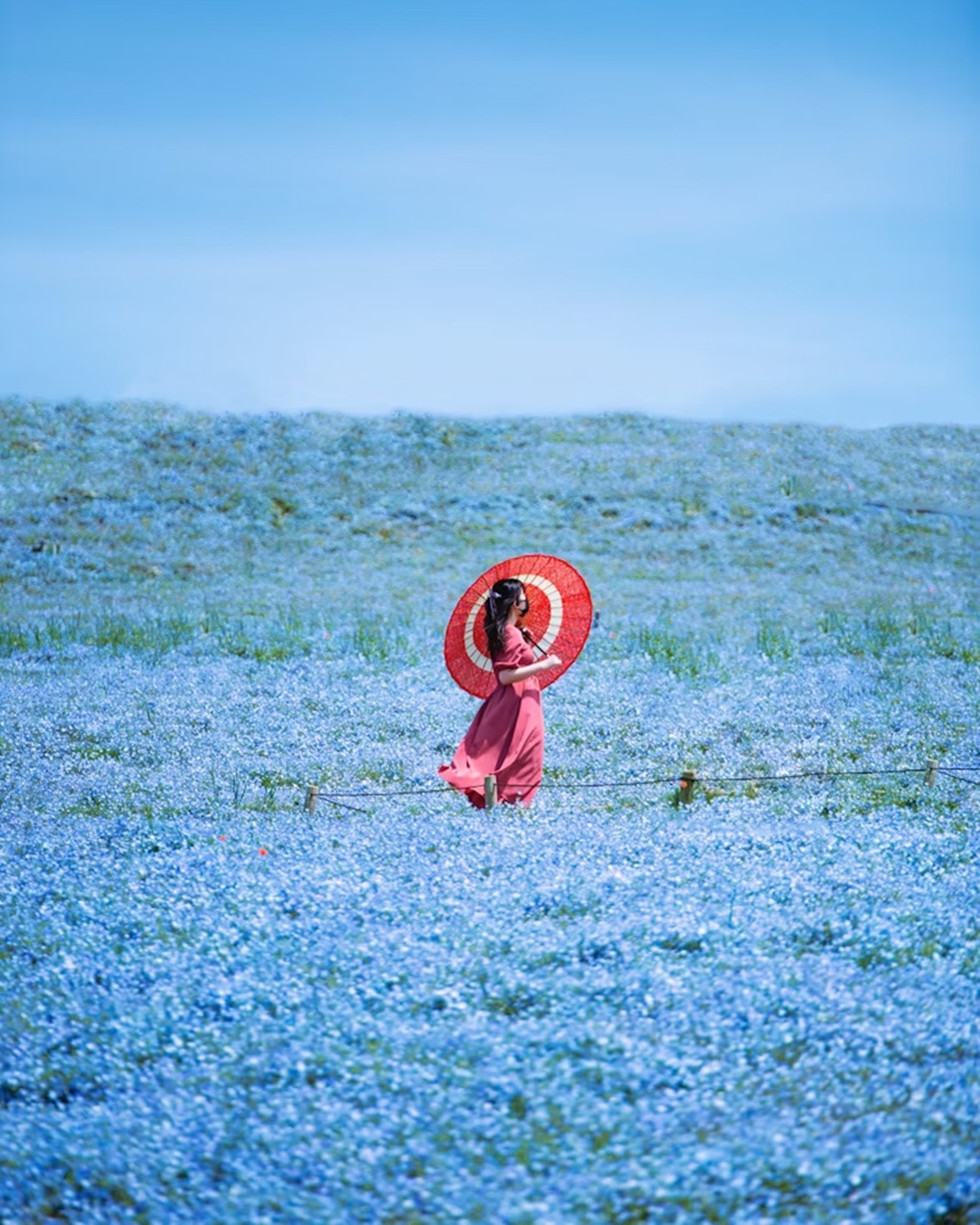
Day Trip Ashikaga Flower Park by Private Car from Tokyo
Active
8h
For a full refund, cancel at least 24 hours before the scheduled departure time.
Instant_then_manual confirmation
Mobile or paper ticket accepted
About this experience
Why not take a short trip from Tokyo and enjoy the flowers of the four seasons in a suburban garden?
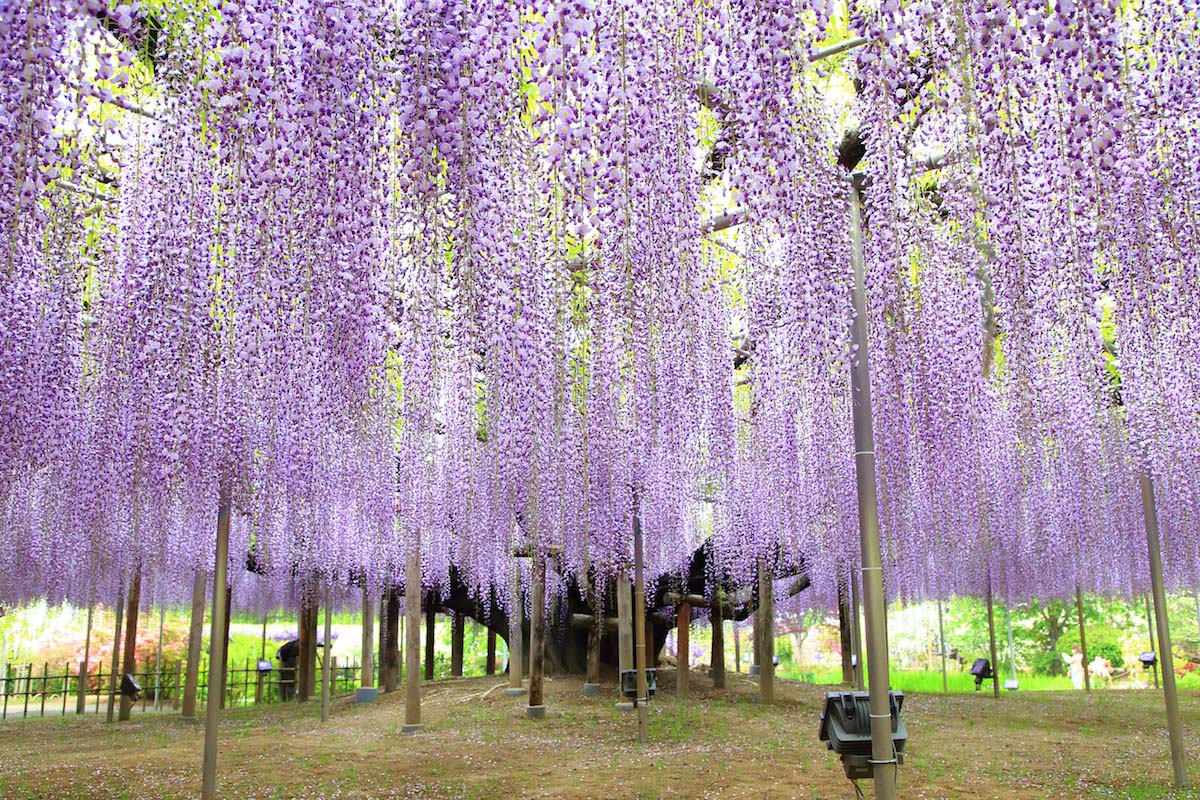
At Ashikaga Flower Park, visitors can enjoy the spectacular sight of a large wisteria trellis over 160 years old in spring, with purple, white, and yellow wisteria creating a fantastic landscape that will enchant visitors. The seasonal flowers are also a highlight, with tulips in spring, roses in early summer, and cosmos in autumn, offering new impressions.
At the Kurita Museum of Art, visitors can view famous ceramics from the Edo period, such as Imari and Nabeshima ware. The museum's vast grounds are dotted with prestigious buildings and a garden that offers seasonal color, allowing visitors to enjoy the harmony of nature and the beauty of ceramics and porcelain.
This tour is available throughout the year, but a visit from spring to fall is recommended.
Available options
Ashikaga Tour (English)
Pickup included
Other languages other than Eng
Pickup included
What's included
Admission Fee(Kurita Museum)
Admission Fee(Ashikaga Flower Park)
National Licensed Guide
Hotel Pickup
Detailed itinerary
1
A guide will pick you up in a private car.
It takes about 1.5 to 2 hours to reach the destination.
2
Stop 2
Ashikaga Flower Park is a beautiful garden decorated with seasonal flowers, especially the large wisteria trellis in spring. The purple curtain of flowers created by the wisteria trees, which are over 160 years old, fascinates visitors. The wisteria tunnels of white and yellow wisteria are also a highlight of the garden, offering a diverse landscape of flowers. Different flowers bloom at different times of the year, and each visit brings new discoveries, such as tulips in spring, roses in early summer, and cosmos in autumn. Visitors can enjoy a relaxing moment in a peaceful space in harmony with nature.
3
KURITA MUSEUM is a museum that exhibits the artworks produced by the Hizen Nabeshima Clan during the Edo period.
The Kurita Museum is one of the world's leading museums of ceramics, housing the Imari, Kakiemon, and Nabeshima porcelains produced by the Hizen Nabeshima Clan during the Edo period.
The museum is located on a vast site surrounded by a rich natural environment.
The museum is dotted with prestigious architectural structures, and displays famous ceramics that have fascinated people from all over the world.
The Kurita Museum of Art also has a magnificent garden where visitors can enjoy the flowers of the four seasons.
4
We will return home by the time the tour is dismissed in the evening.
We will stop at a rest stop. Enjoy soft ice cream and other refreshments while shopping in the souvenir section.
What's not included
Lunch
Personal Expenses
Souvenirs
Available languages
Guide guide
DE
CMN
EN
FR
ES
Important information
Infants and small children can ride in a pram or stroller
Transportation options are wheelchair accessible
Wheelchair accessible
Travelers should have at least a moderate level of physical fitness
We can accommodate dietary restrictions such as vegetarian, vegan, gluten-free, etc. If you have dietary requirements. Please indicate it to the special requirements at the time of booking.
The itinerary might be changed due to weather condition or other reasons.
Important notes
Please show the ticket to the guide when you meet.
About Saitama Prefecture
Saitama Prefecture, located just north of Tokyo, offers a mix of urban convenience and natural beauty. Known for its parks, museums, and as a gateway to the mountains, it's a perfect blend of modern living and traditional charm.
Top Attractions
Kawagoe
Known as 'Little Edo,' Kawagoe features well-preserved Edo-period buildings, traditional sweets, and a vibrant atmosphere.
Historical
Half day to full day
Budget to Moderate
Chichibu
A mountainous region known for its hiking trails, hot springs, and beautiful landscapes.
Nature
Full day to overnight
Budget to Moderate
Saitama Super Arena
A multi-purpose arena hosting concerts, sports events, and exhibitions.
Entertainment
2-4 hours
Variable
Must-Try Local Dishes
Kawagoe Mochi
A traditional sweet made from rice flour, often filled with red bean paste or other sweet fillings.
Dessert
Vegetarian
Saitama Gyu (Beef)
High-quality beef from Saitama, often grilled or served in hot pots.
Dinner
Contains meat
Soba Noodles
Buckwheat noodles served hot or cold, often with a dipping sauce or in a broth.
Lunch
Vegetarian (check for dipping sauce ingredients)
Popular Activities
Hiking in Chichibu-Tama-Kai National Park
Canyoning in Mitake Gorge
Onsen (hot spring) visits
Strolling through Kawagoe's historical streets
Visiting temples and shrines in Nikko and Kamakura
Exploring traditional candy shops in Kawagoe
Boating on Lake Chuzenji in Nikko
Skiing and snowboarding in the mountains of Chichibu
Best Time to Visit
Spring (March to May) and Autumn (September to November)
Spring offers cherry blossoms and pleasant weather, while autumn provides cool temperatures and beautiful fall colors. These are the most popular times to visit.
10-25°C (50-77°F)
50-77°F
Practical Information
Language
- Official: Japanese
- Widely spoken: English (limited)
- English: Limited
Currency
Japanese Yen (JPY)
Time Zone
GMT+9
Electricity
100VV, 50/60HzHz
Safety Information
Overall Safety Rating: Generally safe
Saitama is generally safe with low crime rates. However, petty theft and pickpocketing can occur in crowded areas and on public transportation.
Important Precautions:
- • Keep valuables secure and be aware of your surroundings in crowded areas.
- • Use licensed taxis and official tour operators.
- • Be cautious of strangers offering help or services, especially in tourist areas.
Getting there
By air
- Narita International Airport • 80 km (50 miles)
- Haneda Airport • 30 km (19 miles)
By train
Tokyo Station, Ueno Station
By bus
Tokyo Station Bus Terminal, Buster Terminal Tokyo
Getting around
Public transport
Efficient and punctual train network covering the entire prefecture and connecting to Tokyo.
Taxis
Available • Apps: JapanTaxi, DiDi
Rentals
Car, Bike, Scooter
Neighborhoods
Omiya
Kawagoe
Chichibu
Day trips
Nikko
100 km (62 miles) • Full day
A UNESCO World Heritage site known for its beautiful shrines, temples, and natural landscapes.
Kamakura
60 km (37 miles) • Full day
A coastal town known for its ancient temples, shrines, and the Great Buddha.
Kumagaya
50 km (31 miles) • Half day
A city known for its historical sites and the Kumagaya Onsen hot spring.
Festivals
Kawagoe Festival • Early October
Saitama Gold Theater Festival • Annual (dates vary)
Chichibu Night Festival • Early December
Pro tips
- Use an IC card like Suica or Pasmo for easy and discounted public transportation.
- Visit Kawagoe during festivals for a more authentic and vibrant experience.
- Explore the rural areas of Saitama for stunning natural landscapes and outdoor activities.
- Try local specialties like Kawagoe Mochi and Saitama Gyu for a taste of the region's cuisine.
- Book accommodations and popular attractions in advance, especially during peak travel seasons.
From $25
per person
Price varies by option
Secure booking
Free cancellation available





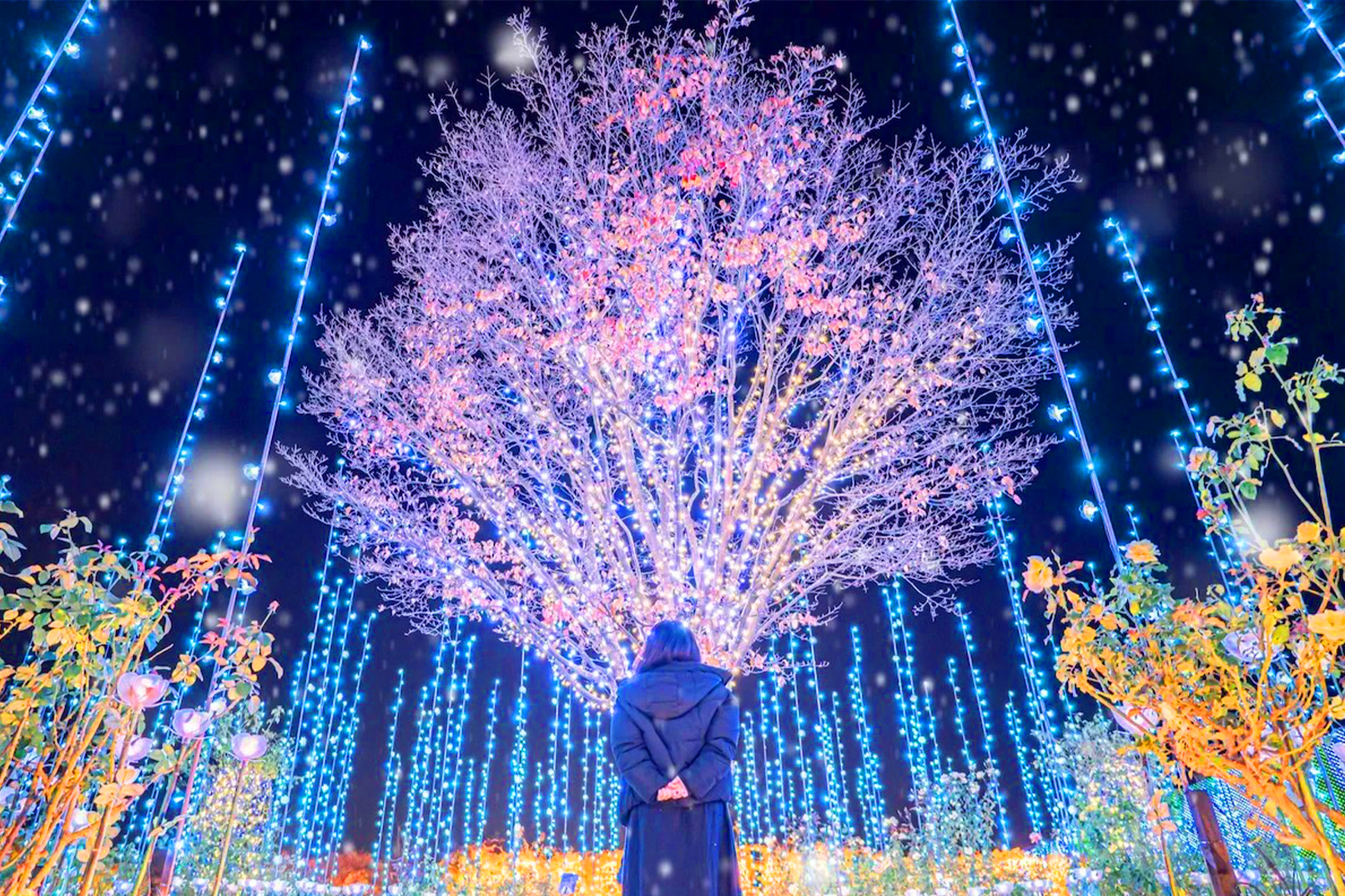
![[Ibaraki Day Trip] Oarai Isosaki Shrine, Nakaminato Seafood Market, and Ashikaga Flower Fantasy Illumination (From Tokyo)](https://res.klook.com/image/upload/activities/yzvvauwfetivaiwz2ipd.jpg)
![[Ibaraki Dream Flower Sea] Oarai Isosaki Shrine & Nakaminato Seafood Market & Hitachi Seaside Park & Nemophila Harmony One Day Tour (From Tokyo)](https://res.klook.com/image/upload/activities/punqbpcq8opmidw58ysm.jpg)
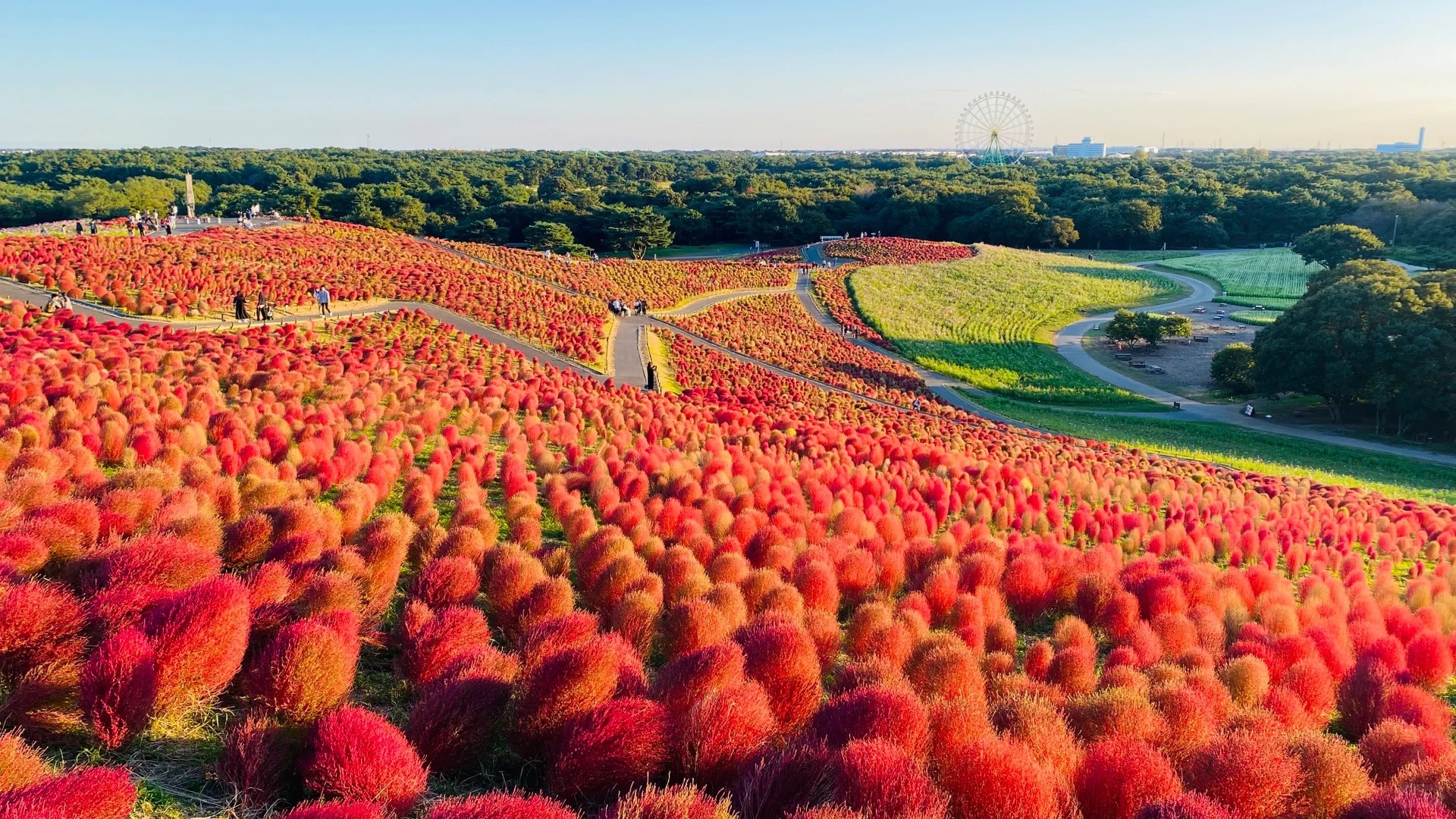
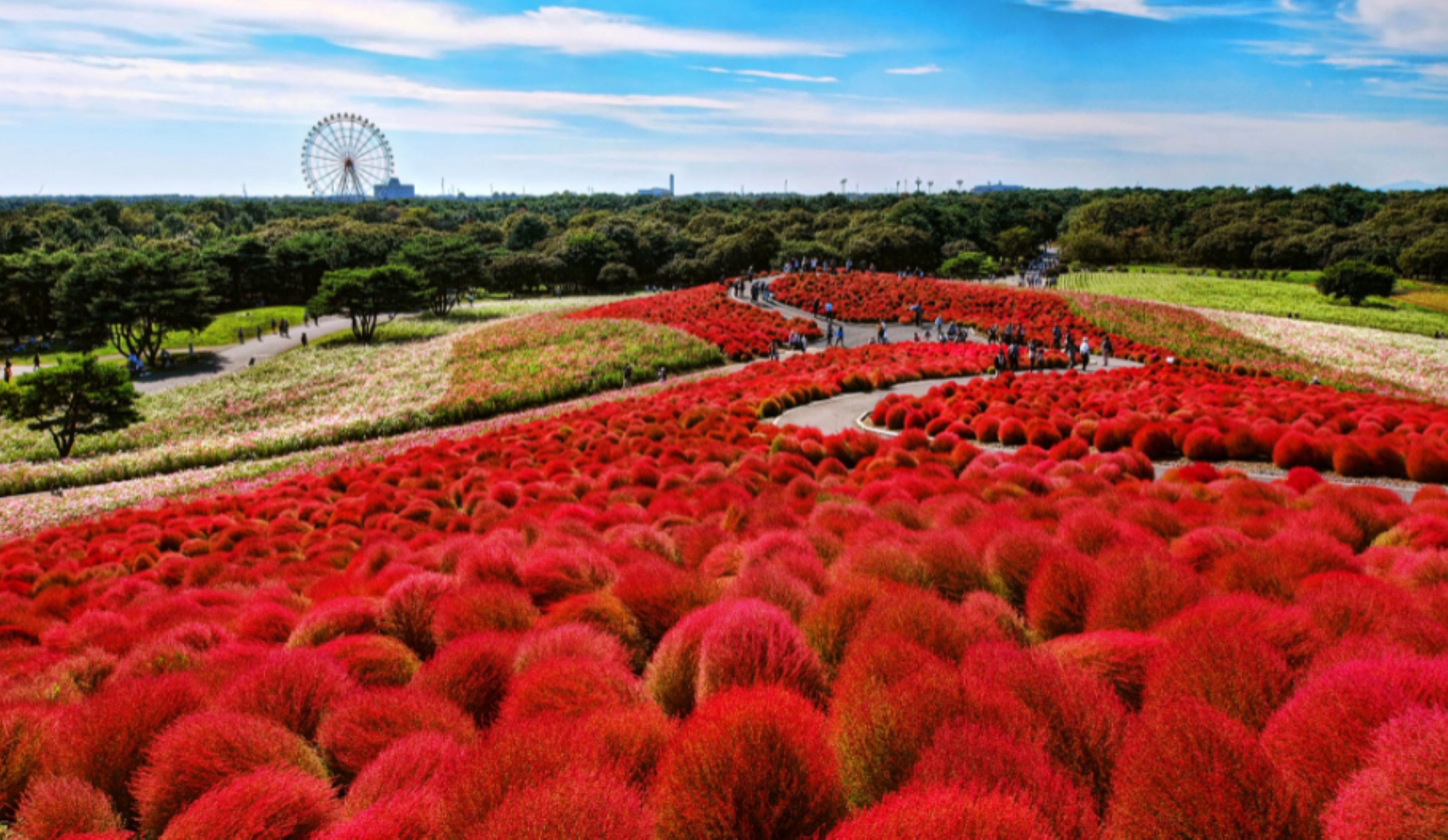
![[Ibaraki Dream Lights Show | Optional Dinner] A Day Trip to Sakatsura Isozaki Shrine & Hitachi Seaside Park & Ashikaga Flower Fantasy Night Illumination (From Tokyo)](https://res.klook.com/image/upload/activities/qifaylg967h23dhkbzof.jpg)
![[Family-Friendly Recommended] Gunma Day Trip | Harada Farm Fruit Picking, Fukiware Falls, Lavender Flower Fields, Skiing, Ikaho Onsen Town | Departing from Tokyo](https://res.klook.com/image/upload/activities/rvqfpdowiseeacuf08d0.jpg)
![[Izu Cherry Blossom & Plum Blossom Day Trip] Kawazu Cherry Blossoms, Atami Baien Plum Garden, Strawberry Picking at Fruit Park | Departure from Tokyo Ginza](https://res.klook.com/image/upload/activities/xccjhpfn5orffiyh0deg.jpg)
![[Ibaraki & Tochigi Day Trip] Ashikaga Flower Fantasy Garden Illumination, Hitachi Seaside Park, Nakaminato Seafood Market, Nikko Toshogu Shrine (Departure from Tokyo)](https://res.klook.com/image/upload/activities/bu0ho1q7gxro5miephfr.jpg)