Discover Spice tour experience with Local lunch
Active
4h
For a full refund, cancel at least 24 hours before the scheduled departure time.
Instant confirmation
Mobile or paper ticket accepted
About this experience
Experience the wander of nature differently
Spices and herbs were originally introduced to Zanzibar by Portuguese traders in the 16th century, brought from their colonies in South America and India.
Your tour starts with a walk through a local spice farm (shamba). There, you’ll learn how spices, herbs, and fruits are grown and cultivated. Your guide will explain how these crops are used in our cuisine.
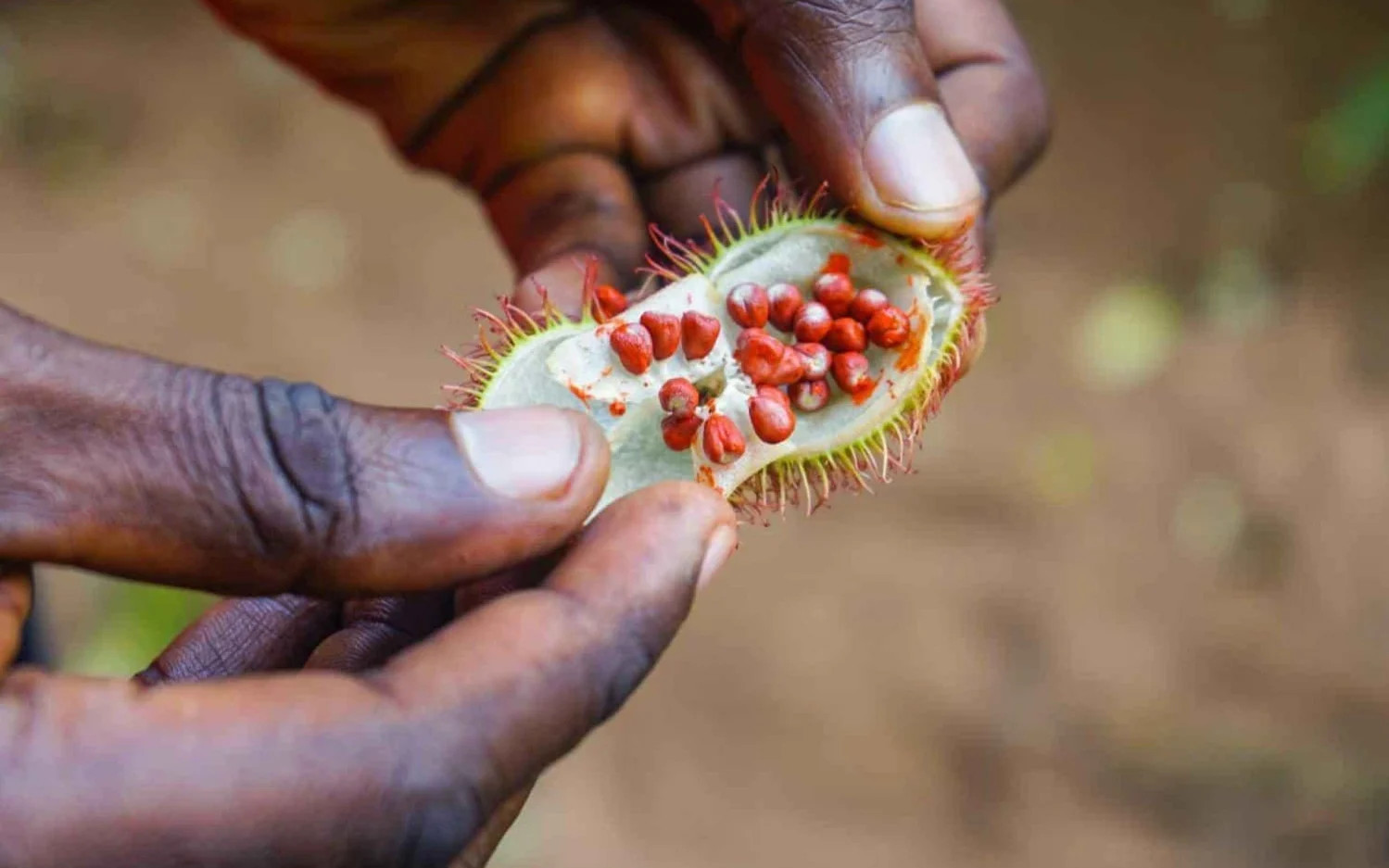
You’ll get to smell and sample spices such as clove, nutmeg, cinnamon, turmeric, vanilla, cardamom, chili, and black pepper; herbs such as lemongrass; and tropical produce such as coconut, papaya, jackfruit, cassava, and oranges. You’ll also enjoy a traditional Swahili lunch at the farm, where you can really taste the different ways of using spices and how they come together in our traditional cooking.
Your tour finishes with a stop at a local spice stand selling fresh packaged spices for you to take home with you (cash only)
Available options
Discover Spice tour experience with Local lunch
Pickup included
What's included
Private transportation
All Fees and Taxes
Bottled water
Lunch
Air-conditioned vehicle
Detailed itinerary
1
Dig into "Spice island's" history and discover what made it an intersection of cultures, religions, and cuisines!
This trip take you to the world-famous spice farms.
You will learn how the island got its nickname in the 15th century and learn about growing and harvesting spice plants.
You’ll find out why pepper and cloves were so valuable, and you’ll probably find out for the first time that nutmeg wrap is also a very special spice.
The queen of spices, cinnamon, has many healing properties in addition to its intoxicating aroma. To leave you in a frenzy, we won’t reveal all the spices you’ll smell, observe, touch, and taste.
This tour includes:
· Guided 5-hour tour of Zanzibar's spice farm
· Local English-speaking guide
· Transportation: from any hotel in Zanzibar
Our advice:
· All spices and other farm produce sold at the farm, do get some
· Prepare some tips for the guide
· Local lunch and soft drinks with a tropical fruits are included
What's not included
Alcoholic Beverages
Breakfast
Restroom on board
Coffee and/or Tea
Available languages
Guide guide
CS
AR
DE
RU
EN
IT
PL
FR
ES
Reviews breakdown
Tripadvisor
5.0
1 reviews
5★
1
4★
0
3★
0
2★
0
1★
0
Important information
Service animals allowed
Public transportation options are available nearby
Suitable for all physical fitness levels
Important notes
Red
About Zanzibar City
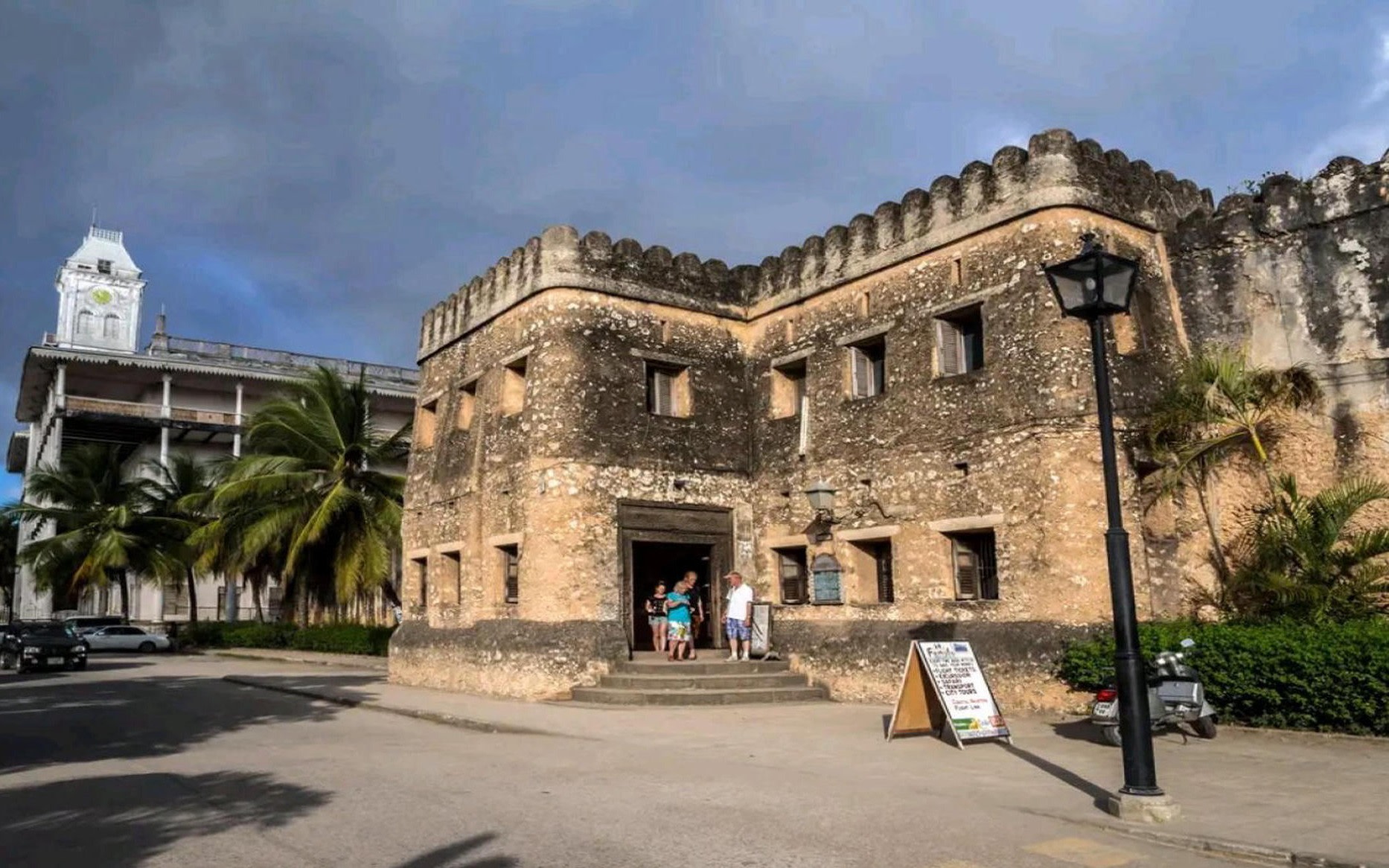
Zanzibar City, also known as Stone Town, is a UNESCO World Heritage site and the cultural heart of Zanzibar. This historic city offers a unique blend of African, Arab, and Indian influences, evident in its architecture, cuisine, and vibrant markets. With its narrow alleys, ornate doors, and bustling bazaars, Zanzibar City is a captivating destination for history lovers and cultural enthusiasts.
Top Attractions
Stone Town
A UNESCO World Heritage site known for its narrow alleys, ornate doors, and rich history. It's a labyrinth of culture, history, and architecture.
Historical
Half to full day
Free to explore, attractions may have entry fees
Forodhani Gardens
A popular waterfront area that comes alive in the evenings with food stalls, street performers, and local crafts.
Cultural
1-2 hours
Free, food and crafts for purchase
Prison Island (Changuu Island)
A small island known for its giant Aldabra tortoises and beautiful beaches. It's a great spot for snorkeling and relaxing.
Nature
Half day
Moderate (includes ferry ride and entry fee)
Must-Try Local Dishes
Zanzibari Pizza
A local version of pizza with a thin crust and topped with spices, meat, and vegetables.
Lunch/Dinner
Vegetarian options available
Urojo
A spicy soup made with potatoes, peas, and meat, served with rice or chapati.
Lunch/Dinner
Vegetarian options available
Coconut Rice
Rice cooked with coconut milk and spices, often served with fish or meat.
Lunch/Dinner
Vegetarian options available
Popular Activities
Snorkeling
Scuba diving
Dolphin tours
Beach relaxation
Spa treatments
Yoga
Exploring Stone Town
Visiting local markets
Best Time to Visit
June to October
This is the dry season with pleasant weather and lower humidity, making it ideal for exploring the city and enjoying outdoor activities.
24-30°C
75-86°F
Practical Information
Language
- Official: Swahili, English
- Widely spoken: Arabic
- English: Moderately spoken
Currency
Tanzanian Shilling (TZS)
Time Zone
GMT+3
Electricity
230VV, 50HzHz
Safety Information
Overall Safety Rating: Generally safe
Zanzibar City is generally safe for tourists, but it's important to be aware of your surroundings and take precautions.
Important Precautions:
- • Be cautious of pickpockets in crowded areas
- • Use reputable taxi services
- • Avoid walking alone at night in poorly lit areas
Getting there
By air
- Abeid Amani Karume International Airport • 5 km from city center
By bus
Dar es Salaam to Zanzibar ferry terminal
Getting around
Public transport
Affordable and widely used by locals. Can be crowded during peak hours.
Taxis
Available • Apps:
Rentals
Car, Bike, Scooter
Neighborhoods
Stone Town
Malindi
Day trips
Nungwi
60 km from Zanzibar City • Full day
A popular beach destination with white sandy beaches and clear blue waters.
Kizimkazi
40 km from Zanzibar City • Half day
A village known for its ancient mosques and dolphin tours.
Festivals
Zanzibar International Film Festival (ZIFF) • July
Mwaka Kogwa • July
Pro tips
- Hire a local guide for a deeper understanding of Stone Town's history
- Try local street food for an authentic culinary experience
- Visit the spice farms to learn about Zanzibar's spice trade history
- Explore the island's beaches and enjoy the crystal-clear waters
- Respect local customs and dress modestly, especially in religious sites
From $25
per person
Price varies by option
Secure booking
Free cancellation available
Instant confirmation