Alexandria Private Day Tour From Cairo
Active
8h - 10h
For a full refund, cancel at least 24 hours before the scheduled departure time.
Instant confirmation
Mobile or paper ticket accepted
About this experience
Begin your lovely day by meeting your guide at your hotel. This full-day private tour to Alexandria will take you on a journey through the city’s ancient history. Travel in a comfortable, air-conditioned vehicle as your guide shares fascinating stories about Alexandria.
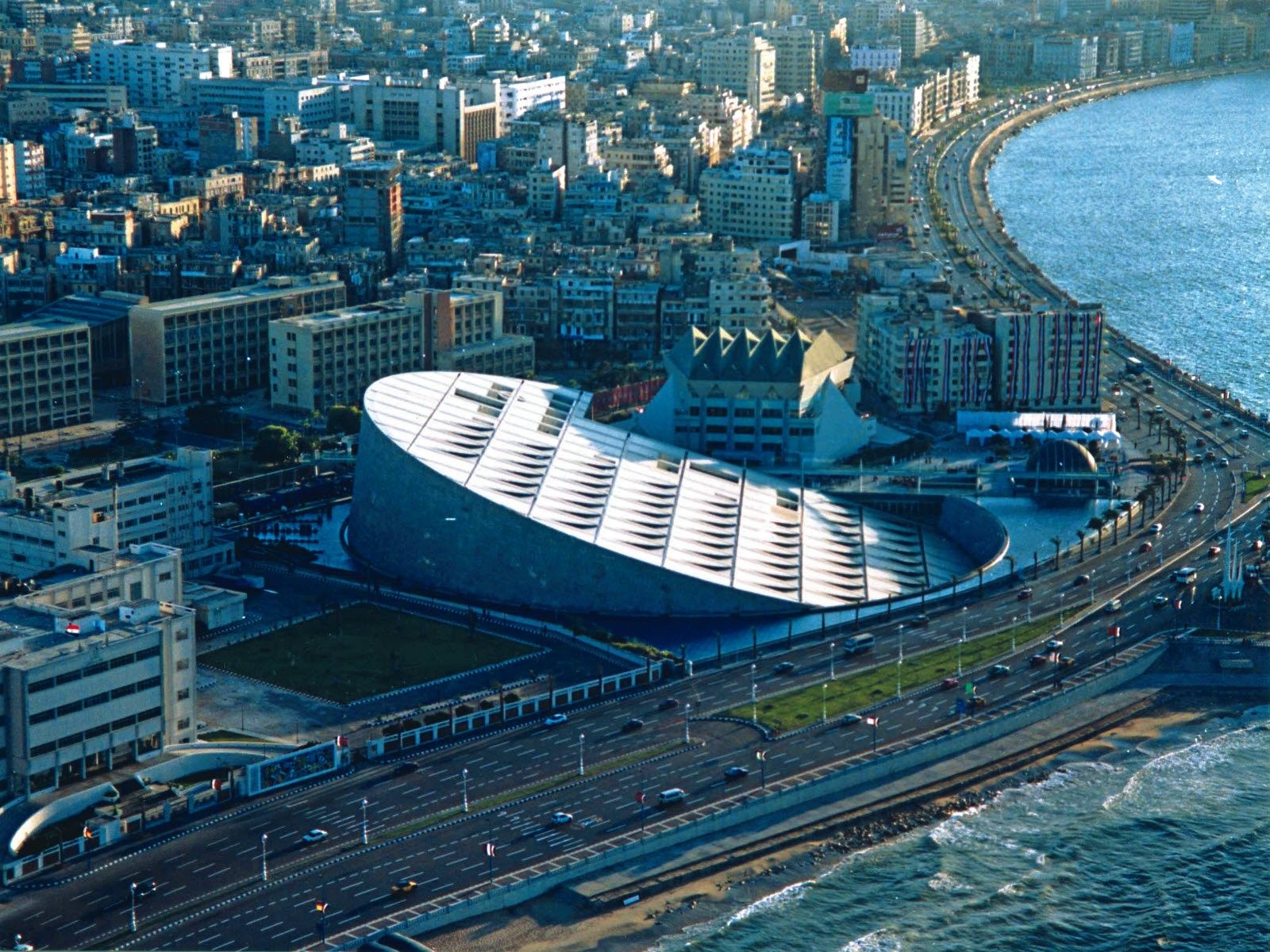
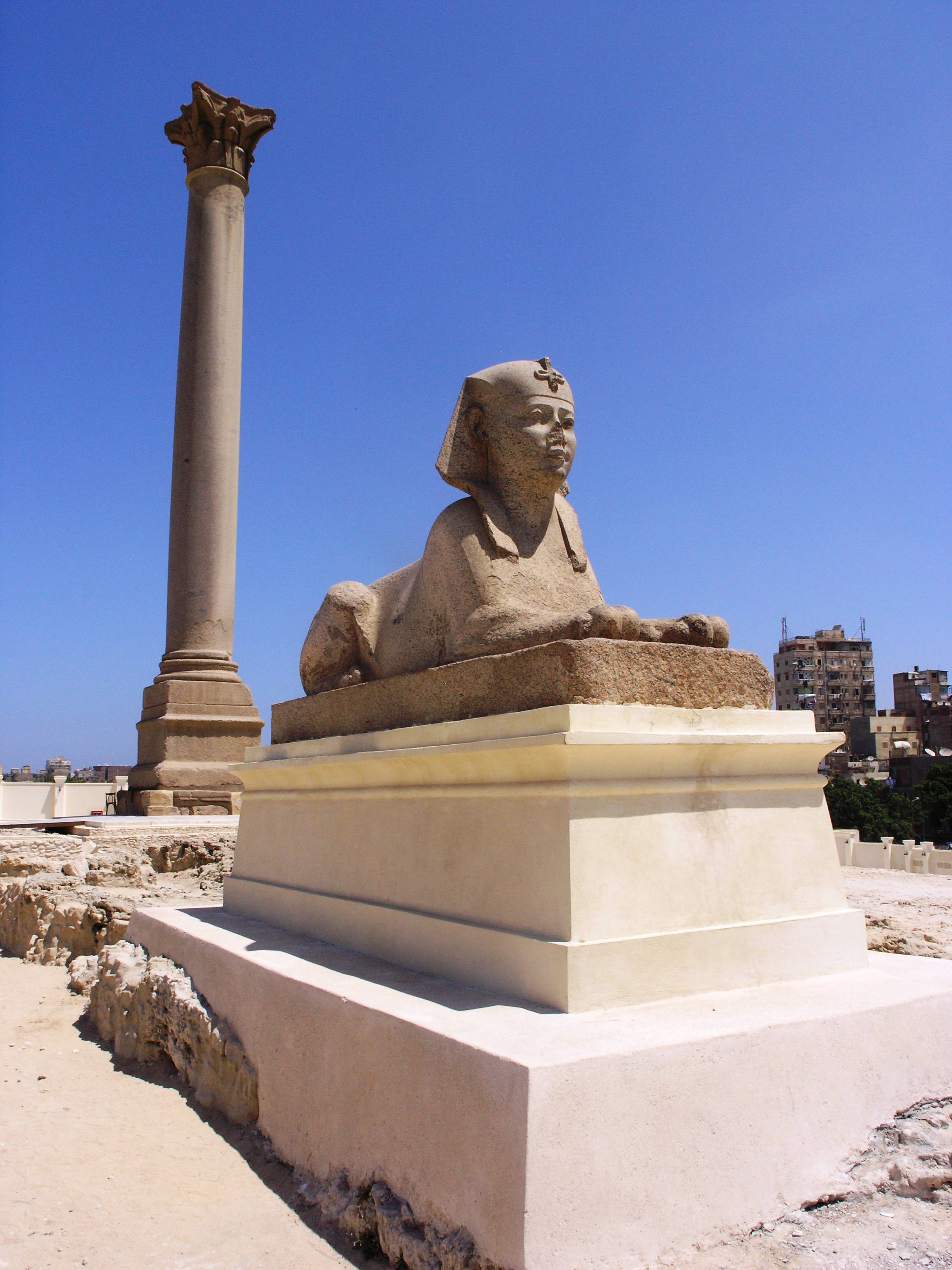
Start with "The Catacombs of Kom el Shoqafa," an underground burial site with a mix of Egyptian, Greek, and Roman styles. Visit "Pompey's Pillar," a towering Roman column, and pass by the modern "Alexandria Library," a tribute to the ancient world’s knowledge center.
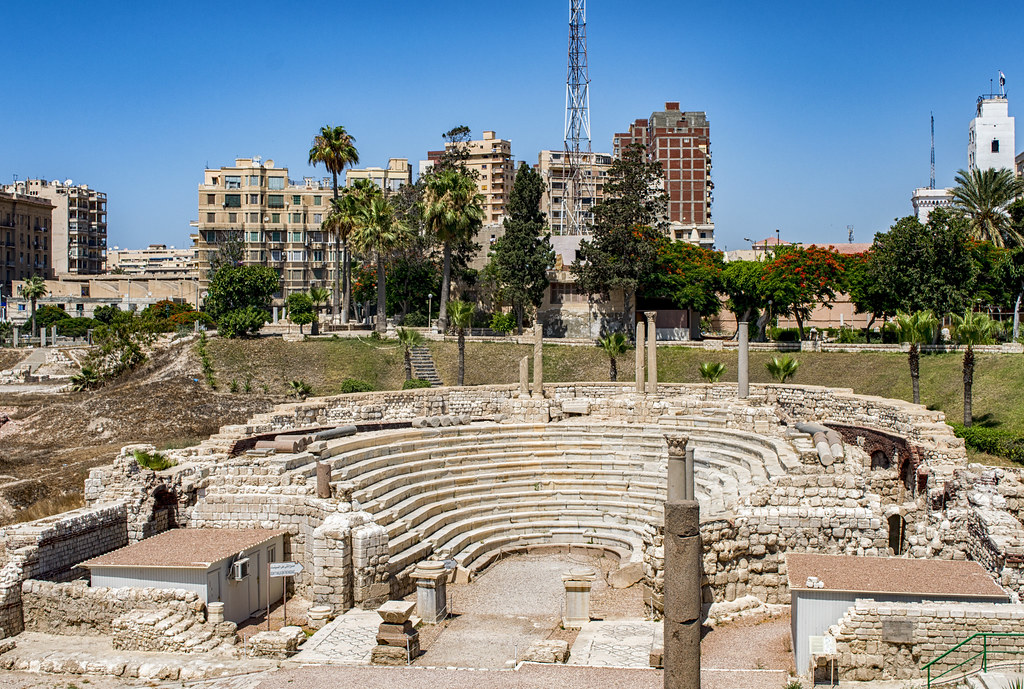
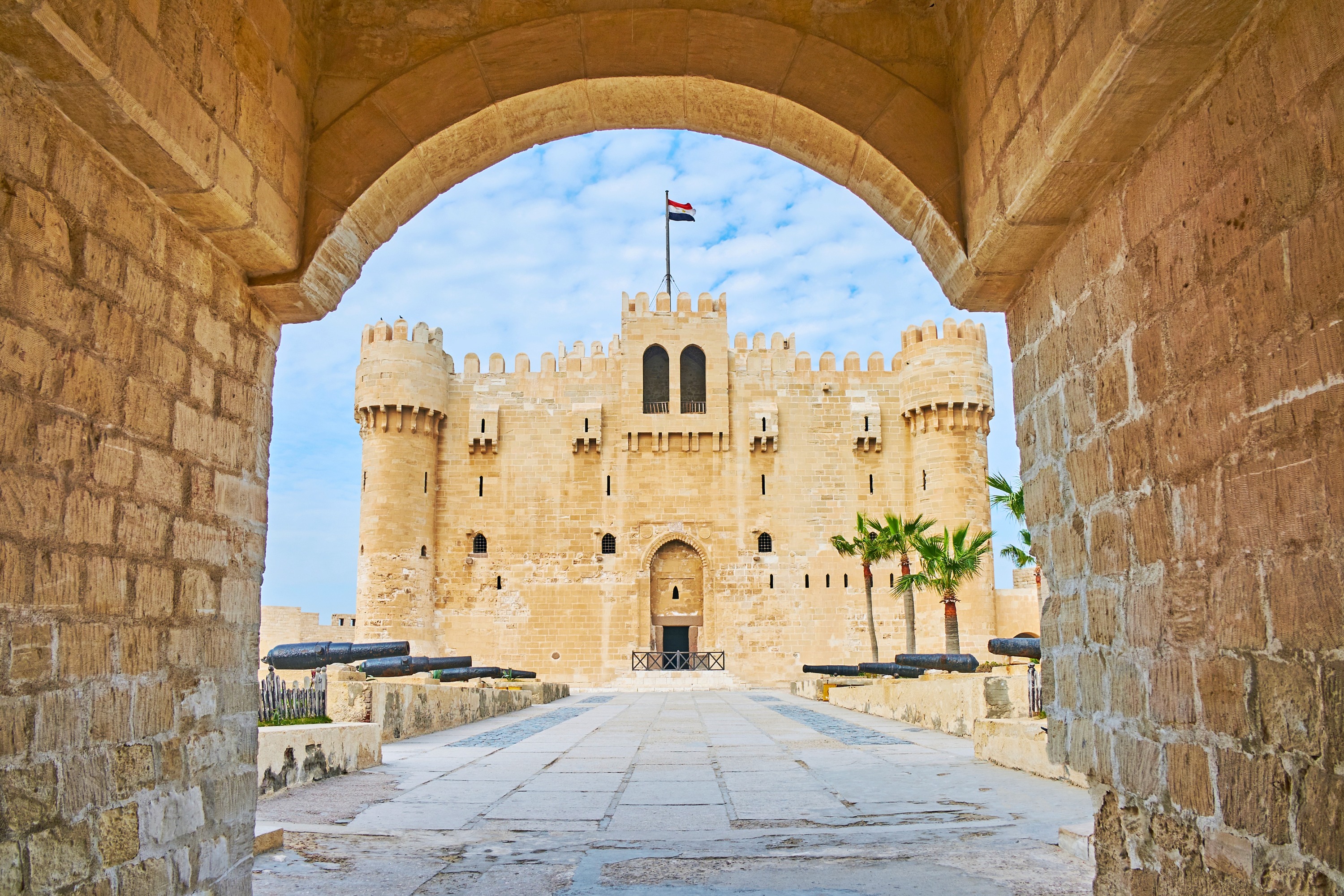
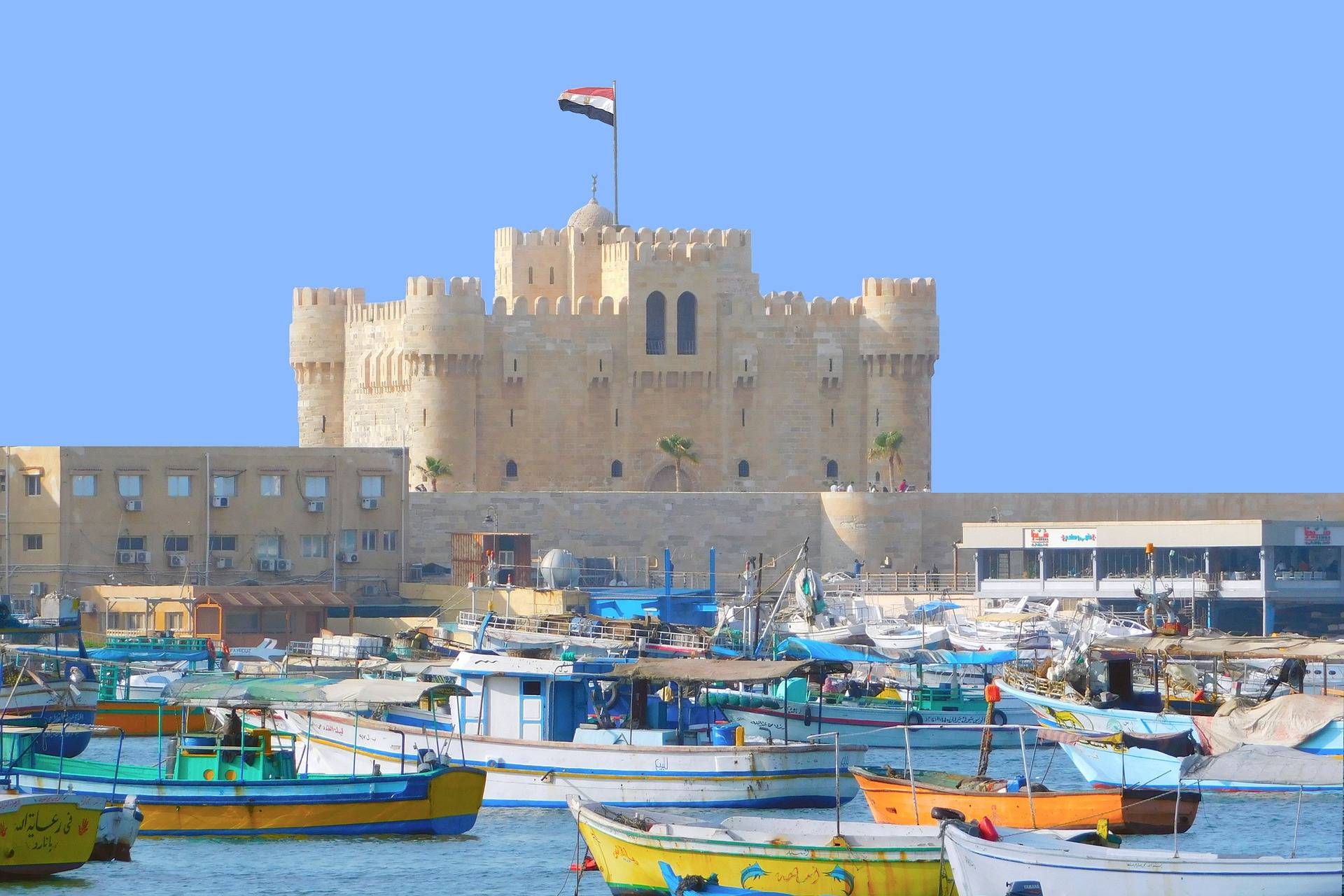
Explore the Citadel of Qaitbay, built on the site of the Lighthouse of Alexandria, and finish with the Roman Theater, a well-preserved piece of the city’s Roman history.
• Convenient pickup from your hotel in Cairo or Giza.
• Stay hydrated with bottled water provided.
• Learn in-depth knowledge from a local guide.
• Enjoy comfortable, air-conditioned private transportation between sites.
Available options
2 - Only Car and Tour Guide
-: 1 - Car
2 - Tour Guide
3 - The driver speaks English<br/>Pickup included
4- Car+ Guide+ Tickets + Lunch
`: 1 - Car
2 - Tour Guide
3 - Entrance fees
4 - Lunch
5- The driver speaks English
<br/>Pickup included
3 - Car+ Guide + entrance fees
~: 1 - Car
2 - Tour Guide
3 - Entrance fees
4- The driver speaks English<br/>Pickup included
1 - Only Car With Driver
*: 1 -Car
2 - The driver speaks English<br/>Pickup included
What's included
Lunch (If option selected)
Transport by air-conditioned Car
Hotel pickup and drop-off
Qualified Egyptologist guide (If option selected)
Entrance fees (If option selected)
Detailed itinerary
1
Stop 1
At 7:00 am, we will pick you up from your hotel and head straight to Alexandria, where we will spend the next two and a half hours traveling by highway to get to our starting point "Kom El Shoqafa" in Alexandria.
Kom El Shoqafa contains a collection of tombs, statues, and archaeological artifacts associated with the Pharaonic funeral mortuary cults and Hellenistic and early Imperial Roman influences. Because of the time, many of the characteristics of Kom El Shoqafa's catacombs combine Roman, Greek, and Egyptian cultural points; some statues are Egyptian in style but wear Roman clothes and hairstyles, while others share a similar style. A circular staircase descends into the tombs tunneled into the bedrock during the Antonine emperors' reign. (2nd century AD)From the 2nd to the 4th centuries, the building was used as a burial chamber before being rediscovered in 1900.
2
It will be the secondary attraction. The Pompey Pillar's moniker is deceptive. Gaius Pompey, a Roman general, and consul, was a rival of Julius Caesar in a civil war and was assassinated by a Ptolemaic pharaoh in 48 BC as he escaped to Alexandria. This single column, perched on a rocky hilltop in the center of Alexandria, has nothing to do with him. Crusaders believed his grave was marked by a 100-foot (30-meter) red Aswan granite pillar, which is how this tale started. The pillar is a triumphal monument built for the Roman Emperor Diocletian in 300 AD. During the visit, the site will be admired from the outside only, making it an ideal stop without requiring entrance fees. The real importance of this archaeological site lies in what was before the pillar: the Serapeum, Alexandria's acropolis.
3
Stop 3
The third stop will be this. In Alexandria, Egypt, on the Mediterranean Sea the coast, stands the 15th-century defensive fortress known as the Citadel of Qaitbay or the Fort of Qaitbay. In 1477 AD (882 AH), Sultan Al-Ashraf Sayf al-Din Qa'it Bay founded it. The Citadel is located at the mouth of the Eastern Harbour on the eastern edge of Pharos Island's northern tip.
4
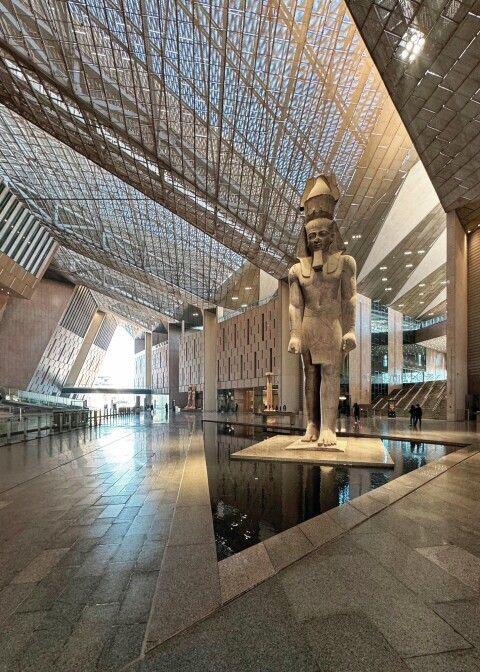
We will visit the world's largest library: "Bibliotheca Alexandrina", which currently has 8 million Books. Visit its open court to see the statues of Ptolemy the First and Alexander the Great, which were both discovered close underwater. You will go to "The President Sadat Museum" and the "Alexandria Museum of Impressions. Please note that the Alexandria Library is closed on Friday and legal holidays. You will need to buy a ticket to access the reading section. Finally, we will travel to the beginning location for around 2.5 hours on the highway.
5
Stop 5
The Roman Amphitheatre is one of Alexandria's most popular monuments. This is Egypt's second most important city, after the capital, Cairo. While the amphitheaters were spread through the different countries like Greece, Italy, and Turkey during the reign of the Romans with many examples of these structures still present in many regions around Europe and the Middle East, the Roman Amphitheatre of Alexandria is the only one of
What's not included
Gratuities ( Optional )
Available languages
Guide guide
EN
Reviews breakdown
Viator
4.8
11 reviews
5★
10
4★
0
3★
1
2★
0
1★
0
Tripadvisor
4.9
94 reviews
5★
90
4★
2
3★
0
2★
2
1★
0
Important information
Infants and small children can ride in a pram or stroller
Public transportation options are available nearby
Specialized infant seats are available
Suitable for all physical fitness levels
About Cairo
Cairo, the capital of Egypt, is a vibrant metropolis where ancient history and modern life intertwine. As one of the largest cities in Africa, it offers a wealth of historical landmarks, bustling markets, and rich cultural experiences that attract millions of visitors each year.
Top Attractions
The Great Pyramids of Giza
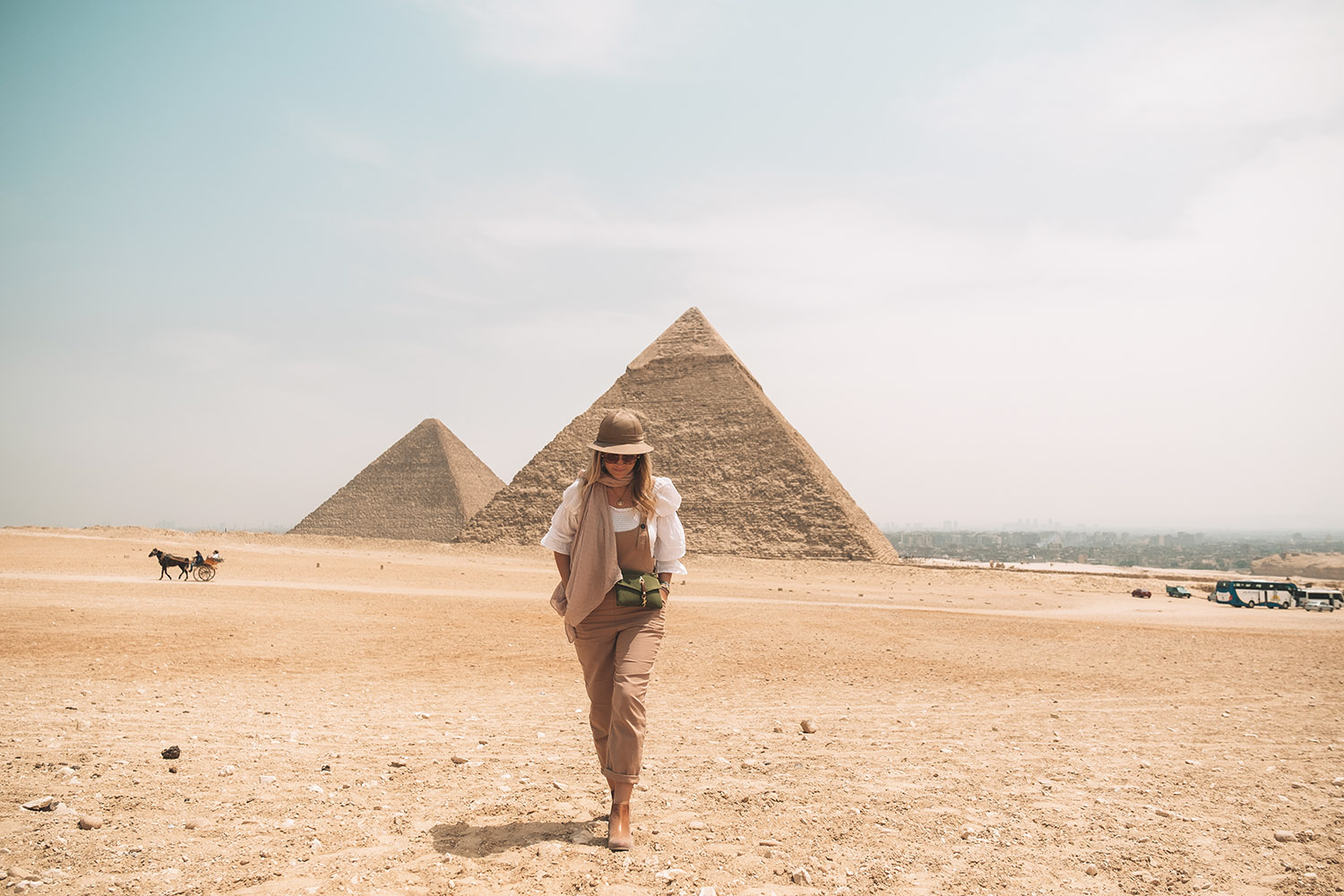
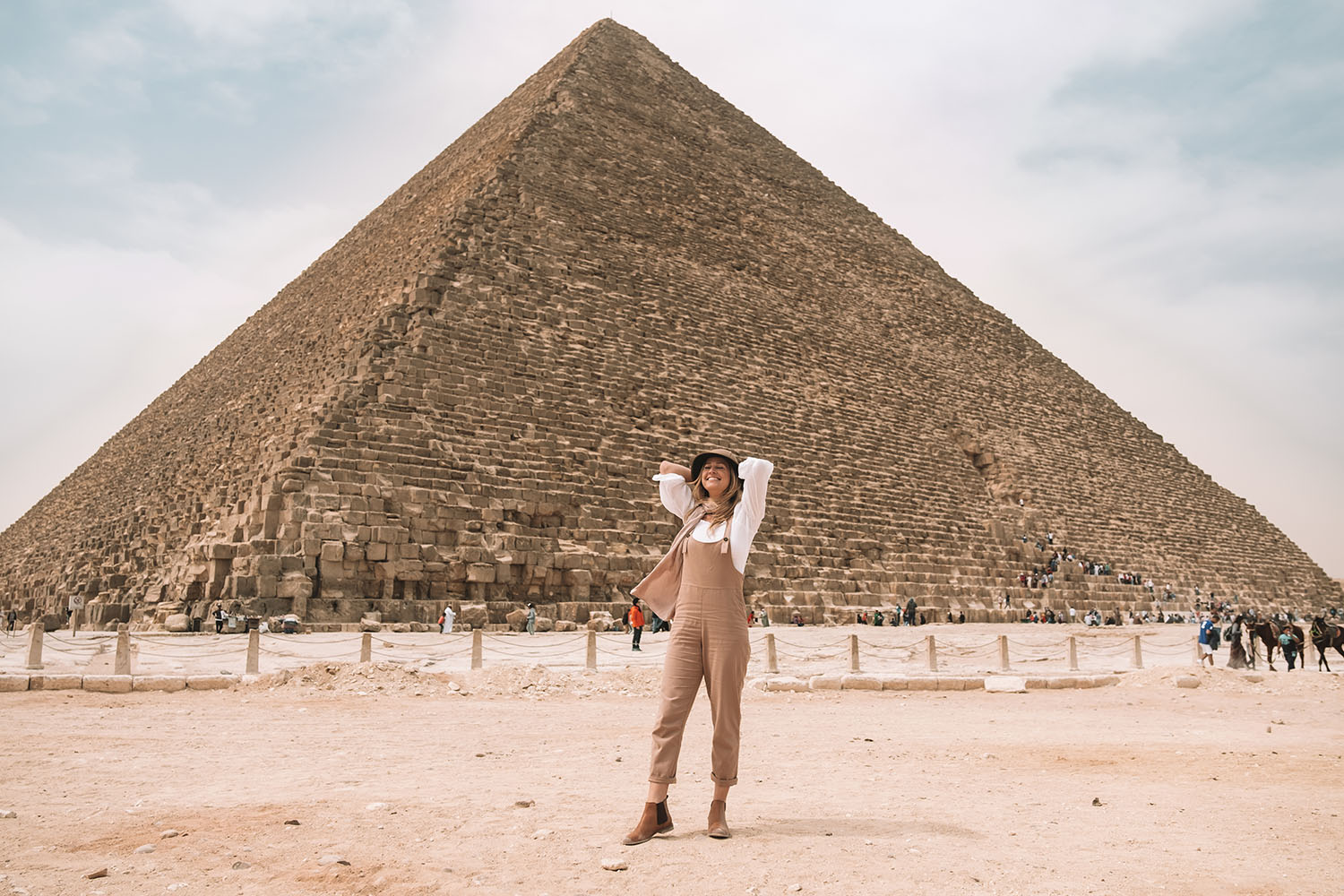
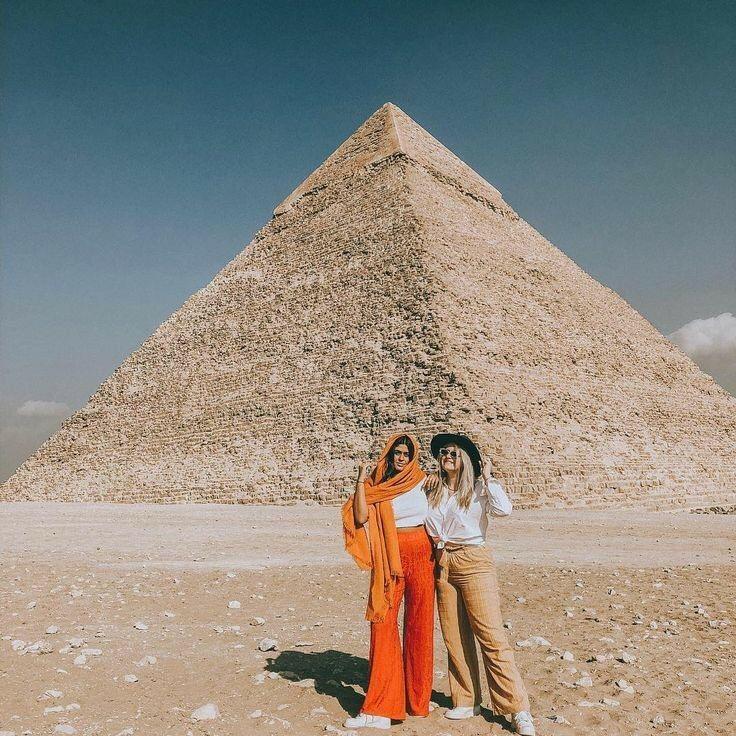
The iconic pyramids are one of the most famous landmarks in the world and a must-visit for any traveler to Cairo. They are part of the Giza Necropolis, which also includes the Great Sphinx.
Historical
Half day to full day
Moderate (around $10-20 for entrance fees)
Egyptian Museum
This museum houses the largest collection of ancient Egyptian artifacts in the world, including the treasures of Tutankhamun. It's a must-visit for anyone interested in Egypt's rich history.
Museum
2-3 hours
Moderate (around $10-15 for entrance fees)
Khan el-Khalili Bazaar
One of the oldest and most famous markets in the Middle East, Khan el-Khalili offers a vibrant shopping experience with a wide range of goods, from spices and perfumes to jewelry and souvenirs.
Cultural
1-2 hours
Moderate (prices vary depending on items)
Coptic Cairo
This area is home to some of the oldest Christian churches in Egypt, including the Hanging Church and the Church of St. Sergius and Bacchus. It's a fascinating place to explore for those interested in the history of Christianity in Egypt.
Historical
1-2 hours
Low (around $5-10 for entrance fees)
Nile River Cruise
A Nile River cruise offers a unique way to see Cairo from a different perspective. Many cruises include dinner and entertainment, making it a memorable experience.
Cultural
2-3 hours
Moderate to Expensive (depending on the cruise package)
Must-Try Local Dishes
Koshari
A popular street food made with a mix of rice, lentils, chickpeas, pasta, and fried onions, topped with a spicy tomato sauce.
Main Dish
Vegetarian
Ful Medames
A traditional breakfast dish made with mashed fava beans, garlic, lemon juice, and olive oil, often served with bread.
Breakfast
Vegetarian, Vegan
Molokhia
A green leafy vegetable soup made with jute leaves, garlic, and coriander, often served with rice or bread.
Main Dish
Vegetarian, Vegan
Kofta
Grilled minced meat skewers made with a mix of ground beef, lamb, or chicken, seasoned with spices and herbs.
Main Dish
Contains meat
Popular Activities
Desert safaris
Quad biking in the desert
Hot air balloon rides over the Nile
Nile River cruises
Beach relaxation in Alexandria or Hurghada
Spa and wellness treatments
Exploring ancient temples and ruins
Visiting museums and galleries
Best Time to Visit
October to April
This period offers the most pleasant weather for sightseeing and outdoor activities. The temperatures are mild, making it ideal for exploring the city's historical sites.
15-28°C
59-82°F
Practical Information
Language
- Official: Arabic
- Widely spoken: English, French
- English: Moderately spoken in tourist areas, limited in other parts of the city
Currency
Egyptian Pound (EGP)
Time Zone
EET (GMT+2)
Electricity
220VV, 50HzHz
Safety Information
Overall Safety Rating: Exercise caution
Cairo is generally safe for tourists, but pickpocketing, scams, and harassment can occur, especially in crowded areas. It's important to stay vigilant, be aware of your surroundings, and take precautions to protect yourself and your belongings.
Important Precautions:
- • Be aware of your surroundings and keep your belongings secure, especially in crowded areas.
- • Avoid walking alone at night, especially in poorly lit or deserted areas.
- • Be cautious when using taxis, and always agree on a fare or use the meter before starting your journey.
Getting there
By air
- Cairo International Airport • 20 km from city center
By train
Ramses Station
By bus
Cairo Bus Station, Turgoman Bus Station
Getting around
Public transport
The metro is the fastest and most efficient way to get around Cairo. It has three lines and is relatively affordable.
Taxis
Available • Apps: Uber, Careem
Rentals
Car, Bike, Scooter
Neighborhoods
Downtown Cairo
Islamic Cairo
Zamalek
Giza
Day trips
Alexandria
220 km from Cairo • Full day
Alexandria is a beautiful coastal city with a rich history, offering a mix of ancient landmarks, beaches, and vibrant culture.
Luxor
670 km from Cairo • Overnight
Luxor is often referred to as the world's greatest open-air museum, offering a wealth of ancient Egyptian landmarks and temples.
Aswan
870 km from Cairo • Overnight
Aswan is a charming city on the Nile, known for its beautiful landscapes, ancient temples, and relaxing atmosphere.
Festivals
Cairo International Film Festival • Late November to early December
Cairo Jazz Festival • Late January to early February
Cairo Fashion Festival • April
Pro tips
- Learn a few basic Arabic phrases to enhance your experience and connect with locals.
- Hire a guide for major attractions, such as the Great Pyramids of Giza and the Egyptian Museum, to gain a deeper understanding of their history and significance.
- Bargain when shopping at markets and bazaars, as it's expected and can help you get a better deal.
- Dress modestly and respectfully, especially when visiting religious sites, to show respect for local customs and traditions.
- Be prepared for heavy traffic and crowded streets, especially during peak hours and in popular tourist areas.
From $25
per person
Price varies by option
Secure booking
Free cancellation available
Instant confirmation