Private Tour: Evora, Elvas and Badajoz (Spain) day trip from Lisbon
Active
10h
For a full refund, cancel at least 24 hours before the scheduled departure time.
Instant confirmation
Mobile or paper ticket accepted
About this experience
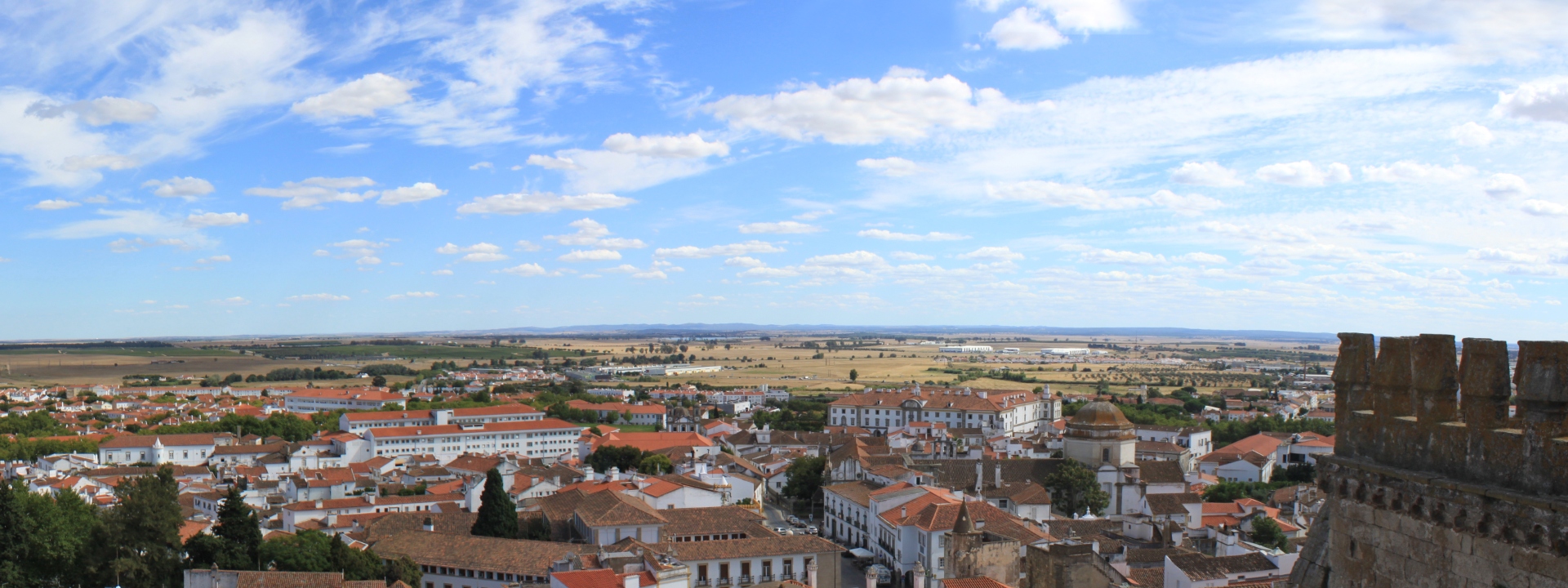
Enjoy visits Elvas, Evora (Alentejo Region) less than 2 hours drives from Lisbon and Badajoz (Spanish border city) only 10 minutes from Elvas. Affords a rewarding 10 hours Private Tour experience to discover the biggest fortified city in Portugal and Europe. Évora and Elvas are a Portuguese former episcopal city and frontier fortress of easternmost central Portugal. Elvas is among the finest examples of intensive usage of the trace italienne military architecture, and has been a World Heritage . Explores the historical town and visit Fortifications list of UNESCO World Heritage Sites in 2012. After lunch cross the Portuguese border with Spain to visit Badajoz a city known for its Moorish historic quarter with the fortresslike Cathedral of San Juan Bautista. the Alcazaba of Badajoz - a Moorish citadel with fortified walls and verdant gardens and the 12th-century Espantaperros Tower Castelar. Your Private tour also includes a pick-up (8:00am) /drop-off (6pm) and driver/guide.
Available options
Private Tour: Evora, Elvas and Badajoz (Spain) day trip from Lisbon
Pickup included
What's included
Private tour
All taxes, fees and handling charges
Lunch
Driver/guide
Transport by air-conditioned minivan
Hotel/port pickup and drop-off
Detailed itinerary
1
Visit Elvas is truly one of Portugal’s hidden gems, an historic and wonderfully preserved town situated on the arid plains of the Portuguese-Spanish border. Elvas is located in the far east of the country, and few tourists rarely consider visiting, but those who make the journey will be rewarded with a fascinating town rich in history and beauty.
2
Elvas so highly fortified - The rugged landscape of the Portuguese-Spanish border made the region surrounding Elvas the natural crossing point between the two countries. When King John declared Portugal independent from Spain in 1640, a massive defensive construction project was initiated to make Elvas the first line of defence against any Spanish invasion. The walls of the city were designed so that no side was left unprotected, resulting in the formation of a unique star arrangement comprising bastions, ravelins and hidden passages.
3
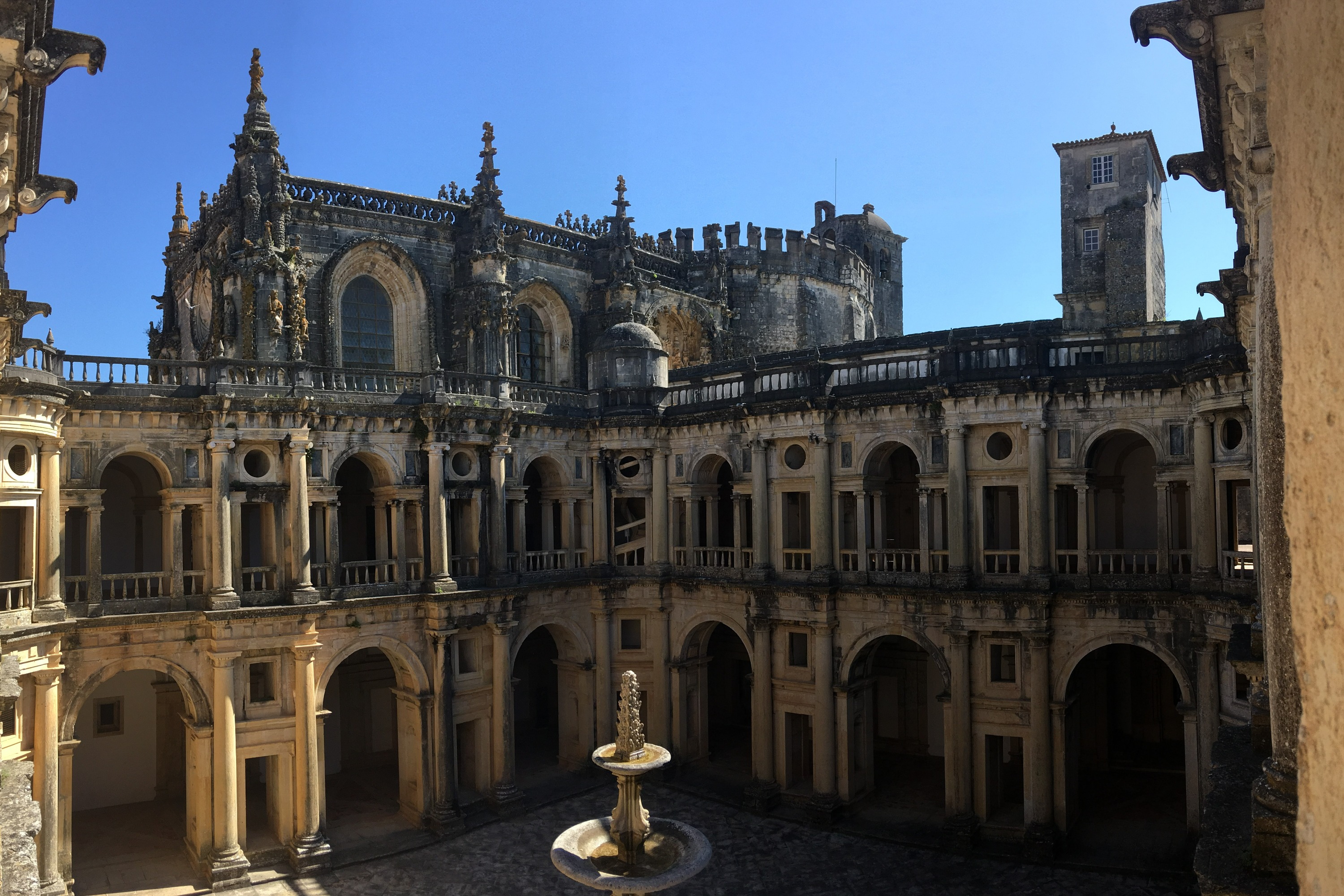
Francisco de Arruda was Portugal’s foremost at the start of the 16th century.
He worked on the Portuguese national treasure, the Torre de Belém and came to Elvas to help design the aqueduct and the Manueline rebuild of the city’s cathedral.
The Manueline decor survives on the lateral portal, which has a multifoil arch and vegetal carvings, and in the fastidiously sculpted pillars and vaults of the central nave.
There’s also decoration from the 18th century, when chancel’s altar, carved from Estremoz marble, and the Baroque gilded woodcarving on the organ case were installed.
A scenic and picturesque town, Elvas has barely been altered since the era of grandiose forts and destructive cannons. All of the town's defences have been lovingly restored and can be fully explored, including the two forts of Santa Luizia and Nossa Senhora da Graca. Inside the town you’ll find cobbled streets, ancient churches, white-washed roads, and small, family-run restaurants.
The lack of major tourist development means that hotels are small, personal and good value, while there’s a relaxed – if somewhat conservative – atmosphere about the town. Elvas’ rich and intriguing history has so much to offer the intrepid visitor, and is highly recommended as an inclusion on any tour of central Portugal.
4
Visit the highest point in the north of the town is the earliest part of Elvas’ defences.
The medieval castle is anchored in the 700s when the Moors fortified this hill.
Later, from 1166 to 1230, the stronghold was taken and lost by Christian forces until the Moors finally abandoned the territory.
Come to poke around for an hour or two, taking the exciting stone passageway and staircase up to the battlements where the landscapes will leave you lost for words.
You’ll realise just how close to Spain we are here when you spot the town of Badajoz to the west.
5
Visit Badajoz - Spain a land of castles, historic towns, and art and architecture. Great theatre classics that come back to life every summer under the light of the moon. Gastronomic delicacies with their very own Designation of Origin.
6
Badajoz, a fortress dedicated to art - The Arab Alcazaba, or fortress, presides the ancient defensive system of bastions and city walls. Many of these fortified spaces have been restored and are now places dedicated to culture. The MEIAC, the Archaeological Museum and the Carnival Museum are a few examples.
7
Mérida, the way it was in Roman Empire times - This is a World Heritage site, and it's definitely bound to make an impression. Just take a visit to the Roman theatre, the amphitheatre or the temple of Diana to experience the sensation. It is one of the foremost archaeological sites in Spain, and in July and August comes to life again during the International Classical Theatre Festival.
8
Visit Diana Temple the best preserved Roman structure on the Iberian Peninsula and the bone chapel is the most ghoulish sight of Portugal,
What's not included
Gratuities
Available languages
Audio guide
PT
EN
FR
ES
Guide guide
PT
EN
FR
ES
Written guide
PT
EN
FR
ES
Reviews breakdown
Viator
3.0
2 reviews
5★
1
4★
0
3★
0
2★
0
1★
1
Tripadvisor
5.0
1 reviews
5★
1
4★
0
3★
0
2★
0
1★
0
Important information
Wheelchair accessible
Infants and small children can ride in a pram or stroller
Public transportation options are available nearby
Specialized infant seats are available
All areas and surfaces are wheelchair accessible
Suitable for all physical fitness levels
ChildreCoronavirus Safety Measures - The safety and well-being of everyone who uses our services are always our priority. We are actively monitoring the coronavirus (COVID-19) situation and are taking steps to help keep our customers safe.n must be accompanied by an adult
We’re certified by the Official Tourism entity ‘Turismo de Portugal’ with the hygiene certification stamp ‘Clean & Safe’.
For our safety, we operate only private tour and pick-up/drop-off all passengers. We clean and disinfect our vehicles every tour and we provide hand sanitizer and masks to our customers.
Our guides are experienced professionals, courteous and drive defensive and safety with only one objective to ensure your safety and satisfaction.
About Portalegre District
Portalegre District is a picturesque region in the Alentejo province of Portugal, known for its rich history, stunning landscapes, and traditional crafts. The area offers a blend of medieval architecture, natural parks, and authentic Portuguese culture, making it a perfect destination for travelers seeking a peaceful and culturally immersive experience.
Top Attractions
Castle of Portalegre
This medieval castle offers panoramic views of the city and surrounding countryside. It's a symbol of Portalegre's rich history and architectural heritage.
Historical
1-2 hours
Free
Museum of Tapestry
This museum showcases the region's renowned tapestry art, with a collection of intricate and beautiful pieces dating back to the 16th century.
Museum
1 hour
€5
Monte Alto Park
This beautiful park offers a peaceful retreat with walking trails, picnic areas, and stunning views of the surrounding landscape.
Nature
2-3 hours
Free
Must-Try Local Dishes
Açorda à Alentejana
A traditional bread soup made with garlic, coriander, poached eggs, and olive oil, often served with fried fish.
Lunch/Dinner
Contains gluten and eggs
Migas
A comforting dish made with bread, garlic, and various ingredients like meat, vegetables, or fish.
Lunch/Dinner
Contains gluten
Sericaia
A traditional Alentejo dessert made with eggs, sugar, and flour, often served with honey and cinnamon.
Dessert
Contains gluten and eggs
Popular Activities
Hiking
Biking
Horseback riding
Wine tasting
Picnicking
Spa treatments
Visiting museums
Exploring historical sites
Best Time to Visit
Spring (April to June) and Fall (September to October)
Spring and fall offer pleasant weather with moderate temperatures, making it perfect for exploring the outdoors and attending local festivals. The region is less crowded during these seasons.
15°C to 30°C
59°F to 86°F
Practical Information
Language
- Official: Portuguese
- Widely spoken: English, Spanish
- English: Moderately spoken
Currency
Euro (EUR)
Time Zone
GMT+1 (Western European Time, WET)
Electricity
230VV, 50HzHz
Safety Information
Overall Safety Rating: Generally safe
Portalegre is a safe destination for travelers, with low crime rates and a welcoming atmosphere. However, as with any destination, it's important to take basic precautions to ensure a safe and enjoyable trip.
Important Precautions:
- • Keep valuables secure and out of sight
- • Use licensed taxis or ride-sharing apps
- • Be cautious of strangers approaching you with unsolicited offers or requests
Getting there
By air
- Portalegre Airport • 5 km from city center
By train
Portalegre Train Station
By bus
Portalegre Bus Terminal
Getting around
Public transport
The bus system is efficient and affordable, with regular services connecting major attractions and neighborhoods.
Taxis
Available • Apps: Bolt, FreeNow
Rentals
Car, Bike, Scooter
Neighborhoods
City Center
São Julião
Day trips
Monsaraz
30 km from Portalegre • Half day
A charming medieval village perched on a hilltop, offering stunning views of the Alentejo countryside and a glimpse into Portugal's rich history.
Marvão
40 km from Portalegre • Full day
A picturesque village nestled in the mountains, known for its well-preserved medieval castle and stunning natural surroundings.
Festivals
Festival of Light • December
Feast of Saint John • June 24th
Pro tips
- Visit the Castle of Portalegre early in the morning for the best views and to avoid crowds
- Try the local wine, particularly the red wines made from native grape varieties like Aragonez and Trincadeira
- Explore the local markets for unique souvenirs and to experience the region's rich culinary traditions
- Take a day trip to nearby villages like Monsaraz and Marvão for a deeper understanding of the region's history and culture
- Learn a few basic Portuguese phrases to enhance your interaction with locals and show respect for the culture
From $25
per person
Price varies by option
Secure booking
Free cancellation available
Instant confirmation