Tenement History and Immigrant Life in the Lower East Side
Active
2h - 3h
For a full refund, cancel at least 24 hours before the scheduled departure time.
Instant confirmation
Mobile or paper ticket accepted
About this experience
From the Five Points and Mulberry Bend, through the Italian and Jewish immigrant waves, and finally what is today's Chinatown, this tour explores the development of a rustic landscape of lakes and farms into what became the mostly densely overcrowded neighborhood on earth barely 100 years ago. The incremental step-by-step process of putting the need for adequate housing over the drive for profit to house the immigrant poor, from disease-ridden cellar dwelling in tumble down shanties. to pre-, old- and new-law tenements, this tour uses pictures to show what is no longer there, and finds what continues to stand in the street walls today to tell the immensely rich, tragic and redemptive story of New York's Lower East Side.
Available options
Start Time
What's included
Local guide
Professional guide
Detailed itinerary
1
Stop 1
We begin at the former sites of The Five Points neighborhood and Mulberry Bend, one-time notorious slums in New York City's history. The focus is on the "tenement," the early purpose-built housing for the working class, mostly immigrant poor whose history begins not far from this spot.
2
Jacob Riis and his seminal work, How the Other Half Lives, helps bring to life the past communities that once occupied the site of today's Columbus Park, between Chinatown and the Court District.
3
Stop 3
Pass by
The heart of the tour is along the blocks of the Lower East Side and the non-stop tenement buildings that proliferated in the Lower East Side from the mid-19th to the early-20th Centuries. Not all tenements were associated with slum communities, though living conditions could be hard. We'll identify different tenements types from different eras, and witness the decades-long process of tenement evolution following advancing laws.
4
Stop 4
Pass by
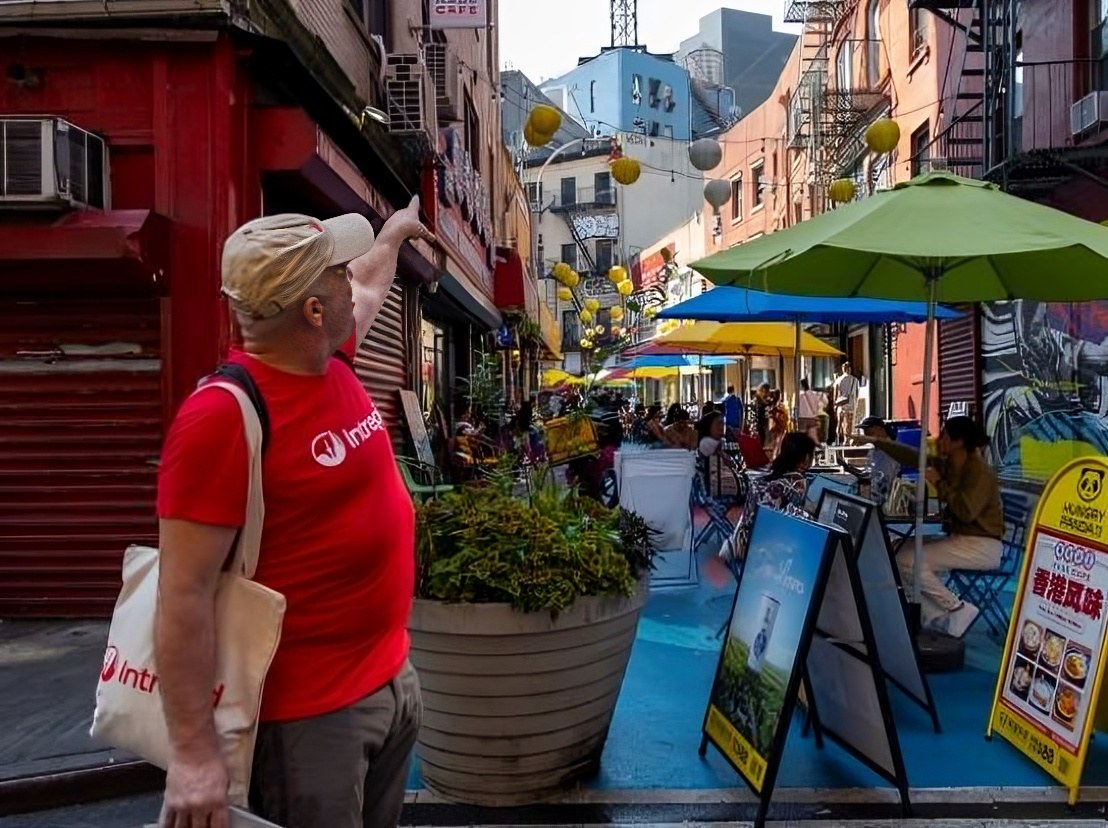
We will have a stunning view of the Municipal Building and the Woolworth Building East Broadway, one of Chinatowns most vibrant street scenes with hidden-in-plain-sight historic gems.
5
Stop 5
Pass by
One of the most beautiful edifices in the city, The Eldridge Street Synagogue begins discussion of the Jewish experience in the Lower East Side, who, like the massive immigrant waves before them, have their own unique story to tell.
6
Stop 6
Pass by
One of the first parks in the neighborhood. It was so crowded on opening day it was standing room only. Here, an array of photos from Jacob Riis' How the Other Half Lives brings the past to life.
7
Stop 7
Pass by
A newspaper that was an institution for the Jewish community.
8
Stop 8
Pass by
We pass the back of the museum where they replicate tenement life. Outhouses and clothes line help transport one back in time.
9
Stop 9
Pass by
DeLancey Street was the clothing discount outlet center of the past.
10
Stop 10
Pass by
The Allen Street bath house functioned as such from 1905 until 1975, along with about a dozen in the area. This one lasted the longest and was converted to a church.
11
Stop 11
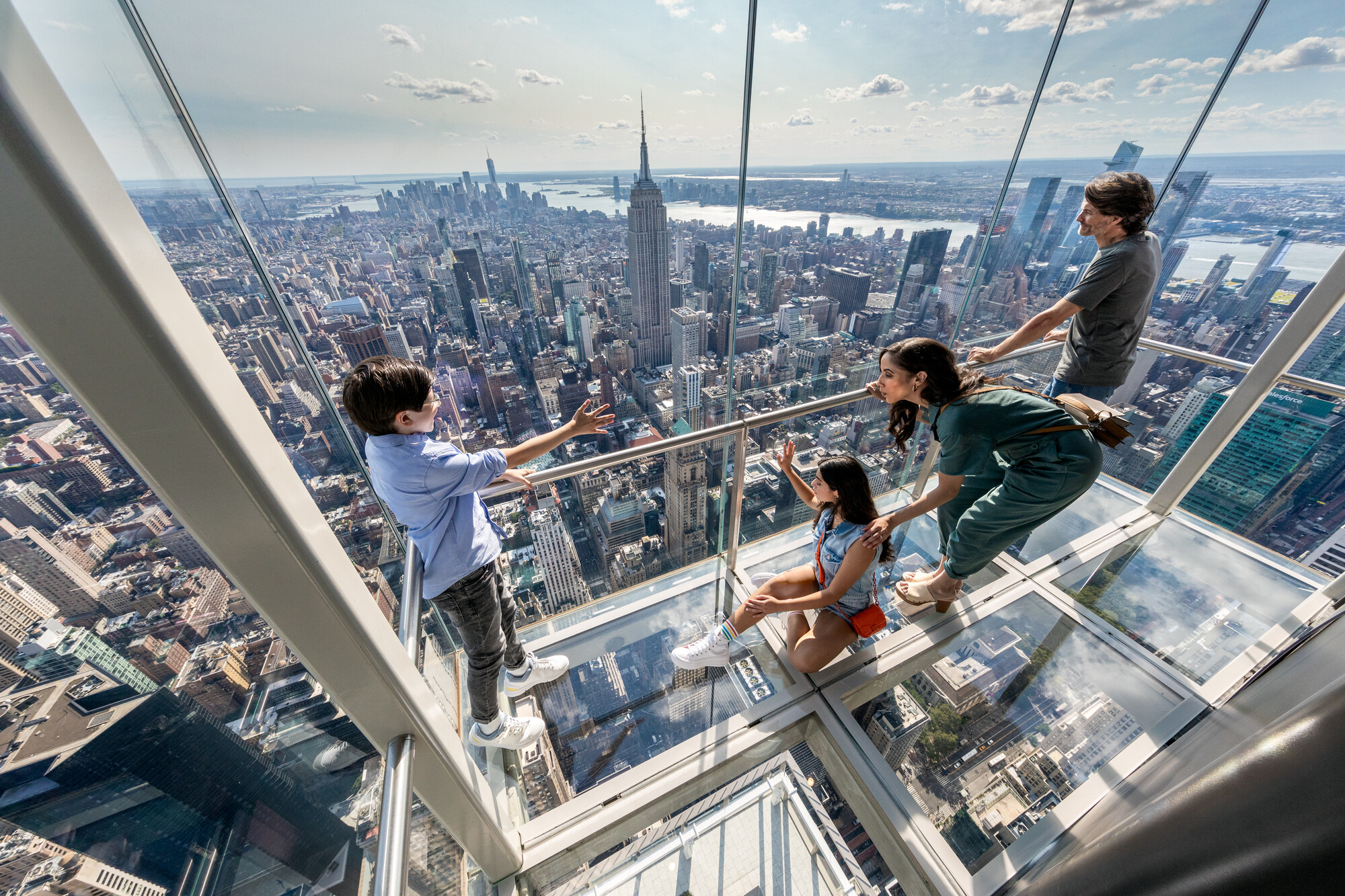
We end the tour on the rooftop of Hotel Indigo. Here we'll be be able to see a bird's eye view of the different tenement types, along with a spectacular view of Midtown, a perfect way to end the tour.
What's not included
Gratuities
Available languages
Guide guide
EN
Reviews breakdown
Viator
4.9
32 reviews
5★
31
4★
0
3★
0
2★
0
1★
1
Tripadvisor
4.9
18 reviews
5★
17
4★
1
3★
0
2★
0
1★
0
Important information
Service animals allowed
Public transportation options are available nearby
Travelers should have at least a moderate level of physical fitness
wear comfortable walking shoes
snacks and water are recommended to revitalize
Meeting point
Tour starts nearby the sculpture, Triumph of the Human Spirit, at Foley Square
Important notes
• Comfortable walking shoes are recommended
About New York City
New York City, often referred to as the cultural capital of the world, is a sprawling metropolis that never sleeps. With its iconic skyline, world-class museums, Broadway shows, and diverse neighborhoods, NYC offers an unparalleled urban experience that blends the historic with the modern.
Top Attractions
Statue of Liberty
A symbol of freedom and democracy, the Statue of Liberty is a must-visit. Take a ferry to Liberty Island for close-up views and a visit to the museum.
Historical
3-4 hours
$18.50 (grounds access), $21.70 (pedestal access), $24.10 (crown access)
Central Park
A vast urban park offering a green escape in the heart of the city. Enjoy walking paths, boat rentals, and various attractions.
Nature
2-4 hours
Free (some attractions have fees)
Times Square
The bustling heart of NYC, known for its bright lights, Broadway theaters, and vibrant atmosphere.
Entertainment
1-2 hours
Free (shows and shopping have separate costs)
Empire State Building
An iconic Art Deco skyscraper offering panoramic views of the city from its observation decks.
Architecture
1-2 hours
$44 (Main Deck), $74 (Top Deck)
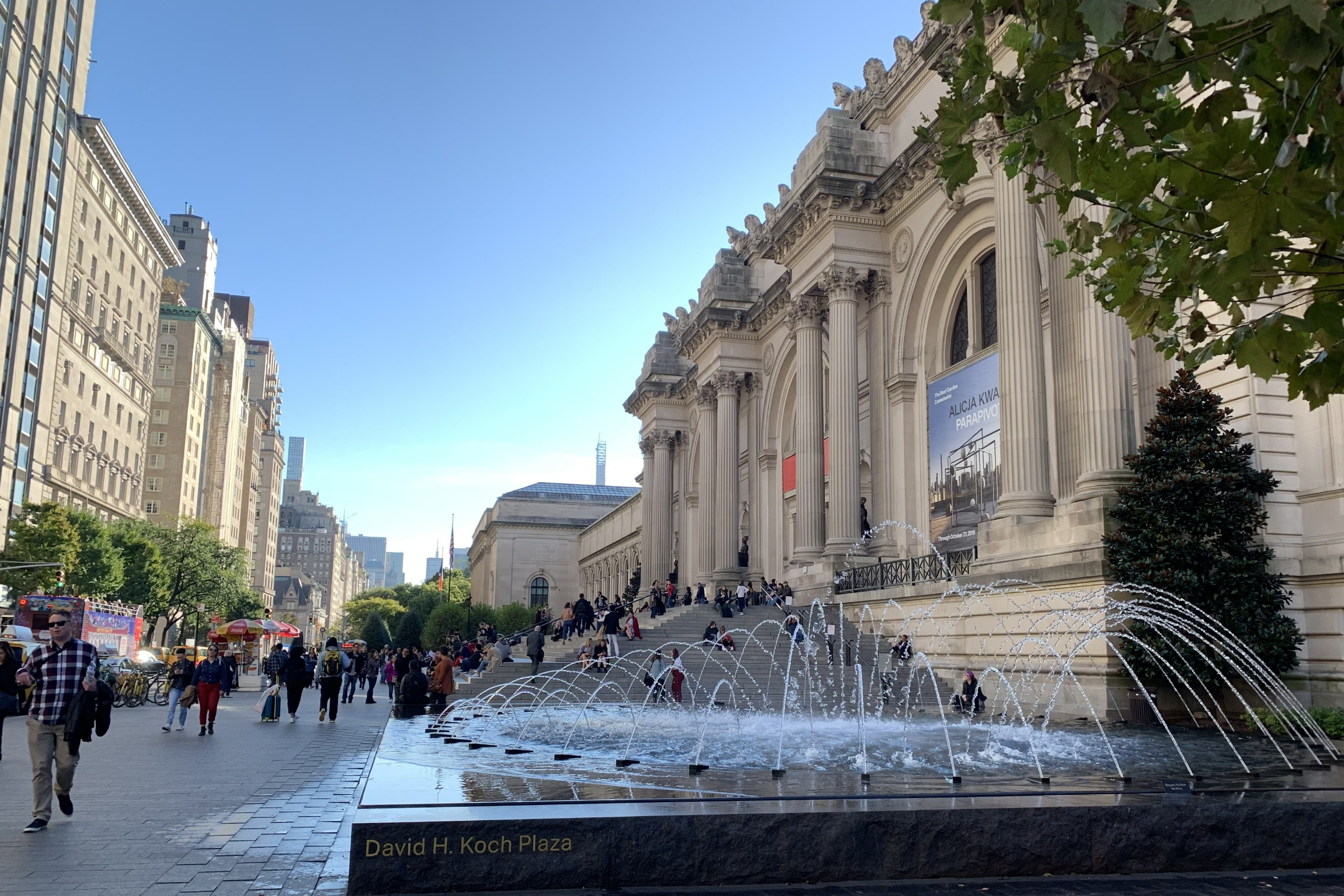
Metropolitan Museum of Art
One of the world's largest and finest art museums, housing over 2 million works of art.
Museum
3-5 hours
$25 (suggested admission)
Brooklyn Bridge
An iconic suspension bridge offering stunning views of the Manhattan skyline and East River.
Architecture
1-2 hours
Free
Must-Try Local Dishes
New York-style Pizza
Thin-crust pizza with a wide, foldable slice. Toppings vary but often include pepperoni, mushrooms, and sausage.
Dinner
Can be made vegetarian or vegan.
Bagel with Lox
A classic NYC breakfast consisting of a toasted bagel topped with smoked salmon, cream cheese, and often capers or red onion.
Breakfast
Contains dairy and fish.
Cheesecake
Creamy, rich cheesecake, often served with fruit toppings or chocolate sauce.
Dessert
Contains dairy.
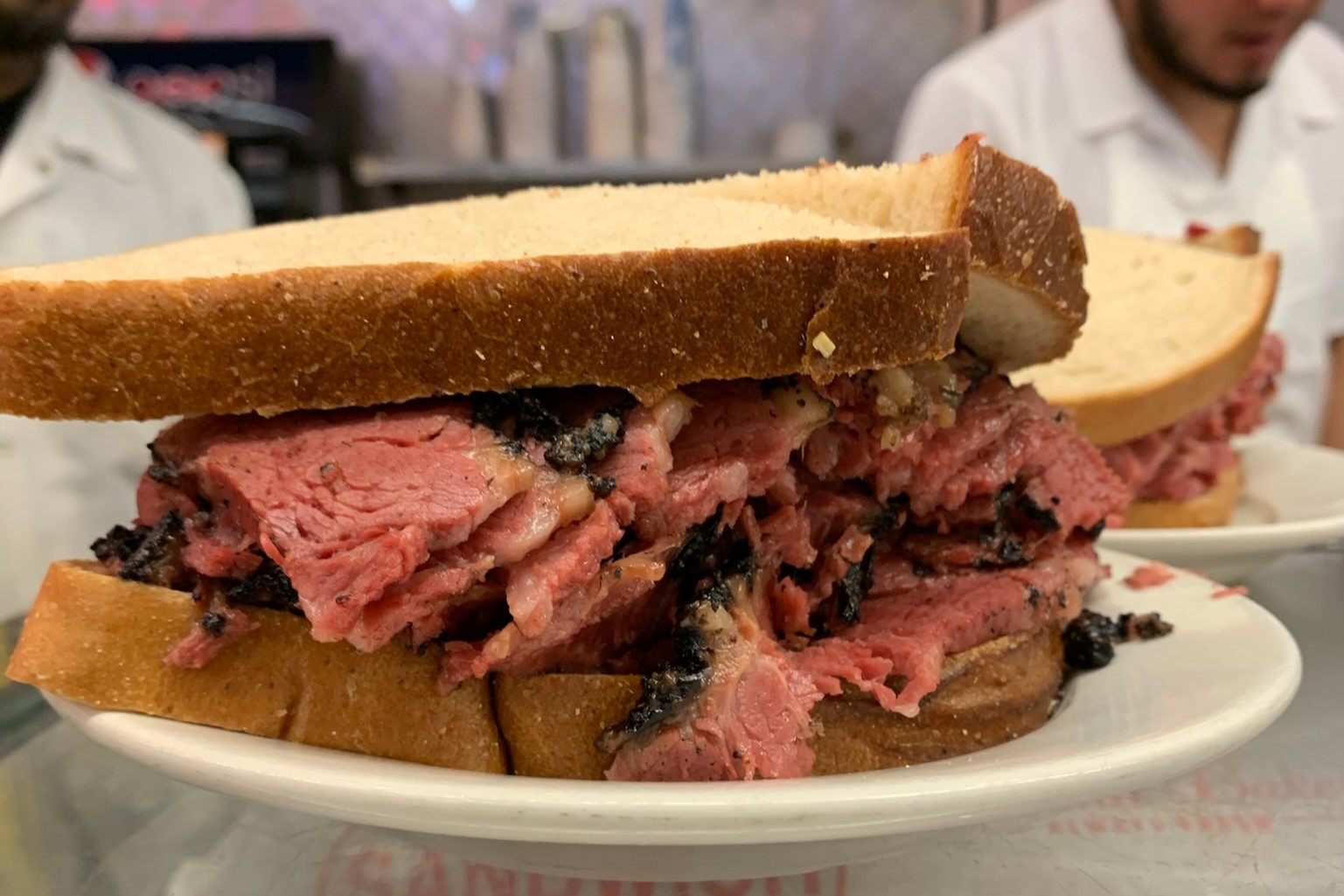
Pastrami on Rye
Thinly sliced pastrami piled high on rye bread, often served with mustard.
Lunch
Contains meat.
Popular Activities
Hiking in Central Park
Kayaking in the Hudson River
Rock climbing in the Bronx
Spas and wellness centers
Yoga and meditation classes
Strolling through botanical gardens
Museum visits
Broadway shows
Best Time to Visit
May to September
This period offers warm weather, outdoor festivals, and all attractions in full swing. However, it's also the busiest and most expensive time to visit.
15°C to 30°C
59°F to 86°F
Practical Information
Language
- Official: English
- Widely spoken: Spanish, Chinese (Cantonese and Mandarin), Russian, Hindi
- English: Widely spoken
Currency
US Dollar (USD)
Time Zone
EST (GMT-5) / EDT (GMT-4) (Daylight Saving Time)
Electricity
120VV, 60HzHz
Safety Information
Overall Safety Rating: Generally safe
NYC is generally safe, but like any major city, it's important to be aware of your surroundings and take precautions.
Important Precautions:
- • Be aware of your surroundings, especially at night
- • Keep valuables secure and out of sight
- • Use common sense and trust your instincts
Getting there
By air
- John F. Kennedy International Airport • 24 km (15 miles) from downtown
- LaGuardia Airport • 13 km (8 miles) from downtown
By train
Penn Station, Grand Central Terminal
By bus
Port Authority Bus Terminal, Greyhound Terminal
Getting around
Public transport
The subway is the most efficient way to get around NYC. It operates 24/7 but can be crowded during peak hours.
Taxis
Available • Apps: Uber, Lyft
Rentals
Car, Bike, Scooter
Neighborhoods
Manhattan
Brooklyn
Queens
Bronx
Staten Island
Day trips
Niagara Falls
650 km (400 miles) • Overnight
A breathtaking natural wonder featuring three waterfalls: Horseshoe Falls, American Falls, and Bridal Veil Falls.
Washington D.C.
370 km (230 miles) • Full day
The capital of the United States, offering iconic landmarks, museums, and government buildings.
Philadelphia
150 km (93 miles) • Full day
A historic city known for its role in the American Revolution and its vibrant cultural scene.
Festivals
New Year's Eve in Times Square • December 31
Macy's Thanksgiving Day Parade • Fourth Thursday in November
NYC Pride • Late June
Pro tips
- Use a MetroCard for easy and discounted subway and bus rides
- Walk as much as possible to explore the city and its neighborhoods
- Try street food for a quick and delicious meal on the go
- Visit popular attractions early in the morning or late in the afternoon to avoid crowds
- Use apps like Google Maps or Citymapper for real-time navigation and transit information
From $25
per person
Price varies by option
Secure booking
Free cancellation available
Instant confirmation