Historical Haarlem: Private Tour with Local Guide
Active
1h
For a full refund, cancel at least 24 hours before the scheduled departure time.
Instant confirmation
Mobile or paper ticket accepted
About this experience
Explore the history of Haarlem with a private tour through this old town.
Haarlem is one of the pearls of the Dutch Golden Age, home to many of its great treasures and talents. The historical city center of Haarlem boasts a treasure trove of exceptional monuments. The present-day Haarlem is situated on an ancient sand ridge, formed 56 centuries ago. Many centuries later, the settlement of Haarloheim emerged at a strategic location along the Spaarne River. Since then, Haarlem has evolved into the beautiful city we know today.
After this tour, you will know more about Haarlem than the average local!
Available options
English guide
Pickup included
German guide
Pickup included
French guide
Pickup included
What's included
Local private guide
Detailed itinerary
1
We start in front of the most beautiful train station of The Netherlands. The railways made a significant contribution to the revival of Haarlem after 1850, as improved infrastructure allowed small businesses to grow into important industrial complexes. Examples include the Figee machine factory, Droste chocolate factory, Conrad shipyard (all located on the Spaarne), and the Beijnes railway carriage factory at Stationsplein.
2
Of course we will walk over the Grote Markt. The Grote Markt has traditionally been the heart of Haarlem. Before the Middle Ages, when the square was not yet paved, it was called 't Sant. Justice was administered on 't Sand at that time. However, the gallows were located on the outskirts of the city to deter people. Tournaments were held on the square, as well as markets. In the 13th and 14th centuries, the square was even larger than it is now because there was no building on the south side (right). The appearance and character of this place were and are largely determined by the historical buildings surrounding it.
3
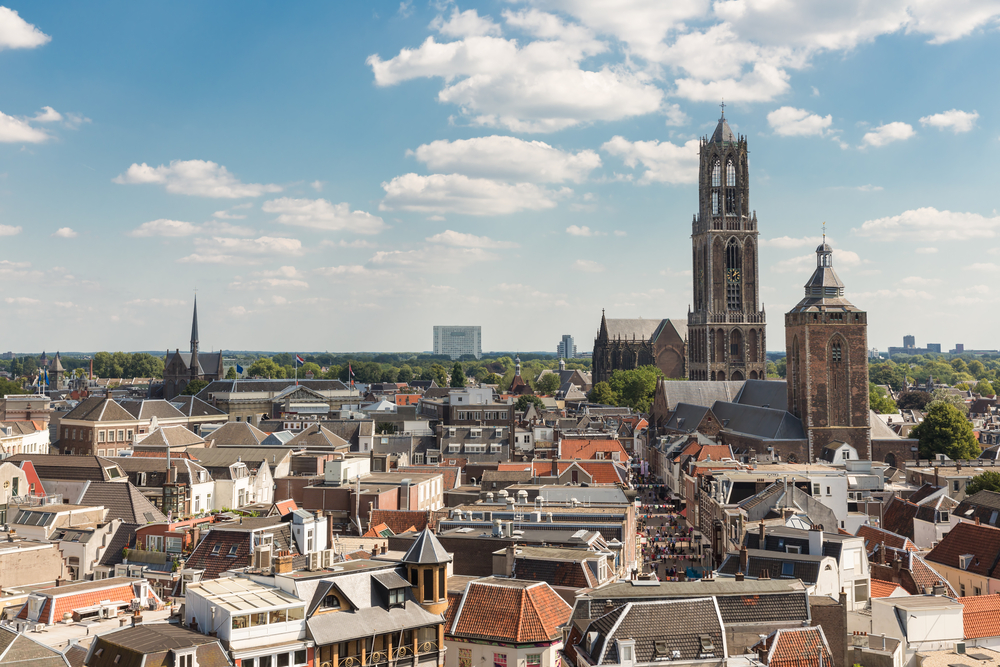
On the Grote Markt, we find the Grote Kerk. Here once stood a smaller church that was damaged during a city fire. Subsequently, the Grote or St. Bavo was built here. The floor plan is based on the cruciform shape. Construction began in 1390 with the choir built around the old Romanesque church, followed by the transept. The nave followed from the mid-15th century. The tower is an oak construction covered with lead and was added to the church in 1520. In 1559, St. Bavo was elevated to a cathedral. On May 19, 1578, the 'Haarlemse noon' took place, a delayed iconoclastic event. During a Catholic sacrament procession in the St. Bavo Church, Geuzen soldiers stormed the church. The soldiers killed the priest and destroyed everything. Afterward, the church came into the possession of the Reformed Community. In the church, in addition to the world-famous Müller organ, there are the graves of painters Frans Hals, Pieter Saendam, linen merchant Pieter Teyler van der Hulst, and many others.
4
We cannot skip the Botermarkt.
In 2012, during the installation of underground waste containers on the Botermarkt, skeletons from the Middle Ages were discovered. These were found on an old cemetery belonging to the medieval St. Gangolf's Chapel. The excavation of these skeletons has provided more insight into the men, women, and children who lived in Haarlem around 1450. The combination of forensic science, archaeology, anatomy, and sculptural art can give a lifelike face to an excavated individual. For the reconstruction, a skeleton with a skull was selected from a 35-year-old man with a remarkable face. Since his name was unknown, the name Cornelis was chosen. Cornelis was a common name in Haarlem in the 15th and 16th centuries.
5
Another church! For centuries, Haarlem was one of the largest beer brewing cities in the Netherlands. Beer brewing dates back to the medieval period in Haarlem, with many breweries located along the Spaarne River and Bakenessergracht. The proximity to water was convenient for both beer production and the transportation of beer barrels. The beer barrels, with a capacity of 112 liters, were called 'Jopen.'
6
Stop 6
We pass by the beautiful Frans Hals Museum. Frans Hals was born in Antwerp in 1582 or 1583, the son of a linen merchant. Like many South Netherlanders at that time, the family moved to Haarlem around 1586. Frans Hals was a pupil of Carel van Mander until 1603 and became a member of the Saint Luke's Guild. In 1616, he painted his first civic guard pieces. In 1639, he created his last civic guard pieces, considered the pinnacle of Hals' oeuvre due to the great variety of facial expressions, shining uniforms, and nuanced colors.
In the 18th century, he fell out of favor but was rediscovered by the Impressionists in the 19th century, who appreciated his so-called rough style. His style was characterized by independent, sweeping, and loose brushwork, as well as intimate and enigmatic drama. He had the ability to capture subtle human emotions.
What's not included
Gratuities
Available languages
Guide guide
DE
EN
FR
Reviews breakdown
Tripadvisor
5.0
1 reviews
5★
1
4★
0
3★
0
2★
0
1★
0
Important information
Service animals allowed
Public transportation options are available nearby
Suitable for all physical fitness levels
Meeting point
The guide will pick you up in front of the most beautiful train station in The Netherlands. From here, the tour will start. If you wish to be picked up from your hotel (if it is in the city centre), let us know!
Important notes
You do not need to bring this ticket to the tour
About Haarlem
Haarlem is a charming city in the Netherlands, known for its rich history, beautiful architecture, and vibrant cultural scene. Often overlooked by tourists heading straight to Amsterdam, Haarlem offers a more relaxed pace with equally captivating canals, historic buildings, and a thriving arts community.
Top Attractions
Grote Markt
The Grote Markt is the central square of Haarlem, surrounded by historic buildings, cafes, and the iconic Church of St. Bavo.
Historical
1-2 hours
Free
Frans Hals Museum
This museum is dedicated to the works of Frans Hals, a prominent Dutch painter of the Golden Age, and other local artists.
Museum
1-2 hours
€12
Teylers Museum
One of the oldest museums in the Netherlands, Teylers Museum houses a diverse collection of art, natural history, and scientific instruments.
Museum
1-2 hours
€12.50
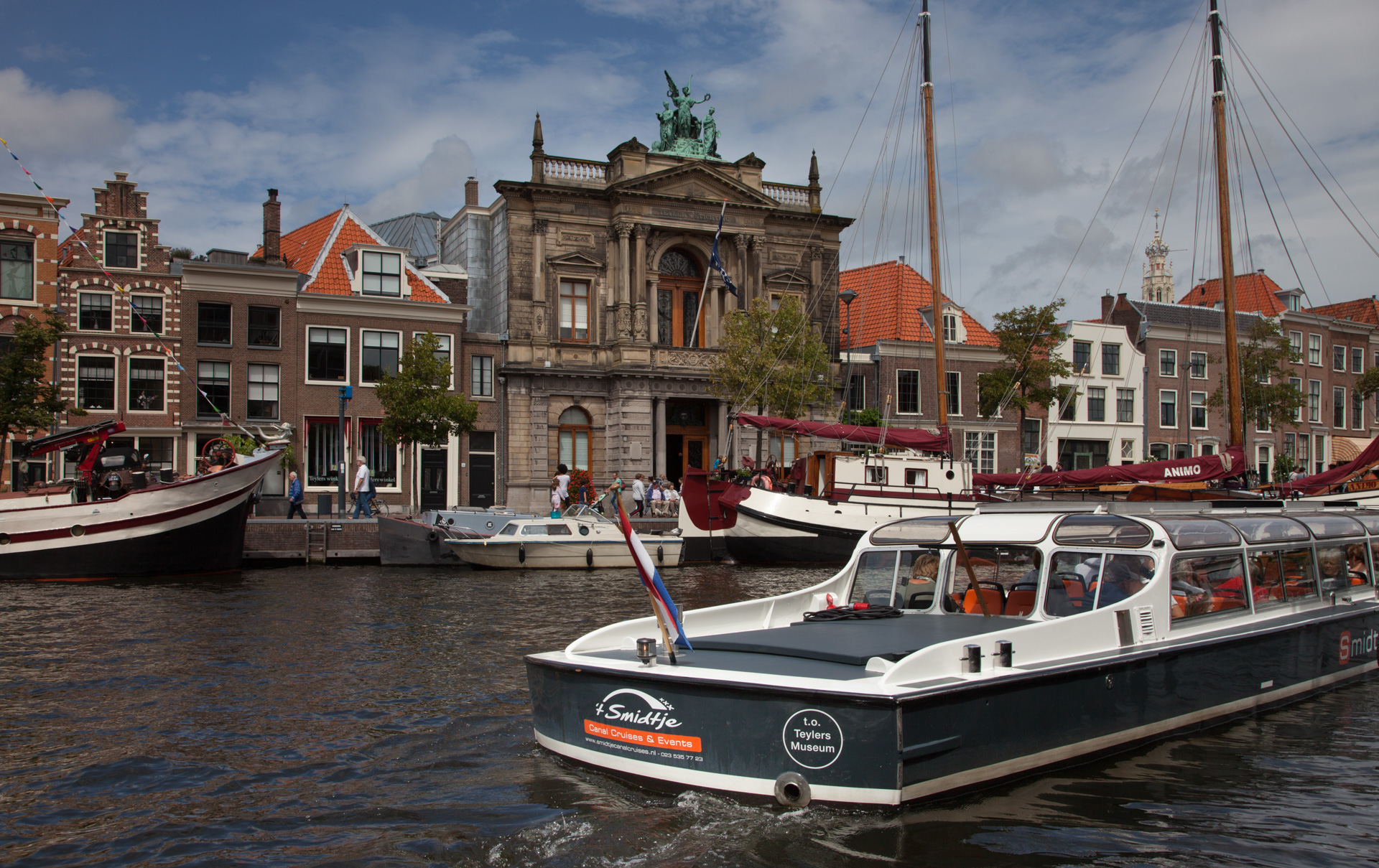
Haarlem's Canals
Haarlem's canals are a beautiful and serene part of the city, offering picturesque views and a relaxing atmosphere.
Nature
Varies
Free (boat tours may cost extra)
Adriaan Windmill
This historic windmill is one of the few remaining in Haarlem and offers insights into the city's milling heritage.
Historical
1 hour
€5
Must-Try Local Dishes
Stamppot
A traditional Dutch dish made with mashed potatoes mixed with vegetables, usually served with smoked sausage.
Dinner
Vegetarian options available
Haarlemse Hopjes
A traditional Dutch candy made from almonds, sugar, and spices, originating from Haarlem.
Dessert
Contains nuts
Poffertjes
Miniature fluffy pancakes, typically served with powdered sugar and butter.
Snack
Vegetarian
Popular Activities
Cycling
Hiking
Surfing
Canal cruises
Spa treatments
Picnicking
Museum visits
Historic site tours
Best Time to Visit
May to September
The peak season offers the best weather for outdoor activities and sightseeing. The city is lively with festivals and events, and the gardens are in full bloom.
15°C to 25°C
59°F to 77°F
Practical Information
Language
- Official: Dutch
- Widely spoken: English, German
- English: Widely spoken
Currency
Euro (EUR)
Time Zone
GMT+1 (CET), GMT+2 (CEST during daylight saving time)
Electricity
230VV, 50HzHz
Safety Information
Overall Safety Rating: Generally safe
Haarlem is generally a safe city with low crime rates. However, as with any tourist destination, it's important to be aware of your surroundings and take precautions to protect your belongings.
Important Precautions:
- • Keep valuables secure and out of sight
- • Be cautious when using ATMs, especially at night
- • Be wary of strangers approaching you with unusual requests or offers
Getting there
By air
- Amsterdam Airport Schiphol • 20 km
By train
Haarlem Station
By bus
Haarlem Station, Grote Markt
Getting around
Public transport
The bus network in Haarlem is extensive and efficient, covering all major attractions and neighborhoods.
Taxis
Available • Apps: Uber, Bolt
Rentals
Car, Bike
Neighborhoods
Grote Markt
Janskerkhof
Spaarnwoude
Haarlemmerhout
Day trips
Zandvoort
15 km • Half day to full day
A popular seaside resort town with a long sandy beach, perfect for a relaxing day by the sea.
Amsterdam
20 km • Full day or overnight
The capital of the Netherlands, offering a wealth of cultural attractions, historic sites, and vibrant nightlife.
Keukenhof Gardens
25 km • Half day to full day
One of the world's largest and most beautiful flower gardens, featuring stunning displays of tulips and other flowers.
Festivals
Haarlemse Hopjes Festival • October
Haarlem Culinair • June
Haarlemse Filmdagen • November
Pro tips
- Visit the Grote Markt early in the morning or late in the evening to avoid crowds and enjoy the square's beauty
- Rent a bike to explore the city like a local and discover hidden gems
- Try local specialties such as Stamppot and Haarlemse Hopjes at traditional restaurants and cafes
- Take a day trip to nearby Zandvoort for a relaxing beach getaway or to Amsterdam for a vibrant city experience
- Visit Teylers Museum for a unique and fascinating glimpse into the history of science and art
From $25
per person
Price varies by option
Secure booking
Free cancellation available
Instant confirmation