Thermopylae Private Half Day Tour from Athens
Active
7h
For a full refund, cancel at least 24 hours before the scheduled departure time.
Instant confirmation
Mobile or paper ticket accepted
About this experience
Thermopylae lies just two hours from Athens and offers a powerful journey into Greece’s legendary past. Let our team take you there in comfort with a private transfer in a modern, air-conditioned vehicle. Our professional drivers are not only experienced but also knowledgeable about the historic Battle of Thermopylae in 480 BC, sharing key facts and stories along the way. With hotel pickup included, you can relax and enjoy the scenic ride while we handle the traffic. At Thermopylae, walk the grounds of the famous battlefield, visit the Leonidas Monument, and explore the interactive Thermopylae Museum. After immersing yourself in ancient history, enjoy a delicious meal at a nearby traditional Greek taverna (lunch not included). This hassle-free day trip is the perfect way to step into the world of ancient Sparta and honor the bravery of Leonidas and his 300 warriors.
Available options
Thermopylae Private Half Day Tour from Athens
Pickup included
What's included
All fees and taxes
Bottled water
English speaking driver
wifi on board
Air-conditioned vehicle
Detailed itinerary
1
Thermopylae, meaning "Hot Gates," is a narrow coastal pass in central Greece, famous for the legendary battle in 480 BC between an alliance of Greek city-states and the invading Persian army led by King Xerxes. It is best known for the heroic last stand of King Leonidas of Sparta and his 300 Spartans, who, along with a few thousand other Greek soldiers, defended the pass against overwhelming Persian forces. Their courage and sacrifice became a symbol of resistance and patriotism. The name "Thermopylae" comes from the area's natural hot springs, which still flow today. Visitors can see a monument dedicated to Leonidas and explore the historical landscape that shaped one of antiquity’s most iconic battles. Though the sea has receded since ancient times, the site remains a powerful reminder of bravery, strategy, and the enduring spirit of freedom in Greek history.
2
The Thermopylae Hot Springs, located near the historic pass of Thermopylae in central Greece, are natural thermal springs rich in sulfur and minerals, known for their therapeutic properties. Flowing from the surrounding mountains, the warm waters form natural pools where visitors can bathe year-round, enjoying both relaxation and potential health benefits for skin, joints, and circulation. The springs are open-air and free to access, offering a unique spa-like experience in a natural setting. Nearby, visitors can also see the monument of King Leonidas and the ancient battlefield, blending wellness with history. The name "Thermopylae" means "Hot Gates," referring to these very springs, which have flowed for thousands of years. Whether you're seeking healing waters or a tranquil stop on a historical journey, the Thermopylae Hot Springs offer a memorable and restorative experience in the heart of Greece.
3
The Thermopylae Museum, also known as the Thermopylae Center of Historical Information, is located near the famous battlefield in central Greece. This modern museum is dedicated to the legendary Battle of Thermopylae in 480 BC, where King Leonidas and his 300 Spartans made their heroic stand against the vast Persian army. The museum offers interactive exhibits, digital displays, 3D presentations, and historical artifacts that bring the ancient world to life. Visitors can explore the history, strategy, and legacy of the battle, as well as learn about the broader context of the Greco-Persian Wars. A highlight is the immersive audiovisual experience that recreates the events of the battle, making it engaging for all ages. Situated close to the Leonidas monument and the Thermopylae Hot Springs, the museum is a must-visit for history lovers, providing a deeper understanding of one of antiquity’s most iconic moments.
4
The Damasta Monastery, located on the slopes of Mount Kallidromos near Lamia, Greece, is a peaceful Orthodox nunnery dedicated to the Birth of the Virgin Mary. Built in the 11th century, the monastery has a rich history, playing a role in the Greek War of Independence and later sheltering Allied soldiers during World War II. Burned by the Ottomans in 1821, it was rebuilt through the devotion of locals. The name “Damasta” may come from an icon brought from Damascus or from the Greek word for "tame," reflecting the Virgin's healing power. Today, it houses a small community of nuns and is a place of spiritual retreat. Surrounded by forest and mountain views, it offers visitors tranquility, religious significance, and historical depth. The miraculous icon of the Virgin is venerated, especially on its feast day, September 8. Entry is free daily, making it an accessible and meaningful stop for pilgrims and travelers alike.
5
The Leonidas Monument in Thermopylae, central Greece, honors King Leonidas I of Sparta, who led 300 Spartans in the heroic stand against the Persian army at the Battle of Thermopylae in 480 BC. Erected in 1955 near the ancient battlefield, the monument features a bronze statue of Leonidas in full armor, symbolizing courage and sacrifice. At its base is the famous inscription: “Molon Labe” (“Come and take [them]”), said to be Leonidas’s defiant response to the Persians’ demand to surrender their weapons. Flanked by marble reliefs depicting Spartan warriors and scenes from the battle, the site is a powerful tribute to bravery and resistance. Nearby, visitors can also explore the Thermopylae museum and hot springs, making it a key historical and cultural destination. The monument stands not only as a reminder of a pivotal moment in Greek history, but also as an enduring symbol of freedom and determination against overwhelming odds.
6
The Thermopylae Battlefield, located in central Greece, is the site of the legendary battle in 480 BC where a small Greek force, led by King Leonidas and 300 Spartans, made a heroic stand against the massive Persian army of King Xerxes. This narrow mountain pass, known as the "Hot Gates," was a strategic point controlling access to southern Greece. Though the Greeks were ultimately defeated, their resistance delayed the Persians and inspired future victories. The battlefield has changed over time due to geological shifts, but the historic location is marked and preserved. Visitors can walk the ancient grounds, view the commemorative plaques, and imagine the clash of armies in one of history’s most iconic battles. Nearby, the Leonidas Monument and the Thermopylae Museum provide deeper insights into the battle's context and legacy. Today, the site stands as a symbol of courage, sacrifice, and the enduring spirit of freedom against tyranny.
What's not included
Thermopylae Museum
Lunch
Our driver have a deep knowledge of history but they cant accompany you at any site/museum.
Important information
Service animals allowed
Suitable for all physical fitness levels
About Athens
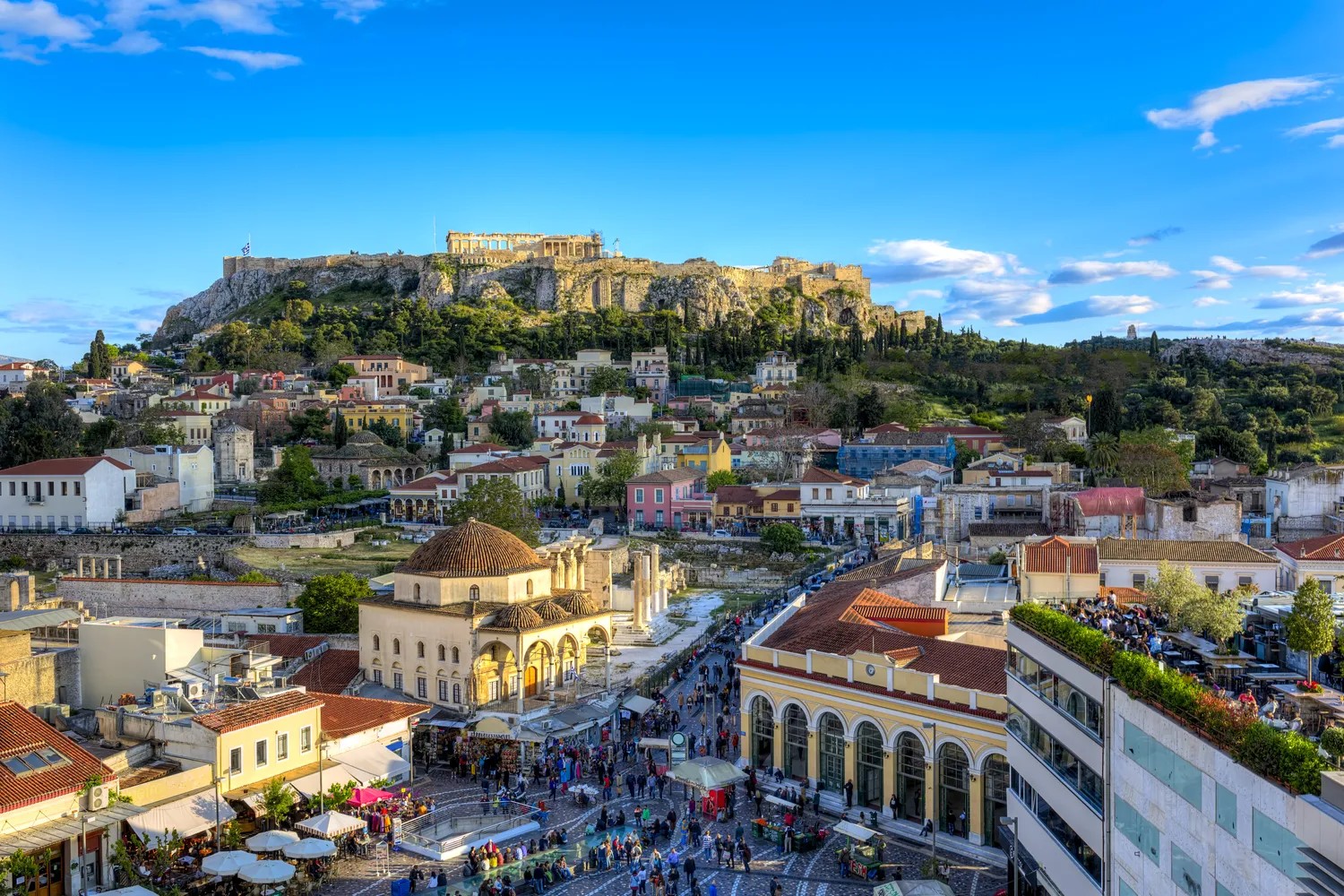
Athens, the capital of Greece, is a city rich in history and culture, often considered the cradle of Western civilization. It is home to iconic ancient landmarks, vibrant neighborhoods, and a thriving modern scene.
Top Attractions
Acropolis of Athens
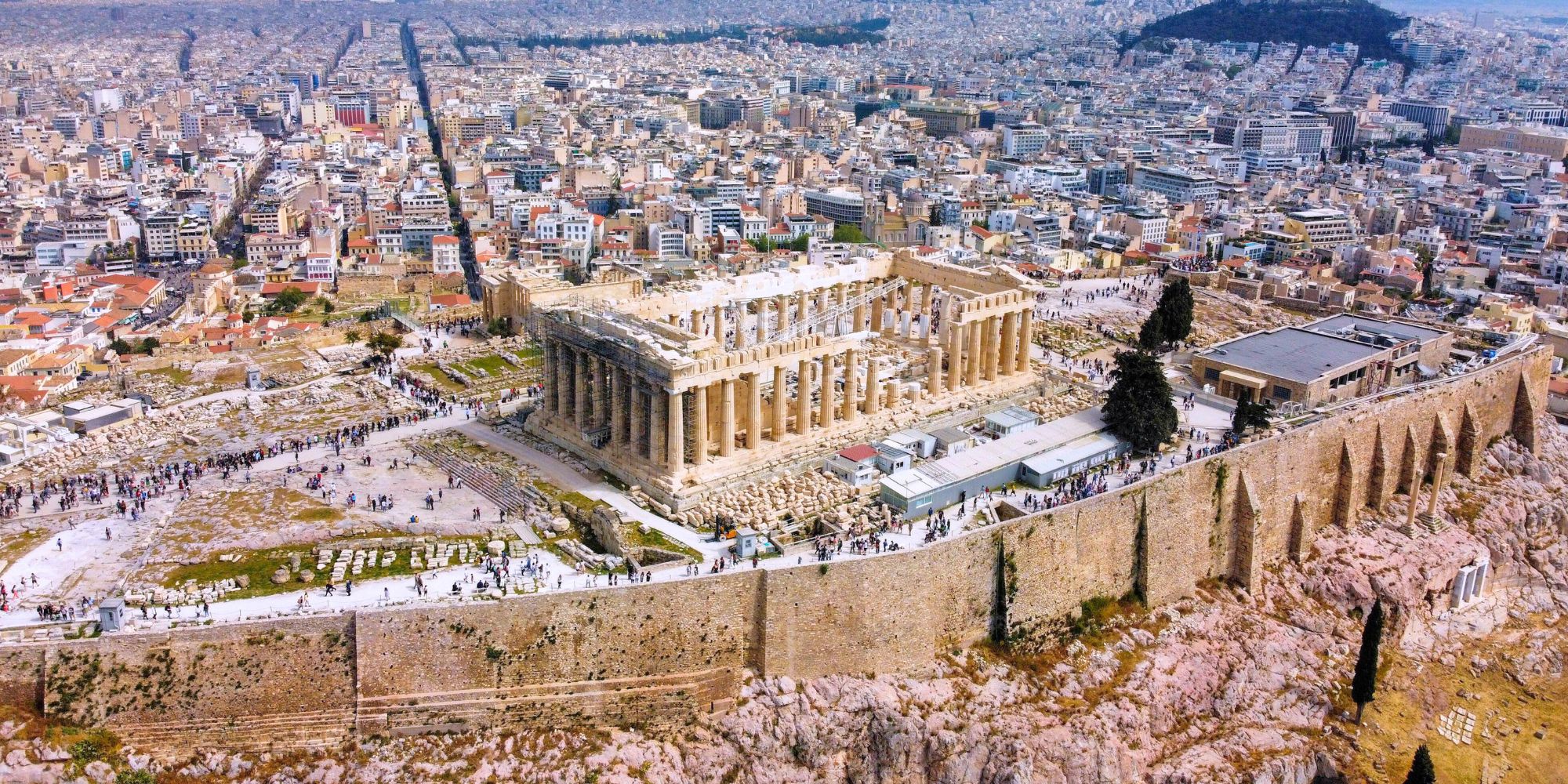
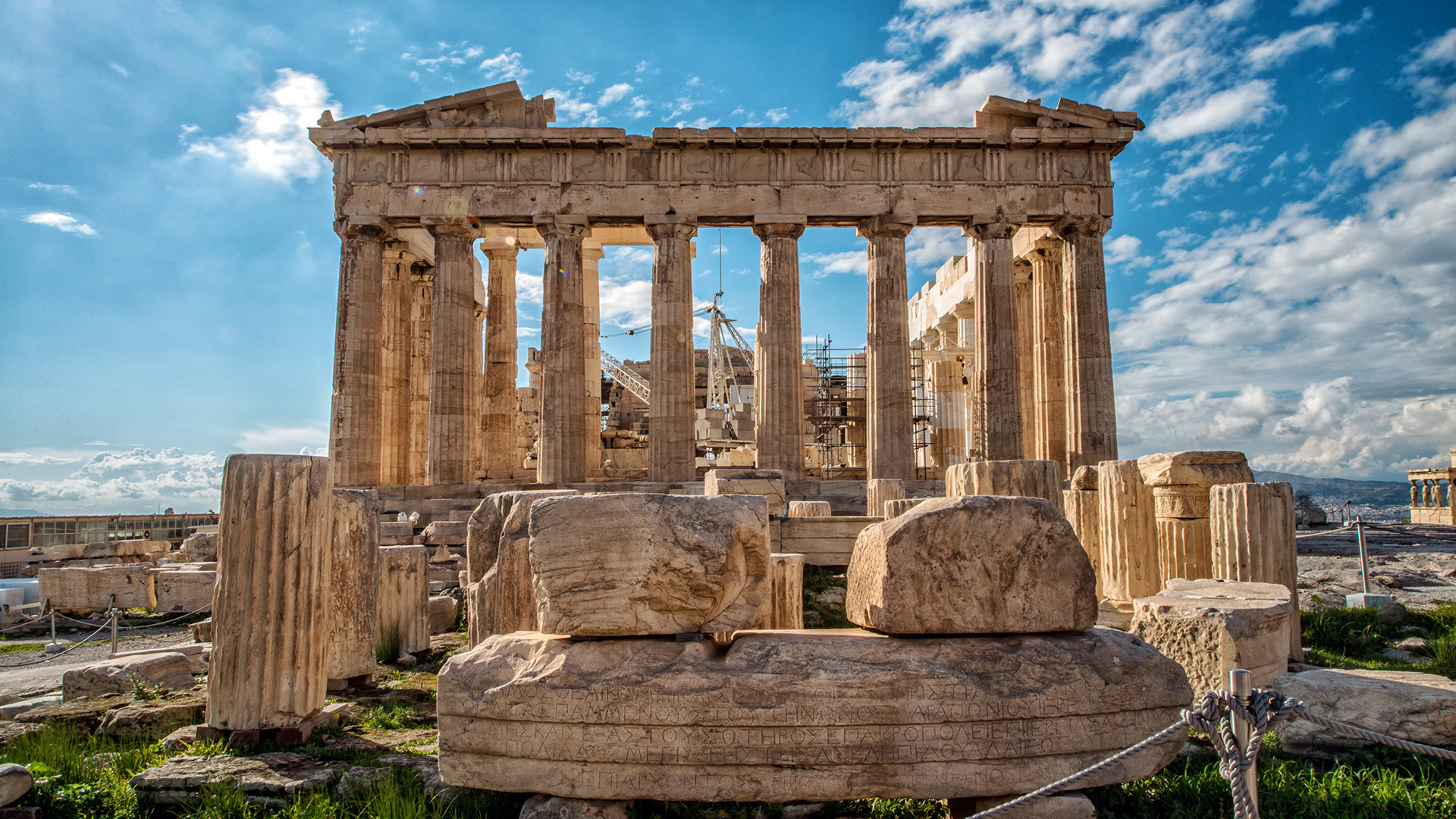
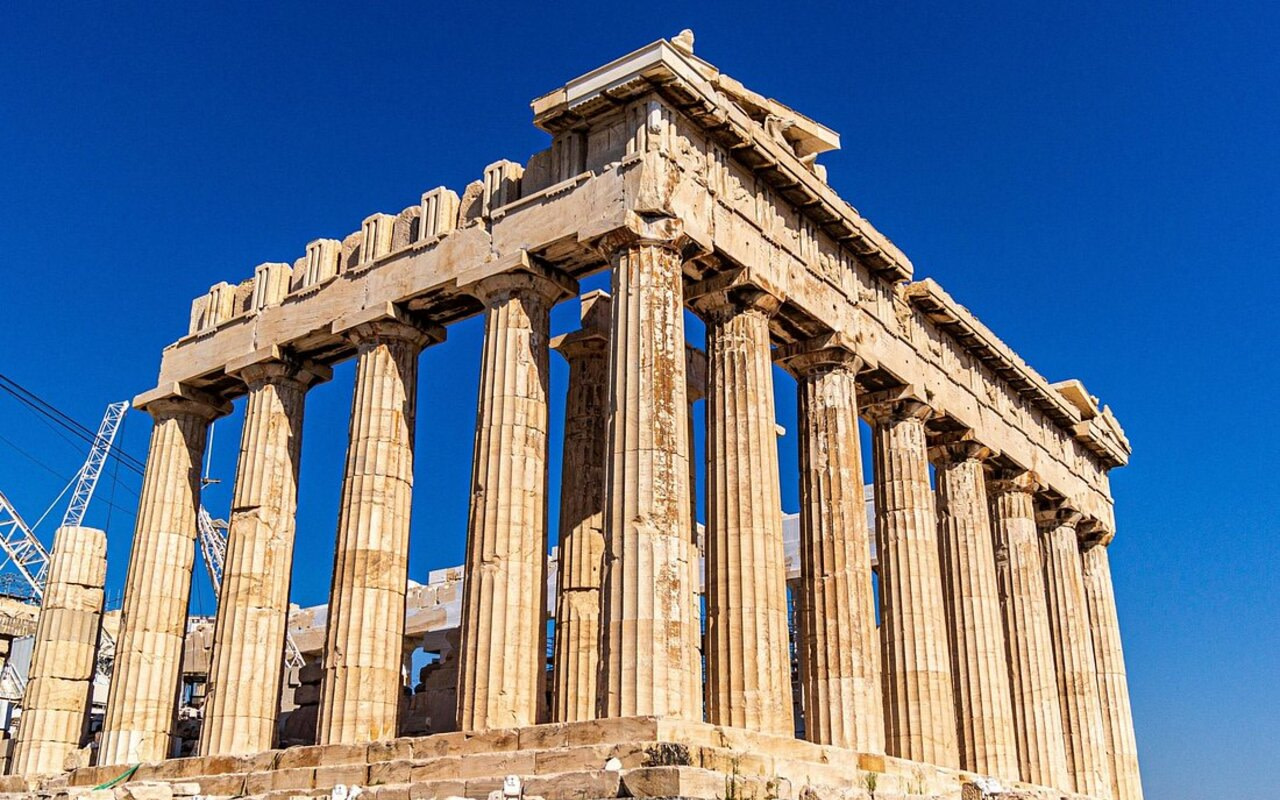
The Acropolis is the most iconic landmark in Athens, featuring ancient ruins and temples, including the Parthenon.
Historical
2-3 hours
€20 (combined ticket for multiple sites)
Ancient Agora of Athens
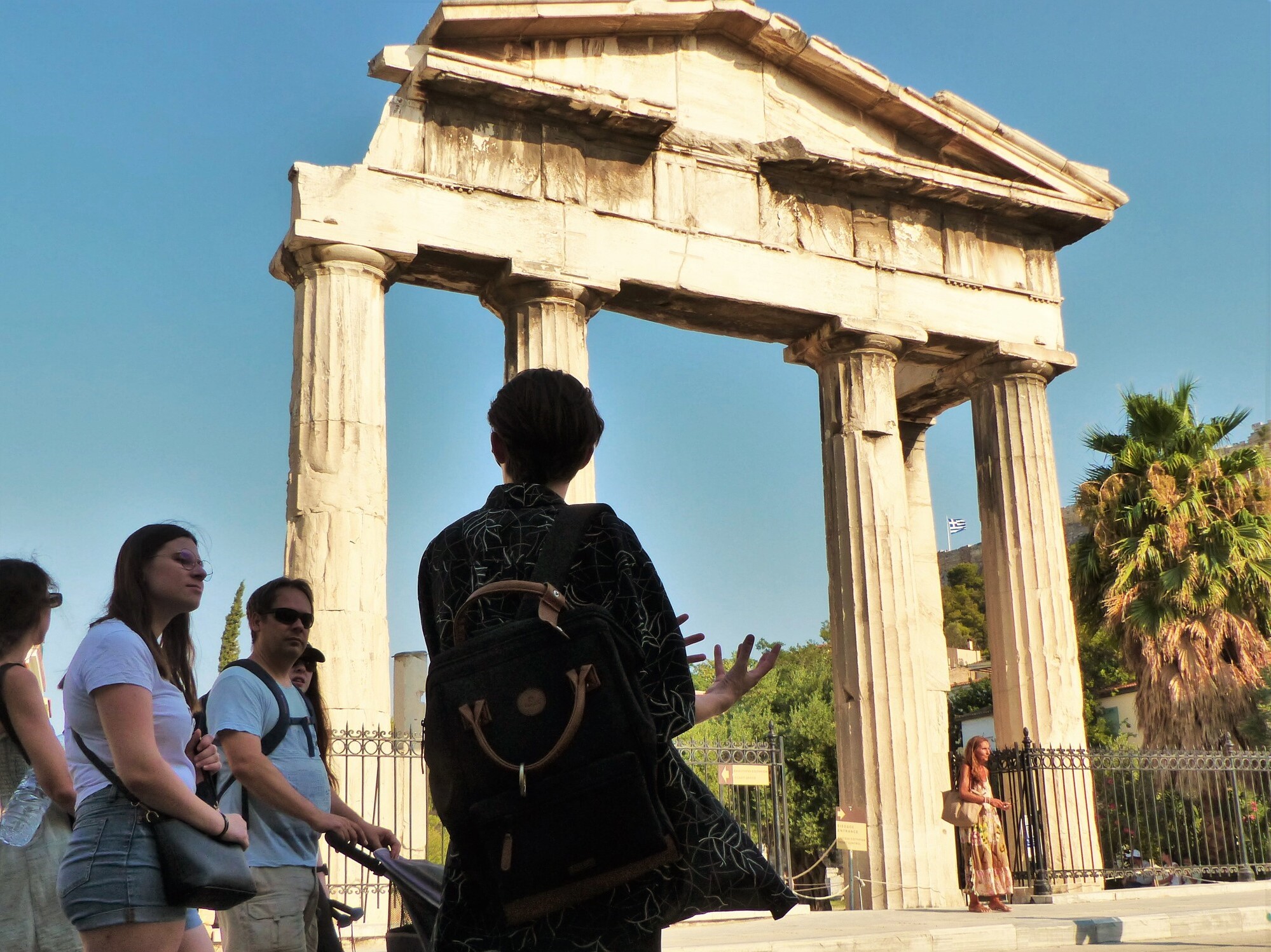
The heart of ancient Athens, featuring the Temple of Hephaestus and the Stoa of Attalos.
Historical
1-2 hours
€8 (included in the combined ticket)
Plaka
A charming, historic neighborhood with narrow streets, neoclassical houses, and vibrant nightlife.
Cultural
2-3 hours
Free to explore
Acropolis Museum
A modern museum showcasing artifacts from the Acropolis and its surroundings.
Museum
1-2 hours
€10
Temple of Olympian Zeus
An ancient temple dedicated to Zeus, once the largest temple in Greece.
Historical
30 minutes to 1 hour
€6 (included in the combined ticket)
Must-Try Local Dishes
Moussaka
A baked dish with layers of eggplant, minced meat, and béchamel sauce.
Dinner
Vegetarian versions available
Souvlaki
Grilled meat skewers, often served with pita bread and tzatziki.
Snack
Can be made with chicken, pork, or vegetarian options
Tzatziki
A yogurt-based dip with cucumber, garlic, and herbs.
Snack
Vegetarian and vegan options available
Baklava
A sweet pastry made with layers of filo, nuts, and honey syrup.
Dessert
Vegetarian
Popular Activities
Hiking in the mountains
Rock climbing
Scuba diving
Beach visits
Spa treatments
Café hopping
Museum visits
Theater performances
Best Time to Visit
April to June, September to October
The best time to visit Athens is during the spring and autumn months when the weather is pleasant and the tourist crowds are smaller.
18°C to 32°C
64°F to 90°F
Practical Information
Language
- Official: Greek
- Widely spoken: English, French, German
- English: Moderately spoken
Currency
Euro (EUR)
Time Zone
GMT+2 (EET)
Electricity
230VV, 50HzHz
Safety Information
Overall Safety Rating: Generally safe
Athens is generally safe for travelers, but petty crime and pickpocketing can occur in tourist areas. Be cautious with your belongings and avoid poorly lit areas at night.
Important Precautions:
- • Keep valuables secure
- • Use licensed taxis or ride-sharing apps
- • Be cautious with ATMs and credit cards
Getting there
By air
- Eleftherios Venizelos International Airport • 30 km from city center
By train
Athens Central Railway Station
By bus
KTEL Bus Station
Getting around
Public transport
Clean, efficient, and air-conditioned. Easy to navigate with clear signage in English.
Taxis
Available • Apps: Beat, Uber
Rentals
Car, Bike, Scooter
Neighborhoods
Plaka
Monastiraki
Psiri
Koukaki
Kolonaki
Day trips
Cape Sounion
65 km from Athens • Half day to full day
A scenic coastal area featuring the Temple of Poseidon with stunning views of the Aegean Sea.
Delphi
180 km from Athens • Full day
An ancient archaeological site and home to the famous Oracle of Delphi.
Meteora
350 km from Athens • Overnight
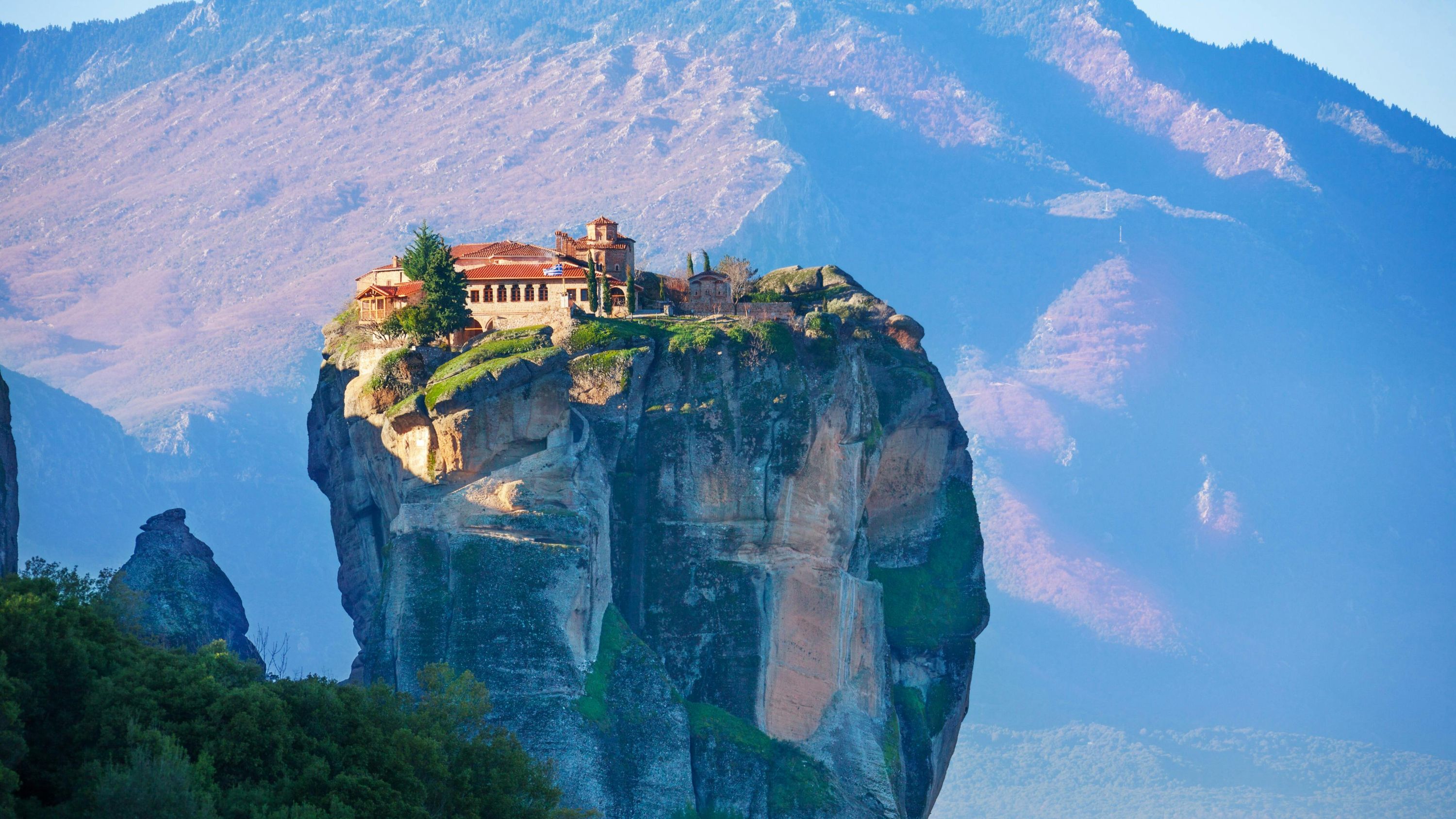
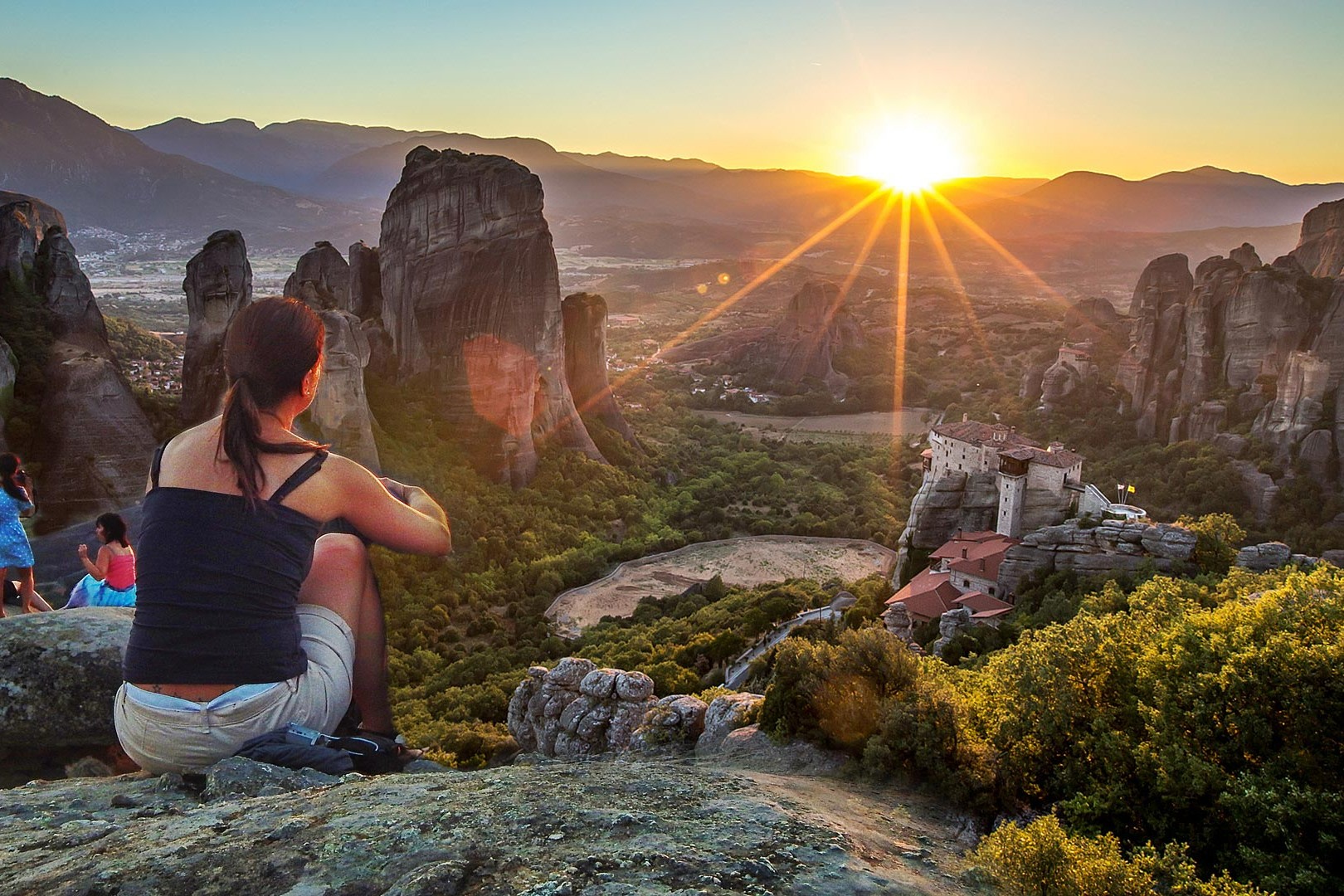
A unique landscape featuring rock formations and medieval monasteries perched atop cliffs.
Festivals
Athens Festival • May to October
Athens Epidaurus Festival • June to August
Athens International Film Festival • October
Pro tips
- Visit major attractions early in the morning or late in the afternoon to avoid crowds and heat
- Use the metro for easy and efficient travel around the city
- Explore local neighborhoods for an authentic Greek experience
- Try local street food for a quick and delicious meal
- Learn a few basic Greek phrases to enhance your experience and connect with locals
From $25
per person
Price varies by option
Secure booking
Free cancellation available
Instant confirmation