Jeju Tangerine Picking & Camellia Flowers Private Tour
Active
8h - 9h
For a full refund, cancel at least 24 hours before the scheduled departure time.
Instant confirmation
Mobile or paper ticket accepted
About this experience
Experience the magic of Jeju in autumn and winter with this colorful and relaxing one-day private tour.
Begin at the Osulloc Tea Museum, surrounded by scenic green tea fields, then visit the grand Yakcheonsa Temple, one of Korea’s largest and most serene Buddhist temples overlooking the ocean.
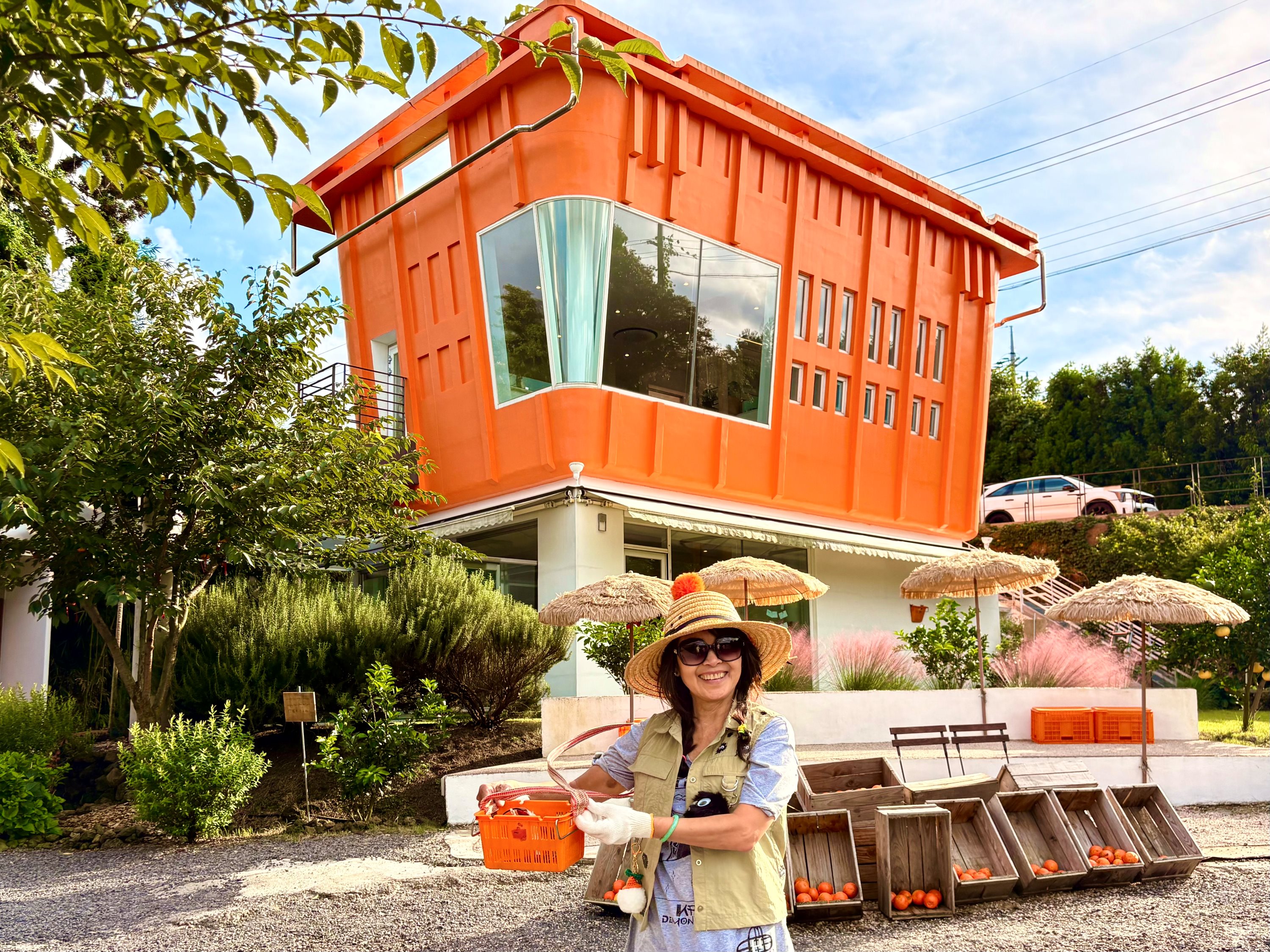
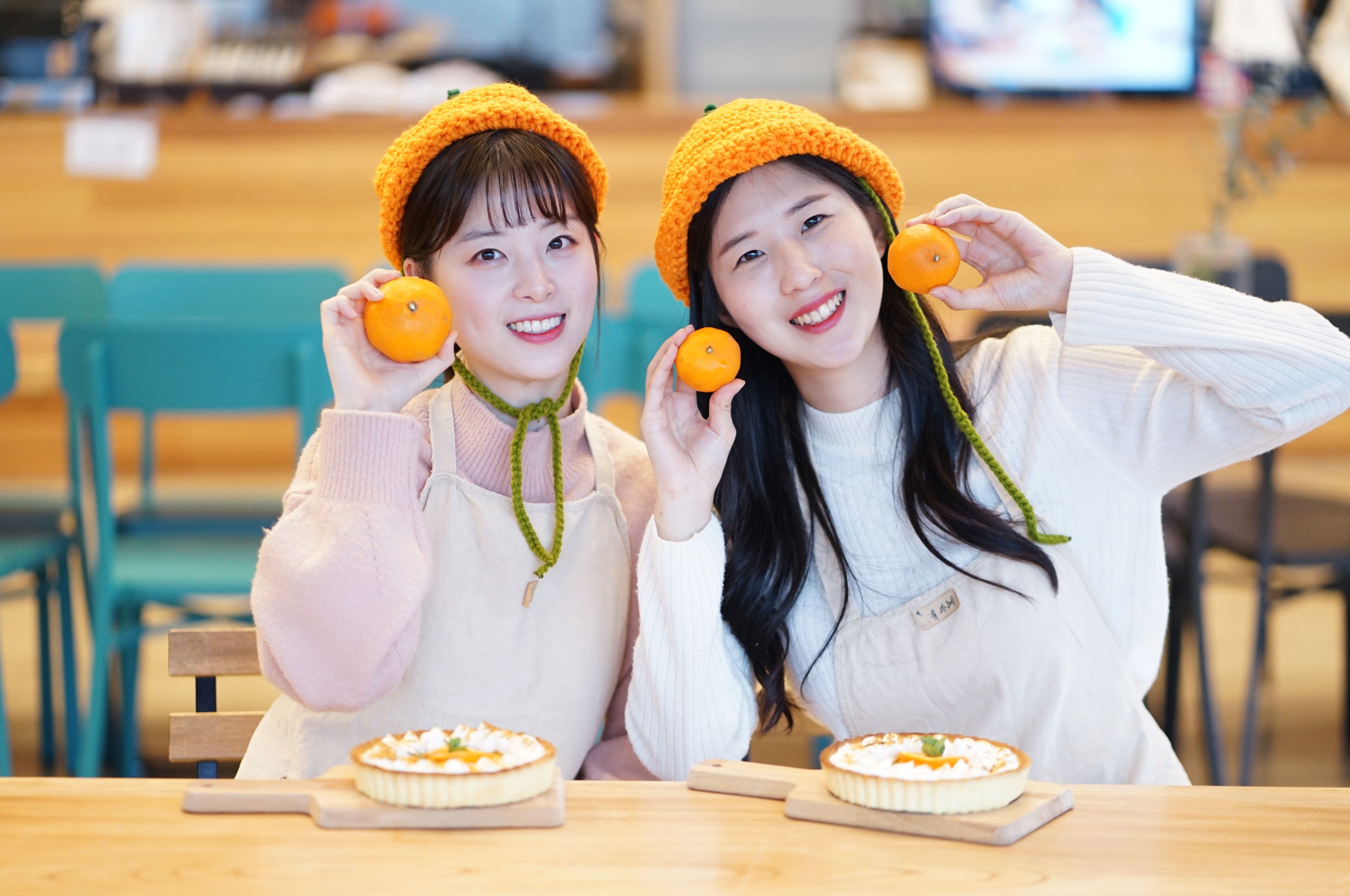
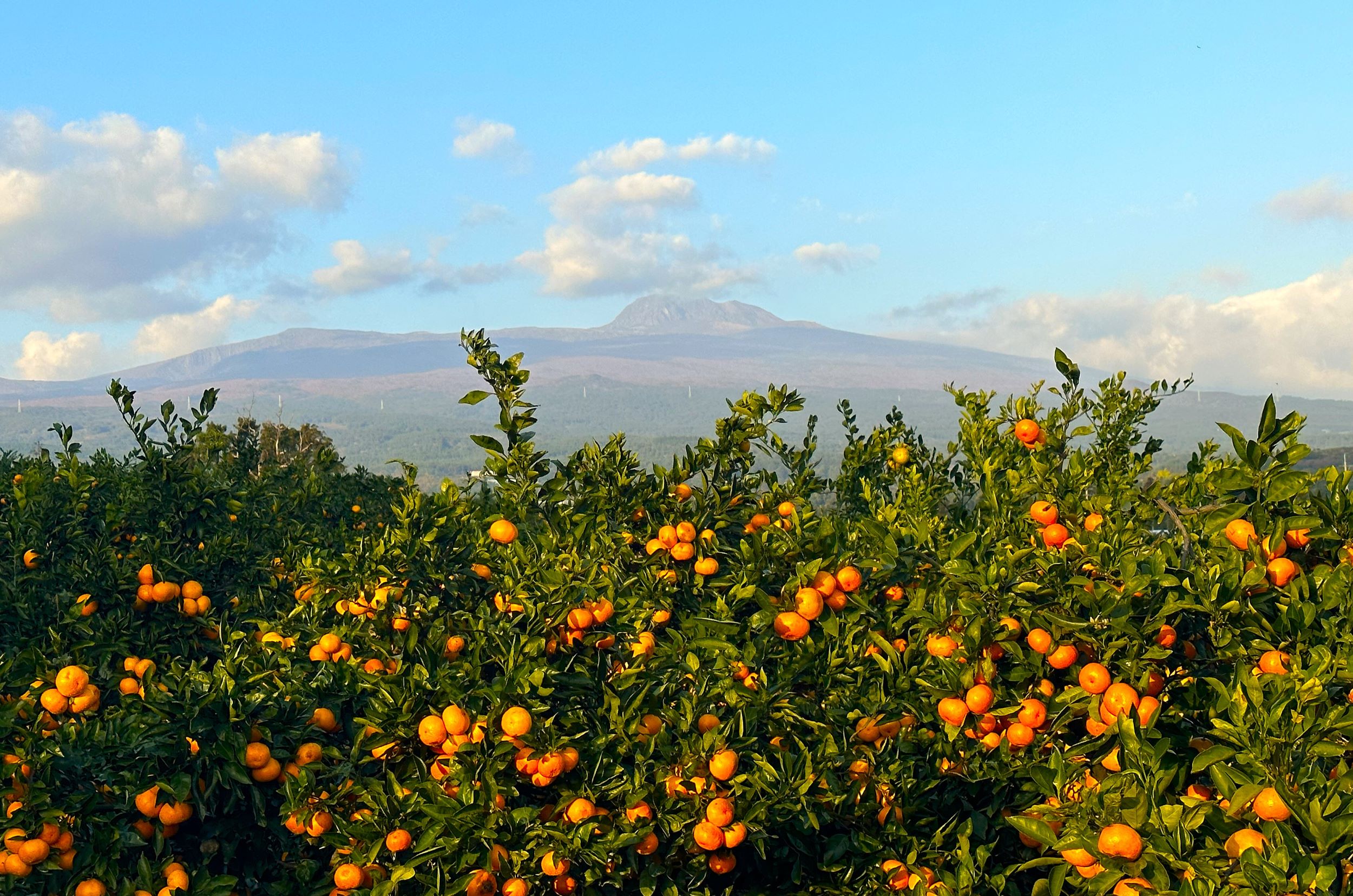
Continue to a local tangerine orchard, where you can pick, taste, and take home Jeju’s famous sweet tangerines — a truly authentic island experience.
Finally, stroll through Camellia Hill, a garden filled with brilliant red camellia blossoms that brighten Jeju’s mild winter landscape.
We offer pick-up service from all hotels in Jeju Island and flexible scheduling for cruise passengers at the Jeju Cruise Terminal. Perfect for travelers seeking to experience the authentic colors, flavors, and spirit of Jeju in one memorable half-day tour.
Available options
Jeju Unique Tour : Camellia flower & Picking tangerines
Jumbo / Van<br/>Pickup included
What's included
All Entry/Admission Fee _Camellia Hill
Pick-up and drop-off services from your Hotel
All Entry/Admission Fee _Tangerines Picking
English or Chinese or Japanese Driving Guide with Vehicle_VAN
The fuel and parking fees
Detailed itinerary
1
Tangerine Hyanggi is a tangerine experience farm located in Jeju City. You can rent a basket for tangerines and experience equipment such as scissors and take 1kg. There are many beautifully decorated photo zones in the tangerine field, so you can leave commemorative photos as well as harvesting tangerines. You can taste it while experiencing it, and the size is large, so you can experience it leisurely. The experience period can be changed due to seasonal influences, and in addition to picking tangerines, you must make a reservation in advance for experiences such as making sweet tangerine syrup and green tangerine syrup.
2
Camelia Hill has been exhibiting the nature of Jeju with passion and love for 30 years. The largest camellia arboretum in the East, Camellia Hill has more than 650 kinds of camellia flowers blooming at different times of year, making it worthy of its theme, “All Camellias on the Planet.” In addition to the queen of winter flowers, Camellia Hill also has 250 varieties of other native Jeju plants that create a unique and beautiful landscape year-round.
3
Stop 3
O'Sulloc Museum teaches visitors about Korea's traditional tea culture. The “o“ in “o'sulloc“, means to appreciate and enjoy, and it also stands for the origin of sulloc, only sulloc, and of sulloc tea. The museum, which first opened in September 2001, is widely known in Korea. The entire building takes the shape of a green tea cup.
At the O'sulloc Museum, not only can visitors enjoy unique o'sulloc teas, but they can relax next to the lotus pond in the indoor garden. The second floor of the building has an observatory, so visitors can enjoy the views of the nearby green tea fields and the surrounding landscape.
4
Located near Jungmun on Jeju’s southern coast, Yakcheonsa Temple is one of Korea’s largest and most beautiful Buddhist temples. Its name means “Temple of the Healing Spring,” inspired by a nearby mineral spring believed to have healing powers.
Built in the 1990s, the temple combines traditional Korean design with modern elegance. The four-story main hall is among the biggest in Asia, featuring a grand golden Buddha statue, colorful murals, and ornate lotus patterns on the ceiling. The harmony of incense, temple bells, and ocean breeze creates a deeply peaceful atmosphere.
Visitors can walk through the spacious courtyard, explore smaller shrines, and enjoy ocean-view paths perfect for reflection. Yakcheonsa is not just a tourist attraction but a spiritual sanctuary where nature and faith meet. If you’re seeking calm and beauty away from Jeju’s busy spots, Yakcheonsa Temple offers true serenity.
What's not included
Lunch & Food & Drinks_15,000 KRW
Personal expenses.
Available languages
Guide guide
CMN
JA
EN
Reviews breakdown
Viator
5.0
1 reviews
5★
1
4★
0
3★
0
2★
0
1★
0
Important information
Infants and small children can ride in a pram or stroller
Specialized infant seats are available
Suitable for all physical fitness levels
About Jeju
Jeju is a volcanic island located in the Korea Strait, known for its beautiful landscapes, unique volcanic formations, and rich cultural heritage. It's a popular destination for both domestic and international travelers seeking natural beauty and outdoor adventures.
Top Attractions
Hallasan Mountain
Hallasan is a dormant volcano and the highest mountain in South Korea, offering stunning landscapes and hiking trails.
Nature
Half to full day
Free
Jeju Loveland
An adult-themed sculpture park featuring erotic art and sculptures, offering a unique and provocative experience.
Entertainment
2-3 hours
₩14,000 (approx. $11)
Seongsan Ilchulbong (Sunrise Peak)
A tuff cone volcano known for its stunning sunrise views and crater rim walk.
Nature
1-2 hours
₩2,000 (approx. $1.60)
Manjanggul Cave
One of the longest lava tunnels in the world, offering a unique geological experience.
Historical
1 hour
₩2,000 (approx. $1.60)
Jeju Folk Village
An open-air museum showcasing traditional Korean houses and cultural performances.
Cultural
2-3 hours
₩10,000 (approx. $8)
Must-Try Local Dishes
Black Pork BBQ (Heukdwaeji Gui)
Jeju black pork is known for its tender and flavorful meat, often grilled and served with various side dishes.
Dinner
Contains pork, not suitable for vegetarians or vegans.
Halliang (Jeju Soup)
A hearty soup made with local ingredients like black pork, vegetables, and sometimes seafood.
Lunch/Dinner
Contains meat, can be made vegetarian upon request.
Haenyeo Sundae
A blood sausage made with pork blood and various ingredients, named after the female divers of Jeju.
Snack
Contains pork and blood, not suitable for vegetarians or vegans.
Hallabong
A sweet and juicy tangerine unique to Jeju, often enjoyed fresh or in various desserts.
Snack/Dessert
Vegan-friendly.
Popular Activities
Hiking
Scuba diving
Snorkeling
Paragliding
Horseback riding
Beach lounging
Spa and wellness
Hot springs
Best Time to Visit
April to June, September to November
Spring and autumn offer pleasant weather with mild temperatures and lower humidity. These seasons are ideal for outdoor activities and sightseeing.
15°C to 25°C
59°F to 77°F
Practical Information
Language
- Official: Korean
- Widely spoken: English (limited), Japanese (in tourist areas)
- English: Limited
Currency
South Korean Won (KRW)
Time Zone
GMT+9
Electricity
220VV, 60HzHz
Safety Information
Overall Safety Rating: Generally safe
Jeju is a safe destination with low crime rates. However, travelers should exercise normal precautions to protect themselves and their belongings.
Important Precautions:
- • Keep valuables secure and out of sight.
- • Use reputable tour operators and taxis.
- • Be cautious of strangers offering unsolicited help or services.
Getting there
By air
- Jeju International Airport • 12 km from Jeju City
By bus
Jeju Intercity Bus Terminal
Getting around
Public transport
Buses are the primary mode of public transport on Jeju, with a comprehensive network connecting major attractions and towns.
Taxis
Available • Apps: KakaoTaxi
Rentals
Car, Bike, Scooter
Neighborhoods
Jeju City
Seogwipo
Ara-dong
Day trips
Udo Island
15 km from Jeju City • Full day
A small island known for its beautiful beaches, lush landscapes, and unique volcanic formations.
Seopjikoji
20 km from Jeju City • Half day
A scenic coastal area known for its beautiful views, lighthouse, and nearby attractions.
Oedolgae Rock
10 km from Jeju City • Half day
A unique rock formation rising from the sea, offering beautiful views and a small temple.
Festivals
Jeju Fire Festival • February 28 - March 2
Jeju Haenyeo (Female Diver) Festival • June 2-3
Jeju Olle Culture Festival • October 1-7
Pro tips
- Rent a car for the ultimate flexibility and freedom to explore the island at your own pace.
- Try local street food and snacks for an authentic and delicious culinary experience.
- Visit popular attractions early in the morning or late in the afternoon to avoid crowds and enjoy the best light for photography.
- Pack layers, as Jeju's weather can be unpredictable and variable throughout the day.
- Learn a few basic Korean phrases to enhance your interactions with locals and show respect for their culture.
From $25
per person
Price varies by option
Secure booking
Free cancellation available
Instant confirmation



![[Hotel Pick up] Jeju Camellia & Tangerine & Snow Winter Tour](https://res.klook.com/image/upload/activities/uuhme5se9ypygw3m3pih.jpg)