Brescia Walking Tour with Audio and Written Guide by a Local
Active
5h
For a full refund, cancel at least 24 hours before the scheduled departure time.
Instant confirmation
Mobile or paper ticket accepted
About this experience
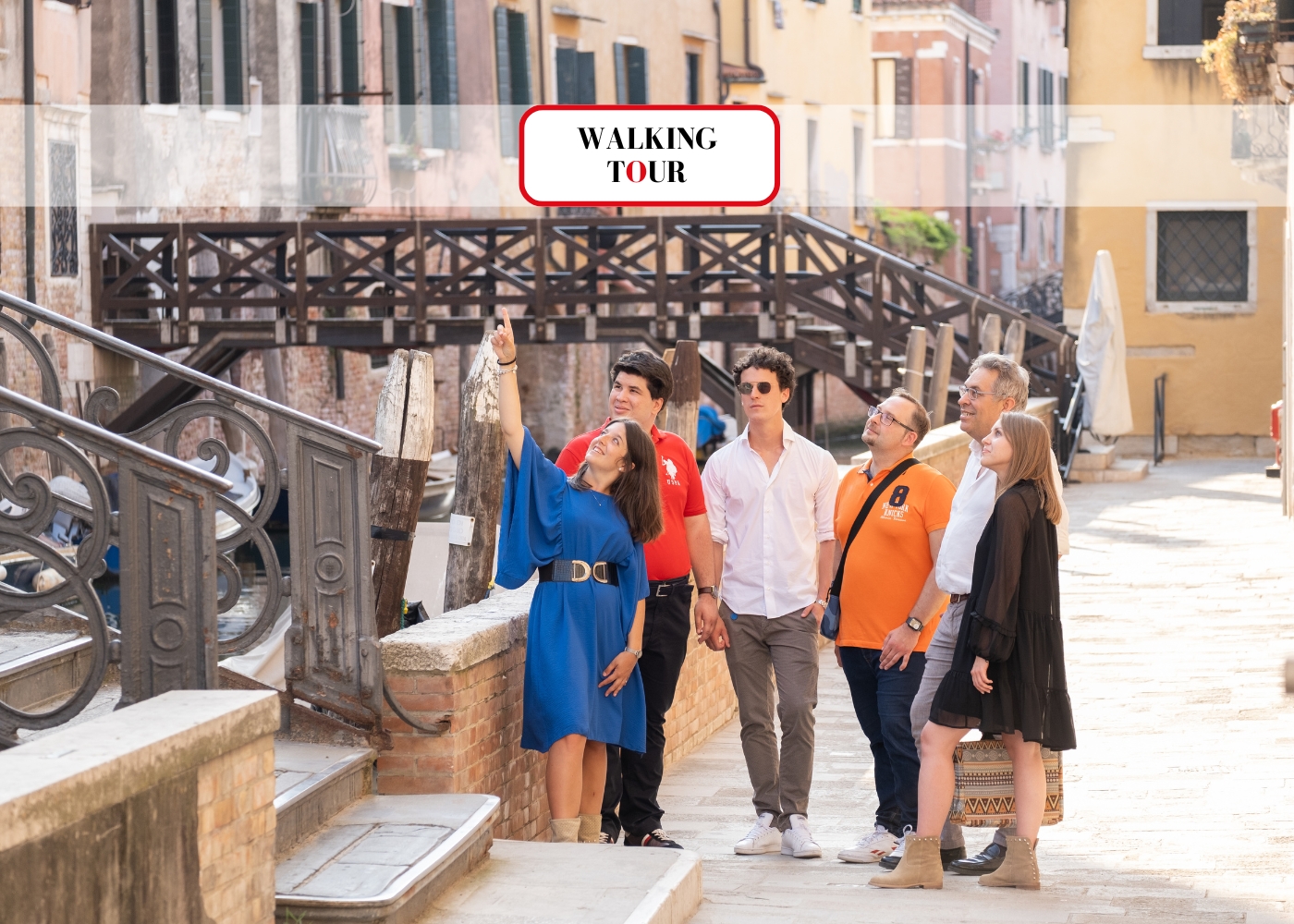
If you're looking for a fun and curious way to visit Brescia, you've come to the right place!
With this digital guide, you can comfortably spend a day, with some food breaks, in Brescia discovering all its secrets.
Forget searching websites, and wasting time trying to find which monuments to see and in which order: the solution is here in front of you!
I'm a tour leader, and I created this digital guide with a local guide from Brescia, so you'll get to visit the city as a local!
You will be able to visit all the most important monuments at your own pace.
Get to know the stories and curiosities of Brescia that only locals know!
Try local foods, like Italian aperitivo, in authentic local restaurants!
And much more!
Available options
Brescia Walking Tour with Audio and Written Guide by a Local
What's included
Best advices for local restaurant with authentic food
Audio-guide and text in multiple languages (Eng, Esp, Ita, De, Fr)
Connected with google maps
Tips for monuments, history, curiosities and anecdotes from a local
Digital guide to visit the city by yourself
Detailed itinerary
1
Our starting point! A small square in which we will discover the history of the city and the origins of Brescia's nickname.
2
We continue to a square with distinctive architecture. Here we will talk about the last 200 years of Italian history and a... rhinoceros!
3
The Piazza della Loggia represents an emblematic place in the heart of Brescia, characterized by a rich history and fine Venetian architecture dating back to the 15th century. I will also tell you about one of the most serious attacks in Italian history.
4
Piazza Paolo VI, also known as Piazza del Duomo, is a true jewel in the heart of Brescia. A mix of history, architecture and lived life that leaves you speechless.
5
In the 11th century, the Brescians decided to spruce up the Basilica of Santa Maria Maggiore with a brand-new cathedral. It took nearly a hundred years, but the result was nothing short of epic: a circular plan inspired by the Holy Sepulchre in Jerusalem, with a giant dome and a bell tower soaring skyward.
6
It all began in the 17th century, when the Brescians decided to build a new, larger and more modern cathedral. It took almost two centuries to complete, but the result was nothing short of stunning: an imposing facade with giant columns and statues, an interior rich in marble, frescoes and gilding.
7
In the heart of Brescia, stands majestically the Teatro Grande, a temple of music and melodrama that boasts a long and fascinating history. Get ready to see it from the outside!
8
The roots of this street go back at least to Roman times, when Brescia became part of the Roman territories in the 1st century BC. At that time, Rome shaped the urban aspect of the city, turning this street into the decumanus maximus, the main artery.
9
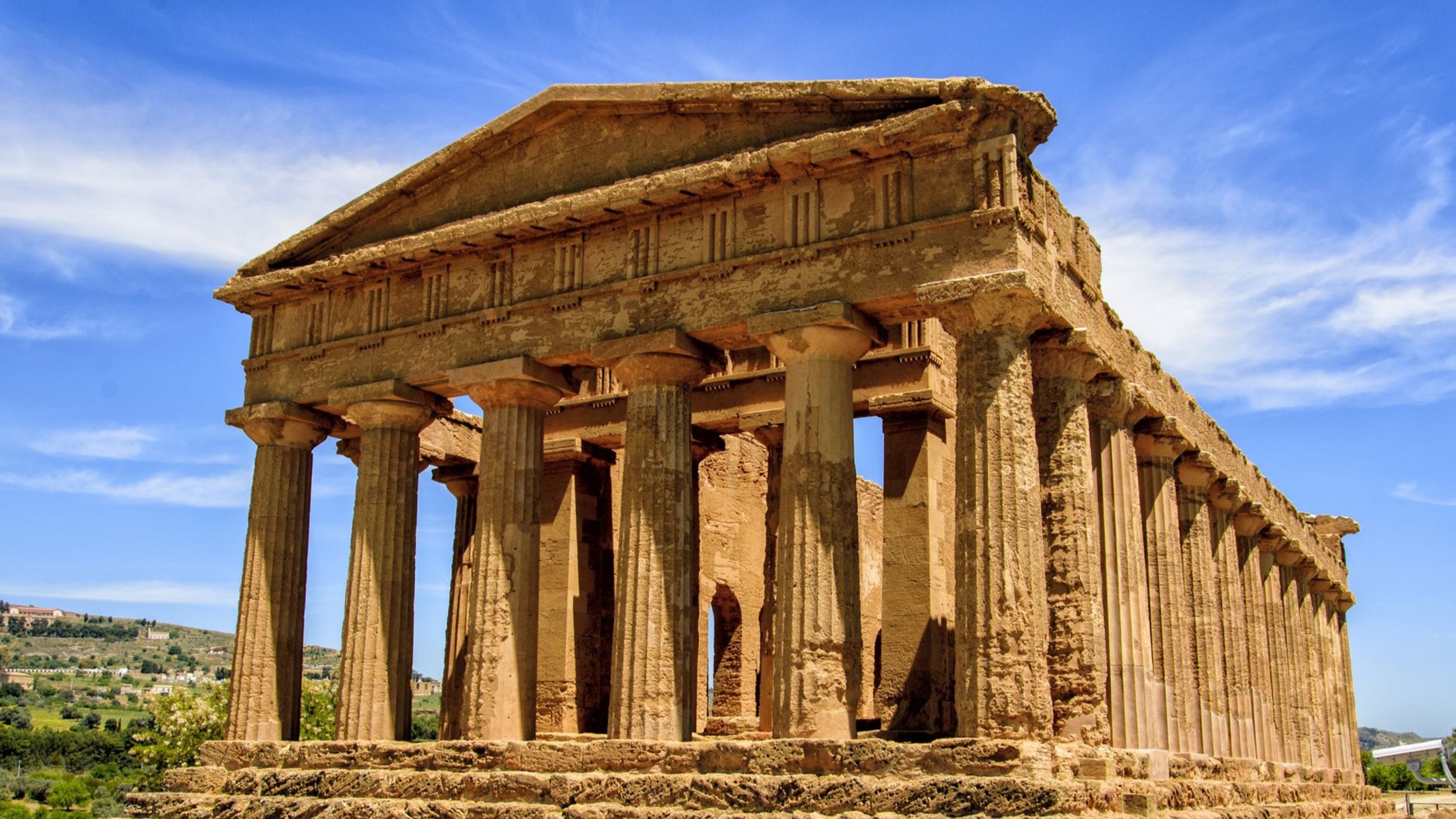
The building was the largest in northern Italy after the theater in Verona and it's a "must-see" when you come to Brescia. Close to it there is also the amazing Capitolium that worth a view!
10
Unique in Italy and Europe in terms of exhibition concept and location. It allows a journey through Brescia’s history, art, and spirituality from prehistoric times to the present, in an exhibition area of about 14,000 square meters with thousands of extraordinary works ranging from the 4th millennium BC to the 18th century.
11
Recognized by many Brescians as the symbol of the city, it is definitely a must-see when visiting Brescia. We are going to talk about the story of the castle and we will enjoy an amazing view!
What's not included
Ticket Santa Giulia Museum
Ticket Capitolium
Boredom
Available languages
Audio guide
DE
EN
IT
FR
ES
Written guide
DE
EN
IT
FR
ES
Reviews breakdown
Viator
3.3
6 reviews
5★
2
4★
0
3★
3
2★
0
1★
1
Tripadvisor
4.6
37 reviews
5★
30
4★
3
3★
2
2★
1
1★
1
Important information
Wheelchair accessible
Infants and small children can ride in a pram or stroller
Service animals allowed
Public transportation options are available nearby
Suitable for all physical fitness levels
You will need a smartphone with internet connection to use the digital guide (details to activate the digital guide will be in your voucher, read it carefully!)
You'll be able to hear the audio through your speakers or, if you have them, through your headphones
Meeting point
If you get by train you can easily walk ten minutes (almost) straight to get there!
Important notes
⚠️TO ACTIVATE YOUR TOUR you can click here⚠️:
https://walkingcap.com/bresciadigitalguide
(If you can't click on the link, just copy/paste it in your browser)
Password: 32083617
If you need some support, check the FAQ here: https://walkingcap.com/faq
Or contact me on whatsapp here: +390350311698
or with this link: https://wa.me/message/JSWUDT7IX3WTA1
About Brescia
Brescia is a vibrant city in northern Italy, known for its rich history, stunning architecture, and strategic location in the Po Valley. With a blend of medieval and Renaissance influences, Brescia offers a unique Italian experience away from the more tourist-heavy spots.
Top Attractions
Brescia Castle
A medieval castle offering panoramic views of the city. It houses museums and hosts cultural events.
Historical
1-2 hours
€5
Piazza della Loggia
A historic square in the heart of Brescia, surrounded by elegant buildings and the famous Piazza della Loggia clock tower.
Architecture
30 minutes
Free
Santa Giulia Museum
A UNESCO World Heritage Site showcasing Brescia's rich history and art through various exhibits.
Museum
2-3 hours
€10
Duomo Vecchio
A beautiful Romanesque cathedral with stunning architecture and historical significance.
Religious
1 hour
Free (donations welcome)
Capitolium
An ancient Roman archaeological site with well-preserved ruins and a museum.
Historical
1-2 hours
€4
Must-Try Local Dishes
Casoncelli
Stuffed pasta filled with meat, breadcrumbs, and cheese, served with a sage and butter sauce.
Main dish
Contains meat and dairy
Polenta e Osei
A traditional dessert made with polenta and small bird-shaped cookies.
Dessert
Vegetarian
Spiedo Bresciano
A traditional dish of meat roasted on a spit, often served with polenta.
Main dish
Contains meat
Popular Activities
Hiking in the surrounding hills
Cycling along the lake
Sunbathing at Lake Garda
Strolling through the city center
Visiting museums and historical sites
Attending local festivals
Boat tours on Lake Garda
Swimming in the lake
Best Time to Visit
May to September
The peak season offers warm weather, outdoor festivals, and vibrant street life. It's the best time for exploring the city's historical sites and enjoying the local cuisine.
20°C to 32°C
68°F to 90°F
Practical Information
Language
- Official: Italian
- Widely spoken: English, German
- English: Moderately spoken
Currency
Euro (EUR)
Time Zone
GMT+1 (CET), GMT+2 (CEST during daylight saving time)
Electricity
230VV, 50HzHz
Safety Information
Overall Safety Rating: Generally safe
Brescia is generally safe, but like any city, it's important to be aware of your surroundings and take basic precautions.
Important Precautions:
- • Keep valuables secure
- • Be cautious of pickpockets in crowded areas
- • Use licensed taxis
Getting there
By air
- Milano Bergamo Airport • 70 km (43 miles)
- Milano Linate Airport • 100 km (62 miles)
By train
Brescia Railway Station
By bus
Brescia Bus Station
Getting around
Public transport
Buses are the primary form of public transport in Brescia. The network is efficient and covers most of the city.
Taxis
Available • Apps: FreeNow
Rentals
Car, Bike, Scooter
Neighborhoods
City Center
Cittadella
San Polo
Day trips
Lake Garda
30 km (18 miles) • Full day
Italy's largest lake offers stunning landscapes, water sports, and charming towns.
Verona
60 km (37 miles) • Full day
A romantic city known for its Roman amphitheater, Juliet's balcony, and charming streets.
Bergamo
70 km (43 miles) • Full day
A picturesque city with a well-preserved medieval old town and stunning views.
Festivals
Festa di San Faustino • February 15
Brescia Jazz • October
Christmas Markets • December
Pro tips
- Visit the Brescia Castle for the best panoramic views of the city.
- Try the local specialties like Casoncelli and Spiedo Bresciano.
- Explore the underground tunnels of the Brescia Castle for a unique experience.
- Take a day trip to Lake Garda for stunning scenery and water activities.
- Visit the Santa Giulia Museum for a comprehensive overview of Brescia's history.
From $25
per person
Price varies by option
Secure booking
Free cancellation available
Instant confirmation