Perugia Walking Tour with Audio and Written Guide by a local
Active
3h - 4h
For a full refund, cancel at least 24 hours before the scheduled departure time.
Instant confirmation
Mobile or paper ticket accepted
About this experience
If you're looking for a fun and curious way to visit Perugia, you've come to the right place! With this digital guide created with the support of a local, you will be able to visit all the most important monuments at your own pace. You'll get to know the stories and curiosities of Perugia! But also you will discover everything about local foods, Italian Aperitivo in authentic local restaurants, and much more!
Available options
Perugia Walking Tour with Audio and Written Guide by a local
What's included
Best advices for local restaurant with authentic food
Tips for monuments, history and curiosities
Audio-guide and text in multiple languages (Eng, Esp, Ita, Ger, Fr)
Digital guide to visit the city by yourself
Detailed itinerary
1
The Etruscan Arch, or better defined as the Monumental Etruscan Gate, was probably built in the 3rd century BC and is located on the north side of the ancient city walls of Perugia that extend for 3 kilometers. The two main gates were the Etruscan Arch, or Arch of Augustus, to the north, and Porta Marzia to the south, which I will tell you about later.
2
The construction of the aqueduct, which extends for about 4 km, began in 1254 with the aim of transporting water from Monte Pacciano to the Fontana Maggiore, which I will tell you about later.
3
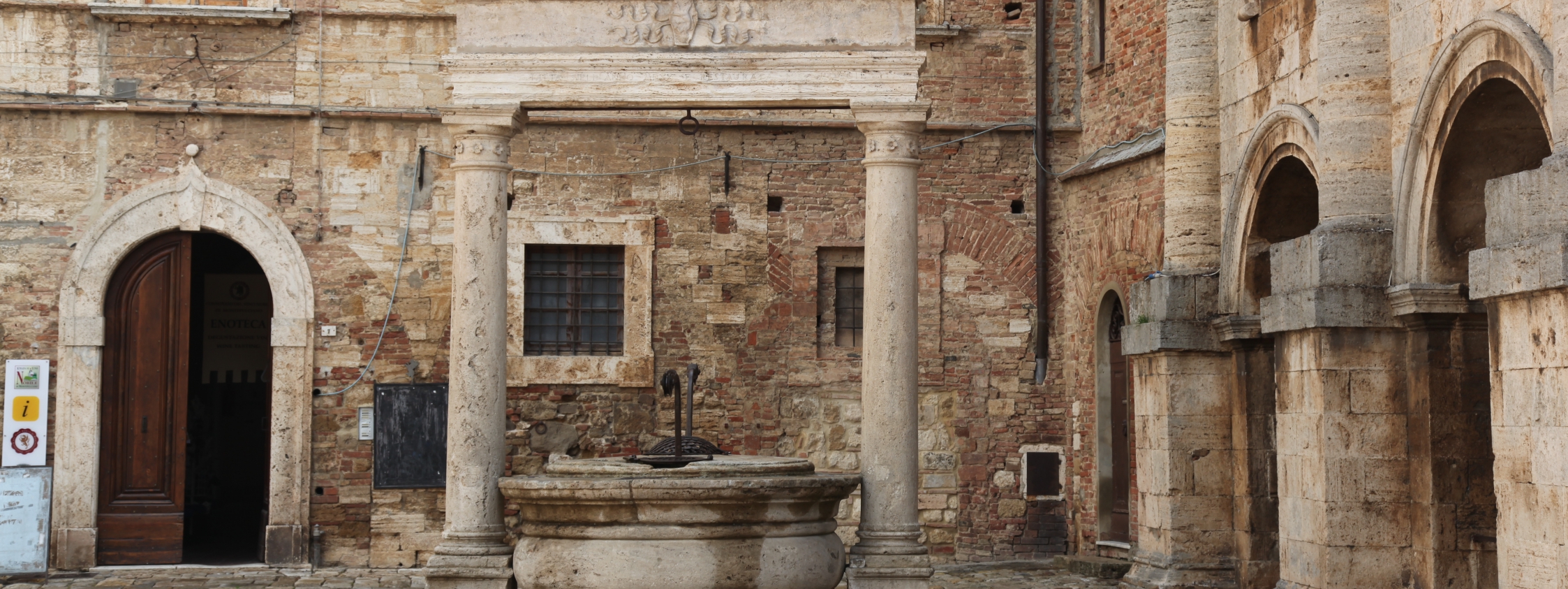
The Etruscan Well, located in the historic center of Perugia in the basement of Palazzo Sorbello, was built in the second half of the 16th century and acquired by the Bourbon di Sorbello family in 1780. The palace is currently still owned by their descendants.
4
Piazza IV Novembre represents the true heart of the city: a symbolic and cultural place that has been at the center of political and religious life for centuries. Significant events take place here, such as Umbria Jazz concerts, Eurochocolate stands and conferences during the International Journalism Festival, which hosts important Italian and international journalists.
5
The majestic Cathedral of San Lorenzo stands on the site of a previous 12th-century Romanesque church, which in turn occupied an area of the ancient Etruscan and Roman acropolis, now underground. Let's discover this amazing church!
6
Braccio Fortebracci da Montone was a skilled and determined leader who managed to expand his dominion over a vast area of central Italy, pushing as far north as Bologna, and in 1416 he obtained control of Perugia after defeating Carlo I Malatesta, chosen by the Church as “Defender of Perugia”. In 1423, a year before his death, Braccio commissioned the Bolognese architect Fioravante to create a loggia overlooking Piazza IV Novembre and including a staircase leading to his stately residence.
7
Corso Vannucci is the central avenue of Perugia and represents the historical and cultural soul of the city. Named after the great Renaissance painter Pietro Vannucci, known as Perugino, the avenue crosses the historic center and connects Piazza Italia to Piazza IV Novembre.
8
Stop 8
Rocca Paolina is a historic 16th-century papal fortress. Built by order of Pope Paul III Farnese between 1540 and 1543, the Rocca Paolina represented the papal dominion over Perugia, consolidated after the victorious “Salt War” against the people of Perugia. Designed by the military architect Antonio da Sangallo the Younger, the construction of the fortress entailed the demolition of about a quarter of the city. The structure was divided into two complexes: a larger fortress on the Landone hill and a smaller one, called “Tenaglia”, located lower down and connected to the first by three fortified passages.
9
The Belvedere del Borgobello is one of the most fascinating panoramic points of Perugia. From here you can admire the buildings, the historic center and the typical Umbrian landscape. It is also a meeting place for young people and families, a typical meeting place for the locals.
What's not included
Headphones not included. You'll use your smarpthone and eventually your headphone!
A guide in person. The visit will be via digital guide
Available languages
Audio guide
DE
EN
IT
FR
ES
Written guide
DE
EN
IT
FR
ES
Reviews breakdown
Viator
4.6
9 reviews
5★
6
4★
2
3★
1
2★
0
1★
0
Tripadvisor
4.7
22 reviews
5★
18
4★
3
3★
0
2★
1
1★
0
Important information
Wheelchair accessible
Infants and small children can ride in a pram or stroller
Service animals allowed
Public transportation options are available nearby
Suitable for all physical fitness levels
You will need a smartphone with internet connection to use the digital guide (details to activate the digital guide will be in your voucher, read it carefully!)
You'll be able to hear the audio through your speakers or, if you have them, through your headphones
Meeting point
We are going to start from this place! However, you can access to the guide even before getting to the starting point!
Important notes
TO ACTIVATE YOUR TOUR you can click here:
https://walkingcap.com/en/perugiadigitalguide
(If you can't click on the link, just copy/paste it in your browser)
Password: 149224010
If you need some support, check the FAQ here: https://walkingcap.com/faq
Or contact me on whatsapp here: +390350311698
or with this link: https://wa.me/message/JSWUDT7IX3WTA1
About Perugia
Perugia, the capital of Italy's Umbria region, is a charming city known for its rich history, beautiful architecture, and vibrant cultural scene. It offers a perfect blend of medieval charm and modern energy, making it an appealing destination for travelers seeking both relaxation and exploration.
Top Attractions
Rocca Paolina
Rocca Paolina is a historic fortress built in the 16th century. It offers a fascinating glimpse into Perugia's past and houses a network of underground tunnels and chambers.
Historical
1-2 hours
€5
Fontana Maggiore
Fontana Maggiore is a stunning medieval fountain located in the heart of Perugia. It is adorned with intricate carvings and sculptures, making it a must-see attraction.
Architecture
30 minutes
Free
Galleria Nazionale dell'Umbria
This national gallery houses an impressive collection of Umbrian art, spanning from the Middle Ages to the Renaissance. It is a must-visit for art lovers.
Museum
1-2 hours
€8
Duomo di San Lorenzo
The Cathedral of San Lorenzo is a beautiful example of Italian Gothic architecture. It houses important works of art and offers a serene atmosphere for visitors.
Religious
30 minutes to 1 hour
Free (donations welcome)
Palazzo dei Priori
This historic palace is one of the oldest town halls in Italy. It houses the Galleria Nazionale dell'Umbria and offers beautiful views of the city from its terrace.
Historical
1 hour
€8 (includes entry to the gallery)
Must-Try Local Dishes
Truffles
Umbria is famous for its truffles, particularly the black truffle. They are used in a variety of dishes, including pasta, risotto, and meat dishes.
Ingredient
Vegetarian (if used in vegetarian dishes)
Strangozzi al Tartufo
A traditional Umbrian pasta dish made with thick, square-shaped noodles and a creamy truffle sauce.
Main Course
Vegetarian (if made without meat-based broth)
Porchetta
A savory, slow-roasted pork dish seasoned with garlic, rosemary, and other herbs. It is typically served as a sandwich or as part of a larger meal.
Main Course
Contains pork
Torcolo di Natale
A traditional Christmas cake made with dried fruits, nuts, and spices. It is a sweet and aromatic treat that is enjoyed during the holiday season.
Dessert
Vegetarian (check for animal-based ingredients)
Popular Activities
Hiking in the nearby countryside
Biking through the scenic landscapes
Visiting local spas and thermal baths
Enjoying a leisurely stroll through the historic center
Visiting museums and art galleries
Attending local festivals and events
Swimming in nearby lakes
Skiing in the nearby Apennine Mountains
Best Time to Visit
May to September
This is the peak tourist season with warm weather, long daylight hours, and a variety of festivals and events. It's ideal for outdoor activities and exploring the city's attractions.
20°C to 30°C
68°F to 86°F
Practical Information
Language
- Official: Italian
- Widely spoken: English, French, Spanish
- English: Moderately spoken in tourist areas, limited elsewhere
Currency
Euro (EUR)
Time Zone
GMT+1 (CET), GMT+2 (CEST during daylight saving time)
Electricity
220VV, 50HzHz
Safety Information
Overall Safety Rating: Generally safe
Perugia is generally a safe city for travelers, with low crime rates and a welcoming atmosphere. However, as with any destination, it's important to be aware of your surroundings and take precautions to protect yourself and your belongings.
Important Precautions:
- • Keep valuables secure and out of sight
- • Be cautious of pickpockets in crowded areas
- • Use licensed taxis or ride-sharing apps
Getting there
By air
- Perugia San Francesco d'Assisi Airport • 10 km from city center
By train
Perugia Fontana Grande Station
By bus
Perugia Bus Terminal
Getting around
Public transport
The bus system in Perugia is efficient and covers most of the city. Buses are a convenient and affordable way to get around.
Taxis
Available • Apps: MyTaxi, FreeNow
Rentals
Car, Bike, Scooter
Neighborhoods
Centro Storico
San Francesco
Pellini
Day trips
Assisi
20 km from Perugia • Half day to full day
Assisi is a beautiful hilltop town known for its medieval architecture, religious significance, and stunning views. It is home to the Basilica of San Francesco, a UNESCO World Heritage Site.
Spoleto
40 km from Perugia • Full day
Spoleto is a charming town with a rich history and beautiful architecture. It is known for its Roman theater, medieval cathedral, and annual arts festival.
Gubbio
45 km from Perugia • Full day
Gubbio is a picturesque hilltop town with a rich history and beautiful medieval architecture. It is known for its annual candlelit procession and the Palio della Balestra, a traditional crossbow competition.
Festivals
Umbria Jazz Festival • July
Eurochocolate Festival • October
Festa dei Ceri • Mid-May (June 29th)
Pro tips
- Visit the Rocca Paolina early in the morning to avoid crowds and enjoy the cool, underground atmosphere
- Try the local truffle dishes and other Umbrian specialties at traditional osterias and trattorias
- Explore the historic center on foot to discover hidden gems and enjoy the medieval architecture
- Take a day trip to nearby towns such as Assisi, Spoleto, and Gubbio to experience the beauty and history of Umbria
- Attend local festivals and events to immerse yourself in the vibrant culture and traditions of Perugia
From $25
per person
Price varies by option
Secure booking
Free cancellation available
Instant confirmation