


Osaka / Kyoto: Kinkaku-ji, Kiyomizu-dera Temple, Sannenzaka & Uji
Active
10h
For a full refund, cancel at least 24 hours before the scheduled departure time.
Instant confirmation
Mobile or paper ticket accepted
About this experience
Kyoto, once the capital of Japan, is a city on the island of Honshu. Take a journey through time in Kyoto and Uji, where tradition harmoniously blends with modernity, and immerse yourself in the rich culture, history, and natural beauty.
Depart from Osaka or Kyoto, experience a magical fusion of nature and history with our friendly and professional guide.
Available options
From Kyoto
Duration: 10 hours<br/>Bus<br/>Starting point:<br/>Kyoto Station Hachijo Entrance Square Sunken Garden, Higashikujo Nishisannocho, Minami Ward, Kyoto, 601-8003, Japan
From Osaka
Duration: 10 hours<br/>Bus<br/>Starting point:<br/>Kintetsu-Nippombashi Station, 1-chōme-18-14 Nipponbashi, Chuo Ward, Osaka, 542-0073, Japan
What's included
Air-conditioned vehicle
Guide
Detailed itinerary
1
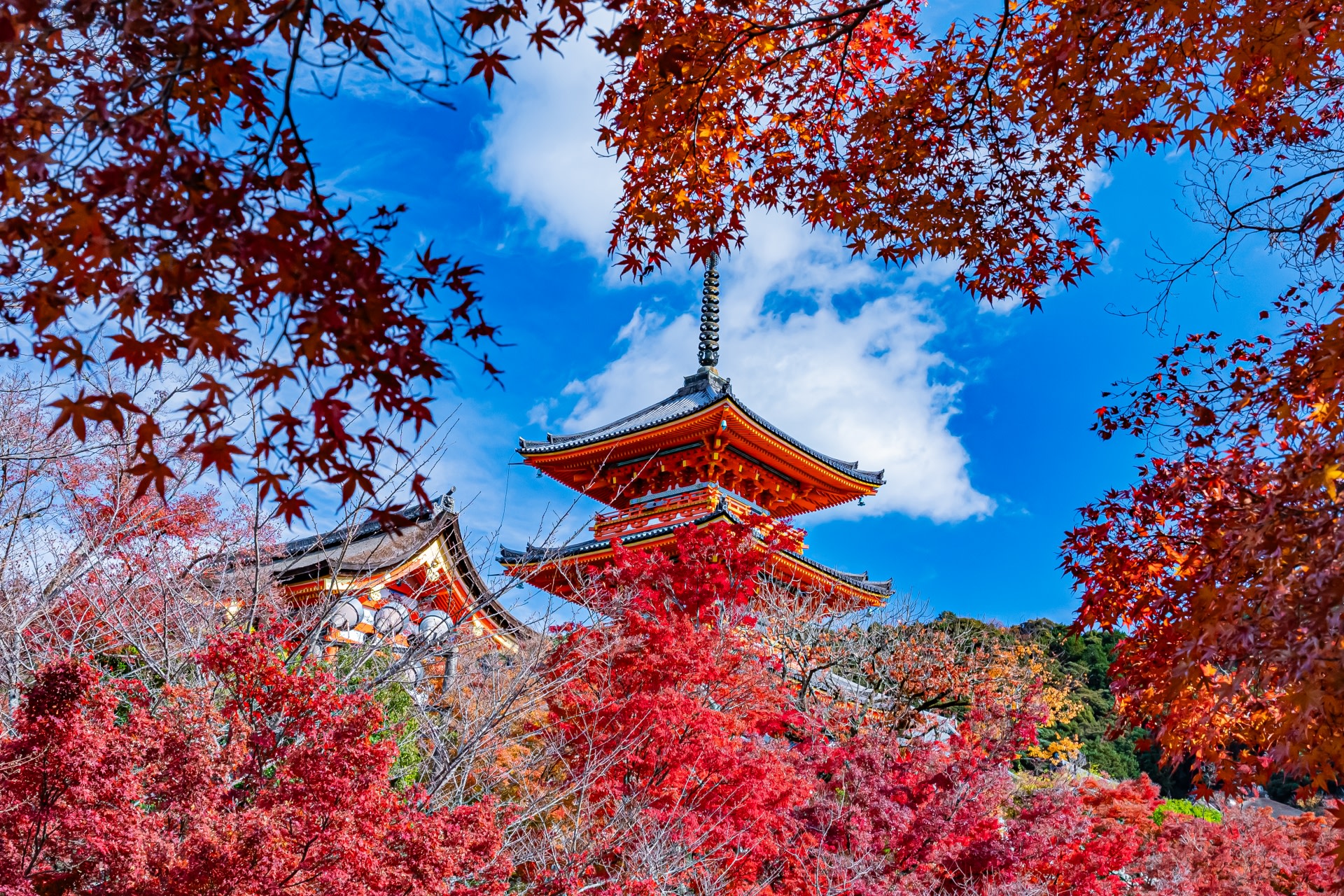
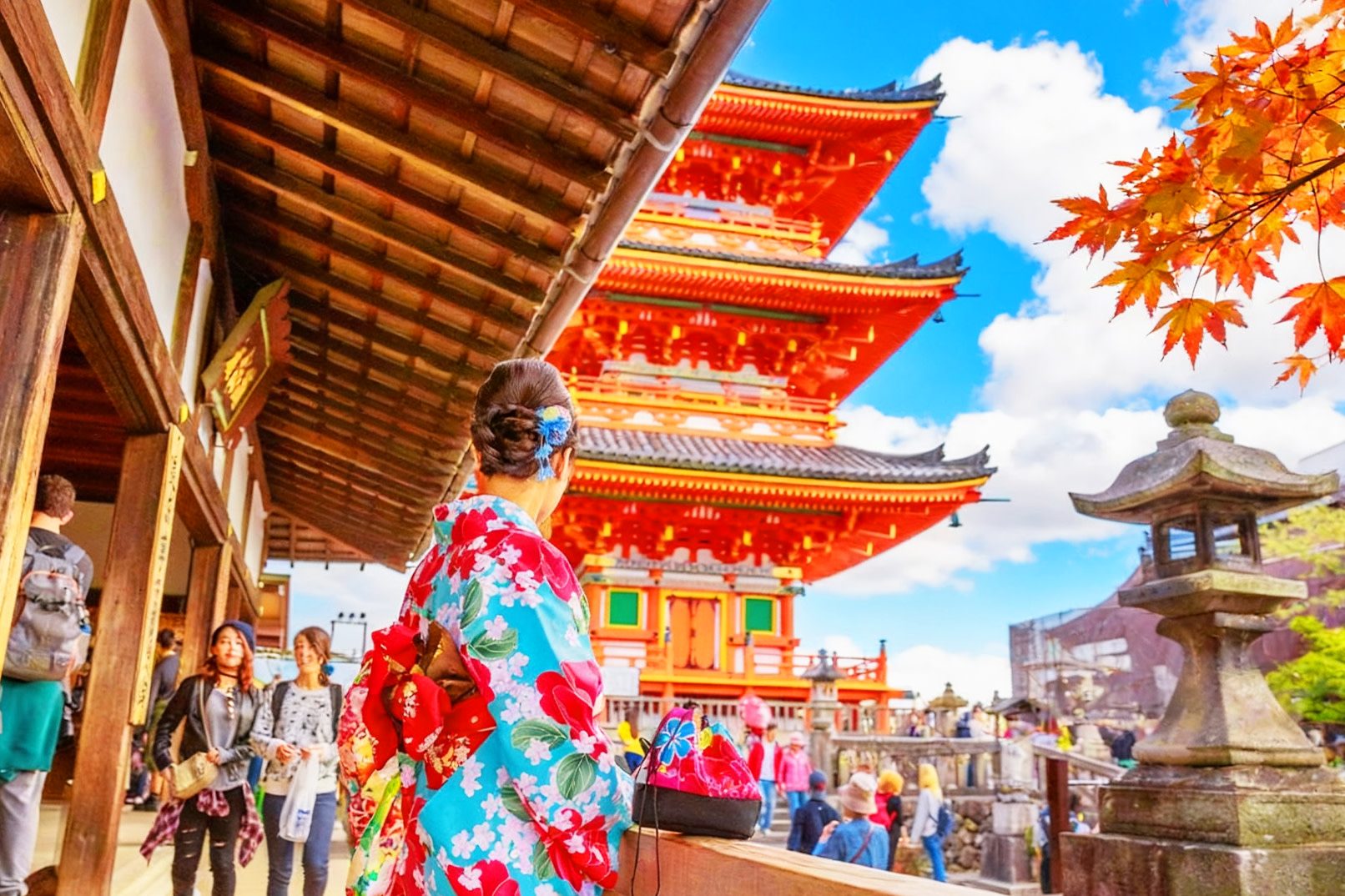
Kiyomizu-dera is one of Japan's most celebrated temples, recognized as part of the Historic Monuments of Ancient Kyoto UNESCO World Heritage Site. It was founded in 780 on the site of the Otowa Waterfall, located in the wooded hills east of Kyoto, from which it derives its name.
The temple is particularly famous for its wooden stage that extends from the main hall, standing 13 meters above the hillside.This stage offers stunning views of the numerous cherry and maple trees below, which explode in vibrant colors during the spring and fall, as well as of the city of Kyoto in the distance. The main hall, along with the stage, was constructed without the use of nails and houses the temple's primary object of worship, a small statue of the eleven-faced, thousand-armed Kannon.
2
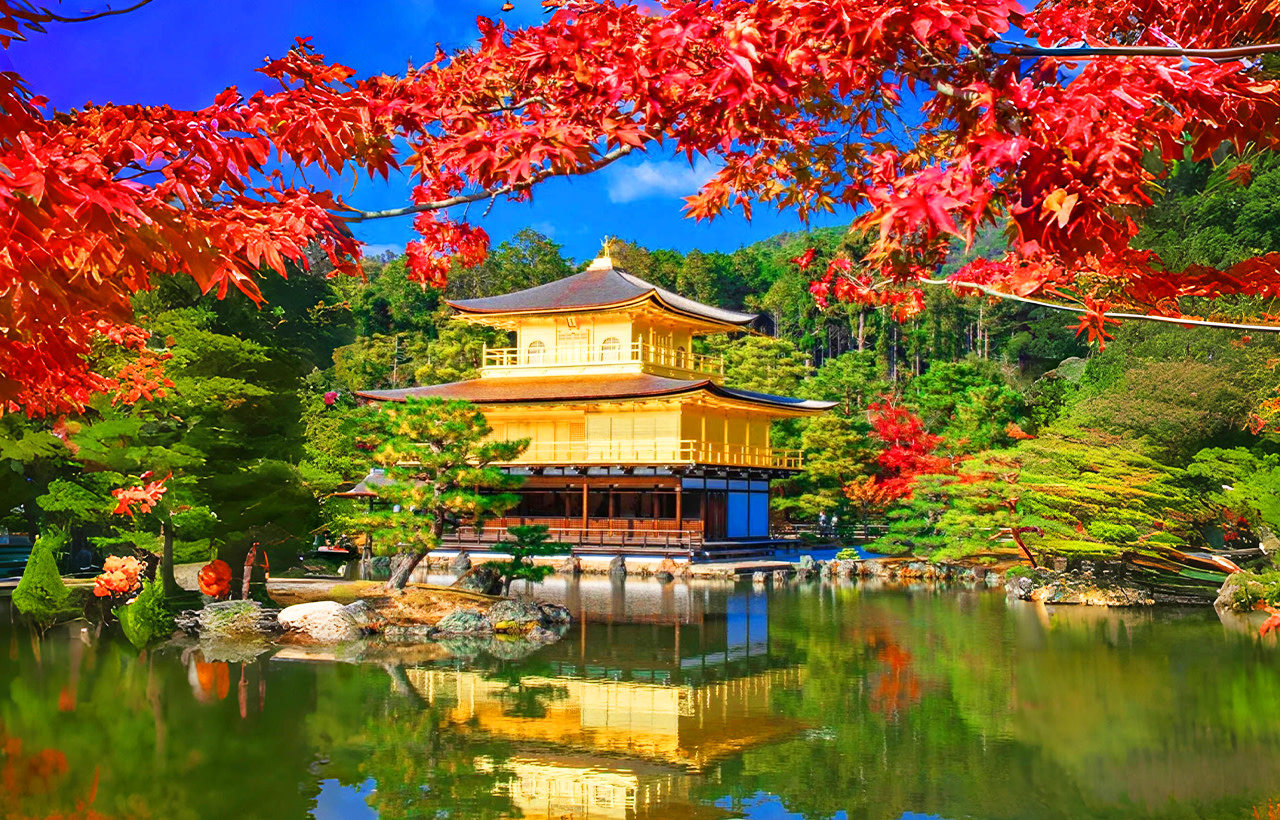
Kinkaku-ji (Golden Pavilion)is a Zen Buddhist temple in Kyoto, Japan. A breathtaking UNESCO World Heritage site renowned for its dazzling golden exterior and serene gardens. The name Golden Pavilion is derived from the gold leaf that the pavilion is covered in. The gold employed was intended to mitigate and purify any pollution or negative thoughts and feelings toward death.
The Golden Pavilion is a three-story building on the grounds of the Rokuon-ji temple complex. Each floor has a different architectural style. The pavilion successfully incorporates three distinct styles of architecture, which are shinden, samurai, and zen.
3
Ninenzaka and Sannenzaka have thrived since ancient times, allowing visitors to fully immerse themselves in the atmosphere of Kyoto. These sloping streets are lined with historic Japanese-style buildings that are characteristic of the city.
Along the way, you'll find a variety of shops, including souvenir stores, shops selling various Japanese products, sweet shops, and restaurants.
4
Byodo-in Temple is one of Japan's best-preserved national treasures and a UNESCO World Heritage Site. The most iconic structure within the temple is the Phoenix Hall, which features wing-like corridors on either side of the central hall, resembling a phoenix spreading its wings, selected for the design as the obverse of the 10 yen coin.
5
Murasaki-Shikibu is the author of the ' Tale of Genji ' written in the middle of Japan's ' Heian Perido ' ( 9th-12th centuries). The tale is known as one of Japan's foremost literary masterpieces. The final ten chapters are often called the ' Uji-Jujo ', because the main stage of this magnificent literary work are all set in Uji City. In honour of this connection you can find the novelist perched beneath a lone pine alongside the famous Uji Bridge.
Uji Bridge is one of the oldest bridges in Japan. It's believed to have been constructed for the first time in 646, more than 1300 years ago. The current bridge was completed in March 1996, and it features bronze ornamental caps along its balustrade made of Japanese cypress. With this, the historical image of Uji Bridge is retained and the design harmonizes with the surrounding landscape. This bridge has always been familiar with people as a symbol of Uji, as a place of sceinc beauty.
6
The Kyoto Prefectural Uji Park is an island park surrounded by the Uji River, which divides the water's flow downstream. The park is connected to the riverbanks by three bridges. There are many scenic features including a 13th-century stone pagoda that stands 15 m tall.
In spring, the park offers beautiful views of cherry blossom forests, and birds can be seen flying in the sky. Red-colored bridges connect the pathways on both sides of the river, and it's interesting to see ducks diving into the fast-flowing river to catch fish.
7
Uji Shrine is a Shinto shrine located in Uji, a city in Kyoto Prefecture, Japan. The theme of the shrine is centered around rabbits, with the image of a white, red-eyed bunny featured on every lantern and ema (votive tablet).
In Japanese culture, rabbits symbolize safe and plentiful childbirth, and you can find popular rabbit-themed omamori (lucky charms) for sale at the shrine. As you exit, you'll come across a bronze rabbit fountain, green with patina save for a golden bald spot on his head after many years of ‘touching for luck.’
8
Uji is renowned for its green tea production, and this charming street is lined with shops selling a variety of tea and tea-related products. It is a must-visit destination for anyone traveling to Uji, as it showcases Japan’s rich tea heritage and provides a glimpse into its fascinating history.
As you stroll down the cobblestone path, the air is filled with the enticing aroma of freshly roasted tea leaves. Here you can try tea-flavored “dango” dumplings, noodles, ice creams, and donuts. Take your time to wander through the souvenir shops and eateries. At the end of the street, you will find a Starbucks that serves its popular Matcha Frappé.
What's not included
Lunch
Kinkaku-ji, Kiyomizu-dera & Byodoin Temple Ticket: 1600 yen
Available languages
Guide guide
CMN
EN
Reviews breakdown
Viator
5.0
1 reviews
5★
1
4★
0
3★
0
2★
0
1★
0
Important information
Public transportation options are available nearby
Suitable for all physical fitness levels
Meeting point
To find your way, search for "Kyoto Station Hachijo Entrance Square Sunken Garden" on Google Maps. From the JR Tokai Kyoto Station Hachijo East Exit, go straight for 110 meters.
Important notes
Tips:
* We will send you a message requesting your email address. After we receive it, we will email you specific tour guide information around 6 PM the day before your trip. This will help ensure a smooth experience and facilitate communication with your guide on the day of the tour.
* The meeting point cannot change on the day of the trip. If a change is necessary, please inform us at least one day in advance.
* Please arrive at the meeting point 10-15 minutes before the scheduled departure time. Latecomers or no-shows will not be eligible for a refund.
* Please indicate when booking if you're traveling with strollers or large luggage.
About Osaka
Osaka is a vibrant, bustling city known for its rich culinary scene, historic sites, and modern entertainment. As Japan's second-largest metropolitan area, it offers a dynamic mix of traditional culture and contemporary urban life.
Top Attractions
Osaka Castle
A iconic symbol of Osaka, this castle was originally built in the 16th century and has been beautifully restored. It offers a glimpse into Japan's feudal history and features a museum and scenic park.
Historical
2-3 hours
600 JPY
Dotonbori
A lively and colorful entertainment district known for its neon lights, street food, and vibrant nightlife. Dotonbori is a must-visit for foodies and those looking to experience Osaka's energetic atmosphere.
Entertainment
2-3 hours
Free (food and shopping vary)
Universal Studios Japan
A popular theme park featuring attractions based on famous movies and characters, including Harry Potter, Super Nintendo World, and Jurassic Park. It's a great destination for families and thrill-seekers.
Entertainment
Full day
8,400-10,600 JPY (varies by season and tickets)
Osaka Aquarium Kaiyukan
One of the largest aquariums in the world, featuring a wide variety of marine life, including whales, sharks, and penguins. The aquarium is known for its impressive exhibits and educational programs.
Nature
2-3 hours
2,600 JPY
Shinsekai
A retro district with a nostalgic atmosphere, featuring the iconic Tsutenkaku Tower and a variety of local eateries. Shinsekai is known for its unique blend of old and new, offering a glimpse into Osaka's past.
Cultural
1-2 hours
Free (food and shopping vary)
Must-Try Local Dishes
Takoyaki
Octopus-filled batter balls, cooked to perfection and topped with savory sauces and bonito flakes. A must-try street food in Osaka.
Snack
Contains seafood, can be made vegetarian upon request
Okonomiyaki
A savory pancake made with cabbage, batter, and various toppings, cooked on a griddle. Often referred to as 'Japanese pizza.'
Dinner
Can be made vegetarian or vegan upon request
Kushikatsu
Deep-fried skewers of various meats, vegetables, and seafood, served with a dipping sauce. A specialty of the Shinsekai district.
Dinner
Contains seafood and meat, can be made vegetarian upon request
Ramen
Noodle soup dish with various broths, toppings, and noodle types. Osaka is known for its rich and flavorful ramen.
Lunch/Dinner
Can be made vegetarian or vegan upon request
Popular Activities
Hiking in the nearby mountains
Cycling tours
Kayaking and water sports
Onsen (hot spring) visits
Tea ceremonies
Gardens and parks
Temple and shrine visits
Traditional workshops (e.g., calligraphy, ikebana)
Best Time to Visit
March to May, September to November
These months offer pleasant weather with mild temperatures and lower humidity, making it ideal for sightseeing and outdoor activities. Cherry blossoms in March and April add to the appeal.
15-25°C
59-77°F
Practical Information
Language
- Official: Japanese
- Widely spoken: English (limited)
- English: Limited
Currency
Japanese Yen (JPY)
Time Zone
JST (GMT+9)
Electricity
100VV, 50/60HzHz
Safety Information
Overall Safety Rating: Very safe
Osaka is generally very safe, with low crime rates and a strong emphasis on public safety. However, as with any major city, it's important to be aware of your surroundings and take precautions to protect your belongings.
Important Precautions:
- • Keep valuables secure and out of sight
- • Be cautious of pickpockets in crowded areas
- • Use licensed taxis and reputable tour operators
Getting there
By air
- Kansai International Airport • 50 km from city center
- Itami Airport • 20 km from city center
By train
Osaka Station, Shin-Osaka Station
By bus
Osaka Station Bus Terminal, Umeda Bus Terminal
Getting around
Public transport
The Osaka Metro system is efficient, clean, and easy to navigate. It consists of eight lines that connect major attractions, shopping districts, and neighborhoods.
Taxis
Available • Apps: JapanTaxi, DiDi
Rentals
Car, Bike, Scooter
Neighborhoods
Umeda
Namba
Shin-Osaka
Tennoji
Day trips
Kyoto
50 km • Full day
A historic city known for its temples, shrines, and traditional architecture. Kyoto offers a glimpse into Japan's rich cultural heritage and is a must-visit for history and culture enthusiasts.
Nara
40 km • Half day to full day
A historic city known for its ancient temples, shrines, and the famous Nara Park, home to hundreds of free-roaming deer. Nara offers a mix of history, culture, and nature.
Kobe
30 km • Full day
A port city known for its historic sites, scenic views, and delicious beef. Kobe offers a mix of culture, history, and culinary delights.
Festivals
Tenjin Matsuri • July 24-25
Kishiwada Danjiri Matsuri • September 14-15
Osaka Castle Illumination • December (specific dates vary)
Pro tips
- Use an IC card, such as ICOCA or Suica, for easy and convenient payments on public transportation, vending machines, and convenience stores
- Try local specialties, such as takoyaki, okonomiyaki, and kushikatsu, at street food stalls and local restaurants
- Visit popular attractions early in the morning or late in the afternoon to avoid crowds and long lines
- Explore the city's unique neighborhoods, such as Dotonbori, Shinsekai, and Den Den Town, to experience the diverse culture and atmosphere of Osaka
- Take advantage of the city's extensive public transportation system, including the Osaka Metro, JR trains, and buses, to easily navigate and explore the city
From $25
per person
Price varies by option
Secure booking
Free cancellation available
Instant confirmation


![[Kyoto Classic Deep Dive] Kinkaku-ji & Kiyomizu-dera Temple & Ninenzaka & Gion/Hanamikoji Street & Yasaka Shrine & Fushimi Inari-taisha Shrine In-Depth Slow Travel Day Tour (Departure from Osaka/Kyoto)](https://res.klook.com/image/upload/activities/spqfe6yhv087ha5pj8vr.jpg)
![[Kyoto & Uji Day Trip] Kinkaku-ji (Golden Pavilion) & Kiyomizu-dera Temple & Byodo-in Temple & Uji River & Matcha Food Street & Rabbit Shrine & Lady Murasaki Statue (From Osaka or Kyoto)](https://res.klook.com/image/upload/activities/fcvsx3iy6rtmczptcua9.jpg)
![[Kyoto & Uji] Kinkaku-ji & Kiyomizu-dera Temple & Uji Byodo-in Temple Gourmet and Hot Spring Day Trip (From Osaka/Kyoto)](https://res.klook.com/image/upload/activities/osqovjf36hrchrggzblb.jpg)
![[Departure from Osaka/Kyoto] Kinkaku-ji & Arashiyama Bamboo Grove Togetsukyo Bridge & Sanjusangen-do & Kiyomizu-dera Temple Ninenzaka and Sannenzaka World Heritage Ancient Capital Kyoto Day Tour (A5-grade top-quality Kobe beef upgrade available)](https://res.klook.com/image/upload/activities/p7qa9bchtre3laahln6c.jpg)