Full Day Mombasa City Tour with a Local Guide
Active
10h
All sales are final. No refund is available for cancellations.
Instant confirmation
Mobile or paper ticket accepted
About this experience
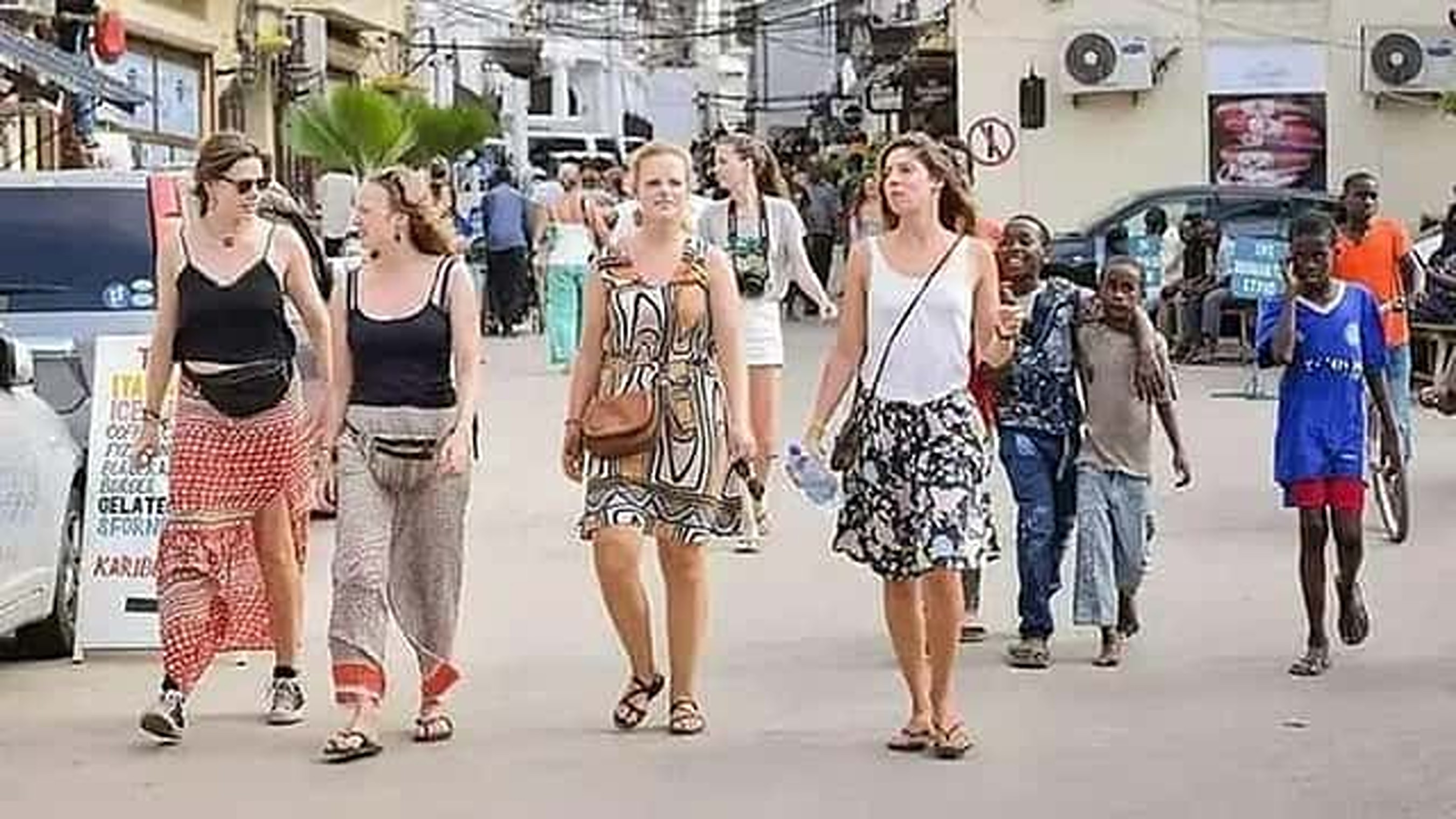
Mombasa is famous for beach tours and relaxation. But in between your beach days, you can decide to familiarize yourself with famous touristic sites. Discover Mombasa’s diverse cultures and history on a full-day tour that explores cobblestone streets, vibrant markets, and local cuisine. With an experienced guide to introduce the best of the city, you’ll see the Fort Jesus Museum, old town’s Old Dhow Harbor, the Mombasa bazaar, the famous changamwe sovenirs workshops and more, pausing to shop for handmade souvenirs along the way. This guided Mombasa tour includes lunch at Tamarind Mombasa, a seaside restaurant that’s beloved for great seafood and views of the water.
Available options
Full Day Mombasa City Tour with a Local Guide
Pickup included
What's included
Local guide
Bottled water
Driver/guide
Air-conditioned vehicle
Detailed itinerary
1
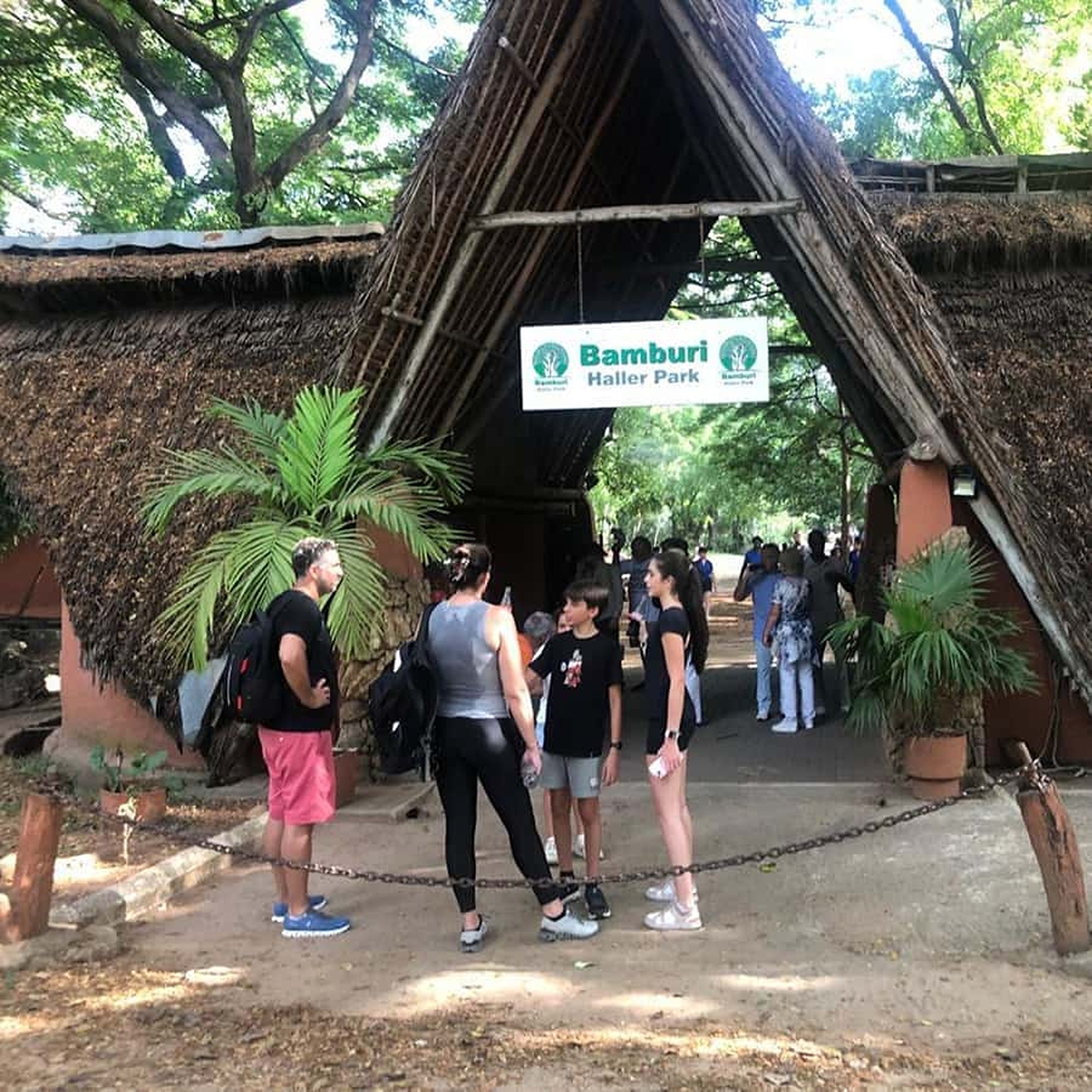
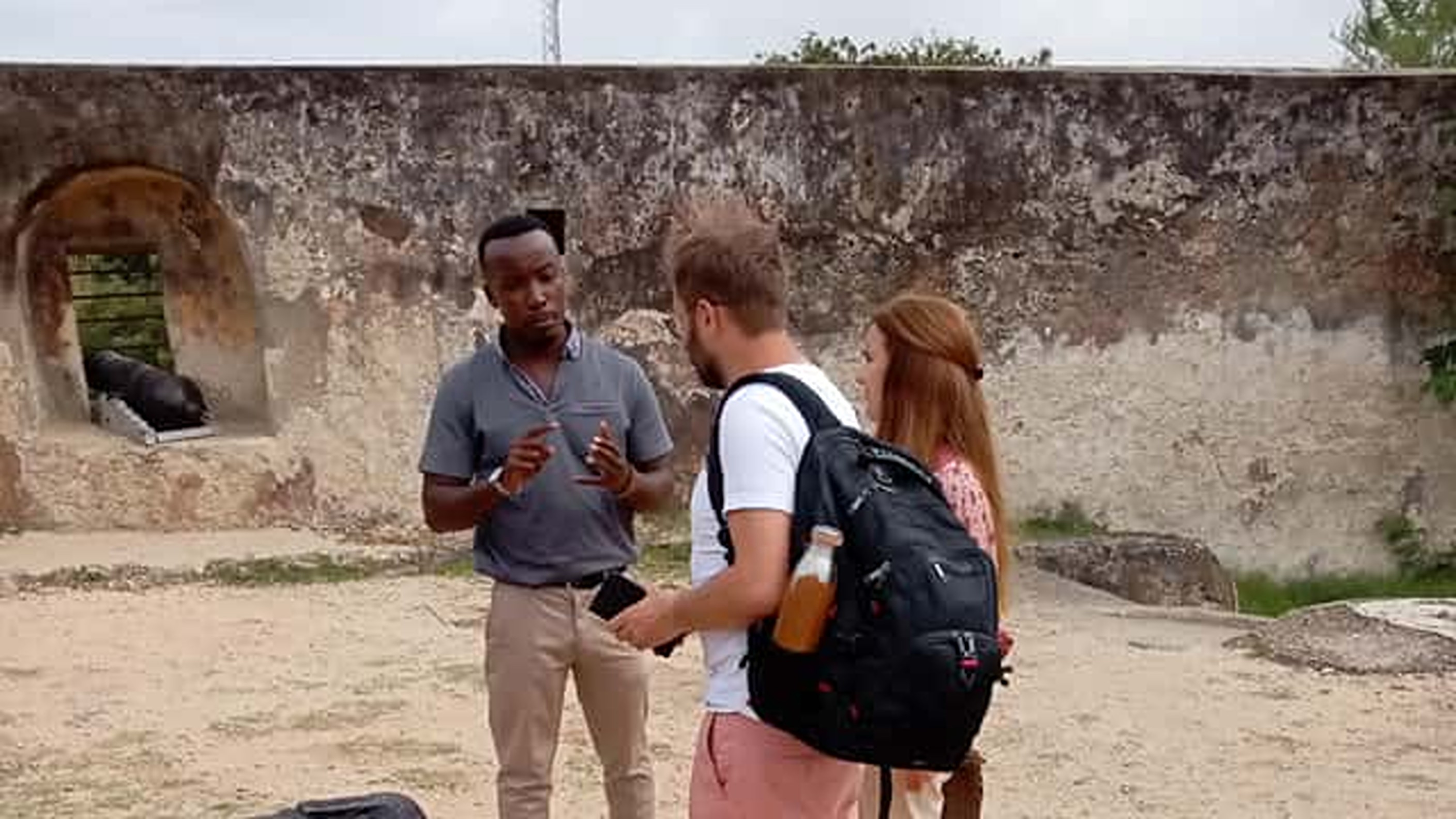
Our guide shall pick you early in the morning from your beach or city hotel. A visit to old town reveals the rich culture and architectural heritage of Mombasa with a fascinating history dating back to 200 AD, Mombasa is the largest port in East Africa. Fort Jesus built by the Portuguese in the 16th Century. The site chosen was a coral ridge at the entrance to the harbor and was built to secure the safety of Portuguese living on the East Coast of Africa. It has had a long history of hostilities of the interested parties that used to live in Mombasa. Omani Arabs attacked the Fort from 1696 to 1698. Between 1837 and 1895, the Fort was used as barracks for the soldier. Your day takes you down an intriguing maze of cobbled narrow streets, ancient mosques and picturesque residential houses evoke the islands medieval past, overhanging balconies and through mysterious doorways to bustling markets filled with exotic spice, fruit and colorful fabrics. Then drive through the Elephant Tusks on Moi Avenue and call in at the Akamba woodcarvers, where you can see the carvers at work and a great opportunity to purchase some of the wonderful crafts and other souvenirs of your stay in Africa. Lunch at the Tamarind Restaurant or Dhow (Seafood Lunch on an Arab Dhow or Restaurant (If minimum number of 20 Pax are achieved, then lunch is on the Dhow. Same menu is served on the Dhow or Restaurant ) overlooking the sea - Non Seafood & Veg options available). In the afternoon, visit the Haller Park, former quarries now reforested and home to many animals. Currently, Haller Park plays host to a variety of wildlife including hippos, giraffes, buffalos, and antelopes, crocodiles as well as smaller mammals and birds. The Park consists of a Game Sanctuary, Reptile Park, a small demonstration Fish Farm area, Palm Garden, Crocodile Pens and a Giraffe viewing platform, offering a variety of attractions at the various points to educate and entertain the over 160,000 visitors who visit the park every year. The diversity of vegetation is considerable, from mangrove palms and majestic indigenous shade trees to coastal forests where several of these plants are rare and endangered; a haven for botanist. The tour ends with a visit to Mamba village. Mamba Village Crocodile Farm in Mombasa has crocodiles from all categories/stages, from giant (Big Daddy -Man eater) crocodiles to baby crocodiles (just hatched) and the white crocodiles. The firm has a feeding time schedule every day at 5 pm and it is incredible to see this experience as the crocodiles jump up few metre from their pool to grab a bite of meat.
We later drop you to your hotel after this wonderful tour.
2
Stop 2
Our guide shall pick you early in the morning from your beach or city hotel. A visit to old town reveals the rich culture and architectural heritage of Mombasa with a fascinating history dating back to 200 AD, Mombasa is the largest port in East Africa. Fort Jesus built by the Portuguese in the 16th Century. The site chosen was a coral ridge at the entrance to the harbor and was built to secure the safety of Portuguese living on the East Coast of Africa. It has had a long history of hostilities of the interested parties that used to live in Mombasa. Omani Arabs attacked the Fort from 1696 to 1698. Between 1837 and 1895, the Fort was used as barracks for the soldier. Your day takes you down an intriguing maze of cobbled narrow streets, ancient mosques and picturesque residential houses evoke the islands medieval past, overhanging balconies and through mysterious doorways to bustling markets filled with exotic spice, fruit and colorful fabrics. Then drive through the Elephant Tusks on Moi Avenue and call in at the Akamba woodcarvers, where you can see the carvers at work and a great opportunity to purchase some of the wonderful crafts and other souvenirs of your stay in Africa. Lunch at the Tamarind Restaurant or Dhow (Seafood Lunch on an Arab Dhow or Restaurant (If minimum number of 20 Pax are achieved, then lunch is on the Dhow. Same menu is served on the Dhow or Restaurant ) overlooking the sea - Non Seafood & Veg options available). In the afternoon, visit the Haller Park, former quarries now reforested and home to many animals. Currently, Haller Park plays host to a variety of wildlife including hippos, giraffes, buffalos, and antelopes, crocodiles as well as smaller mammals and birds. The Park consists of a Game Sanctuary, Reptile Park, a small demonstration Fish Farm area, Palm Garden, Crocodile Pens and a Giraffe viewing platform, offering a variety of attractions at the various points to educate and entertain the over 160,000 visitors who visit the park every year. The diversity of vegetation is considerable, from mangrove palms and majestic indigenous shade trees to coastal forests where several of these plants are rare and endangered; a haven for botanist. The tour ends with a visit to Mamba village. Mamba Village Crocodile Farm in Mombasa has crocodiles from all categories/stages, from giant (Big Daddy -Man eater) crocodiles to baby crocodiles (just hatched) and the white crocodiles. The firm has a feeding time schedule every day at 5 pm and it is incredible to see this experience as the crocodiles jump up few metre from their pool to grab a bite of meat.
We later drop you to your hotel after this wonderful tour.
3
Our guide shall pick you early in the morning from your beach or city hotel. A visit to old town reveals the rich culture and architectural heritage of Mombasa with a fascinating history dating back to 200 AD, Mombasa is the largest port in East Africa. Fort Jesus built by the Portuguese in the 16th Century. The site chosen was a coral ridge at the entrance to the harbor and was built to secure the safety of Portuguese living on the East Coast of Africa. It has had a long history of hostilities of the interested parties that used to live in Mombasa. Omani Arabs attacked the Fort from 1696 to 1698. Between 1837 and 1895, the Fort was used as barracks for the soldier. Your day takes you down an intriguing maze of cobbled narrow streets, ancient mosques and picturesque residential houses evoke the islands medieval past, overhanging balconies and through mysterious doorways to bustling markets filled with exotic spice, fruit and colorful fabrics. Then drive through the Elephant Tusks on Moi Avenue and call in at the Akamba woodcarvers, where you can see the carvers at work and a great opportunity to purchase some of the wonderful crafts and other souvenirs of your stay in Africa. Lunch at the Tamarind Restaurant or Dhow (Seafood Lunch on an Arab Dhow or Restaurant (If minimum number of 20 Pax are achieved, then lunch is on the Dhow. Same menu is served on the Dhow or Restaurant ) overlooking the sea - Non Seafood & Veg options available). In the afternoon, visit the Haller Park, former quarries now reforested and home to many animals. Currently, Haller Park plays host to a variety of wildlife including hippos, giraffes, buffalos, and antelopes, crocodiles as well as smaller mammals and birds. The Park consists of a Game Sanctuary, Reptile Park, a small demonstration Fish Farm area, Palm Garden, Crocodile Pens and a Giraffe viewing platform, offering a variety of attractions at the various points to educate and entertain the over 160,000 visitors who visit the park every year. The diversity of vegetation is considerable, from mangrove palms and majestic indigenous shade trees to coastal forests where several of these plants are rare and endangered; a haven for botanist. The tour ends with a visit to Mamba village. Mamba Village Crocodile Farm in Mombasa has crocodiles from all categories/stages, from giant (Big Daddy -Man eater) crocodiles to baby crocodiles (just hatched) and the white crocodiles. The firm has a feeding time schedule every day at 5 pm and it is incredible to see this experience as the crocodiles jump up few metre from their pool to grab a bite of meat.
We later drop you to your hotel after this wonderful tour.
4
Stop 4
Our guide shall pick you early in the morning from your beach or city hotel. A visit to old town reveals the rich culture and architectural heritage of Mombasa with a fascinating history dating back to 200 AD, Mombasa is the largest port in East Africa. Fort Jesus built by the Portuguese in the 16th Century. The site chosen was a coral ridge at the entrance to the harbor and was built to secure the safety of Portuguese living on the East Coast of Africa. It has had a long history of hostilities of the interested parties that used to live in Mombasa. Omani Arabs attacked the Fort from 1696 to 1698. Between 1837 and 1895, the Fort was used as barracks for the soldier. Your day takes you down an intriguing maze of cobbled narrow streets, ancient mosques and picturesque residential houses evoke the islands medieval past, overhanging balconies and through mysterious doorways to bustling markets filled with exotic spice, fruit and colorful fabrics. Then drive through the Elephant Tusks on Moi Avenue and call in at the Akamba woodcarvers, where you can see the carvers at work and a great opportunity to purchase some of the wonderful crafts and other souvenirs of your stay in Africa. Lunch at the Tamarind Restaurant or Dhow (Seafood Lunch on an Arab Dhow or Restaurant (If minimum number of 20 Pax are achieved, then lunch is on the Dhow. Same menu is served on the Dhow or Restaurant ) overlooking the sea - Non Seafood & Veg options available). In the afternoon, visit the Haller Park, former quarries now reforested and home to many animals. Currently, Haller Park plays host to a variety of wildlife including hippos, giraffes, buffalos, and antelopes, crocodiles as well as smaller mammals and birds. The Park consists of a Game Sanctuary, Reptile Park, a small demonstration Fish Farm area, Palm Garden, Crocodile Pens and a Giraffe viewing platform, offering a variety of attractions at the various points to educate and entertain the over 160,000 visitors who visit the park every year. The diversity of vegetation is considerable, from mangrove palms and majestic indigenous shade trees to coastal forests where several of these plants are rare and endangered; a haven for botanist. The tour ends with a visit to Mamba village. Mamba Village Crocodile Farm in Mombasa has crocodiles from all categories/stages, from giant (Big Daddy -Man eater) crocodiles to baby crocodiles (just hatched) and the white crocodiles. The firm has a feeding time schedule every day at 5 pm and it is incredible to see this experience as the crocodiles jump up few metre from their pool to grab a bite of meat.
We later drop you to your hotel after this wonderful tour.
What's not included
Souvenir photos (available to purchase)
Entrance fees
Available languages
Guide guide
DE
EN
IT
FR
ES
Reviews breakdown
Tripadvisor
5.0
1 reviews
5★
1
4★
0
3★
0
2★
0
1★
0
Important information
Suitable for all physical fitness levels
Children must be accompanied by an adult
Dress code is formal
Important notes
• Dress code is casual
• Comfortable walking shoes are recommended
Hotel pickups commence approximately 30 - 60 minutes prior to this time
About Mombasa
Mombasa is a vibrant coastal city in Kenya, known for its stunning beaches, rich history, and Swahili culture. It offers a mix of modern amenities and traditional charm, making it a popular tourist destination.
Top Attractions
Fort Jesus
A 16th-century Portuguese fort that played a significant role in the history of the Indian Ocean trade. It's a UNESCO World Heritage Site.
Historical
2-3 hours
KES 1200 (USD 12)
Mombasa Marine National Park
A protected marine area with diverse marine life and coral reefs. It's perfect for snorkeling and diving.
Nature
Half day
KES 500 (USD 5)
Hallerr Park
A lush botanical garden with a variety of plant species, including orchids and palm trees. It's a peaceful escape from the city.
Nature
2-3 hours
KES 300 (USD 3)
Must-Try Local Dishes
Biriani
A fragrant rice dish cooked with spices, meat, and vegetables.
Main Course
Contains meat, can be made vegetarian.
Ugali
A staple food made from cornmeal, often served with stews or vegetables.
Side Dish
Vegetarian, gluten-free.
Nyama Choma
Grilled meat, usually goat or beef, seasoned with local spices.
Main Course
Contains meat, can be spicy.
Popular Activities
Snorkeling
Diving
Water sports
Beach relaxation
Spa treatments
Sunset cruises
Visiting Fort Jesus
Exploring Old Town
Best Time to Visit
June to October
This is the best time to visit Mombasa due to the pleasant weather and lower humidity. It's ideal for beach activities and sightseeing.
24-30°C
75-86°F
Practical Information
Language
- Official: Swahili, English
- Widely spoken: Arabic, Various African languages
- English: Widely spoken
Currency
Kenyan Shilling (KES)
Time Zone
EAT (UTC+3)
Electricity
240VV, 50HzHz
Safety Information
Overall Safety Rating: Exercise caution
Mombasa is generally safe for tourists, but petty crime and scams can occur. Be cautious and aware of your surroundings.
Important Precautions:
- • Avoid walking alone at night.
- • Use reputable taxi services.
- • Be cautious of strangers offering help or services.
Getting there
By air
- Moi International Airport • 10 km from city center
By train
Mombasa Central Station
By bus
Mombasa Bus Terminal, Likoni Bus Terminal
Getting around
Public transport
Matatus are the most common form of public transport in Mombasa. They are affordable but can be crowded.
Taxis
Available • Apps: Uber, Little
Rentals
Car, Bike, Scooter
Neighborhoods
Old Town
Nyali
Bamburi
Day trips
Watamu
100 km (62 miles) from Mombasa • Full day
A beautiful coastal town known for its pristine beaches, marine parks, and historic sites.
Diani Beach
30 km (19 miles) from Mombasa • Full day
A stunning beach destination with white sand, clear waters, and a variety of water sports.
Shimba Hills National Reserve
50 km (31 miles) from Mombasa • Full day
A protected area with diverse wildlife, including elephants, giraffes, and a variety of bird species.
Festivals
Mombasa Carnival • November
Mombasa International Cultural Festival • July
Pro tips
- Visit Fort Jesus early in the morning to avoid the heat and crowds.
- Try local street food for an authentic culinary experience.
- Hire a local guide for a more in-depth understanding of the city's history and culture.
- Carry small denominations for street vendors and markets.
- Respect local customs and traditions, especially when visiting religious sites.
From $25
per person
Price varies by option
Secure booking
Free cancellation available
Instant confirmation