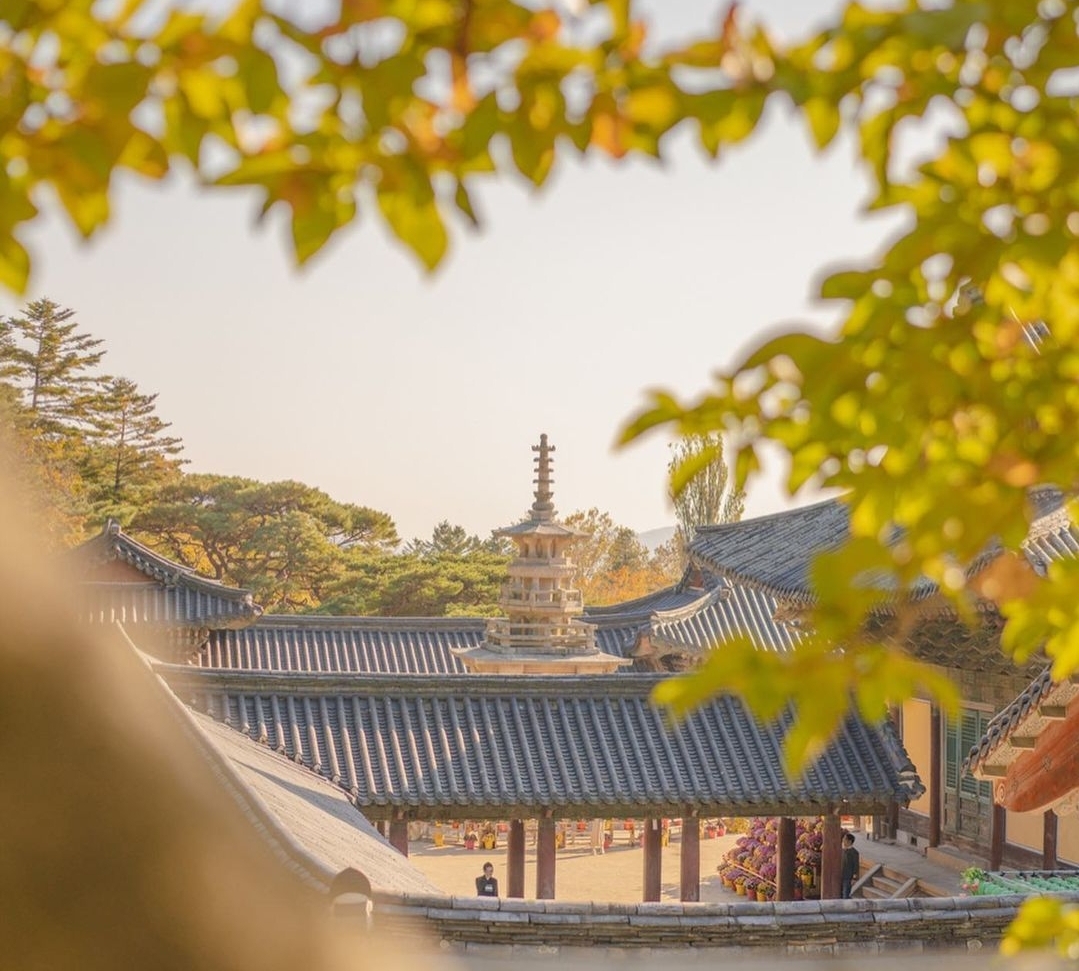
Gwangju City Tour : Where old meets new (private)
Active
8h - 9h
For a full refund, cancel at least 24 hours before the scheduled departure time.
Instant confirmation
Mobile or paper ticket accepted
About this experience
* This tour takes place in Gwangju, the metropolitan city in South Korea.
Welcome to Gwangju, the city of light!
Famed as Korea’s most delicious city with its generous cuisine, Gwangju is also the proud hometown of Han Kang, who won the 2024 Nobel Prize in Literature. Shaped by the energy of Mt. Mudeungsan and the courage of its citizens, Korea’s fifth-largest city is peaceful yet vibrant—offering an authentic glimpse of daily life far from the bustle of Seoul and Busan.
On this tour, explore the cityscape, discover art spaces, and taste local specialties while hearing stories of Gwangju. Finish at a local supermarket, where your guide helps you choose authentic Korean ingredients, snacks, tea, and cosmetics. If you prefer not to shop at a local supermarket, you can choose to visit a traditional market instead.
Come as a guest, leave as part of the Gwangju family!
(For a deeper understanding of the May 18 Democratic Uprising, join the “Gwangju May 18 Tour.”)
Available options
Gwangju City Tour : Where old meets new (private)
Pickup included
What's included
Private transportation
All Fees and Taxes
Coffee or Tea in a Cafe
Lift and Monorail Rides
Detailed itinerary
1
Let’s begin our journey at May 18 Democracy Square, the heart of Gwangju, both in meaning and in daily life. Back in May 1980, this plaza was the final stronghold for citizens who bravely stood together against military dictatorship, making it a landmark of Korea’s modern democracy.
Today, it’s a lively gathering spot where young people, locals, and visitors come to reflect, learn, and experience cultural life. From memorial ceremonies to festivals and educational events, May 18 Democracy Square is more than just a place of past pain—it continues to live on as a space where the May Spirit is remembered, practiced, and carried forward by the people of Gwangju.
2
Right next to May 18 Democracy Square, you’ll find the Asia Culture Center, or ACC. This is one of the largest cultural complexes in Asia, built on the very site of the May 18 Democratic Uprising. The center honors the spirit of democracy while serving as a hub for art and cultural exchange across Asia.
Inside, visitors can enjoy exhibitions, performances, and hands-on programs that change throughout the year. When a recommended exhibition is available, we’ll explore it together as part of the tour. There’s even a modern library and a spacious park, making it a welcoming place for culture lovers and anyone seeking a relaxing visit. Many young people and families come here to hang out, learn, and experience something new.
3
This neighborhood was once considered the most prestigious area in Gwangju. Later, as people moved into modern apartment complexes, the streets here grew quieter. But in recent years, Dongmyeong-dong has come back to life. Old houses have been transformed not only into cafés, but also into restaurants and cultural spaces, and with the opening of the Asia Culture Center in 2015, it became especially popular with the younger generation. Today, it’s one of the liveliest spots in the city—you can enjoy unique cafés, try delicious local restaurants, explore creative venues, and even find special Gwangju souvenirs to take home.
4
Opened in 1978, Jisan Amusement Park was once Gwangju’s largest leisure complex, created as a place for families to relax and enjoy nature. One of its highlights is the old lift that takes you through the forest—on the way down, you’re treated to stunning views of the city below. Even more unique is the monorail. Sitting 350 meters above sea level, it’s the only one of its kind in Korea. From here, you can see all of Gwangju spread out below, along with the magnificent peak of Mudeungsan, a UNESCO Global Geopark. After years of decline and closure, the park was revived in 2016, so when you ride them today, you can enjoy a nostalgic, retro-style journey that takes you back in time.
5
< Lunch Time >
Gwangju is famous for its delicious food and generous portions. We’ve carefully selected popular dishes loved by locals. Choose your favorite and pay on the spot for an authentic taste of the city.
1. Yukjeon: thin slices of tender beef pancake, cooked right at the table
2. Tteok-galbi: grilled short rib patties with regional side dishes, prepared by a master chef.
3. Classic Hanjeongsik: traditional Korean set meal featuring a variety of Namdo (Southern Korea) dishes, including fish, meat, and seasonal vegetables.
4. Local Hanjeongsik: a table full of Korean dishes made with regional ingredients. (vegetarian)
5. Jeon Platter & Japchae: assorted Korean pancakes & stir-fried glass noodles with acorn jelly (vegetarian)
6. Fresh bread and pastries with drinks, at Gwangju’s iconic bakery (vegetarian)
7. Seasonal fruit sandwich with coffee or freshly squeezed juice (vegetarian)
Lunch choices range from 12,000 to 38,000 KRW, depending on your choice.
6
< Chasaengwon tea house >
Hankook Tea Co., established in 1951, was Korea’s first commercial tea company and the first to produce matcha(powdered tea) and yellow tea. For their dedication to preserving traditional Korean teas, they have been honored as a “Traditional Food Master” by the Ministry of Agriculture, Food and Rural Affairs.
Since 1965, they have operated a tea factory here in Gwangju, with green tea fields spread across three regions in Jeollanam-do. Right next to the factory is Chasaengwon, a tea cultural space where visitors can taste Hankook Tea’s products with the guidance of a tea expert, and explore traditional tea ceramics. During our visit, we’ll have the chance to taste both matcha and yellow tea, experiencing the flavors of Korea firsthand.
7
Yangnim-dong is a neighborhood where history, art, and architecture come together. In the early 20th century, missionaries from the Southern Presbyterian Church in the USA settled here to spread Christianity and played a key role in advancing medicine and education in Gwangju. Their influence is still visible in the village today, with Gwangju’s oldest church and traces of the many missionaries who worked tirelessly in the city.
During our visit, we will stop by the small gallery of Han Hee-won, a local artist who grew up here, and explore Penguin Village. We’ll walk through narrow alleys where villagers began decorating walls with abandoned items from the past, transforming the neighborhood into an outdoor exhibition space. Today, this area is recognized as part of Yangnim-dong Modern History and Culture Village, featuring murals, antique collections, and a lively art scene—all created by the local community itself, long before commercial interests arrived.
8
Our final stop is NH Hanaro Mart, a large local food supermarket. Here, you can shop for authentic ingredients for Korean cooking, as well as souvenirs like snacks, coffee, and tea. Your local guide will be there to give expert advice, especially when choosing cosmetics, helping you find the best items and navigate the market. Shopping here is not just practical—it’s a fun and informative part of your tour experience.
If you prefer not to shop at a supermarket, you can choose to visit a traditional "Yangdong Market" instead.
9
You have the option to shop at a local supermarket or enjoy the lively atmosphere of Yangdong Market.
The largest traditional market in Gwangju and Jeollanam-do, Yangdong Market is where locals do their real shopping for fresh produce, seafood, and daily goods, giving visitors an authentic taste of everyday life. With over 100 years of history, it has witnessed key events, from independence movements during the Japanese occupation to supporting citizens during the May 18 Democratic Uprising. Food lovers shouldn’t miss fermented skate (hong-eo), a regional specialty. Its strong, tangy flavor may surprise first-timers, but many locals say they can’t live without it. Yangdong Market is also ideal for exploring a wide variety of local foods, from traditional side dishes to street snacks.
What's not included
Lunch
Personal Travel Insurance
Available languages
Guide guide
EN
Reviews breakdown
Viator
5.0
4 reviews
5★
4
4★
0
3★
0
2★
0
1★
0
Tripadvisor
5.0
4 reviews
5★
4
4★
0
3★
0
2★
0
1★
0
Important information
Infants and small children can ride in a pram or stroller
Service animals allowed
Public transportation options are available nearby
Not recommended for travelers with poor cardiovascular health
Suitable for all physical fitness levels
About South Korea
South Korea is a dynamic and vibrant destination where ancient traditions meet cutting-edge technology. From the bustling streets of Seoul to the serene temples of Jeonju, it offers a rich cultural experience and stunning natural landscapes.
Top Attractions
Gyeongbokgung Palace
The largest of the Five Grand Palaces built during the Joseon Dynasty, Gyeongbokgung Palace is a must-visit for its historical significance and beautiful architecture.
Historical
2-3 hours
₩3,000 (adults), Free (traditional costume rental available for ₩5,000)
Bukhan Mountain
Bukhan Mountain is a popular hiking spot near Seoul, offering stunning views of the city and surrounding landscapes.
Nature
Half-day to full day
Free
Jeonju Hanok Village
A traditional Korean village with over 800 hanok (traditional houses), Jeonju Hanok Village is a UNESCO World Heritage site and a great place to experience Korean culture.
Cultural
Full day
Free to explore, ₩5,000-₩10,000 for cultural experiences
Must-Try Local Dishes
Kimchi
Fermented spicy cabbage, a staple in Korean cuisine.
Side dish
Vegan (if made without fish sauce)
Bibimbap
Mixed rice bowl with vegetables, meat, and gochujang sauce.
Lunch/Dinner
Can be made vegetarian or vegan
Bulgogi
Grilled marinated beef, often served with rice and side dishes.
Dinner
Contains meat
Popular Activities
Hiking in national parks
Skiing in winter resorts
Spa and sauna experiences (jjimjilbang)
Tea ceremonies
Traditional hanbok wearing
Korean cooking classes
Surfing in Busan
Boat tours in Jeju Island
Best Time to Visit
Spring (April to June) and Autumn (September to November)
Spring and autumn offer pleasant weather with mild temperatures, making it ideal for outdoor activities and sightseeing. The cherry blossoms in spring and vibrant foliage in autumn are major attractions.
15-25°C
59-77°F
Practical Information
Language
- Official: Korean
- Widely spoken: English, Chinese, Japanese
- English: Moderately spoken in urban areas, limited in rural areas
Currency
South Korean Won (KRW)
Time Zone
GMT+9
Electricity
220VV, 60HzHz
Safety Information
Overall Safety Rating: Generally safe
South Korea is generally safe with low crime rates. However, petty crimes like pickpocketing can occur in tourist areas.
Important Precautions:
- • Be cautious of your belongings in crowded areas
- • Use reputable taxi services or apps like KakaoTaxi
- • Avoid unlicensed tour guides and services
Getting there
By air
- Incheon International Airport • 52 km west of Seoul
- Gimpo International Airport • 15 km west of Seoul
By train
Seoul Station, Busan Station
By bus
Seoul Express Bus Terminal, Busan Central Bus Terminal
Getting around
Public transport
The subway system is efficient, clean, and easy to navigate with English signage. It's the most convenient way to get around Seoul.
Taxis
Available • Apps: KakaoTaxi
Rentals
Car, Bike, Scooter
Neighborhoods
Gangnam
Hongdae
Insadong
Day trips
Nami Island
63 km northeast of Seoul • Half day to full day
A picturesque island known for its beautiful trees and scenic landscapes, featured in the popular drama 'Winter Sonata'.
Everland
40 km south of Seoul • Full day
South Korea's largest theme park, featuring a variety of rides, shows, and attractions.
Suwon Hwaseong Fortress
30 km south of Seoul • Half day to full day
A UNESCO World Heritage site featuring a well-preserved fortress from the Joseon Dynasty.
Festivals
Seoul Lantern Festival • Late November to early December
Busan International Film Festival (BIFF) • Early October
Pro tips
- Learn basic Korean phrases to enhance your travel experience
- Use a T-money card for convenient and discounted public transportation
- Try local street food for an authentic culinary experience
- Visit popular attractions early in the morning to avoid crowds
- Explore lesser-known neighborhoods for a more local experience
From $25
per person
Price varies by option
Secure booking
Free cancellation available
Instant confirmation