Jeonju Customized Private Tour with a Licenced Tourguide
Active
8h
For a full refund, cancel at least 24 hours before the scheduled departure time.
Instant confirmation
Mobile or paper ticket accepted
About this experience
It's a private tour only for your group.(No shopping). I am licensed tourguide and accompany you from your place(hotel) to all the tour spots. You can also customize itineraries if you want.
Jeonjuhanok village, Gyeonggijeon, Jeonjunanjang, Jeondong Cathedral, Jeongju arboretum.
Available options
Jeonju Customized Private Tour with a Licenced Tourguide
Pickup included
What's included
Roomy vehicle(Hyundai Palisade)
Pick up and drop off
Licensed tourguide
Fuel and parking fee
Detailed itinerary
1
In the spring of 1889, the cathedral was established, and French priest Bodune was appointed as the first head priest, and in 1891, he purchased the house and site here and carried out pastoral ministry activities in Jeonju.
2
Stop 2
It is the largest traditional hanok village in Korea with more than 700 hanoks in Pungnam-dong, Jeonju, and it is the only urban hanok county in the country. It is an important space in the development process of Korea's modern residential culture, which began to be built in 1910, and is a representative travel destination in Korea. You can enjoy lots of Korean culture including hanok(Korean house), Hansik(Korean food), Hanji(Korean paper), Hanbok(Korean clothing), and Hanbang(oriental medicine) etc.
3
Stop 3
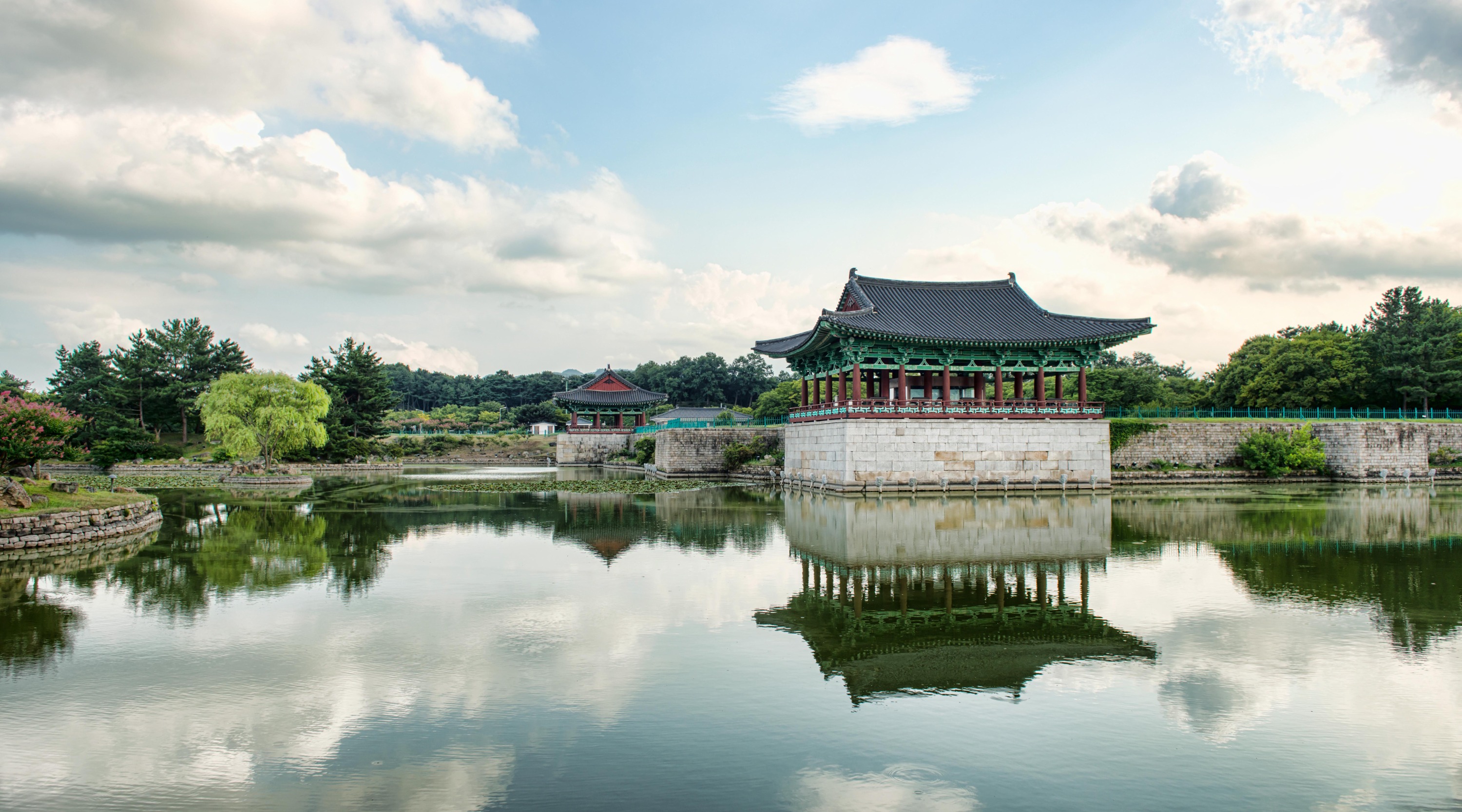
Gyeonggijeon Hall was built in the 10th year of King Taejong (1410) to enshrine a portrait, or Eojin, of King Taejo who founded the Joseon Dynasty, and hold a memorial service. Gyeonggijeon Hall was destroyed during the Jeongyu Rebellion in the 30th year of King Seonjo's reign (1597), but was rebuilt in the 6th year of King Gwanghaegun (1614).
4
Jeonju Nanjang is a theme museum designed to classify 70,000 modern relics by theme and experience themselves, and it is a historical site where those who have lived in the 20th century can learn the memories and nostalgia of those days, and the life and wisdom permeated by the next generation who live in the next century.
5
The Jeonju Arboretum of the Korea Expressway Corporation produces and supplies trees to restore the damaged natural environment while constructing the highway, collects various plant species, and uses them as a natural learning center, and conducts research on the preservation, proliferation, distribution, and development of native plants. It is widely used as an arboretum's cultural experience for highway users and local residents.
What's not included
Lunch
Gyeonggijeon
Jeonjunanjang
Available languages
Guide guide
EN
Important information
Infants and small children can ride in a pram or stroller
Infants are required to sit on an adult’s lap
Not recommended for travelers with poor cardiovascular health
Travelers should have at least a moderate level of physical fitness
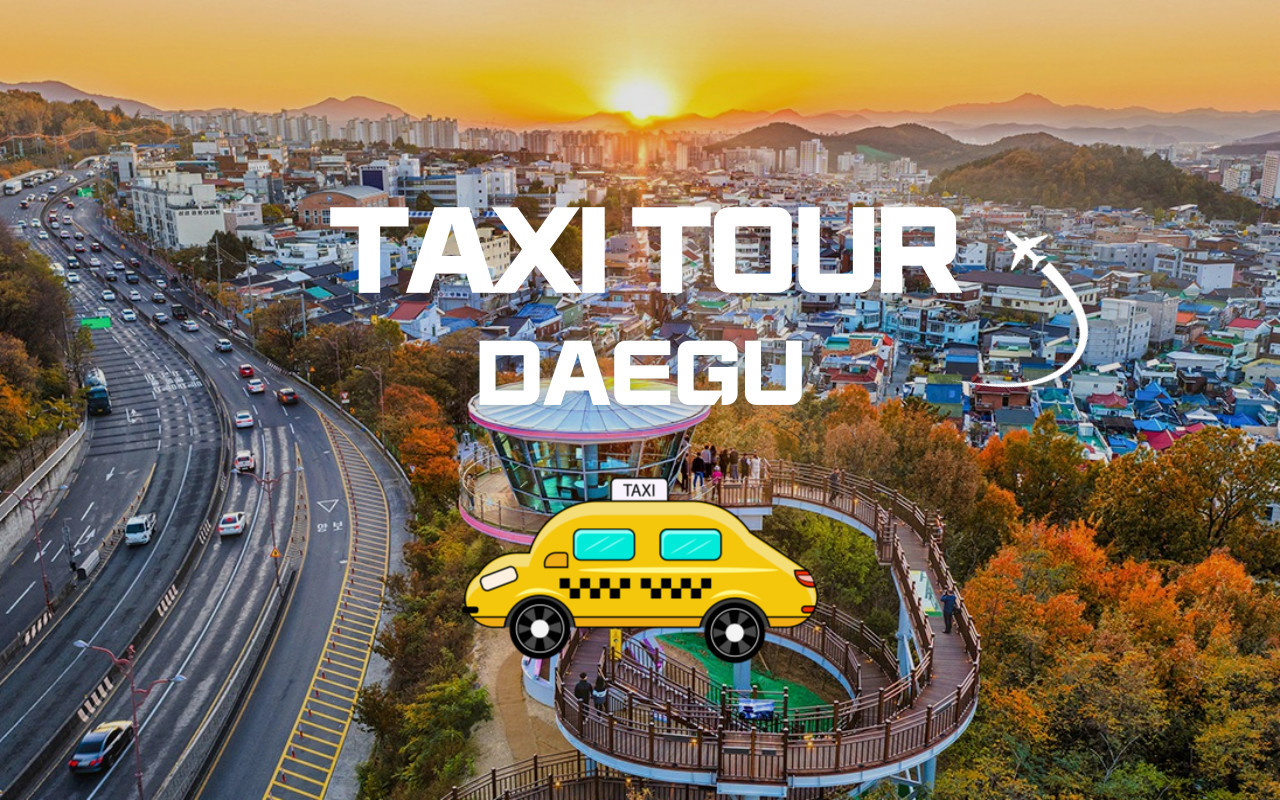
About Daegu
Daegu is known for its rich history, vibrant culture, and hot summers. It's a city where traditional markets meet modern shopping malls, and where you can experience both ancient temples and contemporary art. The city's unique blend of old and new makes it a fascinating destination for travelers.
Top Attractions
Dongseongno Street
Dongseongno Street is a bustling shopping district that blends traditional markets with modern shopping. It's a great place to experience Daegu's vibrant street life and shop for local goods.
Shopping
2-3 hours
Free to explore, prices vary for shopping and food
Apsan Park
Apsan Park is a beautiful park offering panoramic views of Daegu. It's a popular spot for hiking, picnics, and enjoying the city's skyline.
Nature
2-4 hours
Free
Seomun Market
Seomun Market is one of the largest traditional markets in Daegu, offering a wide variety of fresh produce, local delicacies, and traditional goods.
Market
1-2 hours
Free to explore, prices vary for shopping and food
Daegu National Museum
The Daegu National Museum showcases the rich history and culture of the Daegu region through its extensive collection of artifacts and exhibits.
Museum
1-2 hours
Free
E-World
E-World is a popular amusement park offering a variety of rides, games, and attractions. It's a great place for families and thrill-seekers.
Entertainment
4-6 hours
Moderate to Expensive
Must-Try Local Dishes
Tteokbokki
A spicy stir-fried rice cake dish, often served with fish cakes and boiled eggs. Daegu is famous for its unique version of tteokbokki, which is less spicy and has a distinct flavor.
Snack
Contains fish cakes and seafood
Hotteok
A sweet Korean pancake filled with brown sugar, cinnamon, and nuts. It's a popular street food in Daegu, especially during the winter.
Dessert
Vegetarian
Daegu Kalguksu
A traditional Korean noodle soup made with hand-cut wheat flour noodles, beef broth, and vegetables. It's a local specialty and a must-try when in Daegu.
Lunch/Dinner
Contains beef
Popular Activities
Hiking in Palgongsan Mountain
Exploring E-World
Visiting Apsan Park
Enjoying a traditional Korean spa (jjimjilbang)
Exploring historical sites in Gyeongju
Learning about Confucian culture in Andong
Visiting winter festivals
Enjoying hot springs
Best Time to Visit
April to June, September to October
These months offer pleasant weather with comfortable temperatures, making it ideal for exploring the city's attractions. The spring and autumn seasons also bring beautiful foliage and blooming flowers.
15°C to 25°C
59°F to 77°F
Practical Information
Language
- Official: Korean
- Widely spoken: English, Chinese, Japanese
- English: Limited
Currency
South Korean Won (KRW)
Time Zone
GMT+9
Electricity
220VV, 60HzHz
Safety Information
Overall Safety Rating: Generally safe
Daegu is generally safe for travelers, with low crime rates and a welcoming atmosphere. However, as with any destination, it's important to stay aware of your surroundings and take precautions to ensure a safe and enjoyable trip.
Important Precautions:
- • Be cautious of your belongings in crowded areas
- • Use licensed taxis or ride-hailing apps
- • Avoid unlicensed tour guides or services
Getting there
By air
- Daegu International Airport • 8 km from city center
By train
Daegu Station
By bus
Seongseo Bus Terminal, East Daegu Bus Terminal
Getting around
Public transport
The Daegu Metro is efficient and easy to use, with clear signage in English. It's the most convenient way to get around the city.
Taxis
Available • Apps: KakaoTaxi, T-Money taxi
Rentals
Car, Bike, Scooter
Neighborhoods
Jung-gu
Suseong-gu
Dalseo-gu
Buk-gu
Day trips
Gyeongju
100 km • Full day
Gyeongju is an ancient capital of the Silla Dynasty, offering a wealth of historical sites and cultural attractions. It's a must-visit for history buffs and those interested in Korean heritage.
Andong
80 km • Full day
Andong is known as the heart of Korean Confucian culture, offering a variety of traditional experiences and historical sites. It's a great place to learn about Korea's rich cultural heritage.
Palgongsan Mountain
15 km • Half day to Full day
Palgongsan Mountain is a popular hiking destination offering stunning views of Daegu and the surrounding countryside. It's a great place for nature lovers and outdoor enthusiasts.
Festivals
Daegu International Music Festival • September
Daegu Fall Flower Festival • October
Daegu Dano Festival • May
Pro tips
- Learn basic Korean phrases to enhance your experience and interact with locals
- Try local specialties like Daegu-style tteokbokki and hotteok
- Visit traditional markets like Seomun Market for an authentic shopping and dining experience
- Explore the city's cultural attractions, such as the Daegu National Museum and Daegu Opera House
- Take advantage of public transportation, like the Daegu Metro and city buses, to get around the city efficiently
From $25
per person
Price varies by option
Secure booking
Free cancellation available
Instant confirmation


![Boseong Tea Plantation & Suncheon National Garden[Train+Bus]](https://media-cdn.tripadvisor.com/media/attractions-splice-spp-674x446/10/44/dc/f3.jpg)