Andong Customized Private tour with a Licensed tourguide
Active
8h
For a full refund, cancel at least 24 hours before the scheduled departure time.
Instant confirmation
Mobile or paper ticket accepted
About this experience
It's a private tour only for your group.(No shopping) Our certified tourguide accompany you from your place(hotel) to all the trour spots. You can also customize itineraries if you want.
These are most popular tourist attractions in Andong below.
Andong Hahoe Folk Village, Hahoe Mask Museum, Woljeonggyo Bridge, Andong Soju Museum, Bongjeongsa Temple, Dosanseowon Confucian School
Available options
Andong Best Customized Private tour with a Licenced tourguide
Pickup included
What's included
Certified tourguide(Top rating Guide)
pick up and drop off
Roomy vehicle (Hyundai Palisade)
Fuel and parking fee
Detailed itinerary
1
Stop 1
Hahoe is the village where the members of Ryu family which originated from Hahoe Village have lived together for 600 years. The village was listed as a UNESCO World Heritage site in 2010.
The reason for the village name Hahoe(Ha means a river and Hoe means turning around) was that the Nakdong River flows around the village in an S shape.
Hahoe Village has conserved Hahoe Byeolsingut Mask Dance Play performed by the public in general, and Seonyujulbul Nori-a boat ride and fire paly enjoyed by the nobility called Yangban. The village conserves many cultural heritages which show Korean traditional living cultures and ancient architectual styles.
2
Stop 2
It was opened on June 26, 1992. The purpose of its establishment was to investigate, research, preserve, and exhibit the folk culture of the Andong cultural sphere, thereby providing a place for social education for the people and a place for citizens to relax, and to help them understand local culture correctly. It exhibits materials on the history of the Andong region, as well as customs such as weddings, funerals, and traditional games.
3
Byeongsanseowon Confucian Academy originated from Pungakseodang, an educational institution in Pungsan, Andong, from the middle of Goryeo. It is a place where the children of local Confucian scholars gathered to study.
As the 200 years passed, a lot of families were built near Seodang, and roads were built, and as Confucian scholars gathered to look for a place to move Seodang, Seo-ae Ryu Seong-ryong asked the teacher about it when he was in Hahoe after his father's death, and Seo-ae recommended that Byeongsan would be the most appropriate, and Confucian scholars moved Seodang to Byeongsan in 1575 (Seonjo 8) at the will of the teacher and renamed it Byeongsan Seowon.
Byeongsan Seowon played a part in local education and produced many scholars, and was one of the 47 that remained unbroken even when Heungseon Daewongun ordered the abolition of the seowon in 1868 (Gojong 5). (27 Seowon, 20 Saeng)
4
UNESCO World Heritage Site Temple
This place, which has the oldest wooden building in Korea, is a place of pride for all of us, and it is also a place where anyone can come to Bongjeongsa Temple and forget all the fatigue of body and mind, and climb while breathing in the fresh air to their heart’s content.
In February 2000, during the roof repair work of Daeungjeon, a ridgepole inscription confirming the founding year of the temple and an ink inscription indicating that it was made in the late Goryeo Dynasty were discovered on a wooden Buddhist altar inside Daeungjeon.
5
Wooden masks used in Hahoe Pyolshin-Gut T’al-nori (Hahoe Mask Dance Drama) are made of the alder tree. They were first made in the middle period of the Korea dynasty (c.12 C) by Huh doryong. There were originally fourteen of these treasured Masks. Three of these (Chongak [Bridegroom], Byulchae and Ttuckdari-t’al) were lost. Eleven (Imae, Ch’oraengi, Kakshi, Chuji, Paekchong, Halmi, Chung, Yangban, Sonbi and Pune,) have been designated as National Treasure (No. 121). The distinctive characteristics of the Hahoe masks are of formative beauty. Fixed features of the Masks convey the expressions of joyful and pleasant feelings, and of the angry and grievous emotion.
6
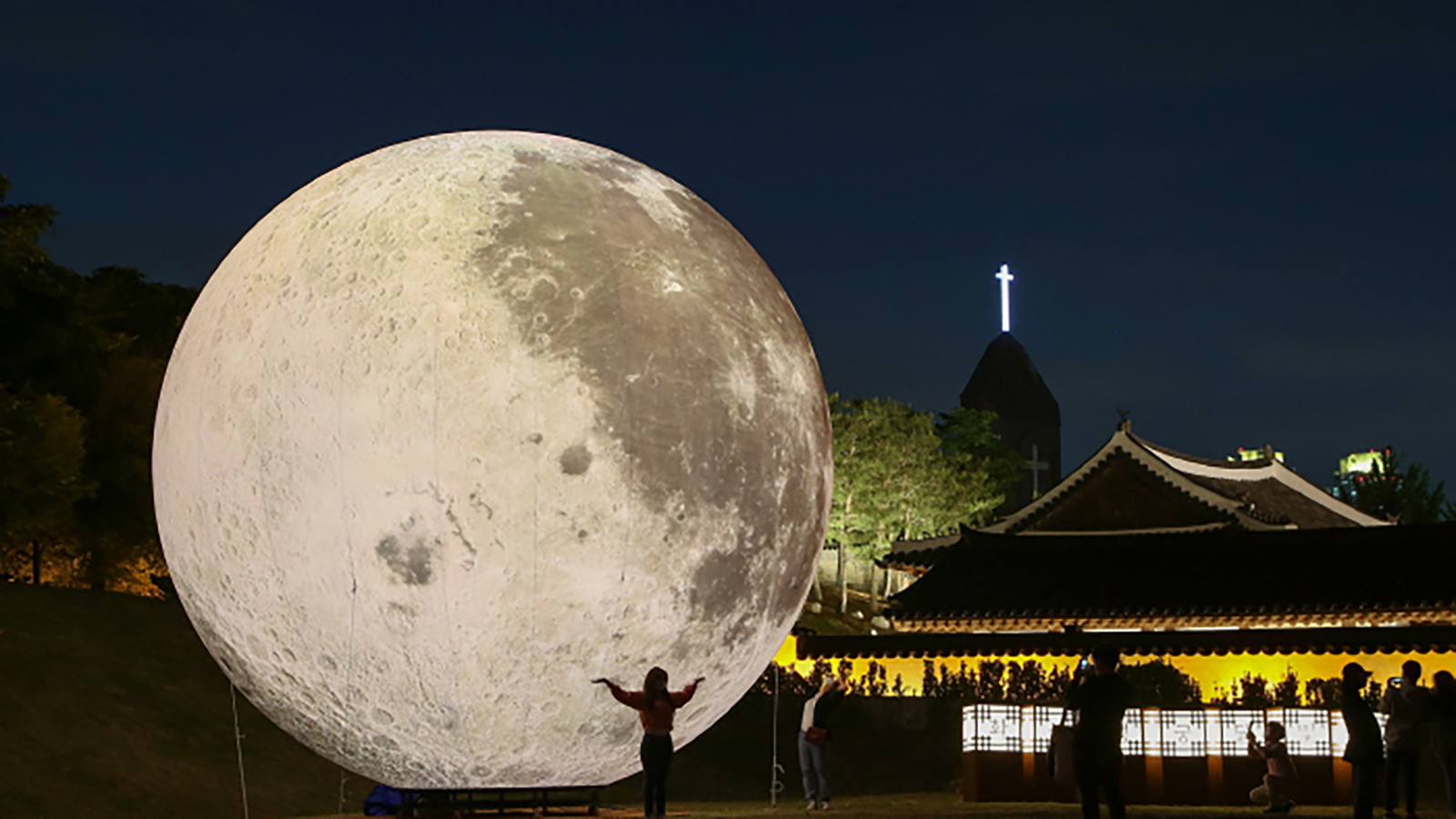
The moon that came down from the sky and floated on the river and penetrated our hearts, the tender moonlight awakens forgotten dreams and becomes the moonlight of the lake again, trying to remain as a beautiful memory. Wolyeonggyo is a sculpture that reveals this natural scenery, but more than that, it wanted to commemorate the beautiful and sublime love of the Lee Eung-tae couple who lived in this area for a long time. The shape of a pair of Mituri made with the wife’s hair for her husband who passed away was included in the shape of this bridge. In order to continue their beautiful and sorrowful love forever, we built this bridge today and climbed on it to sublimate the moonlight of their sublime love into our love and dreams.
What's not included
Lunch
admission fee(4$ per person)
Available languages
Guide guide
KO
EN
ZH-CN
Reviews breakdown
Viator
5.0
2 reviews
5★
2
4★
0
3★
0
2★
0
1★
0
Tripadvisor
5.0
1 reviews
5★
1
4★
0
3★
0
2★
0
1★
0
Important information
Infants are required to sit on an adult’s lap
Not recommended for travelers with poor cardiovascular health
Service animals allowed
Public transportation options are available nearby
Infants and small children can ride in a pram or stroller
Suitable for all physical fitness levels
Meeting point
About South Korea
South Korea is a dynamic and vibrant destination where ancient traditions meet cutting-edge technology. From the bustling streets of Seoul to the serene temples of Jeonju, it offers a rich cultural experience and stunning natural landscapes.
Top Attractions
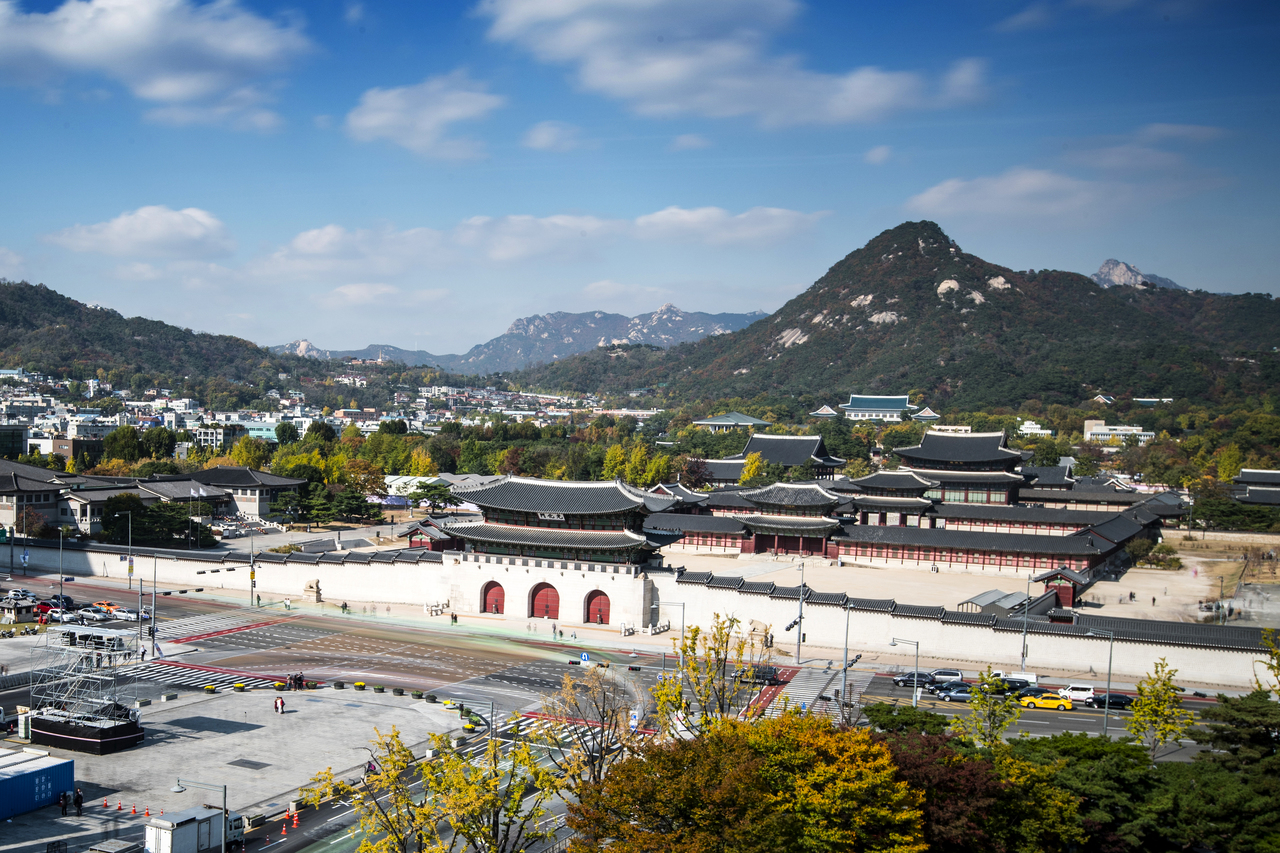
Gyeongbokgung Palace
The largest of the Five Grand Palaces built during the Joseon Dynasty, Gyeongbokgung Palace is a must-visit for its historical significance and beautiful architecture.
Historical
2-3 hours
₩3,000 (adults), Free (traditional costume rental available for ₩5,000)
Bukhan Mountain
Bukhan Mountain is a popular hiking spot near Seoul, offering stunning views of the city and surrounding landscapes.
Nature
Half-day to full day
Free
Jeonju Hanok Village
A traditional Korean village with over 800 hanok (traditional houses), Jeonju Hanok Village is a UNESCO World Heritage site and a great place to experience Korean culture.
Cultural
Full day
Free to explore, ₩5,000-₩10,000 for cultural experiences
Must-Try Local Dishes
Kimchi
Fermented spicy cabbage, a staple in Korean cuisine.
Side dish
Vegan (if made without fish sauce)
Bibimbap
Mixed rice bowl with vegetables, meat, and gochujang sauce.
Lunch/Dinner
Can be made vegetarian or vegan
Bulgogi
Grilled marinated beef, often served with rice and side dishes.
Dinner
Contains meat
Popular Activities
Hiking in national parks
Skiing in winter resorts
Spa and sauna experiences (jjimjilbang)
Tea ceremonies
Traditional hanbok wearing
Korean cooking classes
Surfing in Busan
Boat tours in Jeju Island
Best Time to Visit
Spring (April to June) and Autumn (September to November)
Spring and autumn offer pleasant weather with mild temperatures, making it ideal for outdoor activities and sightseeing. The cherry blossoms in spring and vibrant foliage in autumn are major attractions.
15-25°C
59-77°F
Practical Information
Language
- Official: Korean
- Widely spoken: English, Chinese, Japanese
- English: Moderately spoken in urban areas, limited in rural areas
Currency
South Korean Won (KRW)
Time Zone
GMT+9
Electricity
220VV, 60HzHz
Safety Information
Overall Safety Rating: Generally safe
South Korea is generally safe with low crime rates. However, petty crimes like pickpocketing can occur in tourist areas.
Important Precautions:
- • Be cautious of your belongings in crowded areas
- • Use reputable taxi services or apps like KakaoTaxi
- • Avoid unlicensed tour guides and services
Getting there
By air
- Incheon International Airport • 52 km west of Seoul
- Gimpo International Airport • 15 km west of Seoul
By train
Seoul Station, Busan Station
By bus
Seoul Express Bus Terminal, Busan Central Bus Terminal
Getting around
Public transport
The subway system is efficient, clean, and easy to navigate with English signage. It's the most convenient way to get around Seoul.
Taxis
Available • Apps: KakaoTaxi
Rentals
Car, Bike, Scooter
Neighborhoods
Gangnam
Hongdae
Insadong
Day trips
Nami Island
63 km northeast of Seoul • Half day to full day
A picturesque island known for its beautiful trees and scenic landscapes, featured in the popular drama 'Winter Sonata'.
Everland
40 km south of Seoul • Full day
South Korea's largest theme park, featuring a variety of rides, shows, and attractions.
Suwon Hwaseong Fortress
30 km south of Seoul • Half day to full day
A UNESCO World Heritage site featuring a well-preserved fortress from the Joseon Dynasty.
Festivals
Seoul Lantern Festival • Late November to early December
Busan International Film Festival (BIFF) • Early October
Pro tips
- Learn basic Korean phrases to enhance your travel experience
- Use a T-money card for convenient and discounted public transportation
- Try local street food for an authentic culinary experience
- Visit popular attractions early in the morning to avoid crowds
- Explore lesser-known neighborhoods for a more local experience
From $25
per person
Price varies by option
Secure booking
Free cancellation available
Instant confirmation