Medieval and Roman Paris
Active
2h
For a full refund, cancel at least 24 hours before the scheduled departure time.
Instant confirmation
Mobile or paper ticket accepted
About this experience
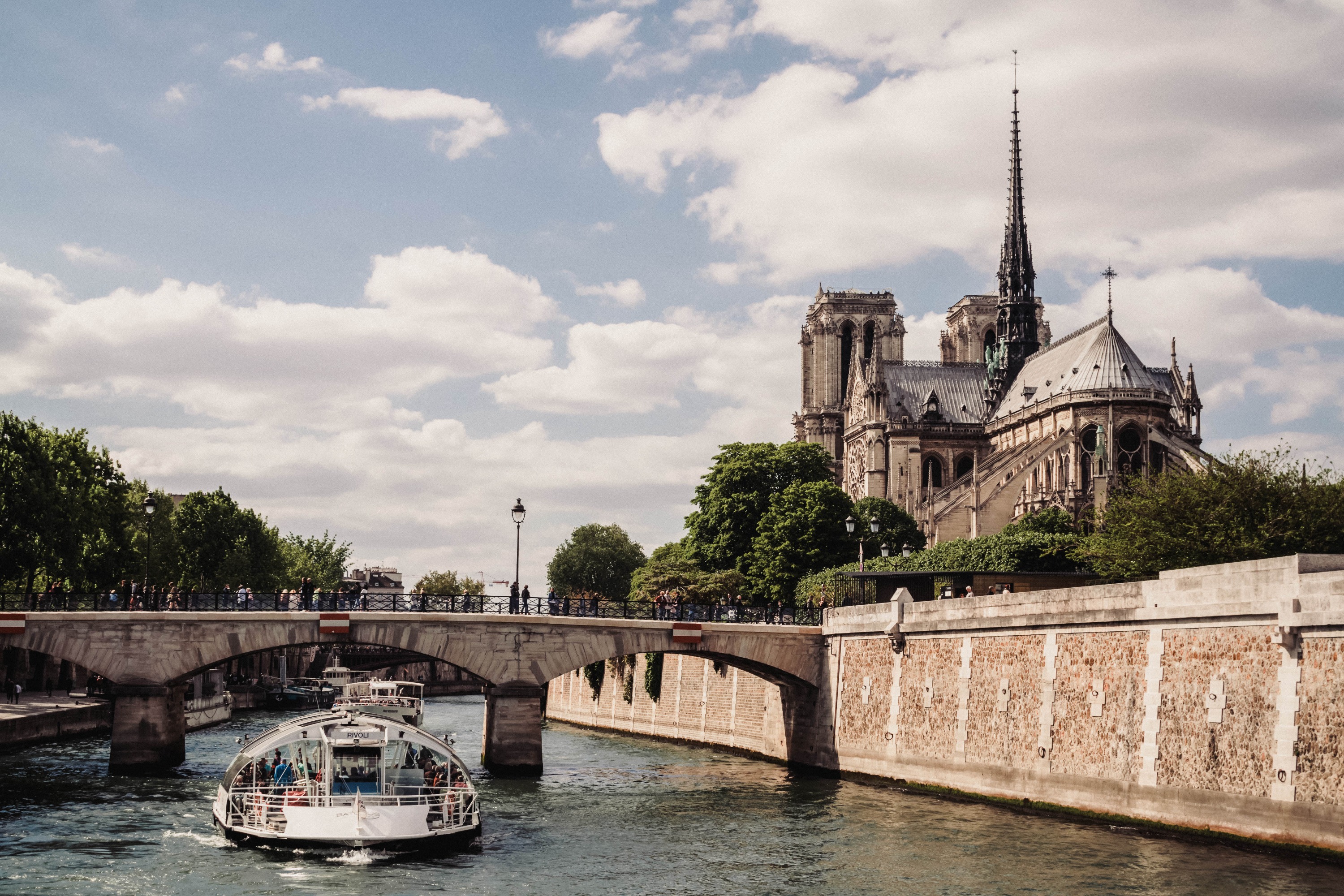
This immersive walking tour begins at the heart of Paris on the Île de la Cité, in the shadow of Notre Dame, where we uncover the origins of Gothic architecture and how wine helped shape and restore the cathedral.
Winding through hidden side streets, the stories shared evoke a tangible spirit of place—connecting you to Paris as it once was. From the Roman Baths at the Hôtel de Cluny to medieval centres of learning like La Sorbonne and the Collège de France, each stop deepens that sense of continuity through time.
History unfolds at St-Étienne-du-Mont, the Panthéon, and remnants of the Philippe Auguste Wall. The rue Mouffetard, once a medieval market route, still pulses with life, echoing its past.
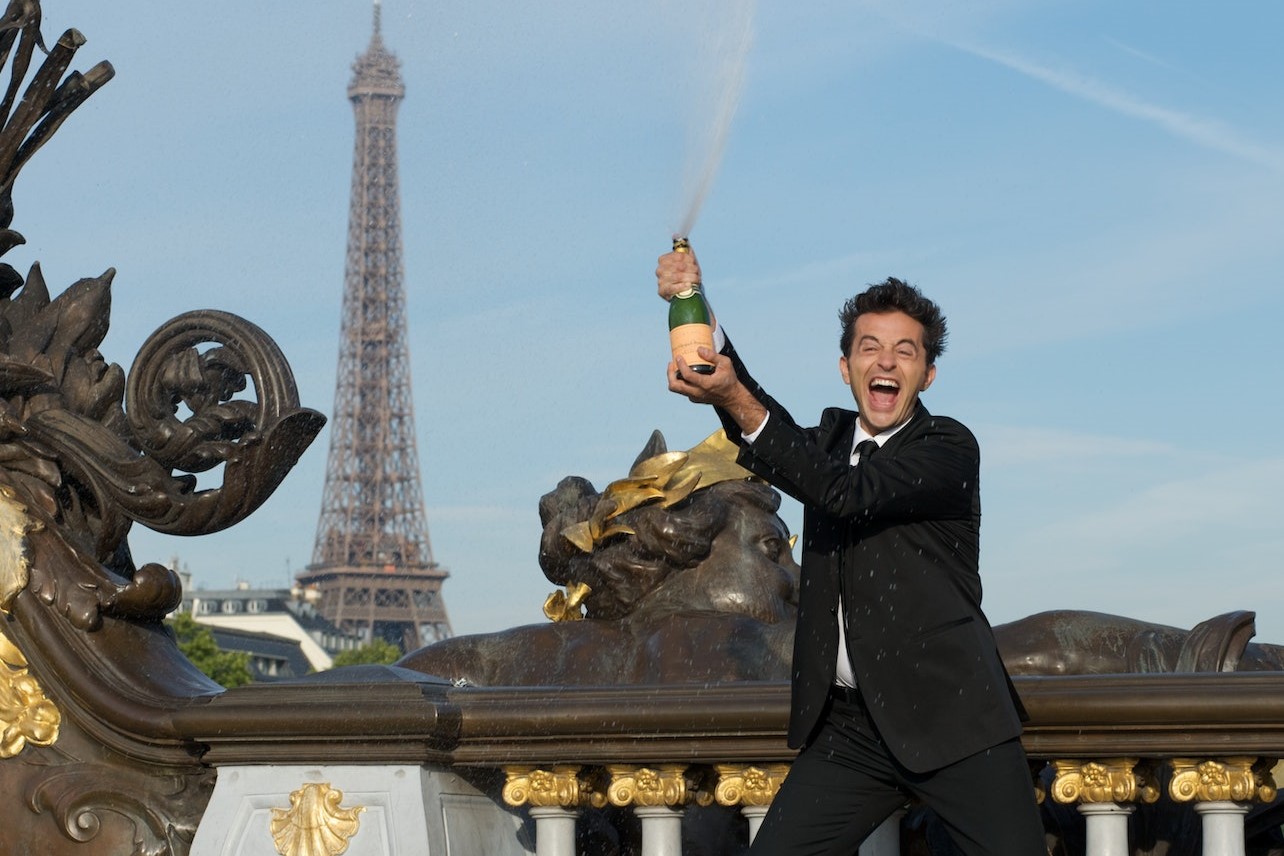
The journey ends at Paris' Roman Arena and a hidden vineyard once owned by the 12th-century Abbaye St-Victor—where Roman roots and medieval traditions quietly endure. You’ll toast this living history with a glass of organic sparkling wine, feeling a lasting connection to the soul of Paris.
Available options
Medieval and Roman Paris
What's included
A glass of sparkling wine, or juice for the abstemious or under age.
Detailed itinerary
1
Stop 1
Join us on a comprehensive overview of Medieval and Roman Paris, and discover how wine built Paris and how gothic architecture owes its existence to wine. Starting at the epicentre of the city on the Île de la Cité and Notre Dame, we learn the real beginning of the gothic style and how wine built and restored Notre Dame. We don't visit Notre Dame, but it is here we begin our tale of Roman and Medieval Paris.
2
The oldest tree in Paris can be found in this square. We also recount the story of Saint Julien le Pauvre, who murdered his parents, but still became a saint...
3
We don't enter this Byzantine style church, but admire it from the outside.
4
This church was originally frequented by students of the Sorbonne University.
5
Stop 5
The ruins of the Roman baths can be seen on the Saint Michel side of the Cluny Museum. The Cluny Museum itself has one of the world's most comprehensive collections of Medieval artefacts, including the tapestry series of 'The Lady and the Unicorn'.
6
Stop 6
We stop by the statue of Michel de Montaigne (who famously invented the essay) to recount the history of La Sorbonne University.
7
We pass by the statue of Dante Alighieri, the College de France, the Clos Bruneau, the Placette Jacqueline de Romilly, the Ecole Polytechnique and the Montagne Saint-Genevieve before reaching the Church of Saint-Etienne-du-Mont where we talk about the stain glass and 'Midnight in Paris'.
8
Stop 8
The Pantheon, which was once a church, became a mausoleum for 'the great men of France', seven of whom are women. It was also here that Foucault proved the rotation of the Earth with a pendulum.
9
A vestige of the 12th century wall of Philippe August can be seen on the rue Clovis. We can also see the Scottish College on the rue Cardinal Lemoine and the address where James Joyce finished writing Ulysses. Farther up the street we also see where Ernest Hemingway lived.
10
Once surrounded with vines, this square has been a meeting and drinking place since the Middle Ages. The lively, animate atmosphere of this picturesque square has carried on without interruption. It is also where La Pleiade, a group of French writers decided to stop writing in Latin and popularised the idea of writing in French.
11
On the pedestrian rue Rollin, we pay tribute to Rene Descartes who famously said, 'Dubito, cogito, ergo sum'. We carry on to Paris' Roman Arena, which is nearly 2000 years old. A vineyard called the Clos des Arenes existed here in the Middle Ages and has been revived with vines now planted on three slopes of the gradients that once hosted the thousands of spectators who came here to watch gladiatorial combat and nautical jousting matches.
What's not included
Participants must make their own way to the meeting point and for the return.
Available languages
Guide guide
EN
FR
Reviews breakdown
Viator
5.0
1 reviews
5★
1
4★
0
3★
0
2★
0
1★
0
Important information
Wheelchair accessible
Infants and small children can ride in a pram or stroller
Service animals allowed
Public transportation options are available nearby
Transportation options are wheelchair accessible
All areas and surfaces are wheelchair accessible
Not recommended for travelers with spinal injuries
Not recommended for travelers with poor cardiovascular health
Travelers should have at least a moderate level of physical fitness
Meeting point
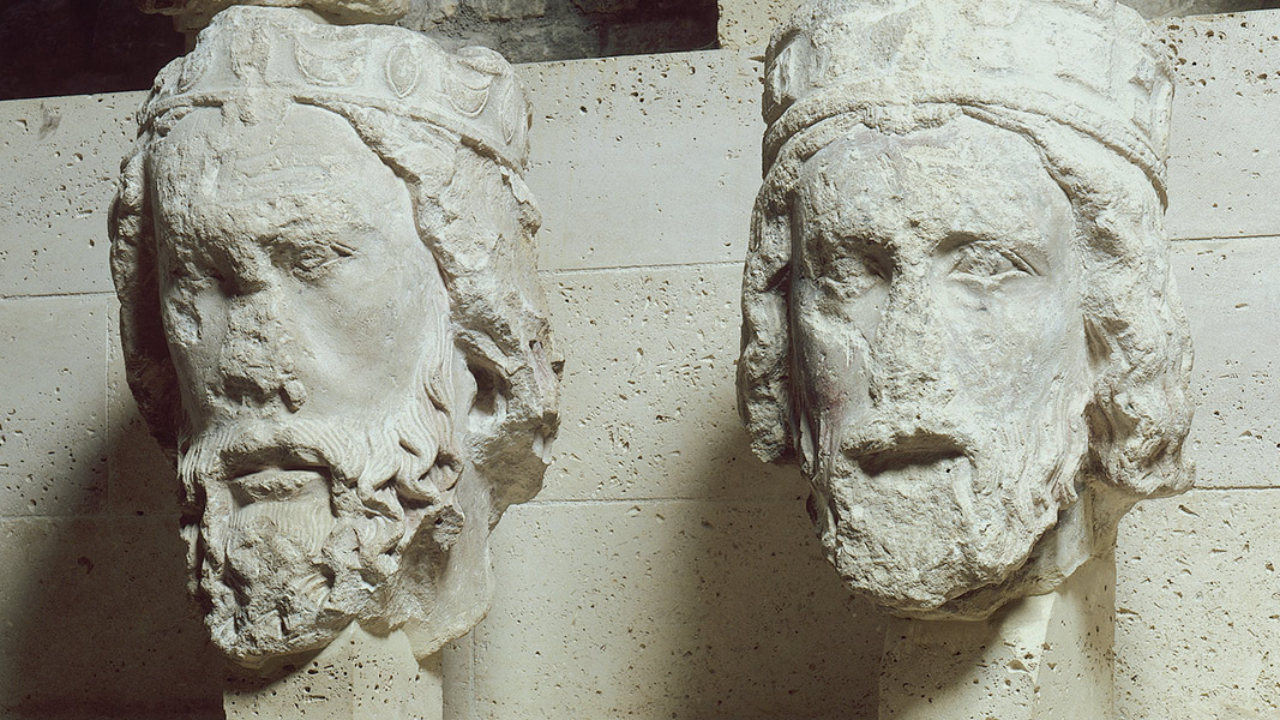
We meet by the statue of Charlemagne, which is on the Seine side of the square, to the right when facing Notre Dame. The closest metro is Cite, Cluny la Sorbonne, or RER Saint Michel.
About Paris
Paris, the capital of France, is a city steeped in history, art, and romance. Known for its iconic landmarks, world-class museums, and charming neighborhoods, Paris offers a unique blend of timeless elegance and modern vibrancy. From the Eiffel Tower to the Louvre, the city is a treasure trove of cultural and historical gems.
Top Attractions
Eiffel Tower
The Eiffel Tower is Paris's most iconic landmark and a symbol of France. Built in 1889 for the World's Fair, it offers breathtaking views of the city.
Architecture
2-3 hours
€17.10-€26.80 (depending on the level)
Louvre Museum
The Louvre is the world's largest art museum and a historic monument in Paris. It houses thousands of works of art, including the Mona Lisa and the Venus de Milo.
Museum
3-4 hours
€17 (full price), free for under 18s and EU residents under 26
Notre-Dame Cathedral
Notre-Dame is a masterpiece of French Gothic architecture and one of the most famous cathedrals in the world. It has been undergoing restoration since the 2019 fire.
Historical/Religious
1-2 hours
Free (towers and crypts may have reopening fees in the future)
Montmartre
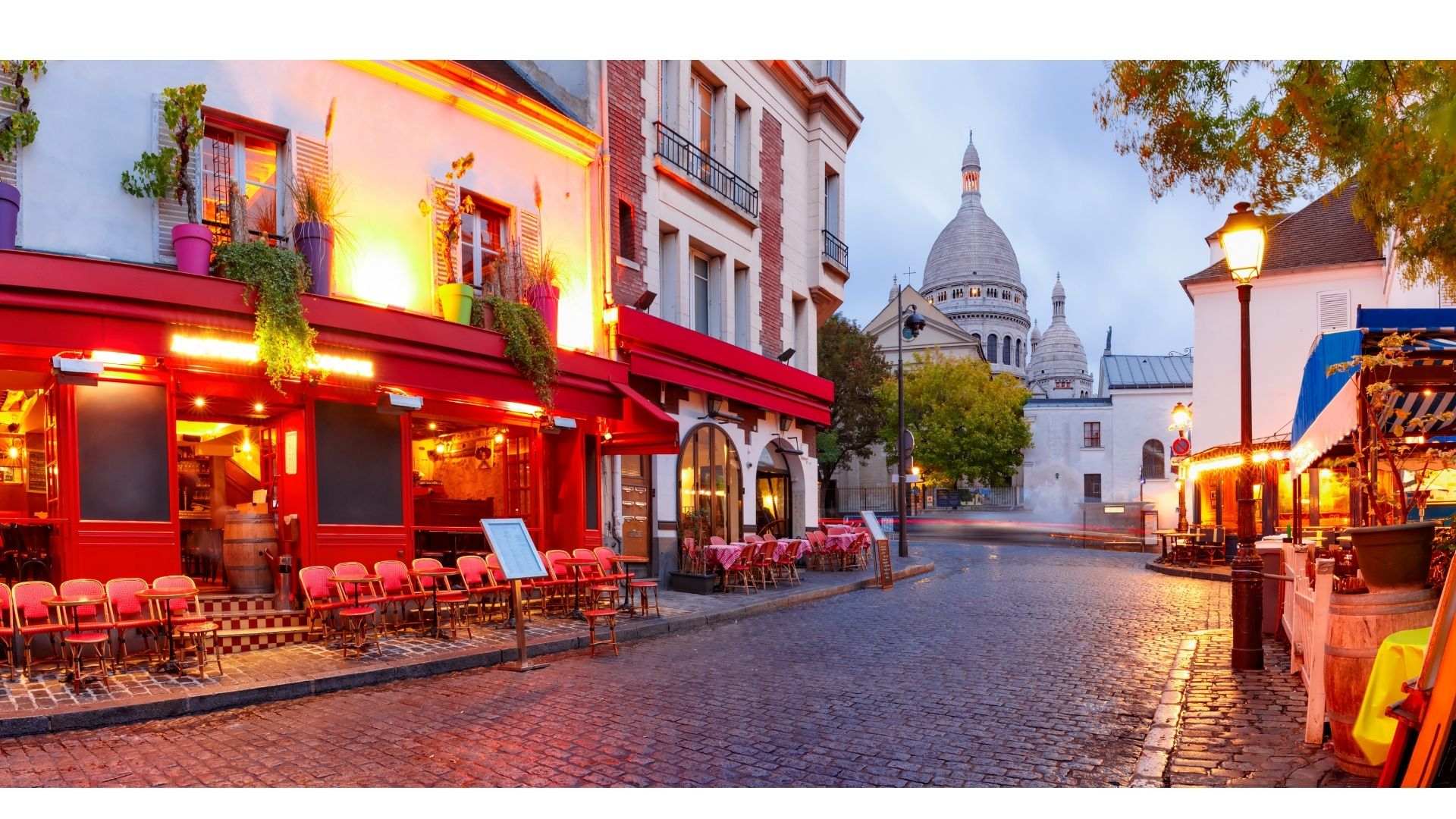
Montmartre is a historic and artistic district known for its bohemian past, charming streets, and the stunning Sacré-Cœur Basilica.
Cultural
Half-day
Free to explore (Sacré-Cœur dome visit €6)
Palace of Versailles
The Palace of Versailles is a grand royal château and garden located just outside of Paris. It was the principal royal residence of France from 1682 to 1790.
Historical
Full day
€18-€28 (depending on the pass)
Must-Try Local Dishes
Croissant
A buttery, flaky pastry made from laminated dough. Best enjoyed fresh from a local bakery.
Breakfast
Contains gluten and dairy
Baguette
A long, thin loaf of French bread with a crispy crust and soft interior. Often served with cheese or ham.
Breakfast/Lunch
Contains gluten
Steak Frites
A classic French dish consisting of steak and French fries, usually served with a side of salad and béarnaise sauce.
Lunch/Dinner
Contains gluten (if served with fries) and meat
Crêpes
Thin pancakes that can be filled with a variety of sweet or savory ingredients, such as Nutella, cheese, or ham.
Snack/Dessert
Can be made gluten-free and vegetarian/vegan options available
Popular Activities
Hot air balloon rides
Rock climbing in Fontainebleau forest
Kayaking on the Seine
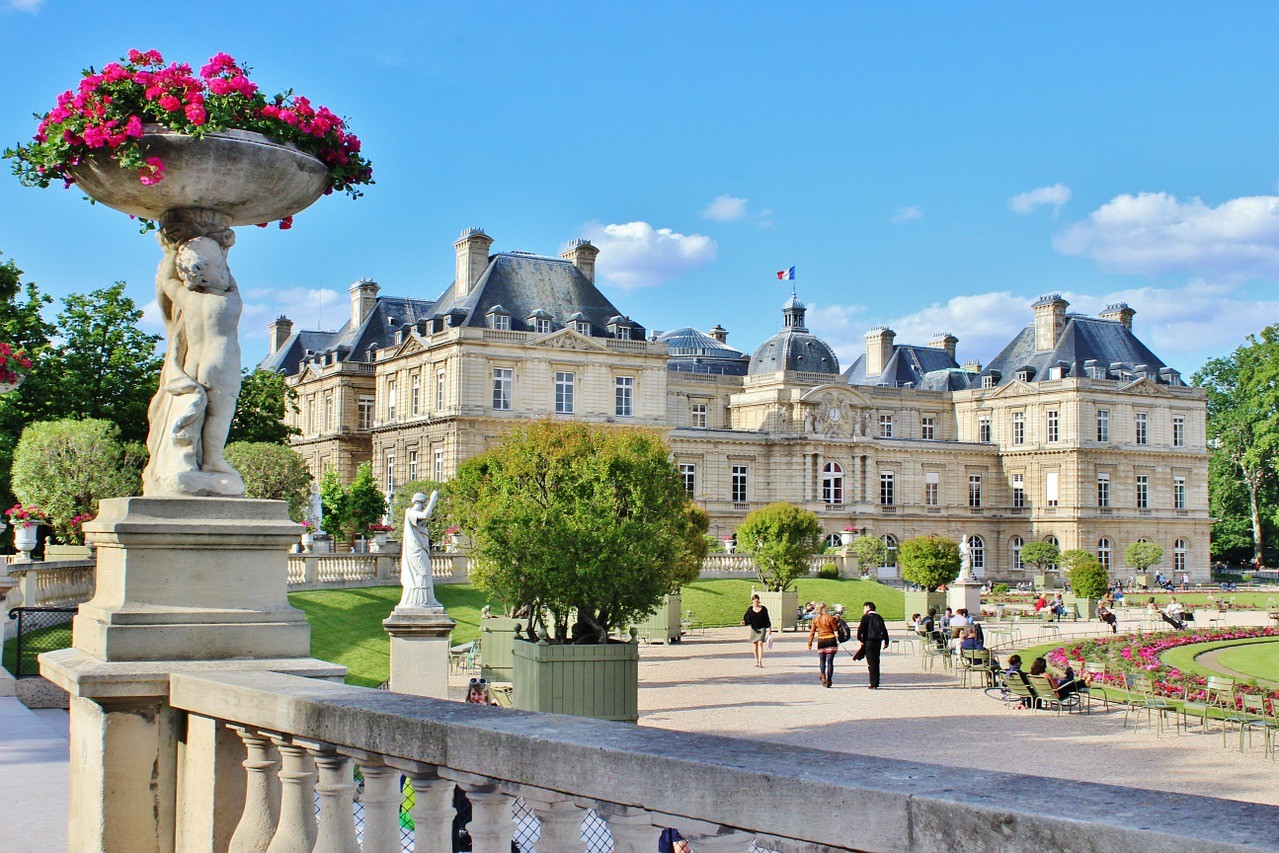
Picnicking in the Luxembourg Garden
Boat tours on the Seine
Spa day at a luxury hotel
Visiting museums and galleries
Attending a cabaret show
Best Time to Visit
June to August
Summer is the peak tourist season in Paris, with warm weather and long daylight hours. This is the best time to enjoy outdoor activities and festivals. However, it's also the busiest and most expensive time to visit.
15°C to 25°C (59°F to 77°F)
59°F to 77°F
Practical Information
Language
- Official: French
- Widely spoken: English, Spanish, Arabic, Portuguese
- English: Moderately spoken
Currency
Euro (EUR)
Time Zone
GMT+1 (Central European Time, CET), GMT+2 (Central European Summer Time, CEST) during daylight saving time
Electricity
230VV, 50HzHz
Safety Information
Overall Safety Rating: Generally safe
Paris is generally safe for travelers, but pickpocketing and petty theft can be a problem in tourist areas. Be aware of your surroundings and take precautions to protect your belongings.
Important Precautions:
- • Keep valuables secure and out of sight
- • Be cautious of pickpockets in crowded areas and on public transport
- • Use licensed taxis or ride-sharing services
Getting there
By air
- Charles de Gaulle Airport • 25 km (15.5 miles) from city center
- Orly Airport • 14 km (8.7 miles) from city center
By train
Gare du Nord, Gare de Lyon
By bus
Bercy Seine, Porte Maillot
Getting around
Public transport
The Paris Metro is one of the most efficient and extensive subway systems in the world, covering all major attractions and neighborhoods.
Taxis
Available • Apps: Uber, G7
Rentals
Car, Bike, Scooter
Neighborhoods
Le Marais
Montmartre
Latin Quarter
Saint-Germain-des-Prés
Champs-Élysées
Day trips
Versailles
17 km (10.5 miles) from Paris • Full day
The Palace of Versailles is a grand royal château and garden located just outside of Paris. It was the principal royal residence of France from 1682 to 1790 and is famous for its opulent interiors and vast gardens.
Giverny
75 km (47 miles) from Paris • Half day to full day
Giverny is a charming village known as the home of the famous impressionist painter Claude Monet. The village is home to Monet's House and Gardens, which inspired many of his most famous works.
Château de Fontainebleau
55 km (34 miles) from Paris • Full day
The Château de Fontainebleau is a grand royal château and park located just outside of Paris. It was a residence of the French monarchs from Louis VII to Napoleon III and is known for its beautiful architecture and vast forests.
Festivals
Fête de la Musique • June 21st (annual)
Paris Fashion Week • February and September (annual)
Nuit Blanche • First Saturday in October (annual)
Pro tips
- Learn a few basic French phrases to enhance your experience and show respect for the local culture
- Use public transport, walk, or bike to get around the city and avoid traffic and parking issues
- Consider purchasing a Paris Museum Pass or a multi-day public transport pass to save money on attractions and transport
- Explore the city's many neighborhoods and hidden gems, not just the major tourist attractions
- Try local specialties and enjoy the dining experience slowly and leisurely
From $25
per person
Price varies by option
Secure booking
Free cancellation available
Instant confirmation