Stone Town Historical Walking Tour with Typically Swahili Lunch
Active
4h
For a full refund, cancel at least 24 hours before the scheduled departure time.
Instant confirmation
Mobile or paper ticket accepted
About this experience
Discover the magic of Stone Town, a UNESCO World Heritage Site that pulses with rich history, vibrant culture, and stunning architecture. Here’s why you should join a Stone Town tour on your next adventure:
Historical Treasures: Wander through narrow, winding streets lined with beautifully preserved buildings showcasing a blend of Swahili, Arab, Persian, Indian, and European influences. Visit iconic sites like the House of Wonders, the Old Fort, and the Sultan's Palace, each with its own captivating story.
Cultural Immersion: Experience the lively local culture at the Darajani Market, where the sights and sounds of daily life come alive. Engage with friendly locals, sample fresh spices, and shop for unique crafts that reflect the island's rich heritage.
Join us for a Stone Town tour and immerse yourself in the heart of Zanzibar! this experience will leave you with unforgettable memories and a deeper appreciation for this enchanting island. Don’t miss out—book your tour today!
Available options
Stone Town Historical Walking Tour with Typically Swahili Lunch
What's included
Tour guide
Bottled water
Slave Market entrance fees
Lunch
Detailed itinerary
1
Historical Significance: Built in 1883, it served as the palace of Sultan Barghash bin Said. It was the first building in East Africa to have electricity and an elevator.
Architectural Style: The structure showcases a blend of Swahili, Arab, and European architectural influences, featuring intricate wooden carvings and expansive verandas.
Cultural Center: Today, it functions as a museum, offering insights into Zanzibar's history, culture, and the spice trade. It hosts various exhibitions and events.
Location: Situated in Stone Town, a UNESCO World Heritage Site, it provides stunning views of the harbor and the surrounding area.
Renovation and Preservation: The House of Wonders has undergone significant restoration to preserve its historical value and to enhance its role as a cultural hub.
2
Stop 2
The Old Fort, also known as Ngome Kongwe, is a historic structure located in Stone Town, Zanzibar. Built in the late 17th century by the Omani Arabs to defend against the Portuguese, it’s one of the oldest buildings in Zanzibar. The fort features coral stone walls, intricate arches, and a large courtyard that often hosts cultural events and festivals.
Today, the Old Fort is not only a historical landmark but also a vibrant cultural center, showcasing local art, crafts, and performances. Its proximity to the vibrant markets and other historic sites makes it a popular spot for visitors exploring the rich heritage of Zanzibar.
3
The Freddie Mercury Museum, located in Stone Town, Zanzibar, is a tribute to the legendary Queen frontman, Freddie Mercury, who was born Farrokh Bulsara in Zanzibar in 1946. The museum is situated in a building that reflects the architectural style of the era and showcases memorabilia related to Mercury's life and career.
Inside, visitors can explore a collection of photographs, personal items, and exhibits that celebrate both his music and his connection to Zanzibar. The museum captures Mercury's early years in the island, offering insights into his upbringing and influences that shaped him as an artist.
In addition to the exhibits, the museum is a great spot for fans of Queen to celebrate his legacy and learn more about the cultural impact he had worldwide. The museum also serves as a reminder of Zanzibar’s rich history and its role in shaping the life of one of rock music's most iconic figures. If you’re a fan of Freddie Mercury or Queen, it’s definitely a must-visit!
4
The Slave Market Museum in Zanzibar, located in Stone Town, is a powerful reminder of the island's tragic history of the slave trade. Housed in the former slave market, the museum features original holding cells where enslaved individuals were kept, providing a stark glimpse into their harrowing experiences.
Exhibits include artifacts, photographs, and documents that illustrate the brutality of the trade and its profound impact on Zanzibar and beyond. The museum also emphasizes the abolition of slavery and efforts towards healing and remembrance.
Visiting this museum is a deeply moving experience that highlights the resilience of the human spirit and the ongoing importance of human rights. It serves as an essential educational resource for understanding the complex legacy of the region, making it a must-visit for anyone exploring Zanzibar.
5
The Tanzanite Museum in Zanzibar is a fascinating showcase dedicated to the stunning gemstone, tanzanite, which is known for its vibrant blue-violet hues. Located in the heart of Stone Town, the museum offers visitors a unique opportunity to learn about the gem's origins, discovered in Tanzania in 1967, and its significance in the world of gemstones.
Exhibits feature exquisite jewelry pieces, rough stones, and informative displays detailing the mining process and the gem's geological formation. Visitors can also explore the cultural impact of tanzanite on local communities and its rising popularity in global markets.
With knowledgeable staff to guide you, the museum creates an engaging experience for gem enthusiasts and tourists alike, making it a must-visit attraction in Zanzibar. Whether you're a collector or simply curious, the Tanzanite Museum is a treasure trove of beauty and history.
6
Stop 6
Darajani Market, located in the heart of Stone Town, Zanzibar, is a vibrant and bustling marketplace that offers a true taste of local life. It's a sensory delight, filled with the sights, sounds, and aromas of Zanzibar's diverse culture. Here, visitors can explore a wide array of fresh produce, spices, seafood, and traditional crafts.
The market is particularly famous for its spices, reflecting Zanzibar's nickname, "Spice Island." You'll find everything from fragrant cloves and nutmeg to exotic fruits and vegetables. In addition to food, local artisans sell handcrafted goods, including textiles and jewelry.
Visiting Darajani Market is an immersive experience where you can interact with friendly vendors and soak in the lively atmosphere. It's an ideal spot to sample local cuisine, making it a must-visit for anyone looking to connect with the vibrant culture of Zanzibar.
7
Lukmaan Swahili Cuisine Restaurant in Zanzibar is a beloved dining spot renowned for its authentic local dishes and vibrant atmosphere. Located in Stone Town, the restaurant offers a true taste of Swahili culinary traditions, showcasing the rich flavors and ingredients of the region.
The menu features a delightful array of dishes, including PIlau rice, Samosa, Plantain, Chapati and Sea food curry ensuring that every meal is bursting with freshness and authenticity.
Lukmaan is popular among both locals and tourists, providing a casual and welcoming environment. The restaurant's open-air seating allows guests to enjoy their meals while soaking in the lively ambiance of the surrounding area. With generous portions and affordable prices, Lukmaan is a must-visit for anyone looking to experience the true essence of Zanzibar's culinary heritage.
What's not included
Alcoholic Beverages
Available languages
Guide guide
DE
EN
IT
FR
ES
Important information
Wheelchair accessible
Infants and small children can ride in a pram or stroller
Specialized infant seats are available
Transportation options are wheelchair accessible
All areas and surfaces are wheelchair accessible
Not recommended for travelers with poor cardiovascular health
Suitable for all physical fitness levels
Meeting point
Once you arrive in Stone Town, find Forodhani Park, beside Forodhani Park you will find the building with Cannon and there is a slogan which is written The Old fort that is our meeting point.
About Zanzibar
Zanzibar is a tropical paradise known for its white-sand beaches, turquoise waters, and rich cultural heritage. This semi-autonomous region of Tanzania offers a unique blend of African, Arab, and Indian influences, making it a fascinating destination for history buffs and beach lovers alike.
Top Attractions
Stone Town
The heart of Zanzibar, Stone Town is a UNESCO World Heritage site with narrow alleys, historic buildings, and vibrant markets.
Historical
Half day to full day
Free to explore, attractions vary
Prison Island
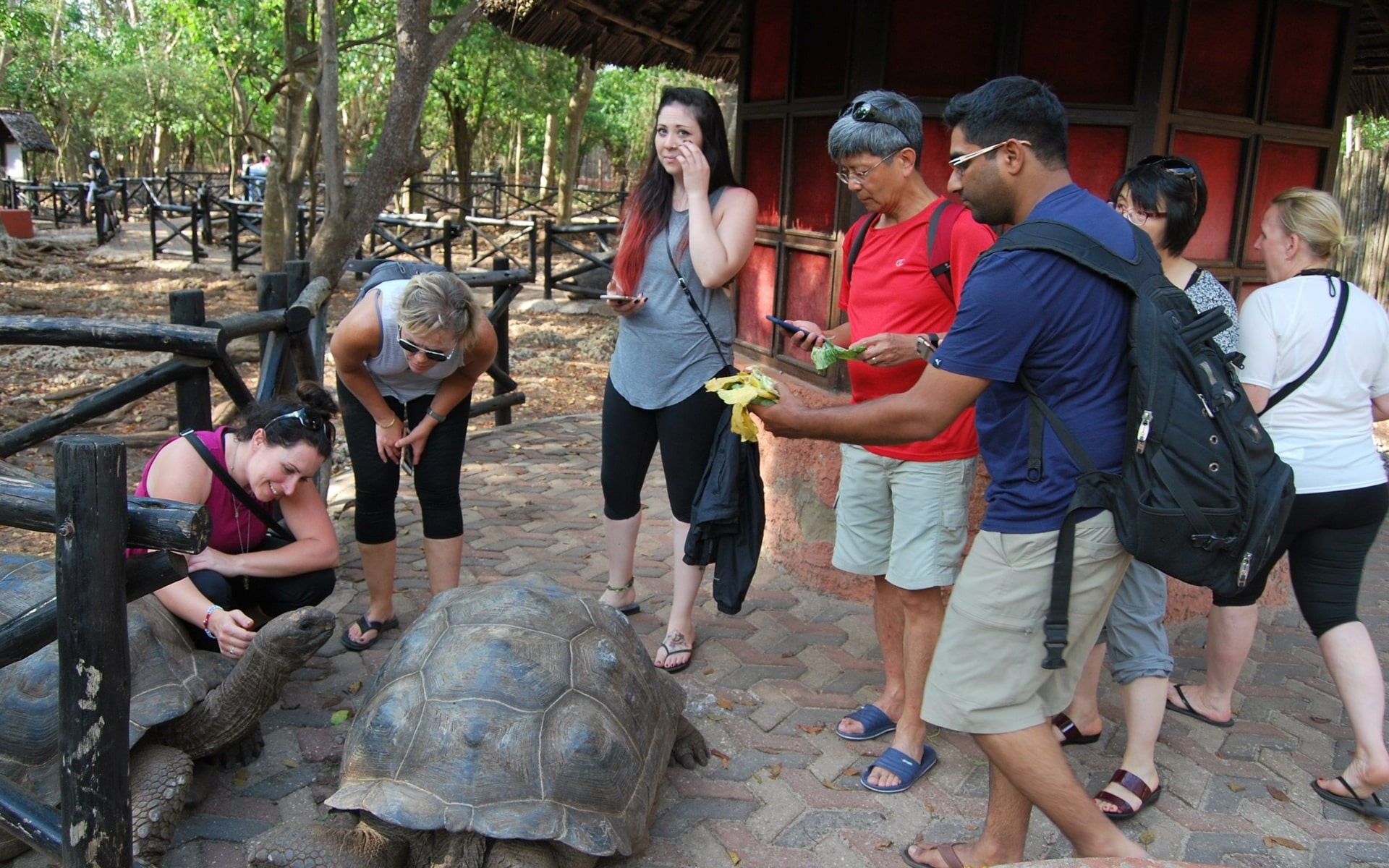
A small island known for its giant Aldabra tortoises and historical significance as a former slave prison.
Historical/Nature
Half day
Moderate (entry fee and boat ride)
Nungwi Beach
One of Zanzibar's most famous beaches, known for its white sand, clear waters, and vibrant nightlife.
Beach
Full day
Free to access, activities vary
Jozani Forest
Zanzibar's only national park, home to the rare Red Colobus monkey and diverse birdlife.
Nature
Half day
Moderate (entry fee and guide)
Kizimkazi
A historic village known for its ancient mosques and dolphin tours.
Cultural
Half day
Moderate (dolphin tour fee)
Must-Try Local Dishes
Urojo
A spicy Zanzibari soup made with cassava, potatoes, and sometimes meat or seafood, served with coconut and chili sauce.
Snack
Vegetarian option available
Coconut Rice
Rice cooked with coconut milk, often served with fish or meat.
Main
Vegetarian option available
Zanzibar Pizza
A local street food item made with a thin, flaky pastry filled with eggs, meat, and vegetables, cooked on a griddle.
Snack
Customizable to dietary preferences
Biriyani
A fragrant rice dish cooked with spices, meat, and sometimes vegetables, influenced by Indian cuisine.
Main
Vegetarian option available
Popular Activities
Snorkeling
Diving
Island hopping
Spice tours
Dolphin tours
Beach relaxation
Sunset cruises
Spa treatments
Best Time to Visit
June to October
This is the dry season with plenty of sunshine and minimal rainfall, making it ideal for beach activities and exploring the island.
25-30°C
77-86°F
Practical Information
Language
- Official: Swahili, English
- Widely spoken: Arabic, Indigenous languages
- English: Moderately spoken
Currency
Tanzanian Shilling (TZS)
Time Zone
GMT+3
Electricity
230VV, 50HzHz
Safety Information
Overall Safety Rating: Generally safe
Zanzibar is generally safe for tourists, but petty crime and scams can occur. Use common sense and take precautions to ensure a safe trip.
Important Precautions:
- • Use reputable tour operators and taxi services.
- • Avoid walking alone at night, especially in isolated areas.
- • Be cautious of strangers offering unsolicited help or services.
Getting there
By air
- Abeid Amani Karume International Airport • 5 km from Stone Town
Getting around
Public transport
Affordable but can be crowded. Useful for reaching popular destinations.
Taxis
Available • Apps: None widely used
Rentals
Car, Bike, Scooter
Neighborhoods
Stone Town
Nungwi
Kendwa
Jambiani
Day trips
Pemba Island
100 km • Full day to overnight
Known for its pristine beaches, coral reefs, and spice plantations, Pemba Island offers a more secluded and adventurous experience.
Chumbe Island
12 km • Full day
A small island known for its coral reef sanctuary and lighthouse, offering excellent snorkeling and diving opportunities.
Mafia Island
150 km • Overnight
Known for its remote beaches, excellent fishing, and whale shark sightings, Mafia Island offers a more secluded and adventurous experience.
Festivals
Zanzibar International Film Festival (ZIFF) • July
Mwaka Kogwa • July
Zanzibar Carnival • June
Pro tips
- Learn a few basic Swahili phrases to enhance your interactions with locals.
- Hire a local guide for spice tours and historical sites to gain deeper insights.
- Visit the Forodhani Gardens night market for a taste of local street food.
- Book a sunset cruise for a romantic and memorable experience.
- Explore the island's diverse regions, from the bustling Stone Town to the serene beaches of Kendwa and Jambiani.
From $25
per person
Price varies by option
Secure booking
Free cancellation available
Instant confirmation




![[Great Value Chinese/English/Japanese] Windsor Castle, Bath, Stonehenge Day Trip from London](https://res.klook.com/image/upload/activities/nmwgilev7h44rznygqzp.jpg)