Private half day Tour in Athens with a pick up
Active
5h
For a full refund, cancel at least 24 hours before the scheduled departure time.
Instant confirmation
Mobile or paper ticket accepted
About this experience
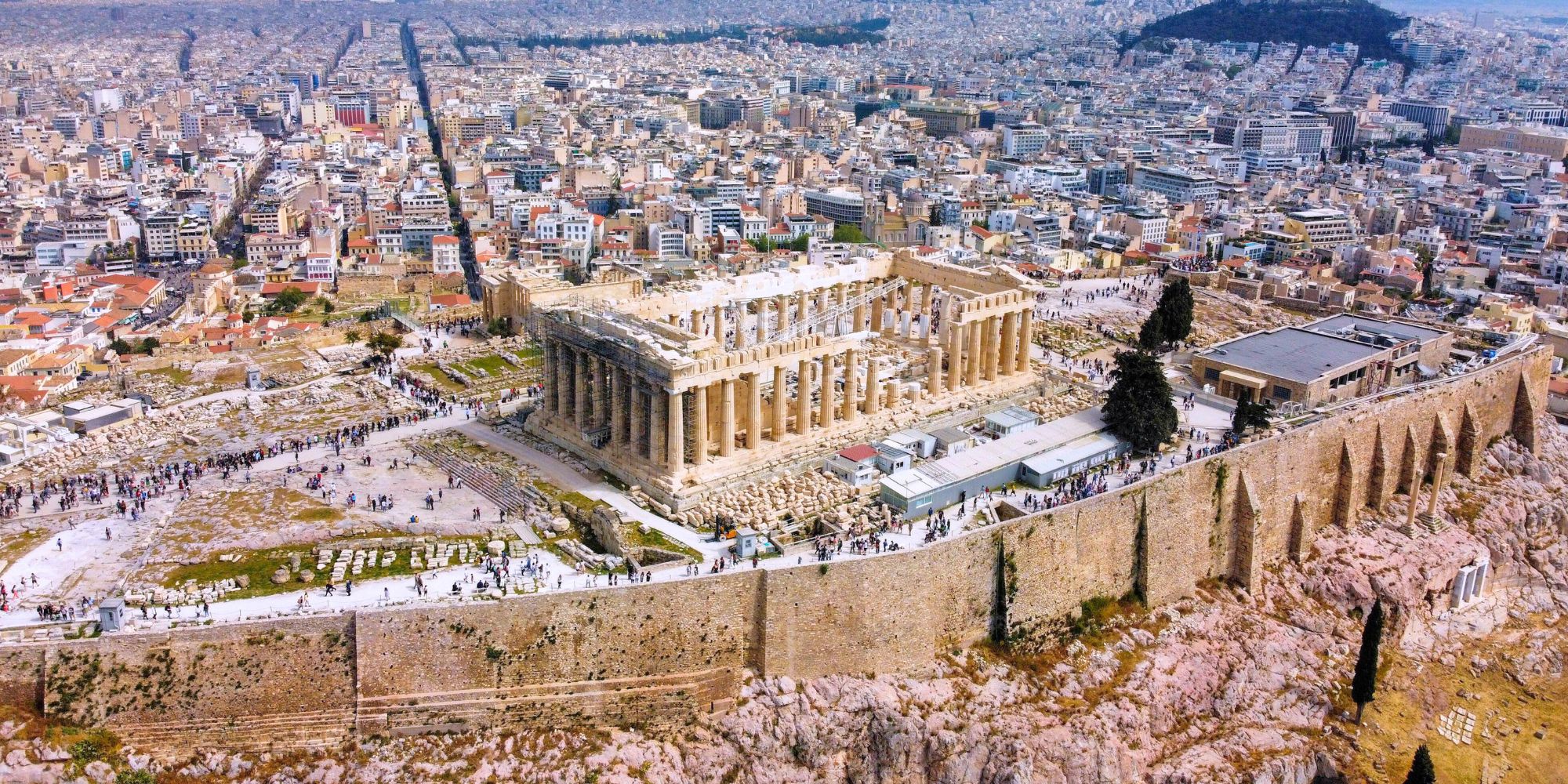
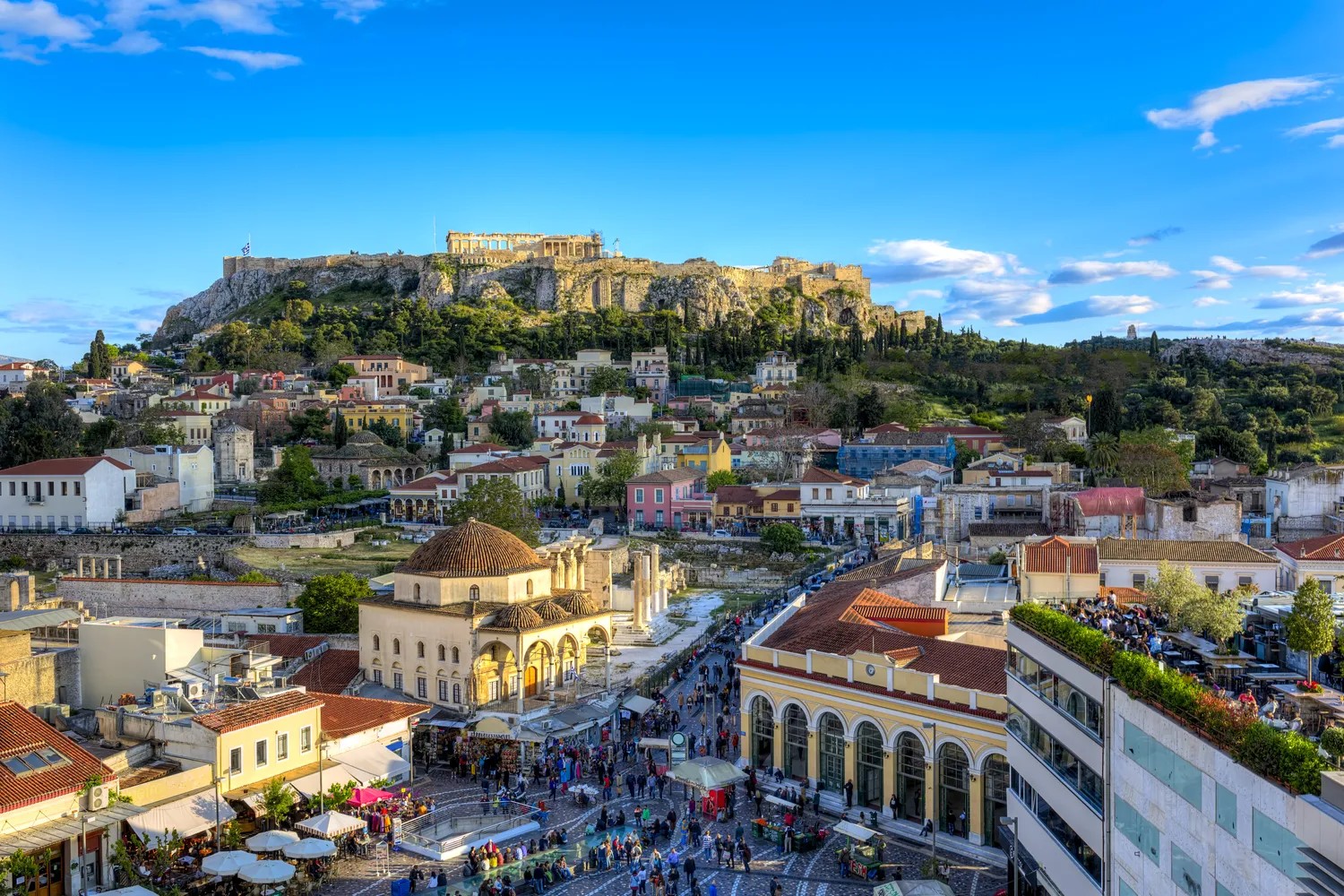
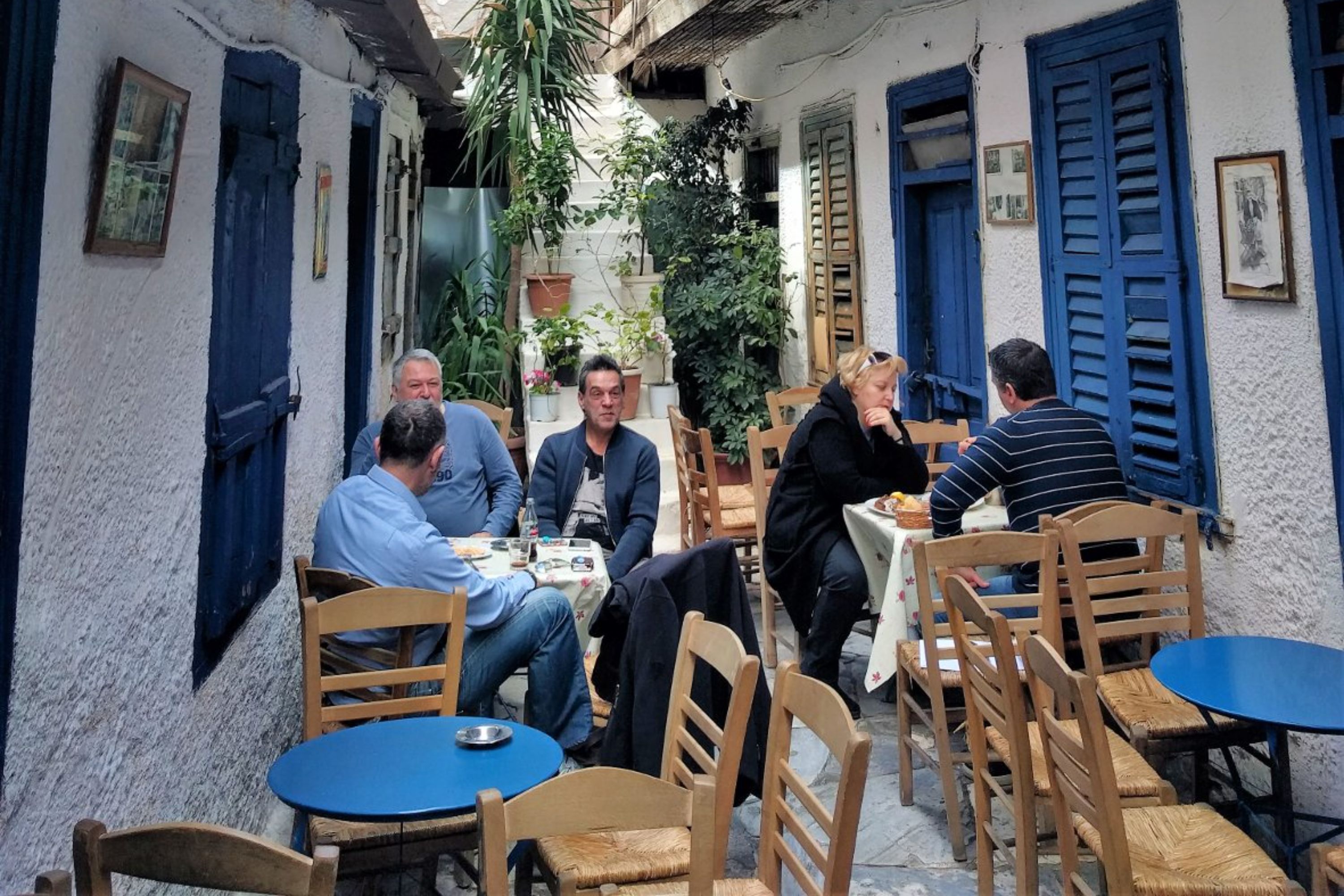
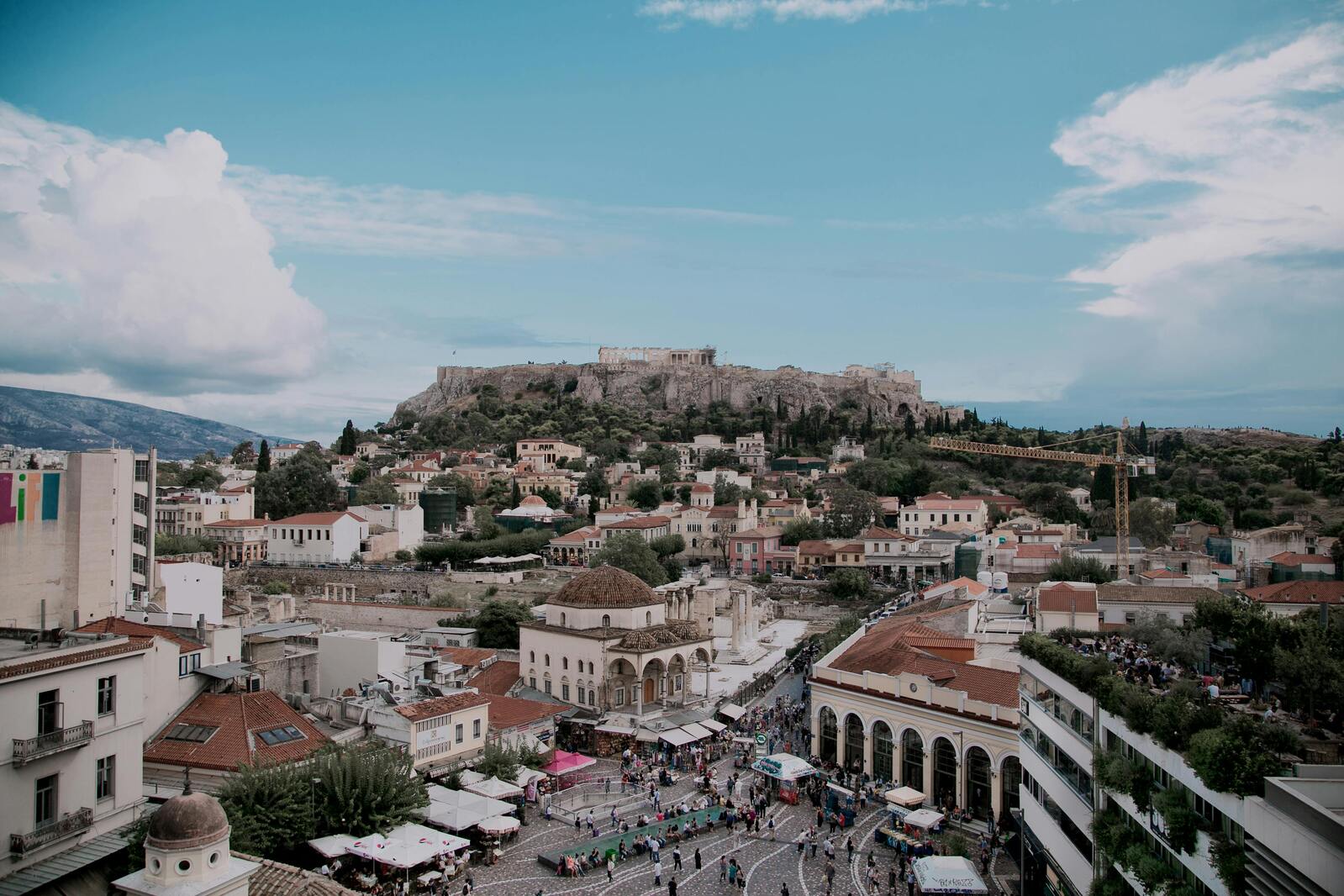
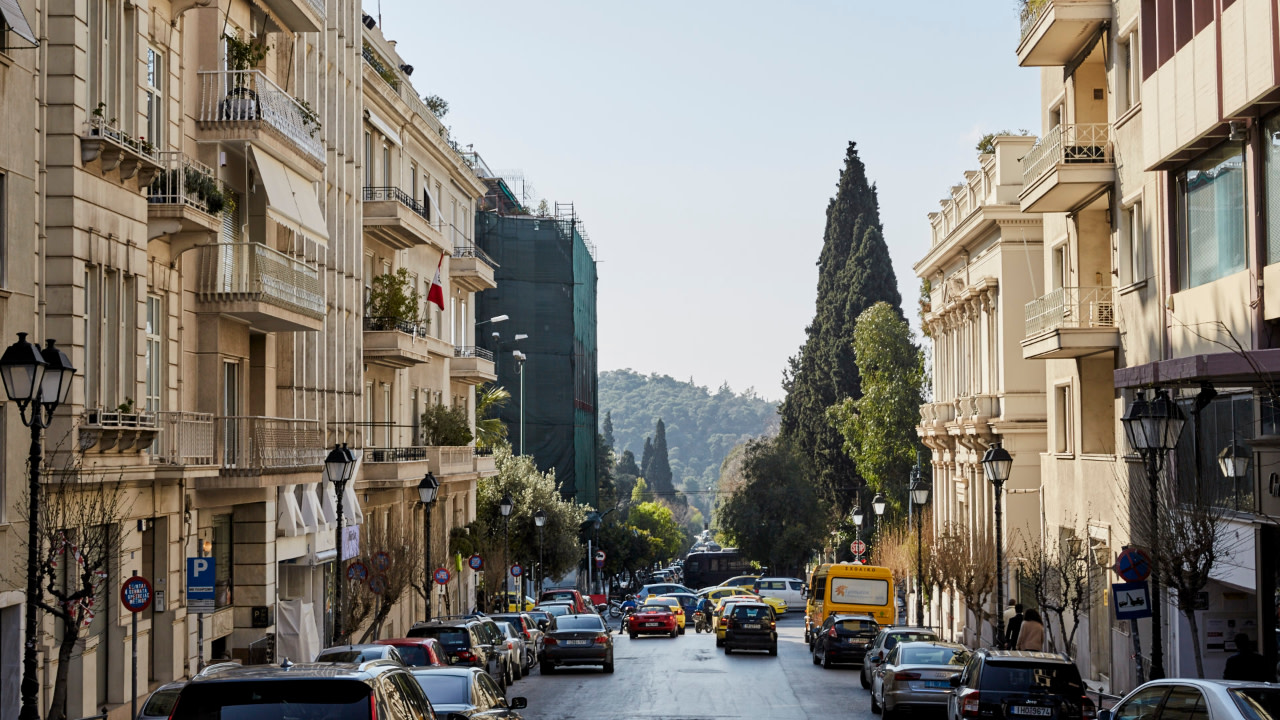
Discover Athens in a personalized 5-hour private tour crafted to your preferences. Start at the iconic Acropolis, visiting the Parthenon, Erechtheion, and soaking in stunning city views. Dive into ancient Greece’s history at the Acropolis Museum, showcasing remarkable relics. Wander the charming streets of Plaka, the city's oldest neighborhood, with its neoclassical buildings, quaint shops, and traditional tavernas. Be amazed by the ancient Agora, once the hub of public life, and the Temple of Hephaestus. Visit the Panathenaic Stadium, site of the first modern Olympics, and drive past the Presidential Mansion and Parliament to witness the ceremonial guard change. Throughout the tour, your guide will share captivating stories, blending ancient and modern insights into the city. This engaging experience is ideal for first-time visitors or anyone seeking a deeper exploration of Athens.
Available options
Private half day Tour in Athens with a pick up
Pickup included
What's included
Private transportation
WiFi on board
Bottled water
Air-conditioned vehicle
Detailed itinerary
1
Stop 1
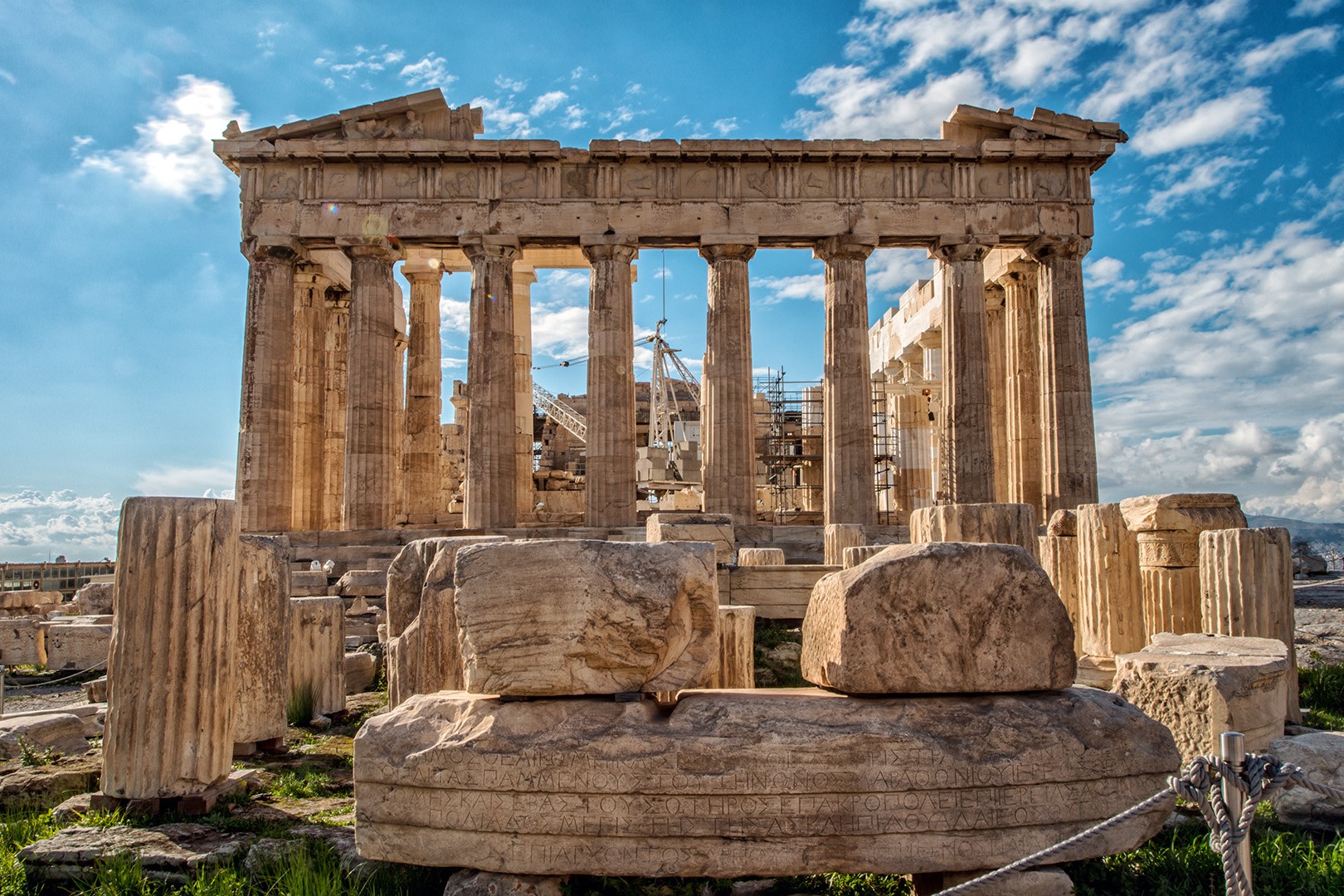
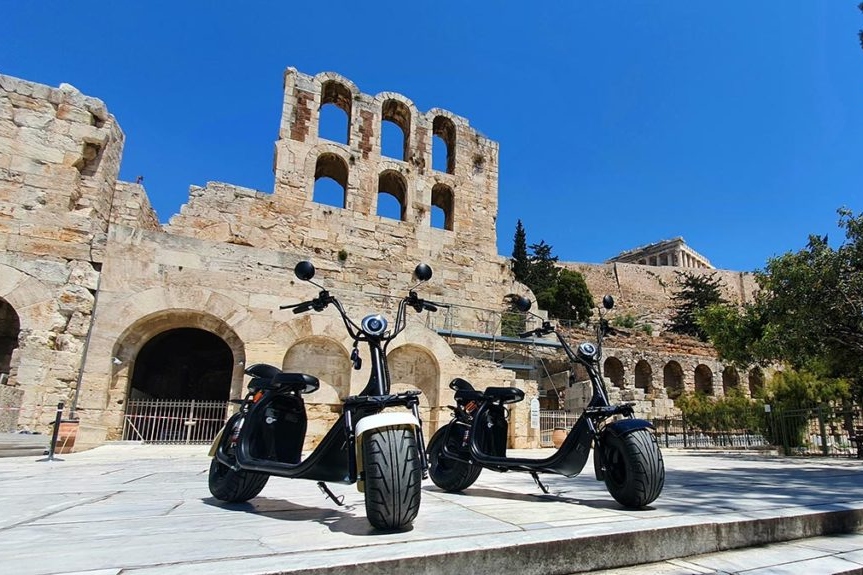
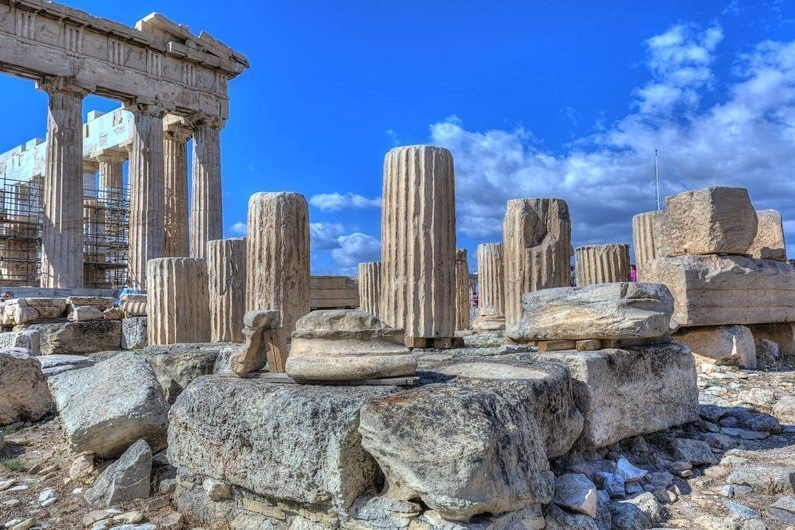
Our first stop is the magnificent and magic sight of Acropolis where you can see Parthenon that was dedicated to goddess Athena (Parthenos) - Propylea, the which was in the entrance of the sacred area - The Temple of Athena Nike - The Erechtheion with its famous female figures-statues named Caryatides or Maidens dedicated to both goddess Athena and god Poseidon - The Odeum of Herodus Atticus - and the Theatre of Dionysus
2
Stop 2
Pass by
The construction of the Temple of Zeus began in the 6th century BC during the rule of the Athenian tyrants, but it was not completed until the 2nd century AD by the Roman Emperor Hadrian. The long construction period is due to various historical events, including the political changes in Athens. The temple was built to honor Zeus, the chief deity in the Greek pantheon. It housed a massive statue of Zeus made of gold and ivory by the renowned sculptor Phidias.
3
Stop 3
Pass by
The arch was built in 132 AD by the Roman Emperor Hadrian, who visited Athens during his reign. It was constructed to commemorate Hadrian's benefactions to the city and to symbolize the separation between the old city and the new one.The arch served as a clear marker between the old city of Athens, which was closely tied to its mythological and historical past, and the new Roman city established by Hadrian.
4
Stop 4
The name "Syntagma" means "Constitution" in Greek. The square is named after the Greek Constitution of 1844, which was granted by King Otto, and it has played a prominent role in many key moments of modern Greek history, including protests, celebrations, and political events. Nearby attractions include the National Garden of Athens, the upscale Kolonaki neighborhood, and the historic Plaka district.
5
Stop 5
The monument was inaugurated on March 25, 1932, and was originally dedicated to the Greek soldiers who lost their lives during various wars and conflicts. It is a symbol of remembrance and respect for the sacrifices of those who gave their lives in service to their country. The monument is a symbol of patriotism and national unity in Greece. It serves as a reminder of the sacrifices made by Greek servicemen and women throughout the country's history.
Tourists and visitors can observe the changing of the guard ceremony, which takes place every hour and is an impressive and meticulously choreographed event. Visitors are requested to maintain a respectful and solemn demeanor when near the monument.
6
Stop 6
Pass by
The Academy of Athens was founded in 1926 by the Greek government as part of a broader effort to promote and support scientific research and scholarly endeavors in Greece. It was established based on the model of the ancient Academy of Plato and Aristotle, which was located in Athens.
Mission: The primary mission of the Academy of Athens is to advance knowledge, scholarship, and research in various fields, including the natural sciences, humanities, and social sciences. It serves as a hub for academics, researchers, and intellectuals in Greece.The Academy of Athens building is considered an architectural masterpiece and is a popular tourist attraction in the city. Its neoclassical design is adorned with sculptures, including statues of Athena and Apollo, and it is a cultural and historical landmark in Athens.
7
Stop 7
Pass by
The National Library of Greece (Ethnikí Vivliothíki tis Elládos) is one of the most important cultural institutions in Greece, responsible for the collection, preservation, and dissemination of a vast array of printed materials and knowledge. Here is some information about the National Library of Greece:
History: The National Library of Greece was founded in 1832, shortly after the establishment of the modern Greek state. It was created as part of a broader effort to rebuild and revitalize Greece after gaining independence from the Ottoman Empire.
8
Stop 8
Pass by
The National and Kapodistrian University of Athens (often referred to as the University of Athens or UOA) is the oldest and one of the most prestigious higher education institutions in Greece. Here is some information about the university:
Foundation and History: The University of Athens was officially founded in 1837, making it the first university in the modern Greek state. It was established shortly after Greece gained independence from the Ottoman Empire.
9
Stop 9
The Panathenaic Stadium, also known as the Kallimarmaro, is a historic stadium located in Athens, Greece. It is one of the most iconic sports venues in the world and has a rich history. Here's some information about the Panathenaic Stadium:
Ancient Roots: The Panathenaic Stadium is situated on the site of an ancient stadium that dates back to around 330-329 BC. It was originally built for the Panathenaic Games, which were athletic competitions held in ancient Greece as part of the Panathenaic Festival, a religious and cultural celebration dedicated to the goddess Athena.
What's not included
Lunch
Entrance fees to archaiological sites
Available languages
Guide guide
EN
Reviews breakdown
Viator
5.0
1 reviews
5★
1
4★
0
3★
0
2★
0
1★
0
Tripadvisor
5.0
2 reviews
5★
2
4★
0
3★
0
2★
0
1★
0
Important information
Public transportation options are available nearby
Suitable for all physical fitness levels
About Athens
Athens, the capital of Greece, is a city rich in history and culture, often considered the cradle of Western civilization. It is home to iconic ancient landmarks, vibrant neighborhoods, and a thriving modern scene.
Top Attractions
Acropolis of Athens
The Acropolis is the most iconic landmark in Athens, featuring ancient ruins and temples, including the Parthenon.
Historical
2-3 hours
€20 (combined ticket for multiple sites)
Ancient Agora of Athens
The heart of ancient Athens, featuring the Temple of Hephaestus and the Stoa of Attalos.
Historical
1-2 hours
€8 (included in the combined ticket)
Plaka
A charming, historic neighborhood with narrow streets, neoclassical houses, and vibrant nightlife.
Cultural
2-3 hours
Free to explore
Acropolis Museum
A modern museum showcasing artifacts from the Acropolis and its surroundings.
Museum
1-2 hours
€10
Temple of Olympian Zeus
An ancient temple dedicated to Zeus, once the largest temple in Greece.
Historical
30 minutes to 1 hour
€6 (included in the combined ticket)
Must-Try Local Dishes
Moussaka
A baked dish with layers of eggplant, minced meat, and béchamel sauce.
Dinner
Vegetarian versions available
Souvlaki
Grilled meat skewers, often served with pita bread and tzatziki.
Snack
Can be made with chicken, pork, or vegetarian options
Tzatziki
A yogurt-based dip with cucumber, garlic, and herbs.
Snack
Vegetarian and vegan options available
Baklava
A sweet pastry made with layers of filo, nuts, and honey syrup.
Dessert
Vegetarian
Popular Activities
Hiking in the mountains
Rock climbing
Scuba diving
Beach visits
Spa treatments
Café hopping
Museum visits
Theater performances
Best Time to Visit
April to June, September to October
The best time to visit Athens is during the spring and autumn months when the weather is pleasant and the tourist crowds are smaller.
18°C to 32°C
64°F to 90°F
Practical Information
Language
- Official: Greek
- Widely spoken: English, French, German
- English: Moderately spoken
Currency
Euro (EUR)
Time Zone
GMT+2 (EET)
Electricity
230VV, 50HzHz
Safety Information
Overall Safety Rating: Generally safe
Athens is generally safe for travelers, but petty crime and pickpocketing can occur in tourist areas. Be cautious with your belongings and avoid poorly lit areas at night.
Important Precautions:
- • Keep valuables secure
- • Use licensed taxis or ride-sharing apps
- • Be cautious with ATMs and credit cards
Getting there
By air
- Eleftherios Venizelos International Airport • 30 km from city center
By train
Athens Central Railway Station
By bus
KTEL Bus Station
Getting around
Public transport
Clean, efficient, and air-conditioned. Easy to navigate with clear signage in English.
Taxis
Available • Apps: Beat, Uber
Rentals
Car, Bike, Scooter
Neighborhoods
Plaka
Monastiraki
Psiri
Koukaki
Kolonaki
Day trips
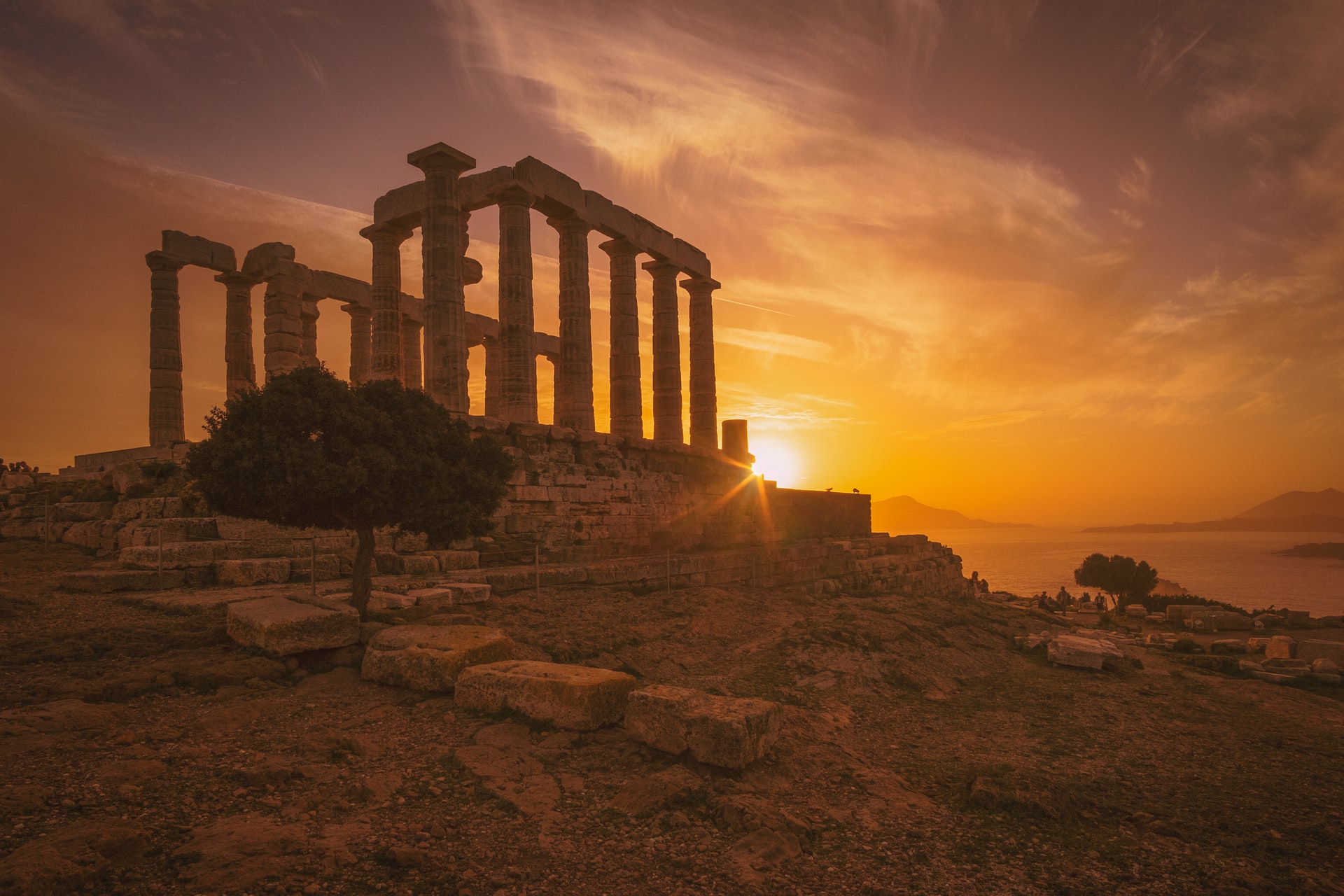
Cape Sounion
65 km from Athens • Half day to full day
A scenic coastal area featuring the Temple of Poseidon with stunning views of the Aegean Sea.
Delphi
180 km from Athens • Full day
An ancient archaeological site and home to the famous Oracle of Delphi.
Meteora
350 km from Athens • Overnight
A unique landscape featuring rock formations and medieval monasteries perched atop cliffs.
Festivals
Athens Festival • May to October
Athens Epidaurus Festival • June to August
Athens International Film Festival • October
Pro tips
- Visit major attractions early in the morning or late in the afternoon to avoid crowds and heat
- Use the metro for easy and efficient travel around the city
- Explore local neighborhoods for an authentic Greek experience
- Try local street food for a quick and delicious meal
- Learn a few basic Greek phrases to enhance your experience and connect with locals
From $25
per person
Price varies by option
Secure booking
Free cancellation available
Instant confirmation