Rome Vespa Small Group Tour with Photoshoot
Active
1h
For a full refund, cancel at least 24 hours before the scheduled departure time.
Instant confirmation
Mobile or paper ticket accepted
About this experience
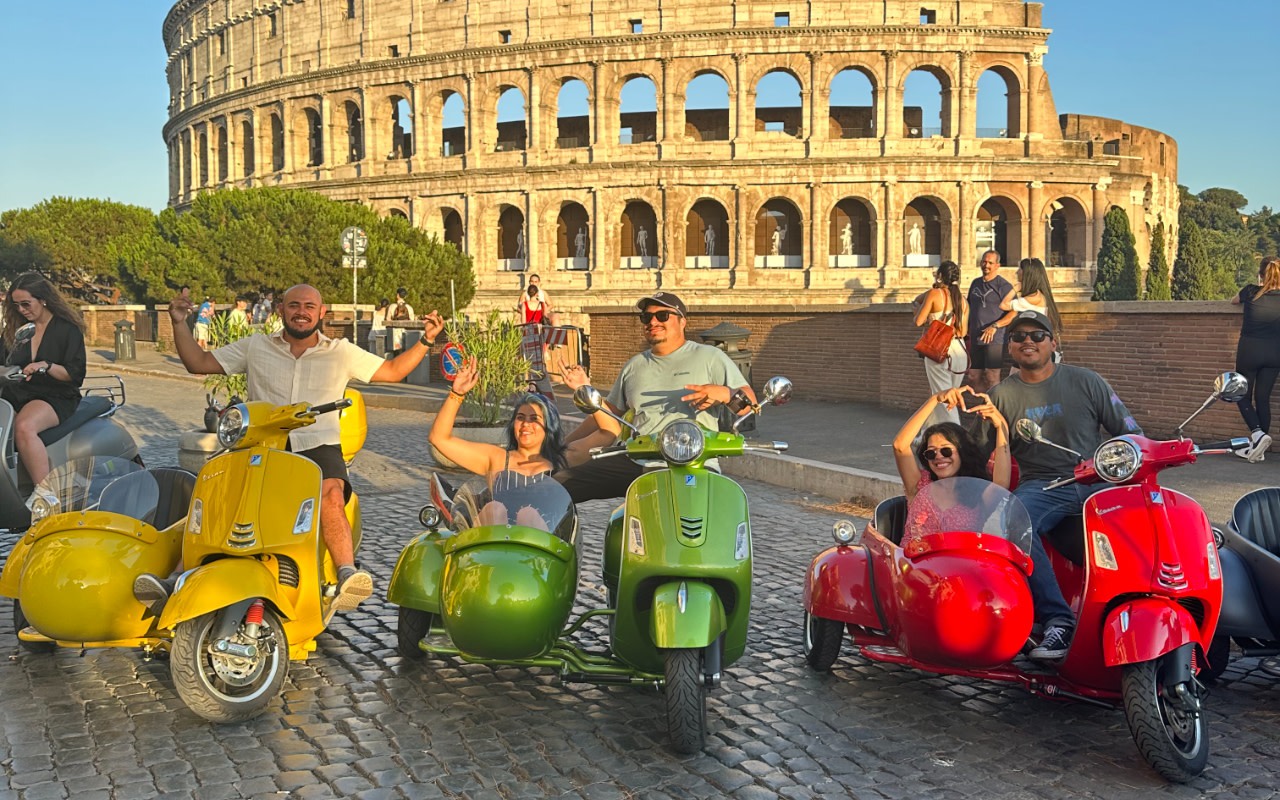
Our Vespa tours in Rome offer a fun, immersive, and stylish way to discover the city. Riding this iconic Italian scooter adds a sense of freedom and adventure, allowing guests to explore charming alleyways and scenic routes that are inaccessible to larger vehicles. It’s a more personal experience than traditional tours, with stops at both legendary landmarks and hidden gems known mostly to locals. The Vespa itself is incredibly photogenic, making it perfect for capturing unforgettable moments along the way. With small group sizes and a relaxed pace, our tours provide an engaging and authentic way to soak in the beauty, culture, and history of Rome—from a true local's perspective.
Available options
Private Retro Fiat 500 Tour
Gelato/Tiramisu<br/>Retro Fiat 500
Vespa With Photoshoot
Gelato/Tiramisu<br/>Vespa<br/>30 edited Photos
Retro Fiat 500 with Photoshoot
Retro Fiat 500<br/>30 Edited Photos
Vespa Group Tour
Vespa
Private Vespa Tour
Gelato/Tiramisu<br/>Vespa
Group Retro Fiat 500 Tour
Retro Fiat 500
What's included
Private transportation
Gelato/Tiramisu
Tiramisu or Gelato
Vespa Scooter or Vintage Fiat 500
Edited photos and all original photos
All Fees and Taxes
Detailed itinerary
1
Stop 1
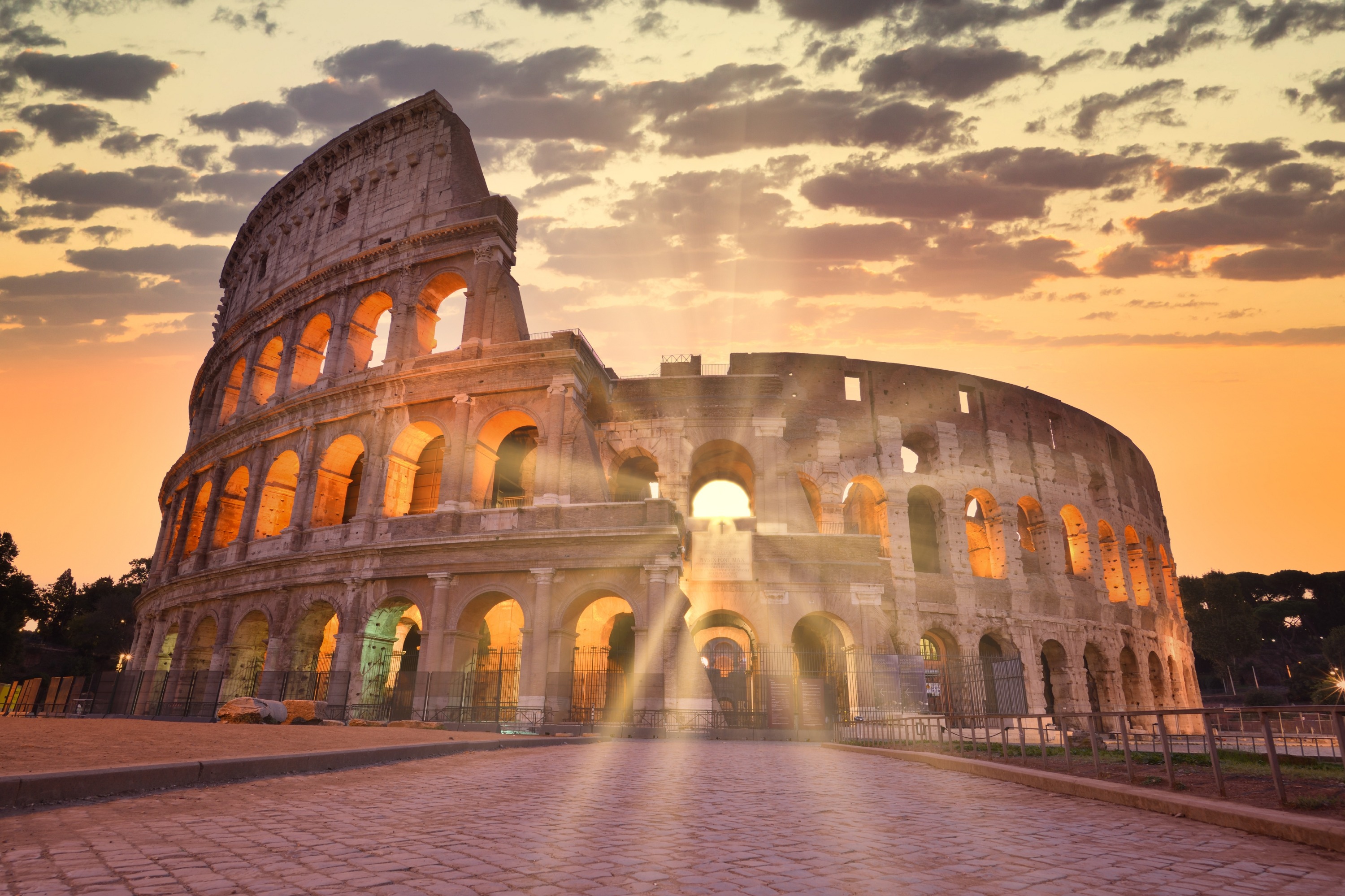
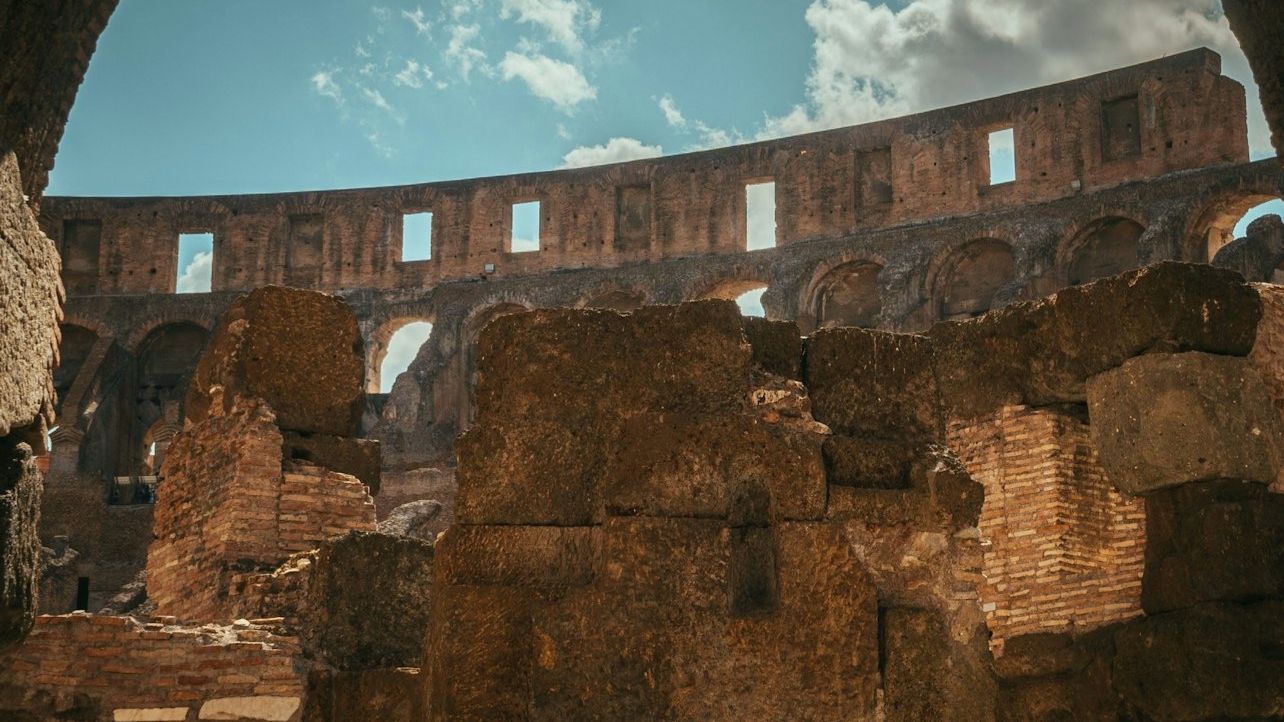
The Flavian Amphitheatre, more commonly known as the Colosseum, stands in the archaeological heart of Rome and welcomes large numbers of visitors daily, attracted by the fascination of its history and its complex architecture.
The building became known as the Colosseum because of a colossal statue that stood nearby. It was built in the 1st century CE at the behest of the emperors of the Flavian dynasty. Until the end of the ancient period, it was used to present spectacles of great popular appeal, such as animal hunts and gladiatorial games. The building was, and still remains today, a spectacle in itself. It is the largest amphitheatre in the world, capable of presenting surprisingly complex stage machinery, as well as services for spectators.
A symbol of the splendor of the empire, the Amphitheatre has changed its appearance and function over the centuries, presenting itself as a structured space but open to the Roman community.
2
Stop 2
Pass by
The Circus Maximus is the largest building for public entertainment in antiquity and one of the largest of all time (600 metres long by 140 metres wide) and is related by a legend to the very origins of the city: the Rape of the Sabine Women took place here.
At the time of the Tarquini kings, the Valle Murcia, the wide valley between the Palatine and Aventine hills, was used as a place for chariot races, but only under Julius Caesar, a real walled circus was built.
3
The Roseto Comunale (Municipal Rose Garden) is a beautiful rose garden located in Rome, Italy. It is situated at the foot of the Aventine Hill, near the Circus Maximus, and is one of the city's most enchanting green spaces. The garden is home to a variety of rose species and cultivars, and it’s a popular spot for both locals and tourists, especially during the blooming season.
The Roseto Comunale was originally created in 1931, and it’s not just a garden but also a place of historical significance. It includes many different varieties of roses, and its lush, colorful displays draw attention each year. The rose garden also offers spectacular views of the ancient ruins of Rome, which adds to the charm of the visit.
If you're in Rome in May, it’s a particularly great time to visit as the roses are in full bloom, and the garden often hosts events like the "Premio Roma" (Rome Rose Award), which awards the best new rose varieties.
4
The Giardino degli Aranci (Garden of the Oranges), also known as Parco Savello, is a stunning public park located on the Aventine Hill in Rome. It's famous for its beautiful orange trees (aranci), which fill the park with fragrance and color, especially in the spring and summer.
The garden offers spectacular panoramic views of the city, including a breathtaking vista of St. Peter's Basilica in Vatican City. It's a serene, peaceful spot that provides a lovely escape from the hustle and bustle of the city. It’s particularly known for its tranquility, making it a perfect place for a relaxing stroll or to simply sit and enjoy the view.
The Giardino degli Aranci has a rich history. It was originally part of the property of the Dominican monastery of Santa Sabina, and over time, it was turned into a public park. The orange trees, which give the garden its name, were planted in the 1930s, adding to the park’s charm.
5
The Tempio di Ercole Vincitore (Temple of Hercules Victor) is an ancient Roman temple located in the Forum Boarium, one of Rome's oldest and most important commercial areas. The temple, dating back to the late 2nd century BCE, is dedicated to Hercules, the Roman hero and god of strength, who was widely worshipped in Rome.
What makes this temple particularly remarkable is its well-preserved structure. Unlike many other ancient Roman temples, the Tempio di Ercole Vincitore has retained much of its original form, especially its circular shape. It features 20 Corinthian columns, which are a testament to Roman architectural excellence. The temple's distinctive circular design makes it unique among other Roman temples, most of which are rectangular or square.
6
Stop 6
The Fontana dell'Acqua Paola (Fountain of Acqua Paola), also known as Il Fontanone, is a monumental Baroque fountain located on the Janiculum Hill (Gianicolo) in Rome. Commissioned by Pope Paul V in the early 17th century, it celebrates the completion of the Acqua Paola aqueduct, which brought fresh water to the city. Designed by architect Giovanni Fontana and completed in 1612, the fountain is a striking example of Roman Baroque architecture. It features a large central basin with a dramatic water display, flowing from several spouts. The structure is adorned with papal inscriptions and the pope’s coat of arms. Situated atop the Janiculum Hill, the fountain offers breathtaking panoramic views of Rome. The Fontana dell'Acqua Paola has also become famous as the setting for a key scene in the film La Grande Bellezza (The Great Beauty), solidifying its place in modern Roman culture.
7
The Terrazza del Gianicolo (Janiculum Terrace) is one of the most scenic viewpoints in Rome, offering stunning panoramic views of the city. Located on the Janiculum Hill (Gianicolo), the terrace overlooks major landmarks, including St. Peter’s Basilica, the Tiber River, and the Roman skyline. The Gianiculum Hill itself is rich in history and is one of the highest points in Rome, providing a breathtaking vista of both ancient and modern Rome. The terrace is part of the larger Parco del Gianicolo and is a popular spot for both locals and tourists, particularly at sunset when the views are especially magical. The terrace also features the Fontana dell'Acqua Paola, enhancing its beauty. In addition to the views, the Gianicolo Hill is home to monuments, such as the statue of Garibaldi, and has historical significance, particularly related to the Italian unification. It's a peaceful place to relax, enjoy the scenery, and explore Rome from a higher perspective.
8
Stop 8
Pass by
Trastevere
What's not included
Driving or riding ( Guests will be passengers)
Available languages
Guide guide
AR
RU
EN
IT
FR
TR
Reviews breakdown
Viator
5.0
4 reviews
5★
4
4★
0
3★
0
2★
0
1★
0
Tripadvisor
5.0
11 reviews
5★
11
4★
0
3★
0
2★
0
1★
0
Important information
Public transportation options are available nearby
Suitable for all physical fitness levels
Meeting point
Next to the Colosseum: In front of the bar Oppio Caffè.
About Rome
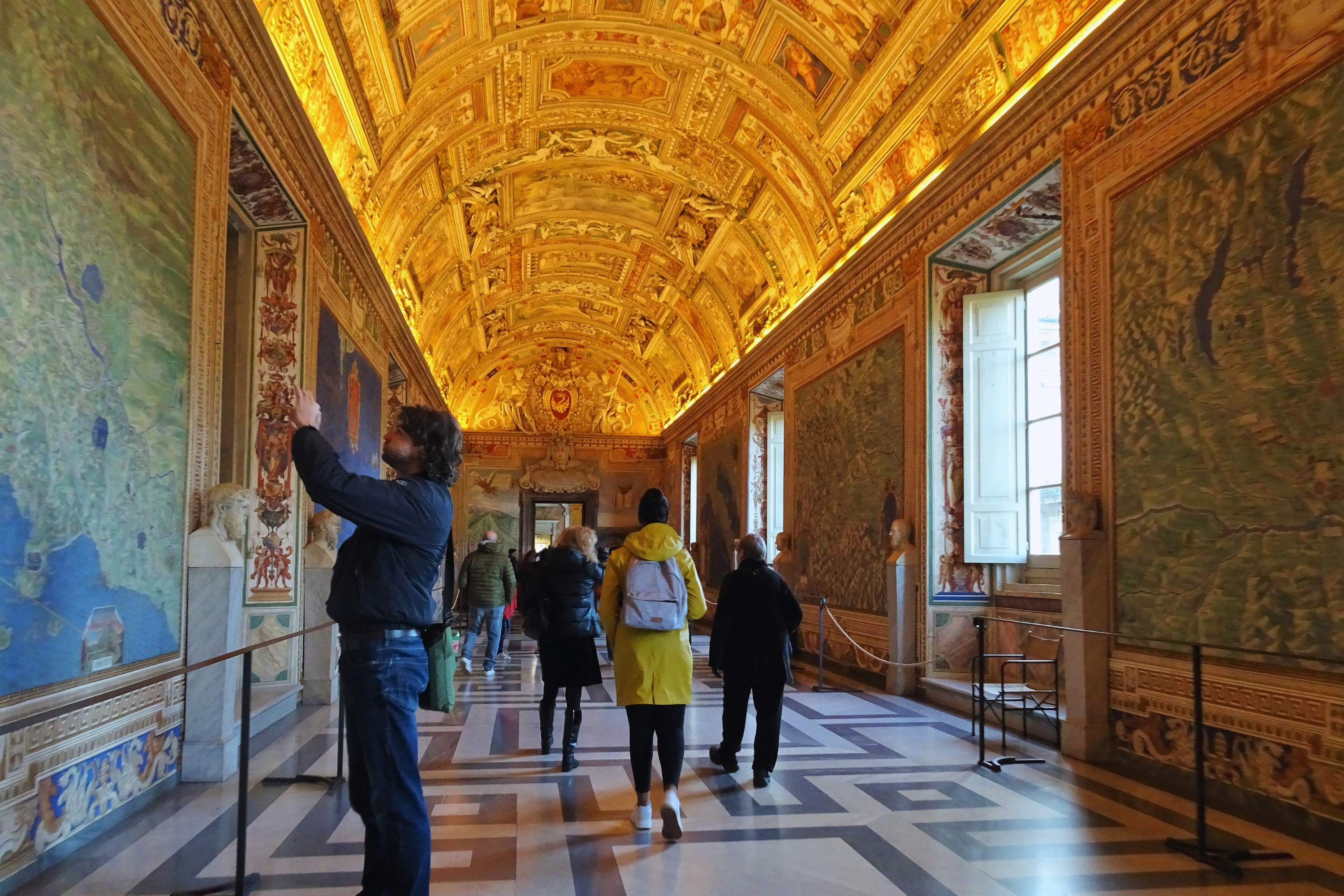
Rome, the capital of Italy, is a city of ancient ruins, artistic masterpieces, and vibrant culture. Known as the Eternal City, it is a living museum where every corner tells a story of its rich history spanning over 2,500 years.
Top Attractions
Colosseum
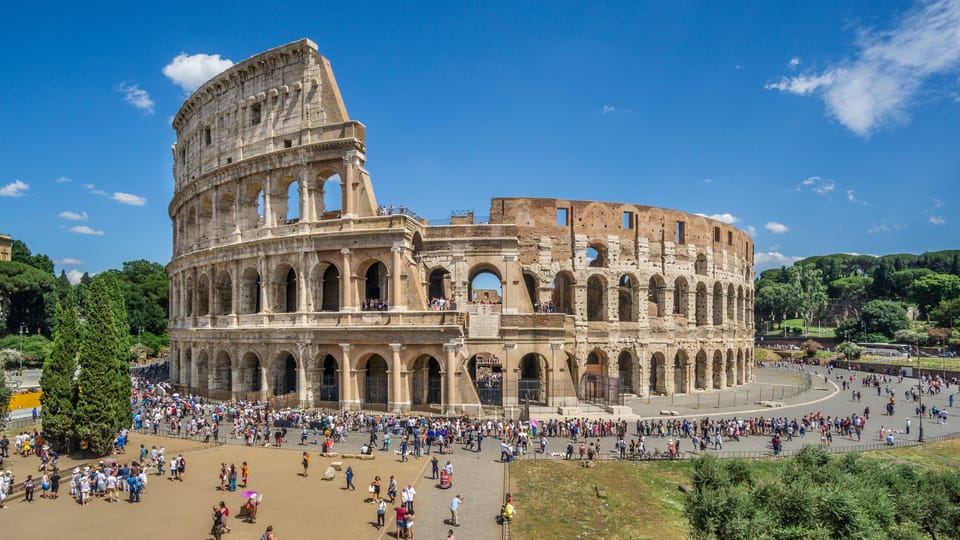
The Colosseum is an iconic symbol of Rome and one of the most famous ancient amphitheaters in the world. It was used for gladiatorial contests and public spectacles.
Historical
1-2 hours
€16 (combined ticket with Roman Forum and Palatine Hill)
Vatican City
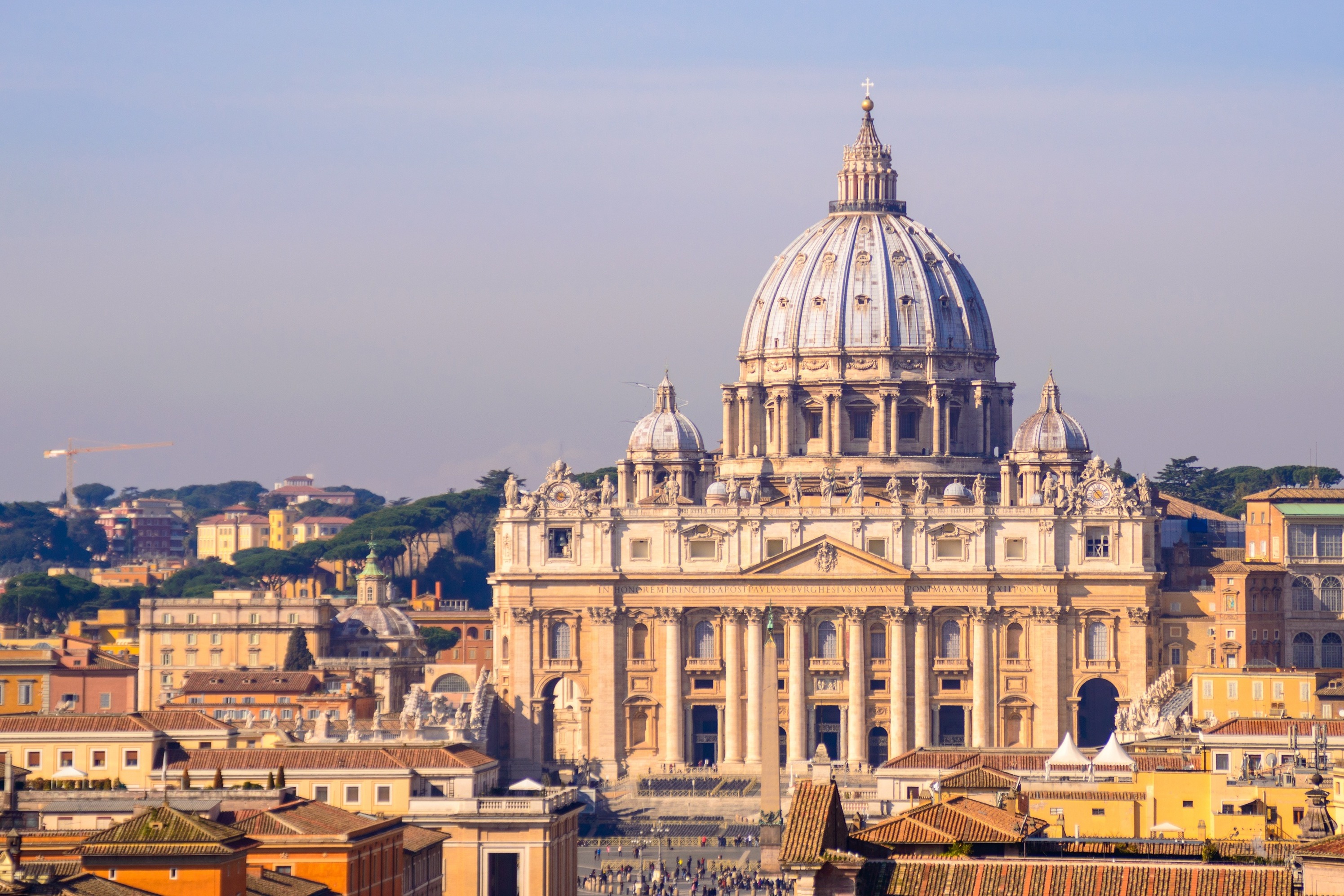
Vatican City is an independent city-state enclaved within Rome. It is the spiritual and administrative center of the Roman Catholic Church.
Religious
Half day
€17 (Vatican Museums and Sistine Chapel), Free (St. Peter's Basilica)
Roman Forum
The Roman Forum was the political, commercial, and legal hub of the Roman Republic and Empire. It is a sprawling ruin of temples, basilicas, and arches.
Historical
1-2 hours
€16 (combined ticket with Colosseum and Palatine Hill)
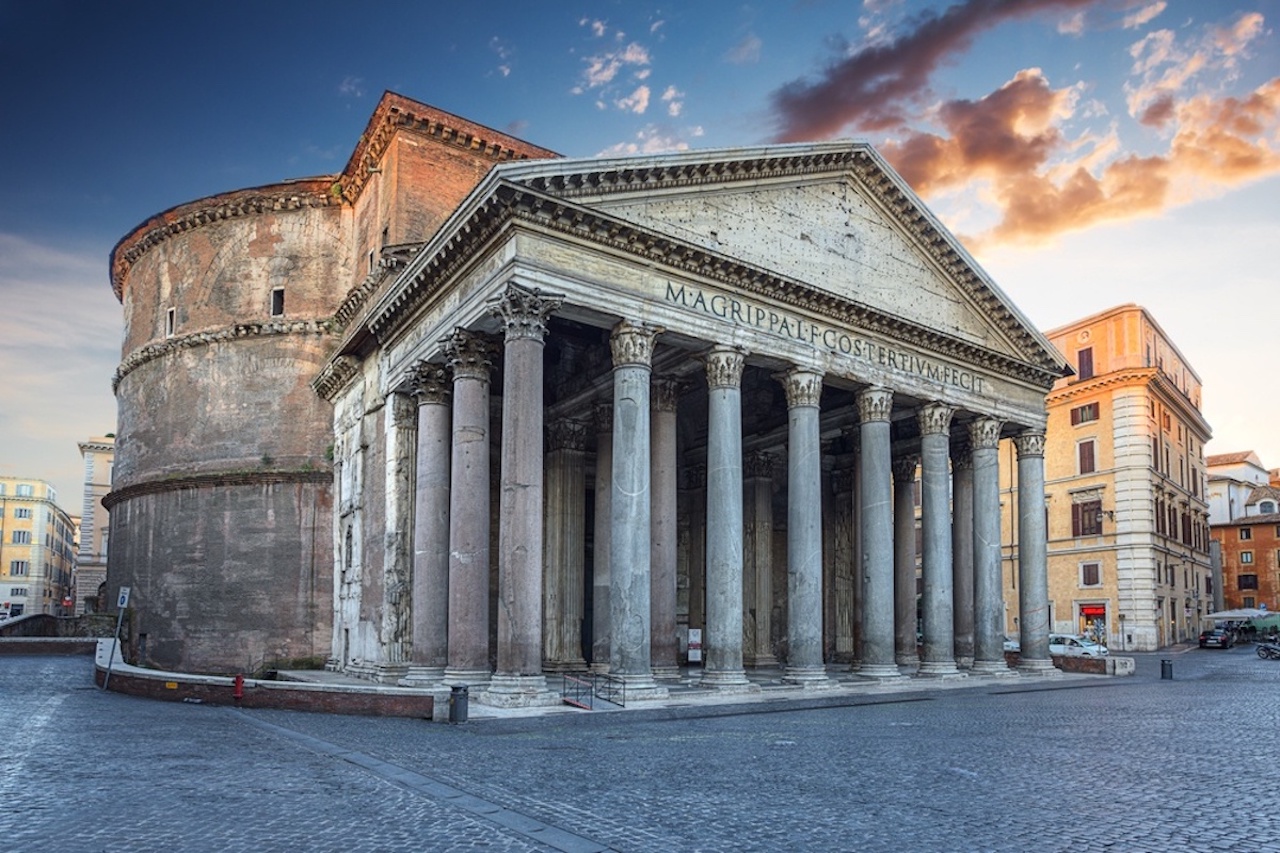
Pantheon
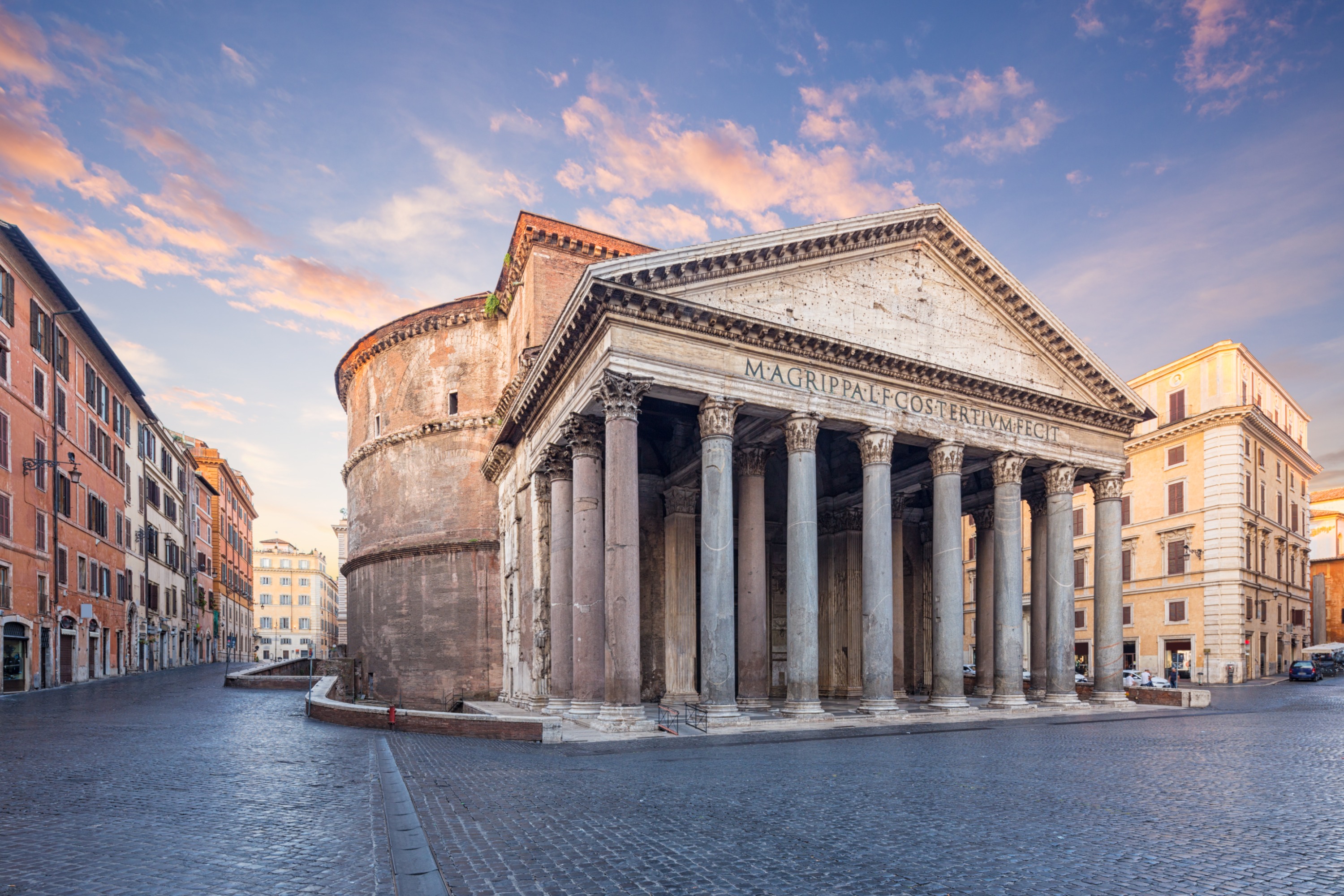
The Pantheon is a former Roman temple, now a church, known for its large dome and oculus. It is one of the best-preserved ancient buildings in Rome.
Historical
30 minutes to 1 hour
Free
Trevi Fountain
The Trevi Fountain is a Baroque masterpiece and the largest fountain in Rome. It is a popular spot for visitors to throw coins and make wishes.
Architecture
15-30 minutes
Free
Must-Try Local Dishes
Cacio e Pepe
A simple yet delicious pasta dish made with Pecorino Romano cheese and black pepper.
Pasta
Vegetarian
Carbonara
A rich pasta dish made with eggs, Pecorino Romano, guanciale (cured pork cheek), and black pepper.
Pasta
Contains pork and eggs
Supplì
Fried rice balls filled with mozzarella and tomato sauce.
Snack
Vegetarian (some variations may contain meat)
Carciofi alla Romana
Artichokes braised with garlic, mint, and olive oil.
Vegetable
Vegetarian
Popular Activities
Hiking in the Appian Way Regional Park
Biking along the Tiber River
Rock climbing in the nearby mountains
Picnicking in Villa Borghese Gardens
Boating on Lake Albano
Enjoying a spa day at a luxury hotel
Visiting the Vatican Museums
Attending an opera at the Teatro dell'Opera di Roma
Best Time to Visit
April to June, September to October
Spring and fall offer pleasant weather and fewer crowds compared to the summer peak. Ideal for sightseeing and outdoor activities.
15-30°C
59-86°F
Practical Information
Language
- Official: Italian
- Widely spoken: English, Spanish, French
- English: Moderately spoken
Currency
Euro (EUR)
Time Zone
GMT+1 (CET), GMT+2 (CEST during daylight saving time)
Electricity
230VV, 50HzHz
Safety Information
Overall Safety Rating: Generally safe
Rome is generally safe for tourists, but pickpocketing and scams can be a problem in crowded areas. Be aware of your surroundings and take precautions to protect your belongings.
Important Precautions:
- • Keep valuables secure and out of sight
- • Use official taxis or ride-sharing services
- • Be cautious of strangers approaching you with petitions or bracelets
Getting there
By air
- Leonardo da Vinci International Airport • 35 km from city center
- Ciampino Airport • 15 km from city center
By train
Roma Termini, Roma Tiburtina
By bus
Tiburtina Bus Station, Roma Termini
Getting around
Public transport
The metro system is efficient and covers major tourist areas. It operates from 5:30 AM to 11:30 PM.
Taxis
Available • Apps: Uber, FreeNow
Rentals
Car, Bike, Scooter
Neighborhoods
Trastevere
Monti
Prancipio
Testaccio
Day trips
Ostia Antica
30 km from Rome • Half day
An ancient Roman port city with well-preserved ruins, including a theater, baths, and mosaics. It offers a glimpse into daily life in ancient Rome.
Tivoli
30 km from Rome • Full day
A picturesque town known for its stunning villas and gardens, including the famous Villa d'Este with its elaborate fountains and gardens.
Orvieto
120 km from Rome • Full day
A charming hilltop town known for its stunning cathedral, underground caves, and local wine. It offers a mix of history, culture, and scenic views.
Festivals
Natale di Roma • April 21
Festa de' Noantri • July
Rome Film Festival • October
Pro tips
- Visit major attractions early in the morning or late in the afternoon to avoid crowds
- Use public transport or walk instead of taking taxis to save money and experience the city like a local
- Try local specialties and ask for recommendations from locals and restaurant staff
- Dress modestly when visiting religious sites and be respectful of local customs and traditions
- Be aware of pickpockets and scams, especially in crowded areas and tourist hotspots
From $25
per person
Price varies by option
Secure booking
Free cancellation available
Instant confirmation