E-Tuk Tour: Highlights of Rome
Active
3h
For a full refund, cancel at least 24 hours before the scheduled departure time.
Instant confirmation
Mobile or paper ticket accepted
About this experience
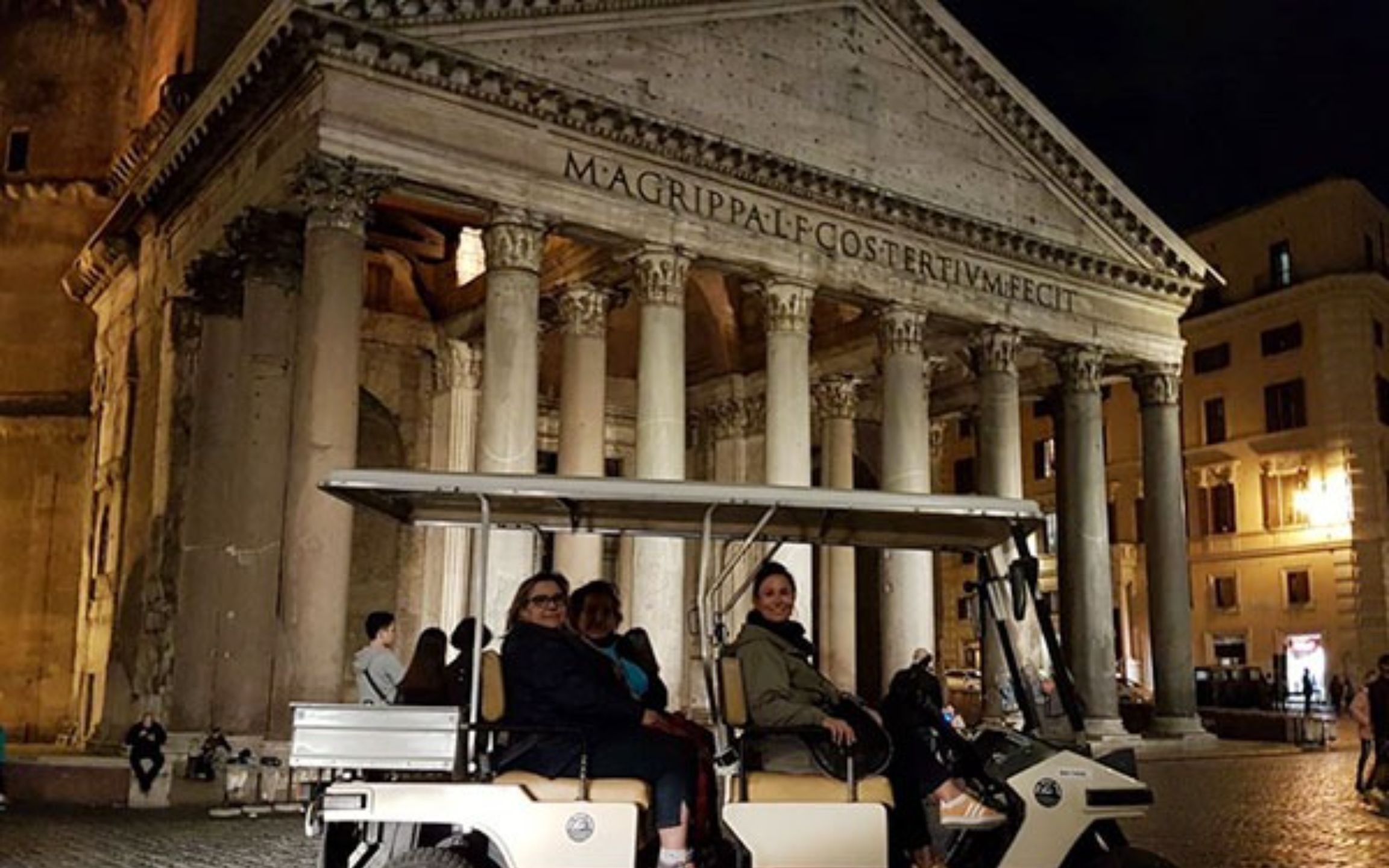
Experience the magic of Rome like never before with our exclusive 3-hour electric ETuk tour! Glide through the city's ancient streets and discover its most iconic landmarks in a fun, eco-friendly way. Perfect for couples, families, and small groups, this tour offers an intimate and immersive experience you won’t find elsewhere.
Our electric ETuks are environmentally friendly, providing a green way to see the city. Enjoy a comfortable ride with our modern, stylish Tuk Tuks, perfect for navigating Rome’s narrow streets. Learn fascinating facts and stories from our knowledgeable guides, who are passionate about Rome's rich history and culture. Visit the Colosseum, Roman Forum, Trevi Fountain, Pantheon, and more. Get up close and personal with the Eternal City's must-see sites and capture stunning photos at every stop with plenty of time to explore and take pictures.
Available options
Pickup and Dropoff included
Pickup Included: Meet your LUXURBE driver outside of your hotel: he will be waiting for you in one of our iconic LUXURBE golf carts<br/>Pickup included
Tour With Meeting Point
What's included
Live Guide
Interactive reading material
E-Tuk Transportation
Detailed itinerary
1
Stop 1
Via dei Condotti, nestled in the heart of Rome, is an iconic street celebrated for its upscale charm and high-end shopping. Lined with renowned designer boutiques, this cobblestone pathway exudes a sense of luxury and sophistication. The street's historic architecture, a blend of Renaissance and Baroque styles, adds to its allure. Notably, the Spanish Steps mark the lower end of Via dei Condotti, serving as a focal point for locals and tourists alike. Blooming flowerpots and classic lampposts enhance the street's inviting atmosphere. With a rich history linked to aristocracy, Via dei Condotti is synonymous with affluence and style. Celebrities and fashion enthusiasts frequent the area, making it a hotspot for indulging in the latest haute couture trends. Whether you're window shopping or treating yourself to a designer splurge, Via dei Condotti promises an unforgettable Roman experience where fashion and history seamlessly converge.
2
Piazza Venezia, at the heart of Rome, boasts the iconic Altare della Patria. This grand square pulsates with history, offering a striking blend of ancient and modern architecture. The imposing Vittoriano monument dominates, symbolizing Italy's unity. Surrounded by historic structures like Palazzo Venezia, it serves as a vibrant hub, connecting the city's past with its present. The lively atmosphere and strategic location near key landmarks make Piazza Venezia an essential starting point for exploring Rome's rich cultural tapestry.
3
Stop 3
The Pantheon in Rome, a marvel of ancient engineering, stands as a testament to Roman architectural brilliance. Its iconic dome and oculus create a celestial atmosphere, while the well-preserved interior showcases stunning marble and artistic details. Originally a temple dedicated to all gods, the Pantheon's enduring legacy draws visitors to marvel at its grandeur and historical significance, making it a timeless symbol of Rome's cultural heritage.
4
Stop 4
The Teatro di Marcello is an ancient open-air theater in Rome, built by Emperor Augustus and dedicated to his nephew, Marcus Claudius Marcellus. Located near the Tiber River, it could hold around 20,000 spectators and was used for performances of plays and musical events. Today, its structure partially survives, with its upper levels converted into private apartments during the Renaissance.
5
Stop 5
The Foro Piscario, or Fish Market Forum, was an ancient Roman marketplace located near the Forum Romanum in Rome. It was primarily used for the sale of fish and other seafood. Over time, the area became integrated into the broader commercial activities of the Roman forum.
6
The Jewish Ghetto of Rome, situated near the Tiber River, is a place steeped in history and culture. Established in 1555, it was a confined area for Roman Jews for centuries. Today, it preserves the ambiance of bygone eras with its narrow cobblestone streets, ancient synagogues, and charming Jewish eateries and shops. The Great Synagogue and Jewish Museum provide insights into the rich Jewish heritage. Strolling through the Jewish Ghetto is like embarking on a fascinating journey through time, where the history of Jewish communities intertwines with the lively modern life of this captivating part of Rome. The neighborhood stands as a testament to resilience, cultural diversity, and the enduring spirit of a community that has left an indelible mark on the city's tapestry.
7
Stop 7
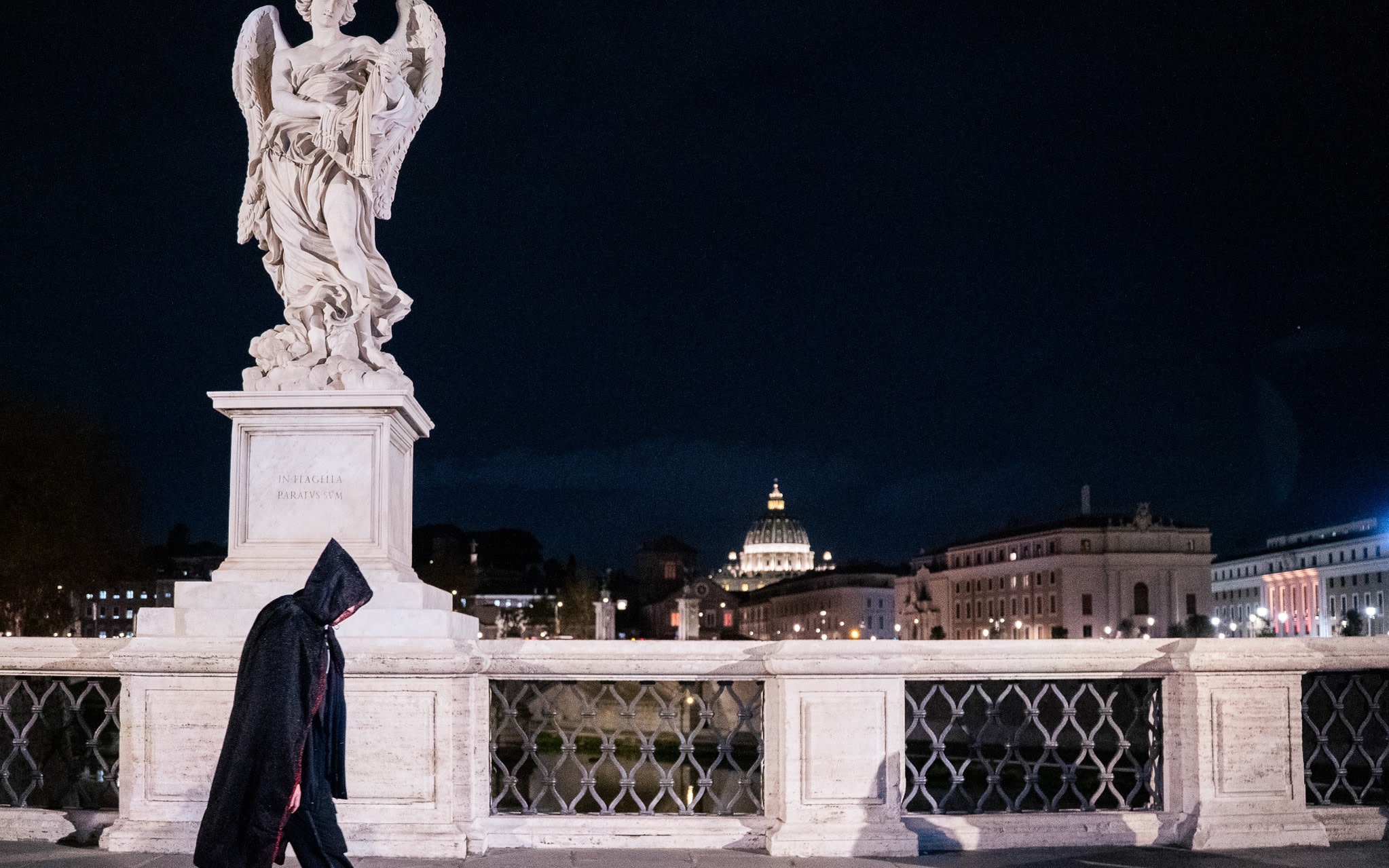
The Vatican is an independent city-state located within Rome, serving as the spiritual and administrative center of the Roman Catholic Church. It is home to the Pope and iconic sites such as St. Peter's Basilica, the Vatican Museums, and the Sistine Chapel. As the smallest state in the world, it holds immense religious and cultural significance.
8
Stop 8
The Trevi Fountain in Rome is a masterpiece of Baroque art. Adorned with mythical sculptures, it is a symbol of prosperity and one of the world's most enchanting fountains. The grandeur of Neptune's chariot and the surrounding sculptures create a mesmerizing spectacle, drawing crowds to toss coins and make wishes. The sound of flowing water adds to the fountain's allure, making it a timeless and iconic symbol of Rome's charm and allure.
9
Stop 9
Piazza Navona, a renowned square in Rome, captivates with its Baroque elegance. Home to Fontana dei Quattro Fiumi and vibrant cafes, it's a cultural hub adorned with art and fountains. The lively atmosphere and historic charm make Piazza Navona a must-visit destination, where visitors can immerse themselves in the city's rich history and architectural splendor.
10
Stop 10
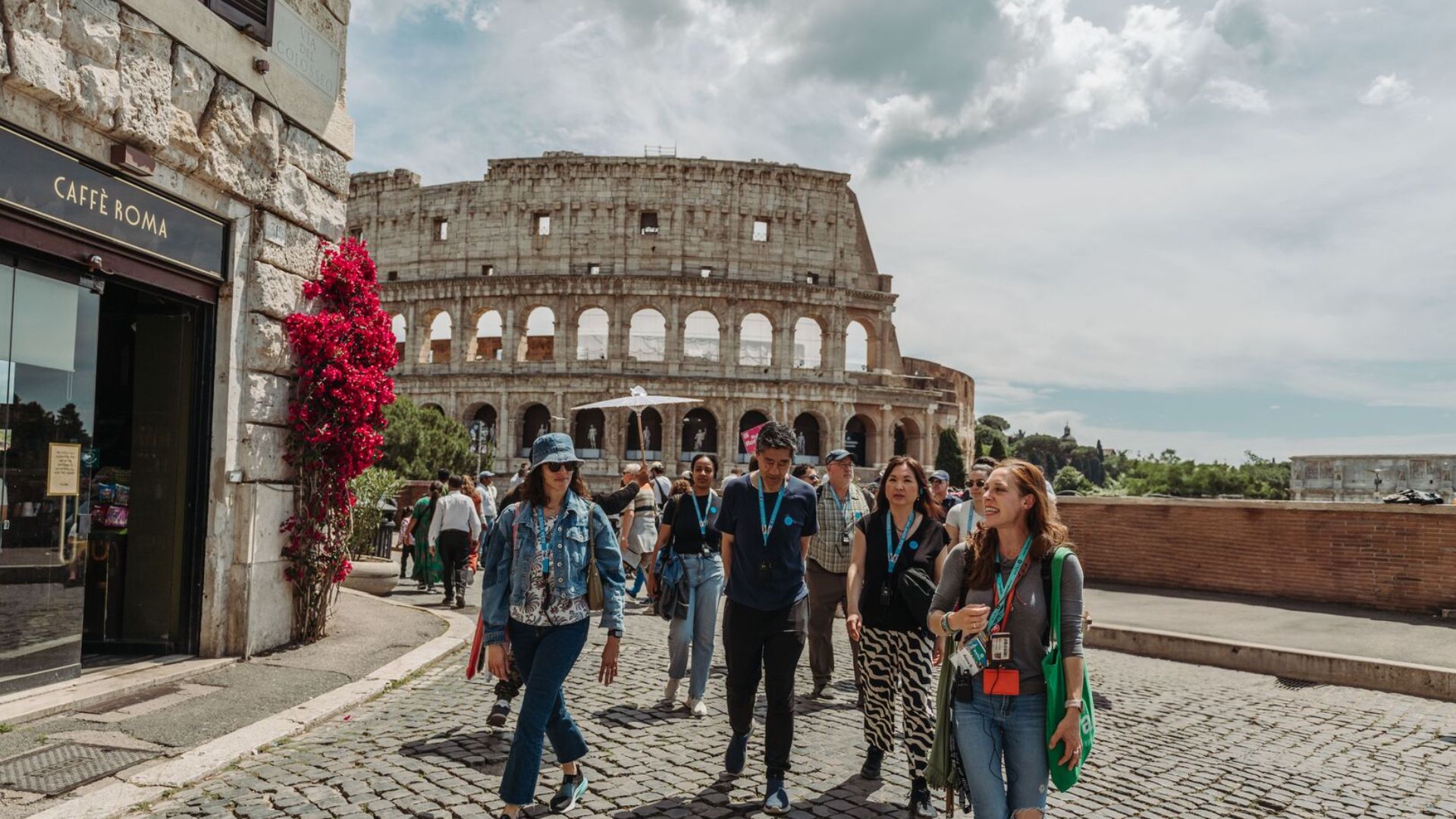
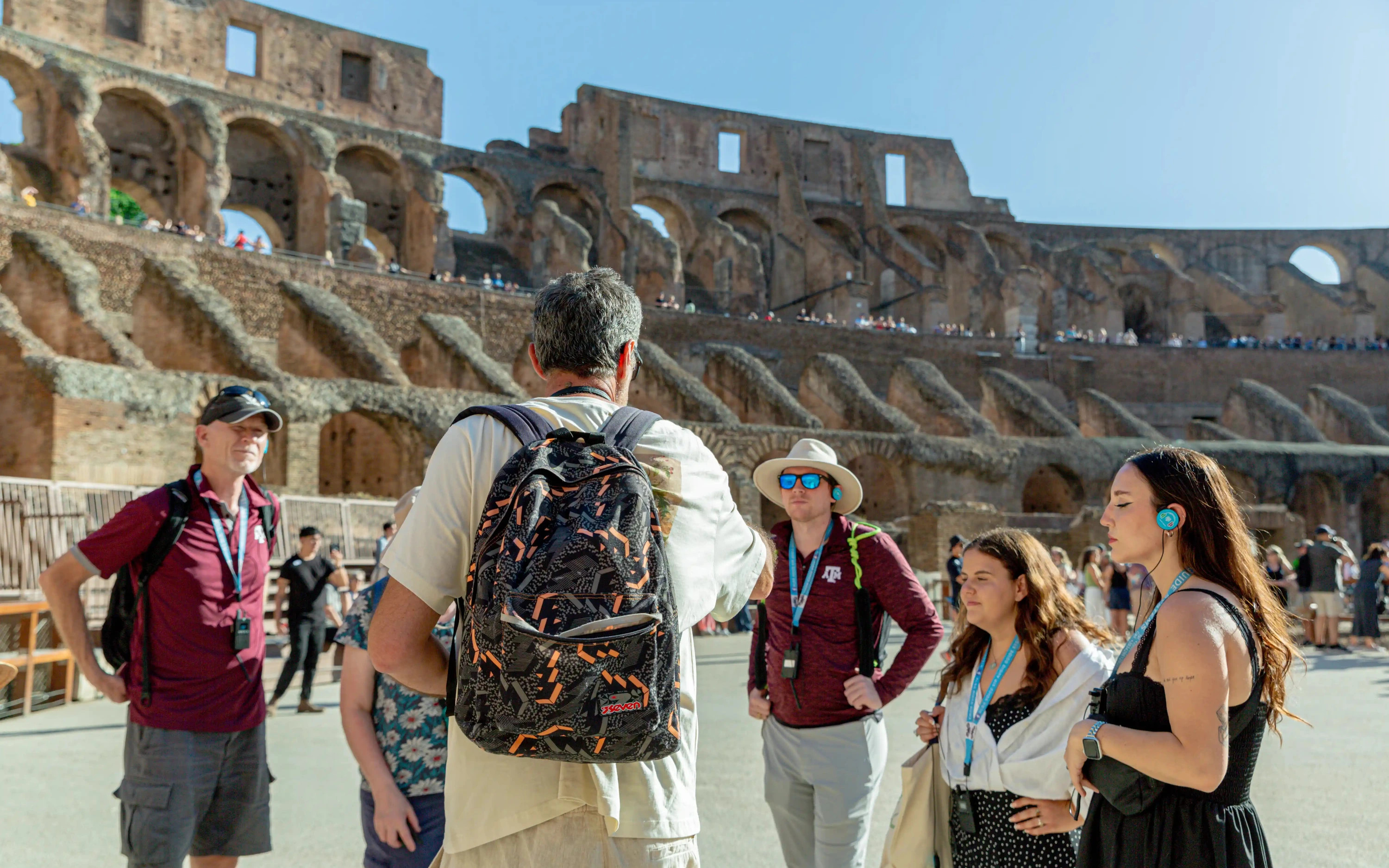
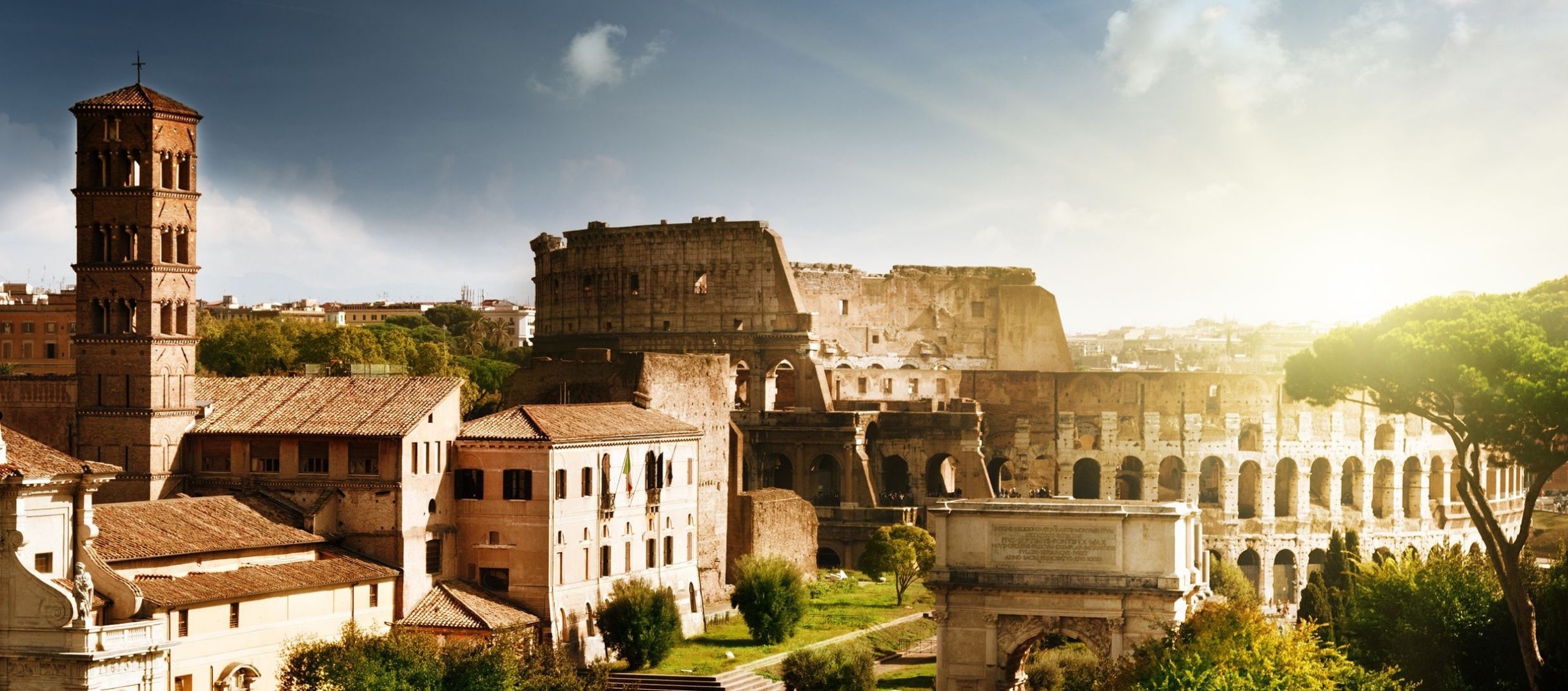
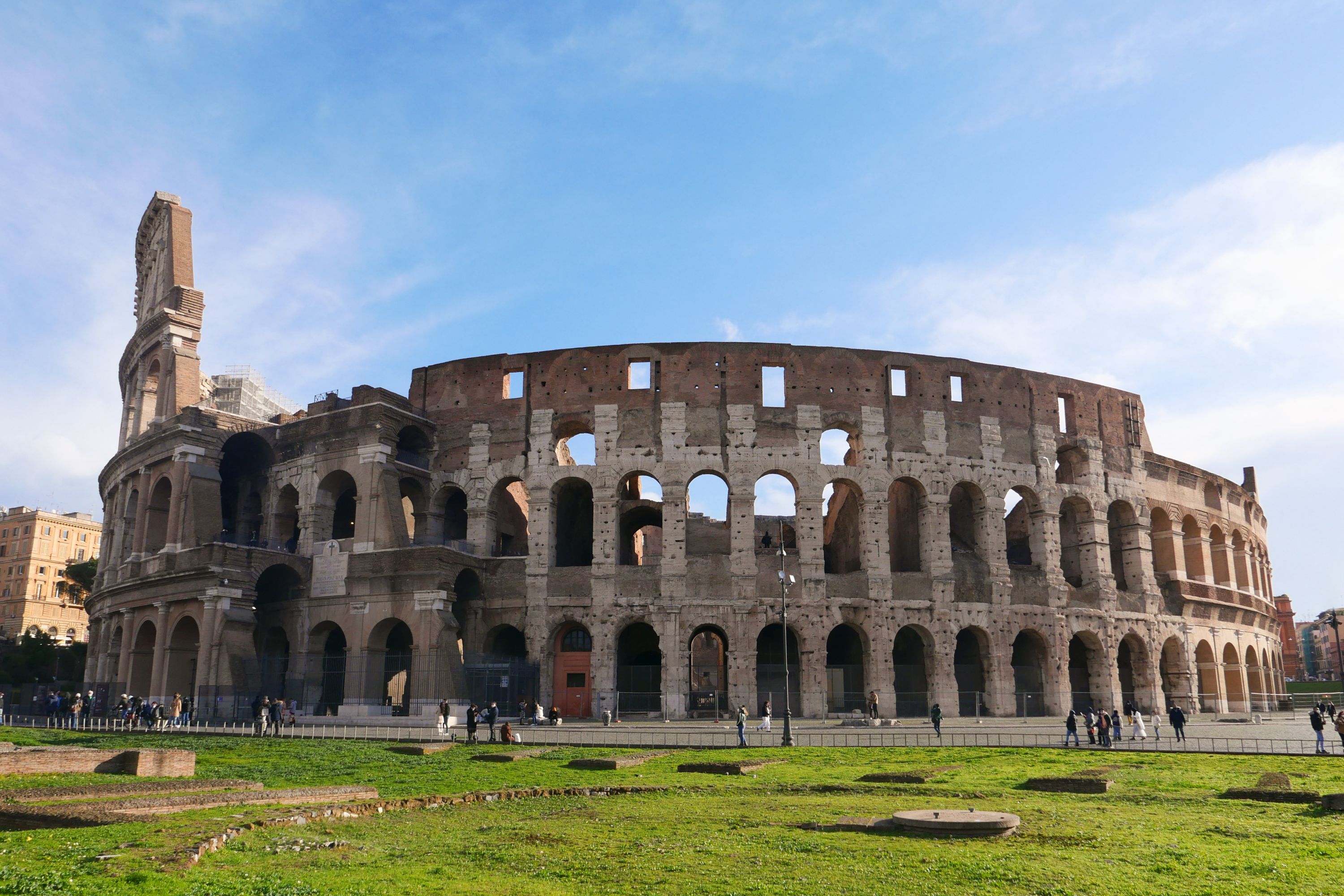
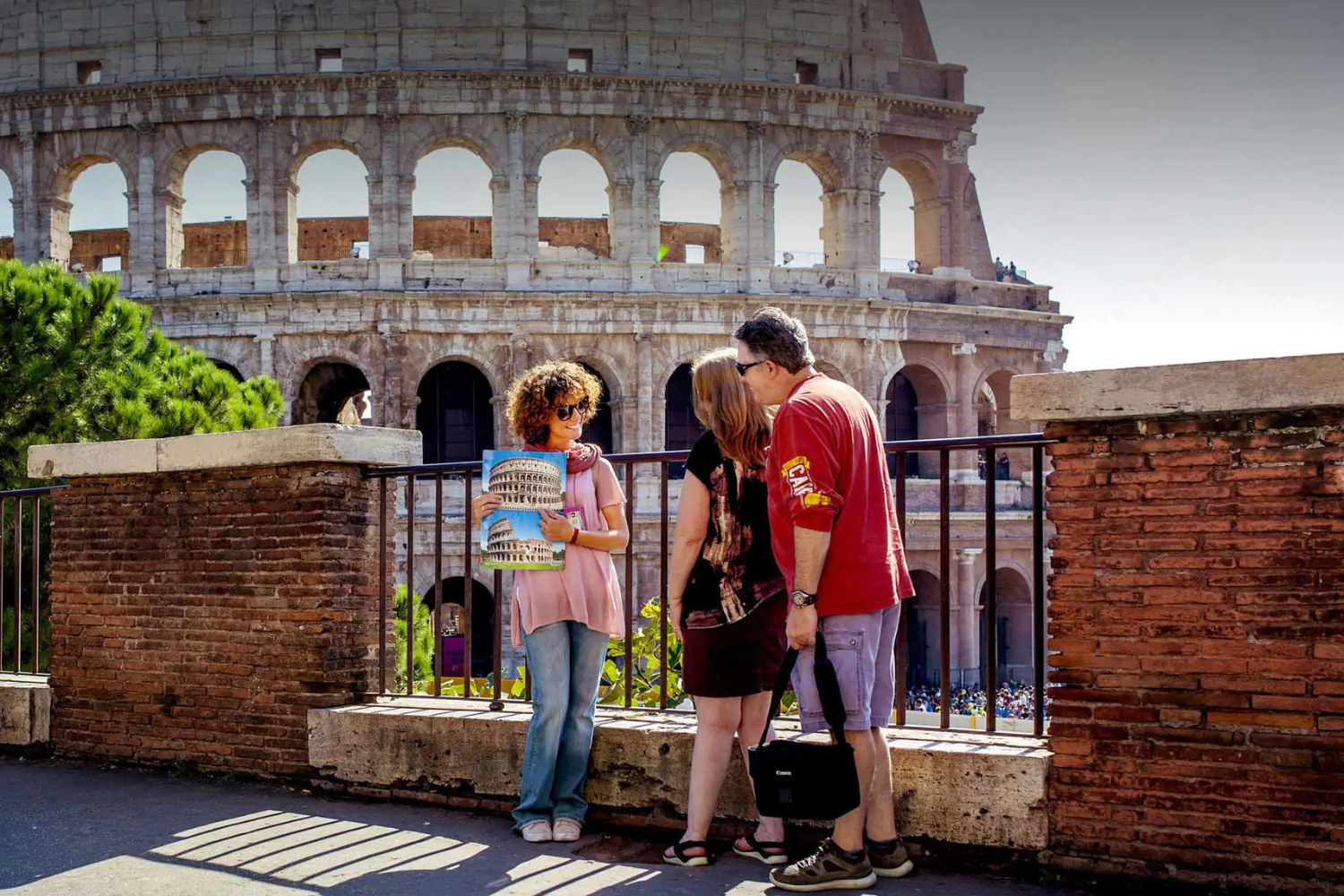
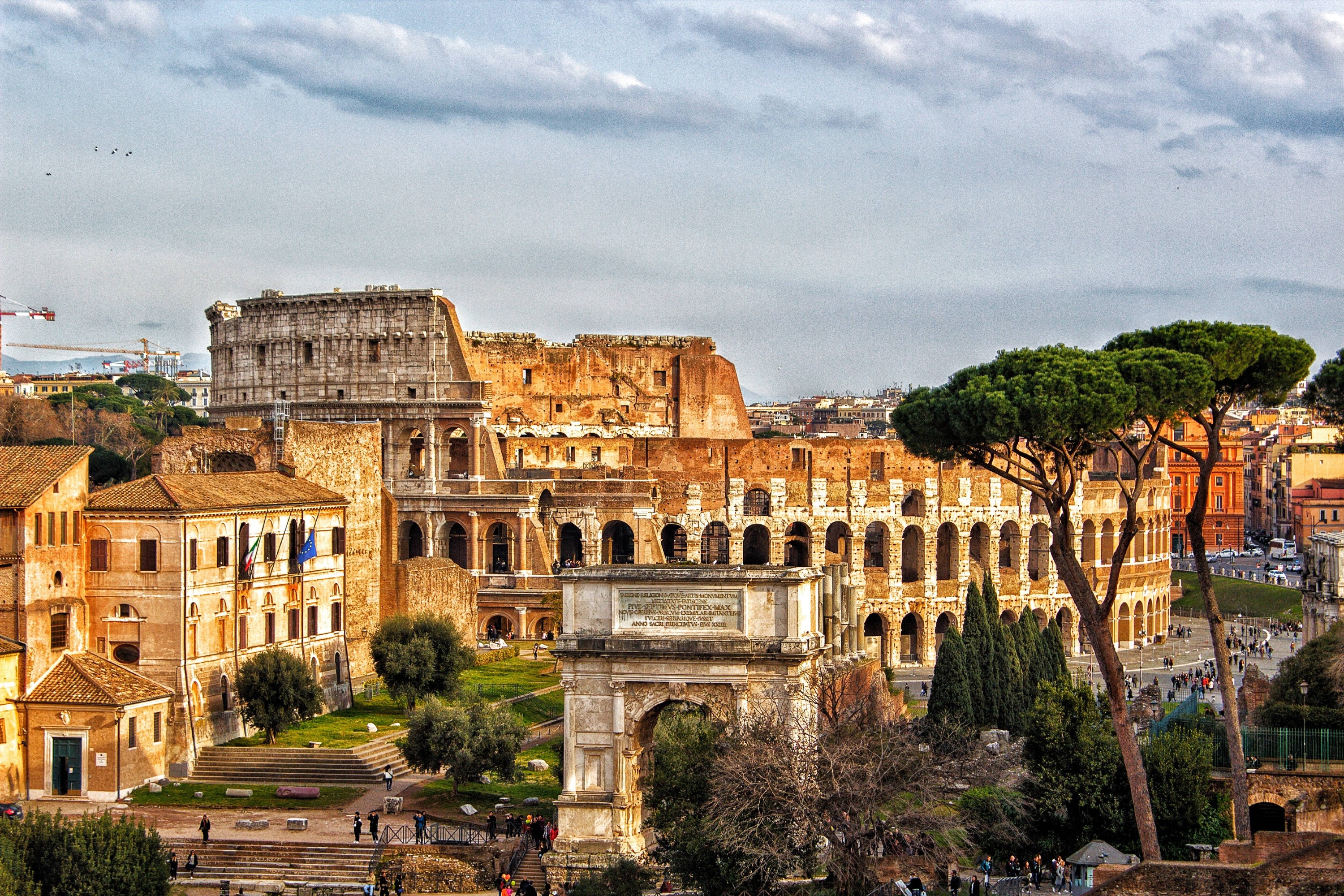
The Colosseum, also known as the Flavian Amphitheatre, is a massive ancient arena in Rome, built between 70-80 AD under the Flavian emperors. It could hold up to 50,000 spectators and was primarily used for gladiatorial contests, public spectacles, and other forms of entertainment. Today, it stands as one of the most iconic symbols of Roman engineering and culture, attracting millions of visitors annually.
11
The Imperial Fora are a series of monumental public squares built by various Roman emperors between 46 BC and 113 AD, adjacent to the Roman Forum. These fora, including the Forum of Caesar, Augustus, Vespasian, Nerva, and Trajan, served as centers for political, religious, and social life in ancient Rome. The complex featured temples, basilicas, and statues, showcasing the wealth and power of the Roman Empire, and remains an important archaeological and historical site today.
12
Stop 12
The Circus Maximus was an ancient Roman chariot-racing stadium and mass entertainment venue located in the valley between the Palatine and Aventine hills in Rome. It was the largest stadium in ancient Rome, capable of holding up to 250,000 spectators. The site was primarily used for chariot races, public games, and festivals, and remains a significant historical landmark, although only traces of the original structure survive today.
13
Stop 13
Trinità dei Monti
14
Stop 14
Via dei Condotti, nestled in the heart of Rome, is an iconic street celebrated for its upscale charm and high-end shopping. Lined with renowned designer boutiques, this cobblestone pathway exudes a sense of luxury and sophistication. The street's historic architecture, a blend of Renaissance and Baroque styles, adds to its allure. Notably, the Spanish Steps mark the lower end of Via dei Condotti, serving as a focal point for locals and tourists alike. Blooming flowerpots and classic lampposts enhance the street's inviting atmosphere. With a rich history linked to aristocracy, Via dei Condotti is synonymous with affluence and style. Celebrities and fashion enthusiasts frequent the area, making it a hotspot for indulging in the latest haute couture trends. Whether you're window shopping or treating yourself to a designer splurge, Via dei Condotti promises an unforgettable Roman experience where fashion and history seamlessly converge.
What's not included
Hotel pickup and drop-off (if option selected)
Refreshments
Gratuities
Available languages
Audio guide
EN
IT
ES
Guide guide
EN
IT
Written guide
EN
IT
ES
Reviews breakdown
Viator
4.0
13 reviews
5★
8
4★
1
3★
1
2★
2
1★
1
Tripadvisor
4.6
25 reviews
5★
22
4★
0
3★
0
2★
1
1★
2
Important information
Public transportation options are available nearby
Suitable for all physical fitness levels
The Remaining minutes are allotted for travel time
Meeting point
Meeting point is at Via dei Condotti 61, in the heart of Rome’s high-end fashion district.
Please wait directly in front of the building entrance.
There is no Luxurbe sign or shop—your E-Tuk driver will come to pick you up and is easy to recognize.
Call only if absolutely necessary.
About Rome
Rome, the capital of Italy, is a city of ancient ruins, artistic masterpieces, and vibrant culture. Known as the Eternal City, it is a living museum where every corner tells a story of its rich history spanning over 2,500 years.
Top Attractions
Colosseum
The Colosseum is an iconic symbol of Rome and one of the most famous ancient amphitheaters in the world. It was used for gladiatorial contests and public spectacles.
Historical
1-2 hours
€16 (combined ticket with Roman Forum and Palatine Hill)
Vatican City
Vatican City is an independent city-state enclaved within Rome. It is the spiritual and administrative center of the Roman Catholic Church.
Religious
Half day
€17 (Vatican Museums and Sistine Chapel), Free (St. Peter's Basilica)
Roman Forum
The Roman Forum was the political, commercial, and legal hub of the Roman Republic and Empire. It is a sprawling ruin of temples, basilicas, and arches.
Historical
1-2 hours
€16 (combined ticket with Colosseum and Palatine Hill)
Pantheon
The Pantheon is a former Roman temple, now a church, known for its large dome and oculus. It is one of the best-preserved ancient buildings in Rome.
Historical
30 minutes to 1 hour
Free
Trevi Fountain
The Trevi Fountain is a Baroque masterpiece and the largest fountain in Rome. It is a popular spot for visitors to throw coins and make wishes.
Architecture
15-30 minutes
Free
Must-Try Local Dishes
Cacio e Pepe
A simple yet delicious pasta dish made with Pecorino Romano cheese and black pepper.
Pasta
Vegetarian
Carbonara
A rich pasta dish made with eggs, Pecorino Romano, guanciale (cured pork cheek), and black pepper.
Pasta
Contains pork and eggs
Supplì
Fried rice balls filled with mozzarella and tomato sauce.
Snack
Vegetarian (some variations may contain meat)
Carciofi alla Romana
Artichokes braised with garlic, mint, and olive oil.
Vegetable
Vegetarian
Popular Activities
Hiking in the Appian Way Regional Park
Biking along the Tiber River
Rock climbing in the nearby mountains
Picnicking in Villa Borghese Gardens
Boating on Lake Albano
Enjoying a spa day at a luxury hotel
Visiting the Vatican Museums
Attending an opera at the Teatro dell'Opera di Roma
Best Time to Visit
April to June, September to October
Spring and fall offer pleasant weather and fewer crowds compared to the summer peak. Ideal for sightseeing and outdoor activities.
15-30°C
59-86°F
Practical Information
Language
- Official: Italian
- Widely spoken: English, Spanish, French
- English: Moderately spoken
Currency
Euro (EUR)
Time Zone
GMT+1 (CET), GMT+2 (CEST during daylight saving time)
Electricity
230VV, 50HzHz
Safety Information
Overall Safety Rating: Generally safe
Rome is generally safe for tourists, but pickpocketing and scams can be a problem in crowded areas. Be aware of your surroundings and take precautions to protect your belongings.
Important Precautions:
- • Keep valuables secure and out of sight
- • Use official taxis or ride-sharing services
- • Be cautious of strangers approaching you with petitions or bracelets
Getting there
By air
- Leonardo da Vinci International Airport • 35 km from city center
- Ciampino Airport • 15 km from city center
By train
Roma Termini, Roma Tiburtina
By bus
Tiburtina Bus Station, Roma Termini
Getting around
Public transport
The metro system is efficient and covers major tourist areas. It operates from 5:30 AM to 11:30 PM.
Taxis
Available • Apps: Uber, FreeNow
Rentals
Car, Bike, Scooter
Neighborhoods
Trastevere
Monti
Prancipio
Testaccio
Day trips
Ostia Antica
30 km from Rome • Half day
An ancient Roman port city with well-preserved ruins, including a theater, baths, and mosaics. It offers a glimpse into daily life in ancient Rome.
Tivoli
30 km from Rome • Full day
A picturesque town known for its stunning villas and gardens, including the famous Villa d'Este with its elaborate fountains and gardens.
Orvieto
120 km from Rome • Full day
A charming hilltop town known for its stunning cathedral, underground caves, and local wine. It offers a mix of history, culture, and scenic views.
Festivals
Natale di Roma • April 21
Festa de' Noantri • July
Rome Film Festival • October
Pro tips
- Visit major attractions early in the morning or late in the afternoon to avoid crowds
- Use public transport or walk instead of taking taxis to save money and experience the city like a local
- Try local specialties and ask for recommendations from locals and restaurant staff
- Dress modestly when visiting religious sites and be respectful of local customs and traditions
- Be aware of pickpockets and scams, especially in crowded areas and tourist hotspots
From $25
per person
Price varies by option
Secure booking
Free cancellation available
Instant confirmation