Private Camel Ride Adventure in Giza Pyramids And Egyptian Museum
Active
8h
For a full refund, cancel at least 24 hours before the scheduled departure time.
Instant confirmation
Mobile or paper ticket accepted
About this experience
Experience the wonders of ancient Egypt with our exclusive Day Tour to the Giza Pyramids, Camel Ride, and Egyptian Museum in Cairo. Enjoy the convenience of all pickup and drop-off transfers, ensuring a hassle-free journey from start to finish. Our knowledgeable private tour guide will accompany you throughout, providing insightful commentary and answering any questions you may have. Immerse yourself in the magnificence of the iconic Giza Pyramids and embark on a delightful 20-minute camel ride around the Great Pyramid. Explore the captivating collections at the renowned Egyptian Museum, where you'll witness the treasures of Tutankhamun and other significant artifacts. Travel comfortably in our newest model private A/C vehicles and stay hydrated with a complimentary bottle of water. Uncover the secrets of the ancient Egyptians on this exceptional tour, making unforgettable memories along the way.
Available options
Private Camel Ride Adventure in Giza Pyramids And Egyptian Museum
Pickup included
What's included
Bottled Water
20-minute camel ride around the Great Pyramids
Private Tour guide
Pickup & drop off transfers (private A/C vehicle newest model)
Entry Fees
Detailed itinerary
1
Stop 1
At 8:00 a.m., you will be picked up from your hotel in Cairo by our expert tour guide. then transfer to Giza Pyramids in a private A/C latest model vehicle and start your full-day tour by visiting the famous pyramids of Egypt which are known as Giza Pyramids.
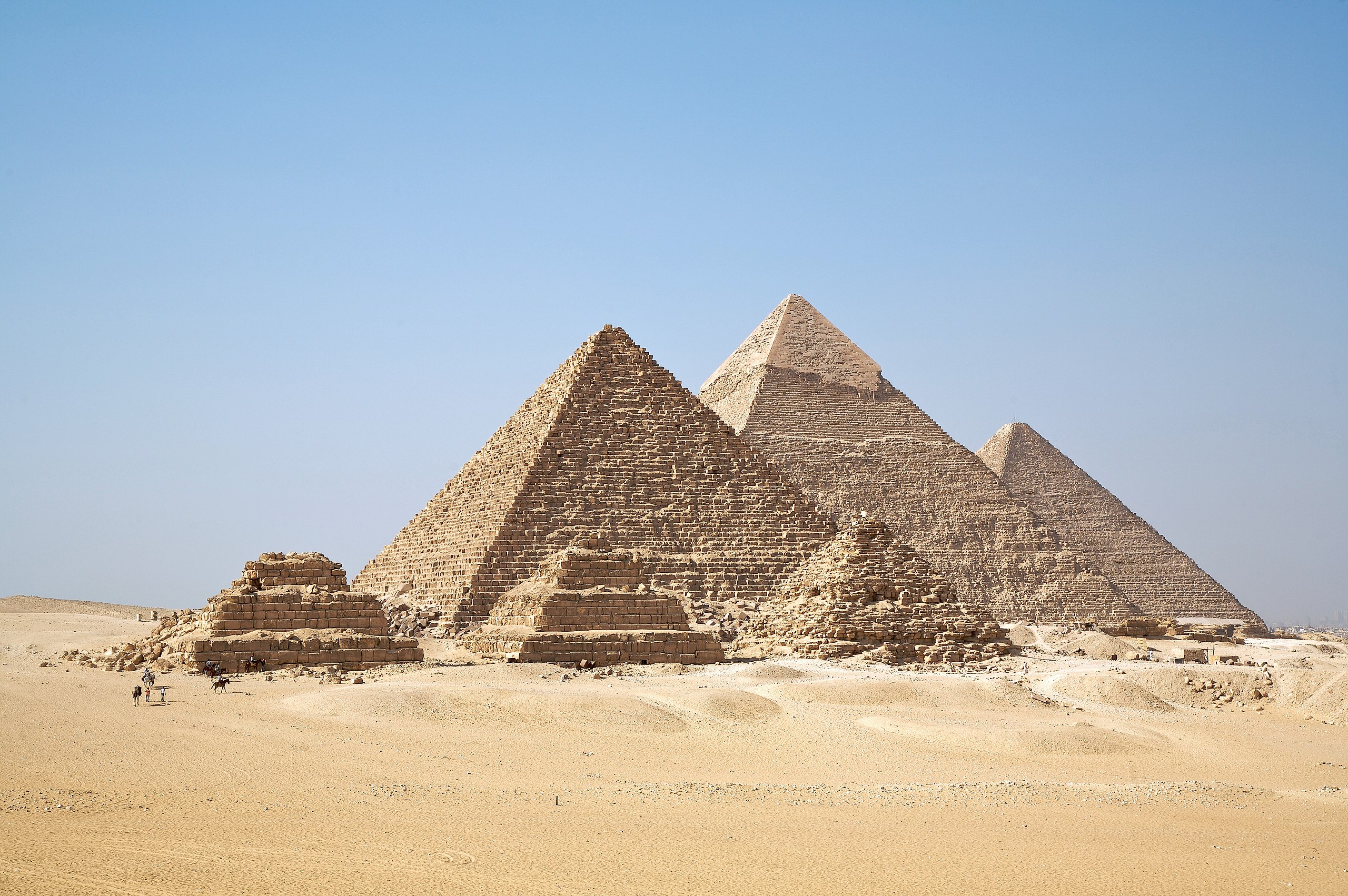
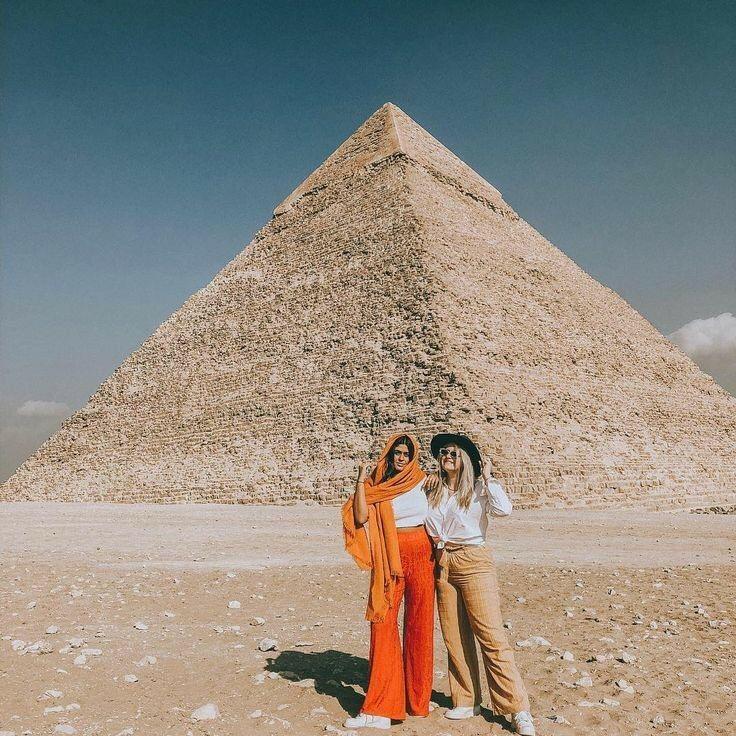
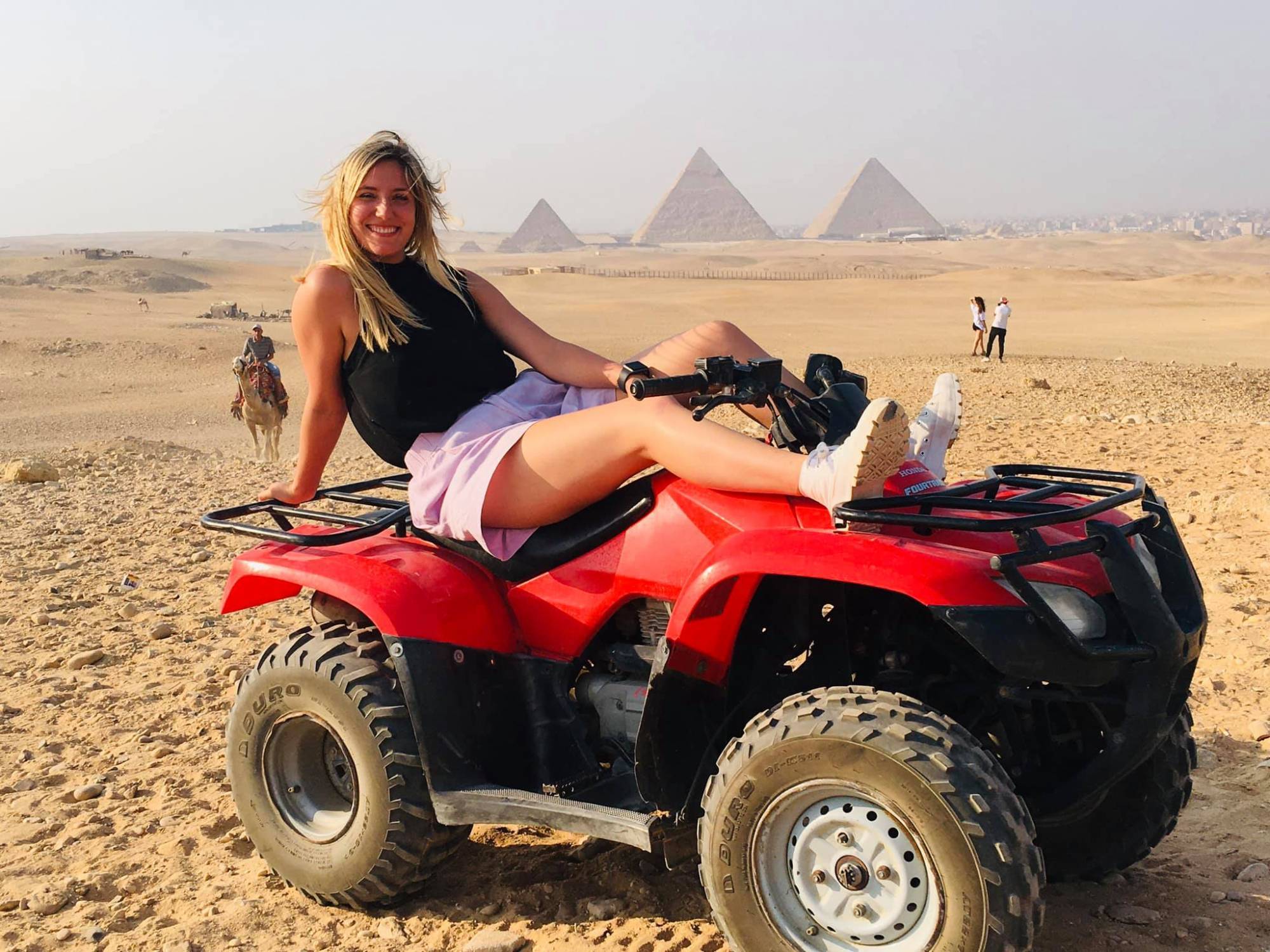
The pyramids of Giza and the Great Sphinx are among the most popular tourist destinations in the world and existed even in Roman times. Each of these spectacular structures served as the final resting place of a king of the 4th Dynasty (c.2613–2494 BC). The Great Pyramid of Giza was built for King Khufu (c.2589–2566 BC), and the other two for Khafre and Menkaure, his son and grandson. Khufu’s pyramid is both the oldest and largest of the three, and the first building to exceed its height would not be built for another 3,800 years!
Enjoy a 20-minute camel ride and get back to history. Our guide will take you to the Panoramic Place where you can see all the Pyramids in one view.
2
Stop 2
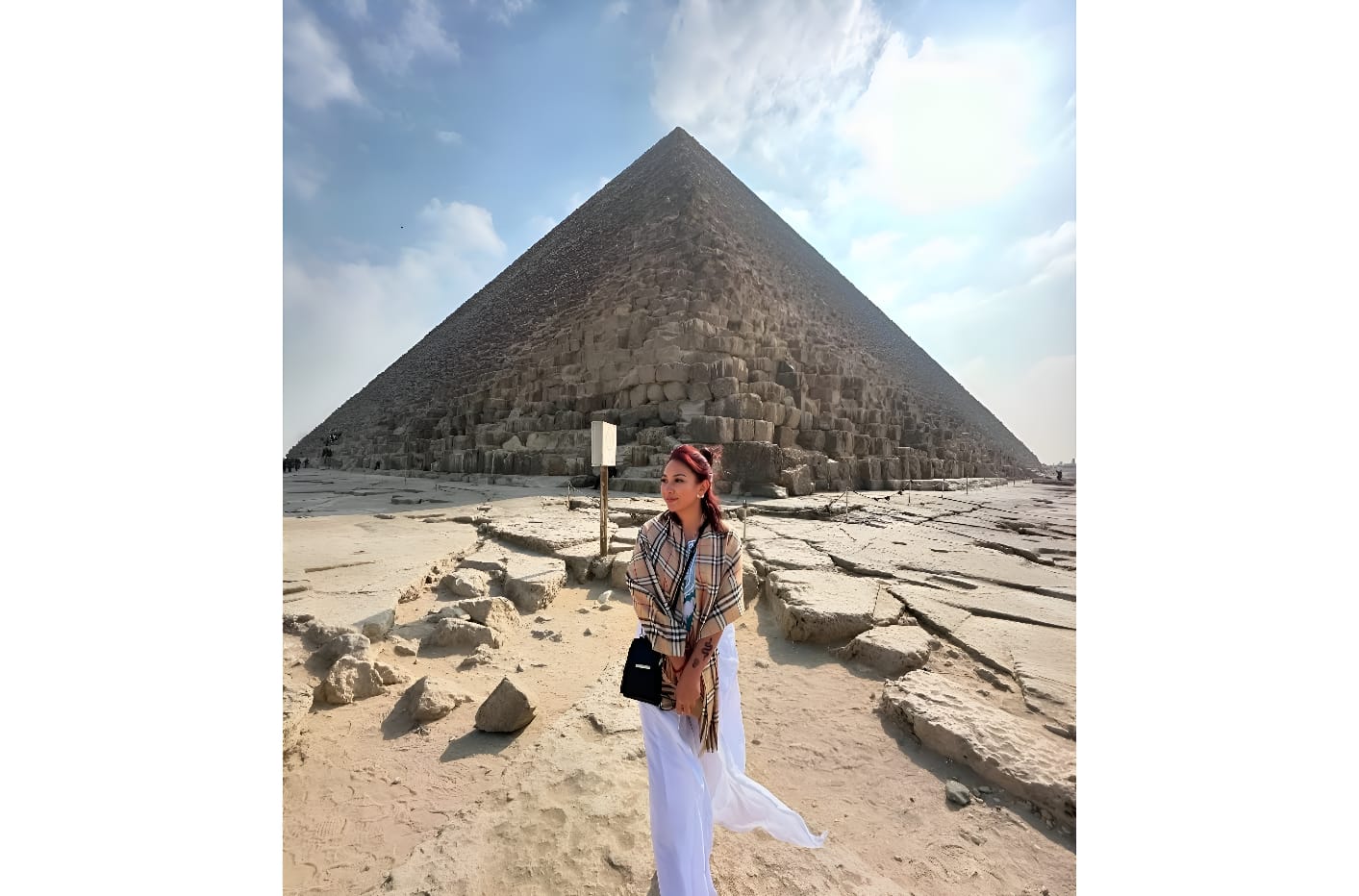
The Great Pyramid, the tomb of King Khufu (c.2589–2566 BC), with its original height of 146.5 meters, was the tallest structure in the world for 3,800 years. It remains the last surviving member of the Seven Wonders of the Ancient World and took an estimated 10 to 20 years to build. To this day, it is not entirely certain how this was done.
The Great Pyramid is made of local limestone, but its exterior was once entirely covered with high quality limestone. These casing stones were brought from Turah, south of Maadi, by ship. On the inside, the pyramid has three chambers, one cut into the bedrock underneath, and two high up within the masonry itself, a feature that no other pyramid possesses. The sarcophagus in which Khufu was once laid to rest can still be seen in the upper of these two rooms, the King’s Chamber. This room is accessed through the Grand Gallery, a majestic corbelled ascending passage, and a masterpiece of ancient engineering and architecture.
3
Stop 3
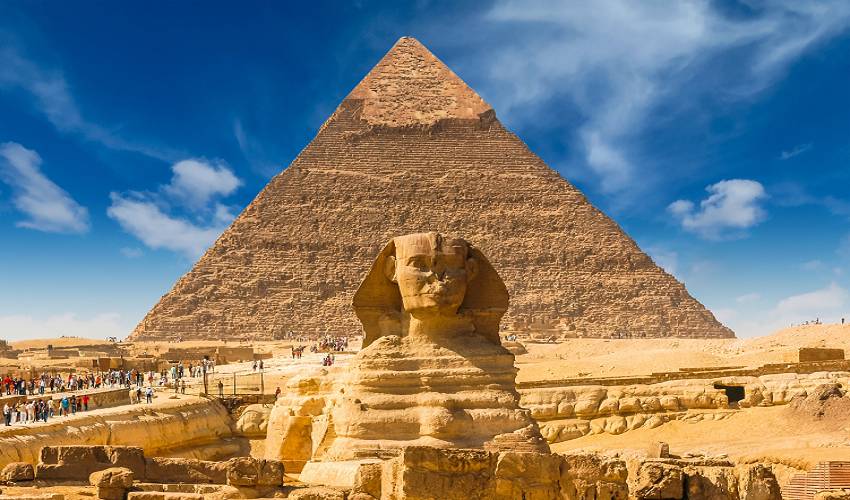
Khafre (c.2558–2532 BC), whom the ancient Greeks knew as Khefren, was a son of King Khufu (Cheops), the builder of the Great Pyramid. He built the second pyramid complex at Giza, and constructed his tomb on slightly higher ground, making it appear just as tall as his father’s. At 143.5 meters in height, however, his pyramid is only slightly shorter, and a tremendously impressive monument. Its core masonry is made of blocks of local limestone. The top of the pyramid still preserves the beautifully polished blocks of high-quality limestone that once encased the majority of the structure’s towering height. This white stone was quarried in Turah, south of Maadi, and transported here by ship.
4
Stop 4
Menkaure (Mykerinos to the ancient Greeks; c.2532–2503 BC) is the builder of the third of the three large Giza Pyramids. He was most likely the son of Khafre (Khefren) and grandson of Khufu (Cheops). With a base area that is less than a quarter of their pyramids’, and with an original height of 65 meters, Menkaure’s is by far the smallest of the three. This reduction in size is due to several factors, including the limited amount of space left on the Giza Plateau. The material used for the outer casing of Menkaure’s pyramid is another. Whereas his predecessors had used limestone for this purpose, Menkaure employed granite, which was quarried in Aswan, over 800 km away. In addition to the logistics involved in the transportation of the granite blocks, the material itself is much harder than limestone. However, only the bottom quarter of the casing stones are made of granite, the rest being limestone.
5
Stop 5
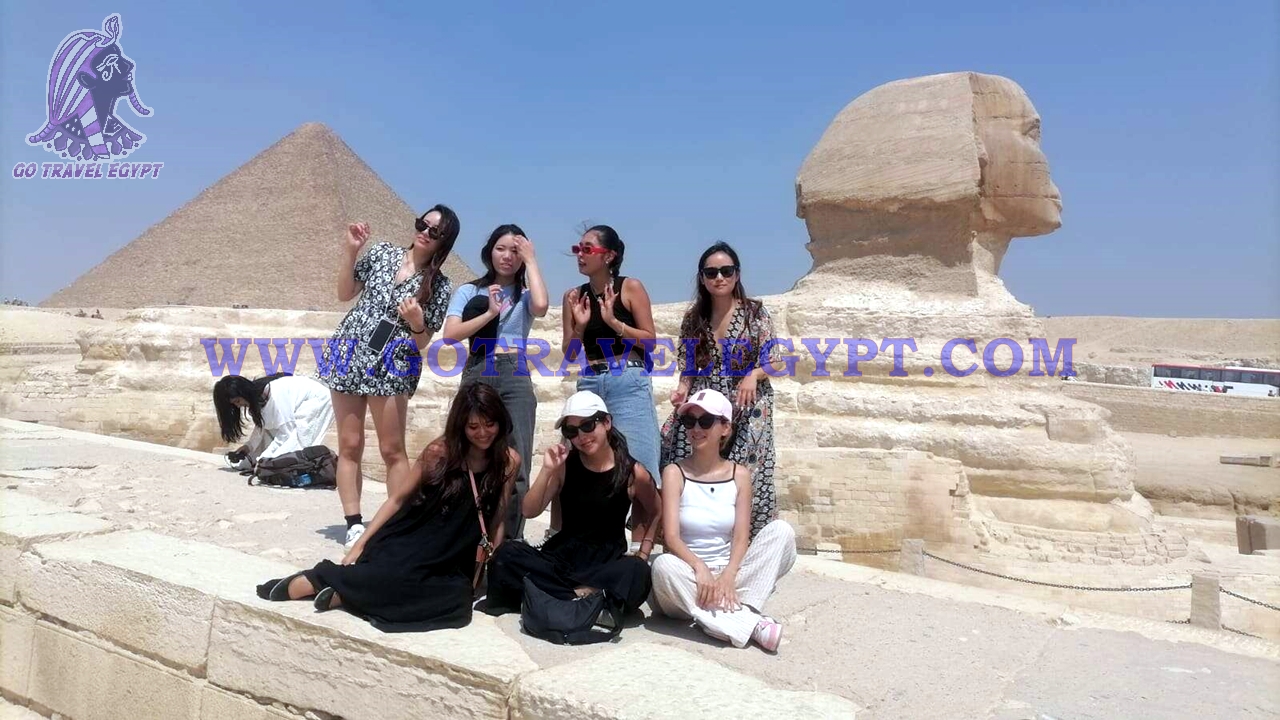
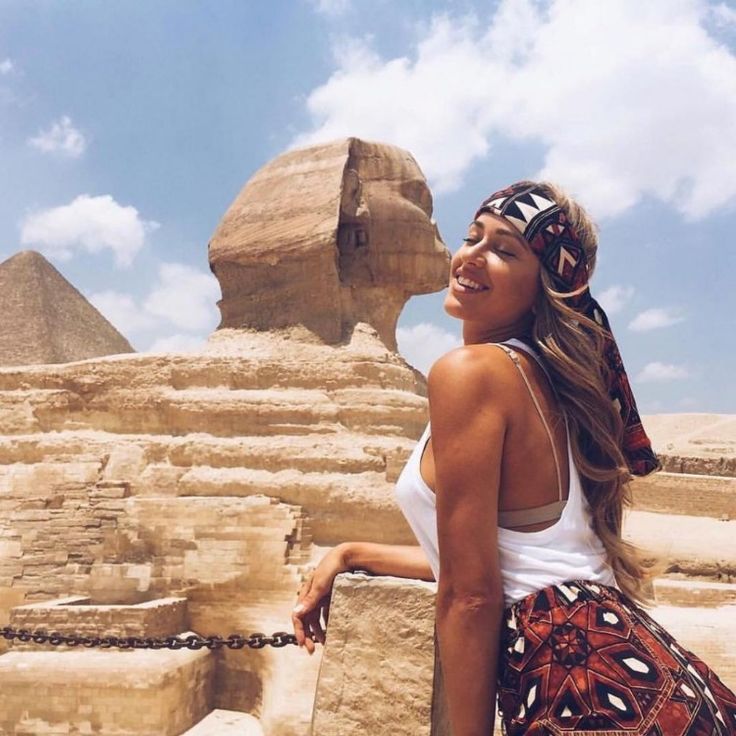
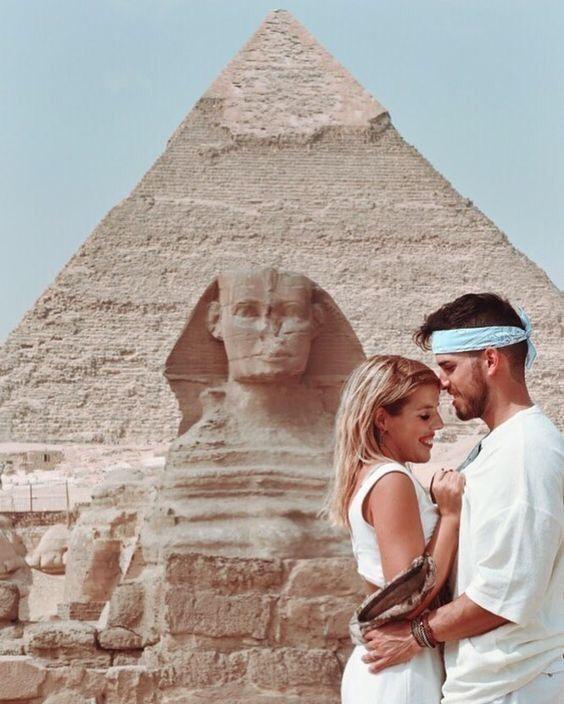
Colossal statues are one of the hallmarks of ancient Egyptian civilization, and the Great Sphinx of Giza is the most famous. It was carved directly out of the bedrock during the 4th Dynasty (c.2613–2494 BC), which also makes it the oldest. Ancient Egyptian sphinxes represented the king with the body of a lion, in a clear demonstration of his power.
The evidence points to the Great Sphinx having been carved during the reign of Khafre (Khefren to the ancient Greeks; c.2558–2532 BC), the builder of the second of the Giza pyramids. The Great Sphinx and the temple in front of it, called the Sphinx Temple, lie directly next to Khafre’s valley temple and the lower portion of the causeway leading up to his mortuary temple and pyramid. Careful archaeological analysis has revealed that the valley temple was finished before work was begun on the Great Sphinx and its temple. Analysis of the Great Sphinx’s facial features has also revealed striking similarities with those of Khafre’s statues.
6
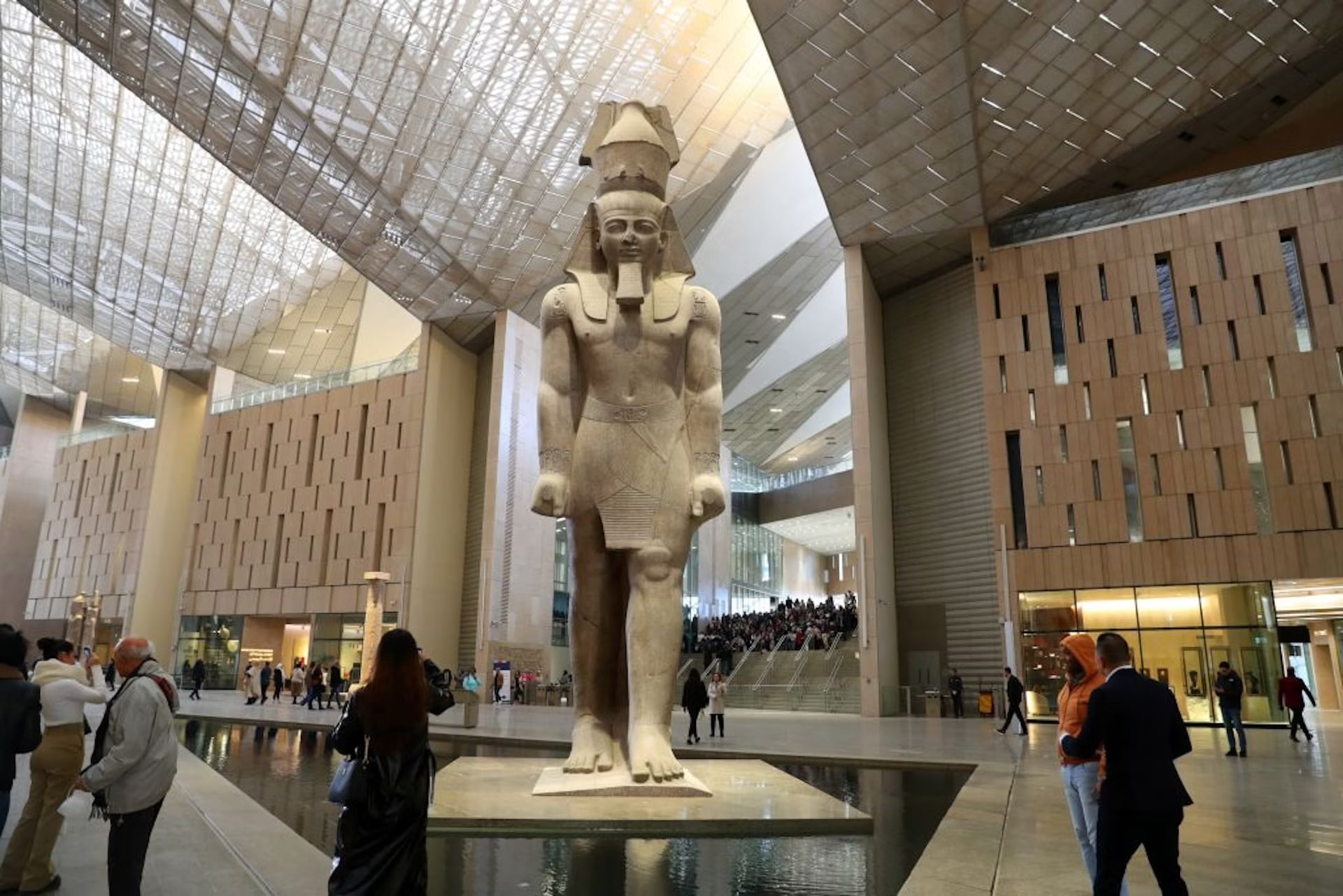
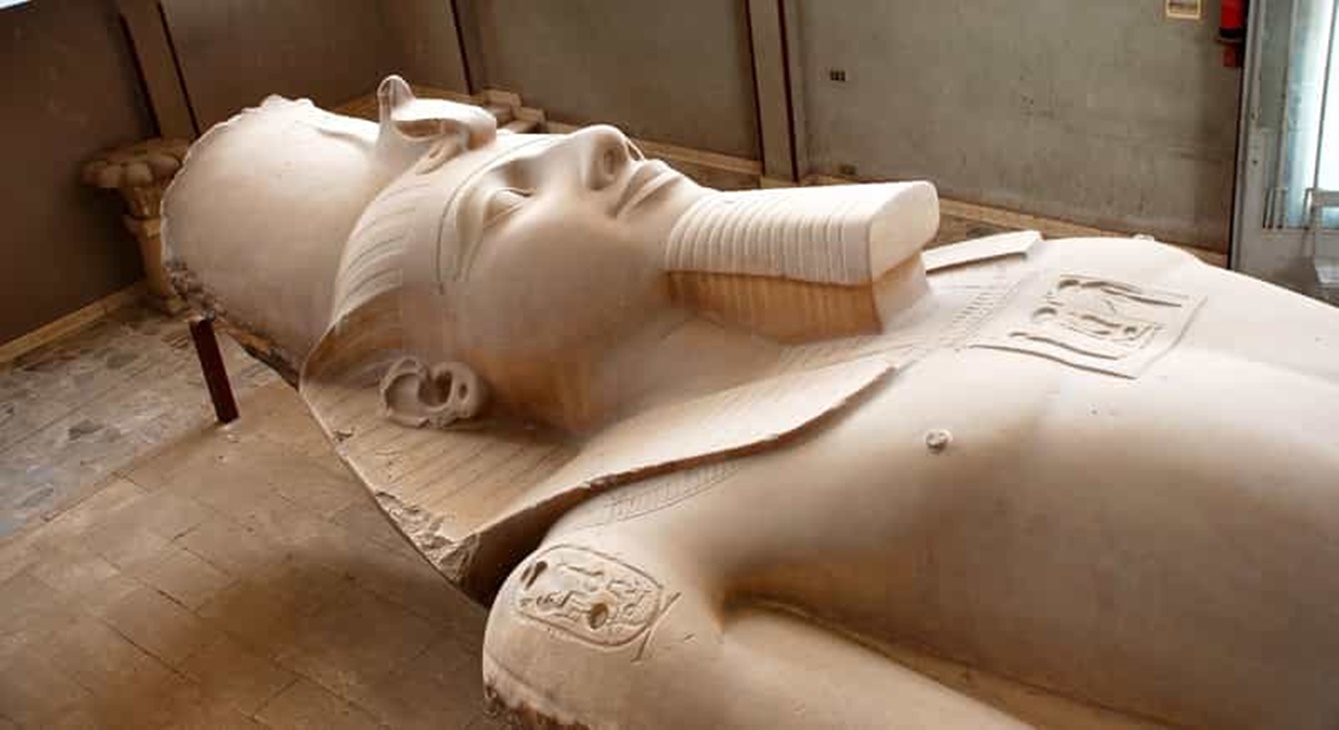
The Egyptian Museum in Cairo, commonly known as simply the Egyptian Museum (Arabic: المتحف المصري, romanized: al-Matḥaf al-Miṣrī, Egyptian Arabic: el-Matḥaf el-Maṣri [elˈmætħæf elˈmɑsˤɾi]), located in Cairo, Egypt, houses the largest collection of Egyptian antiquities in the world. It houses over 120,000 items, with a representative amount on display. Located in a building built in 1901, it is the largest museum in Africa. Among its masterpieces are Pharaoh Tutankhamun's treasure, including its iconic gold burial mask, widely considered one of the best-known works of art in the world and a prominent symbol of ancient Egypt.
After that, the tour will be finished with a transfer back to the hotel.
What's not included
Lunch at local restaurant (Optional)
Tipping
Available languages
Audio guide
AR
DE
RU
EN
IT
ES
Guide guide
AR
DE
RU
EN
IT
ES
Important information
Public transportation options are available nearby
Specialized infant seats are available
Not recommended for travelers with spinal injuries
Not recommended for pregnant travelers
Not recommended for travelers with poor cardiovascular health
Suitable for all physical fitness levels
About Cairo
Cairo, the capital of Egypt, is a vibrant metropolis where ancient history and modern life intertwine. As one of the largest cities in Africa, it offers a wealth of historical landmarks, bustling markets, and rich cultural experiences that attract millions of visitors each year.
Top Attractions
The Great Pyramids of Giza
The iconic pyramids are one of the most famous landmarks in the world and a must-visit for any traveler to Cairo. They are part of the Giza Necropolis, which also includes the Great Sphinx.
Historical
Half day to full day
Moderate (around $10-20 for entrance fees)
Egyptian Museum
This museum houses the largest collection of ancient Egyptian artifacts in the world, including the treasures of Tutankhamun. It's a must-visit for anyone interested in Egypt's rich history.
Museum
2-3 hours
Moderate (around $10-15 for entrance fees)
Khan el-Khalili Bazaar
One of the oldest and most famous markets in the Middle East, Khan el-Khalili offers a vibrant shopping experience with a wide range of goods, from spices and perfumes to jewelry and souvenirs.
Cultural
1-2 hours
Moderate (prices vary depending on items)
Coptic Cairo
This area is home to some of the oldest Christian churches in Egypt, including the Hanging Church and the Church of St. Sergius and Bacchus. It's a fascinating place to explore for those interested in the history of Christianity in Egypt.
Historical
1-2 hours
Low (around $5-10 for entrance fees)
Nile River Cruise
A Nile River cruise offers a unique way to see Cairo from a different perspective. Many cruises include dinner and entertainment, making it a memorable experience.
Cultural
2-3 hours
Moderate to Expensive (depending on the cruise package)
Must-Try Local Dishes
Koshari
A popular street food made with a mix of rice, lentils, chickpeas, pasta, and fried onions, topped with a spicy tomato sauce.
Main Dish
Vegetarian
Ful Medames
A traditional breakfast dish made with mashed fava beans, garlic, lemon juice, and olive oil, often served with bread.
Breakfast
Vegetarian, Vegan
Molokhia
A green leafy vegetable soup made with jute leaves, garlic, and coriander, often served with rice or bread.
Main Dish
Vegetarian, Vegan
Kofta
Grilled minced meat skewers made with a mix of ground beef, lamb, or chicken, seasoned with spices and herbs.
Main Dish
Contains meat
Popular Activities
Desert safaris
Quad biking in the desert
Hot air balloon rides over the Nile
Nile River cruises
Beach relaxation in Alexandria or Hurghada
Spa and wellness treatments
Exploring ancient temples and ruins
Visiting museums and galleries
Best Time to Visit
October to April
This period offers the most pleasant weather for sightseeing and outdoor activities. The temperatures are mild, making it ideal for exploring the city's historical sites.
15-28°C
59-82°F
Practical Information
Language
- Official: Arabic
- Widely spoken: English, French
- English: Moderately spoken in tourist areas, limited in other parts of the city
Currency
Egyptian Pound (EGP)
Time Zone
EET (GMT+2)
Electricity
220VV, 50HzHz
Safety Information
Overall Safety Rating: Exercise caution
Cairo is generally safe for tourists, but pickpocketing, scams, and harassment can occur, especially in crowded areas. It's important to stay vigilant, be aware of your surroundings, and take precautions to protect yourself and your belongings.
Important Precautions:
- • Be aware of your surroundings and keep your belongings secure, especially in crowded areas.
- • Avoid walking alone at night, especially in poorly lit or deserted areas.
- • Be cautious when using taxis, and always agree on a fare or use the meter before starting your journey.
Getting there
By air
- Cairo International Airport • 20 km from city center
By train
Ramses Station
By bus
Cairo Bus Station, Turgoman Bus Station
Getting around
Public transport
The metro is the fastest and most efficient way to get around Cairo. It has three lines and is relatively affordable.
Taxis
Available • Apps: Uber, Careem
Rentals
Car, Bike, Scooter
Neighborhoods
Downtown Cairo
Islamic Cairo
Zamalek
Giza
Day trips
Alexandria
220 km from Cairo • Full day
Alexandria is a beautiful coastal city with a rich history, offering a mix of ancient landmarks, beaches, and vibrant culture.
Luxor
670 km from Cairo • Overnight
Luxor is often referred to as the world's greatest open-air museum, offering a wealth of ancient Egyptian landmarks and temples.
Aswan
870 km from Cairo • Overnight
Aswan is a charming city on the Nile, known for its beautiful landscapes, ancient temples, and relaxing atmosphere.
Festivals
Cairo International Film Festival • Late November to early December
Cairo Jazz Festival • Late January to early February
Cairo Fashion Festival • April
Pro tips
- Learn a few basic Arabic phrases to enhance your experience and connect with locals.
- Hire a guide for major attractions, such as the Great Pyramids of Giza and the Egyptian Museum, to gain a deeper understanding of their history and significance.
- Bargain when shopping at markets and bazaars, as it's expected and can help you get a better deal.
- Dress modestly and respectfully, especially when visiting religious sites, to show respect for local customs and traditions.
- Be prepared for heavy traffic and crowded streets, especially during peak hours and in popular tourist areas.
From $25
per person
Price varies by option
Secure booking
Free cancellation available
Instant confirmation