Pisa Tour with Tower Admission
Active
2h
For a full refund, cancel at least 24 hours before the scheduled departure time.
Instant confirmation
Mobile or paper ticket accepted
About this experience
Discover the charm of Pisa on an exciting tour! Visit the majestic Cathedral of Pisa, a remarkable example of Tuscan Romanesque style, and marvel at the impressive Leaning Tower, a globally famous architectural icon. Explore the Baptistery of St. John, a treasure of transition between Romanesque and Gothic, and delve into the rich history of the Square of Miracles, a UNESCO World Heritage Site. With an experienced guide, you'll learn about the feats and mysteries behind these monuments while enjoying stunning views and a truly unique atmosphere. This is a must-do experience for history and architecture enthusiasts.
Available options
Pisa Tour with Tower Admission
What's included
Ticket to the Leaning Tower of Pisa
Professional Guide
Detailed itinerary
1
The Piazza dei Miracoli is the main public square of the Italian city of Pisa. Historically linked to its most important religious monuments, three of them located at the center of the square, the Cathedral (Duomo), the Baptistery, and the Bell Tower (Campanile), and the others arranged along its boundaries, including the Camposanto (cemetery), the Hospital, the Cathedral Museum (Museo del’Opera del Duomo), and the facilities of the institution, originally used for construction and now serving for the maintenance and conservation of the entire complex, the Opera del Duomo.
2
Stop 2
Explore the magnificent Cathedral of Pisa, dedicated to the Virgin Mary, a Catholic landmark located in the charming city of Pisa, Italy. This majestic temple, a masterpiece of the Tuscan Romanesque style, is the spiritual heart of the Archdiocese of Pisa. An integral part of the prestigious architectural complex of the Piazza dei Miracoli, recognized as a UNESCO World Heritage Site, the cathedral captivates visitors with its timeless beauty and rich history. Admire its imposing facade, marvel at its intricate architectural details, and immerse yourself in the serenity of this sacred place, where faith and art intertwine in perfect harmony.
3
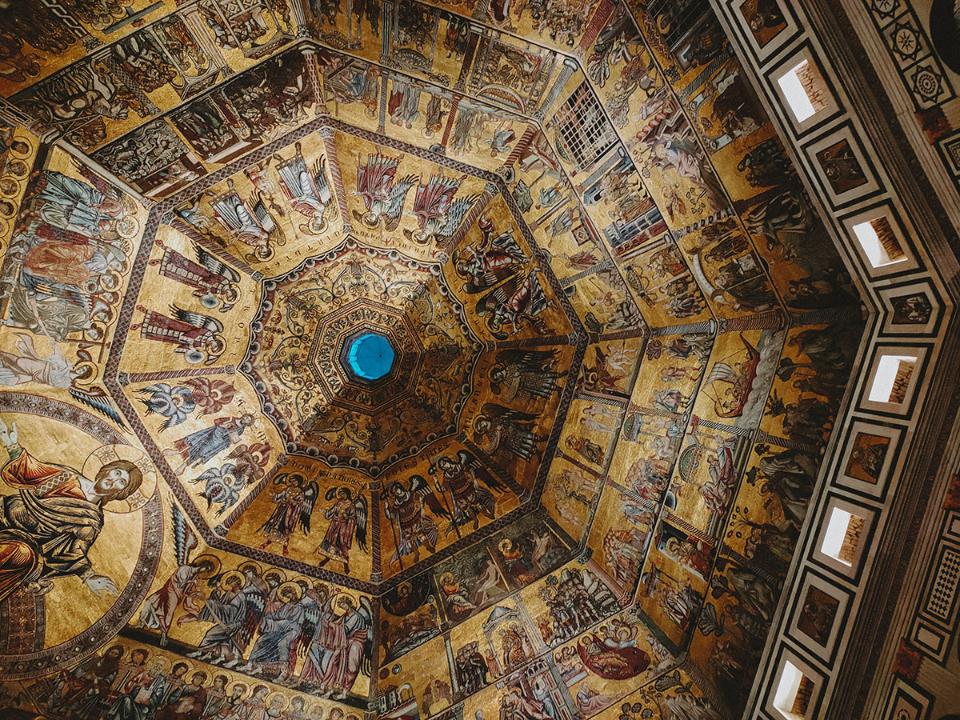
The Baptistery of Pisa, dedicated to Saint John the Baptist, is part of the Square of Miracles in Pisa, Italy, a UNESCO World Heritage Site since 1987. Built starting from 1152, it is known for its Romanesque-Gothic transition style. Its dome-covered structure is the largest of its kind in Italy, featuring a relief-decorated portal and an interior with minimal ornamentation, except for an octagonal font and a statue of Saint John the Baptist. Nicola Pisano's pulpit inside is a precursor to Renaissance style. Its unique acoustics produce prolonged echoes.
4
Stop 4
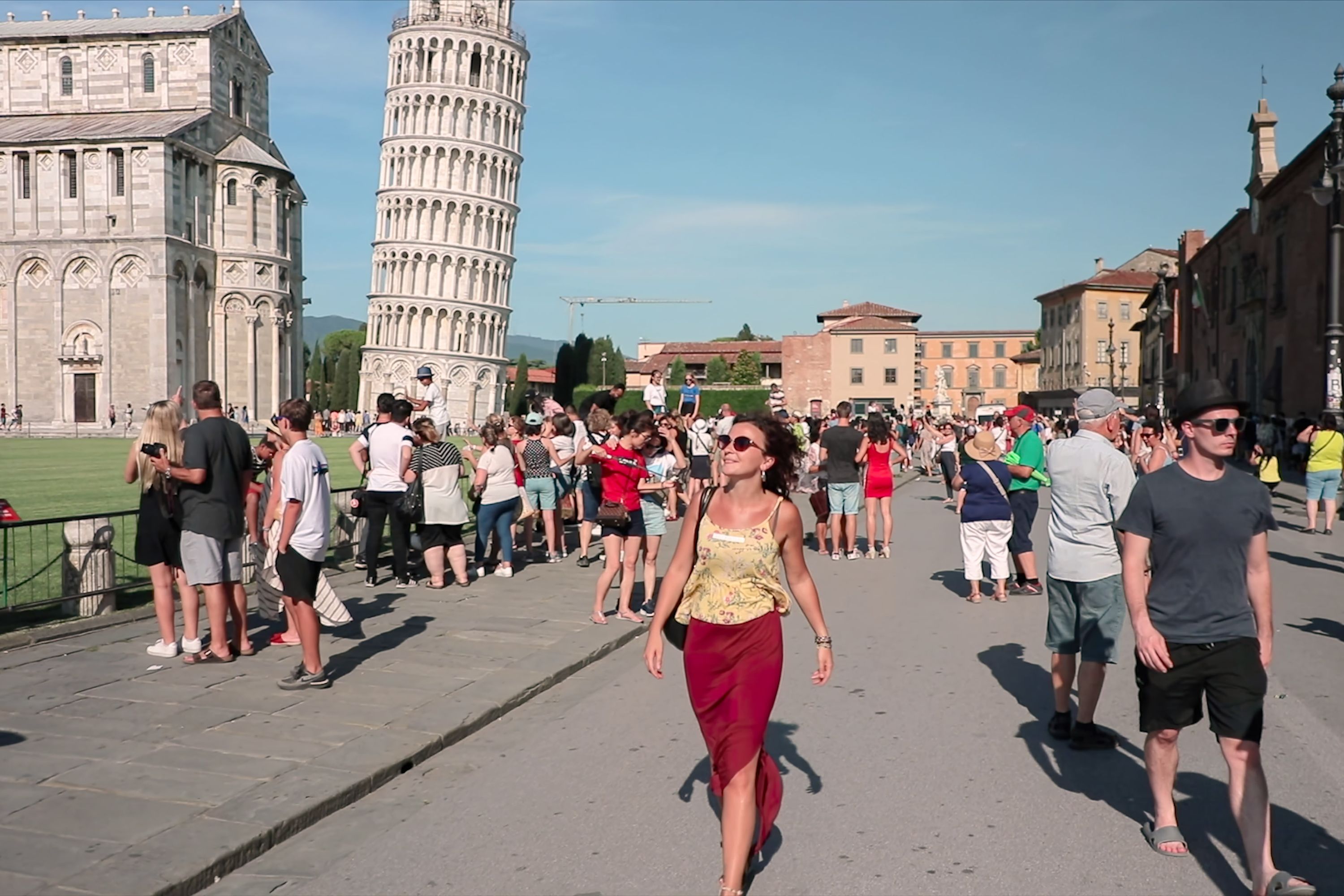
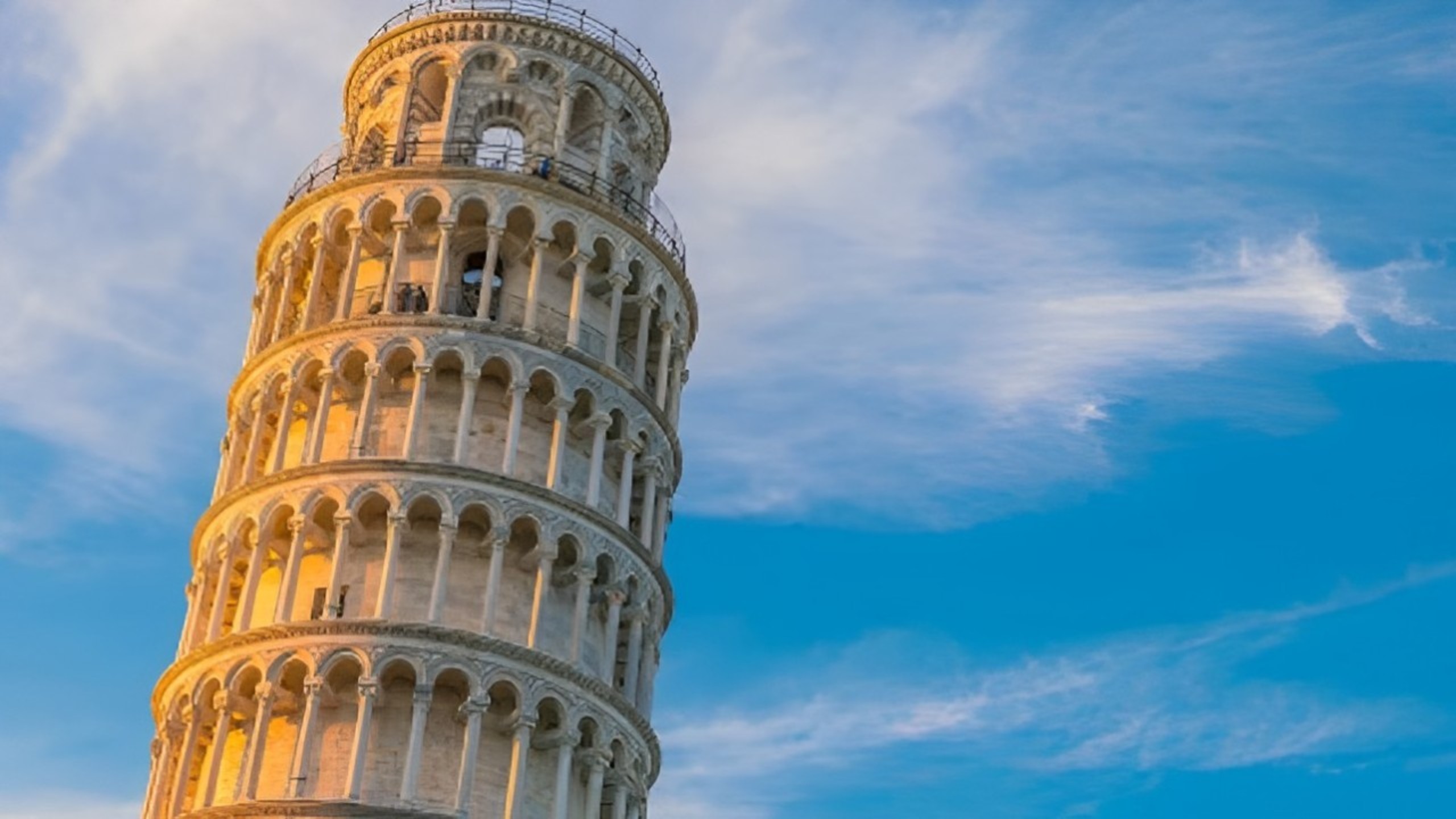
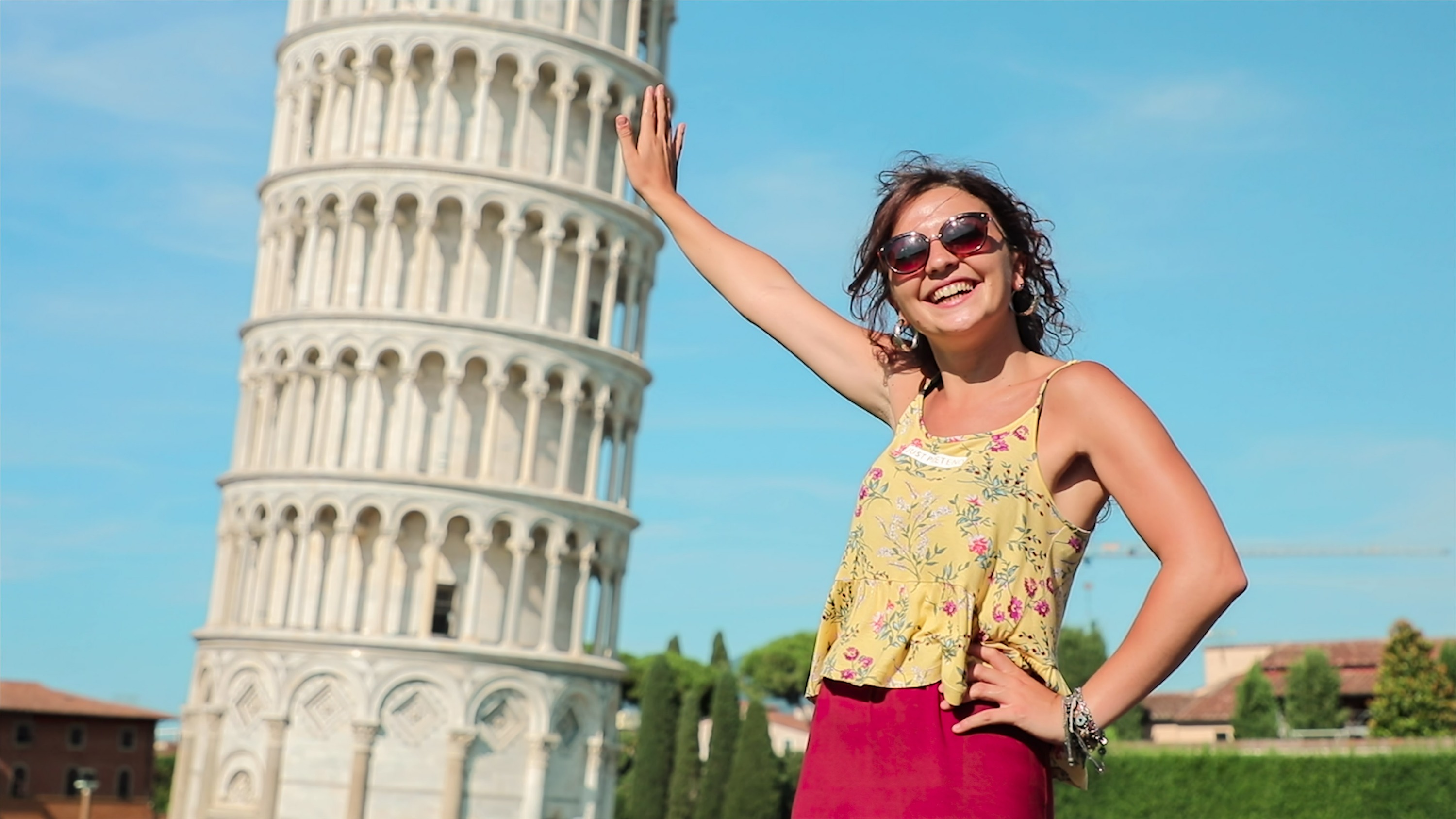
The Leaning Tower of Pisa (in Italian: Torre pendente di Pisa), or simply the Tower of Pisa, is a bell tower (campanile or standalone bell tower) of the cathedral in the Italian city of Pisa. It is situated behind the cathedral and is the third oldest structure in the Cathedral Square of Pisa (Campo dei Miracoli), after the cathedral and the baptistery.
Although intended to stand vertically, the tower began to lean to the southeast shortly after the start of construction in 1173, due to poorly laid foundation and unstable soil, which allowed the foundation to experience differential settlements. The tower currently leans to the southwest.
What's not included
Food and drink
Transport 30USD
Available languages
Guide guide
EN
Important information
Public transportation options are available nearby
Infants are required to sit on an adult’s lap
Suitable for all physical fitness levels
Pre-booked priority access tickets for all included visits
The option including the tower grants access to climb the Leaning Tower, as well as entry to the Cemetery, OPA Museum, and Sinopie Museum (all of which you can visit independently after the guided tour)
2-hour leisurely paced walking tour
Take a break on the museum terrace and enjoy stunning views of the Square with your tower tickets
Entry to the Cathedral is not permitted for individuals wearing sleeveless shirts and shorts or skirts above the knees.
Note: Children under 9 years old are not allowed to climb the tower but can still enjoy the rest of the tour highlights.
Meeting point
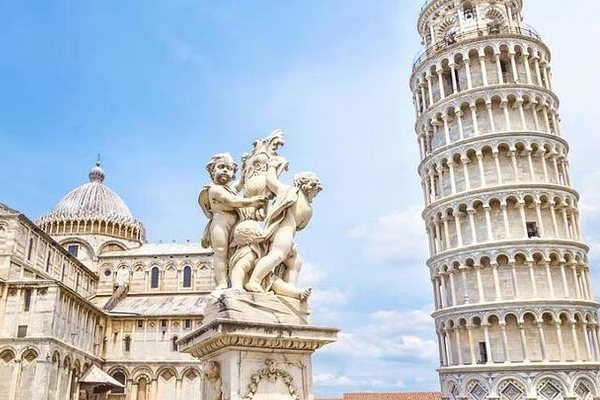
We meet in front of the Fontana dei Putti at Piazza Arcivescovado, Pisa. Your guide will have a signboard that says, "Walks In Europe."
About Pisa
Pisa is a city in the Tuscany region of Italy, renowned for its iconic Leaning Tower. This historic city offers a blend of medieval architecture, vibrant student life, and rich cultural heritage. Pisa's compact size makes it easy to explore, with many attractions within walking distance.
Top Attractions
Leaning Tower of Pisa
The iconic Leaning Tower of Pisa is a freestanding bell tower known for its unintended tilt. It is part of the Pisa Cathedral complex and a UNESCO World Heritage Site.
Historical/Architecture
1-2 hours
€18-€20
Pisa Cathedral
The Pisa Cathedral is a masterpiece of Romanesque architecture and a key part of the Piazza dei Miracoli complex. It is known for its intricate marble facade and stunning interior.
Historical/Religious
1-2 hours
€5-€7
Baptistery of St. John
The Baptistery of St. John is the largest baptistery in Italy and is known for its stunning acoustics and beautiful architecture. It is also part of the Piazza dei Miracoli complex.
Historical/Religious
30-45 minutes
€5-€7
Pisa Botanic Garden
The Pisa Botanic Garden is a beautiful green space with a variety of plant species, including exotic and medicinal plants. It is a great place for a relaxing stroll.
Nature
1-2 hours
€5-€7
Knights Square (Piazza dei Cavalieri)
Knights Square is a historic square in Pisa, known for its medieval buildings and the iconic Palazzo della Carovana. It was once the center of the Knights of St. Stephen.
Historical
30-45 minutes
Free
Must-Try Local Dishes
Cecina
A savory chickpea flour pancake, similar to a thin pizza, often served as a street food.
Snack
Vegetarian, gluten-free option available
Ribollita
A hearty bread and vegetable soup, often made with cannellini beans and kale.
Dinner
Vegetarian, can be made vegan
Bistecca alla Fiorentina
A large, thick-cut T-bone steak, typically from the Chianina cattle breed, grilled and seasoned simply with salt and olive oil.
Dinner
Contains meat, not suitable for vegetarians or vegans
Tiramisu
A classic Italian dessert made with layers of coffee-soaked ladyfingers and mascarpone cheese.
Dessert
Contains dairy and coffee
Popular Activities
Biking on Lucca's city walls
Hiking in the nearby Tuscan countryside
Strolling through Pisa's historic neighborhoods
Enjoying gelato at a local gelateria
Visiting museums and historic sites
Attending local festivals and events
Boating on the Arno River
Visiting Christmas markets in December
Best Time to Visit
May to September
This is the best time to visit Pisa for warm weather and outdoor activities. The city is lively with tourists and events.
20°C to 32°C
68°F to 90°F
Practical Information
Language
- Official: Italian
- Widely spoken: English, French, Spanish
- English: Moderately spoken
Currency
Euro (EUR)
Time Zone
GMT+1 (CET), GMT+2 (CEST during daylight saving time)
Electricity
230VV, 50HzHz
Safety Information
Overall Safety Rating: Generally safe
Pisa is generally safe for tourists, but common precautions should be taken to avoid pickpocketing and scams.
Important Precautions:
- • Keep valuables secure and out of sight.
- • Use licensed taxis and agree on the fare before starting the journey.
- • Be cautious of strangers approaching you with offers or requests.
Getting there
By air
- Pisa International Airport • 1 km from city center
By train
Pisa Centrale
By bus
Piazza Vittorio Emanuele II
Getting around
Public transport
Buses are the primary mode of public transport in Pisa. The system is efficient and covers most of the city.
Taxis
Available • Apps:
Rentals
Car, Bike, Scooter
Neighborhoods
Piazza dei Miracoli
Santa Maria
San Martino
Day trips
Lucca
20 km • Half day
Lucca is a charming medieval city known for its well-preserved Renaissance walls, beautiful churches, and historic buildings. It offers a glimpse into Italy's rich history and culture.
Florence
80 km • Full day
Florence, the capital of Tuscany, is a city renowned for its art, architecture, and history. It is home to iconic landmarks like the Duomo, Uffizi Gallery, and Ponte Vecchio.
San Gimignano
60 km • Full day
San Gimignano is a medieval hilltop town known for its towering houses, vineyards, and stunning views of the Tuscan countryside. It is a UNESCO World Heritage Site and offers a unique glimpse into Italy's past.
Festivals
Luminara di San Ranieri • September 16
Pisa Jazz Festival • July
Pro tips
- Visit the Leaning Tower early in the morning to avoid crowds.
- Explore the city on foot to discover hidden gems and local neighborhoods.
- Try local specialties like Cecina and Ribollita at traditional osterias.
- Use the Pisa Card for discounted entry to major attractions and unlimited public transport.
- Take a day trip to Lucca or Florence for a deeper dive into Tuscany's history and culture.
From $25
per person
Price varies by option
Secure booking
Free cancellation available
Instant confirmation