From Rome Private Tour to Arezzo and Cortona with Guide
Active
10h - 11h
For a full refund, cancel at least 24 hours before the scheduled departure time.
Instant confirmation
Mobile or paper ticket accepted
About this experience
You leave from Rome with a comfortable car or a 7-seater SUV with pick up and drop off at the customer's Hotel. A driver who speaks excellent English who will also act as a Guide and will always be available to customers. Perched on top of a hill, very close to the border with Umbria, stands the charming village of Cortona. Walking through its quaint alleys, you can not help but notice the ancient palaces and its typically medieval appearance, maintained to this day. Despite its modest size, Cortona boasts a very rich centuries-long history. After Cortona you arrive in Arezzo which boasts ancient origins and was one of the major Etruscan lucumonies; later it became a Roman center of strategic importance, hub of flourishing economic activities and rich in monuments. Exploring Arezzo means discovering a city that offers the best of art, culture and nature with a historic center that preserves beautiful monuments, churches, palaces and museums.
Available options
From Rome Private Tour to Arezzo and Cortona with Guide
Pickup included
What's included
Private transportation
Detailed itinerary
1
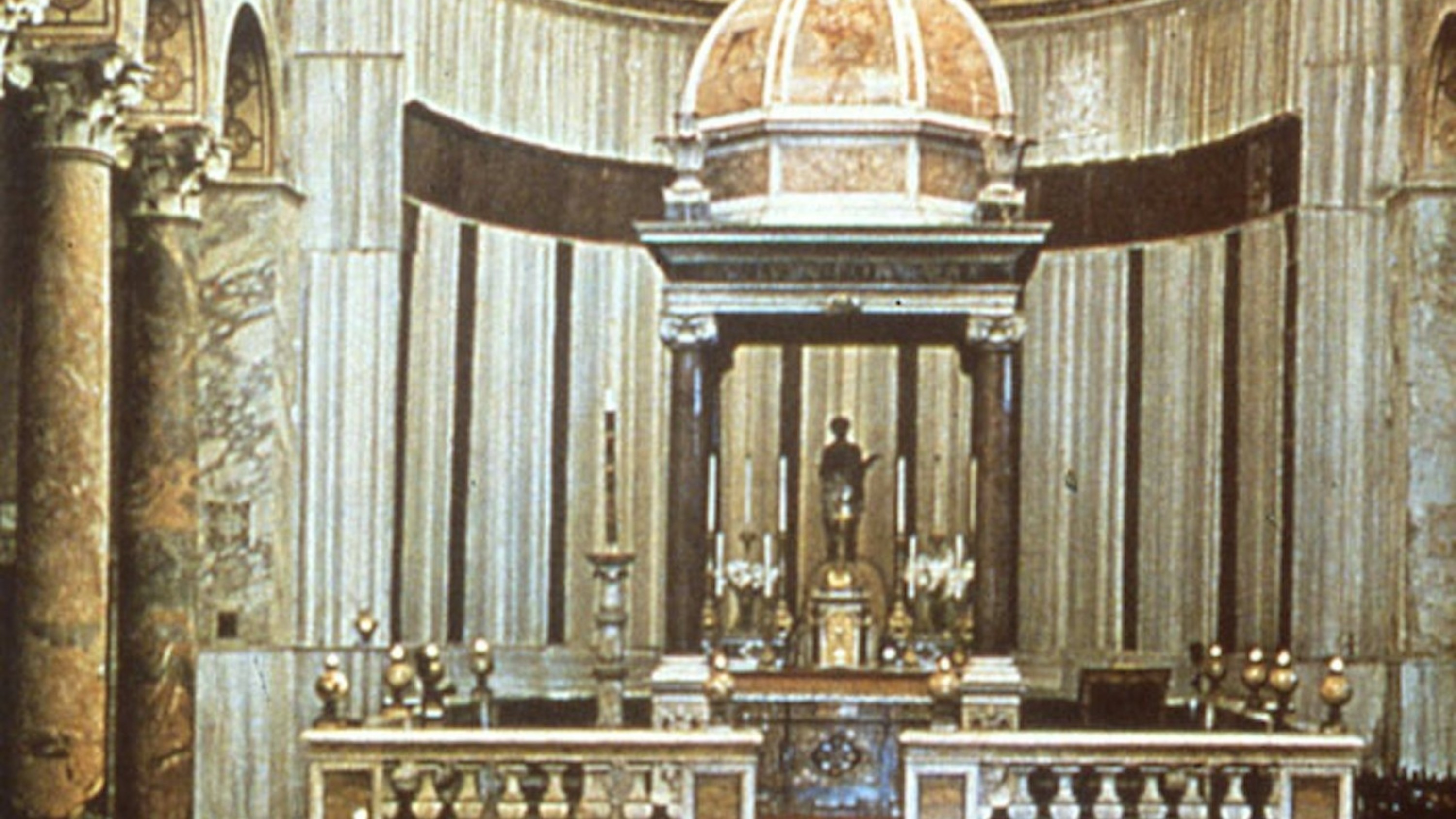
The history of the co-cathedral of Santa Maria Assunta, Cathedral of Cortona, begins as early as the year 1000, when it was built as a parish church on the remains of an ancient pagan temple. The facade still shows signs of the original Romanesque style, while the interior, divided into three naves, is decorated in Renaissance style.
2
The Church of San Francesco was commissioned by the successor of the saint of Assisi, Friar Elijah, who began construction in 1247. Its architectural form recalls the typical Franciscan style, with the interior with a single nave and truss roof, with three cross-vaulted chapels.
3
For lovers of history and archaeology, a visit to the MAEC – Museum of the Etruscan Academy and the City of Cortona is mandatory. Located in Piazza Signorelli, a few steps from Piazza della Repubblica, the MAEC will take you back in time to learn about the great Etruscan past of the territory. The sections encountered along the way boast truly unique pieces, such as the famous Etruscan bronze chandelier of the fourth century BC.C., the gold fibula in the shape of a panther, or the Tabula Cortonensis, third Etruscan text in length.
Also noteworthy is the Egyptian collection, along with the historical-artistic section with paintings from the Tuscan school from the 14th to the 20th century.
4
Stop 4
To visit the Basilica of Santa Margherita, dedicated to the patron saint of Cortona, you have to go to the edge of the historic center. Although the original building dates back to the fourteenth century, various alterations took place over the centuries, in particular between the eighteenth and nineteenth centuries: on this occasion two naves were added that gave the church the basilica layout, the facade was rebuilt and the interior was embellished according to the taste of the time. The bright colors of the Baroque style are therefore mixed with traces of the Gothic and Romanesque styles, while fragments of medieval frescoes, unfortunately largely lost, are now in the Diocesan Museum.
5
A walk through the village among the streets and squares to breathe a medieval area and stop for an aperitif.
6
Stop 6
Piazza Grande, the heart of Arezzo, is one of the most beautiful squares in Tuscany, thanks to the constructions of different eras that look out here as if on a stage.
The square has irregular shapes, because it is built on downhill ground. During the municipal age it was the Point of Sale and in the Renaissance it became the center of civic life in the city.
Its current appearance dates back to the sixteenth century, when the splendid Palazzo delle Logge was built, overlooking the highest part of Piazza Grande. The project, signed by Giorgio Vasari, was completed in 1595: the building stands out for the simplicity of the architectural lines and the great elegance of the portico.
7
one of the oldest churches in Arezzo, a thirteenth-century Gothic building inspired by the Franciscan aesthetic: the only ornaments present, in fact, are a frame that runs around the entire edge of the roof, the windows with pointed arches and the rose window above the main door.
With the exception of the lower part of the facade which is made of travertine blocks, all the construction is brick burnished by time.
The frescoes that characterize the interior of the basilica were begun by Bicci di Lorenzo who, after his death, was replaced by Piero della Francesca: his splendid works depict the fifteen scenes of the Legend of the True Cross and were finished in 1466.
The great Crucifix of the altar, attributed to Duccio di Boninsegna and most likely datable to 1289, is also of priceless value.
8
It dominates the city from its highest hill and thanks to its imposing bulk is visible from all sides.
The construction work was started in 1278 by Bishop Wilhelmine of Ubertini and finished only in 1511.
Inside there are many priceless works such as the fresco of La Maddalena by Piero della Francesca - painted around 1460 in the left aisle - the monumental high altar complex whose wooden choir was designed in 1554 by Giorgio Vasari, the Madonna del Conforto, patron saint of the city, the seven medieval windows and the large altarpieces by Andrea Della Robbia.
9
Customers can walk through these wonderful streets and squares of Arezzo and then sit in one of the typical restaurants of the city and have lunch tasting the typical products of the Tuscany region.
What's not included
Lunch
Available languages
Guide guide
EN
Important information
Infants and small children can ride in a pram or stroller
Specialized infant seats are available
Not recommended for travelers with poor cardiovascular health
Suitable for all physical fitness levels
In addition to being a historical and cultural tour it is also a religious tour.
The driver will also be a Guide giving historical notes to customers.
About Rome
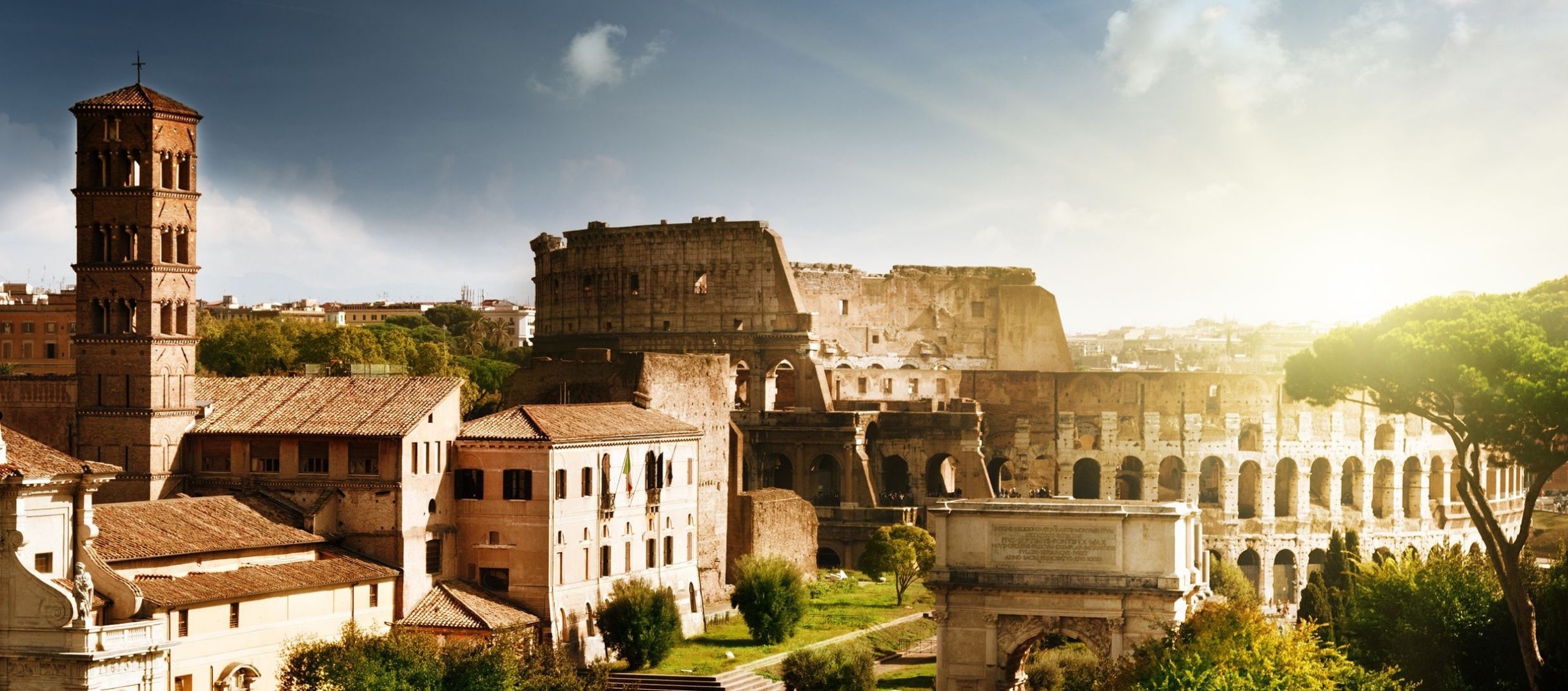
Rome, the capital of Italy, is a city of ancient ruins, artistic masterpieces, and vibrant culture. Known as the Eternal City, it is a living museum where every corner tells a story of its rich history spanning over 2,500 years.
Top Attractions
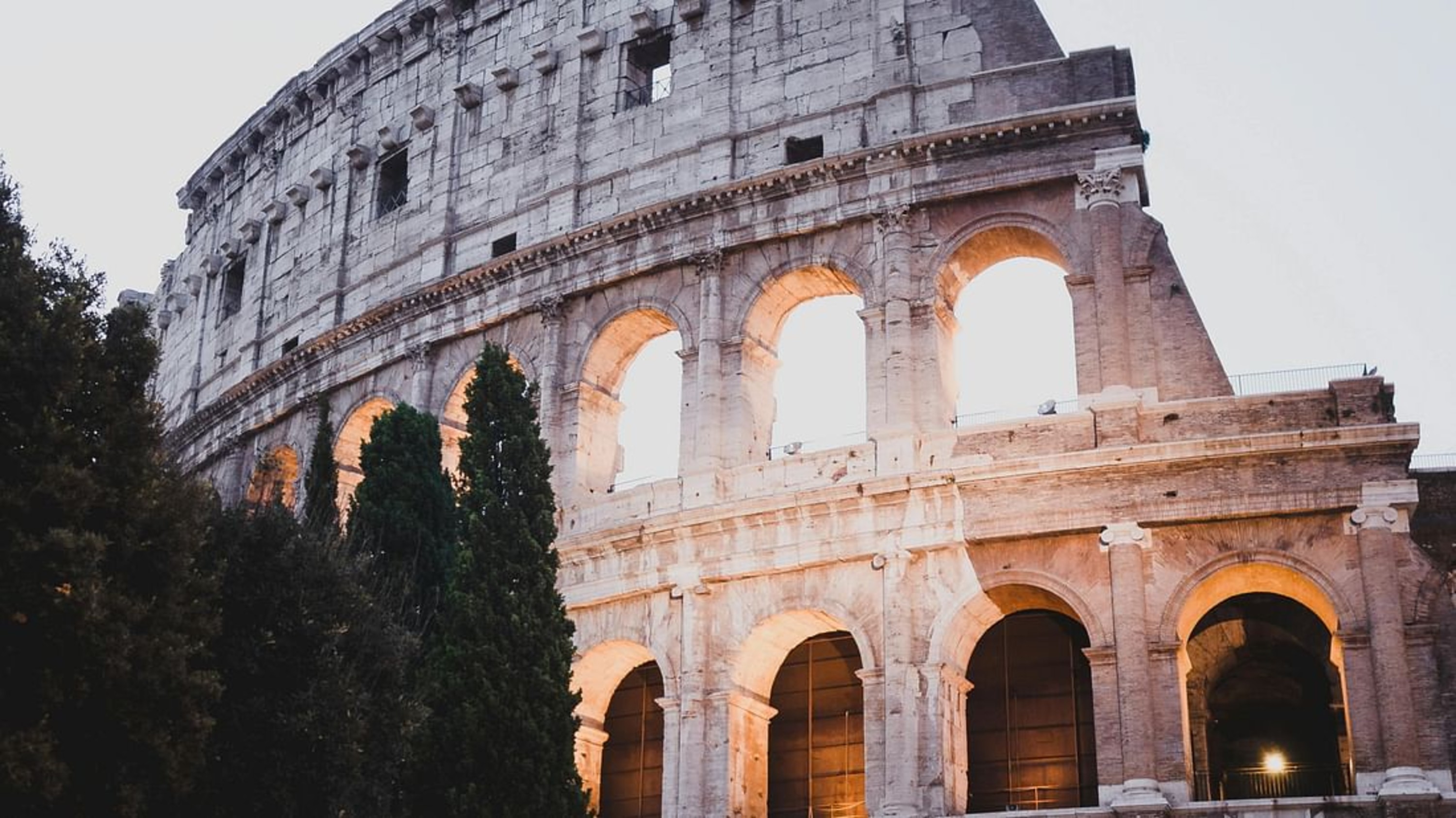
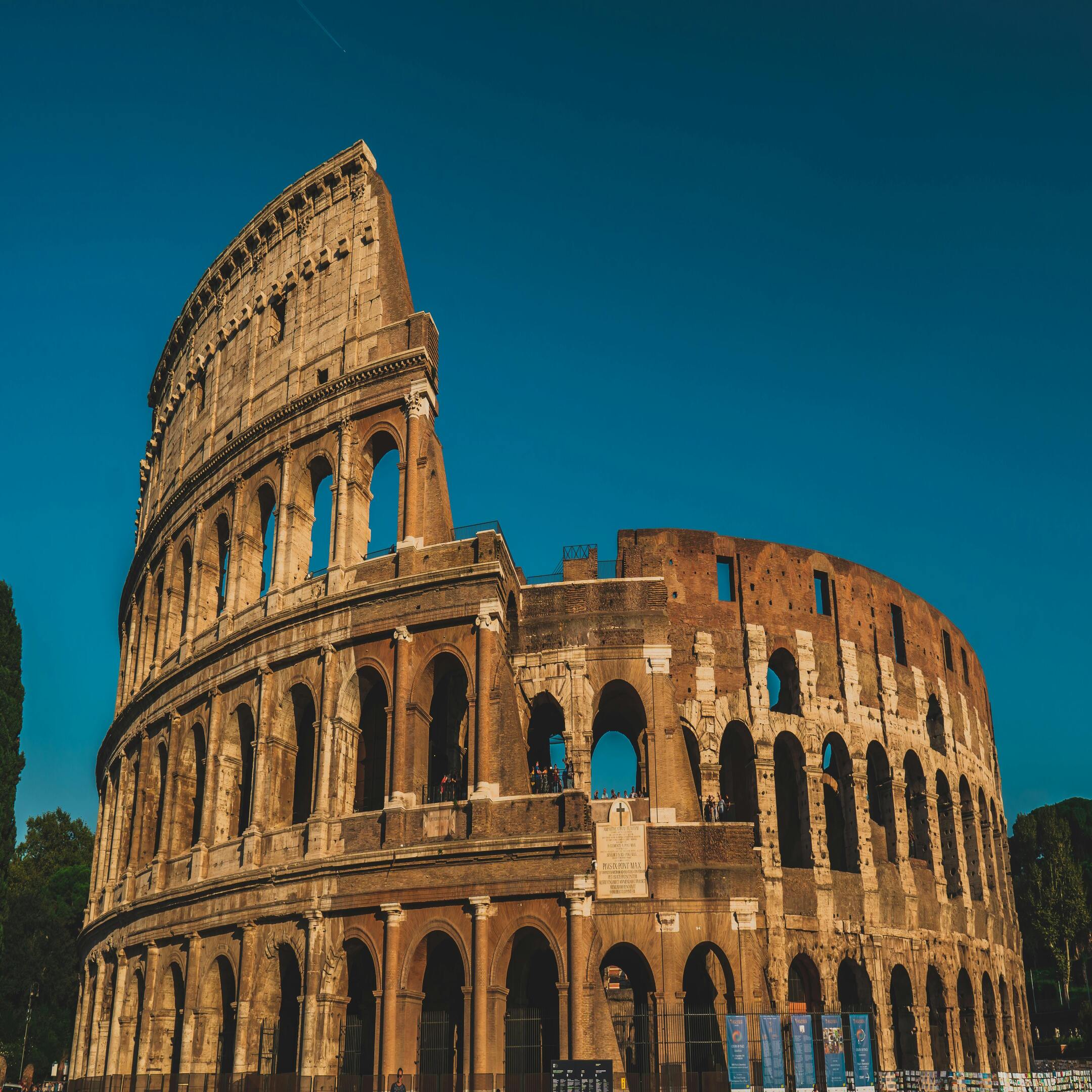
Colosseum
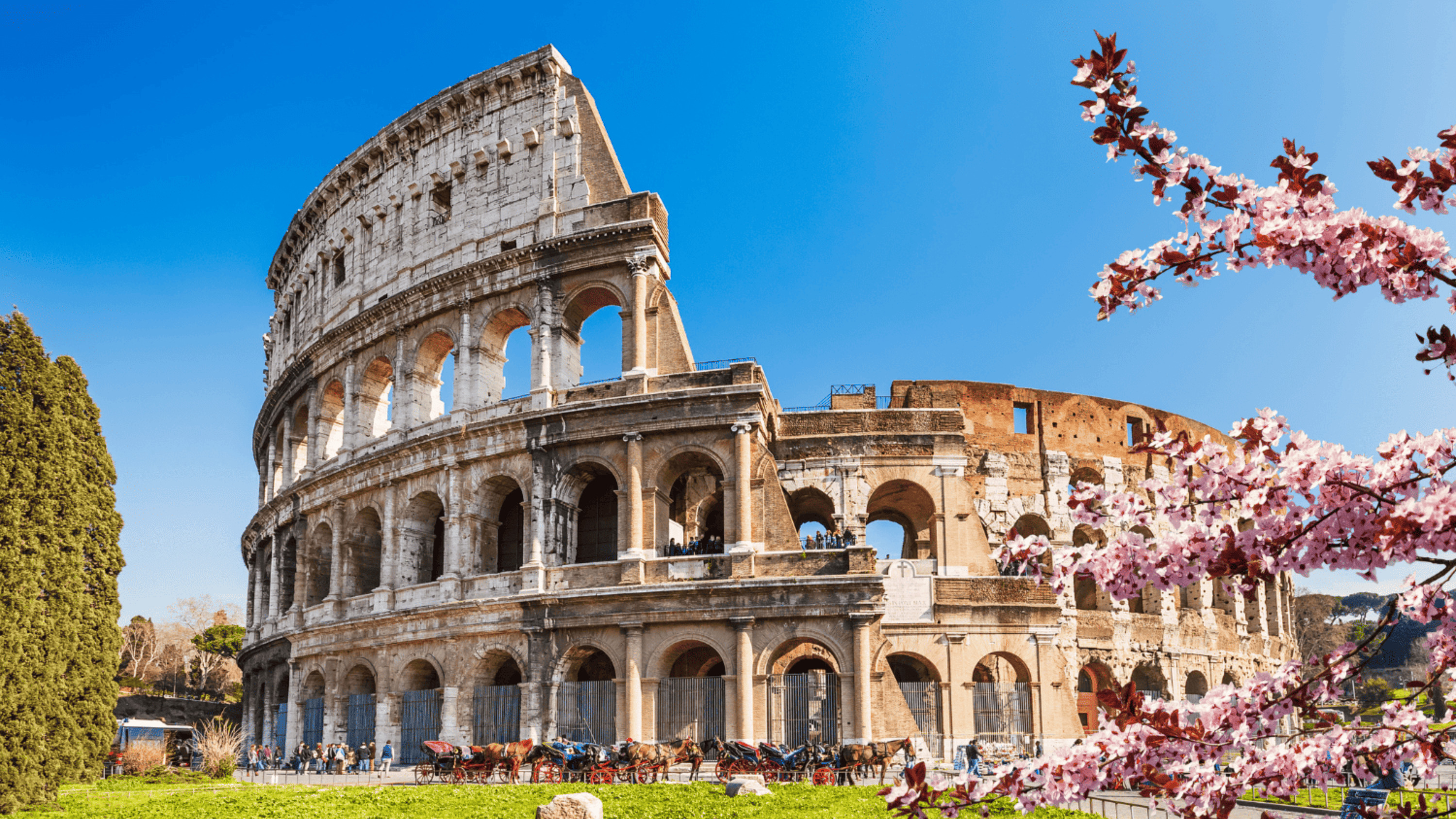
The Colosseum is an iconic symbol of Rome and one of the most famous ancient amphitheaters in the world. It was used for gladiatorial contests and public spectacles.
Historical
1-2 hours
€16 (combined ticket with Roman Forum and Palatine Hill)
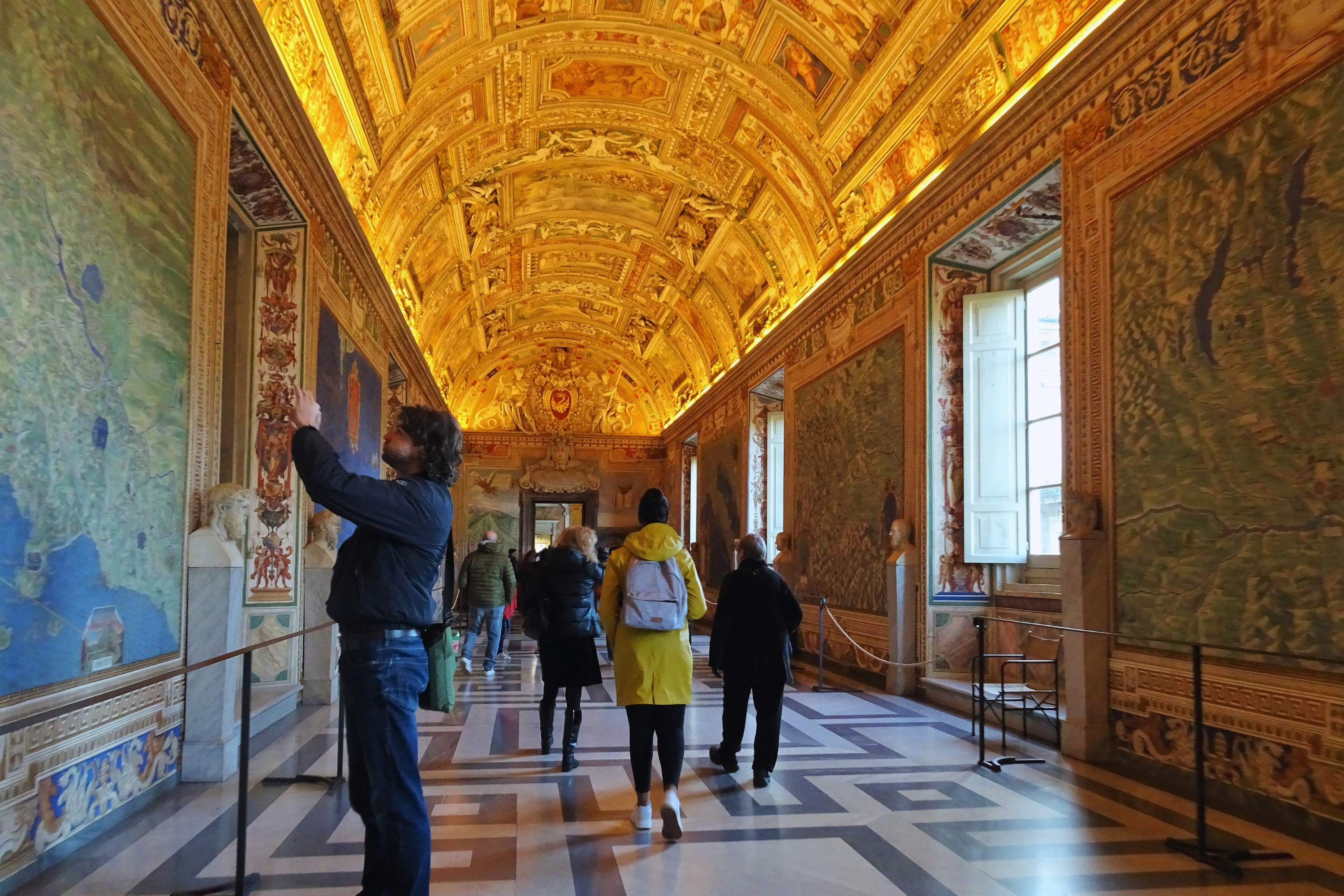
Vatican City
Vatican City is an independent city-state enclaved within Rome. It is the spiritual and administrative center of the Roman Catholic Church.
Religious
Half day
€17 (Vatican Museums and Sistine Chapel), Free (St. Peter's Basilica)
Roman Forum
The Roman Forum was the political, commercial, and legal hub of the Roman Republic and Empire. It is a sprawling ruin of temples, basilicas, and arches.
Historical
1-2 hours
€16 (combined ticket with Colosseum and Palatine Hill)
Pantheon
The Pantheon is a former Roman temple, now a church, known for its large dome and oculus. It is one of the best-preserved ancient buildings in Rome.
Historical
30 minutes to 1 hour
Free
Trevi Fountain
The Trevi Fountain is a Baroque masterpiece and the largest fountain in Rome. It is a popular spot for visitors to throw coins and make wishes.
Architecture
15-30 minutes
Free
Must-Try Local Dishes
Cacio e Pepe
A simple yet delicious pasta dish made with Pecorino Romano cheese and black pepper.
Pasta
Vegetarian
Carbonara
A rich pasta dish made with eggs, Pecorino Romano, guanciale (cured pork cheek), and black pepper.
Pasta
Contains pork and eggs
Supplì
Fried rice balls filled with mozzarella and tomato sauce.
Snack
Vegetarian (some variations may contain meat)
Carciofi alla Romana
Artichokes braised with garlic, mint, and olive oil.
Vegetable
Vegetarian
Popular Activities
Hiking in the Appian Way Regional Park
Biking along the Tiber River
Rock climbing in the nearby mountains
Picnicking in Villa Borghese Gardens
Boating on Lake Albano
Enjoying a spa day at a luxury hotel
Visiting the Vatican Museums
Attending an opera at the Teatro dell'Opera di Roma
Best Time to Visit
April to June, September to October
Spring and fall offer pleasant weather and fewer crowds compared to the summer peak. Ideal for sightseeing and outdoor activities.
15-30°C
59-86°F
Practical Information
Language
- Official: Italian
- Widely spoken: English, Spanish, French
- English: Moderately spoken
Currency
Euro (EUR)
Time Zone
GMT+1 (CET), GMT+2 (CEST during daylight saving time)
Electricity
230VV, 50HzHz
Safety Information
Overall Safety Rating: Generally safe
Rome is generally safe for tourists, but pickpocketing and scams can be a problem in crowded areas. Be aware of your surroundings and take precautions to protect your belongings.
Important Precautions:
- • Keep valuables secure and out of sight
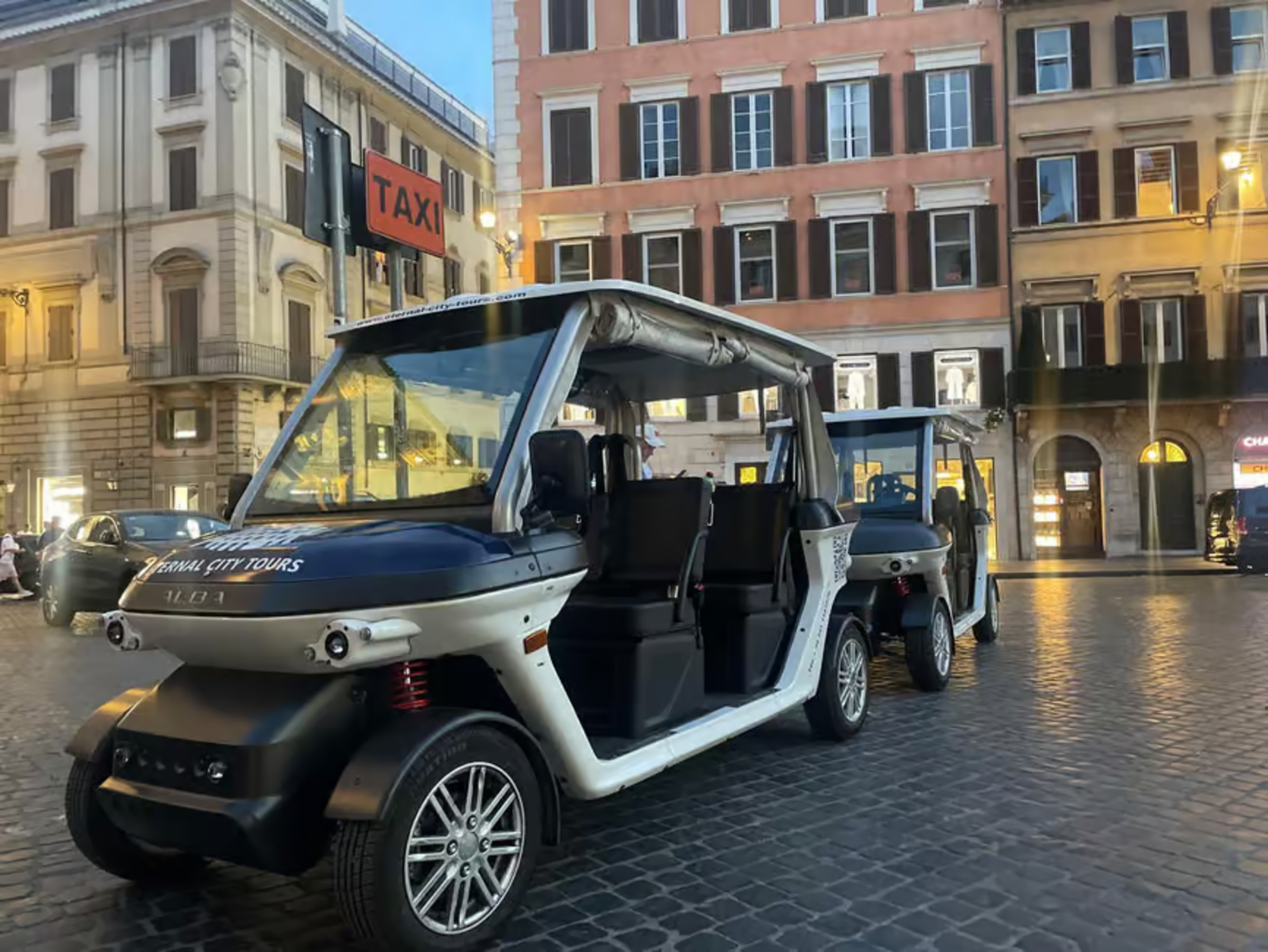
- • Use official taxis or ride-sharing services
- • Be cautious of strangers approaching you with petitions or bracelets
Getting there
By air
- Leonardo da Vinci International Airport • 35 km from city center
- Ciampino Airport • 15 km from city center
By train
Roma Termini, Roma Tiburtina
By bus
Tiburtina Bus Station, Roma Termini
Getting around
Public transport
The metro system is efficient and covers major tourist areas. It operates from 5:30 AM to 11:30 PM.
Taxis
Available • Apps: Uber, FreeNow
Rentals
Car, Bike, Scooter
Neighborhoods
Trastevere
Monti
Prancipio
Testaccio
Day trips
Ostia Antica
30 km from Rome • Half day
An ancient Roman port city with well-preserved ruins, including a theater, baths, and mosaics. It offers a glimpse into daily life in ancient Rome.
Tivoli
30 km from Rome • Full day
A picturesque town known for its stunning villas and gardens, including the famous Villa d'Este with its elaborate fountains and gardens.
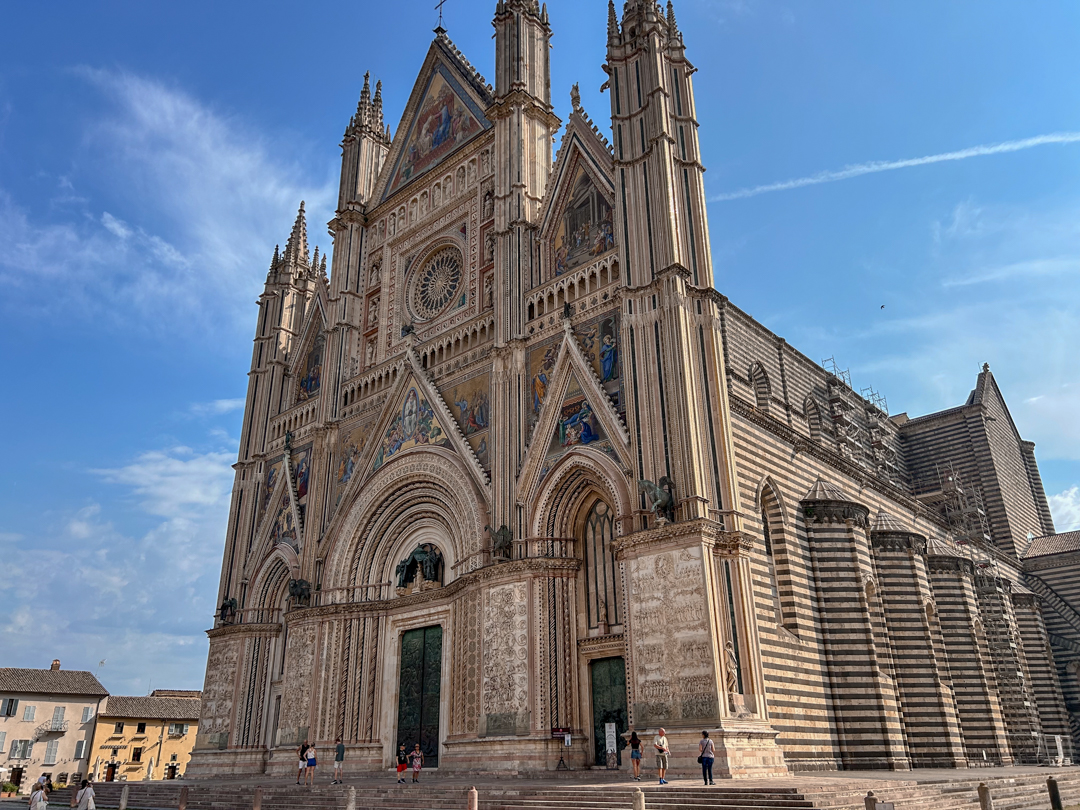
Orvieto
120 km from Rome • Full day
A charming hilltop town known for its stunning cathedral, underground caves, and local wine. It offers a mix of history, culture, and scenic views.
Festivals
Natale di Roma • April 21
Festa de' Noantri • July
Rome Film Festival • October
Pro tips
- Visit major attractions early in the morning or late in the afternoon to avoid crowds
- Use public transport or walk instead of taking taxis to save money and experience the city like a local
- Try local specialties and ask for recommendations from locals and restaurant staff
- Dress modestly when visiting religious sites and be respectful of local customs and traditions
- Be aware of pickpockets and scams, especially in crowded areas and tourist hotspots
From $25
per person
Price varies by option
Secure booking
Free cancellation available
Instant confirmation