


Osaka and Nara Attractive One Day private Tour
Active
10h
For a full refund, cancel at least 24 hours before the scheduled departure time.
Instant confirmation
Mobile or paper ticket accepted
About this experience
Osaka & Nara is the best itinerary for the travelers to visit the cultural and modern age of the Japan of the Unessco world Heritage. We offer the families, friends, groups and couples to come and enjoy with our great service. You can customise the tour on your desire. Osaka is the 2nd one large and populated city of Japan. There is modern architecture with the historical significance archaeological sites for the visitors. Travelers will enjoy and will make the memories of their life. We can provide the travelers all types of vehicles according to the number of the persons.
Our designed tour makes you happy and definitely you will enjoy the memorable experience must.
You are the most respectful for us.
Our guests are our Honour.
Saving time makes you rich.
Note: There is 2 hours use are for to travel from one place to another place.
Available options
Pick from Osaka general area
Duration: 10 hours<br/>Express way<br/>Modern Vehicles<br/>Pickup included
Pickup from Kyoto Area
Duration: 10 hours<br/>Express Way<br/>Modern Vehicles <br/>Pickup included
What's included
Private transportation
Hotspot on the Board
Toll & Taxes
Child seats
Air-conditioned vehicle
Detailed itinerary
1
Stop 1
Osaka Castle is one of Japan’s most famous and historically significant landmarks, located in the heart of Osaka. It was originally built in the late 16th century by the samurai warlord Toyotomi Hideyoshi as a symbol of his unification of Japan after a long period of civil war.
The castle played a crucial role during the unification of Japan in the Azuchi-Momoyama period and was a central figure in the Battle of Osaka (1614–1615), which marked the end of the Toyotomi clan's rule.
The current structure is a modern reconstruction, completed in 1931, after the original was destroyed multiple times throughout its history. Despite being a reconstruction, it still features traditional Japanese castle architecture, with its large stone walls, a moat, and multi-tiered roofs adorned with golden ornaments.
The castle’s central tower is five stories on the outside but has eight stories inside.
2
Stop 2
Shitennoji Temple is one of the oldest and most significant Buddhist temples in Japan, located in Osaka. It was originally built in 593 AD by Prince Shōtoku, who played a crucial role in promoting Buddhism in Japan.
Shitennoji is regarded as Japan's first officially established Buddhist temple and symbolizes the early spread of Buddhism in Japan. It was constructed to honor the Four Heavenly Kings (Shitenno) who were believed to guard the world from evil.
Though the temple has been reconstructed several times due to damage from fires and natural disasters, it maintains its original layout. The central complex features a five-story pagoda which are designed in a symmetrical manner, typical of early Buddhist temple architecture.
3
Dotonbori Street is one of the most famous and lively streets in Osaka, known for its vibrant nightlife, neon lights, and delicious street food. Located along the Dotonbori Canal, it’s a must-visit spot for both tourists and locals who want to experience the energetic atmosphere of the city.
Dotonbori is famous for its giant, illuminated billboards, the most iconic being the Glico Running Man a symbol of the area since the 1930s. The neon signs light up the canal at night, creating a dazzling and memorable scene.
Dotonbori is a paradise for food lovers, offering a wide variety of Osaka's signature dishes. You can find street stalls and restaurants
Takoyaki (octopus balls)
savory pancakes
Kushikatsu (deep-fried skewers)
Ramen and other local delicacies.
4
The Umeda Sky Building is one of the most iconic landmarks in Osaka, Japan. Completed in 1993, it stands at 173 meters tall and consists of two 40-story towers connected at the top by a floating garden observatory, which offers breathtaking panoramic views of the city.
The observatory on the top floor provides a 360-degree view of Osaka, making it popular for both daytime and nighttime cityscapes.
The two towers are connected by glass-covered escalators that give the sensation of floating as you ascend to the observatory.
Designed by architect Hiroshi Hara, the building is a striking example of modern, futuristic architecture, with open spaces and a visually interesting structure.
Kuchu Teien (Sky Garden)The rooftop garden allows visitors to walk around in the open air while taking in the views.
At the base of the building, there are shopping areas.
5
Stop 5
Today-ji Temple is very famous for the deers and great Buddha’s Statue of Nara.
Great Buddha Hall (Daibutsuden) The central feature of Tōdai-ji, this hall was once the largest wooden building in the world and still remains one of the largest. Inside, it houses the Daibutsu a massive bronze statue of Vairocana Buddha which is about 15 meters tall and weighs 500 tons.
This giant Buddha is one of Japan's most famous icons. It was cast in 752 AD and is a symbol of peace and prosperity, commissioned by Emperor Shōmu to solidify Buddhism's role in uniting the country.
Tōdai-ji was originally constructed in the 8th century and served as the head of all provincial Buddhist temples across Japan during the Nara period. It also contributed significantly to the spread of Buddhism in Japan.
Tōdai-ji is recognized as a UNESCO World Heritage site, reflecting its profound historical, religious, and cultural importance.
6
Stop 6
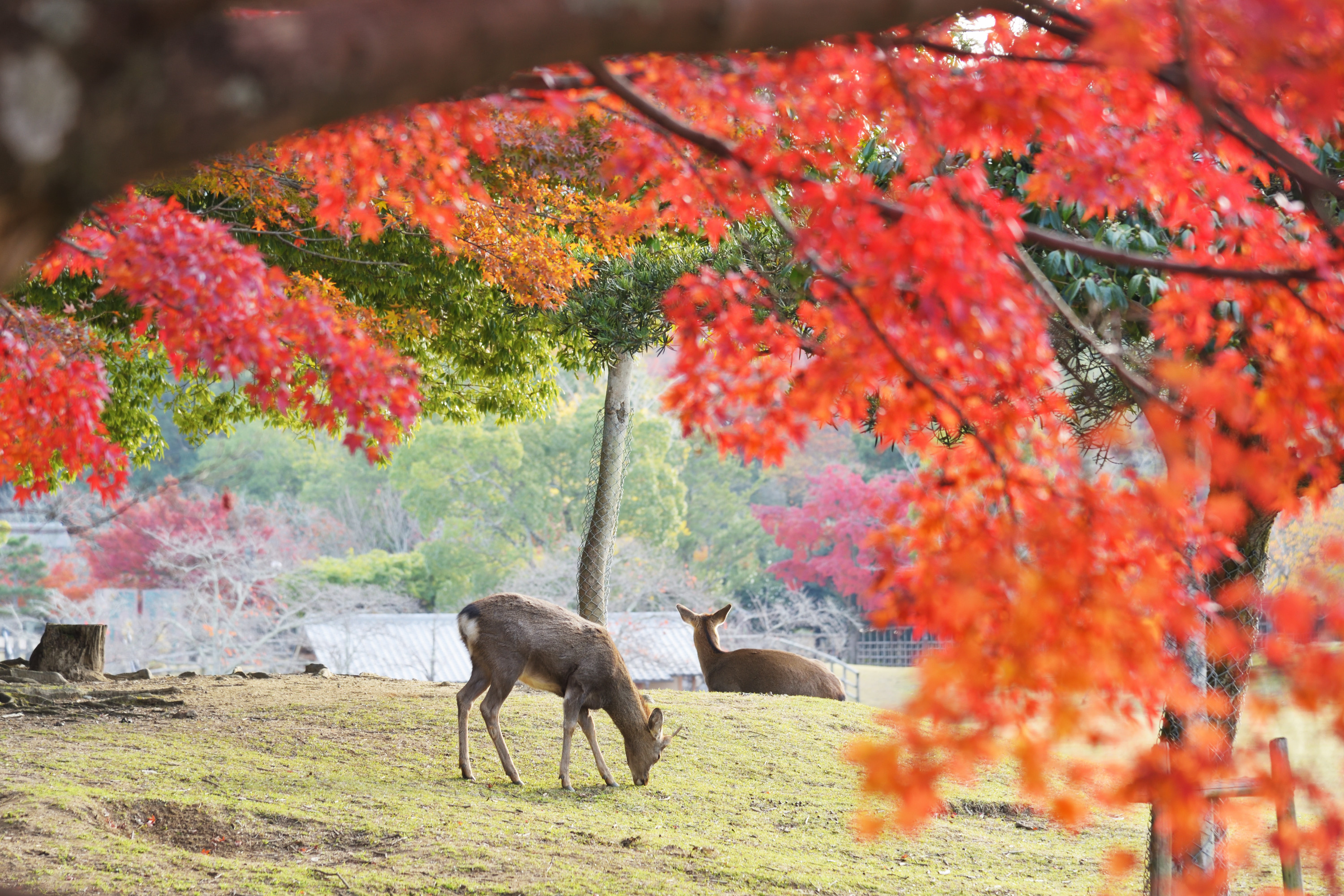
Nara Park Nara, Japan, is one of the country's most iconic and scenic public parks, famous for its free-roaming deer and proximity to several important historical and cultural sites. Established in 1880, the park covers over 500 hectares (about 1,200 acres) and is home to some of Nara’s most renowned landmarks, including Tōdai-ji Temple Kōfuku-ji Temple and the Kasuga Taisha Shrine
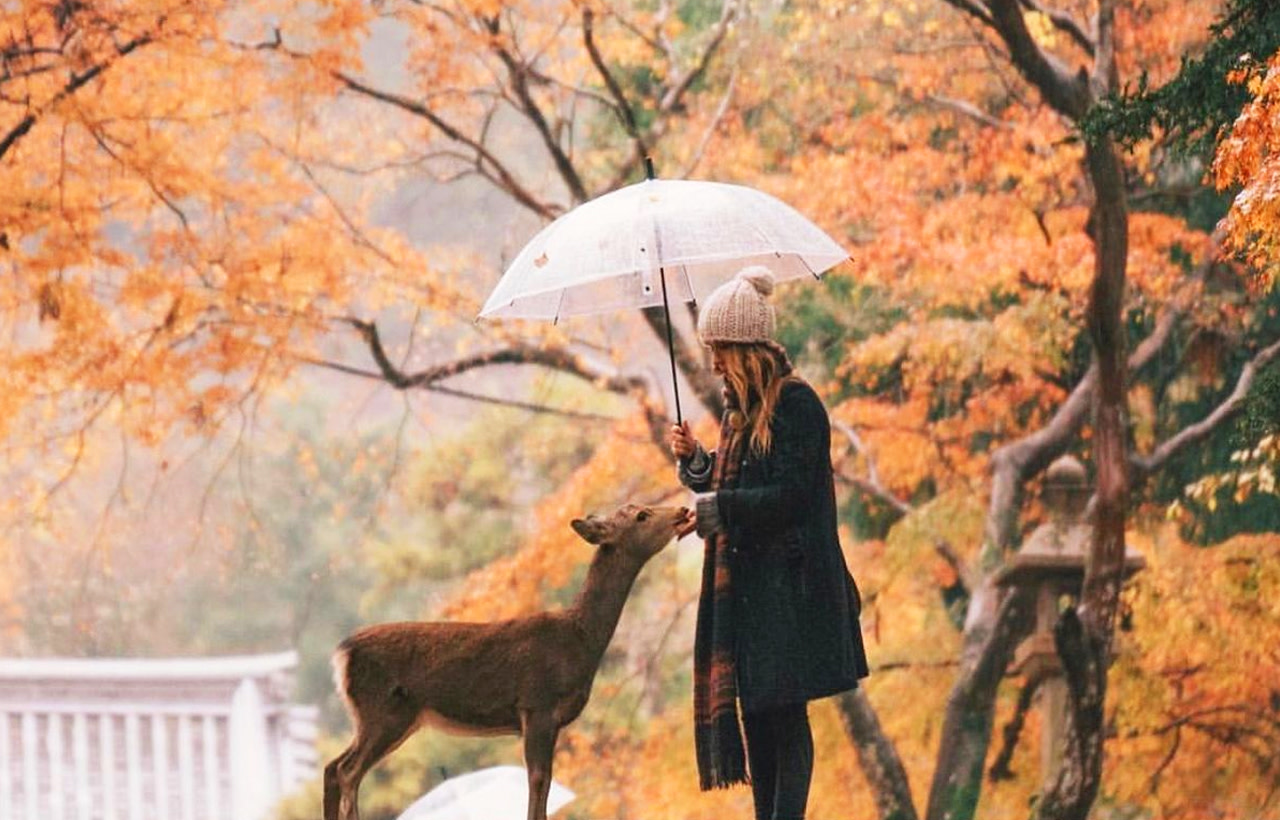
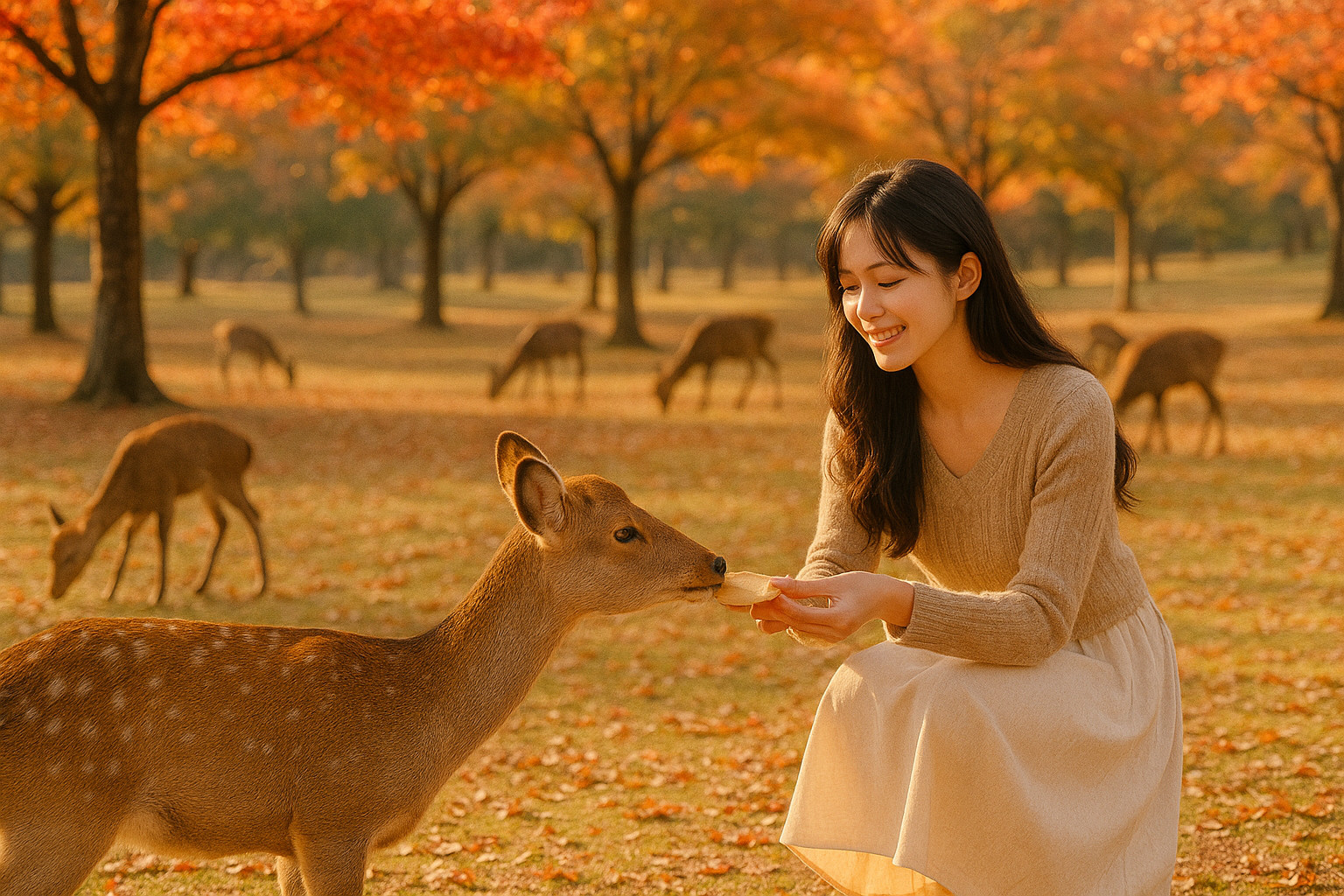
Deer The park is home to over 1,000 free-roaming deer, which are considered sacred messengers of the gods in Shinto belief. The deer are tame and accustomed to human interaction. Visitors can buy special deer crackers (shika senbei) to feed them, and the deer are known to bow to people in exchange for food.
Tōdai-ji Temple Located within Nara Park, Tōdai-ji houses the Great Buddha and is a UNESCO World Heritage site. It’s a major attraction in the park.
What's not included
Alcoholic Beverages
Fee Osaka Castle $5usd only
Fees of the Umeda Sky Osaka $10usd
Fee of Todai-ji Temple Nara is $2usd
Available languages
Guide guide
HI
EN
UR
Reviews breakdown
Viator
3.3
9 reviews
5★
5
4★
0
3★
0
2★
1
1★
3
Tripadvisor
5.0
11 reviews
5★
11
4★
0
3★
0
2★
0
1★
0
Important information
Wheelchair accessible
Infants and small children can ride in a pram or stroller
Service animals allowed
Public transportation options are available nearby
Specialized infant seats are available
Transportation options are wheelchair accessible
All areas and surfaces are wheelchair accessible
Suitable for all physical fitness levels
The Osaka Castle, Umeda Sky, and Today-ji, are only optional. This admission is paid directly on arrival.
Meeting point
Travelers can call us before the pick-up or we can ask for their specify location/address for pick-up.
About Osaka
Osaka is a vibrant, bustling city known for its rich culinary scene, historic sites, and modern entertainment. As Japan's second-largest metropolitan area, it offers a dynamic mix of traditional culture and contemporary urban life.
Top Attractions
Osaka Castle
A iconic symbol of Osaka, this castle was originally built in the 16th century and has been beautifully restored. It offers a glimpse into Japan's feudal history and features a museum and scenic park.
Historical
2-3 hours
600 JPY
Dotonbori
A lively and colorful entertainment district known for its neon lights, street food, and vibrant nightlife. Dotonbori is a must-visit for foodies and those looking to experience Osaka's energetic atmosphere.
Entertainment
2-3 hours
Free (food and shopping vary)
Universal Studios Japan
A popular theme park featuring attractions based on famous movies and characters, including Harry Potter, Super Nintendo World, and Jurassic Park. It's a great destination for families and thrill-seekers.
Entertainment
Full day
8,400-10,600 JPY (varies by season and tickets)
Osaka Aquarium Kaiyukan
One of the largest aquariums in the world, featuring a wide variety of marine life, including whales, sharks, and penguins. The aquarium is known for its impressive exhibits and educational programs.
Nature
2-3 hours
2,600 JPY
Shinsekai
A retro district with a nostalgic atmosphere, featuring the iconic Tsutenkaku Tower and a variety of local eateries. Shinsekai is known for its unique blend of old and new, offering a glimpse into Osaka's past.
Cultural
1-2 hours
Free (food and shopping vary)
Must-Try Local Dishes
Takoyaki
Octopus-filled batter balls, cooked to perfection and topped with savory sauces and bonito flakes. A must-try street food in Osaka.
Snack
Contains seafood, can be made vegetarian upon request
Okonomiyaki
A savory pancake made with cabbage, batter, and various toppings, cooked on a griddle. Often referred to as 'Japanese pizza.'
Dinner
Can be made vegetarian or vegan upon request
Kushikatsu
Deep-fried skewers of various meats, vegetables, and seafood, served with a dipping sauce. A specialty of the Shinsekai district.
Dinner
Contains seafood and meat, can be made vegetarian upon request
Ramen
Noodle soup dish with various broths, toppings, and noodle types. Osaka is known for its rich and flavorful ramen.
Lunch/Dinner
Can be made vegetarian or vegan upon request
Popular Activities
Hiking in the nearby mountains
Cycling tours
Kayaking and water sports
Onsen (hot spring) visits
Tea ceremonies
Gardens and parks
Temple and shrine visits
Traditional workshops (e.g., calligraphy, ikebana)
Best Time to Visit
March to May, September to November
These months offer pleasant weather with mild temperatures and lower humidity, making it ideal for sightseeing and outdoor activities. Cherry blossoms in March and April add to the appeal.
15-25°C
59-77°F
Practical Information
Language
- Official: Japanese
- Widely spoken: English (limited)
- English: Limited
Currency
Japanese Yen (JPY)
Time Zone
JST (GMT+9)
Electricity
100VV, 50/60HzHz
Safety Information
Overall Safety Rating: Very safe
Osaka is generally very safe, with low crime rates and a strong emphasis on public safety. However, as with any major city, it's important to be aware of your surroundings and take precautions to protect your belongings.
Important Precautions:
- • Keep valuables secure and out of sight
- • Be cautious of pickpockets in crowded areas
- • Use licensed taxis and reputable tour operators
Getting there
By air
- Kansai International Airport • 50 km from city center
- Itami Airport • 20 km from city center
By train
Osaka Station, Shin-Osaka Station
By bus
Osaka Station Bus Terminal, Umeda Bus Terminal
Getting around
Public transport
The Osaka Metro system is efficient, clean, and easy to navigate. It consists of eight lines that connect major attractions, shopping districts, and neighborhoods.
Taxis
Available • Apps: JapanTaxi, DiDi
Rentals
Car, Bike, Scooter
Neighborhoods
Umeda
Namba
Shin-Osaka
Tennoji
Day trips
Kyoto
50 km • Full day
A historic city known for its temples, shrines, and traditional architecture. Kyoto offers a glimpse into Japan's rich cultural heritage and is a must-visit for history and culture enthusiasts.
Nara
40 km • Half day to full day
A historic city known for its ancient temples, shrines, and the famous Nara Park, home to hundreds of free-roaming deer. Nara offers a mix of history, culture, and nature.
Kobe
30 km • Full day
A port city known for its historic sites, scenic views, and delicious beef. Kobe offers a mix of culture, history, and culinary delights.
Festivals
Tenjin Matsuri • July 24-25
Kishiwada Danjiri Matsuri • September 14-15
Osaka Castle Illumination • December (specific dates vary)
Pro tips
- Use an IC card, such as ICOCA or Suica, for easy and convenient payments on public transportation, vending machines, and convenience stores
- Try local specialties, such as takoyaki, okonomiyaki, and kushikatsu, at street food stalls and local restaurants
- Visit popular attractions early in the morning or late in the afternoon to avoid crowds and long lines
- Explore the city's unique neighborhoods, such as Dotonbori, Shinsekai, and Den Den Town, to experience the diverse culture and atmosphere of Osaka
- Take advantage of the city's extensive public transportation system, including the Osaka Metro, JR trains, and buses, to easily navigate and explore the city
From $25
per person
Price varies by option
Secure booking
Free cancellation available
Instant confirmation


![[Small Group Tour for 4-9 People] Kyoto & Nara Day Trip | Kiyomizu-dera Temple & Fushimi Inari Shrine & Nara Park | Optional Osaka Hotel Pickup/Drop-off | Round Trip from Osaka | Chinese Service](https://res.klook.com/image/upload/activities/fhj0httwd7v9dvgkciij.jpg)
![[Kyoto & Nara & Uji Day Trip] Nara Park's Adorable Deer & Fushimi Inari Shrine's Thousand Torii Gates & World Heritage Site Todai-ji Temple & Byodo-in Temple & Uji Matcha Food Street & Uji River & Uji Park & Asagiri Bridge Day Trip](https://res.klook.com/image/upload/activities/ldngpfhcjg0mts875udl.jpg)
![[Kyoto & Arashiyama & Nara] Nara Park (Deer Crackers Included) & Fushimi Inari Shrine or chiikawa Shop & Arashiyama Train & Bamboo Forest One Day Tour (From Osaka)](https://res.klook.com/image/upload/activities/q32nuioacqyxapntqdop.jpg)
![[Kyoto Arashiyama & Katsuoji Temple Popular Scenic Spots] Arashiyama Train & Fushimi Inari Shrine's Thousand Torii Gates & Popular Katsuoji Temple Little Dharma One-Day Tour | Depart from Osaka](https://res.klook.com/image/upload/activities/nwr7e1fvsttjwnvhvuxt.jpg)