Full Day Nikko Tour, From/To Tochigi (Utsunomiya), 2- 12 guests
Active
9h
For a full refund, cancel at least 24 hours before the scheduled departure time.
Manual confirmation
Mobile or paper ticket accepted
About this experience
We are very glad that you browse this plan and you are considering making a booking.
We, Global Guide&Transport Service, are a travel agency. Mainly we do business with inbound travelers, here in Japan.
We are providing not only general and popular excursions that many travelers can take part in but also niche ones so that we can meet their requests as much as possible.
This course is planned for travelers who stay in Tokyo Area and come to Nikko. Or the ones who stay in Nikko City.
If this plan meets your needs, we are happy and welcome your booking.
Available options
Tochigi⇔Nikko
Maximum Accommodation: 12 guests plus no big suitcases. Or 10 guests plus 10-12 big suitcases. <br/>Pickup included
What's included
All the expenses relating to transportation
Driver-guide fee
Detailed itinerary
1
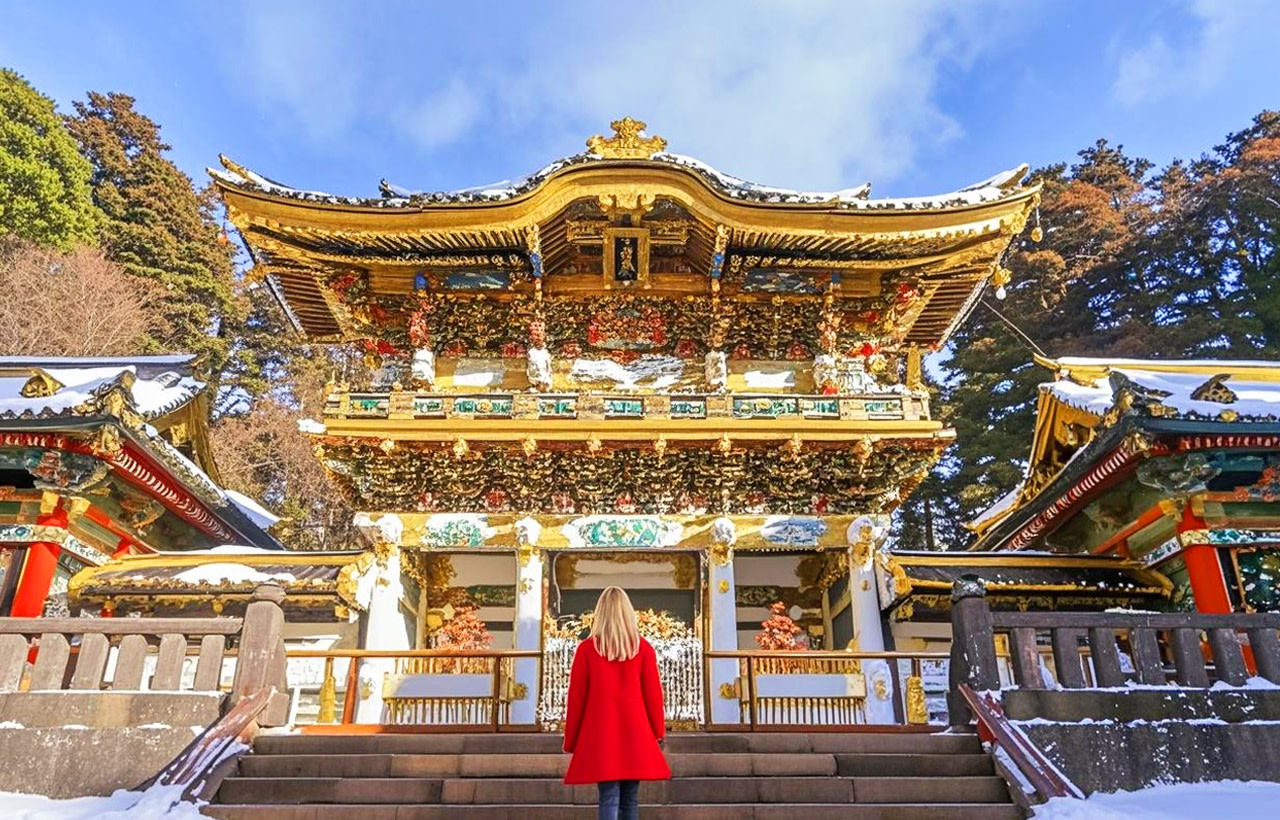
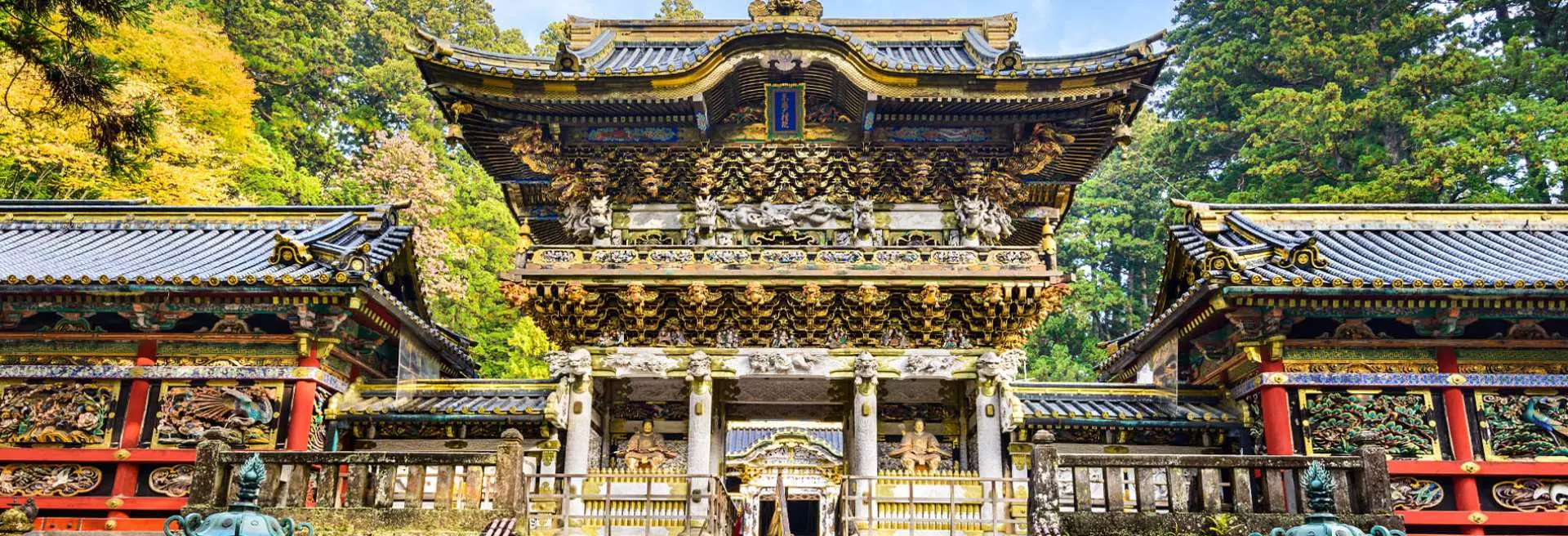
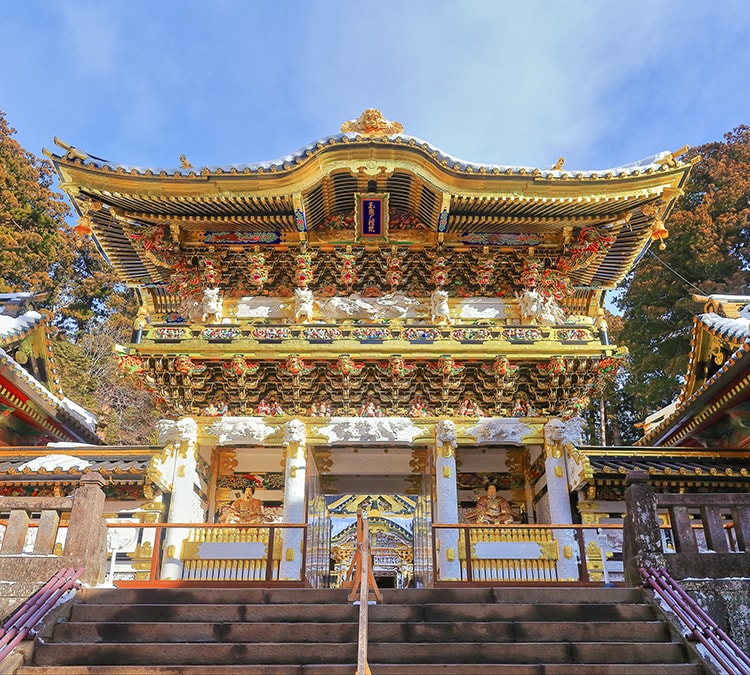
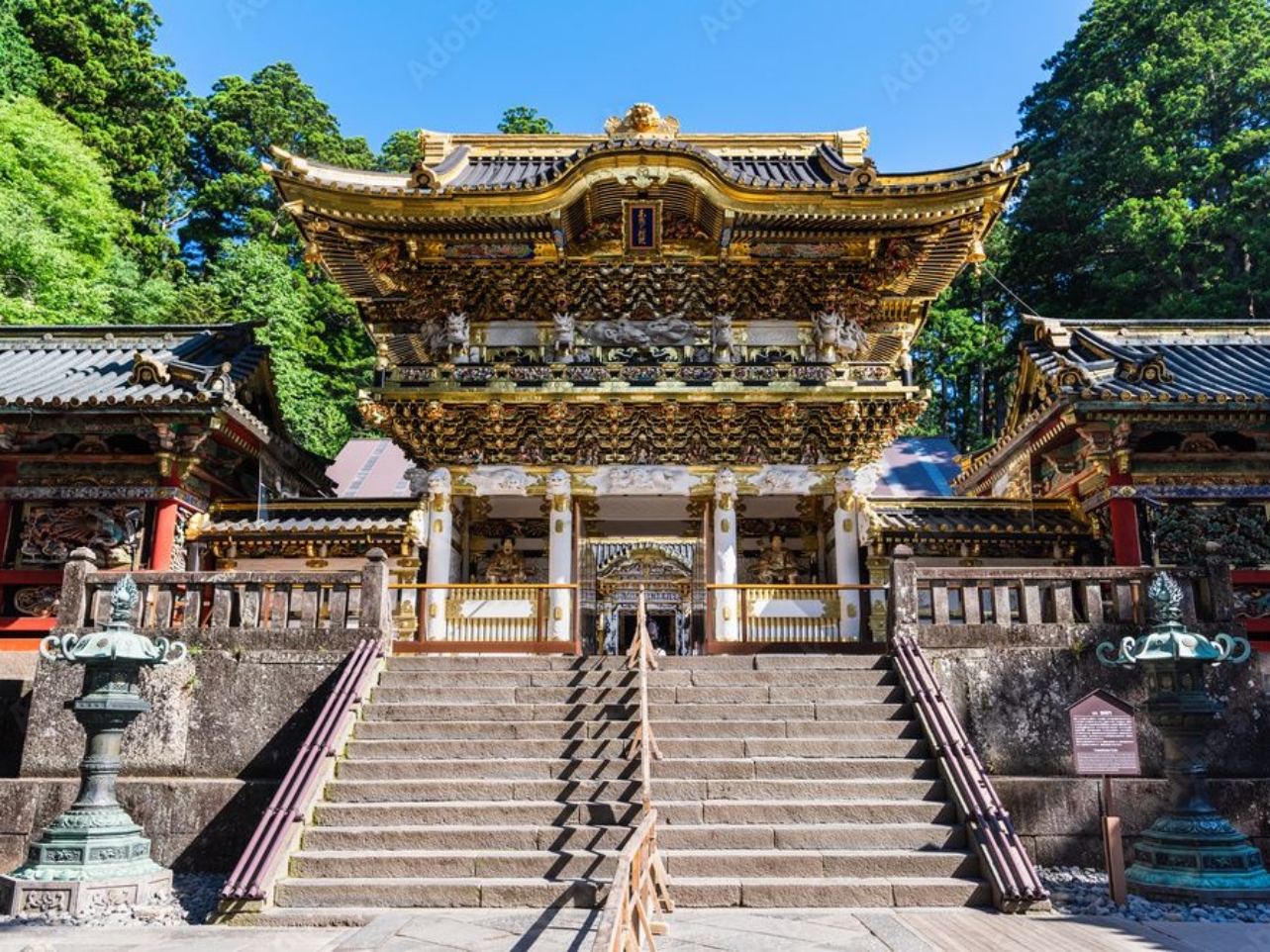
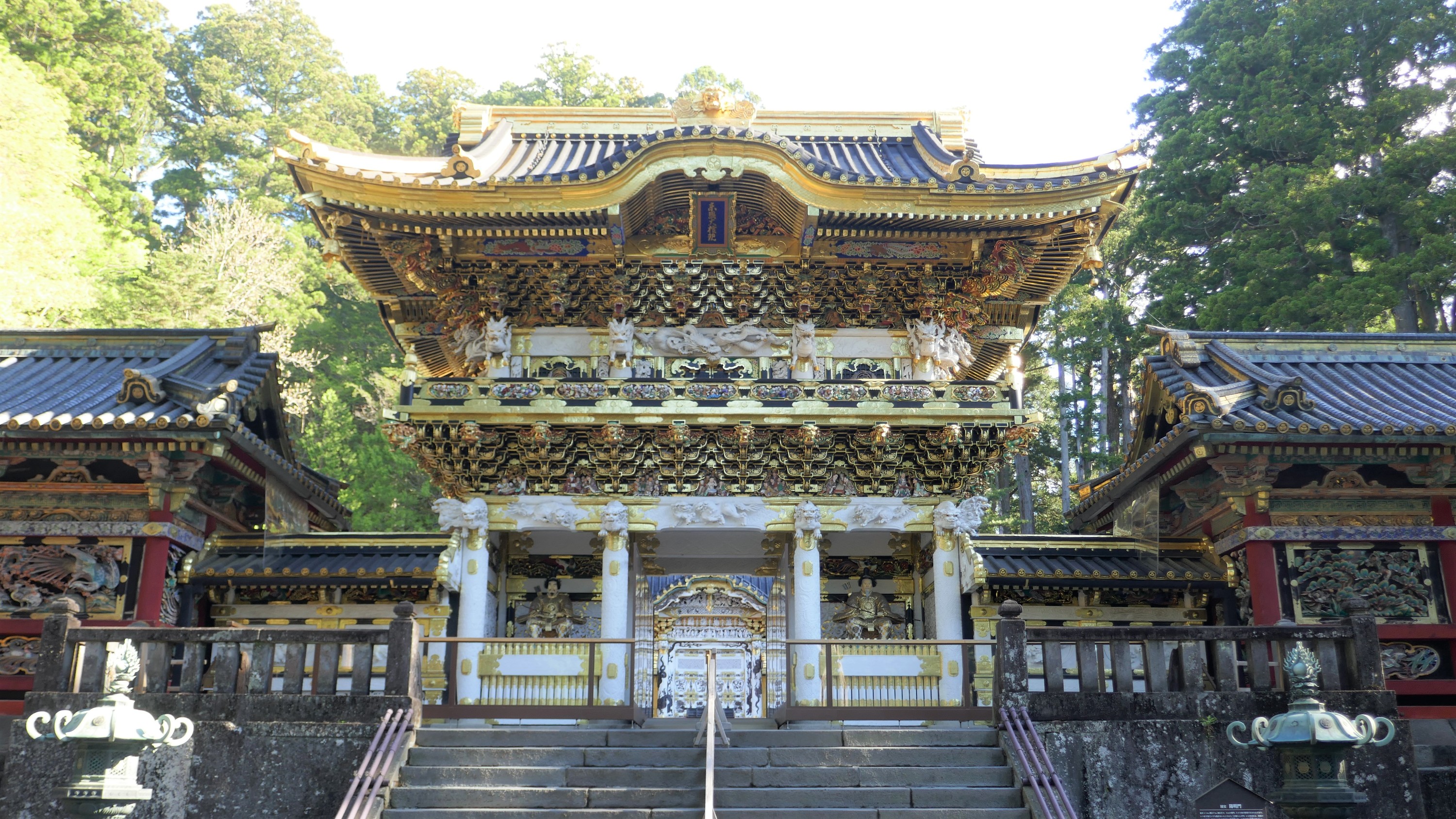
The most renowned shrine of “the Shrines and Temples of Nikko”-a Japan’s leading world heritage, is where Ieyasu Tokugawa, the great Shogun who started the flourishing Edo Period, is enshrined. Most of the shrine complex you see today was rebuilt in 17th century. The shrine contains 55 buildings including 8 national treasures and 34 listed buildings. The highlights are sumptuous carvings lacquered and richly coloured brilliantly, which you will gaze at craftsmanship assembled from all over the country. Do not miss the symbol of peace “Sleeping Cat”, and the “Three Monkeys” with the “see no evil, hear no evil and speak no evil” poses!
2
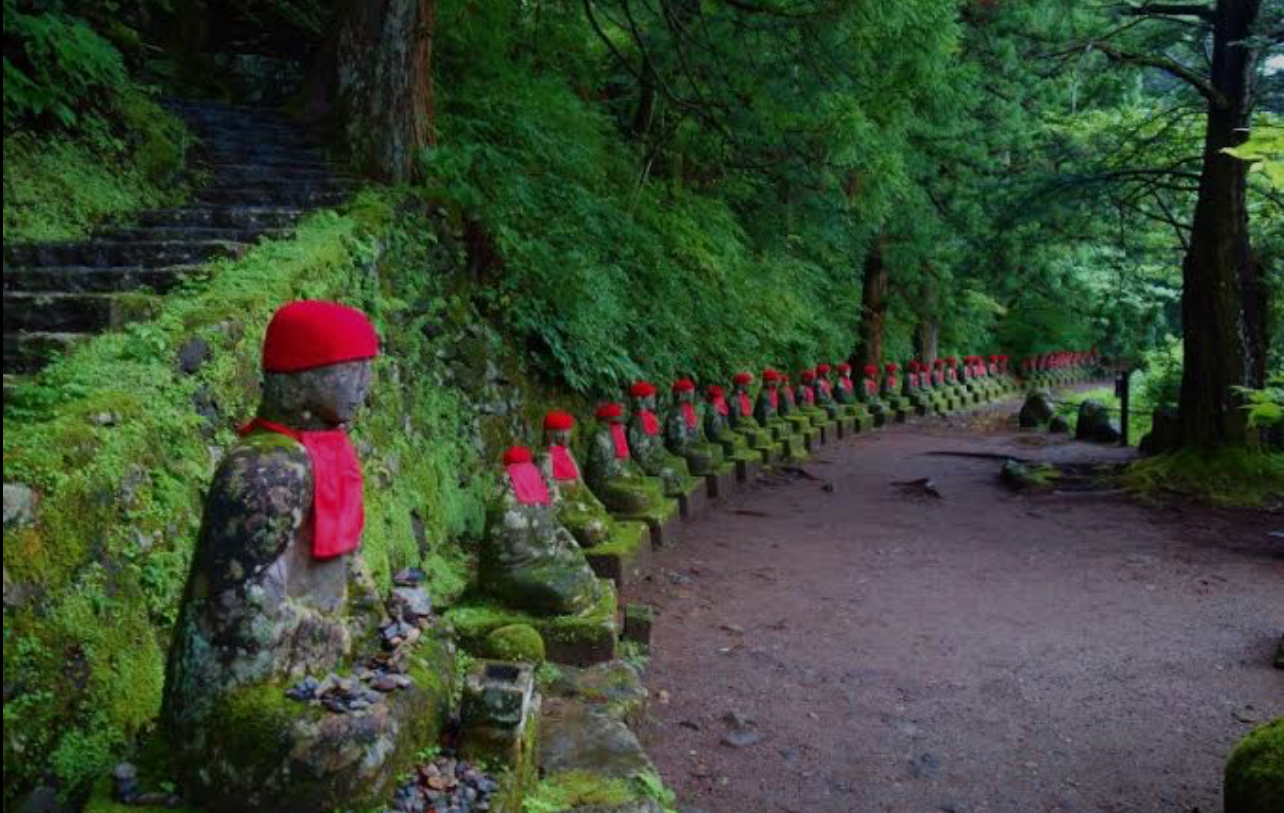
The little gorge formed by an eruption of nearby Mt. Nantai is a uniquely scenic spot. A row of approximately 70 Jizos are lined up along the south bank of the river. The group of Jizos is called “Baké-Jizo” because it is said that they are uncountable; if you try to count them, each time you will end up with a different number. Legend has it that the Chinese character “Kanman” on an upstream cliff was inscribed by Kobo Daishi, a skilled calligrapher, by throwing his brush. The Nikko Botanical Garden is on the opposite shore of the Jizos, and visitors can enjoy the scenic beauty in the seasons of spring verdant greens, autumn colours and snowy Jizos.
3
Stop 3
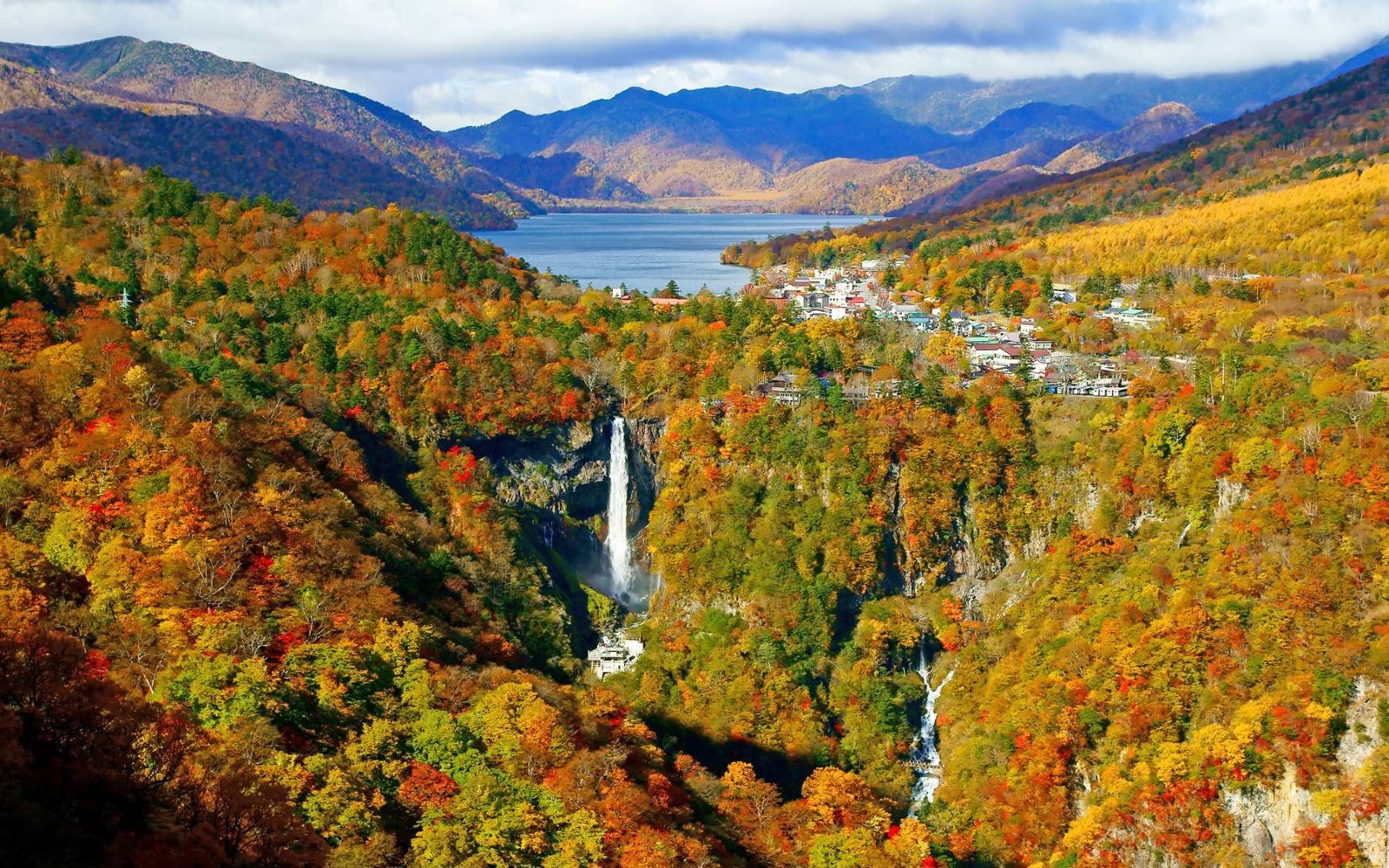
Lake Chuzenji is the largest lake in Tochigi, framed by 25 kilometres of incredible nature. The area used to be a popular summer resort for foreigners in the late 19th to early 20th centuries. The villas of French and Belgian embassies can still be found here. You can enjoy seasonal charms by the lake. Walking trails surround the water’s edge and there is an excursion boat available on the lake. The views from the lake are spectacular, particularly when the cherry blossoms or azaleas are blooming or when the autumn leaves are turning. The “Koyo-meguri” tour, enjoying autumn leaves reflecting on the lake, is highly recommended.
4
Stop 4
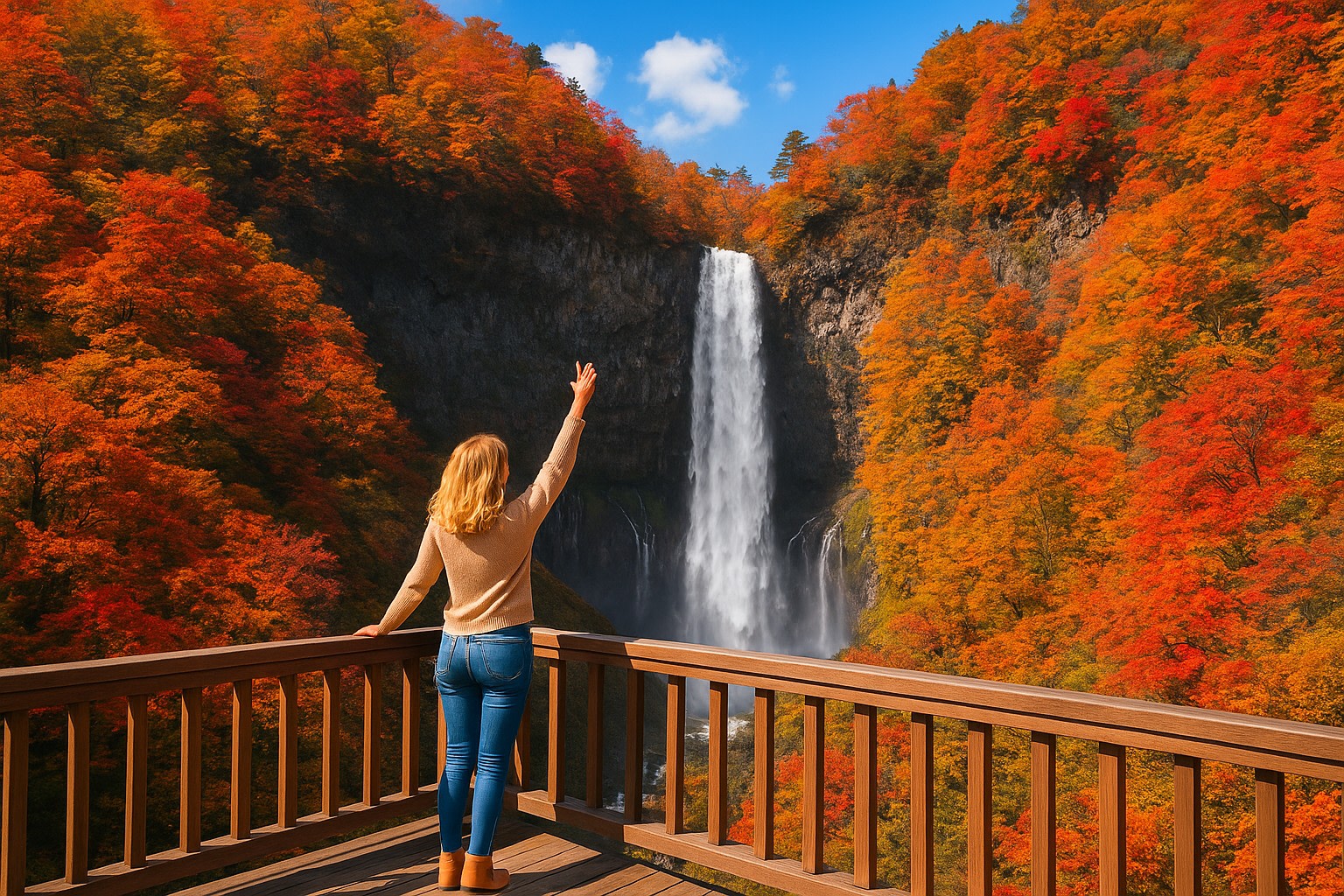
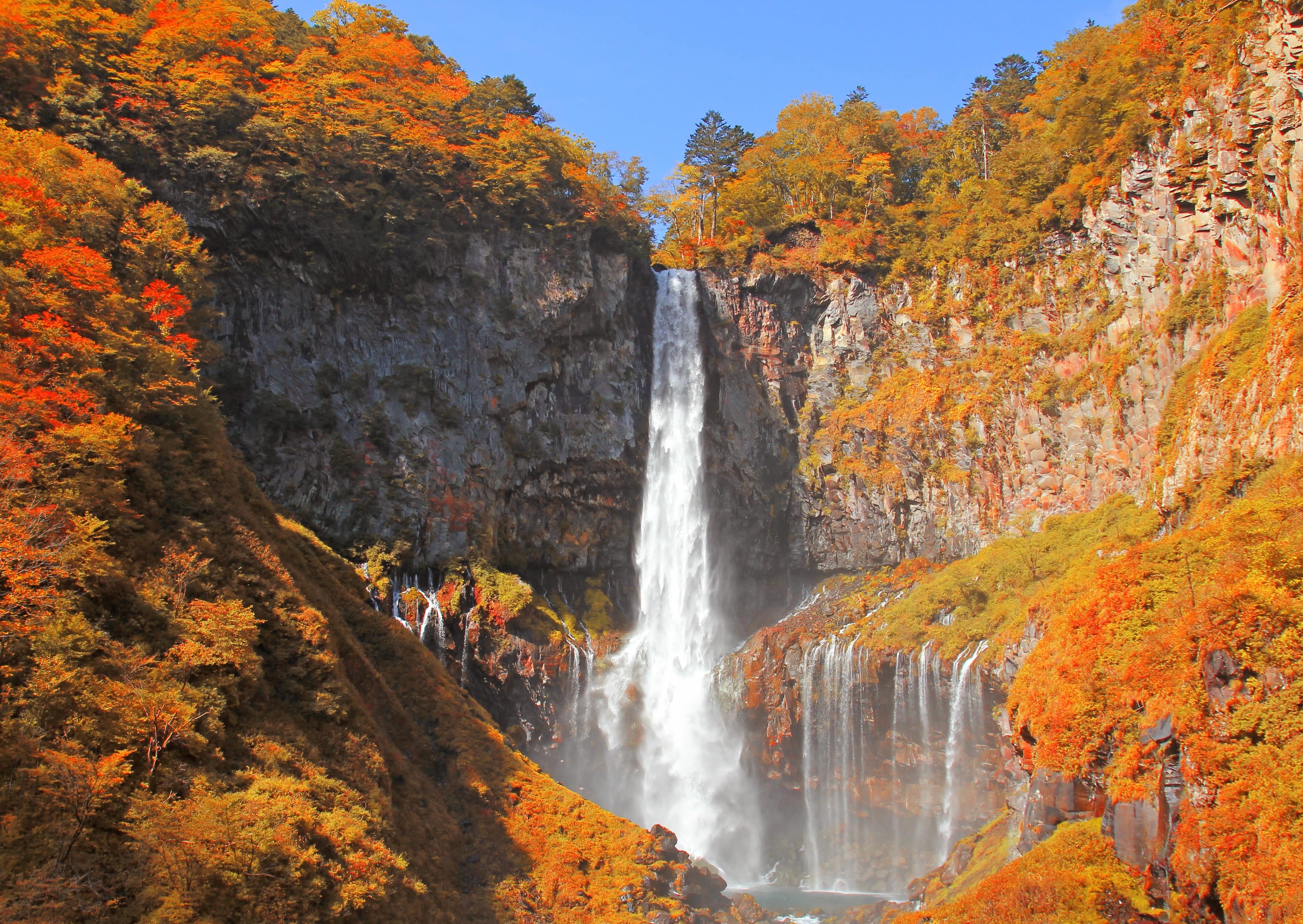
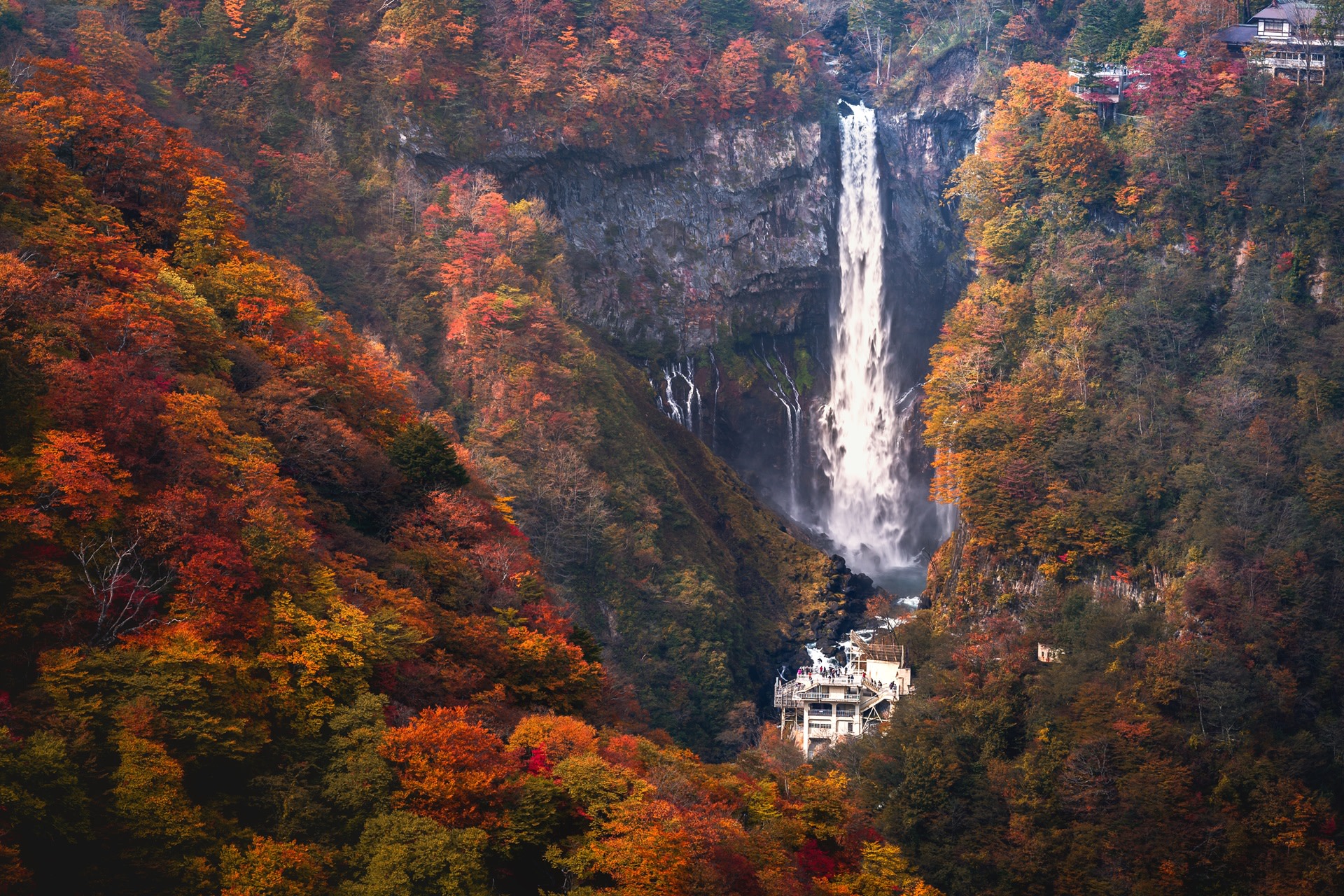
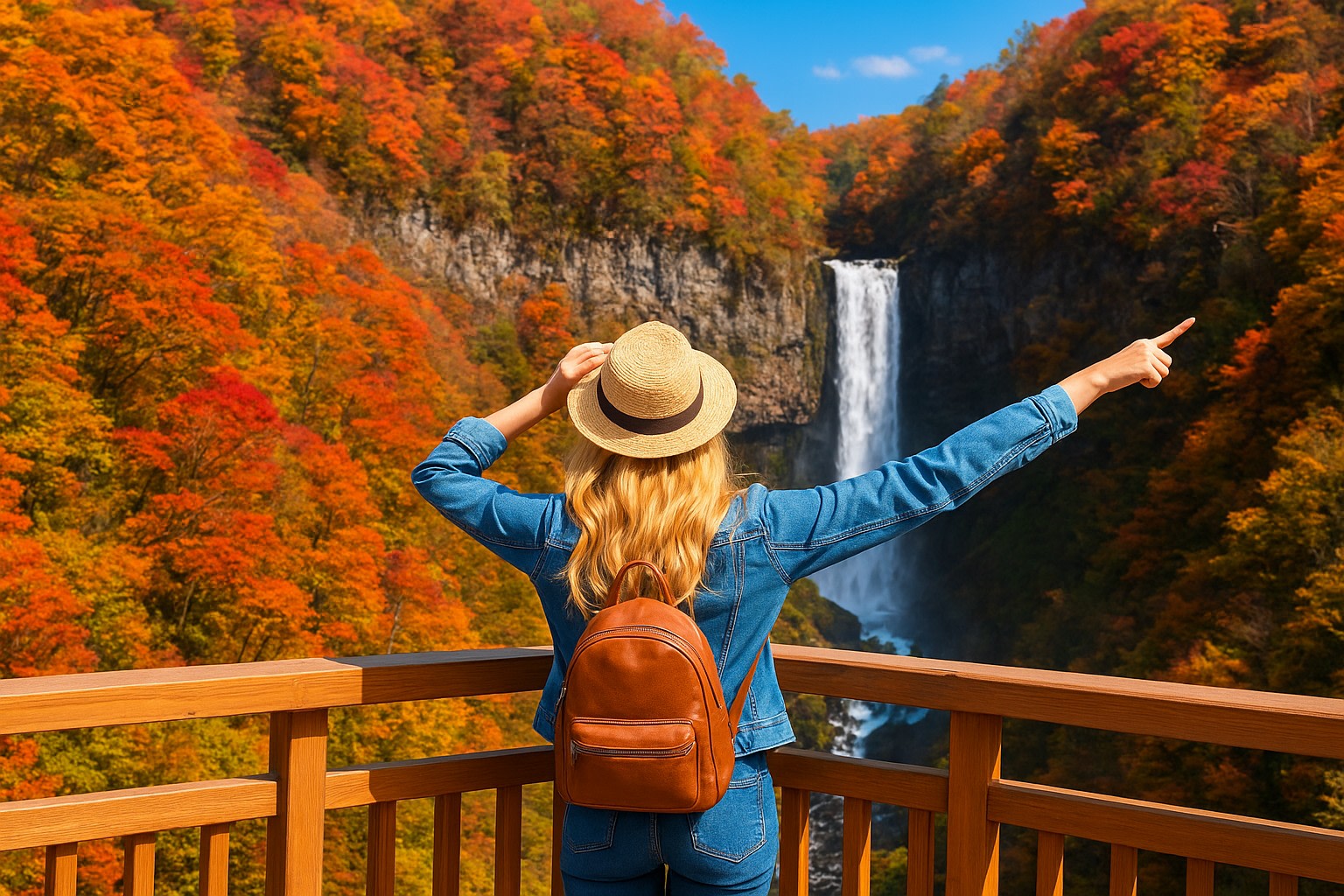
Kegon Waterfall is the most famous of Nikko’s 48 waterfalls. Water from Lake Chuzenji falls 97 metres straight down to the rocks below creating a dynamic and artistic work of nature. A special lift takes visitors to the basin where the force and roar of the water can be witnessed close up! Impressive in any season, the waterfall looks particularly spectacular when surrounded by the fresh green leaves in May, house martins in June, or the “12 falls” - small streams of the frozen waterfall clad in blue ice - during January and February.
5
Futarasan Shrine stands next to Toshogu in central Nikko. Much older than its more lavish neighbor, Futarasan Shrine was founded in 782 by Shodo Shonin, the Buddhist monk who introduced Buddhism to Nikko and who also founded nearby Rinnoji Temple. Futarasan Shrine is dedicated to the deities of Nikko's three most sacred mountains: Mount Nantai, Mount Nyoho and Mount Taro. Futarasan is an alternate name of Mount Nantai, the most prominent of the three mountains.
6
Stop 6
This group of Buddhist temples of Sannai includes the biggest wooden structure in the Nikkozan area. The 38 constructions on the premises including the Sanbutsudo Hall with three giant Buddha statues, are designated a UNESCO World Heritage Site. “Gohan-shiki”, the rice-eating ceremony held at Rinnoji every year on the 2nd of April, is said to bring participants health and fortune. Do not miss the treasure house and the Japanese garden “Shoyoen” nearby. The “Shoyoen” is especially photogenic during the autumn leaves season.
7
Lunch Time
What's not included
Toshogu-Shrine@¥1600/Kegon Fall @¥400/ Rinnoji Temple@¥400
Ramen or Soba costs @¥1500~2000
Available languages
Written guide
JA
Guide guide
EN
Important information
Specialized infant seats are available
Not recommended for travelers with poor cardiovascular health
Public transportation options are available nearby
Wheelchair accessible
Suitable for all physical fitness levels
Child seats for 2~4 ages are available. You should inform us in advance.
Important notes
Instead of needless for ticket redemption, we regard our first meeting on the day as a reach of agreement to the safety measures against Corona. 19.
We take safety measures in accordance with the Japanese code of conduct. For details, please refer to the following website.
https://www.mlit.go.jp https://www.mofa.go.jp
About Nikko
Nikko is a city in Japan's Tochigi Prefecture, renowned for its stunning natural beauty and historic shrines. It's home to the UNESCO World Heritage-listed shrines and temples of Nikkō, nestled in the mountains and surrounded by lush forests and waterfalls.
Top Attractions
Toshogu Shrine
Toshogu Shrine is a lavishly decorated shrine complex dedicated to Tokugawa Ieyasu, the founder of the Tokugawa shogunate. It is a UNESCO World Heritage Site and one of Japan's most important historical landmarks.
Historical/Religious
1 to 2 hours
¥1,300
Kegon Falls
Kegon Falls is one of Japan's most famous waterfalls, with a drop of 97 meters (318 feet) into a stunning gorge. It is a popular spot for photography and nature lovers.
Nature
2 to 3 hours
Free (access to the falls is free, but the observation deck requires a fee of ¥530)
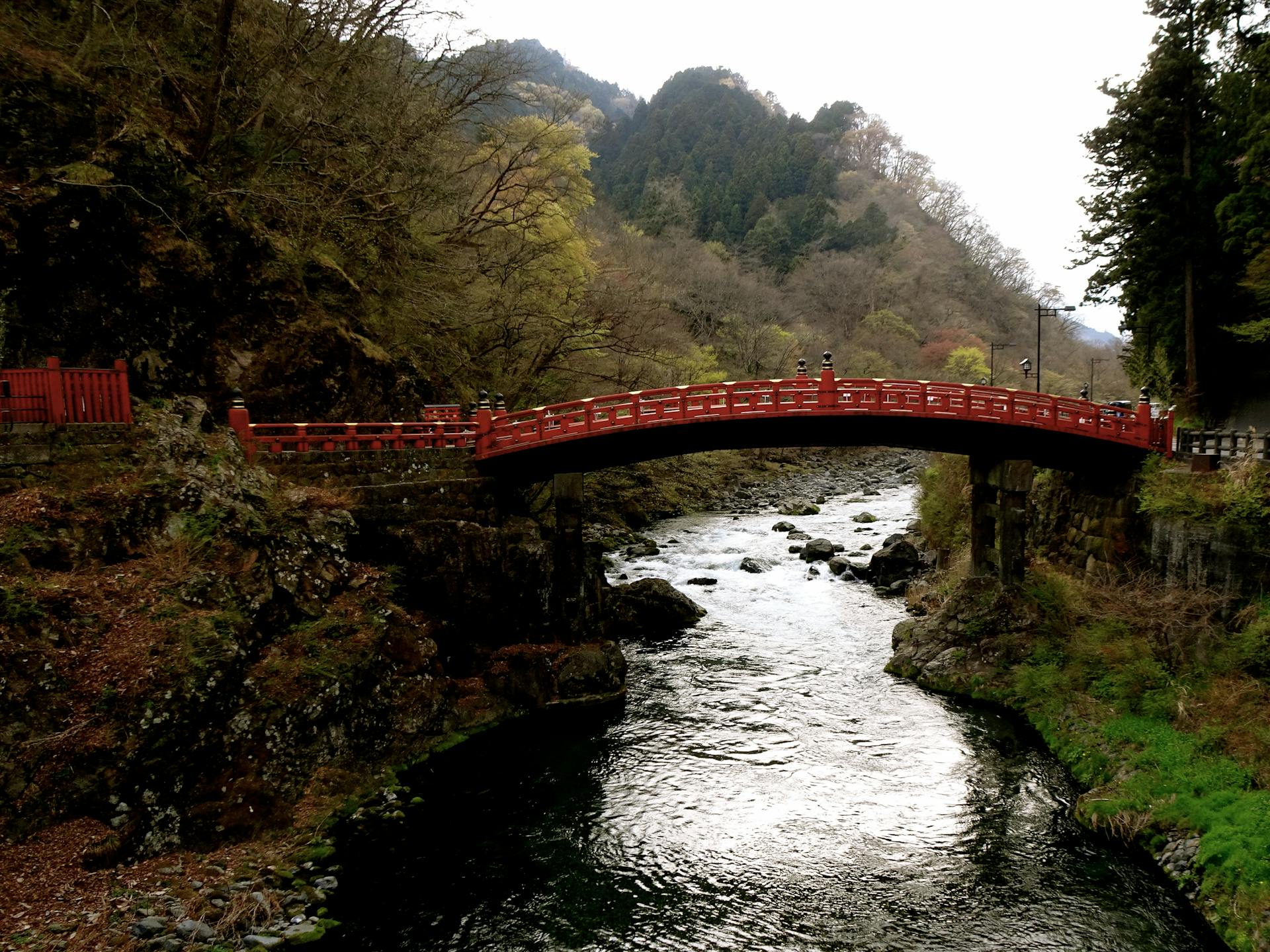
Shinkyo Bridge
Shinkyo Bridge, also known as the Sacred Bridge, is a beautiful wooden bridge that spans the Daiya River. It is considered the gateway to the shrines and temples of Nikkō and is a popular spot for photographs.
Historical
30 minutes to 1 hour
¥300 (to cross the bridge)
Lake Chuzenji
Lake Chuzenji is a beautiful mountain lake formed by a volcanic dam. It is surrounded by lush forests and offers stunning views of the surrounding mountains, including Mount Nantai.
Nature
1 to 2 hours
Free (access to the lake is free, but parking and boat rentals may incur fees)
Rinno-ji Temple
Rinno-ji Temple is a Buddhist temple complex founded in 766 AD. It is one of the most important temples in Nikko and is closely associated with the nearby Toshogu Shrine.
Religious
30 minutes to 1 hour
Free (donations are appreciated)
Must-Try Local Dishes
Yuba
Yuba is a delicate tofu skin that is a local specialty in Nikko. It is often served in soups, hot pots, or as a topping for noodles and rice dishes.
Dish
Vegetarian, Vegan (if prepared without fish stock)
Shoyu Ramen
Shoyu ramen is a popular ramen dish featuring a soy sauce-based broth, thin noodles, and various toppings such as chashu pork, green onions, and bamboo shoots.
Dish
Contains gluten, Allergens: Soy, Wheat
Nikko Soba
Nikko soba is a local buckwheat noodle dish served cold with a dipping sauce or in a hot broth. It is a popular dish during the colder months.
Dish
Gluten-free (if made with 100% buckwheat flour)
Yakimochi
Yakimochi is a grilled rice cake that is a popular street food and snack in Nikko. It is often served with a sweet soy-based sauce and topped with bonito flakes or sesame seeds.
Dish
Vegetarian (if made without fish flakes)
Popular Activities
Hiking
Mountain climbing
White-water rafting
Onsen (hot springs)
Nature walks
Boating
Temple and shrine visits
Traditional crafts and workshops
Best Time to Visit
April to November
Spring and autumn offer pleasant weather and vibrant foliage, while summer brings lush greenery and outdoor activities. Autumn is particularly popular for its stunning fall colors.
10°C to 30°C
50°F to 86°F
Practical Information
Language
- Official: Japanese
- Widely spoken: English (limited)
- English: Limited
Currency
Japanese Yen (JPY)
Time Zone
GMT+9
Electricity
100VV, 50/60HzHz
Safety Information
Overall Safety Rating: Very safe
Nikko is a very safe destination for travelers, with low crime rates and a strong emphasis on public safety and order. However, as with any destination, it is important to take basic precautions and be aware of your surroundings.
Important Precautions:
- • Keep valuables secure and out of sight
- • Be cautious when using ATMs and handling money in public
- • Use licensed taxis and tour services
Getting there
By air
- Tokyo Narita International Airport • 150 km
- Tokyo Haneda Airport • 130 km
By train
Nikko Station
By bus
Tokyo Station, Shinjuku Station
Getting around
Public transport
The bus system is the primary mode of public transportation in Nikko, with frequent services to major attractions, hotels, and stations. Buses are comfortable and air-conditioned, with English announcements on some routes.
Taxis
Available • Apps:
Rentals
Car, Bike
Neighborhoods
Nikko Town
Chuzenji
Imaichi
Day trips
Kegon Falls and Lake Chuzenji
15 km from Nikko Station • Full day
Kegon Falls and Lake Chuzenji offer stunning natural beauty and outdoor activities, including hiking, boating, and photography. The area is known for its lush forests, waterfalls, and mountain views, making it a popular day trip destination from Nikko.
Oku-Nikko and Mount Nantai
20 km from Nikko Station • Full day
Oku-Nikko and Mount Nantai offer breathtaking mountain views, hiking trails, and religious sites. The area is known for its sacred mountain, Mount Nantai, and its association with the nearby shrines and temples of Nikkō.
Edo Wonderland
50 km from Nikko Station • Full day
Edo Wonderland is a popular theme park and entertainment complex located near Nikko. The park offers a variety of attractions, shows, and restaurants, providing a fun and engaging experience for visitors of all ages.
Festivals
Nikko Festival • Early October
Nikkō Kanmangafuchi Autumn Leaves Festival • Mid-November to early December
Nikko Winter Illuminations • Late December to early March
Pro tips
- Visit Toshogu Shrine early in the morning or late in the afternoon to avoid crowds and enjoy the peaceful atmosphere
- Try yuba (tofu skin) dishes, a local specialty that is unique to Nikko and the surrounding region
- Explore the city's traditional streets and alleys, such as Nikko Tamoan, for a glimpse into the city's rich history and culture
- Take a day trip to Kegon Falls and Lake Chuzenji for stunning natural beauty and outdoor activities, such as hiking and boating
- Stay in a ryokan (traditional inn) with an onsen (hot spring) for a unique and authentic experience that showcases the region's natural beauty and cultural heritage
From $25
per person
Price varies by option
Secure booking
Free cancellation available