Pedicab Tour of the Historical City Centre in Rio De Janeiro
Active
3h
For a full refund, cancel at least 24 hours before the scheduled departure time.
Instant confirmation
Mobile or paper ticket accepted
About this experience
You'll experience Rio's historic centre and revitalised old port district by electric pedicab, a fun, safe and sustainable way to breathe in centuries of the city's stories and appreciate its beauty.
We'll meet in front of the Municipal Theatre, and from there embark on a tour of some of the most popular sites of Lapa, the city centre and port. Along the way you'll be able to stop at the attractions, hear about the significance of the site, and take photos. Our itinerary is highly Instagramable!
Our modern pedicabs visit many places that are inaccessible to cars, and cover three times more ground than is possible on a walking tour. They are also a joyful means of transport, and unlike a car they allow you to soak in the atmosphere of the city.
As much as possible we are flexible with the itinerary, and will try to substitute sites if guests have already visited any. At the end we will be glad to drop you at any of the museums, cultural sites or restaurants we pass on the tour.
Available options
Pedicab Tour of the Historical City Centre in Rio De Janeiro
What's included
We suggest that you bring water along, but we'll be happy to provide you with water along the way if you run out.
Detailed itinerary
1
Stop 1
The architectural star of Rio's first grand avenue, based on the Paris Opera House
2
Palácio Pedro Ernesto, home to the Municipal Chamber of Rio de Janeiro, is a striking example of neoclassical architecture in the heart of the city. Built in the early 20th century, this historic building has served as the seat of the city's legislative body since its inauguration in 1923. The palace features grand columns, intricate sculptures, and an opulent interior that reflects Rio's rich cultural heritage and political history.
3
Amarelinho, an iconic bar and restaurant in Rio de Janeiro, is a beloved local landmark situated in the bustling Cinelândia Square. Established in the early 20th century, it has long been a favorite gathering spot for residents and visitors alike, offering a lively atmosphere and a glimpse into Rio's vibrant culture. Known for its traditional Brazilian dishes and refreshing drinks, Amarelinho provides an authentic taste of the city's culinary heritage. The venue's historic charm and prime location make it an ideal spot to relax and soak in the dynamic energy of downtown Rio.
4
Stop 4
The Arches of Lapa, also known as the Carioca Aqueduct, is an iconic landmark in Rio de Janeiro's Lapa neighborhood. Originally built in the 18th century to transport water from the Carioca River to the city center, this impressive structure features 42 grand arches spanning over 270 meters. In the early 20th century, the aqueduct was repurposed as a viaduct for the city's popular Santa Teresa tram. Today, the Arches of Lapa stand as a symbol of Rio's architectural ingenuity, drawing visitors to its historic site and the lively nightlife of the Lapa neighbourhood.
5
Stop 5
Escadaria Selarón, located in Rio de Janeiro, is a vibrant and colorful staircase that has become a world-renowned piece of urban art. Created by Chilean artist Jorge Selarón, the steps are adorned with over 2,000 tiles from more than 60 countries, reflecting the artist's love for Brazil and his multicultural vision. The 215-step staircase connects the neighborhoods of Lapa and Santa Teresa, making it a popular spot for both tourists and locals. Each tile, individually placed by Selarón over two decades, contributes to a dynamic and evolving mosaic that celebrates the city's creativity and diversity.
6
Stop 6
Palácio Tiradentes, located in Rio de Janeiro, is a historic building that has played a significant role in Brazil's political history. Completed in 1926, the palace originally served as the seat of Brazil's Chamber of Deputies and now houses the Legislative Assembly of the State of Rio de Janeiro. Named in honor of Tiradentes, a national hero of Brazil's independence movement, the building features an impressive neoclassical façade with grand columns and detailed sculptures.
7
Stop 7
Paço Imperial, located in Rio de Janeiro's historic center, is a splendid colonial building that dates back to the 18th century. Originally constructed as the residence for the Portuguese governors, it later served as the royal palace for the Portuguese royal family and the imperial family of Brazil. This architectural gem is renowned for its elegant Baroque and neoclassical design, featuring grand halls and beautiful courtyards. Today, Paço Imperial functions as a cultural center, hosting art exhibitions, concerts, and other cultural events. It stands as a testament to Brazil's rich colonial past and its evolution into a vibrant cultural hub.
8
Stop 8
Surrounding this square are a number of historical sites of note. We will enter the Telles arch, which dates back to the 18th century and leads to a narrow alley filled with bars and restaurants, evoking the colonial atmosphere of old Rio. We will also visit the site of the old municipal market, and take in a view of Guanabara Bay and the spectacular Fiscal Island palace.
9
Stop 9
The Centro Cultural Banco do Brasil (CCBB) in Rio de Janeiro is a prominent cultural institution housed in a beautiful neoclassical building dating back to 1906. Originally serving as a bank, this historic edifice has been transformed into a vibrant cultural center that hosts a diverse range of events, including art exhibitions, theater performances, films, and educational programs. Located in the heart of Rio's historic center, the CCBB is renowned for its commitment to promoting the arts and culture, attracting both locals and tourists with its dynamic programming and impressive architecture.
10
Stop 10
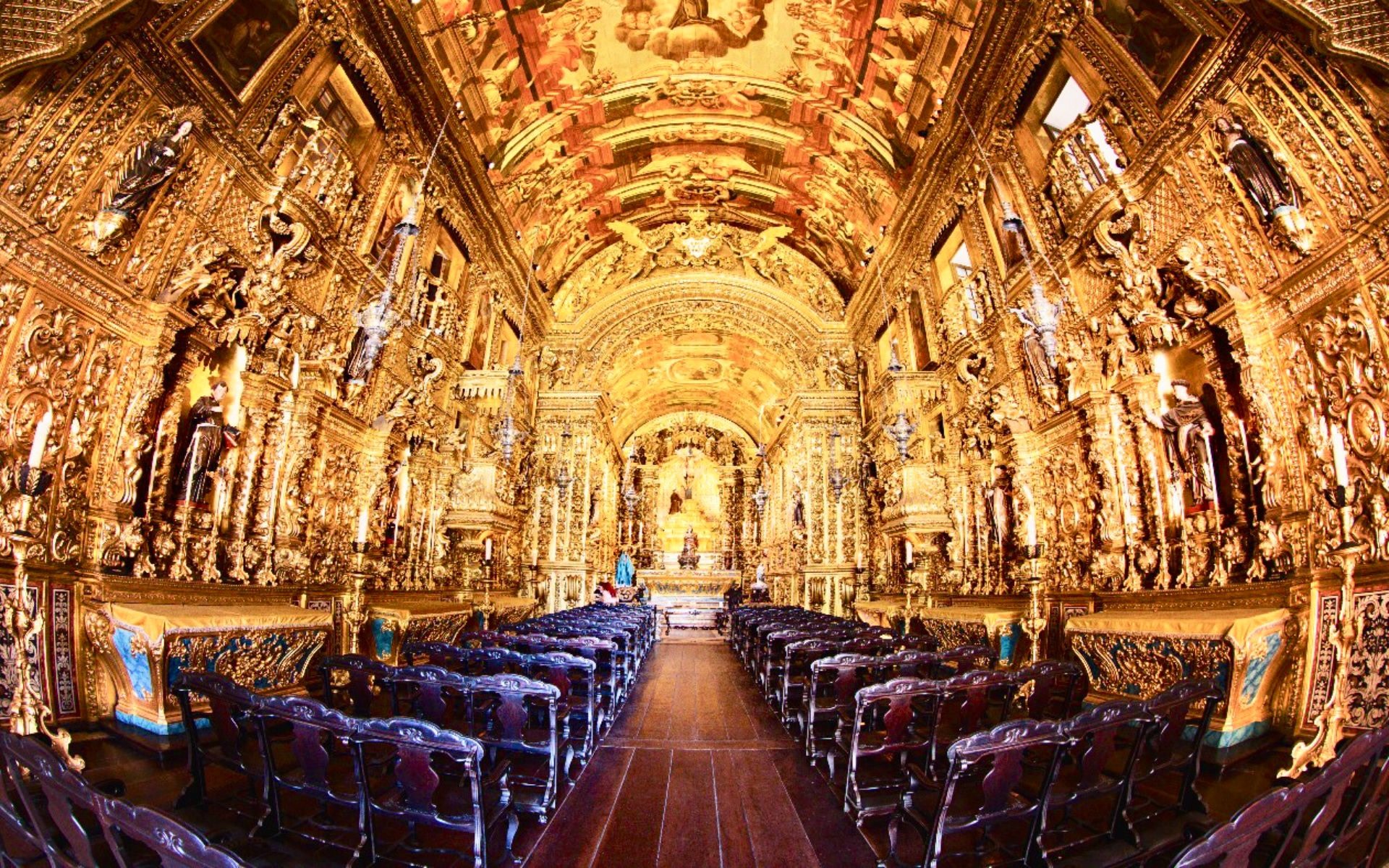
The Candelária Church (Igreja de Nossa Senhora da Candelária) in Rio de Janeiro is a stunning example of Brazilian colonial architecture. Construction began in the late 18th century, and the church was completed in the 19th century. It features a mix of Baroque, Neoclassical, and Renaissance styles, with intricate façades and ornate interiors.
The church is known for its historical and cultural significance. It has been the site of important events, including the Proclamation of the Republic in Brazil in 1889. The interior is adorned with beautiful paintings, sculptures, and a magnificent altar.
11
Stop 11
The Museu do Amanhã, or Museum of Tomorrow, in Rio de Janeiro, Brazil, is a futuristic science museum that explores the possibilities of the future. Designed by Spanish architect Santiago Calatrava, the museum's striking architecture is a major attraction in itself, with its dynamic structure and sustainable design. We won't be entering the museum, but we'll pass the entire perimeter of the building, which offers spectacular views and a photo opportunity.
12
The Painel Etnias, or Ethnicities Panel, is the world's largest graffiti mural. Painted by Brazilian artist Eduardo Kobra, the mural is an astonishing 170 metres long. It depicts the faces of indigenous peoples from five continents, representing the diversity of human ethnicities.
The mural is known for its vibrant colors and intricate details, as well as its celebration of cultural diversity and unity. It has become a symbol of Rio's cultural richness and has attracted visitors from around the world who come to admire its beauty and message of peace and harmony among different peoples and cultures.
13
We'll head to the end of the Olympic Boulevard for a quick look at the sites of the Giant Wheel and Aquarium attractions. As with all the attractions we pass, we'll be happy to drop you off to enter and experience the Wheel at the end of the tour. Through our partnership with the Giant Wheel we can offer you a discount on the admission cost.
14
Cais do Valongo is a significant historical site that served as the primary port for the arrival of enslaved Africans in the Americas during the 19th century. Discovered during urban redevelopment in 2011, this archaeological site provides a poignant reminder of Brazil's role in the transatlantic slave trade.
Designated a UNESCO World Heritage Site in 2017, Cais do Valongo features remnants of the original stone wharf and artifacts from the period, offering insight into the harrowing experiences of the millions of Africans who were brought to Brazil. The site stands as a powerful testament to the country's history and a place for reflection on the enduring legacy of slavery.
15
Pedra do Sal, located in the Saúde neighborhood of Rio de Janeiro, is a culturally and historically significant site known for its deep connections to Afro-Brazilian heritage. Historically, it was a center for the city's salt trade and a gathering place for enslaved Africans and their descendants.
Today, Pedra do Sal is celebrated as a birthplace of samba music and a hub for Afro-Brazilian culture. The area features a large rock formation where lively samba gatherings, known as "rodas de samba," take place, attracting locals and tourists alike. The site is also adorned with vibrant street art and offers a unique blend of history, music, and cultural expression, making it a must-visit for anyone interested in Rio's rich cultural tapestry.
16
Morro da Conceição is a historic hill in Rio de Janeiro, Brazil, known for its charming and well-preserved colonial architecture. Situated in the Saúde neighborhood, this picturesque area offers a glimpse into the city's past with its narrow cobblestone streets, quaint houses, and old churches.
The hill is home to several notable landmarks, including the Conceição Fort, which dates back to the 18th century and offers panoramic views of the surrounding area. Morro da Conceição is also a vibrant cultural spot, featuring art studios, galleries, and frequent cultural events that celebrate the rich history and artistic spirit of the community. This visit normally concludes the tour, and we visit a corner with three excellent lunch options, with Italian, Mexican and Traditional Brazillian restaurants in close proximity.
Available languages
Guide guide
PT
EN
Reviews breakdown
Viator
4.9
19 reviews
5★
18
4★
1
3★
0
2★
0
1★
0
Tripadvisor
5.0
17 reviews
5★
17
4★
0
3★
0
2★
0
1★
0
Important information
Service animals allowed
Public transportation options are available nearby
Infants are required to sit on an adult’s lap
Suitable for all physical fitness levels
Meeting point
You will find your bicitaxi in front of the Municipal Theatre in Praça Floriano, Cinelândia. It's easy to reach by metro (Cinelândia station) or by Uber/Taxi. You will find your pedicab in front of the Theatre's main entrance.
About Rio de Janeiro
Rio de Janeiro, known as the 'Marvelous City,' is famous for its natural settings, Carnival, samba, bossa nova, and Balneario beaches such as Copacabana and Ipanema. It's a vibrant city with a rich cultural heritage and stunning landscapes, including the iconic Christ the Redeemer statue and Sugarloaf Mountain.
Top Attractions
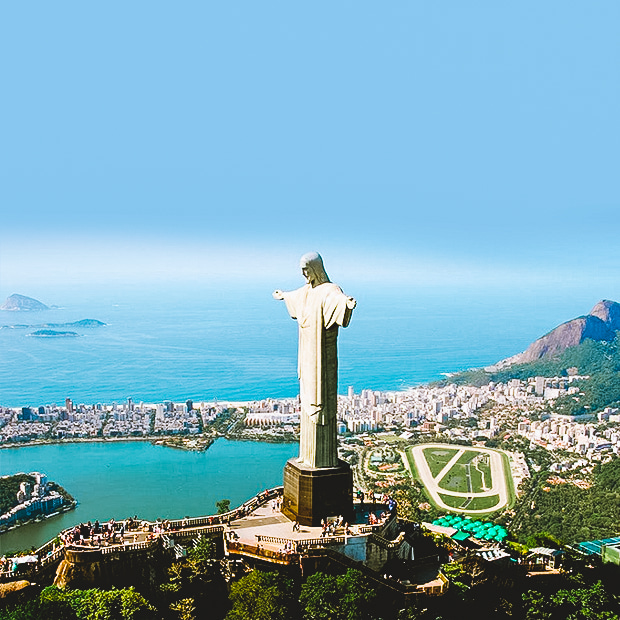
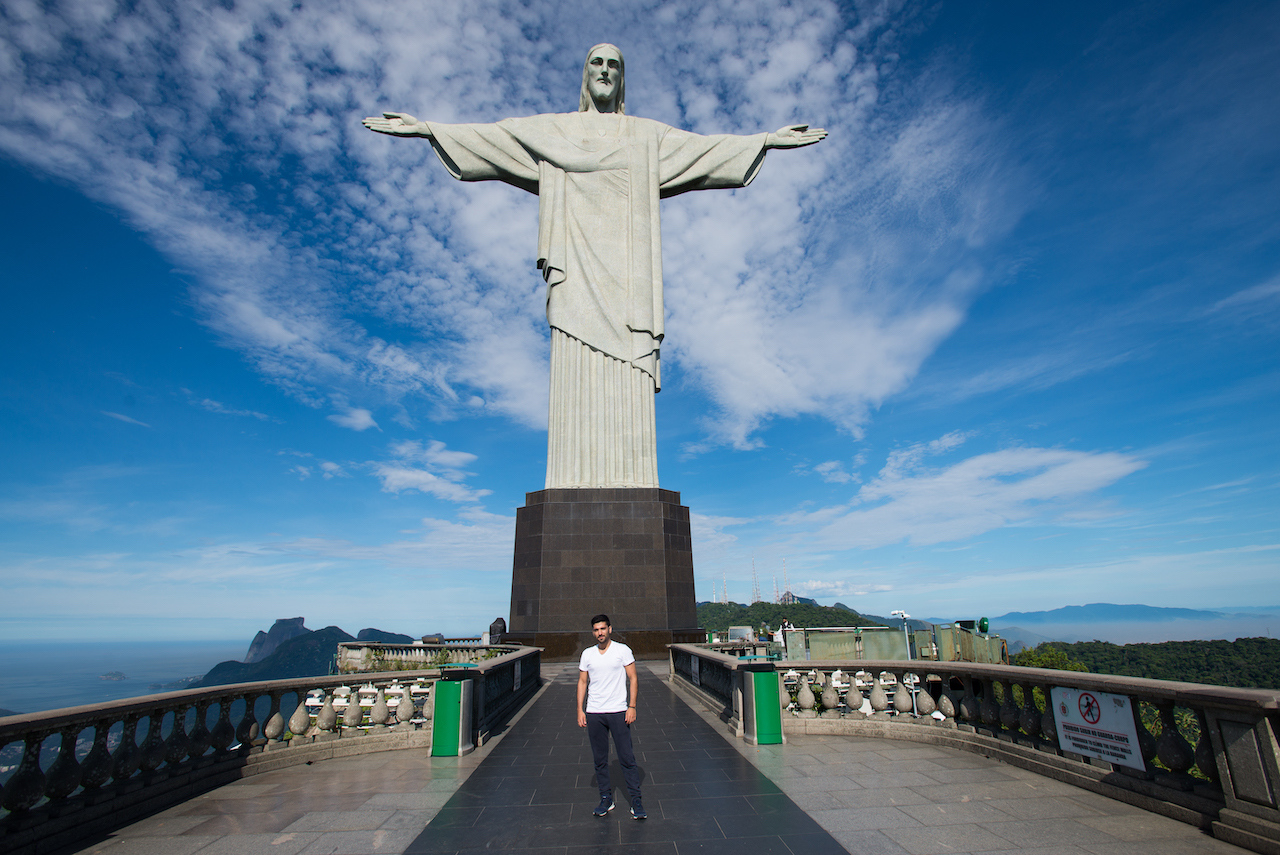
Christ the Redeemer
One of the New Seven Wonders of the World, this iconic statue offers breathtaking views of Rio de Janeiro.
Historical/Religious
2-3 hours
R$84 (including train ticket)
Sugarloaf Mountain
A famous peak offering stunning views of Rio de Janeiro and its beaches.
Nature
2-3 hours
R$88 (round-trip cable car)
Copacabana Beach
One of the most famous beaches in the world, known for its vibrant atmosphere and beautiful sunsets.
Beach
Half day or full day
Free
Tijuca National Park
The world's largest urban forest, offering hiking trails, waterfalls, and diverse wildlife.
Nature
Half day or full day
Free (some attractions may have fees)
Santa Teresa
A historic and bohemian neighborhood known for its cobblestone streets, art galleries, and scenic views.
Cultural
Half day
Free to explore
Must-Try Local Dishes
Feijoada
A hearty stew made with black beans and various cuts of pork, often served with rice, collard greens, and orange slices.
Dinner
Contains pork, not suitable for vegetarians or vegans.
Pão de Queijo
Cheese bread made with tapioca flour, giving it a unique texture and flavor.
Snack
Vegetarian, but contains dairy.
Moqueca
A traditional fish stew cooked in coconut milk and dendê oil, with various seafood and vegetables.
Dinner
Can be made vegetarian or vegan with vegetable broth and tofu.
Açaí
A thick, creamy fruit pulp from the açaí palm, often served with granola and condensed milk.
Dessert/Drink
Can be made vegan with plant-based milk.
Popular Activities
Hiking in Tijuca National Park
Surfing in Arpoador
Paragliding in Pedra Bonita
Beach lounging in Ipanema
Spa treatments in Copacabana
Yoga in Botafogo
Visiting museums in Centro
Attending a samba show
Best Time to Visit
December to March
This is the peak tourist season with warm weather and the famous Carnival in February/March. Expect crowded beaches and higher prices.
25-30°C
77-86°F
Practical Information
Language
- Official: Portuguese
- Widely spoken: English (limited)
- English: Limited
Currency
Brazilian Real (BRL)
Time Zone
GMT-3 (Brasília Time)
Electricity
110V/220VV, 60HzHz
Safety Information
Overall Safety Rating: Exercise caution
Rio de Janeiro is generally safe for tourists, but petty crime and violence can occur. Exercise caution, especially in less touristy areas and at night.
Important Precautions:
- • Avoid walking alone at night in unsafe areas
- • Use common sense and stay alert to your surroundings
- • Keep valuables secure and out of sight
Getting there
By air
- Rio de Janeiro-Galeão International Airport • 20 km (12 miles) from city center
- Santos Dumont Airport • 12 km (7.5 miles) from city center
By train
Central do Brasil
By bus
Rodoviária Novo Rio, Terminal Rodoviário da Gavea
Getting around
Public transport
Efficient and air-conditioned, the metro is a great way to avoid traffic.
Taxis
Available • Apps: Uber, 99 Taxis
Rentals
Car, Bike, Scooter
Neighborhoods
Copacabana
Ipanema
Santa Teresa
Lapa
Botafogo
Day trips
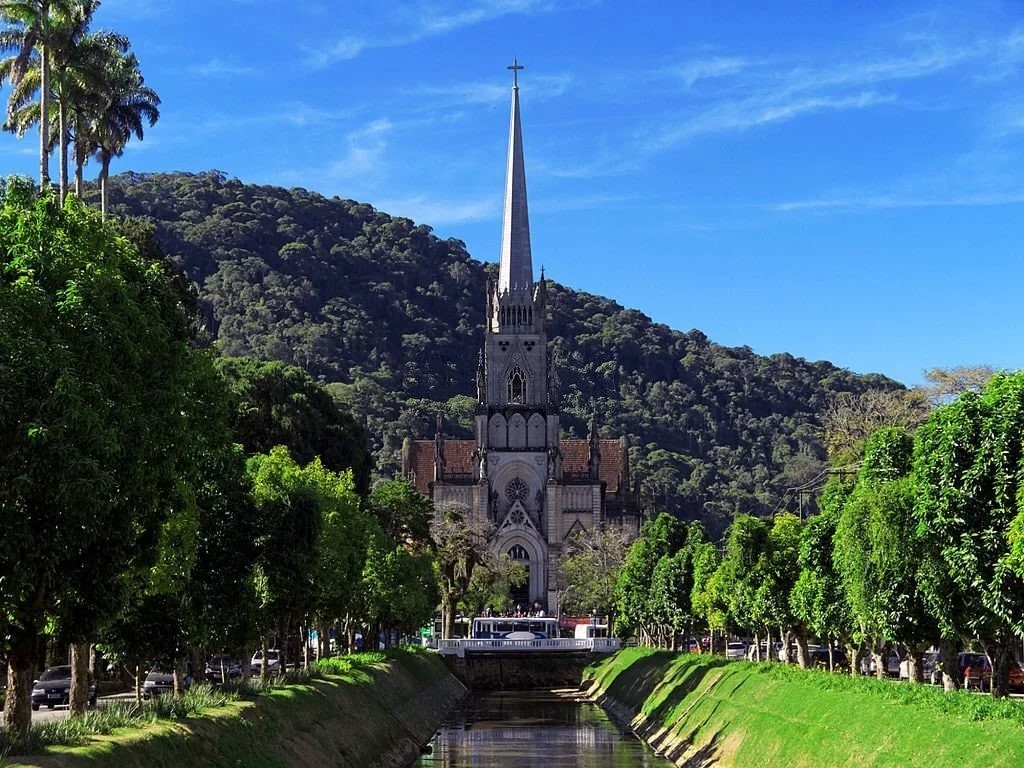
Petrópolis
65 km (40 miles) • Full day
A charming colonial town in the mountains, known for its historic architecture and cool climate.
Paraty
170 km (105 miles) • Full day or overnight
A historic coastal town with cobblestone streets, colonial architecture, and beautiful beaches.
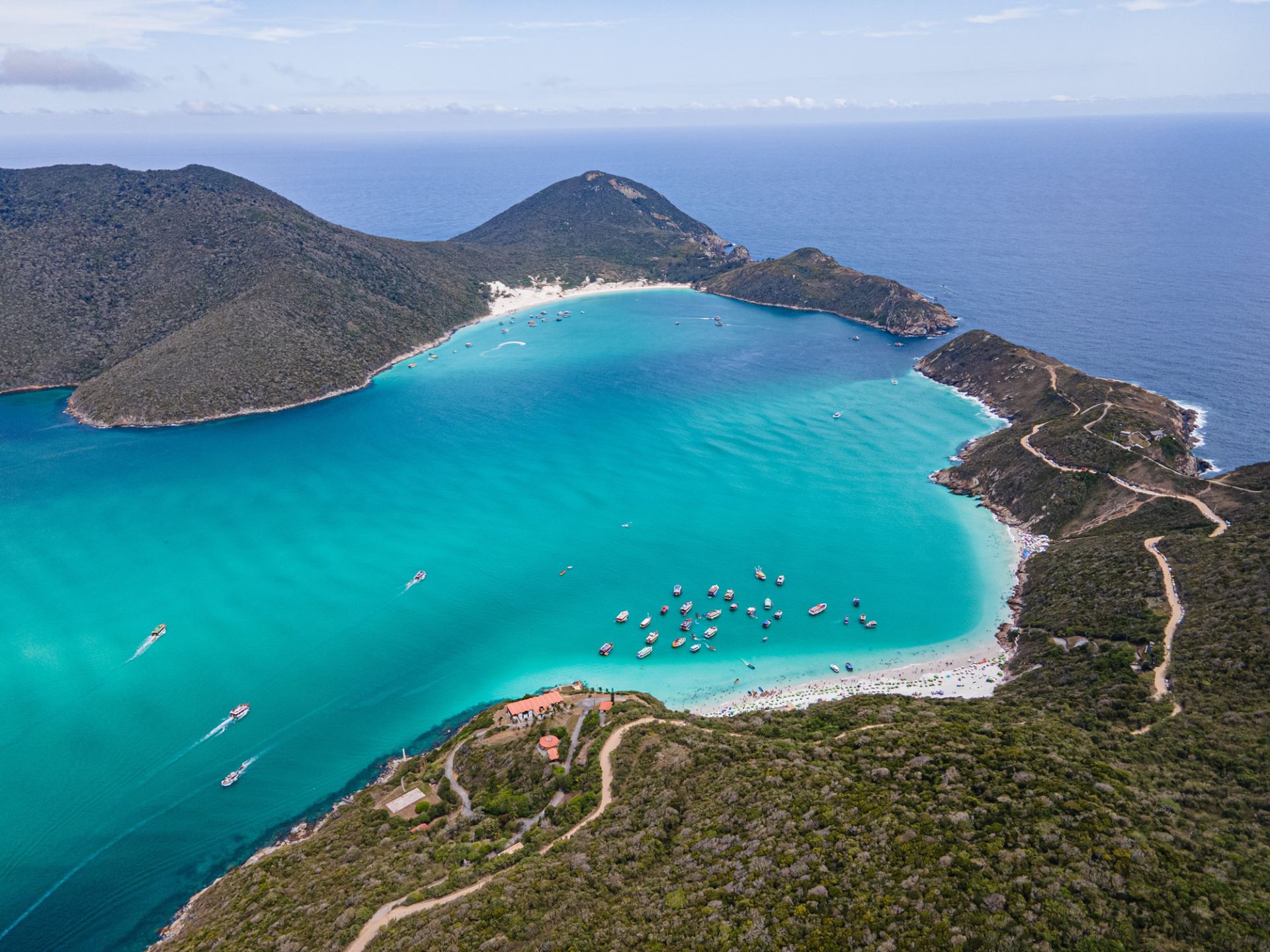
Búzios
170 km (105 miles) • Full day or overnight
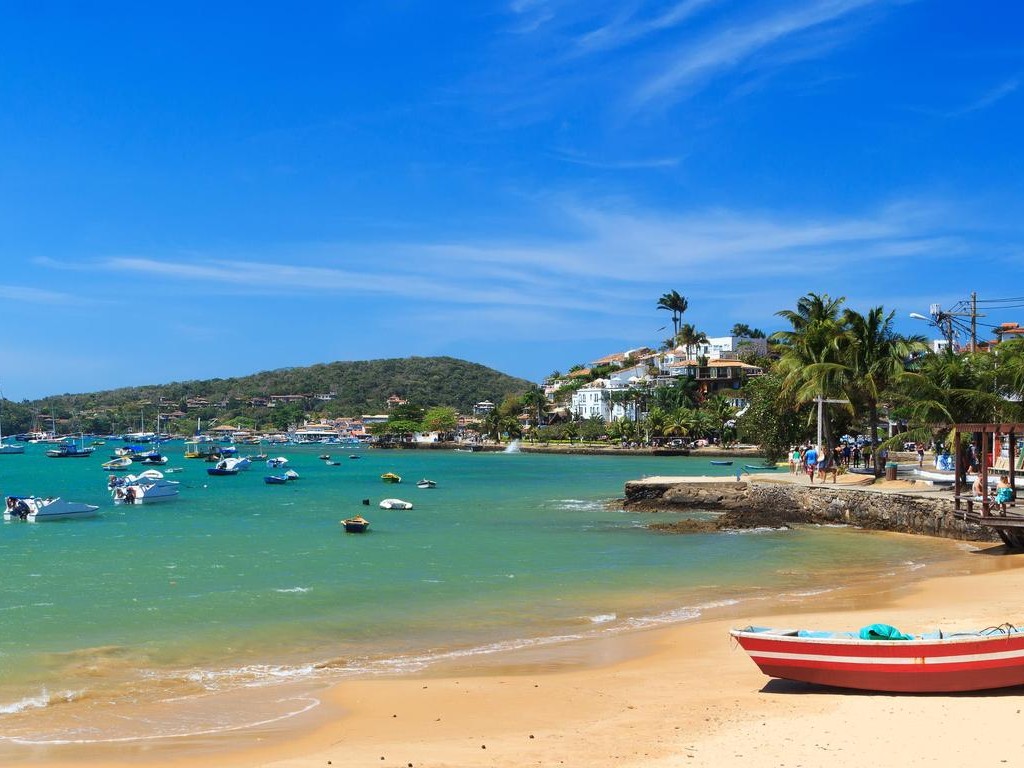
A picturesque beach town known for its stunning beaches, clear waters, and vibrant nightlife.
Festivals
Carnival • February/March (dates vary)
Rio Carnival Samba Parade • February/March (dates vary)
New Year's Eve (Réveillon) • December 31
Pro tips
- Visit Christ the Redeemer early in the morning to avoid crowds and enjoy the best views
- Take a helicopter tour for a unique perspective of the city
- Explore the less touristy neighborhoods like Santa Teresa and Botafogo for a more authentic experience
- Try local street food like pão de queijo and coxinha for a taste of Brazilian flavors
- Learn some basic Portuguese phrases to enhance your interactions with locals
From $25
per person
Price varies by option
Secure booking
Free cancellation available
Instant confirmation